The Problem
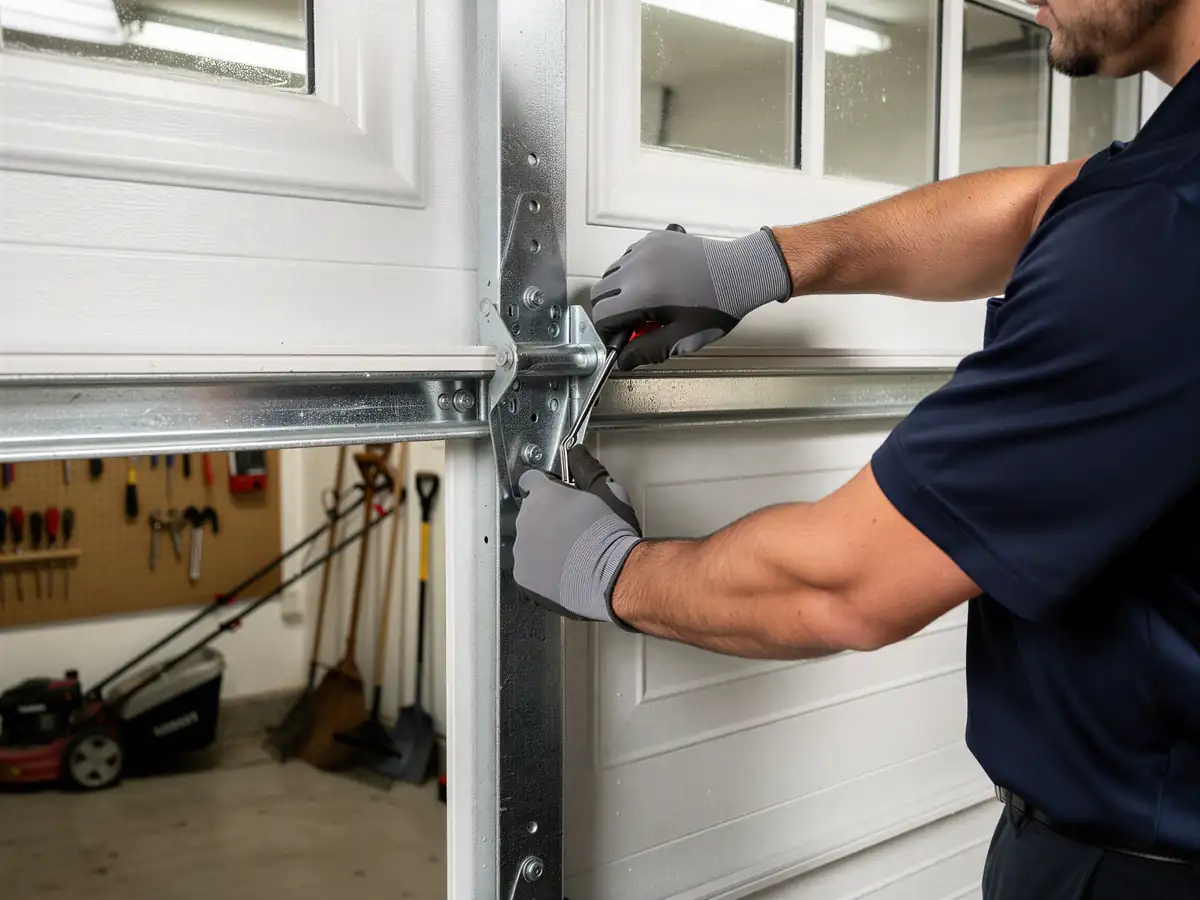
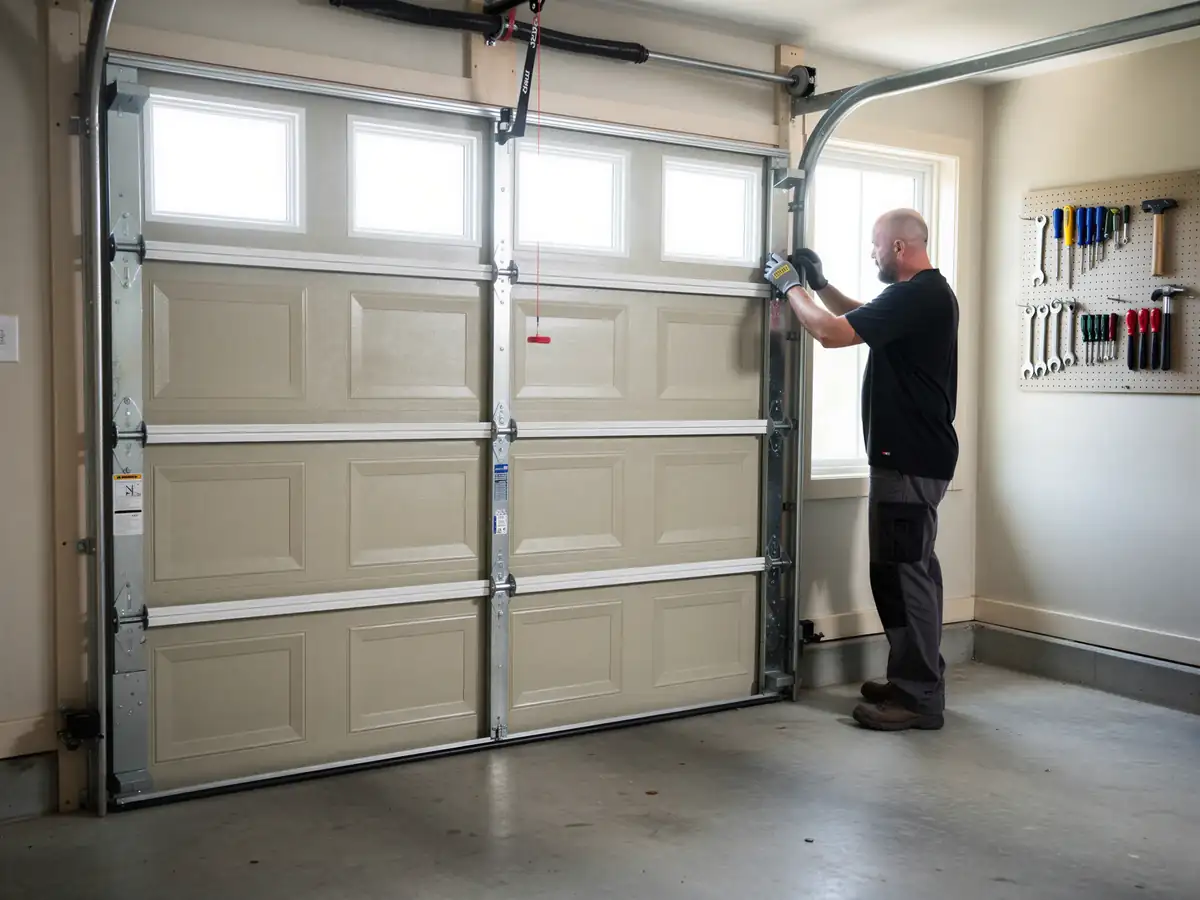
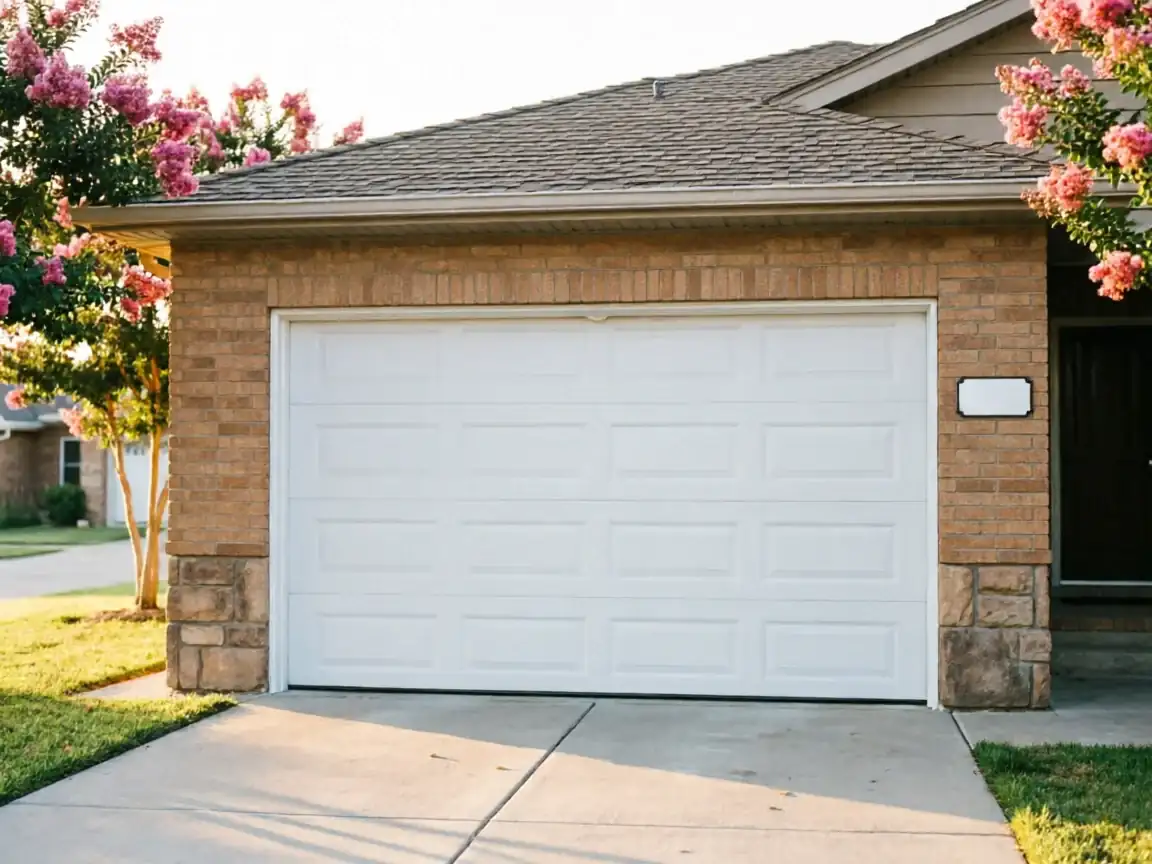
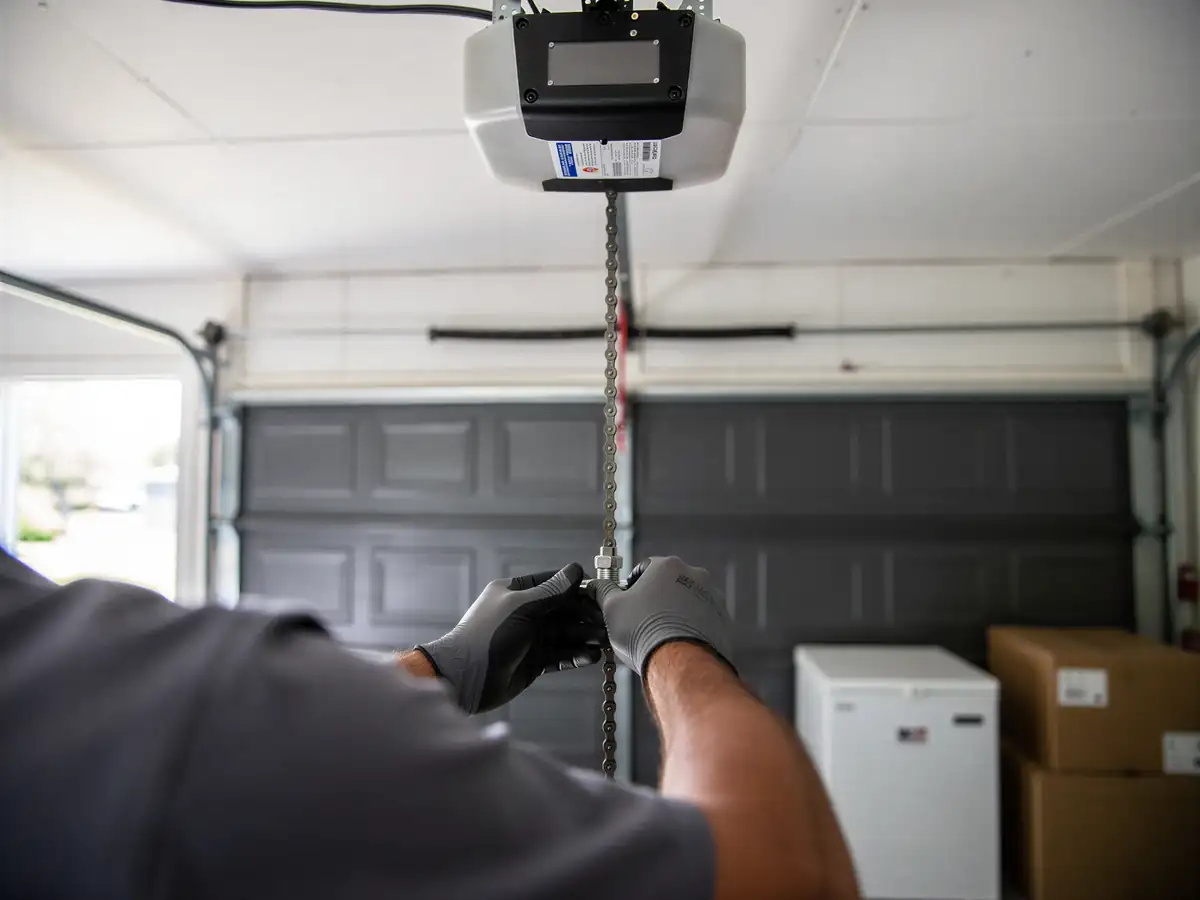
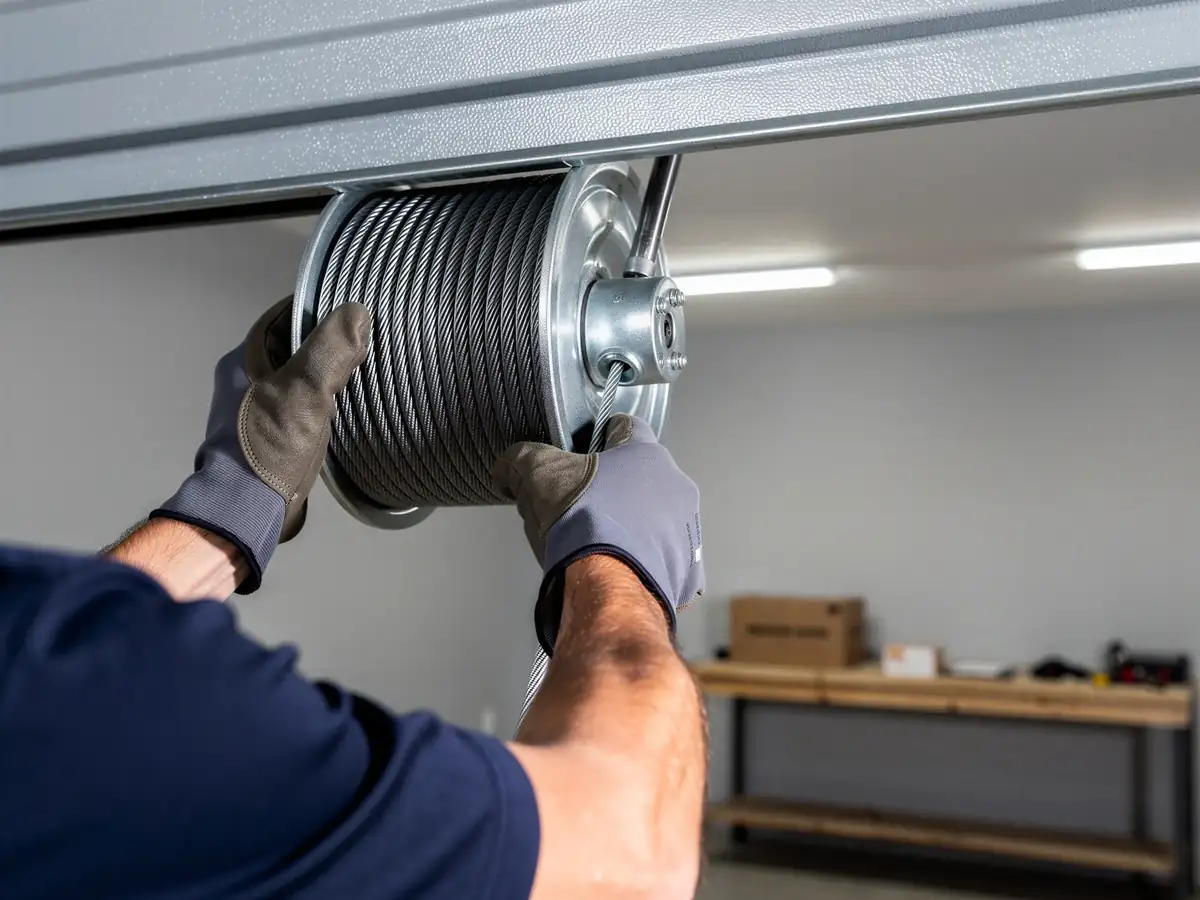
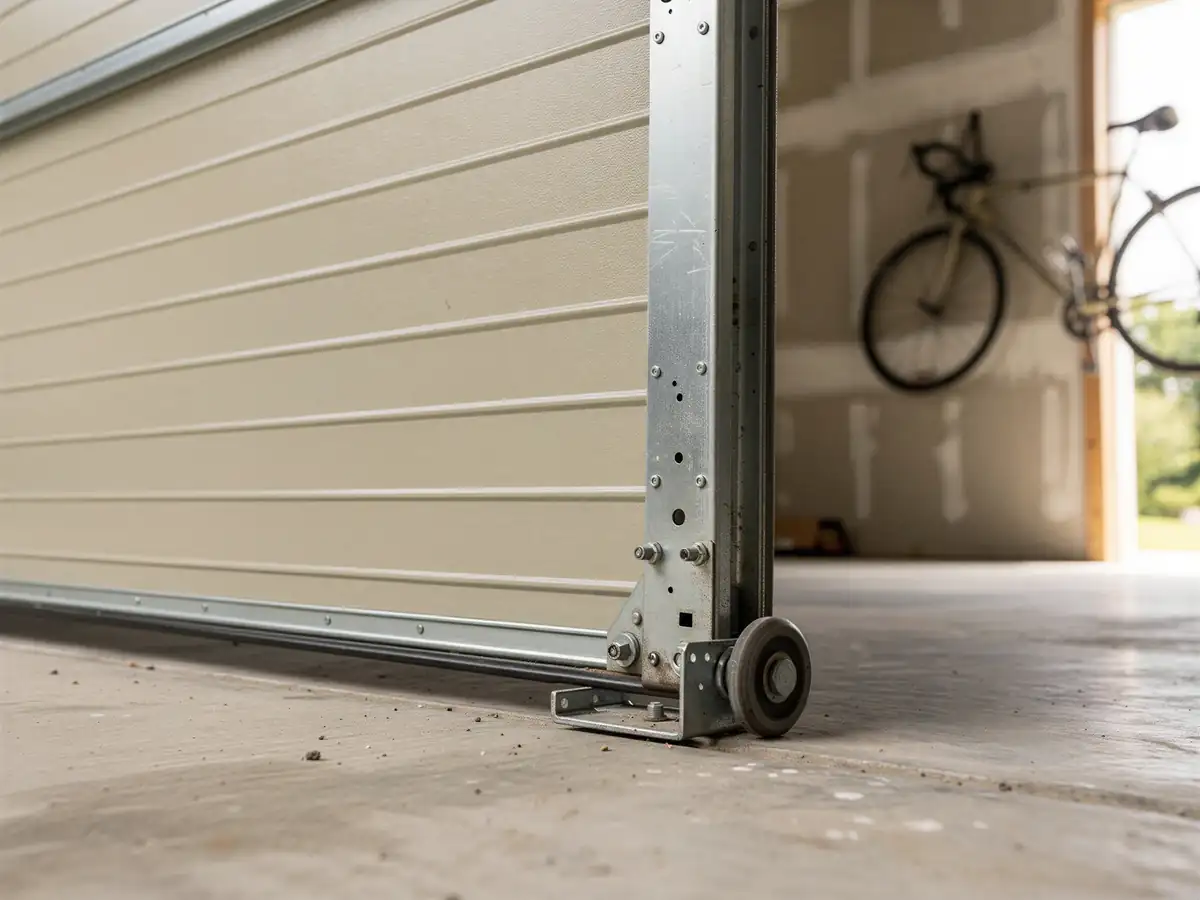
Most of the houses this company works on in the Moore service area went up between 1959 and 2004, and the bulk of that stock dates to the 1980s and 90s. That matters because the garage door and the hardware behind it are usually original, or close to it. A torsion spring rated for a door built in 1985 has had close to forty years of open-and-close cycles, and springs don't fail gracefully. They fatigue, lose tension unevenly, and eventually snap, usually on a cold morning when the steel is stiffest. The same goes for the opener. If the house is one of the 1980s builds that make up most of this stock, the opener is often original, running on gears that were nylon when new and are brittle now. Across the 18 named areas this company covers, that's the pattern more often than not: not a broken part in isolation, but an entire system built to a 1980s spec, still running on 1980s parts, in houses that were never updated because nothing failed all at once. The door usually still looks fine. The hardware behind it doesn't.
What You Pay
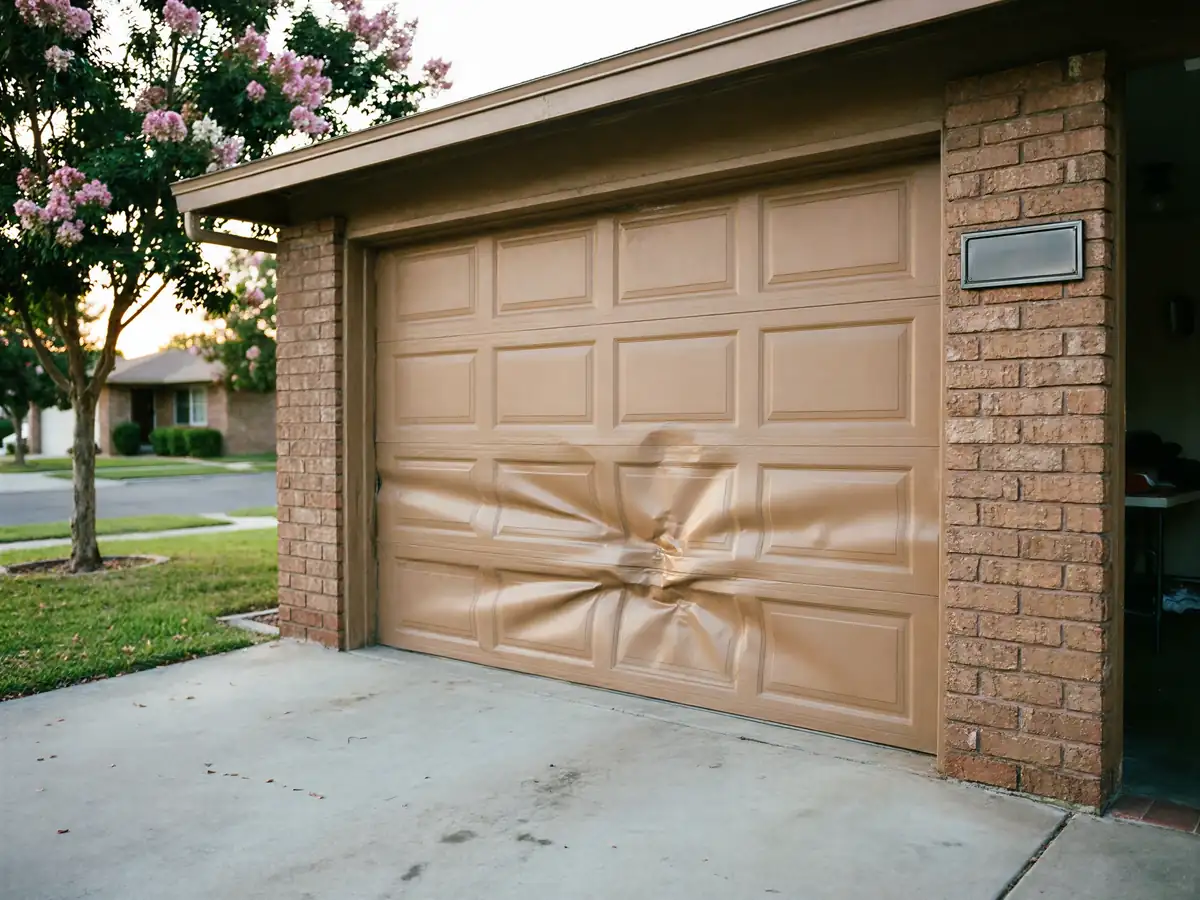
We don't have a rate card to publish here, and quoting a number without seeing the door would be guessing. What we can tell you is what drives the job one way or the other in this area. A single torsion spring swap on an original 1980s door is a different job than replacing an opener whose circuit board no longer exists in any parts catalog - and in a service area where most houses are 20 to 45 years old, that second case comes up a lot. With roughly 39,476 owner-occupied houses across this area and a median household income of $81,105, most of what we see is homeowners who'd rather fix the specific broken part than replace the whole door, and that's usually the right call if the door panels themselves are sound. Where it isn't the right call is when the door is wood or an early steel panel that's rusted through at the bottom - at that point you're paying to patch something that'll need doing again in a year. We'll tell you straight when that's the situation instead of running up a repair bill on a door that's done.
When to Get Help
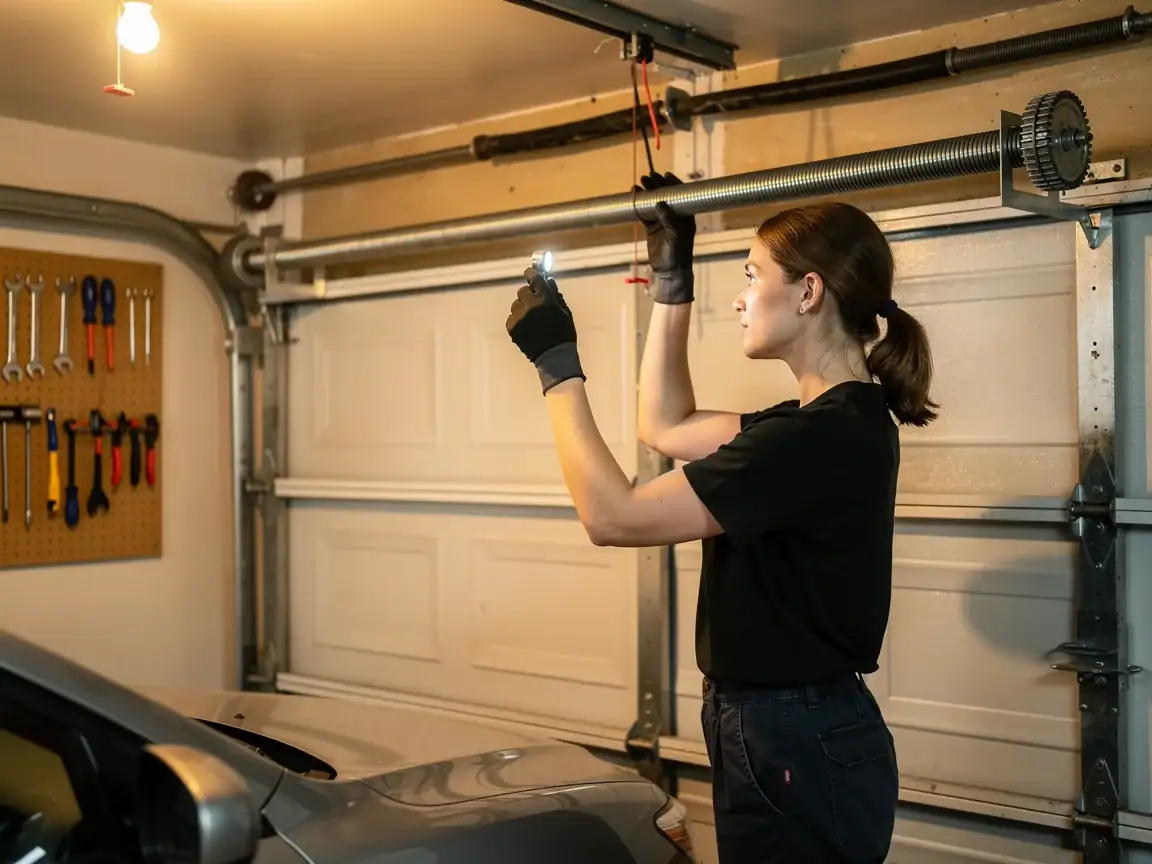
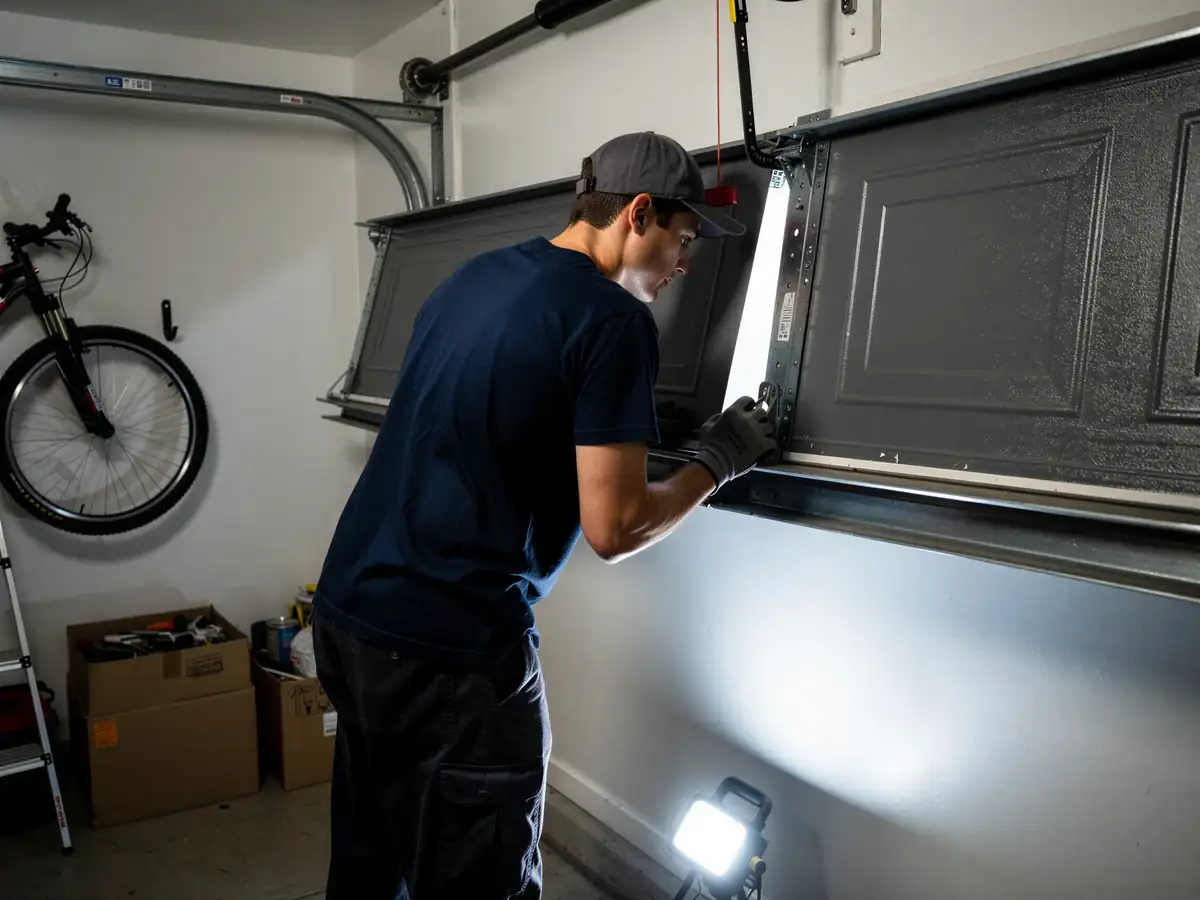
Call before the spring actually breaks, not after. A torsion spring on a door this age usually gives some warning - a door that's heavier to lift by hand, a visible gap in the coil, a loud bang from the garage that wasn't followed by the door falling only because the second spring held. If you hear that bang, do not put the door up or down again; a broken spring under tension is dangerous, and on an original double door from the 1980s and 90s stock common in this area, that spring is heavier than most people expect. Get help sooner, too, if the opener is original and has started reversing randomly or running louder than it used to - that's a gear set near the end, not a settings problem. One limit on what we can do: if a part is specific to a door model that stopped being made decades ago, we may need to special-order it or recommend a hardware swap instead of an exact match, and that can add a few days to the job.