What You Pay
We won't quote a number here because panel replacement pricing depends on things that change from one job to the next: whether your door is steel or wood, whether the panel is a standard size or a custom cut for an older frame, and whether we can order a matching panel from the original manufacturer or have to source a close match. Doors built in the 1960s through the 1980s - common across this service area - often used panel profiles that aren't in current production, which pushes the job toward a full section swap instead of a single-panel patch.\n\nThe honest limitation: if your door is old enough that the manufacturer no longer makes a matching panel, repair isn't always the cheaper option once you account for a mismatched color or rib pattern on the face of your house. In those cases we'll tell you straight that full door replacement may cost less in the long run than chasing a panel that doesn't quite match.\n\nWe price each job after we see the door, the damage, and the hardware around it - not off a phone description.
Time on the Job
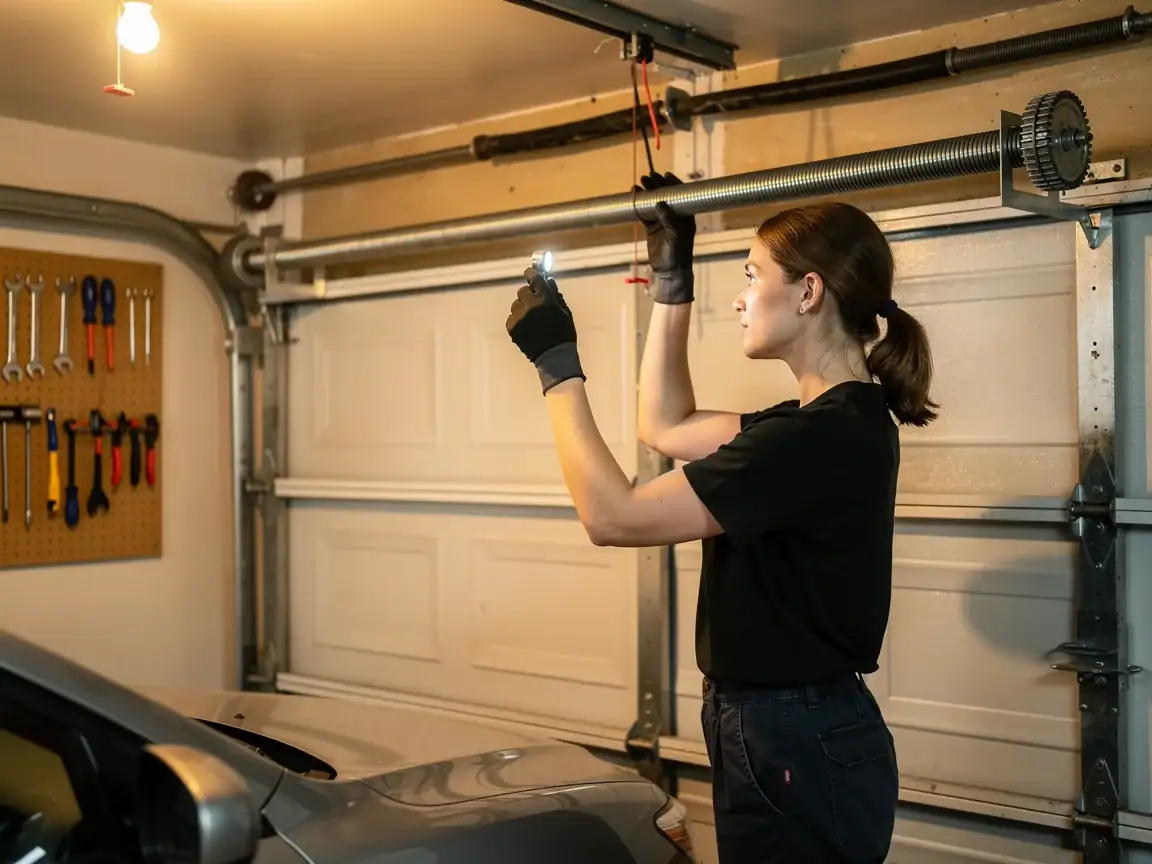
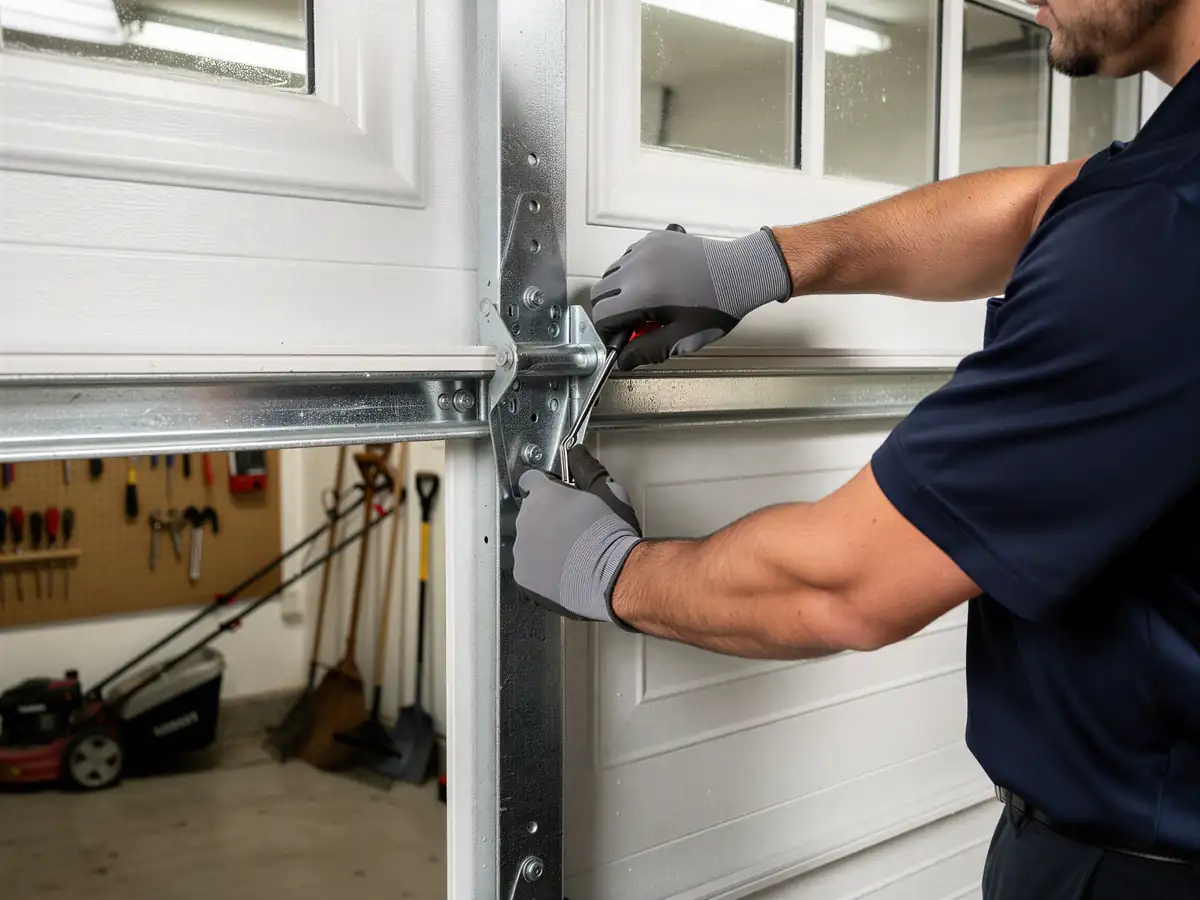
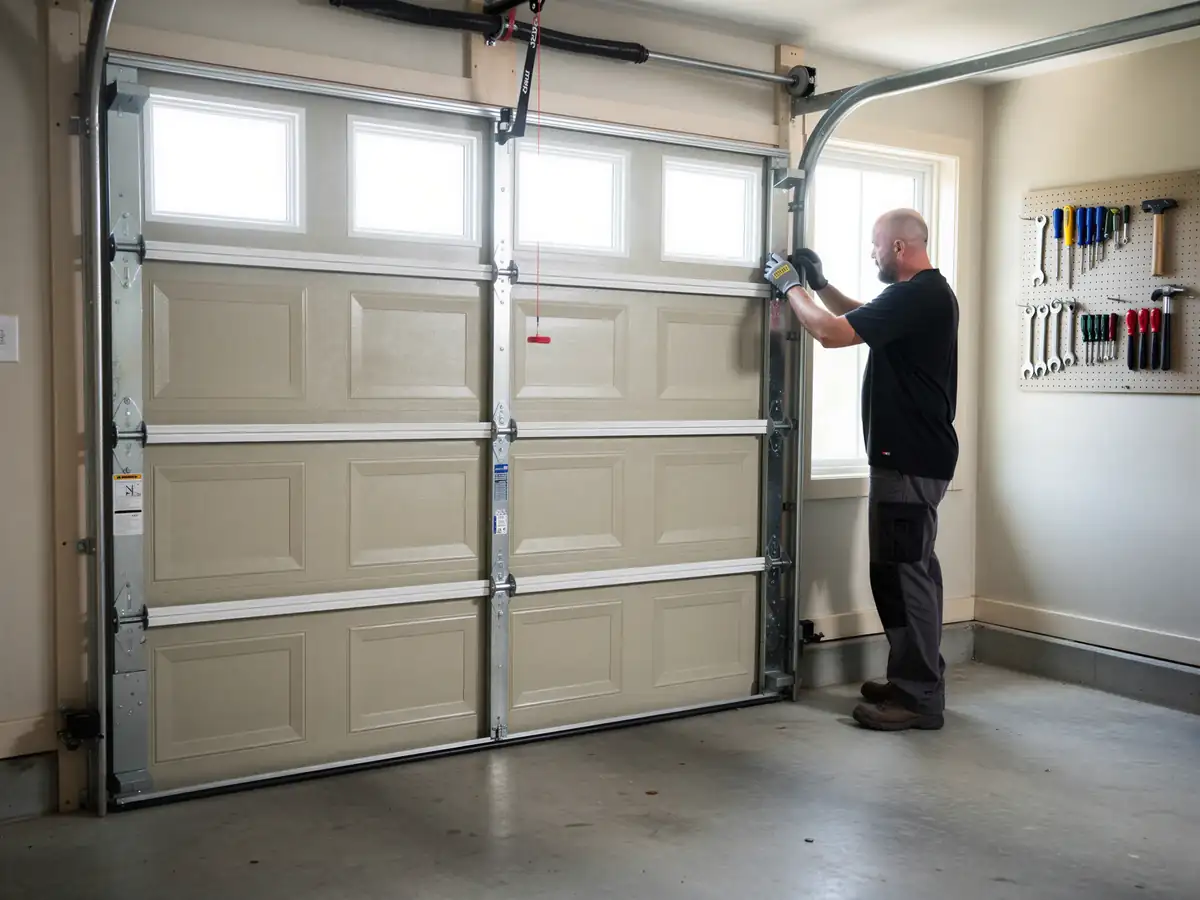
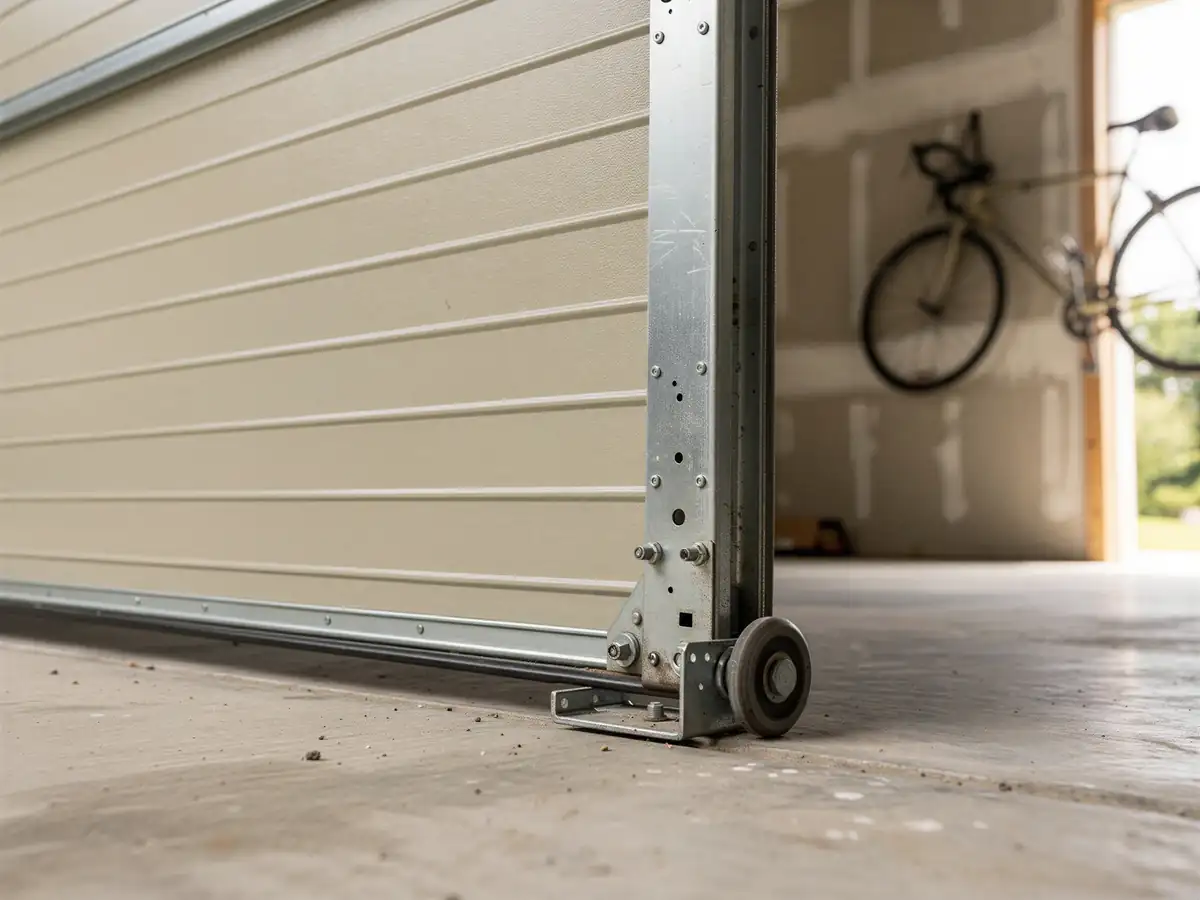
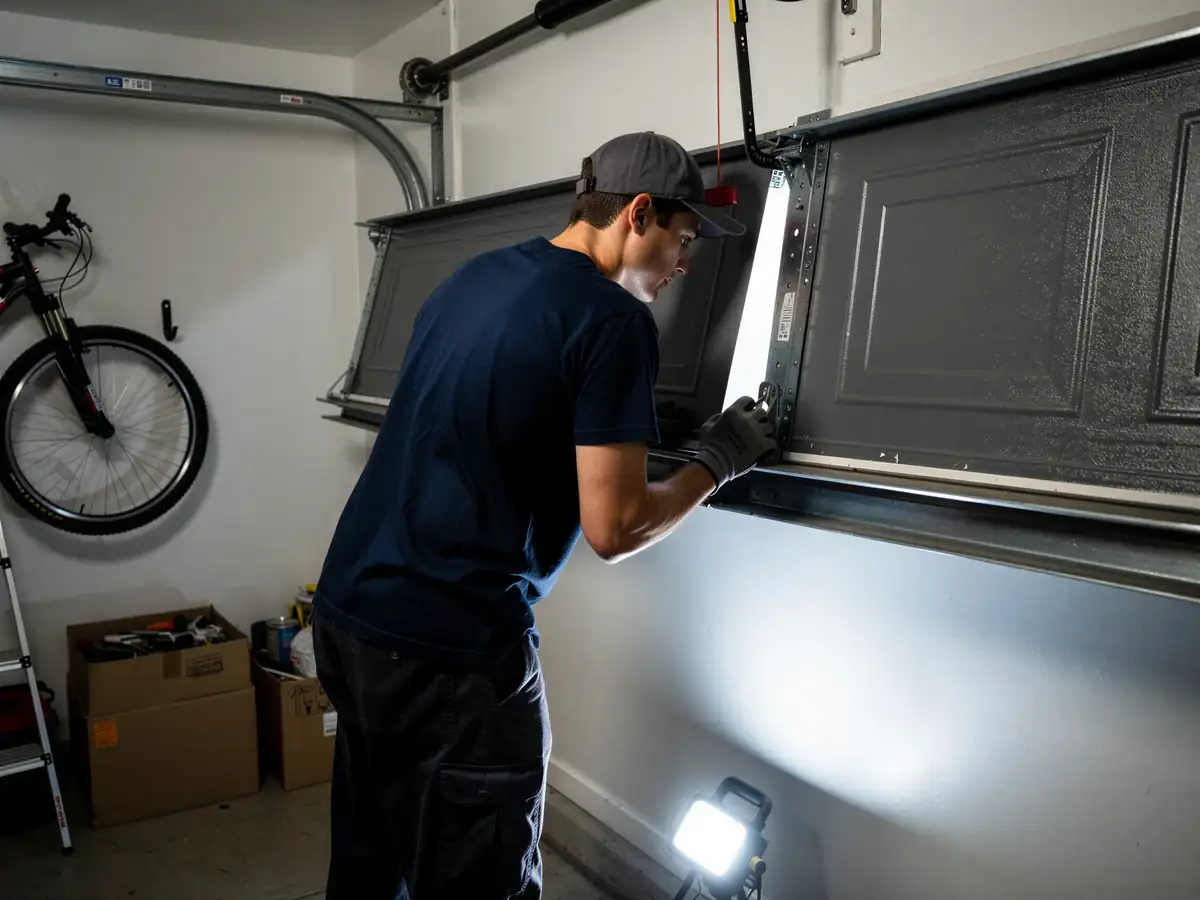
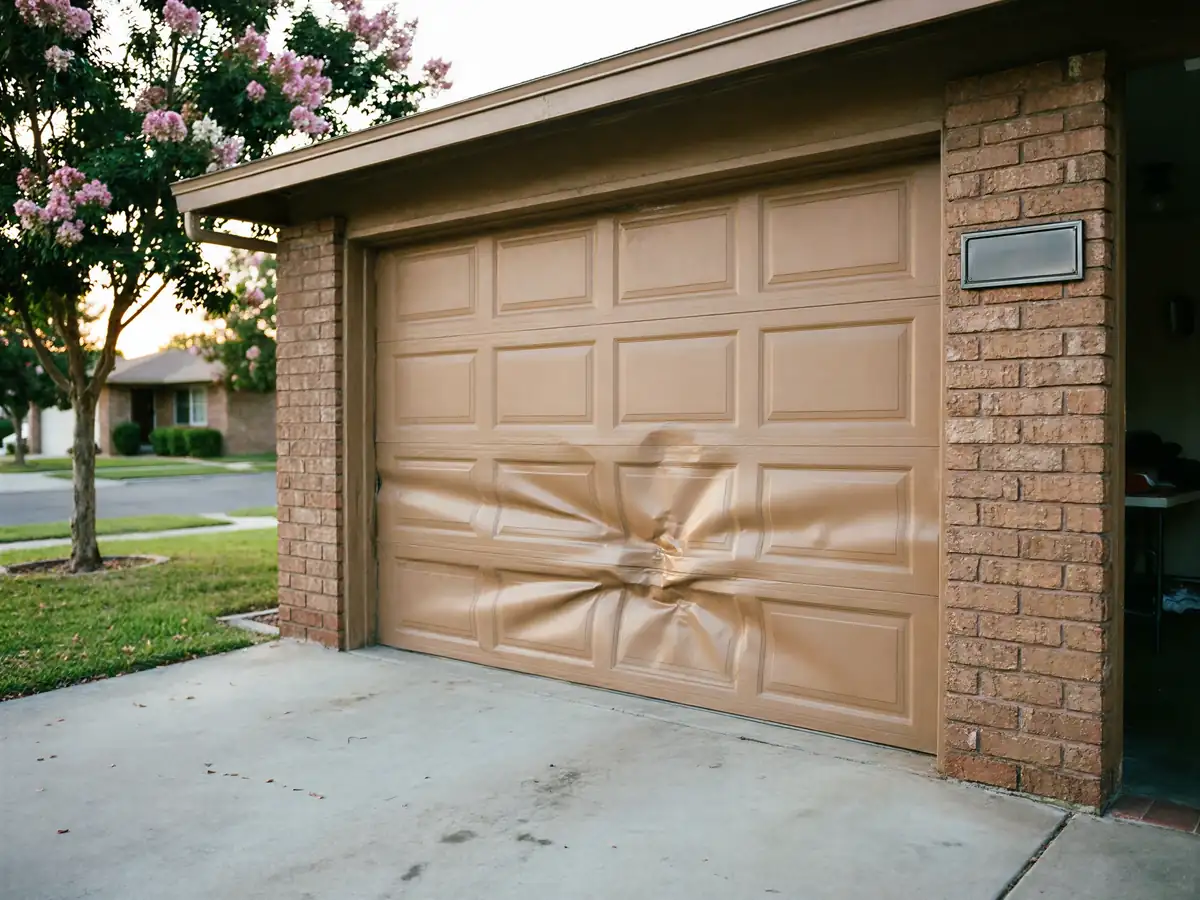
A panel swap on a door with standard, currently-manufactured sections is usually a same-visit job once the part is in hand. The variable is almost always the part, not the labor. Homes in this area were mostly built between 1980 and 2004, and a lot of those doors are still running original or first-replacement hardware from that era, which means the panel profile may need to be special-ordered rather than pulled off a shelf.\n\nIf your track, rollers, or end hinges are bent along with the panel - which happens more often than people expect when a vehicle or a falling branch causes the damage - we address that hardware in the same visit so the new panel doesn't fail early from misalignment. We won't put a new panel on a bent track and call it done; that just moves the failure point.\n\nFor doors where the exact panel can't be sourced, we'll say so up front rather than stringing out an order that isn't coming.
Why It Happens Here
Moore sits in a cold-moderate climate band, which means steel panels go through a real freeze-thaw cycle every winter and a real heat cycle every summer. That expansion and contraction, repeated over 20 to 40 years on doors built mostly between 1959 and 2004, is what fatigues the seams and bottom edges long before the rest of the door fails. It's a slower failure mode than what you'd see in a mild coastal climate, but it's steady, and it concentrates at the bottom panel where ground moisture and temperature swing meet.\n\nAcross the roughly 18 named subdivisions and pockets that make up this service area, most of the housing clusters in that same 1980s-90s build window, so the panels wearing out now are largely the same generation of hardware - which is part of why sourcing an exact match gets harder every year as manufacturers phase out older profiles.\n\nImpact damage isn't tied to the housing age at all - that's just a matter of what's parked in the driveway and how close the hoop pole is to the door.