What You Pay
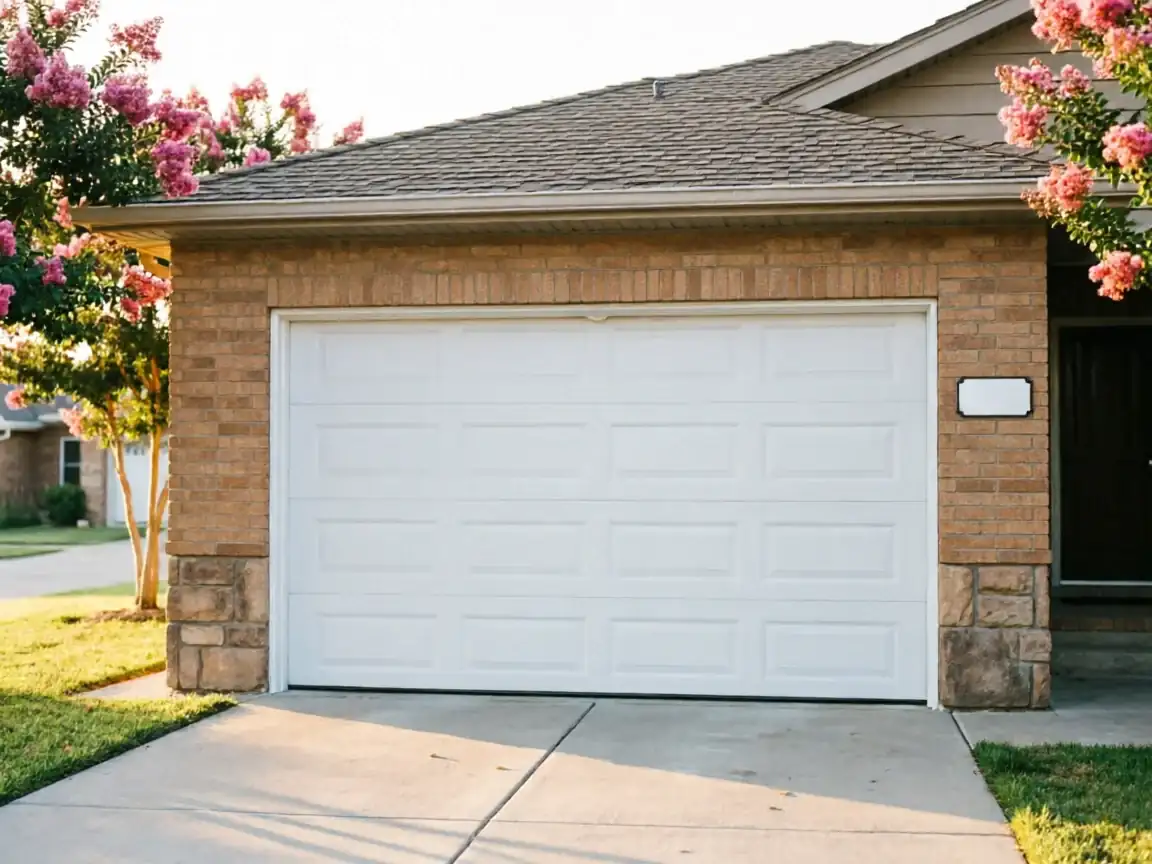
We can't quote a number here without seeing your opening, your framing, and what you want on the door - size, insulation level, window inserts, opener type all move the number. What we can tell you is what drives the spread in a town like Moore. A lot of houses here were built between 1959 and 2004, with the bulk going up around 1980, and that median matters: a standard 16-by-7 double door on a house from that era usually fits a stock opening, which keeps the job simple. Homes on the older end of that range sometimes have jambs that were never squared for today's track hardware, and that adds labor before the door even goes up.
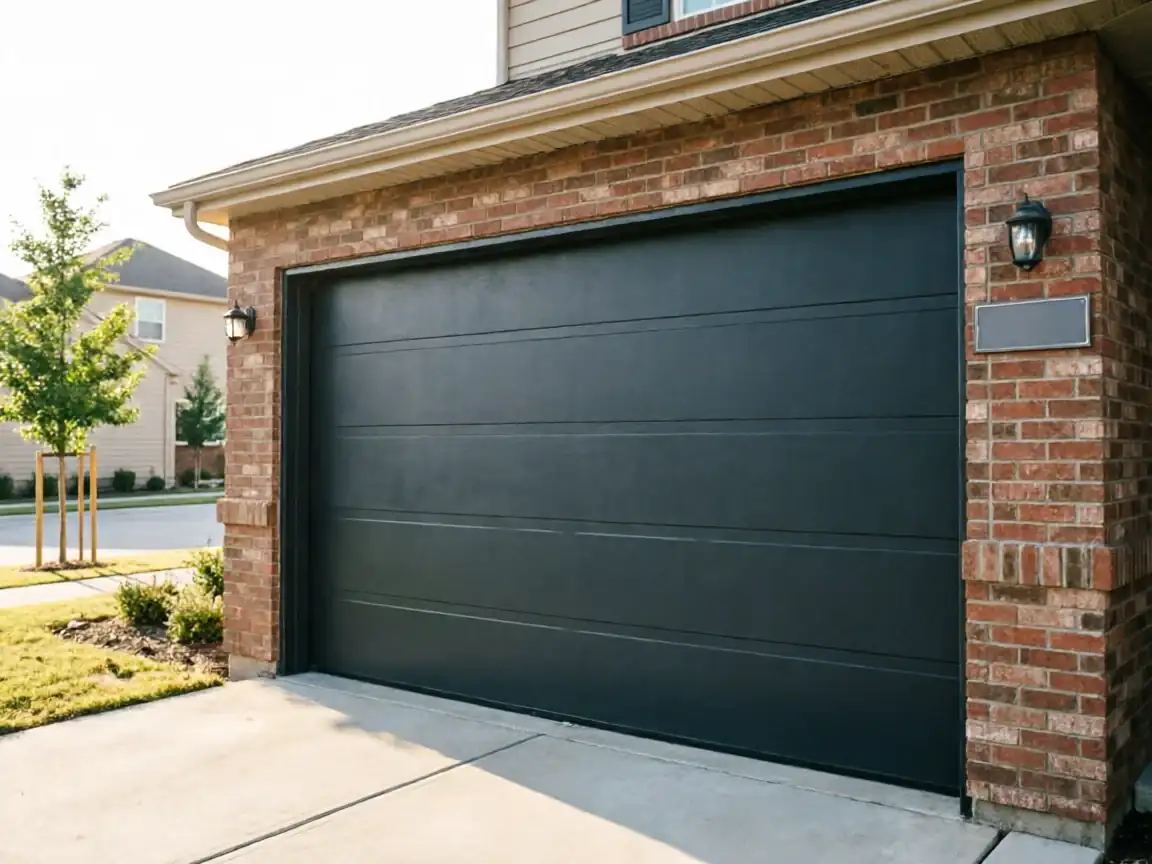
Insulation is the other lever, and it's not optional padding in this climate band - a cold-moderate winter means an uninsulated steel door is doing almost nothing for the air in your garage. Most owners in the Moore area, where median household income runs $81,105, land on a mid-grade insulated steel door rather than the bare single-layer door that came with the house. That's a real cost difference, not a marketing upsell, and we'll walk you through it before you commit to anything.
Time on the Job
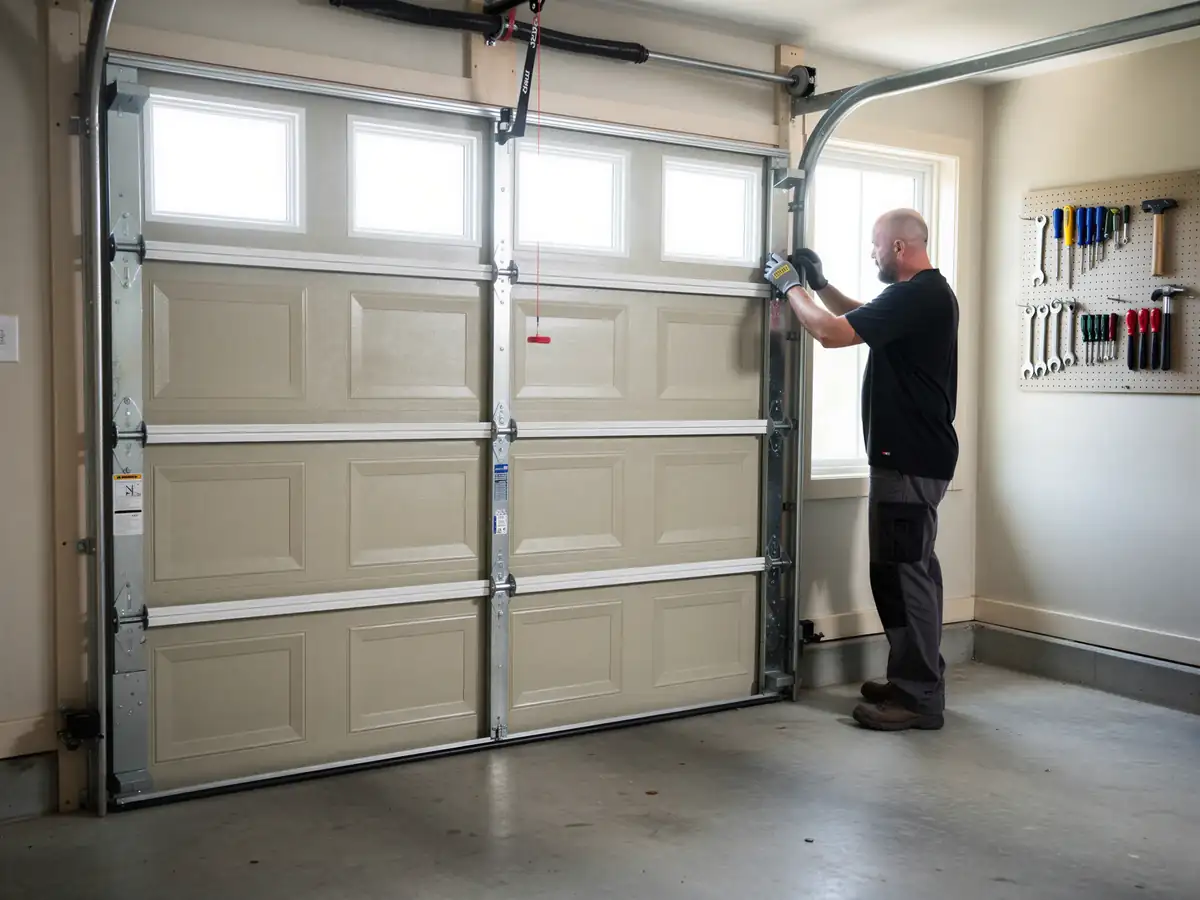
A straightforward swap - same size opening, same track position, new door and matching opener - is a single-day job for one crew. Where it stretches is the framing. Houses built earlier in Moore's 1959-2004 range sometimes have jambs and headers that were never squared to the tolerances modern track hardware expects, and that's not something you find out until the old door and track are off the wall.
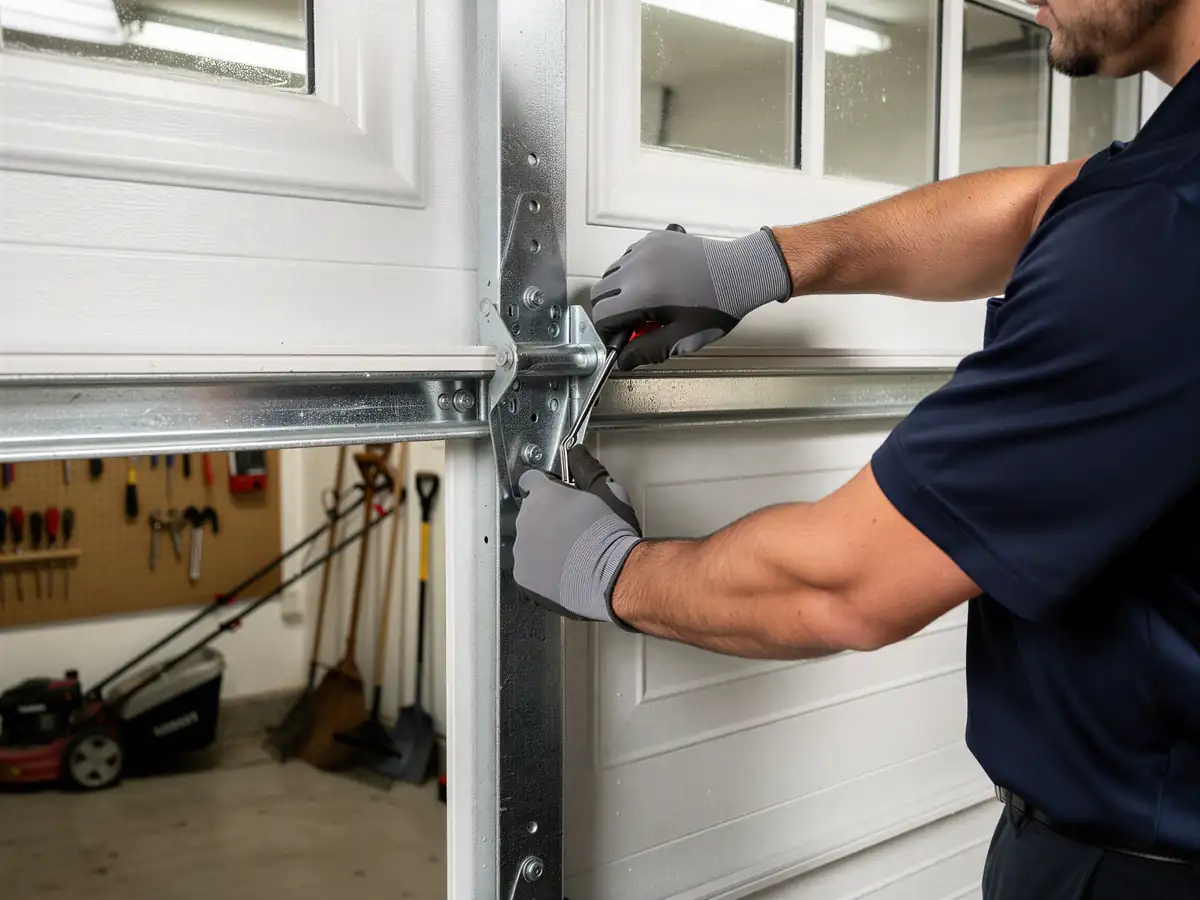
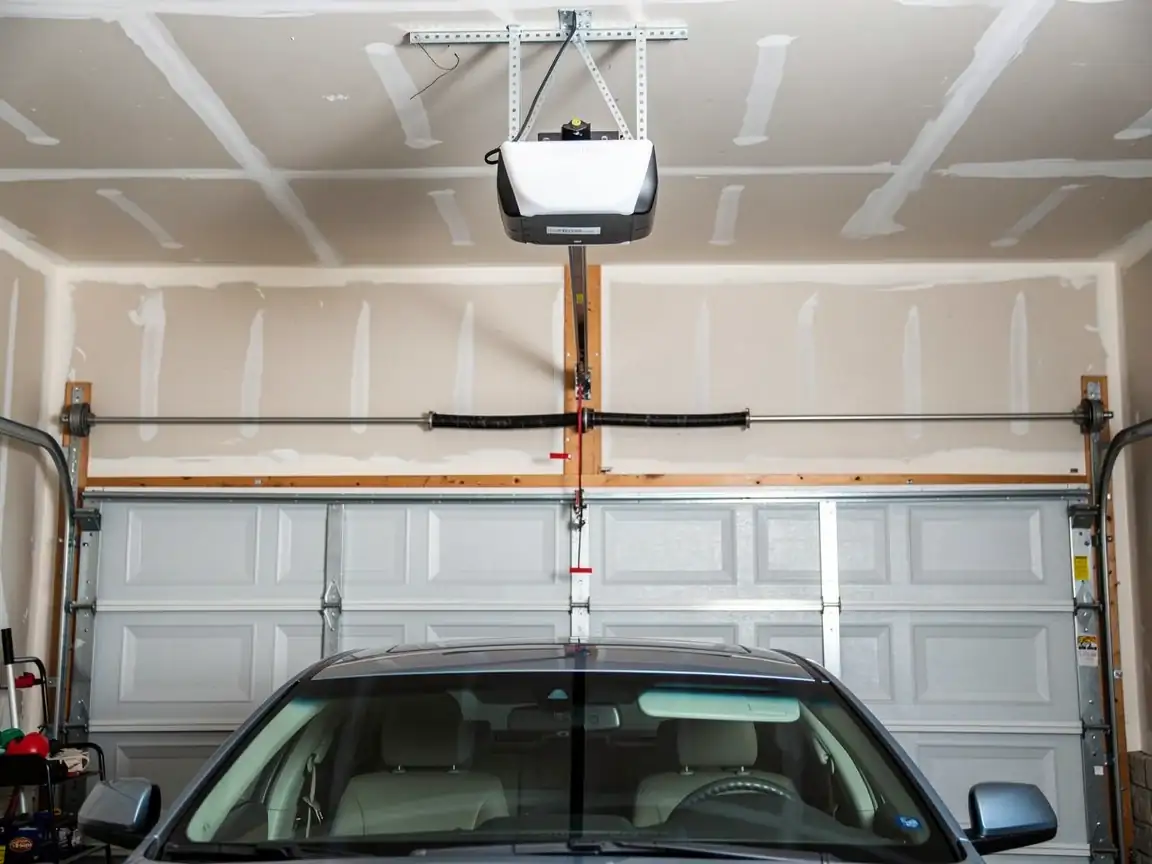
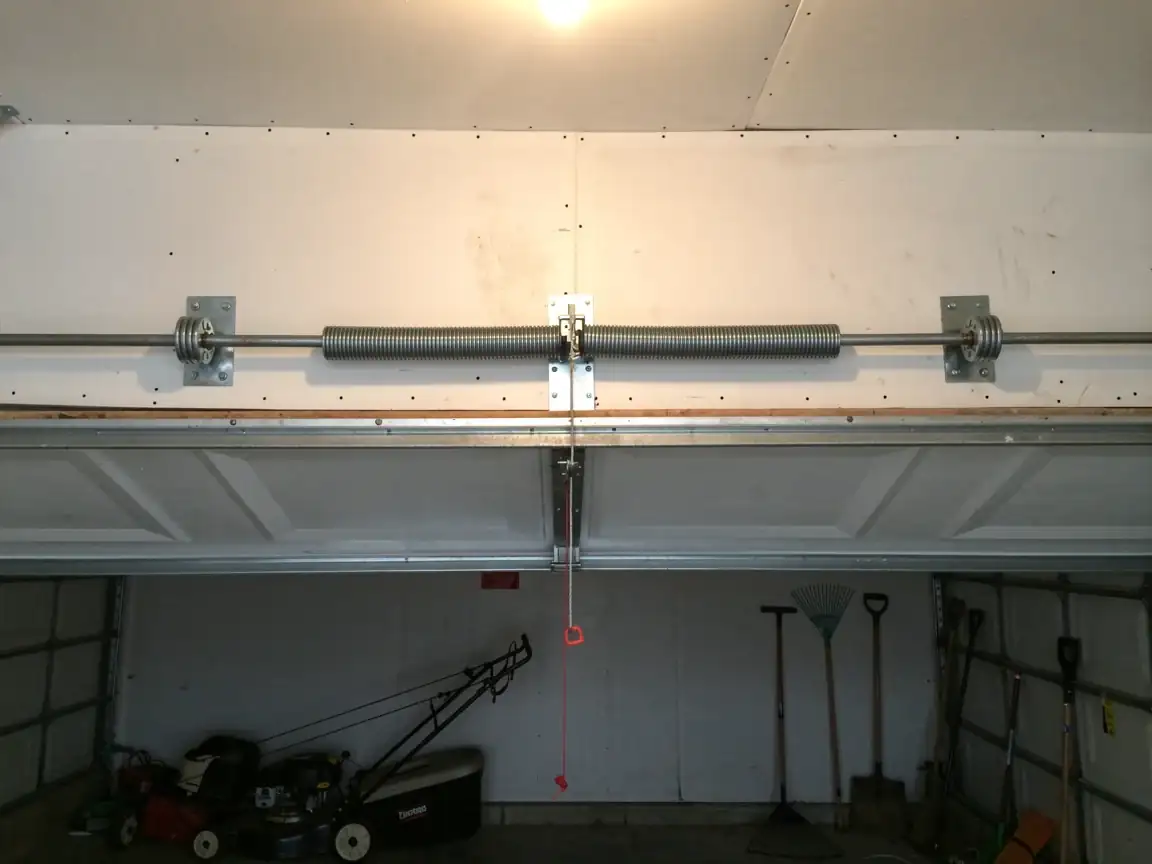
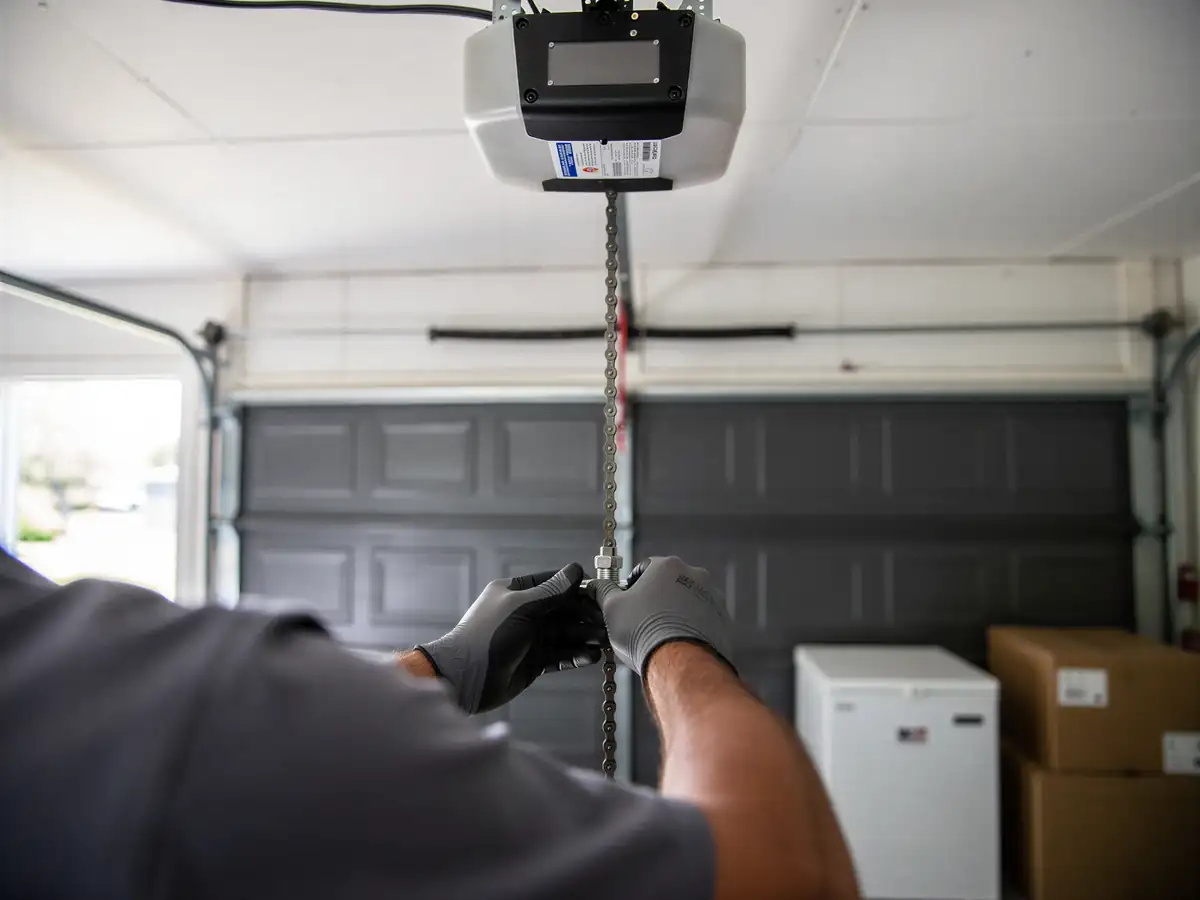
Here's the honest limitation: if your opening needs reframing, we're not finishing that same afternoon. We'd rather tell you that upfront than promise a timeline we can't hold and leave you with a half-finished garage overnight. For most 1980s and 90s-built homes - which make up the bulk of the stock across Moore's named areas - the opening is standard enough that install and haul-away happen in one visit. We test the opener cycle, balance the springs, and check the seal against the slab before we call it done, because a door that looks installed but isn't balanced will wear out its opener inside a year.
How It Shows Up
The call we get most for installation, rather than repair, is a door that still opens but shouldn't be trusted to
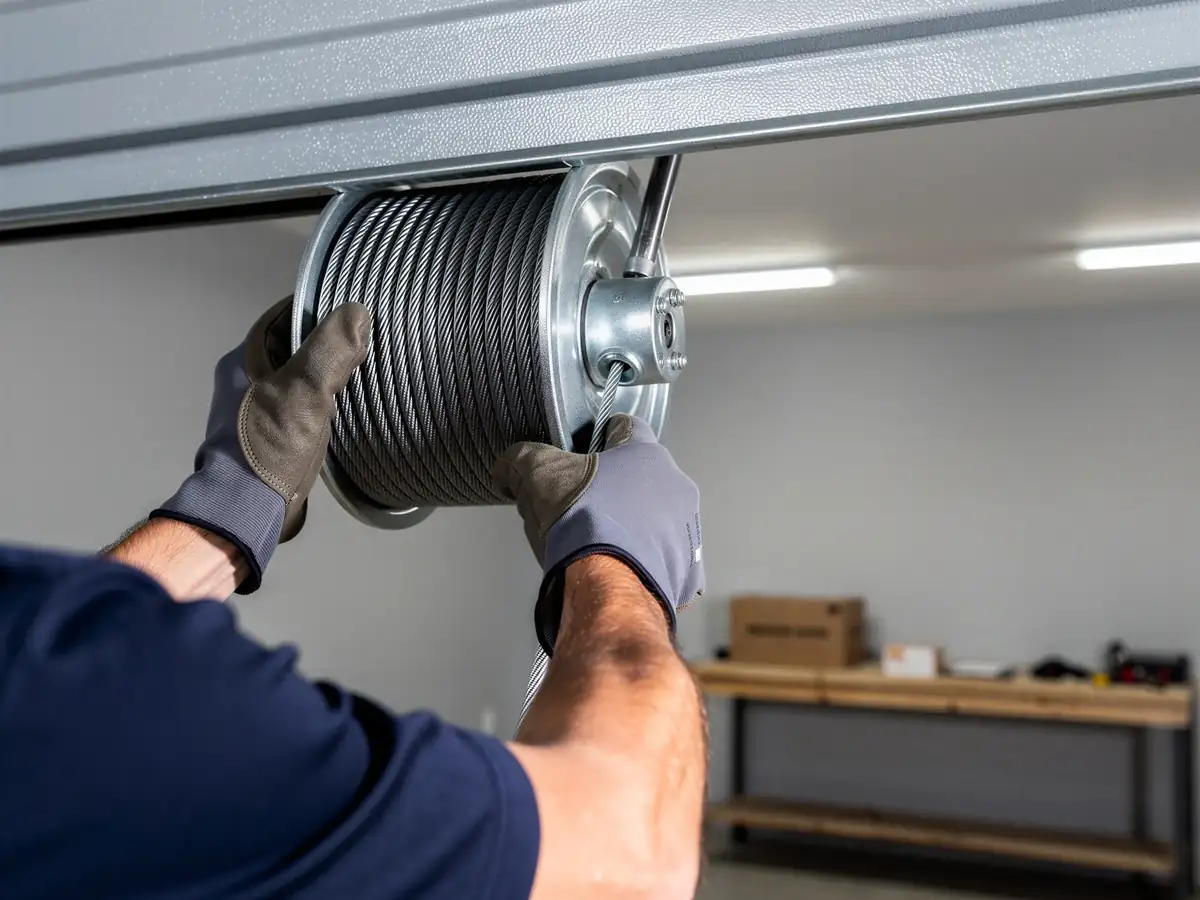
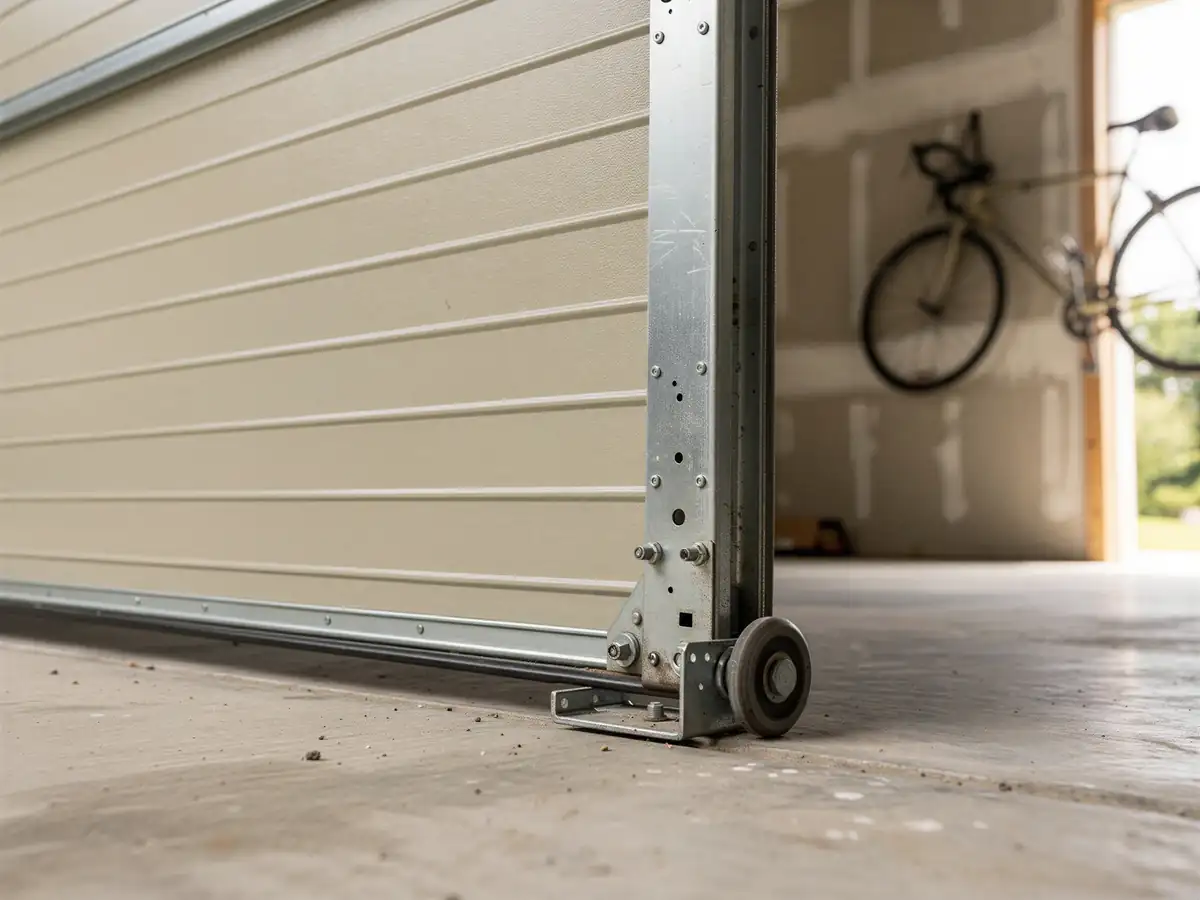
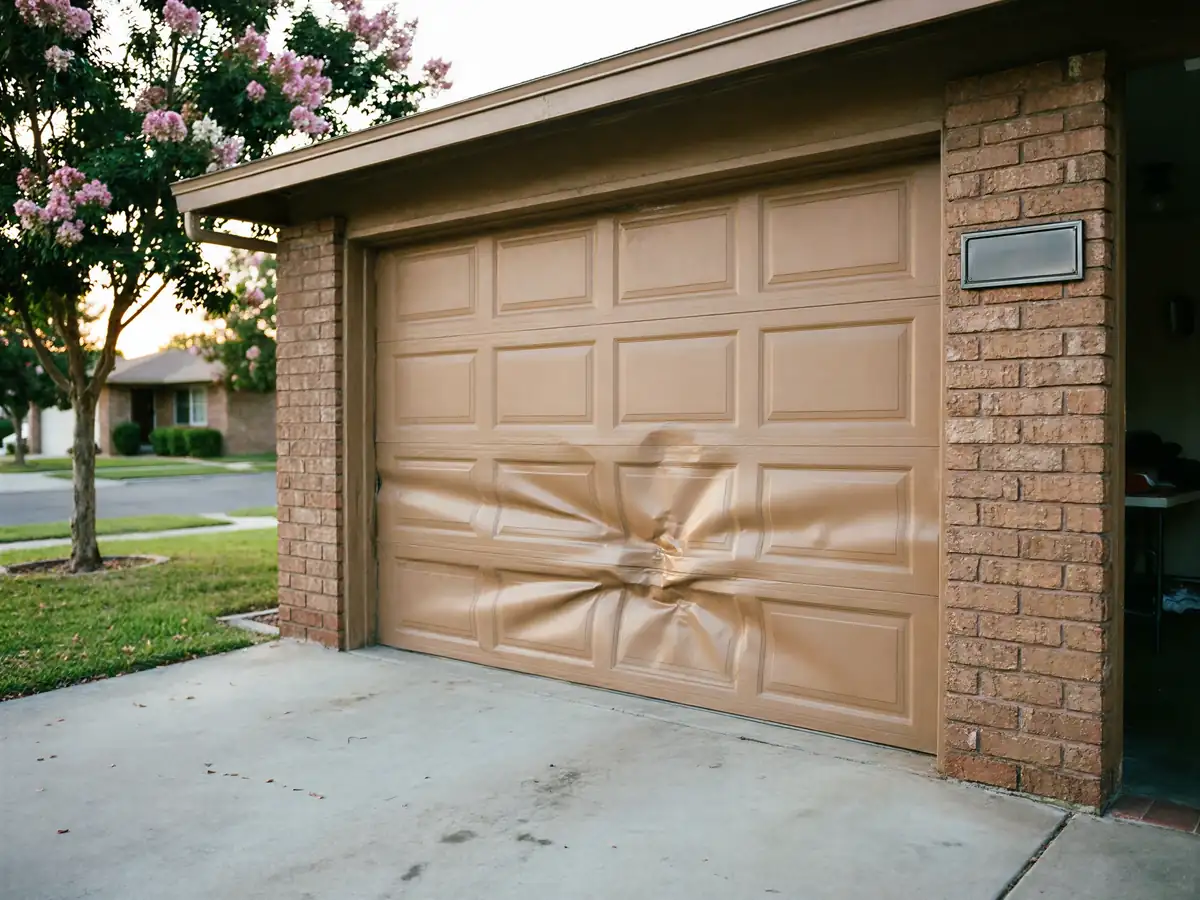
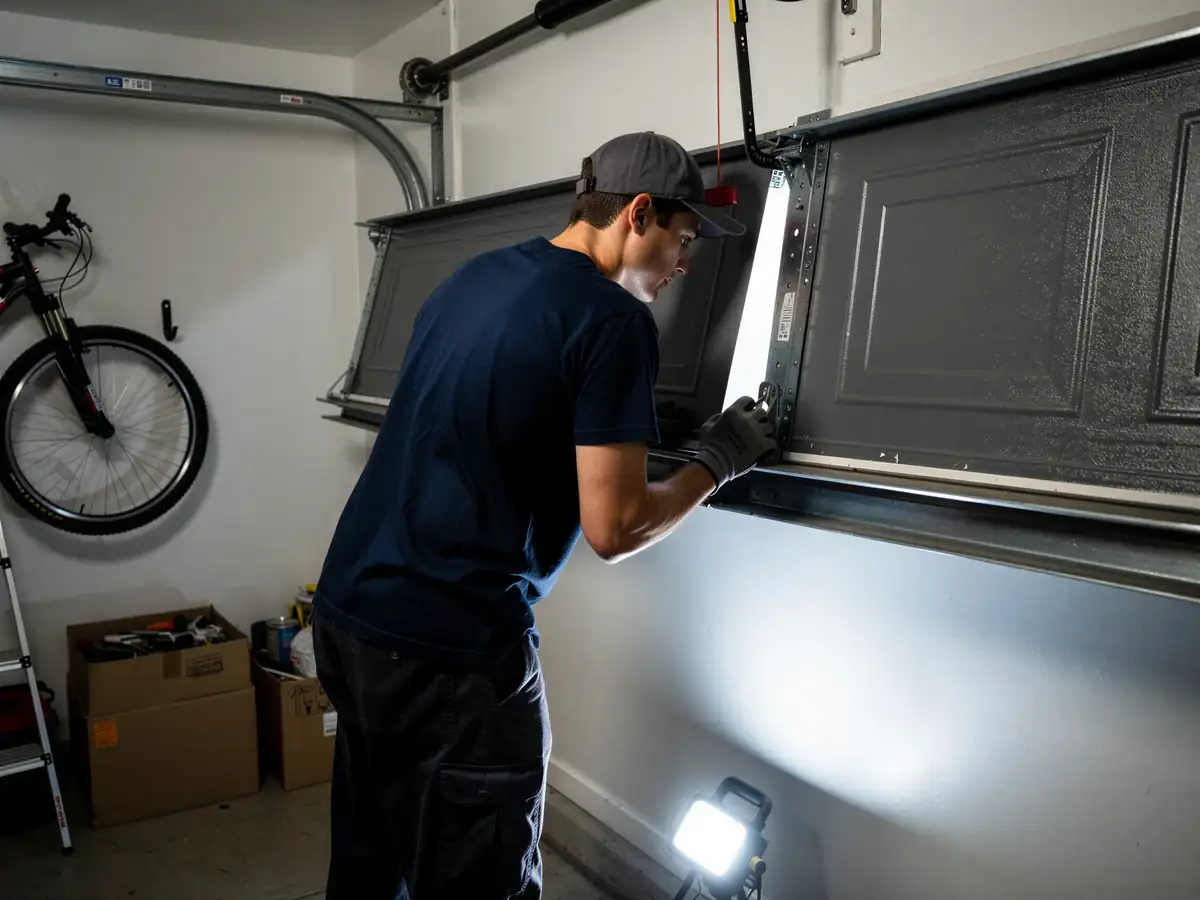
Panels dented past the point of a clean patch. A track that's been bent and re-bent so many times the rollers chatter the whole way up. An opener original to a house built in the 1980s or 90s trying to run a door it was never rated for after a spring replacement years back.
Cold-weather symptoms show up differently
On an uninsulated door, you'll feel the temperature drop the second you walk into the garage in January - that's the cold-moderate climate doing exactly what it does to a single layer of steel. Condensation on the inside face in winter, then a dry, brittle seal by summer, cycling every year until the weatherstrip just gives up. None of that is a reason to panic-replace a door that's otherwise sound, but once the symptoms stack - bad seal, tired opener, dented panel - replacement usually costs less over time than chasing three separate repairs.
Why It Happens Here
Moore's housing stock is concentrated in a narrow window: built mostly 1959 through 2004, median year right around 1980, and that pattern repeats across the 18 named areas in the service territory. A door and opener installed when a house was built in 1980 is now pushing 45 years old if nobody's touched it - well past the working life of torsion springs, rollers, and most residential openers, insulated or not.
The climate band here is cold-moderate, which is a different failure pattern than you'd see somewhere with real extreme cold or heavy humidity. It's not catastrophic freeze-cracking; it's slow seal fatigue and steel fatigue from repeated temperature swings through the winter months, season after season, on a door that was never insulated to begin with. Combine that with 39,476 owner-occupied houses out of 61,473 households across the service area - a lot of original equipment that's never been upgraded - and installation calls cluster less around emergencies and more around doors simply reaching the end of a predictable life span.