What You Pay
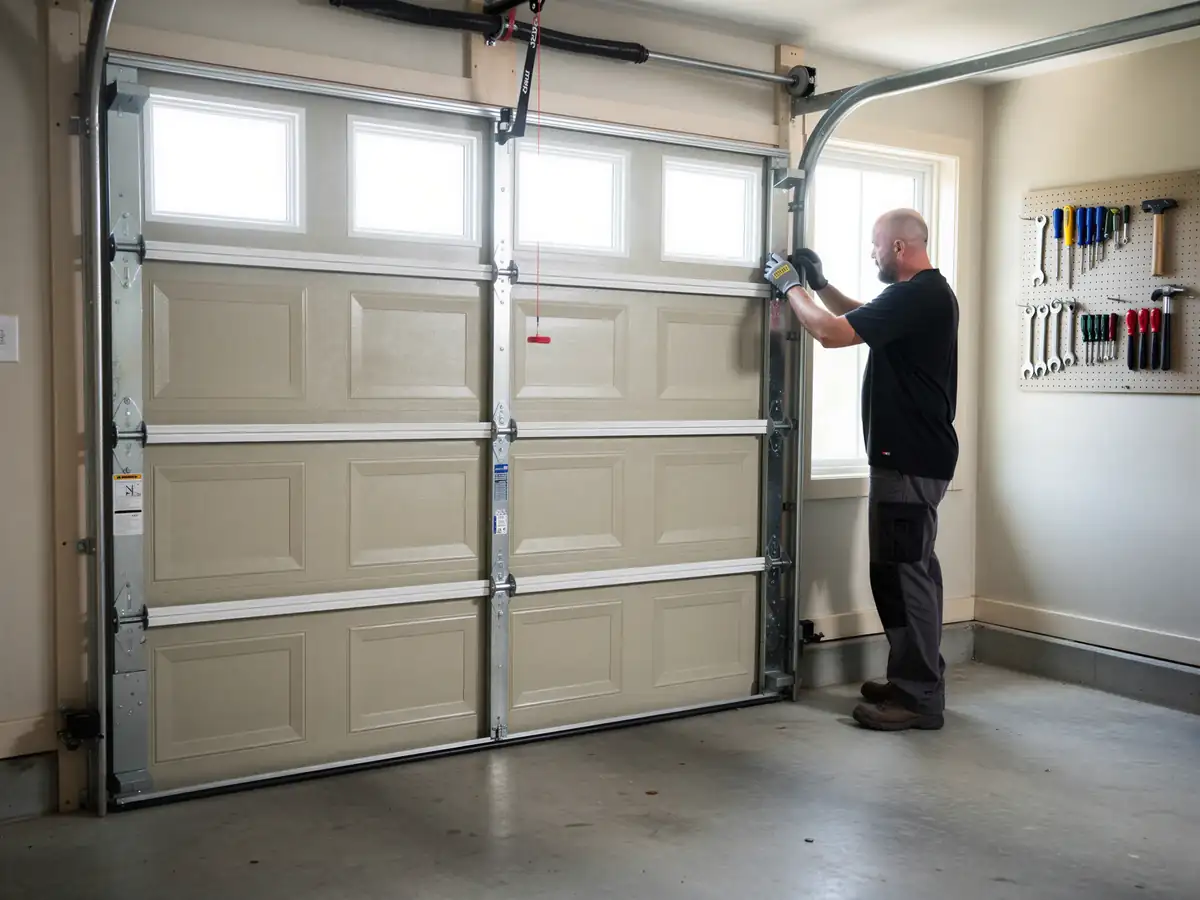
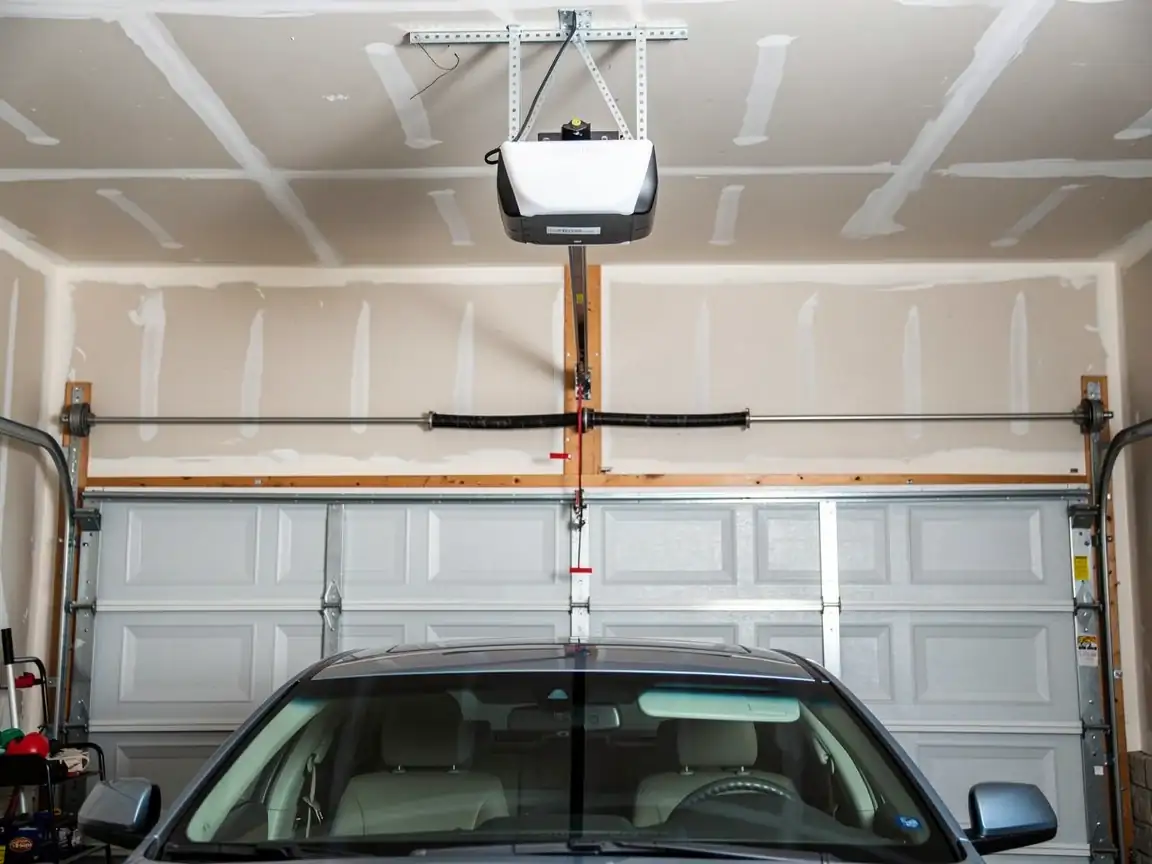
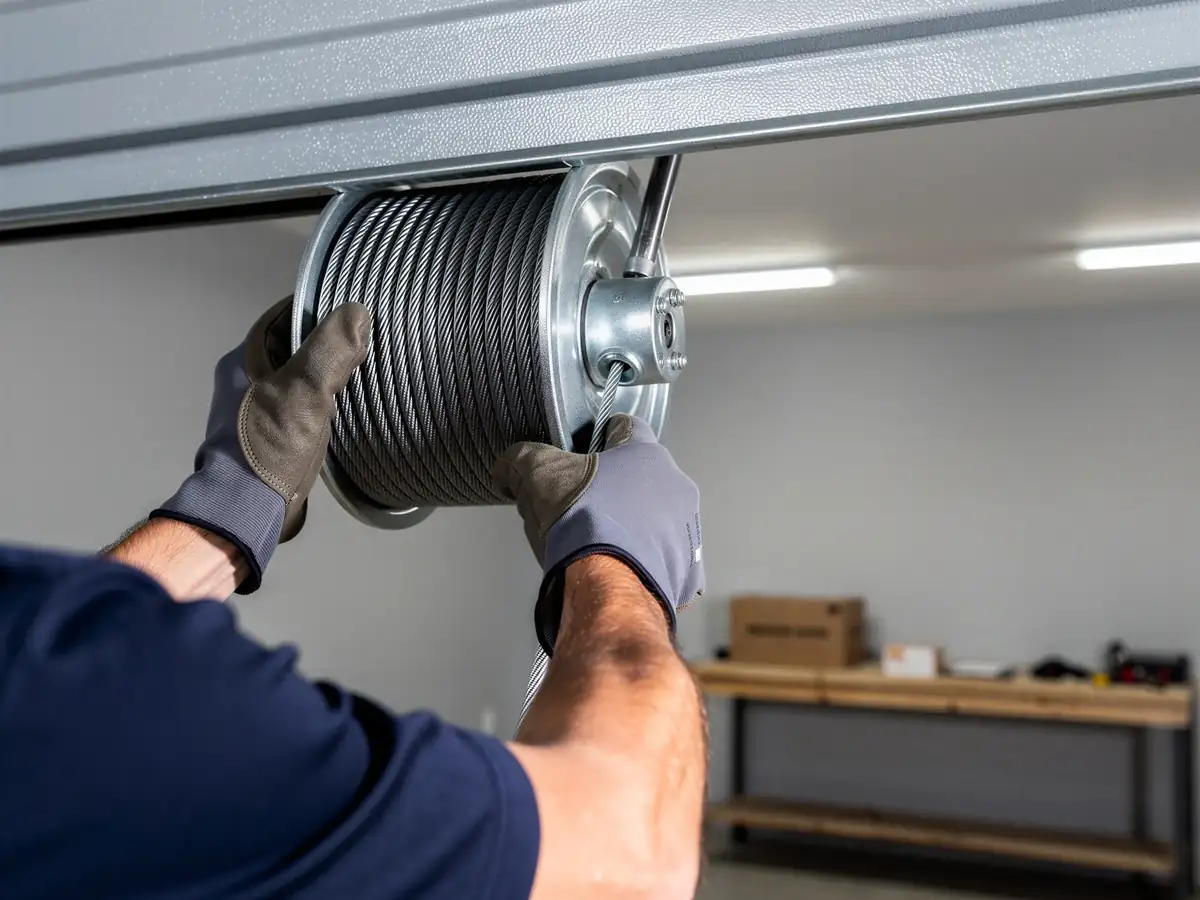
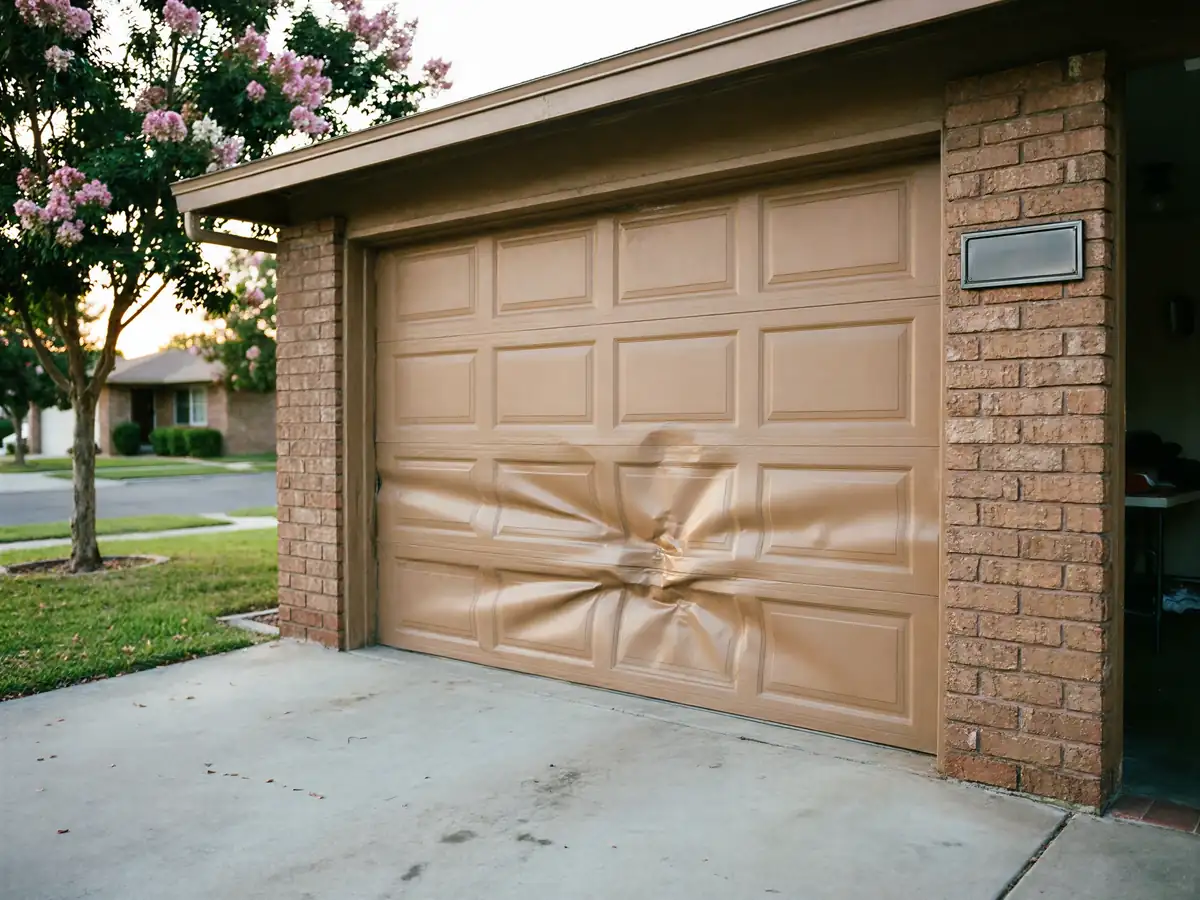
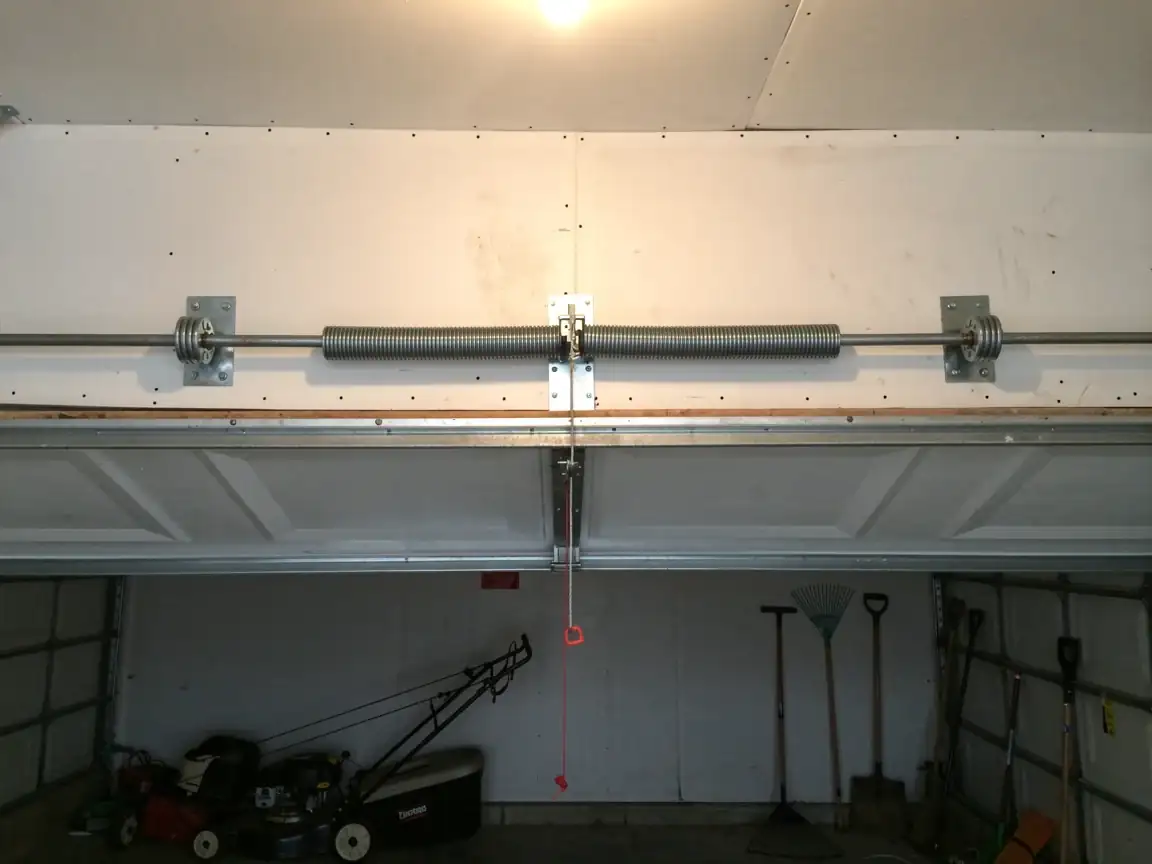
We don't post a flat number for emergency repair because the job itself decides the cost - a snapped torsion spring on a single door is a different bill than a cable off the drum on a double door with bent track. What we can tell you is what drives the cost in this area: most of the housing across our service area was built between 1959 and 2004, with a lot of it going up in the 1980s and 90s. That era means a mix of hardware - some doors still running original springs and openers that are thirty-plus years old, some replaced once already. Parts availability depends on what's actually on the door, and older torsion setups sometimes take a trip back to the truck for the right size spring. We quote the repair once we've opened the panel and looked at the drums, cable, and track, not before. If a repair isn't worth it against a full door replacement, we say so instead of patching something that'll fail again in a year.
Time on the Job
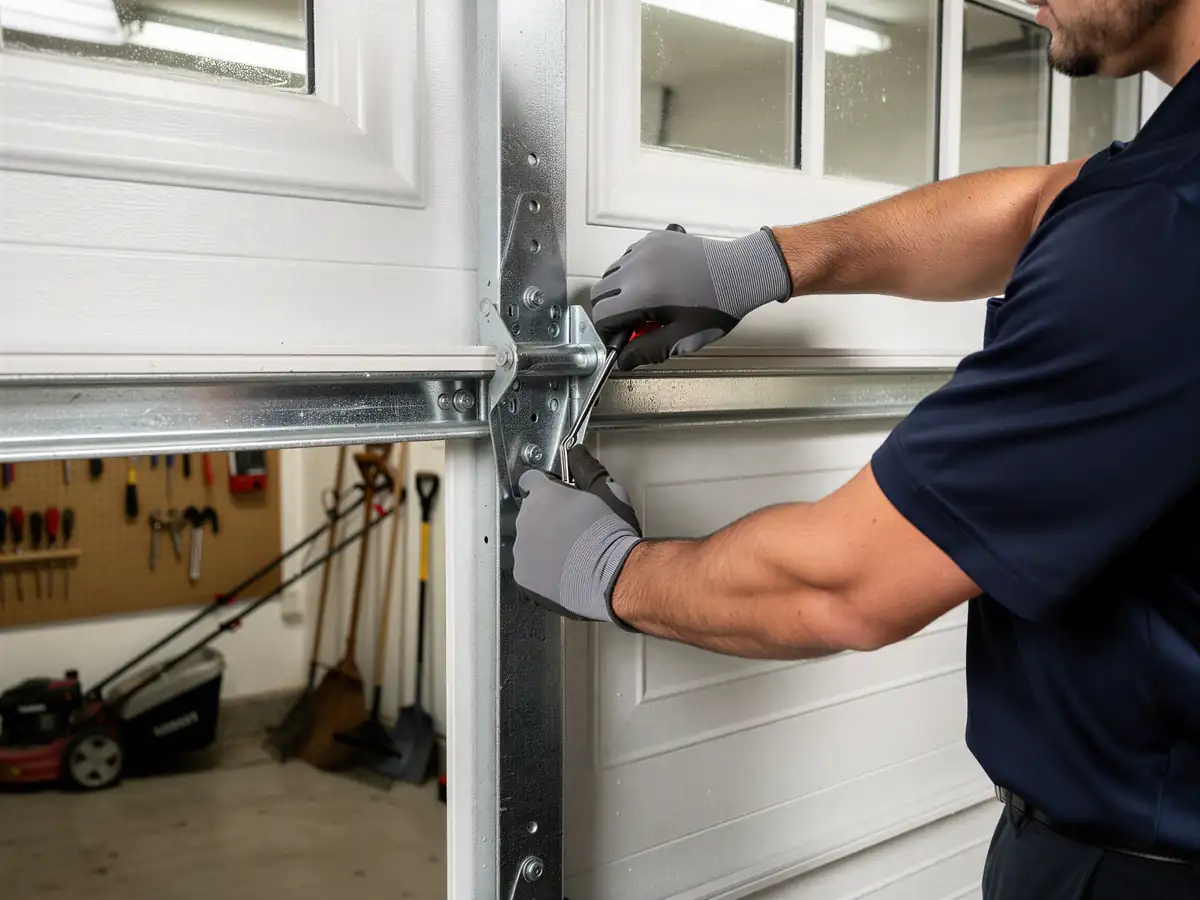
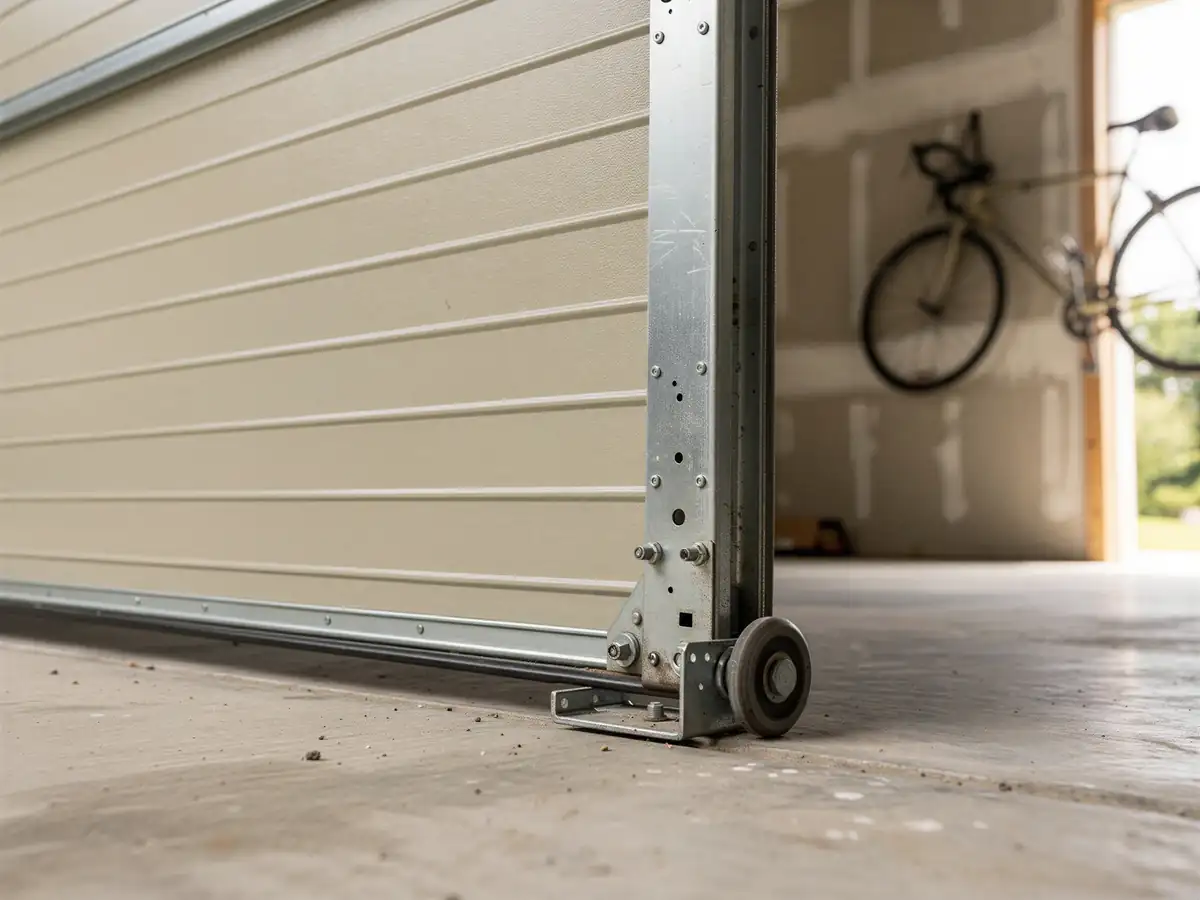
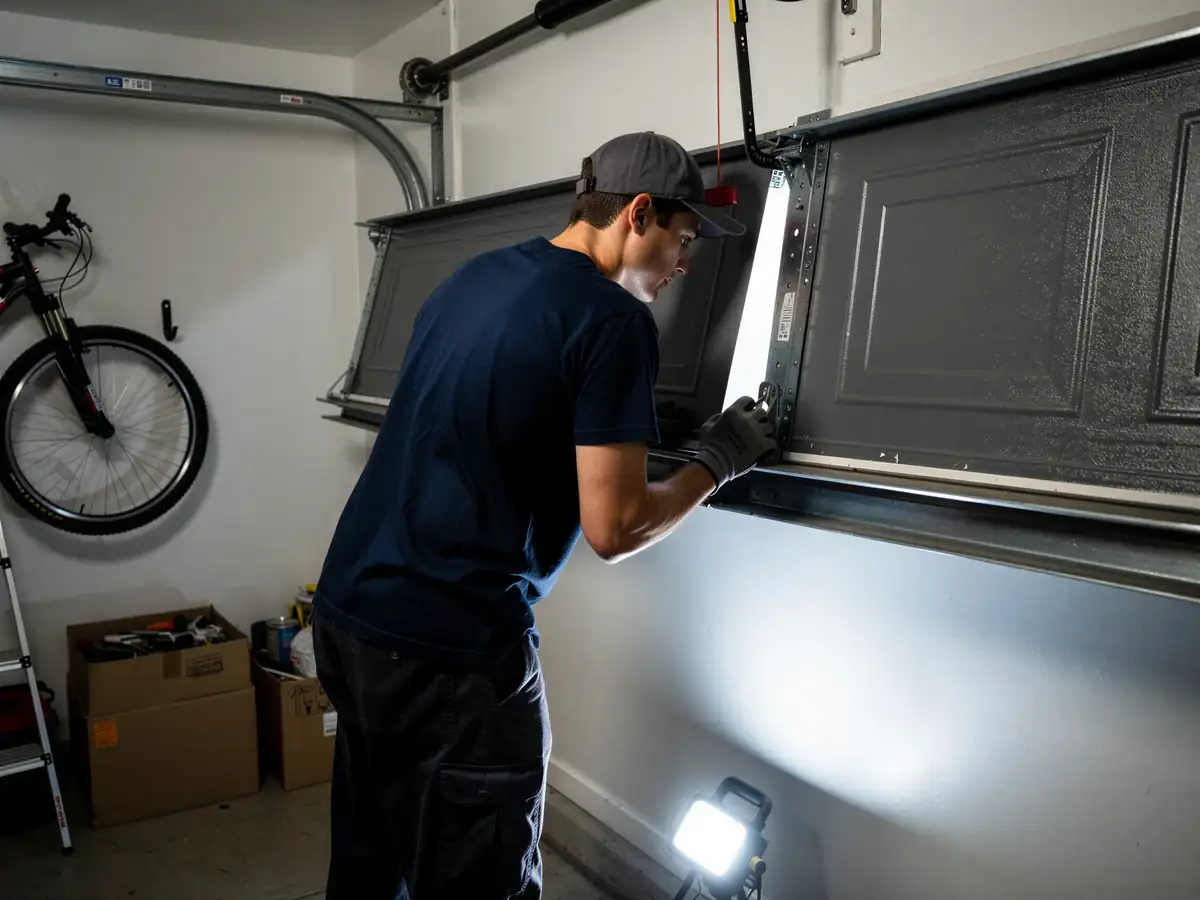
A straight spring swap on a standard double door usually goes faster than a job where the cable's jumped the drum and bent the track on the way down - that one means straightening or replacing track before the door moves again. Houses from the 1980s and 90s building wave across this area often have the same basic torsion setup, which helps us carry the right spring sizes without guessing. Where it slows down is the older end of the stock - homes closer to 1959-1960 vintage sometimes have odd-sized openings or hardware that's been modified over the years, and that adds time to match parts correctly. We don't rush a spring install; wound wrong, it's a hand or a finger. We'd rather take the extra ten minutes and leave the door balanced than leave fast and get a callback.
Why It Happens Here
This area sits in a cold-moderate climate band, and that matters for spring steel. Torsion springs lose a little tension capacity in hard cold, and a spring that was already near the end of its cycle count - most are rated for a set number of open-close cycles - tends to let go on the coldest mornings rather than the mild ones. Combine that with the housing stock: a large share of homes across our service area were built in the 1980s and 90s, which puts a lot of original springs and openers right around or past their expected working life at the same time. With over 61,000 households in the service area and roughly 39,000 of those owner-occupied houses, that's a lot of garages running hardware from the same two decades, which is why we see batches of the same failure - spring snap, cable off the drum - cluster during cold snaps rather than spread evenly through the year.