The Problem
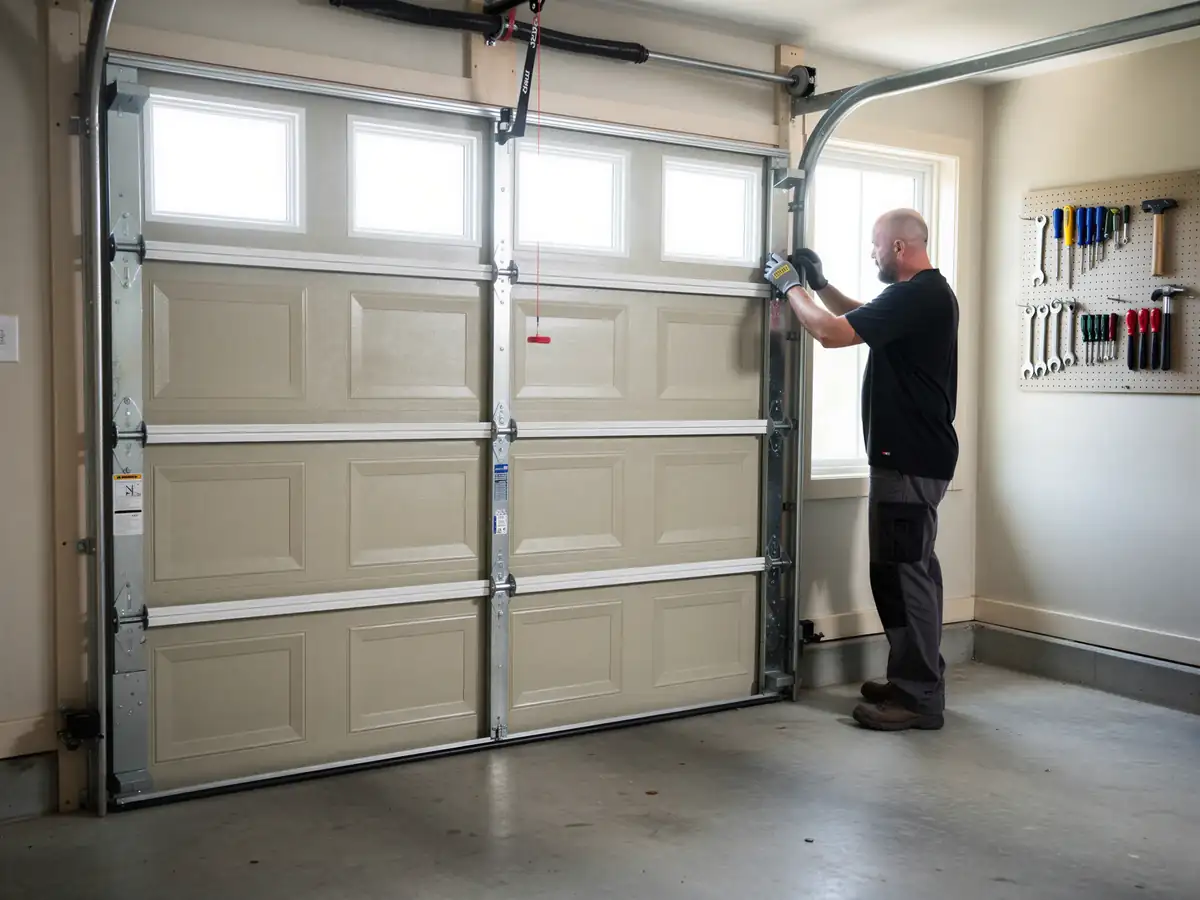
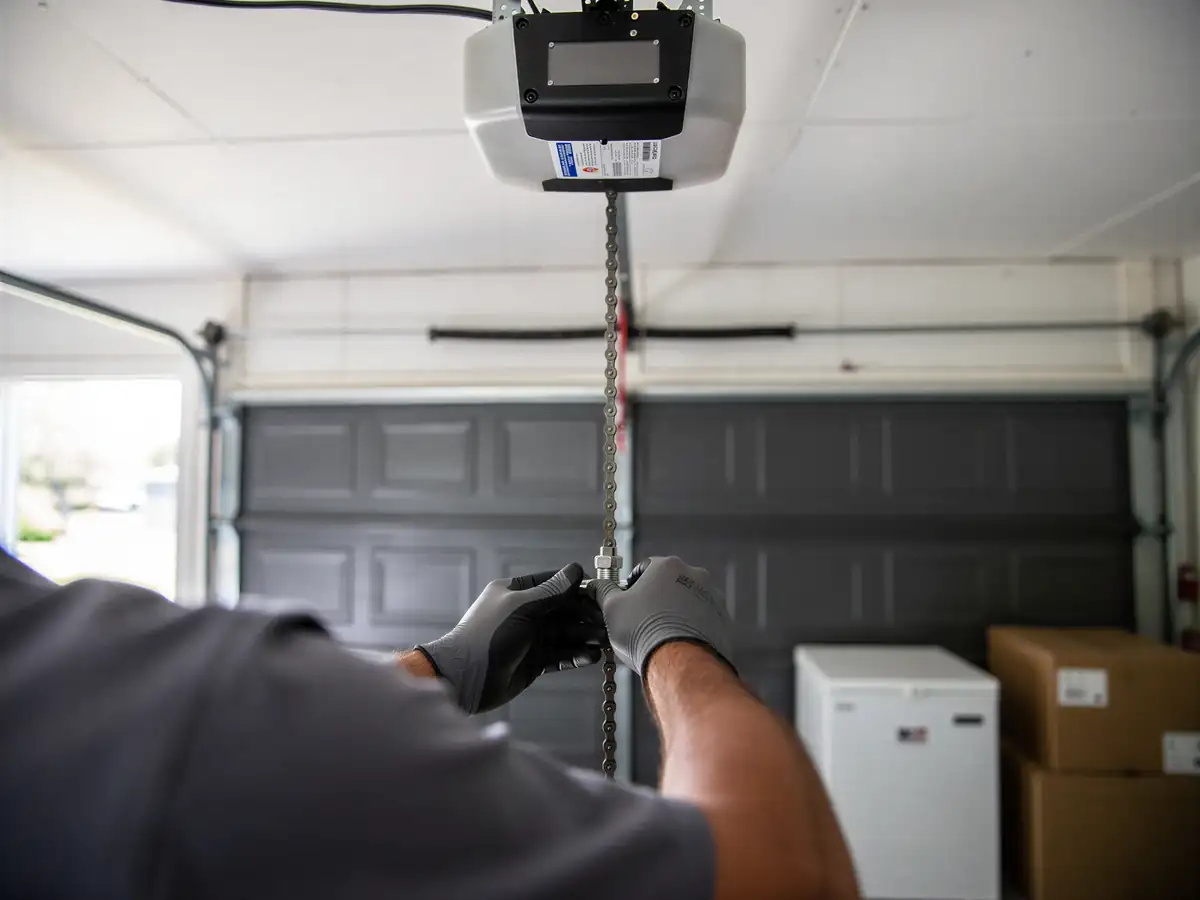
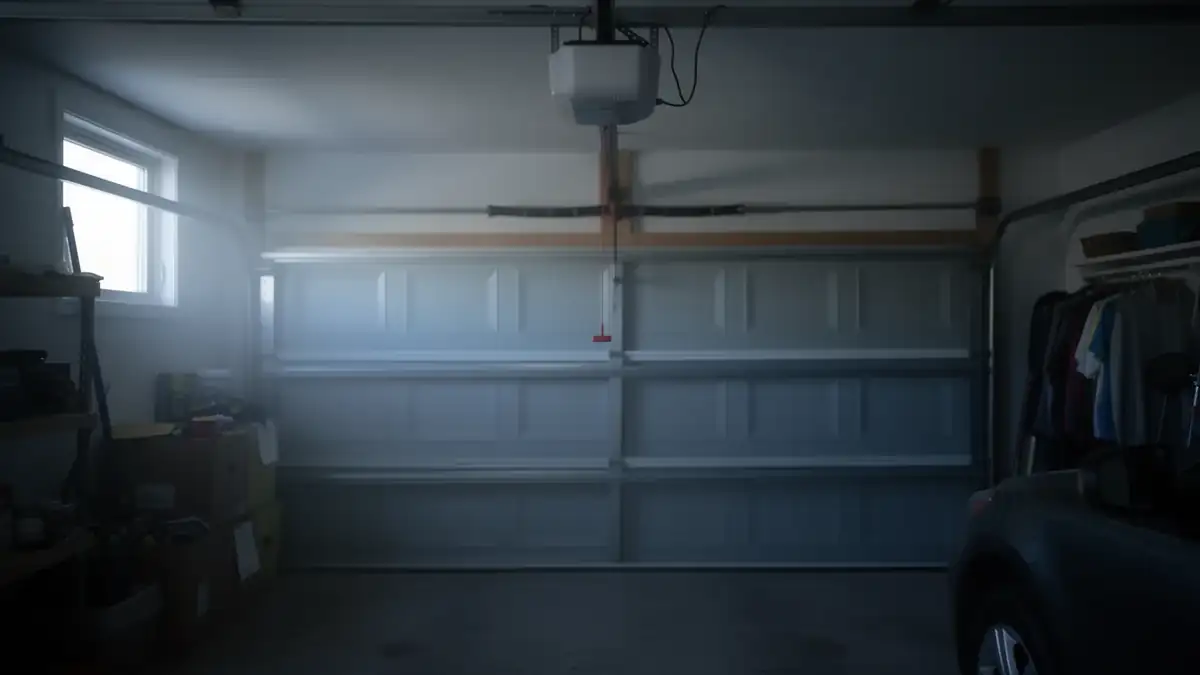
Most houses across this service area went up between 1959 and 2004, with the bulk clustered in the 1980s and 90s across all 18 named neighborhoods. That matters more than people think, because an opener installed on a house built in that window is often the original unit or a direct swap for it - a chain-drive box with no battery backup, because battery backup wasn't standard equipment yet. So when the power goes out, which it does here during winter weather, that door doesn't just lose convenience. It locks you out of the garage entirely unless you know where the manual release cord is and how to pull it without the door coming down on you. We see this a lot on older 1980s-era installs: owners who've never once used the emergency release because they've never had to, until the lights go out on a January night and they're standing in the driveway figuring it out for the first time. The fix isn't complicated, but it has to happen before the outage, not during it.
What You Pay
We're not going to put a number here we can't back up, and pricing on an opener swap depends on things specific to your door - weight, whether it's a single or double, whether the existing rail and hardware are salvageable. What we can tell you is what drives the decision. At a median household income of $81,105 for the area, most owners we talk to choose to replace an aging opener outright rather than keep patching a 15- or 20-year-old unit that's already lost its battery backup option or never had one. With 39,476 owner-occupied houses out of 61,473 households in this service area, the majority of what we work on is a homeowner's own door, not a rental unit someone else manages - which tends to change the math toward doing it once and doing it right instead of the cheapest patch. Call and we'll look at your specific setup before quoting anything.
When to Get Help
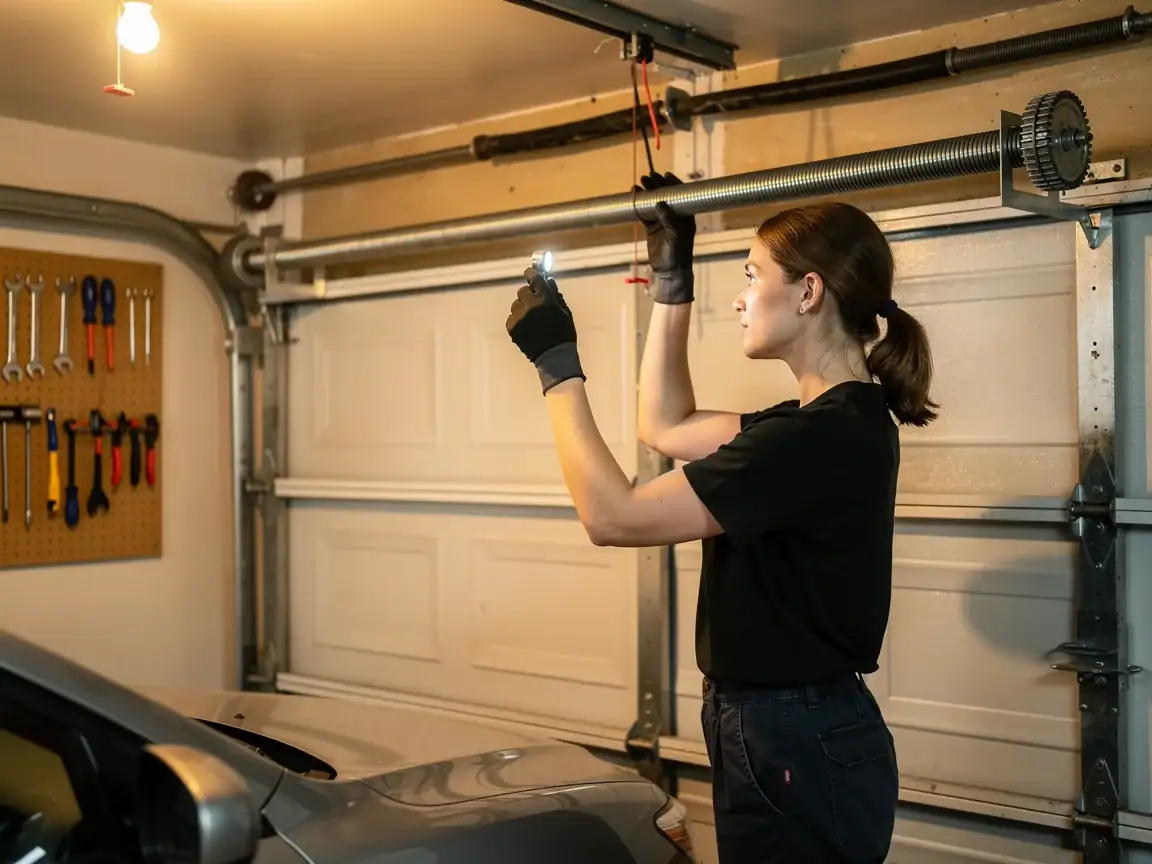
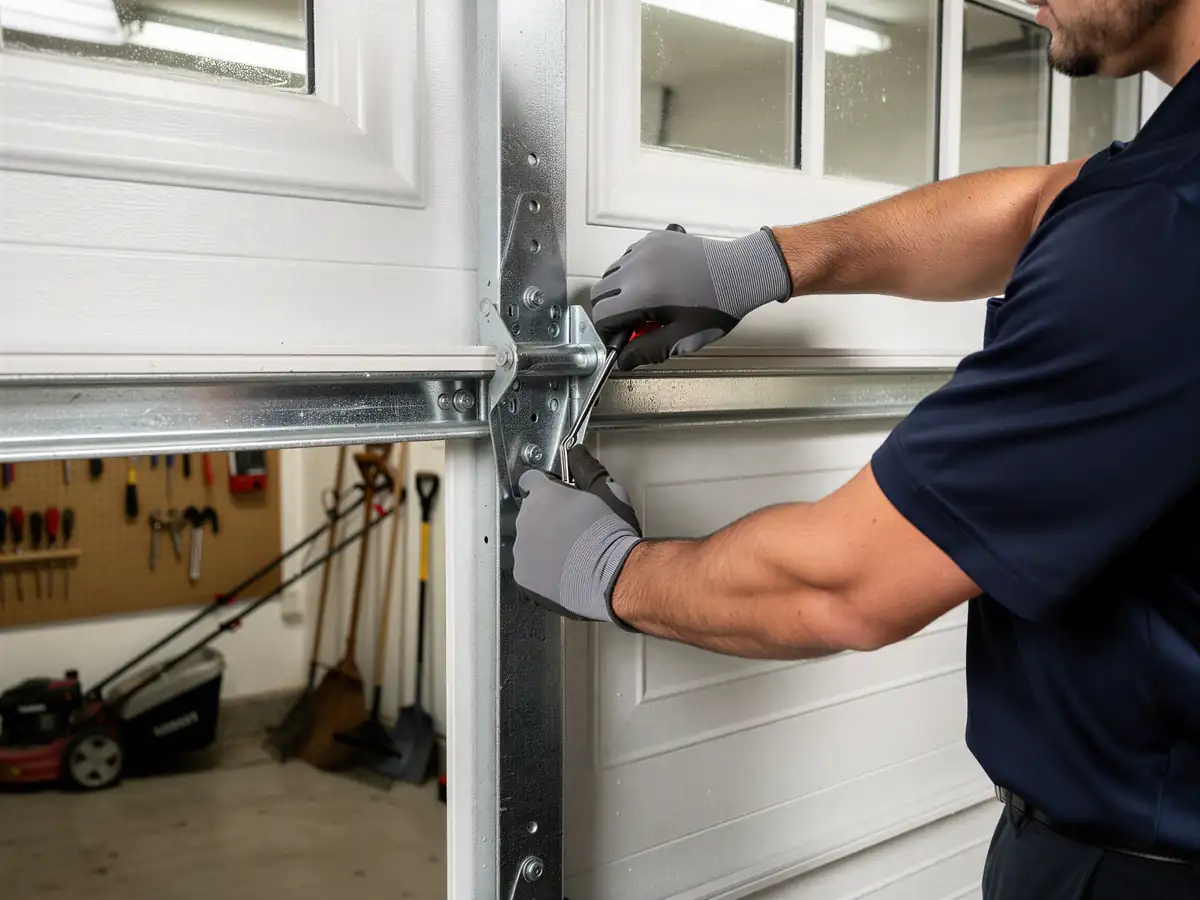
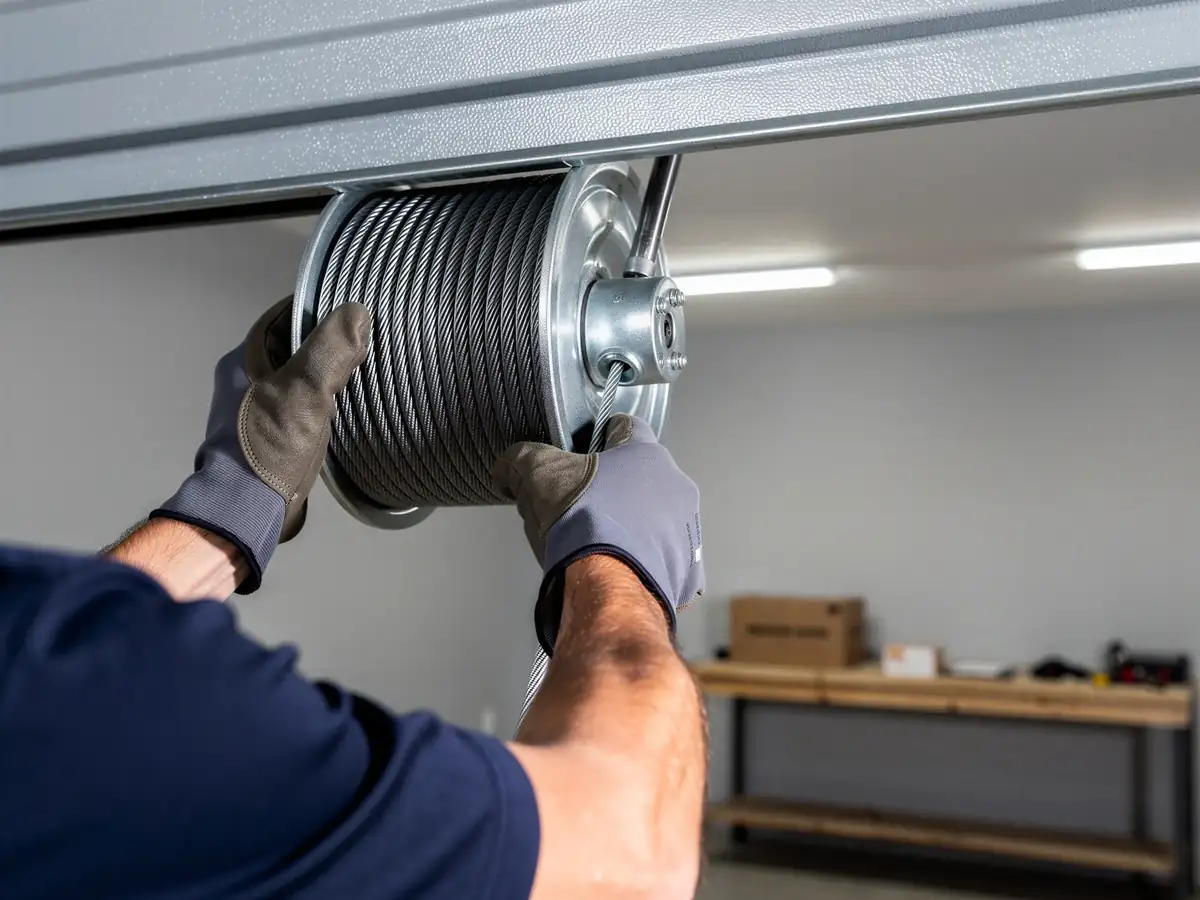
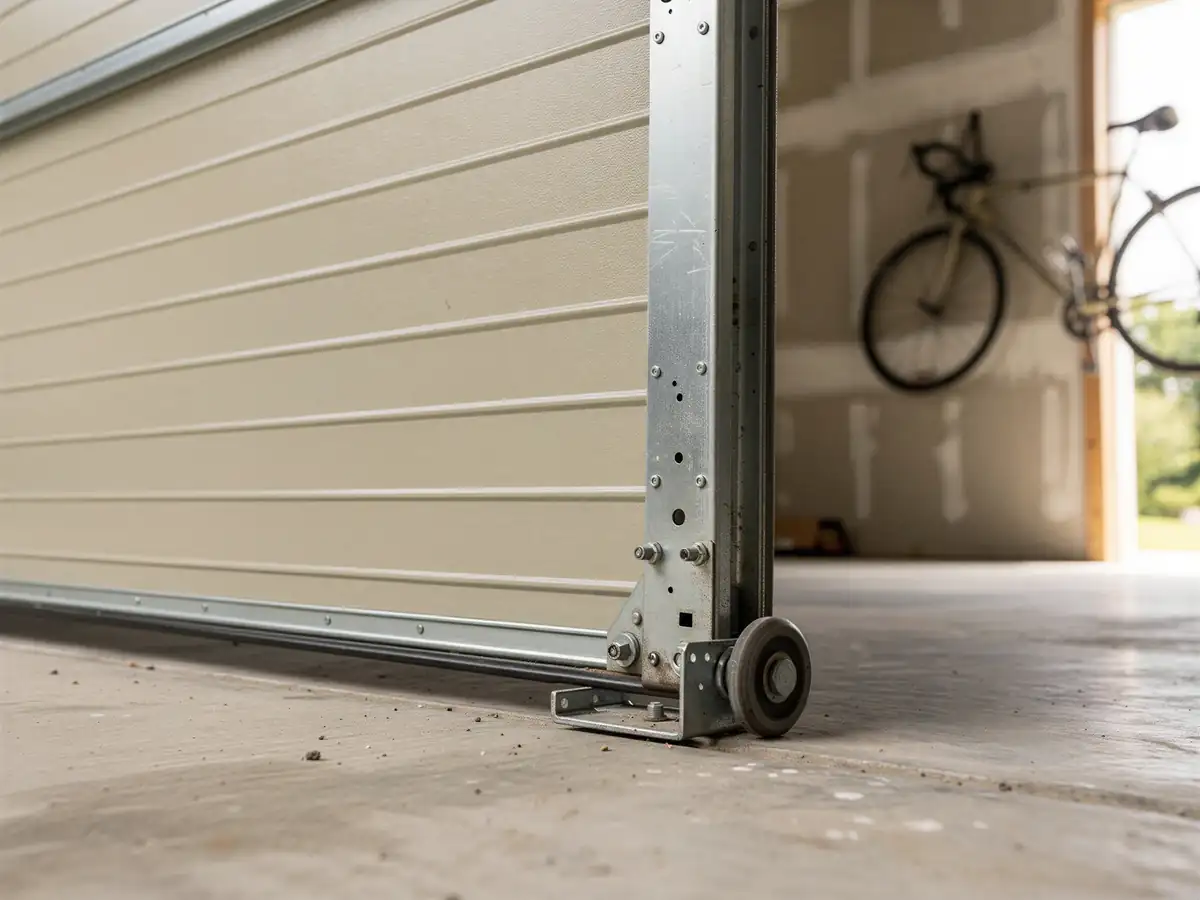
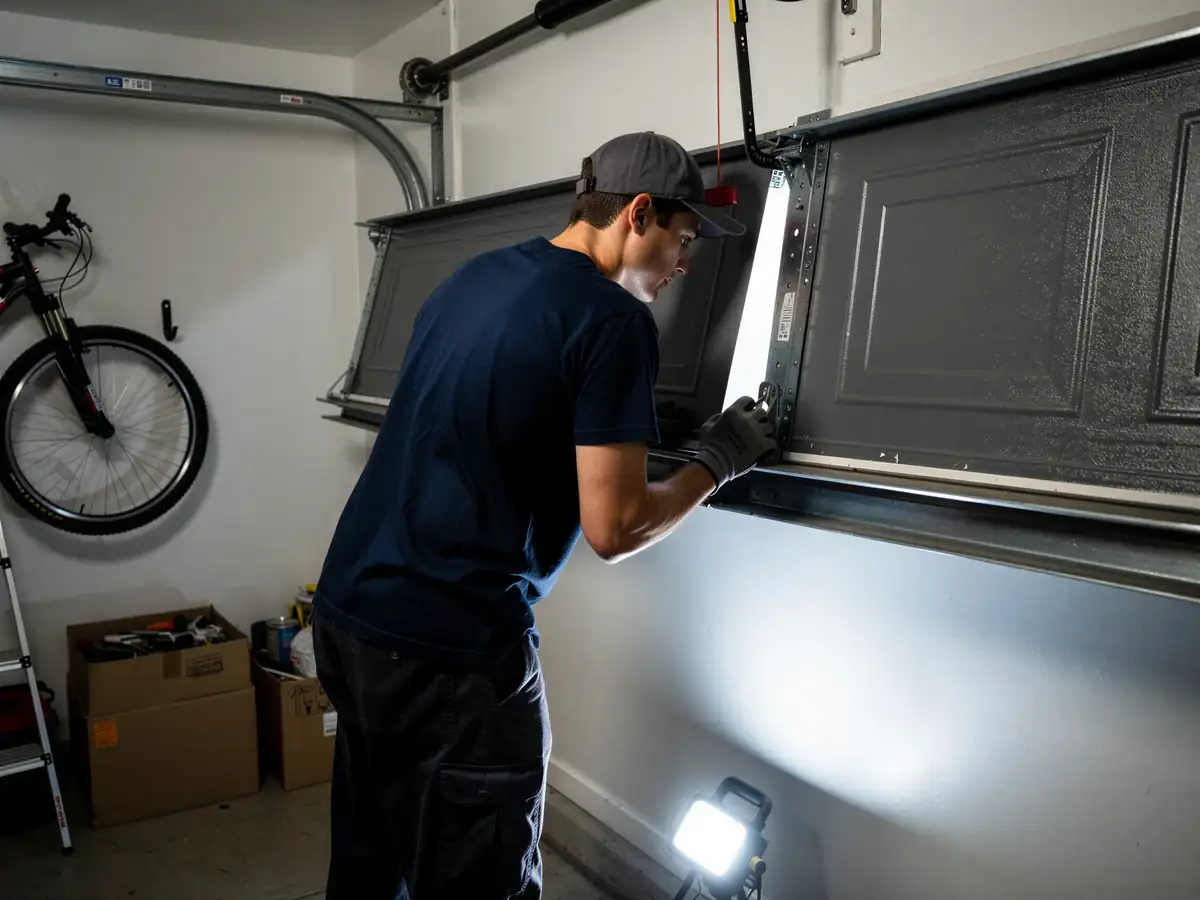
If your opener struggles audibly on cold mornings, reverses partway up, or you've had to use the manual release more than once this winter, that's worth a call before it strands you. We don't do structural garage conversions or new construction framing - if your issue is the building around the door rather than the door and opener system itself, that's outside what we handle, and we'll tell you so rather than take the job anyway. For most 1980s and 90s installs still running original hardware, a straightforward opener check catches the early signs: a worn drive gear, a capacitor losing charge, a release mechanism that's stiffened up and won't move fast when you need it to. Given the age spread of housing here - built mostly between 1959 and 2004 - a lot of these systems are well past the point where waiting for a full failure makes sense.