What You Pay
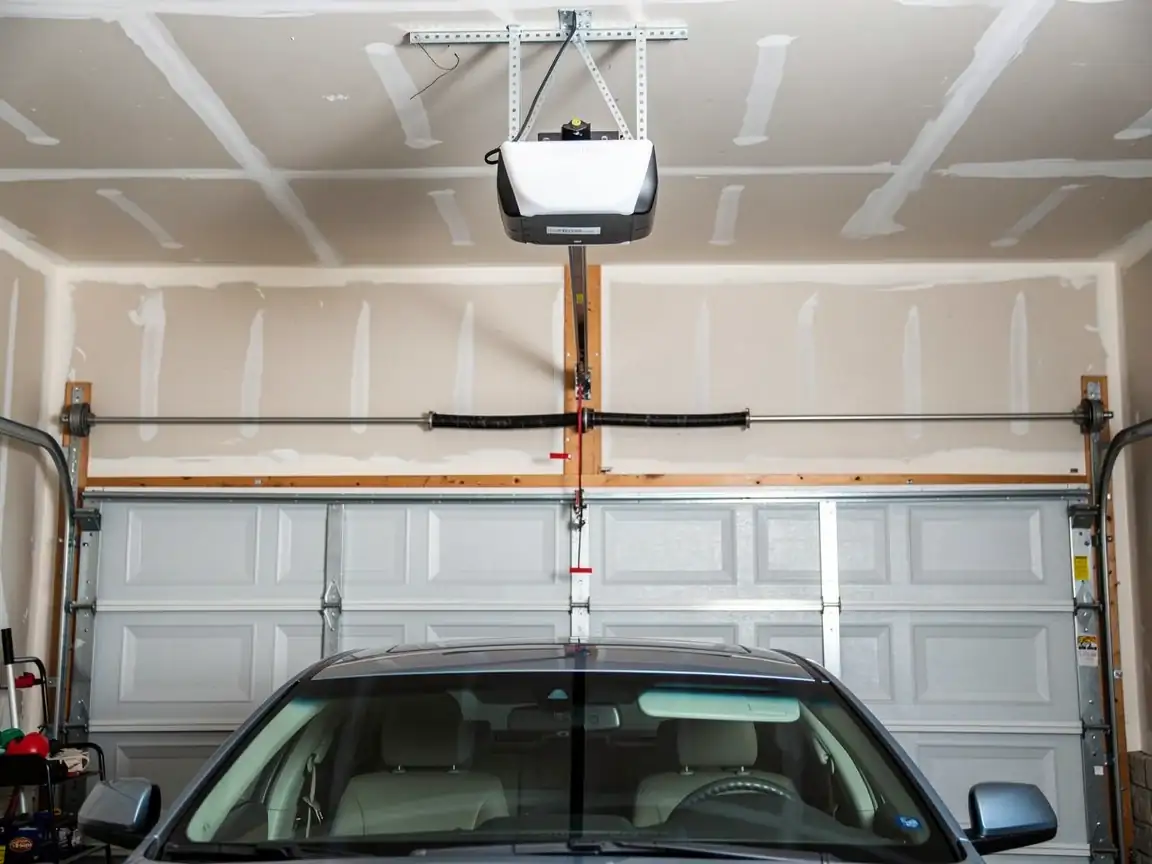
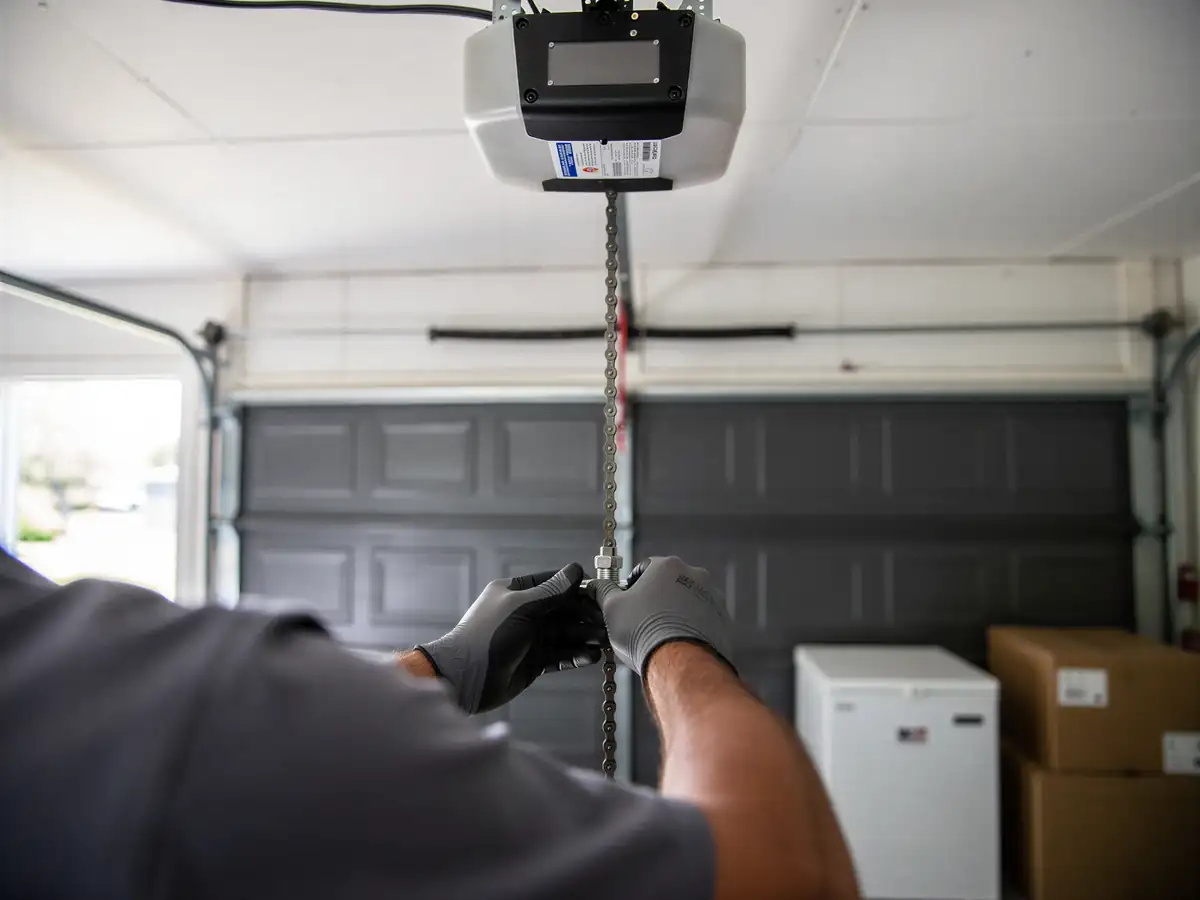
We don't post a flat number here because opener repair covers a wide range of jobs - a dead circuit board is a different bill than a worn drive gear or a logic board fried by a power spike. What we can tell you is what drives the cost locally: most of the opener fleet across this service area dates to houses built between 1959 and 2004, with the bulk from the 1980s and 90s. That means a lot of chain-drive units with aging capacitors and gear-and-sprocket kits that have outlived their lubrication. Parts for openers that old aren't always on the truck - sometimes we're ordering a sprocket kit or a control board and that adds a day or two, which is the honest limitation here. If your opener is original to the house, replacement often costs less over time than chasing parts for a 35-year-old motor. We'll tell you straight which way the math points before we start.
Time on the Job
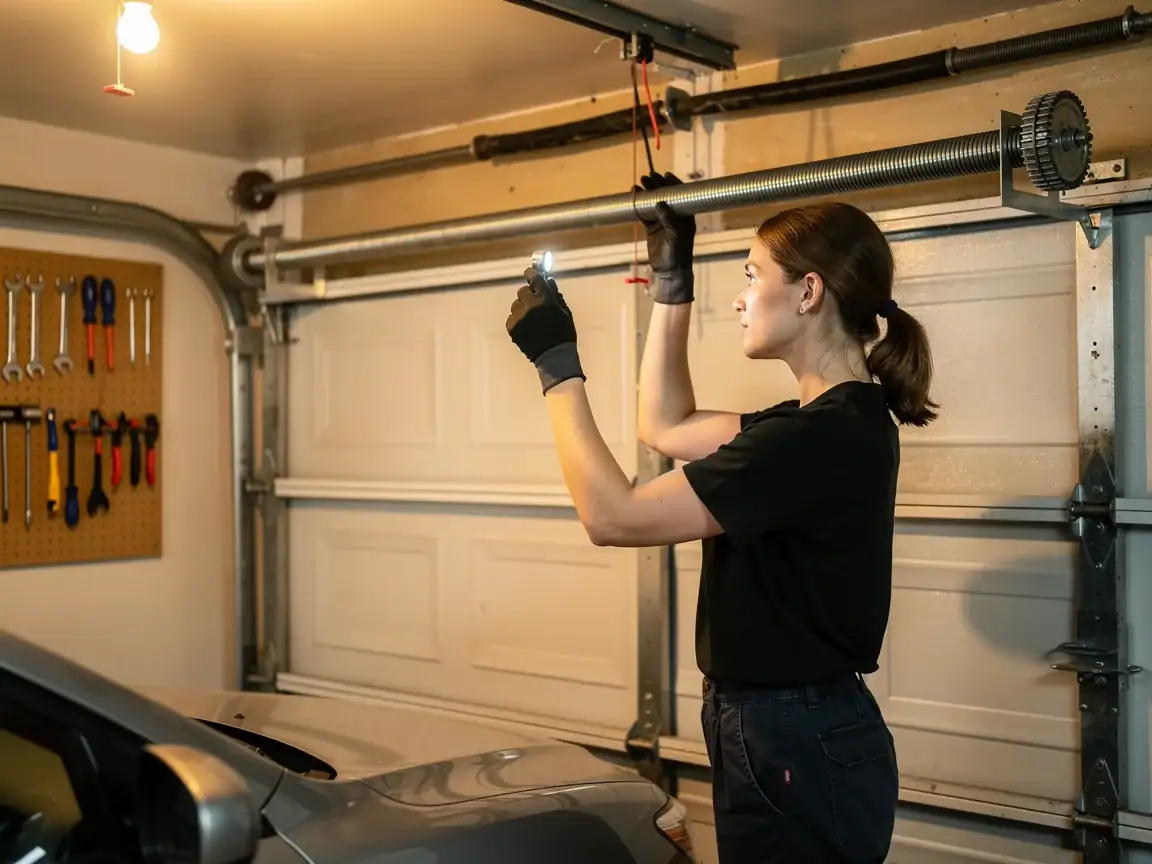
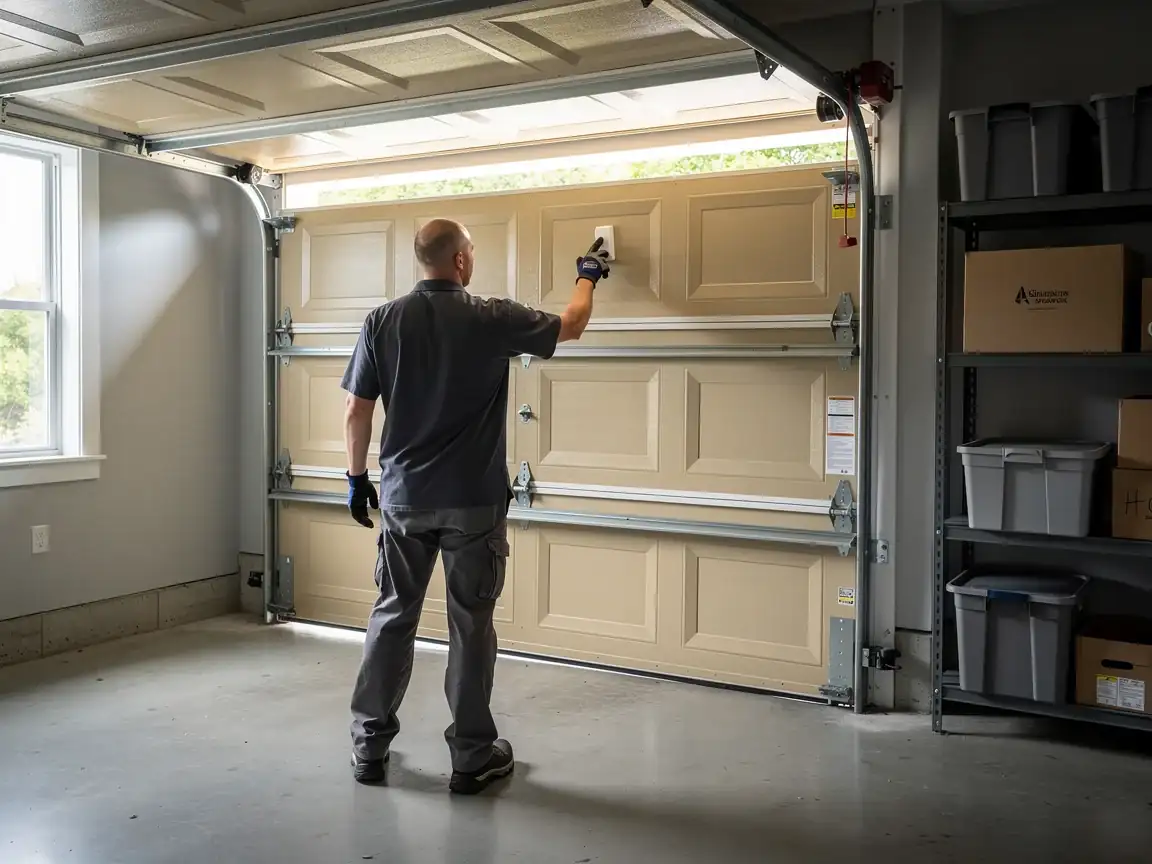
Most opener calls are a single visit. We diagnose on arrival - listen to the motor, check the logic board, run the safety sensors - and if the part's a common one (capacitor, sprocket, sensor eye, remote receiver) we carry it and finish same-day. Where it slows down is older units built before today's safety-sensor standards were universal; those sometimes need a board or a full head swapped rather than patched, and if that part isn't stocked locally, the job runs into a second visit. Across the roughly 61,000 households in this service area, we see both ends of that spectrum weekly: a five-minute sensor realignment in a newer subdivision and a half-day rebuild on a chain-drive unit that's been running since the house was built.
Why It Happens Here
This area sits in a cold-moderate climate band - real winter cold snaps alongside hot, humid summers - and that swing is hard on opener electronics. Circuit boards and capacitors age faster when they go from a 20-degree morning to a sun-baked garage by afternoon, and that thermal cycling is a big reason openers here fail years before their rated life. Layer that on top of housing stock built mostly between 1959 and 2004, with the heaviest concentration from the 1980s and 90s across the 18 named areas we work in, and you get a lot of original or first-replacement openers reaching end of life at the same time. With median household income around $81,105 across roughly 39,476 owner-occupied houses in the service area, we see owners split fairly evenly between repairing an aging unit and replacing it outright - neither choice is wrong, it depends on the unit's age and what's already failed.