What You Pay
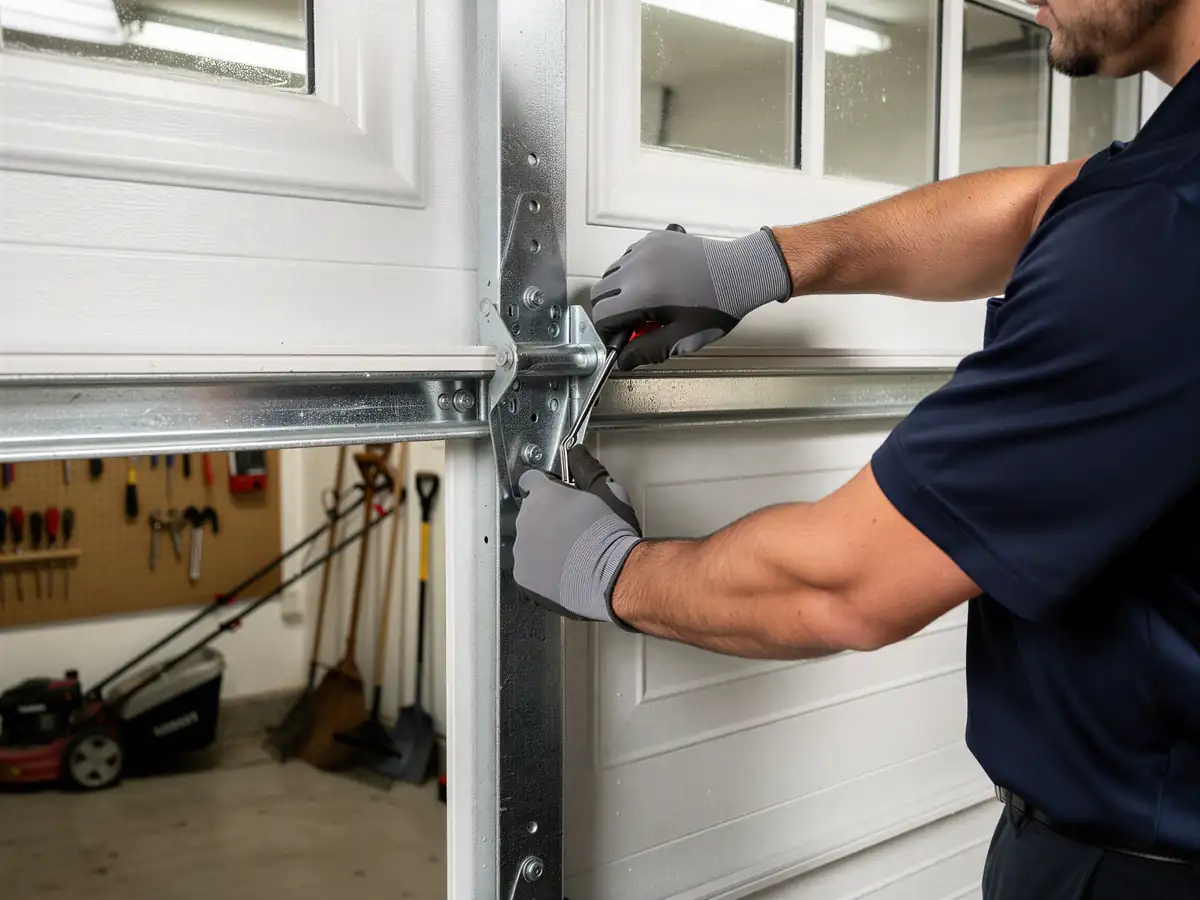
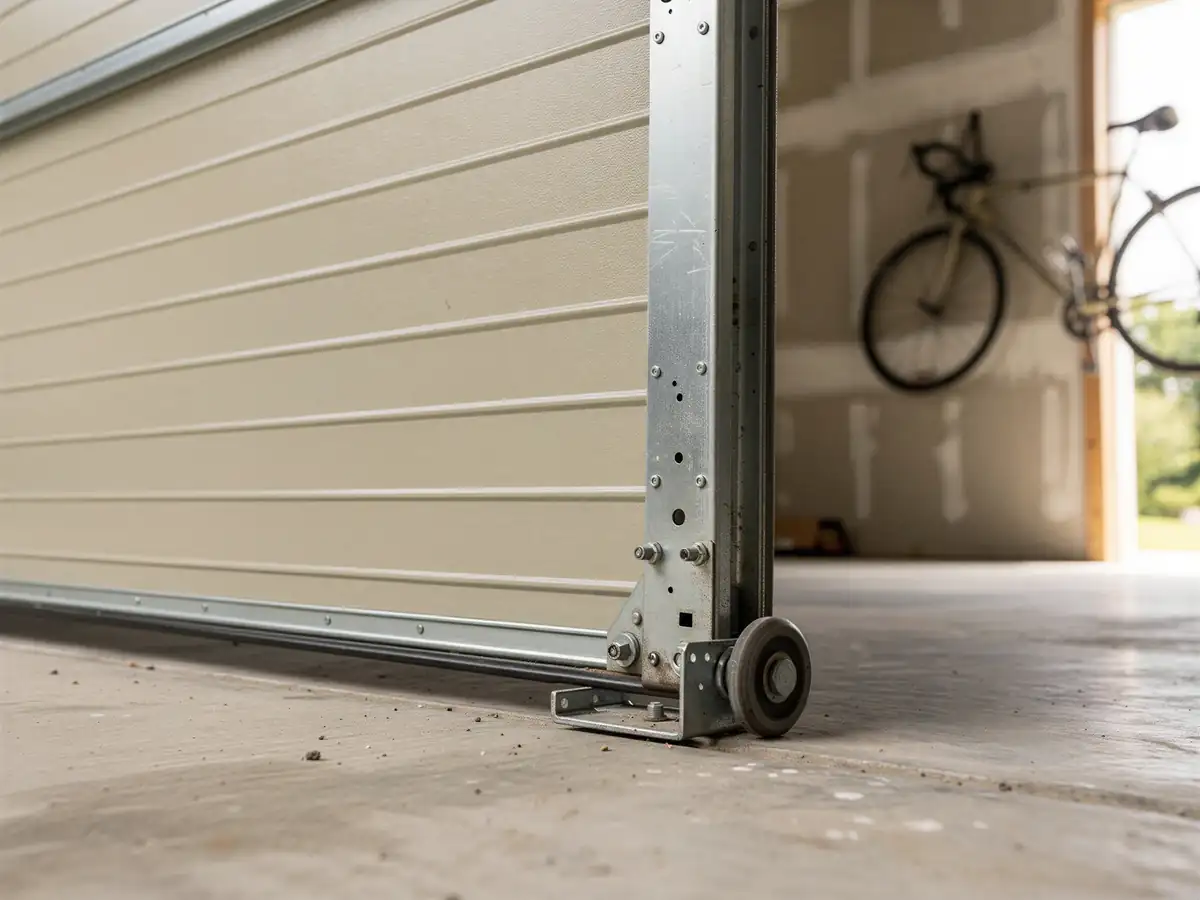
We don't post a flat number for an off-track door because the job isn't the same twice. A door that slipped one roller out of the track on a mild day is a short fix. A door that came down crooked, bent a track, or pulled a bracket loose from the jamb is a longer one, and if a cable let go at the same time the price moves again. What drives the cost is which parts failed and how many: one bent roller bracket is cheap, a warped track section on a double-wide door costs more because the track itself has to come off.
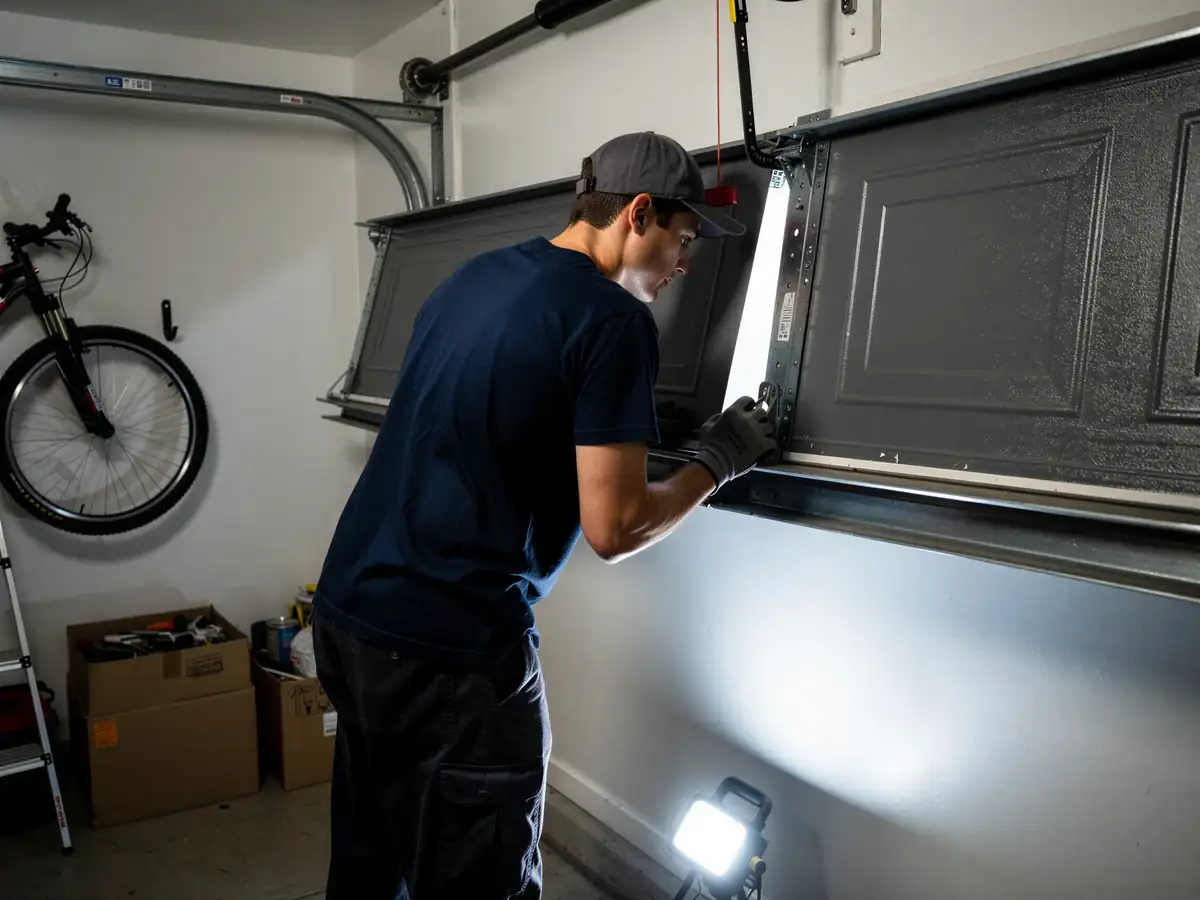
We look at the door in person before we quote anything firm - not because we're being cagey, but because "off track" covers everything from a loose hinge to a door that's about to fall on a car. If your door is original to a house built in the 1980s or 90s, which describes a lot of the stock across this service area, there's a decent chance the track gauge and roller hardware are no longer the current standard size, which can change the repair plan. That's the one limitation worth saying plainly: we can't tell you a number over the phone that means anything until we've seen which hardware is actually on your door.
Time on the Job
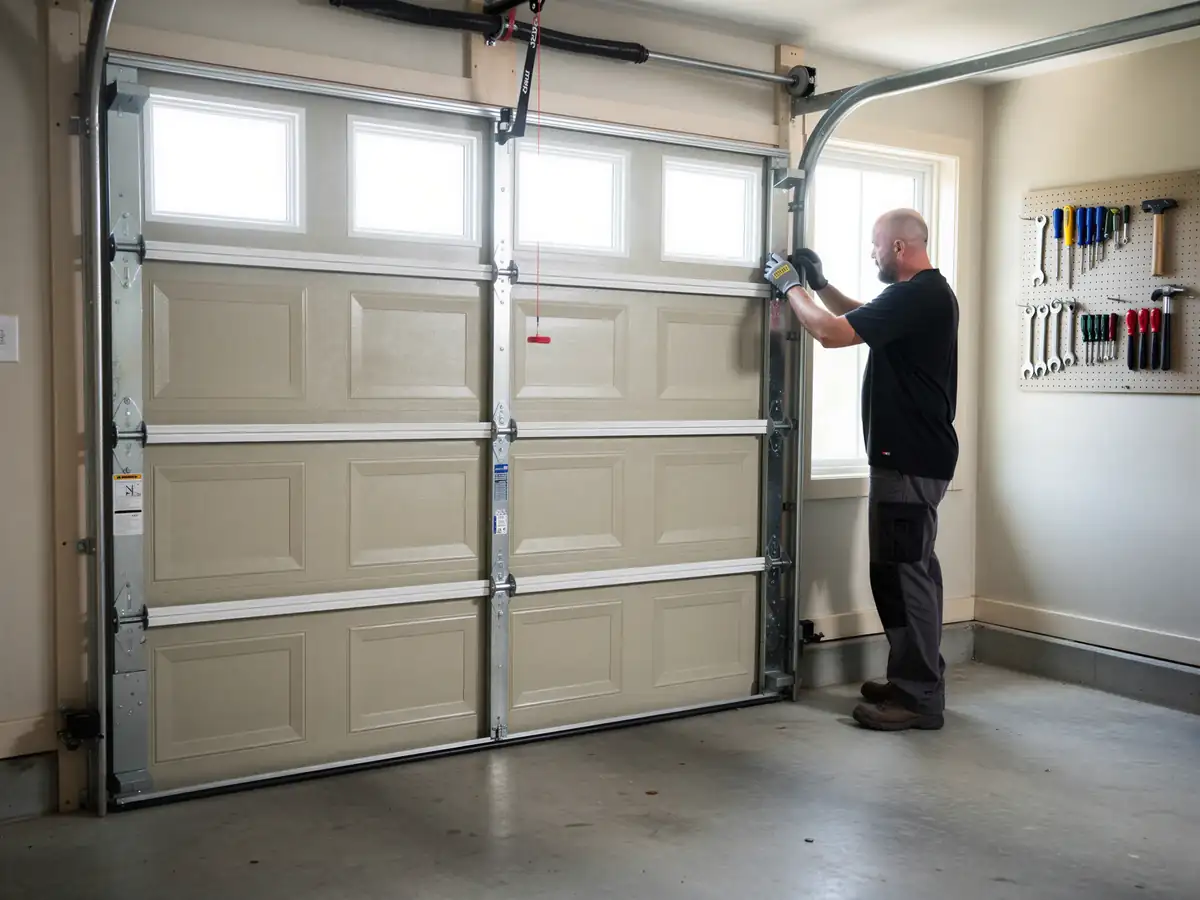
Most off-track calls get sorted in one visit once the truck is on site, because the common failure - a roller jumped the track, or a bottom bracket worked loose - doesn't need special-order parts. Where it runs longer is when a track section is bent badly enough to need replacing rather than re-hanging, or when the door is old enough that the roller size or track gauge isn't something we carry on the truck and has to be matched.
The door's age plays into this more than people expect. A lot of garages across this service area are original to houses built between 1959 and 2004, with the bulk going up in the 1980s and 90s. Hardware from that era sometimes runs a slightly different track profile than what gets installed today, so matching it can add a step instead of a straight swap. We'll tell you on site if that's the case rather than guess over the phone. The honest version: if we have to order a part, the job doesn't finish same-visit, full stop.
How It Shows Up
An off-track door doesn't usually announce itself with a bang
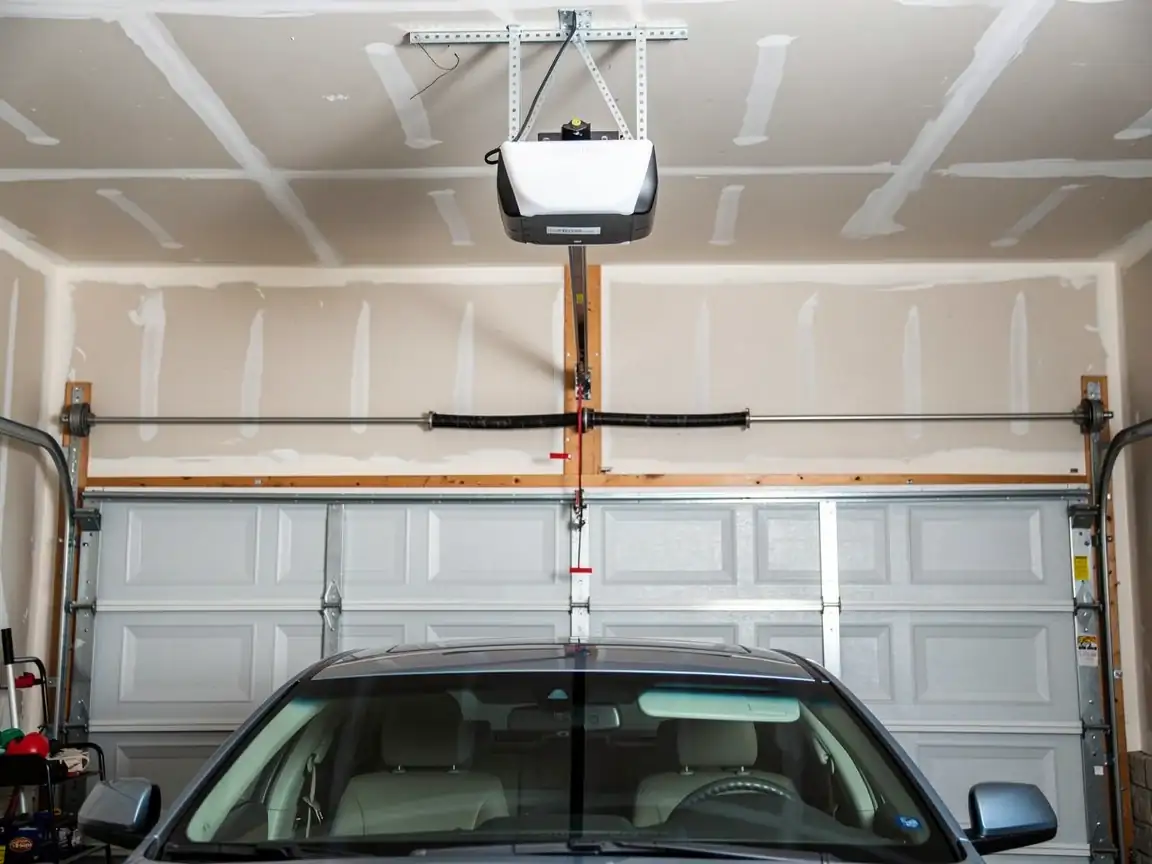
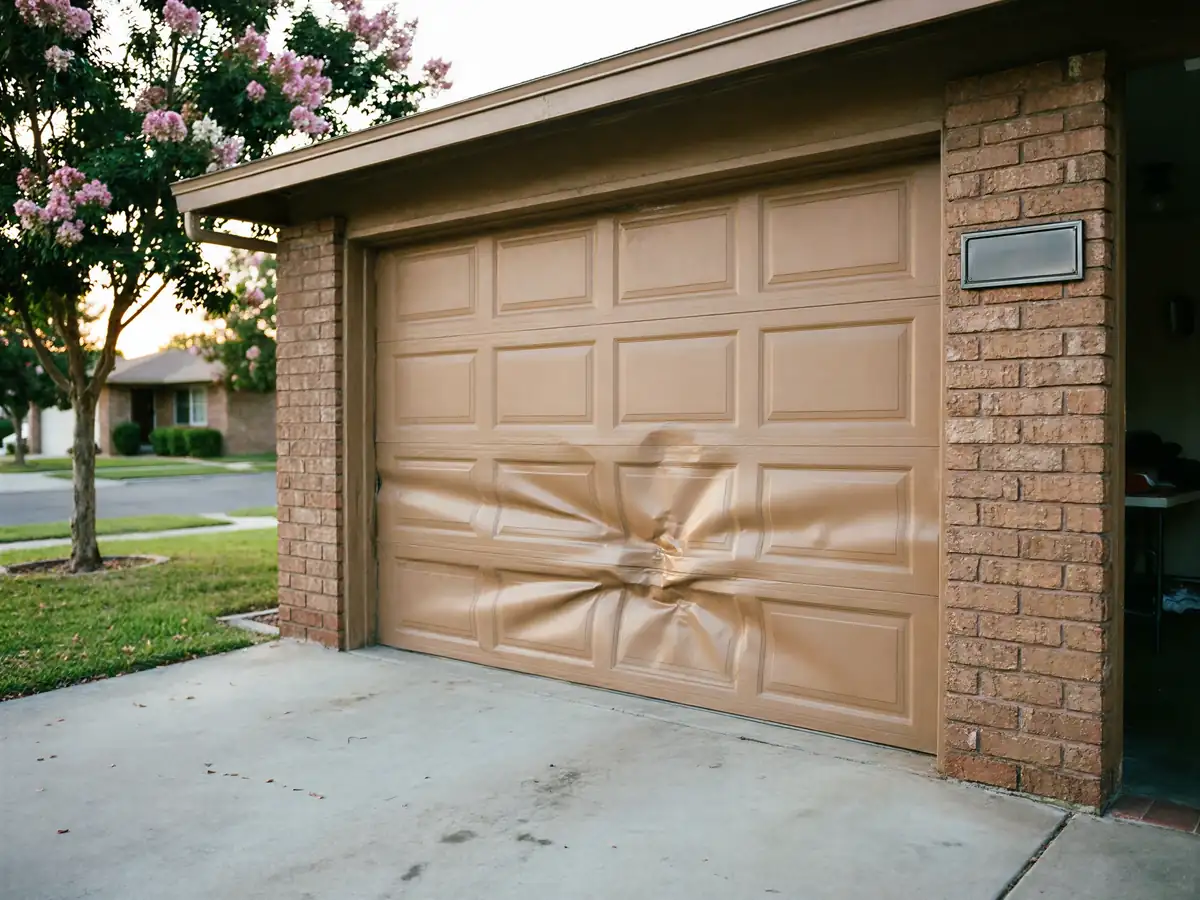
More often it's a door that suddenly runs crooked - one side higher than the other as it opens or closes - or a door that stops partway and won't go further without grinding or popping. Sometimes it's quieter than that: a roller visibly sitting outside the track rail instead of inside it, or a gap between the track and the wall that wasn't there last month.
The opener is usually still trying to do its job through all of this
Which is part of why it's dangerous - a motor will keep pulling on a door that's binding against a bent track until something else gives, often a cable or the opener's drive mechanism. If the door came all the way down off both tracks and is leaning or resting on the floor at an angle, don't try to force it back up by hand or run the opener again. That's a job for someone to look at before the door moves at all, not after.
Why It Happens Here
This failure tracks closely with how old the hardware is, and across this service area a lot of it is old. Housing in the area was built mostly between 1959 and 2004, with the median landing around 1980, and the heaviest concentration of that stock - repeated across 18 named neighborhoods - went up in the 1980s and 90s. That's original rollers and track brackets on a lot of garages, hardware that's had three or four decades of daily cycling with no upgrade.
Climate adds to it. This area sits in a cold-moderate band, which means real freeze-thaw swings through the winter months rather than a flat cold snap. Track bolts and wall brackets expand and contract with that cycling, and over enough winters the fasteners holding a track to the framing work loose a fraction at a time - not enough to notice until the day a roller finally slips past the rail. Add in 39,476 owner-occupied houses among 61,473 households across the area, and the math is simple: a lot of garages, built in the same narrow window, aging through the same winters, all heading toward the same kind of call.