The Problem
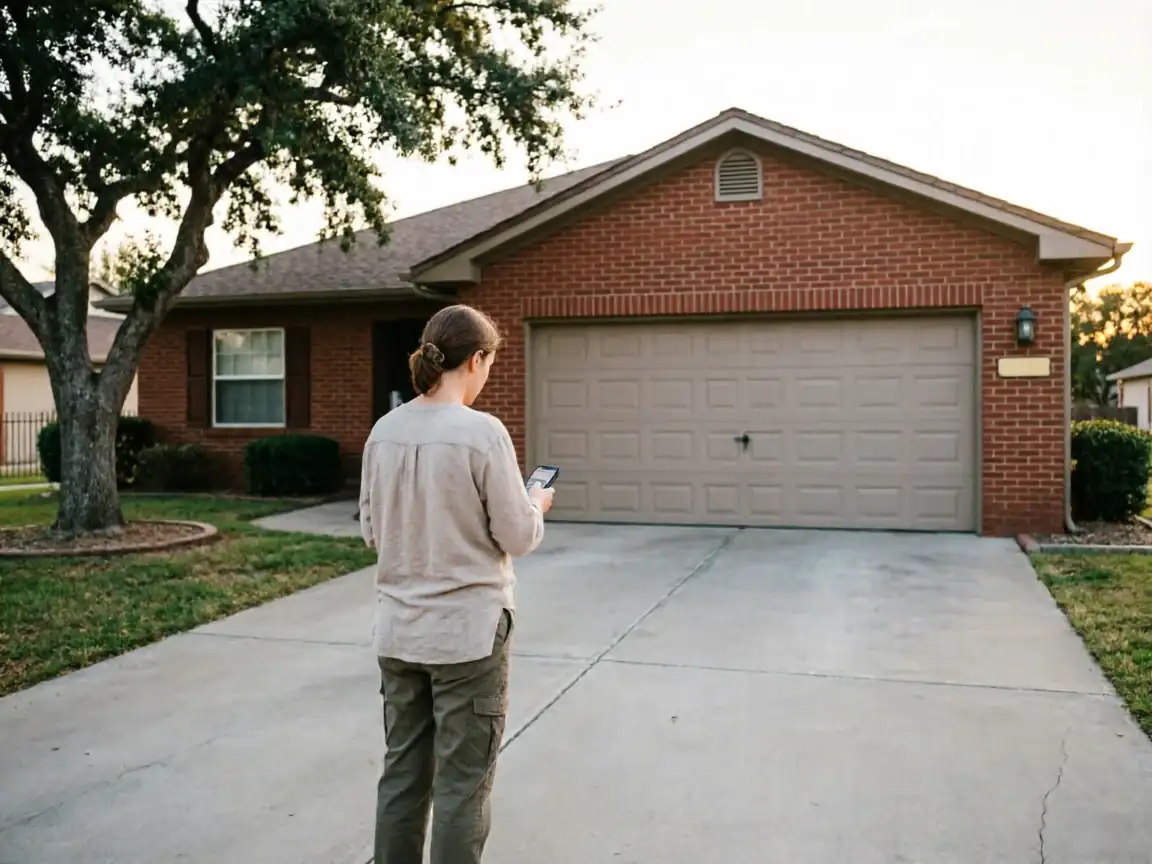
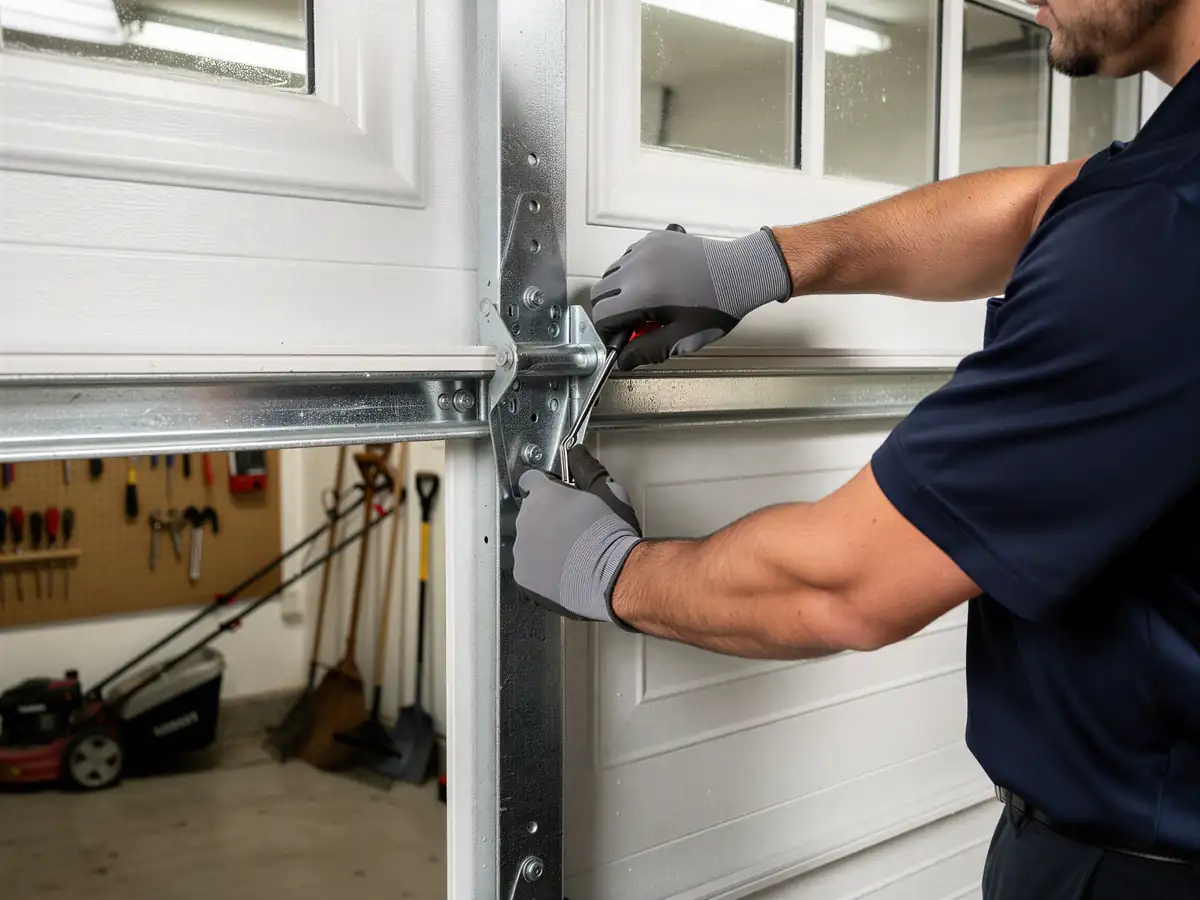
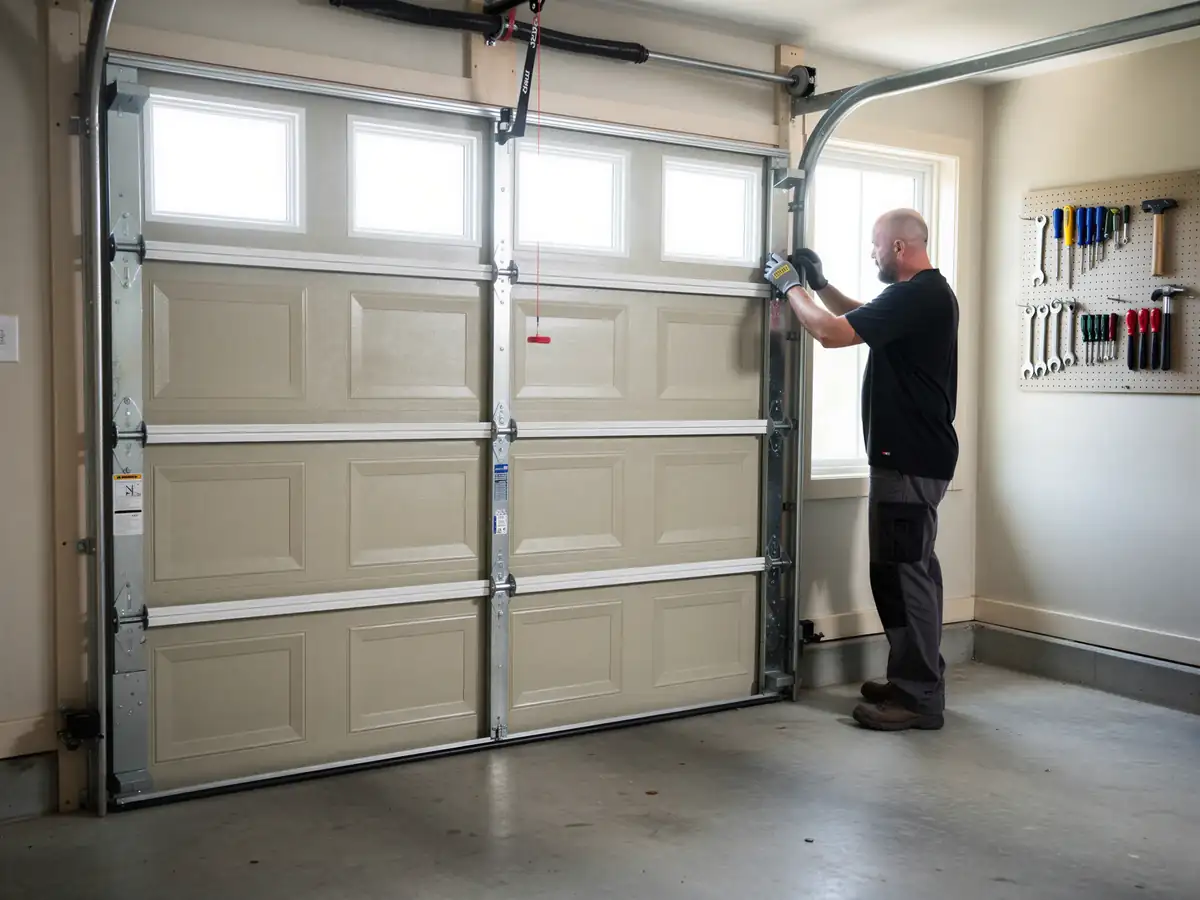
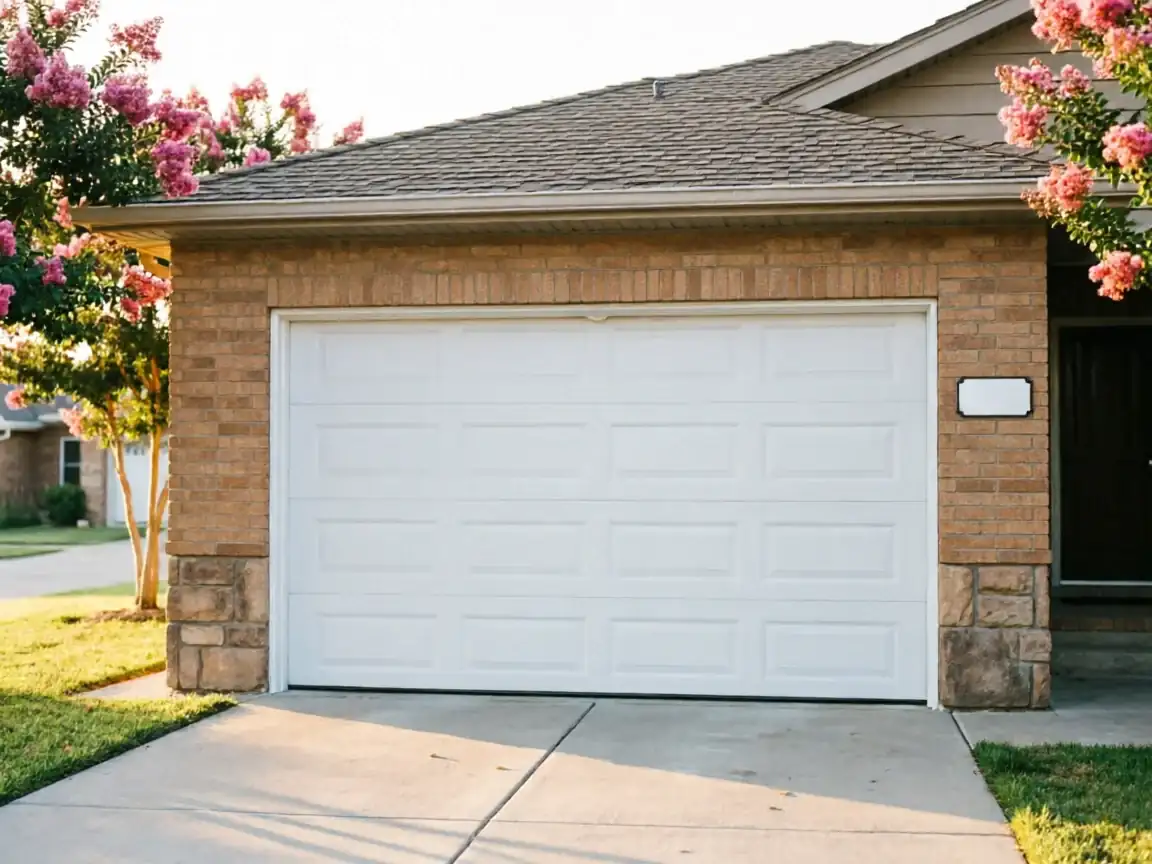
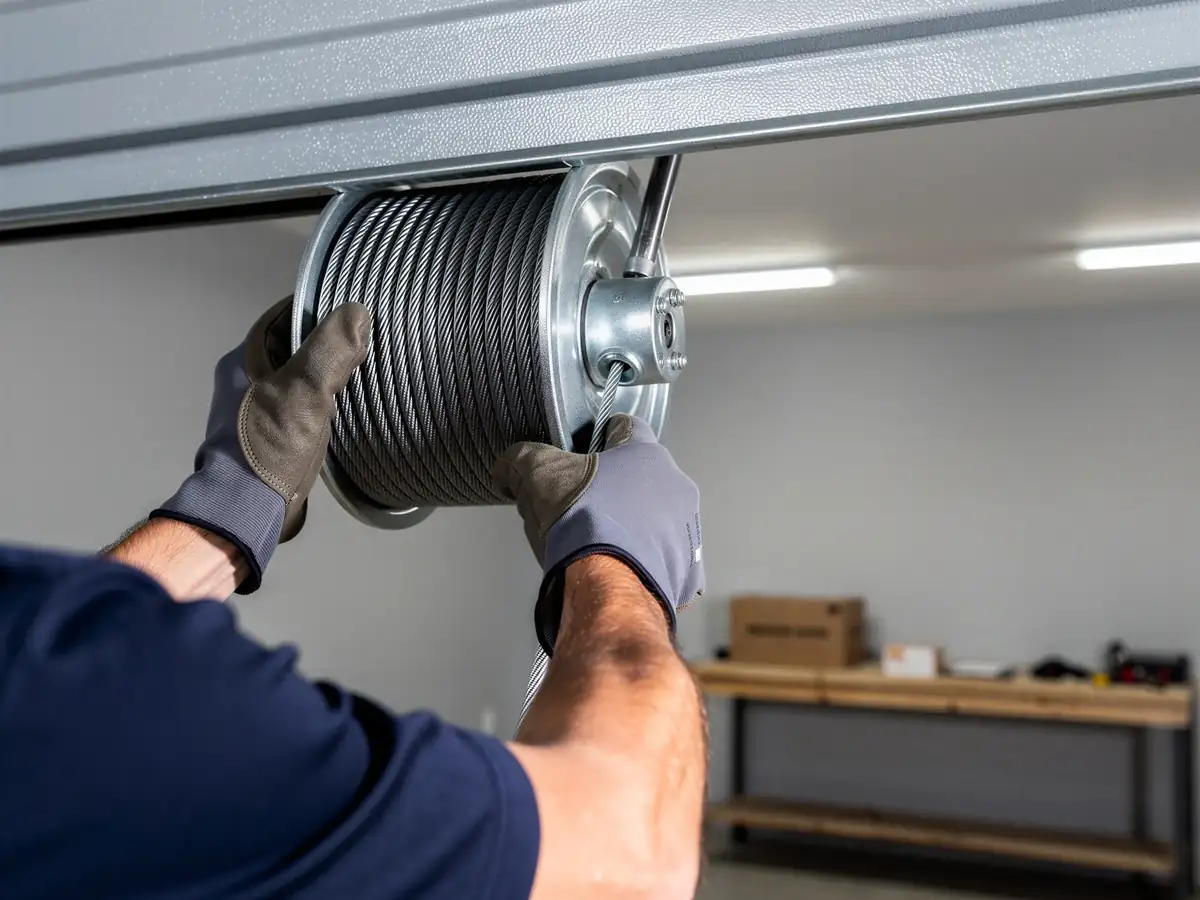
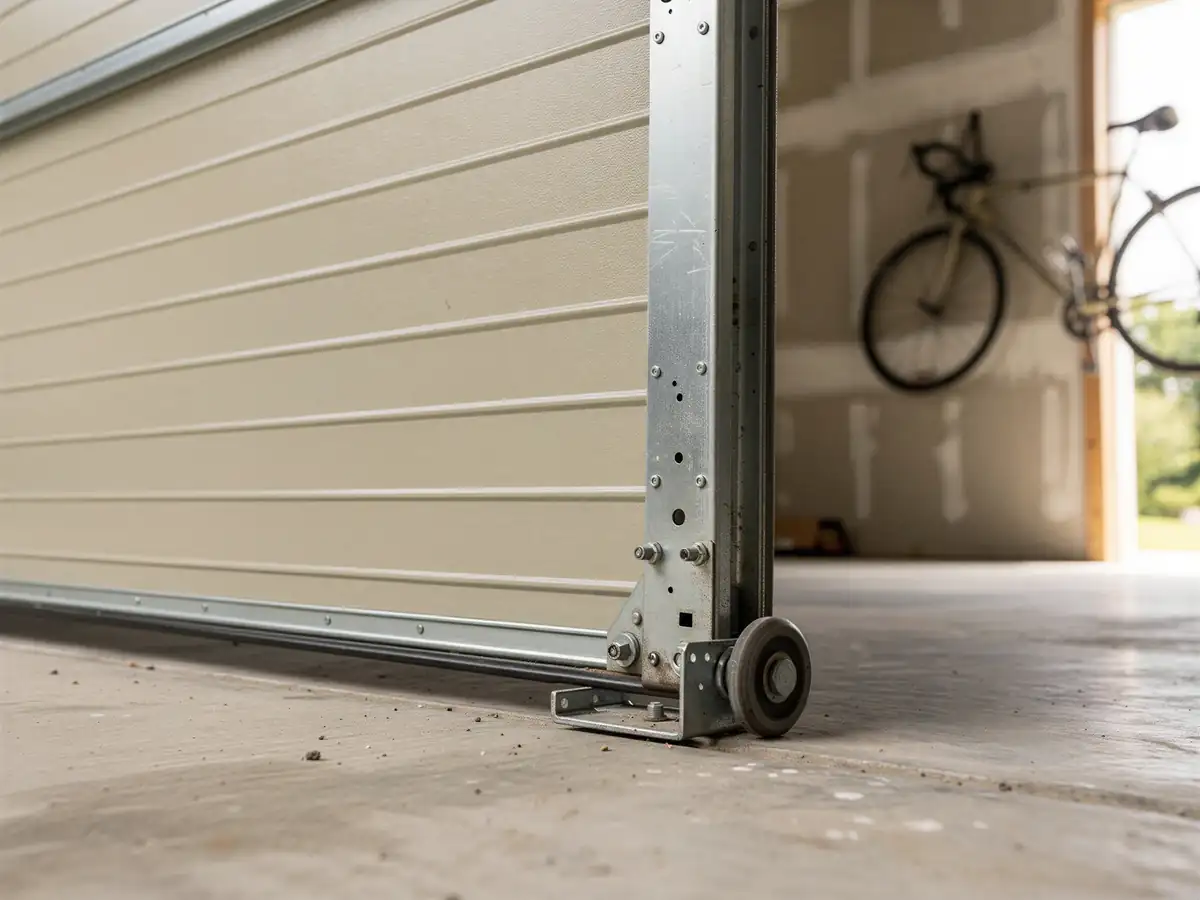
Most of the garage doors we look at in Moore are attached to houses built somewhere between 1959 and 2004, with the bulk of that stock going up in the 1980s and 90s across the area's 18 named subdivisions. That matters more than people think. A door installed when the house was built in 1982 is now on its second or third opener, and the torsion spring under it has likely never been swapped unless something broke. The problem isn't usually the door panel itself - it's whatever's attached to it that was never meant to last 40 years. Hinges stretch, rollers flat-spot, and the galvanized cable fraying at the drum doesn't announce itself until the day it snaps. When you call, the technician isn't guessing at what's wrong. He's starting from the fact that a house this age has specific failure points, and he checks those first before anything else.
What You Pay
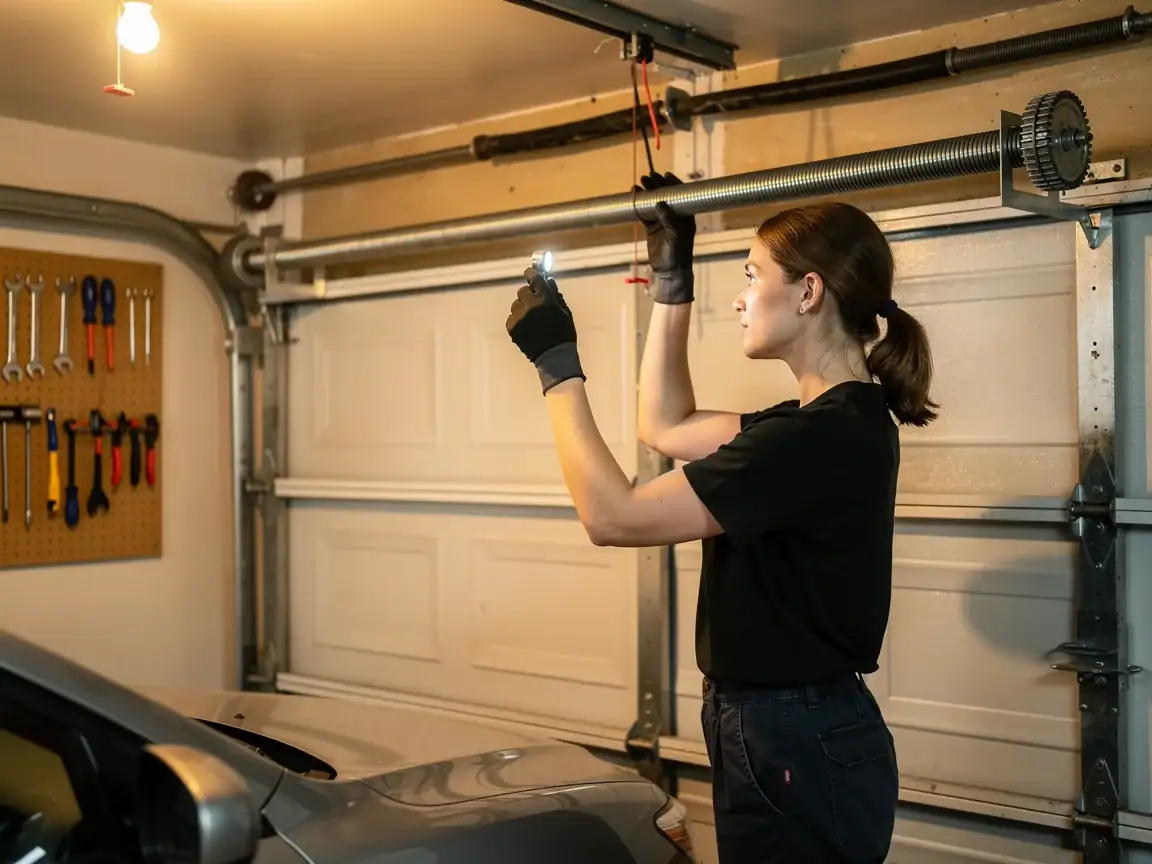
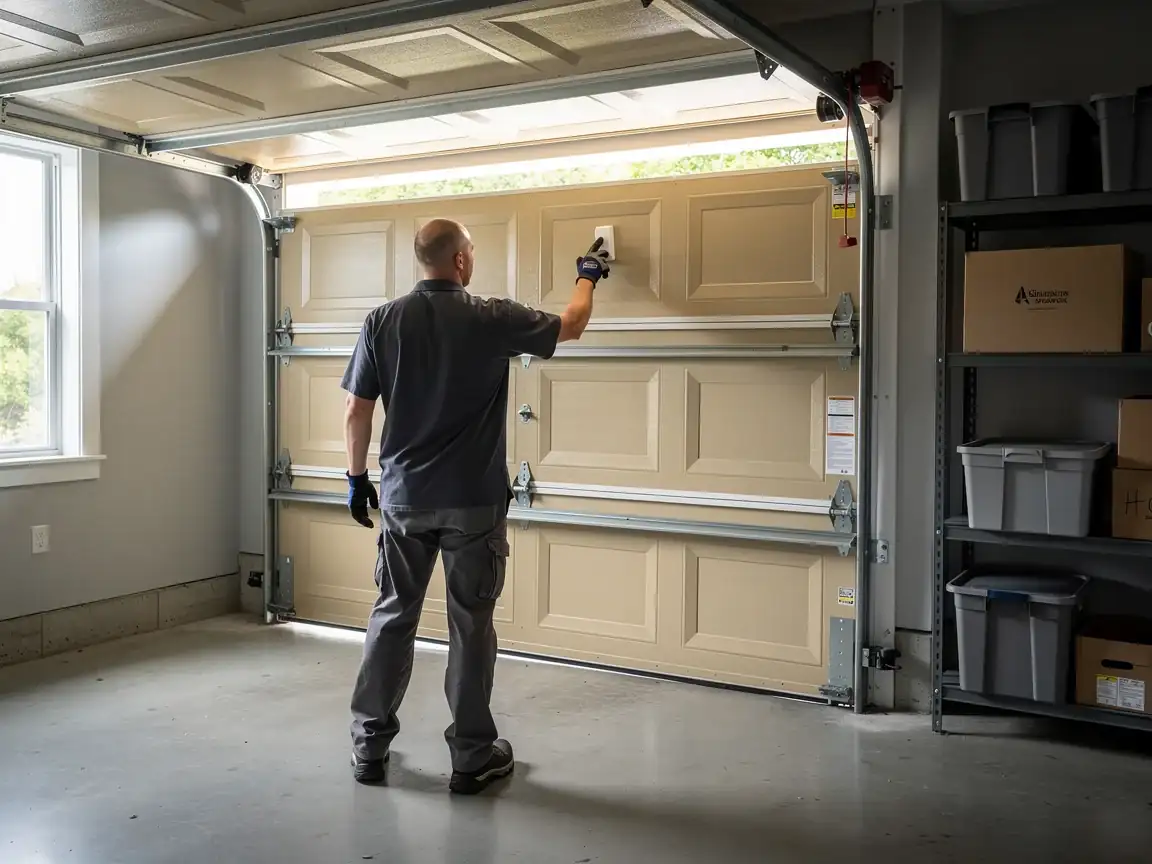
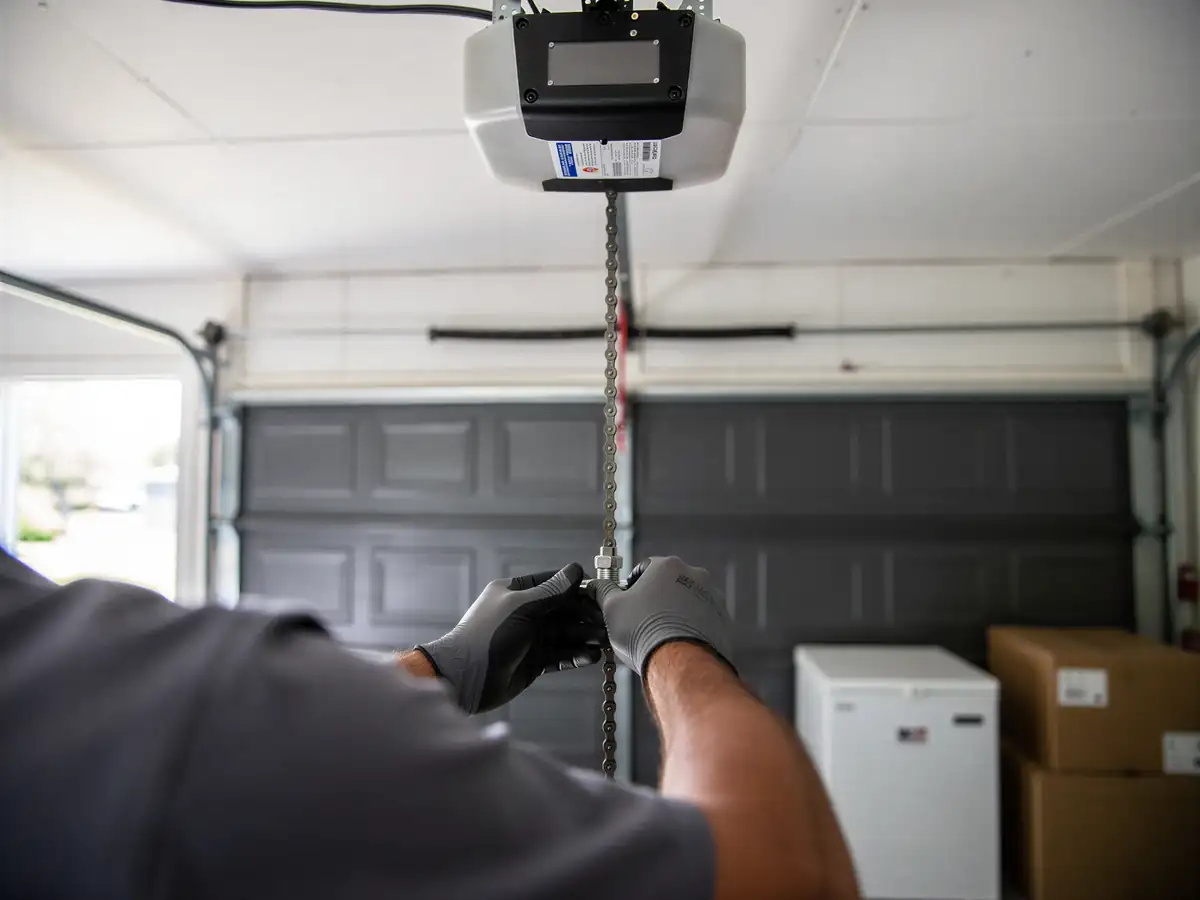
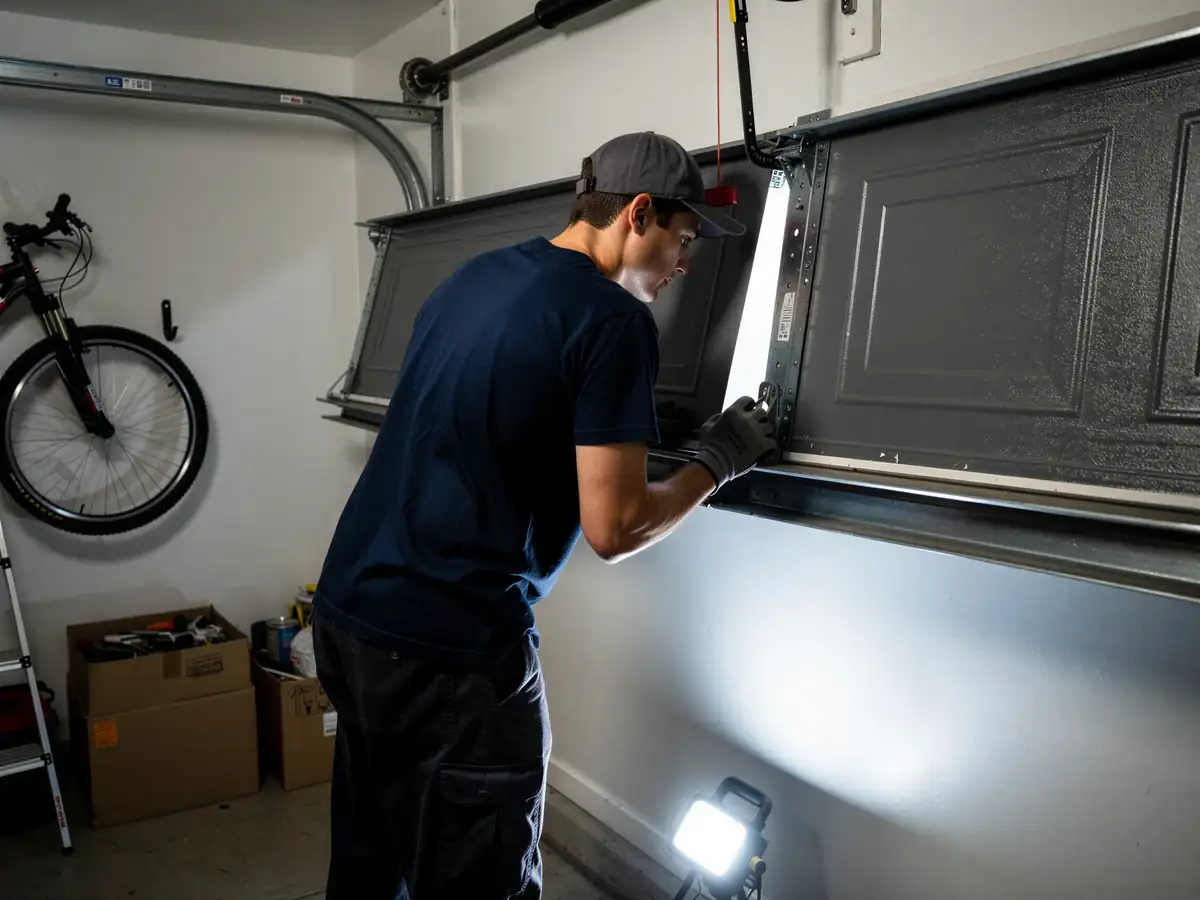
We don't quote a number over the phone before someone's looked at the door - too much depends on what's actually failed and whether the hardware on it is original to a 1980s build or a replacement from ten years ago. What a service call covers is diagnosis: spring tension, cable condition, track alignment, opener gear and sensor function, and panel integrity, checked in that order because that's the order things usually fail in a house from this era. One honest limitation - if the opener is an older model and the part needed isn't something we stock on the truck, there's a lead time to order it, and we'll tell you that up front rather than have you wait and wonder. Owners in this income bracket tend to ask for the repair-versus-replace math rather than just a fix, and that's a fair question - a 1980s door with a dead opener motor often makes more sense to replace than to keep patching.
When to Get Help
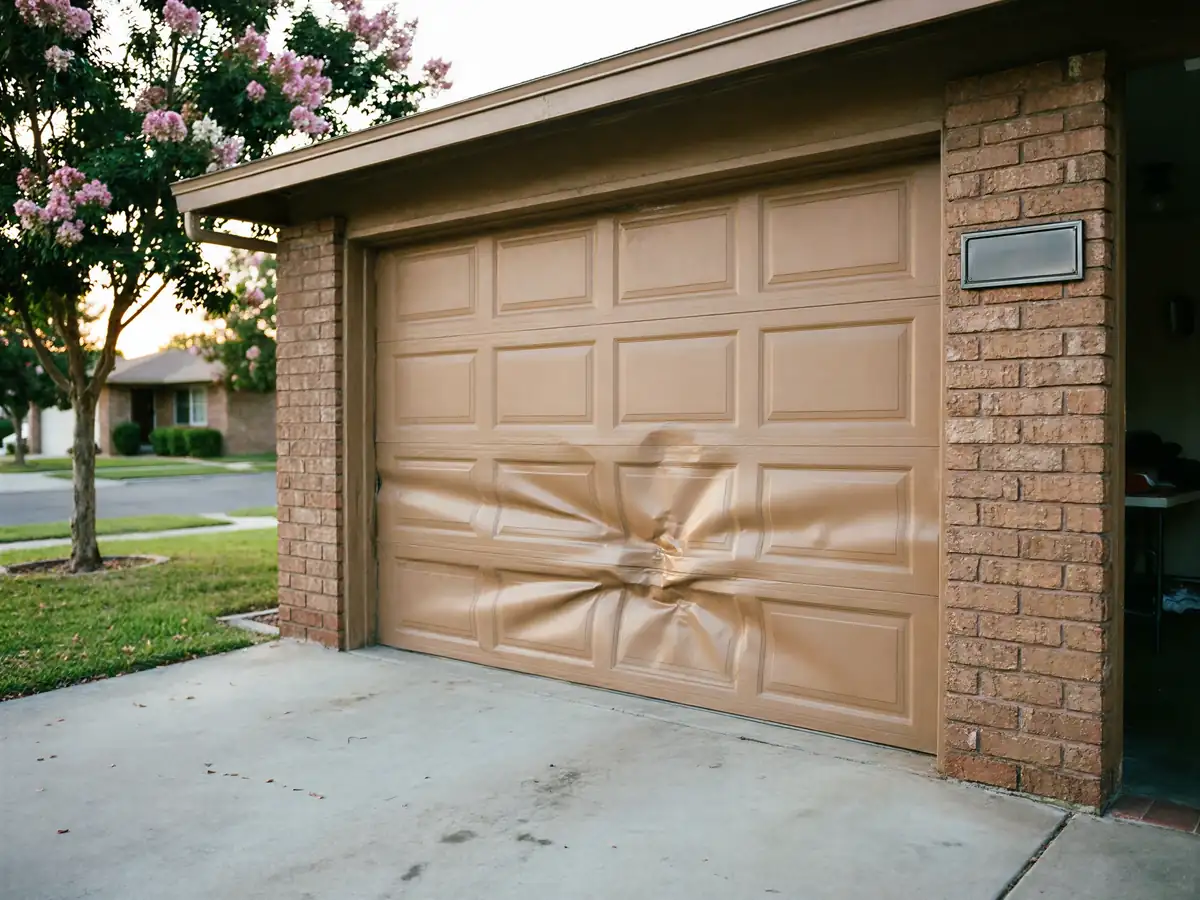
Call before the spring fully breaks, not after. A spring that's visibly stretched, a cable that's starting to fray at the drum, or an opener that reverses on its own are all signs worth a call rather than a wait-and-see. Given that the median house here was built around 1980, a lot of these systems are well past the point where routine lubrication fixes the noise - the fix is usually a worn part, not a loose bolt. If the door is original to a house from the 1960s or early 70s on the older end of the local range, replacement parts can take longer to source, and that's worth knowing before you're stuck with a door stuck halfway open. For anything involving the spring or cables under tension, that's not a DIY call - the stored energy in a torsion spring can do real damage.