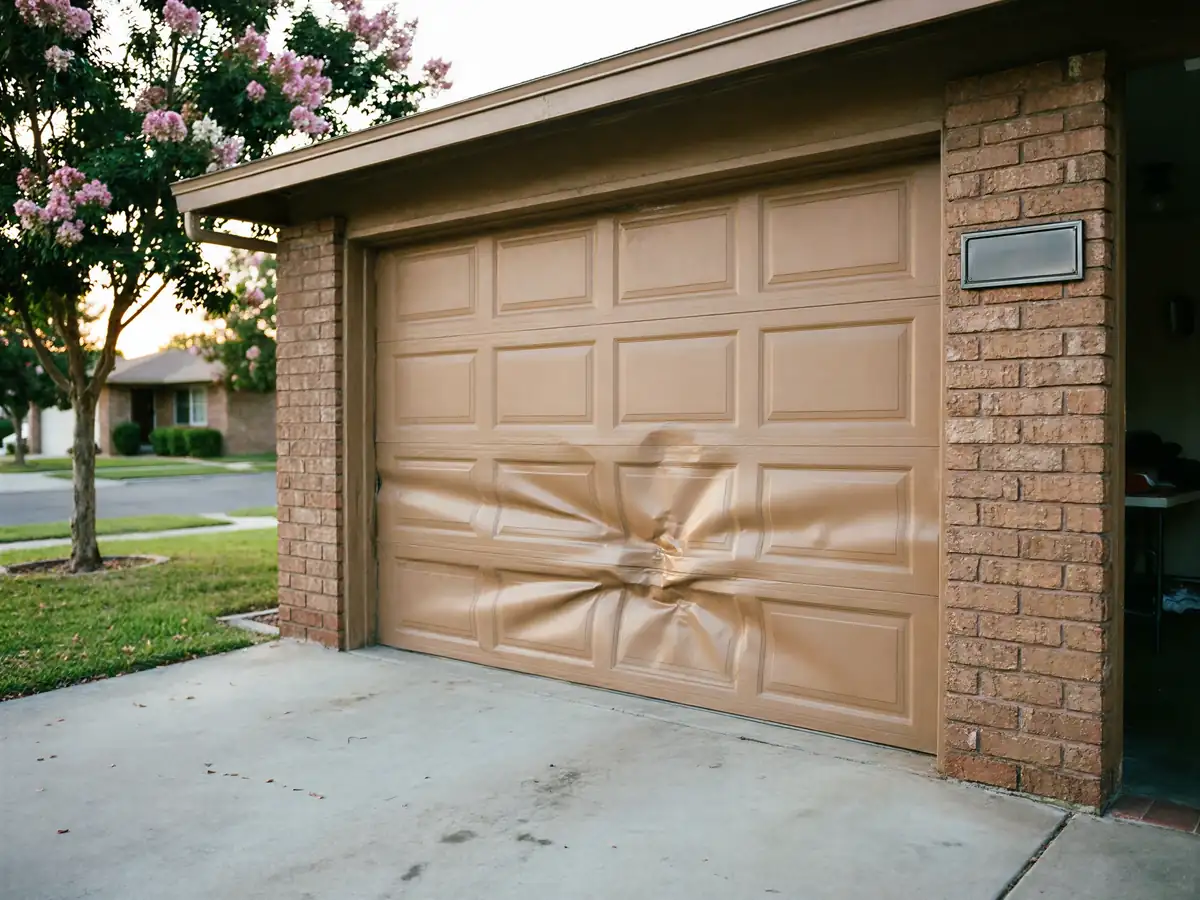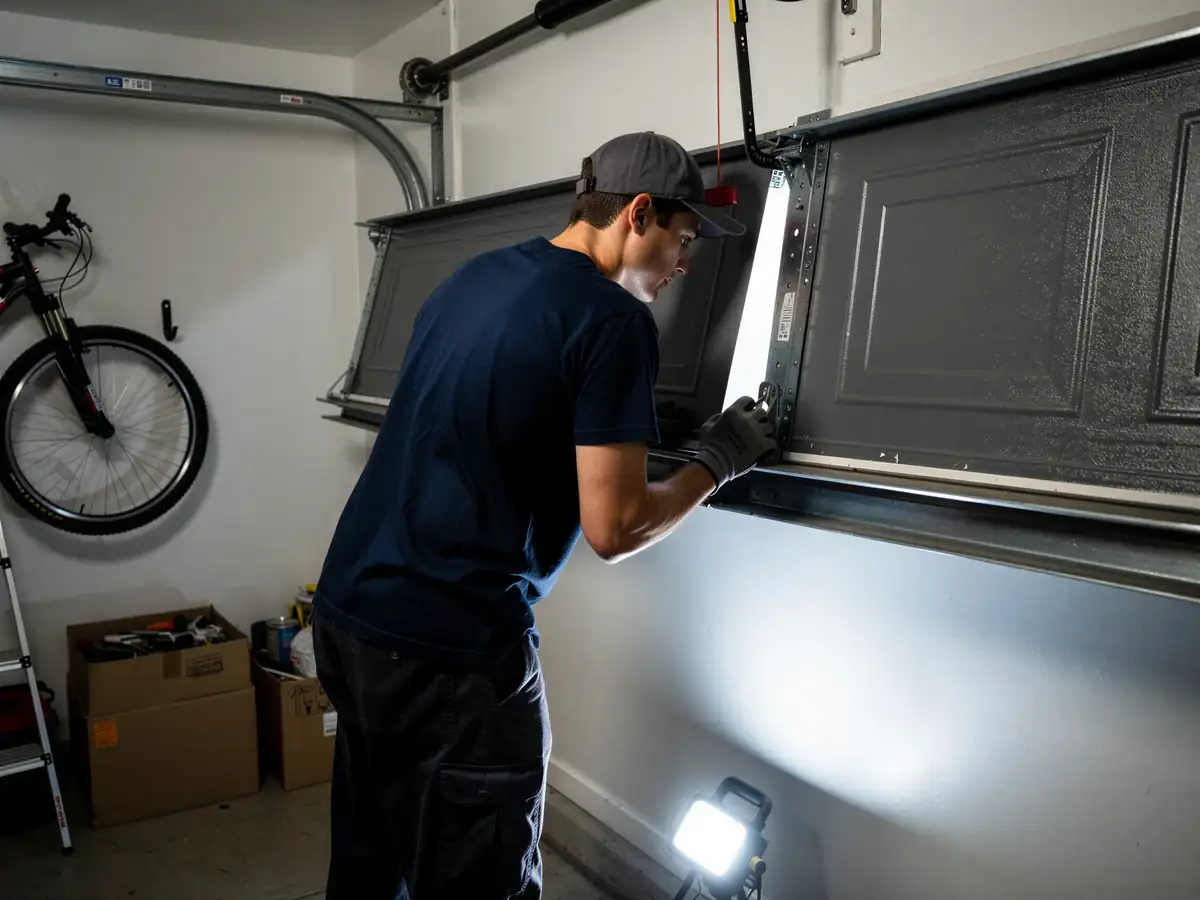
What You Pay
We don't post a flat number here because the job isn't flat. A torsion spring swap on a single door costs less than a double-door job with two springs and new cables. An opener that's seized up costs less to replace than to chase a wiring fault that might come back in six months anyway.
What we can tell you is what drives the number in Moore specifically: most houses in this service area went up between 1959 and 2004, with the bulk from the 1980s and 90s. That means a lot of doors are on torsion hardware sized for openings that were standard builder-grade at the time - not the heavier insulated doors going into newer construction elsewhere. Parts for that era are still available, which keeps repair cheaper than replacement in most cases.
With median household income in the service area around $81,105, most of our calls are repair calls, not full replacement calls. We'll tell you straight if a repair isn't worth it - sometimes the track is so bent or the opener gear so chewed up that putting more money into a 30-year-old unit doesn't make sense. We'd rather say that upfront than bill you twice.
Time on the Job
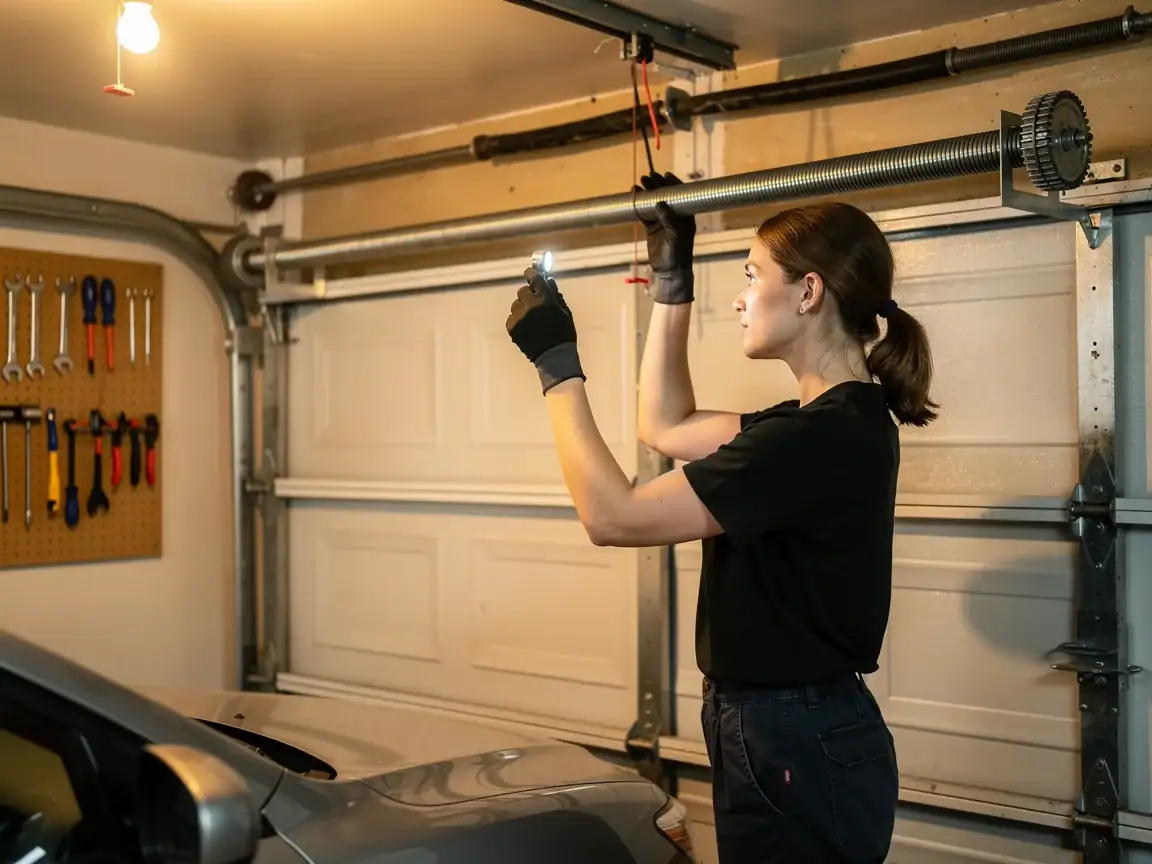
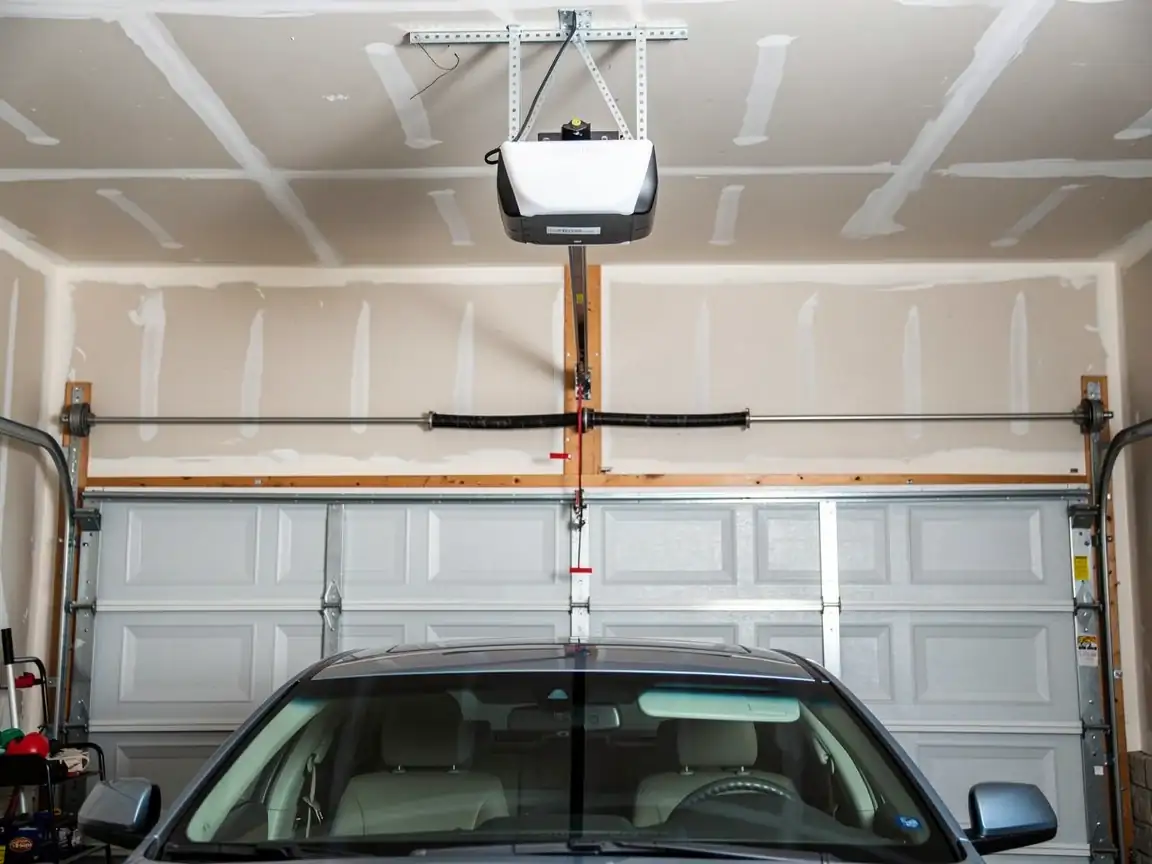
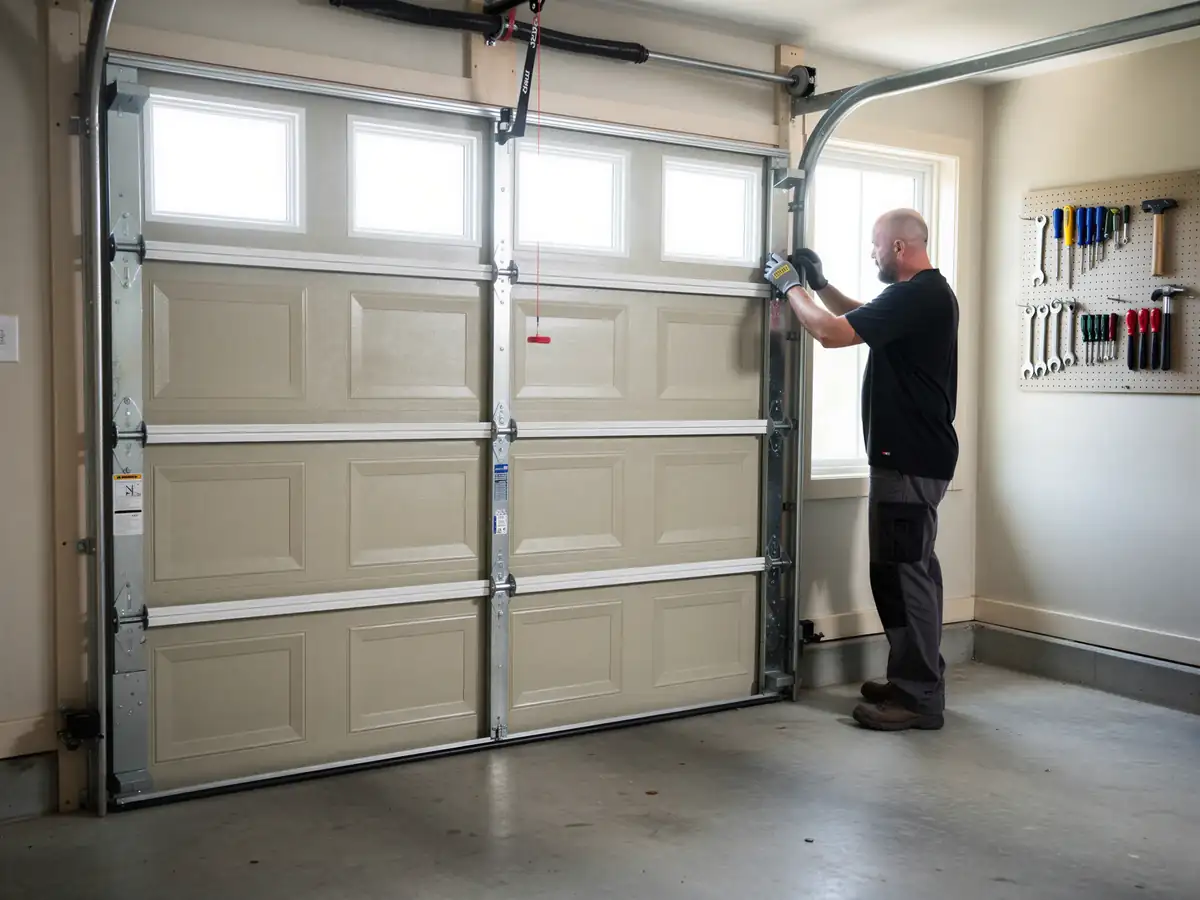
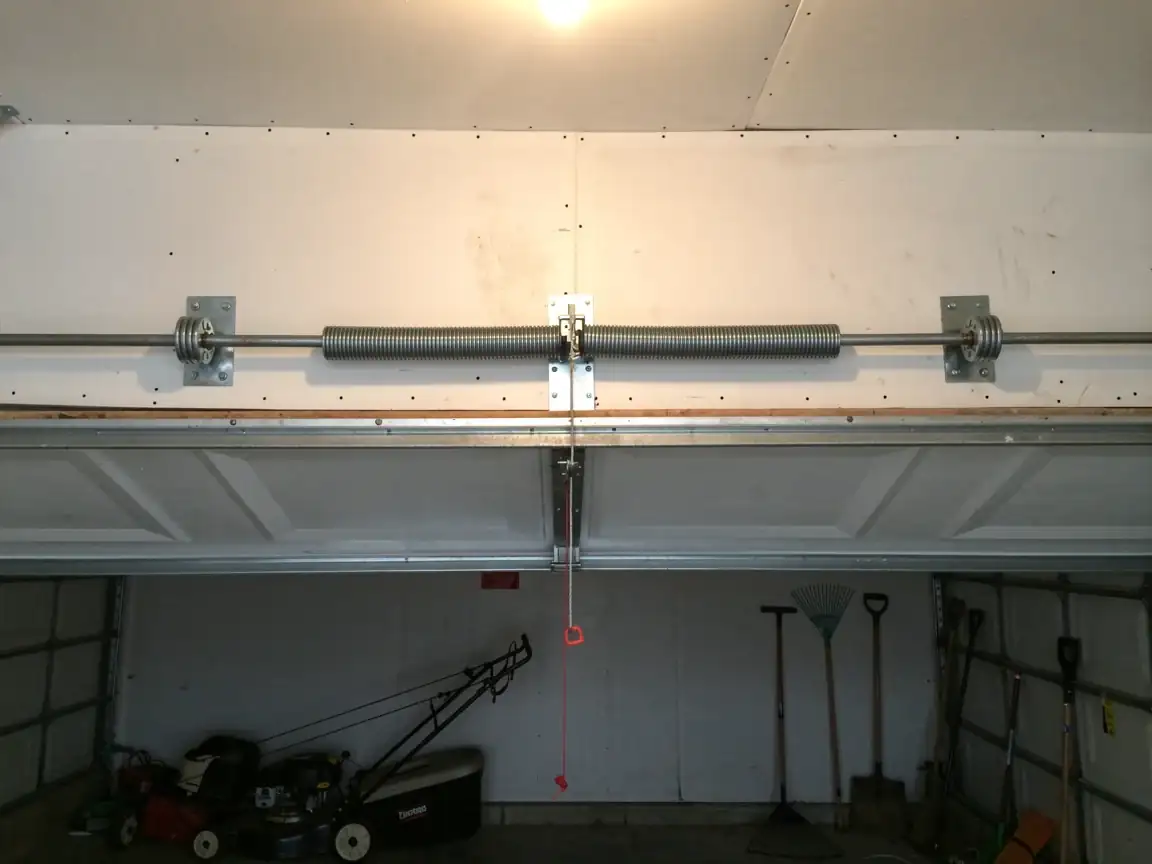
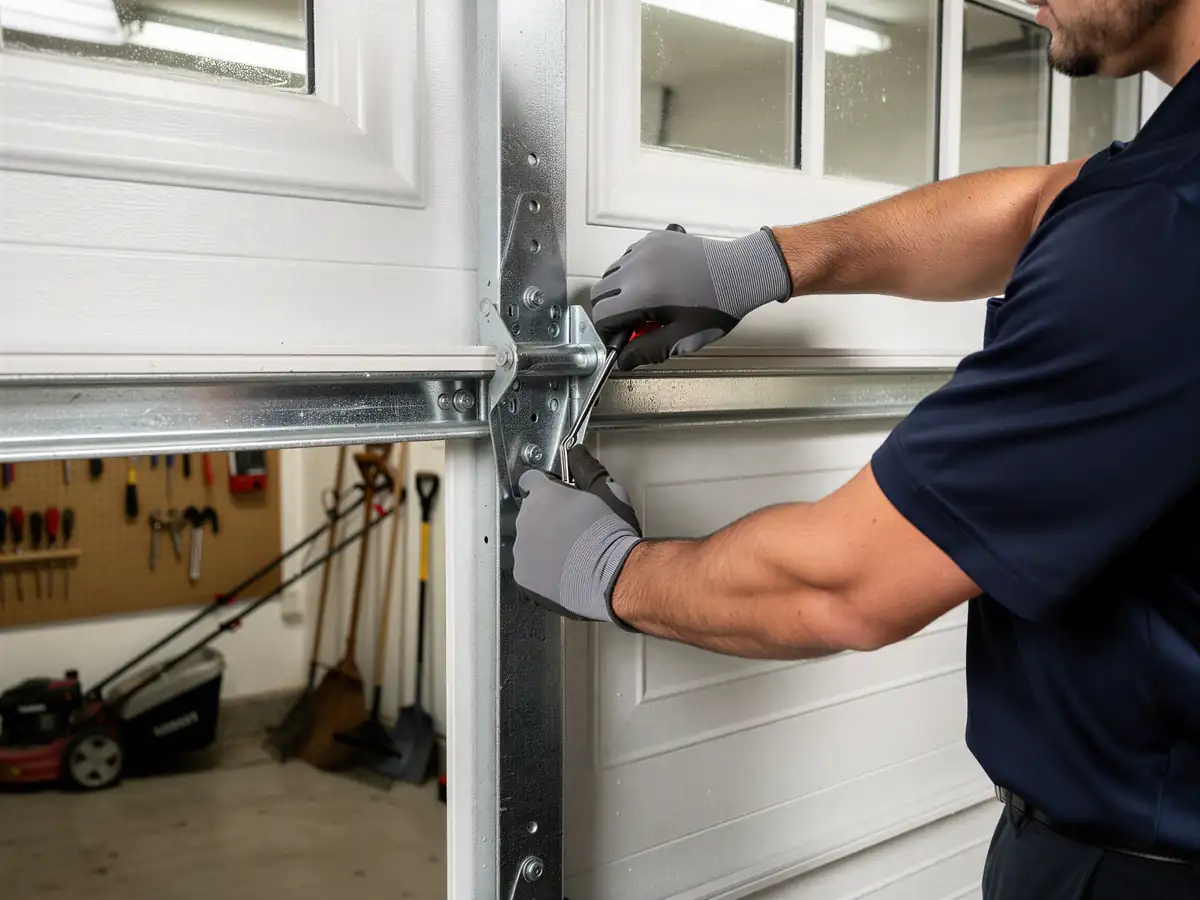
A single broken torsion spring on a standard door is usually a same-visit fix once we're on-site - spring, cables, and a safety check on the rest of the hardware while we're under there. Double doors with two springs take longer because we're balancing both sides to match.
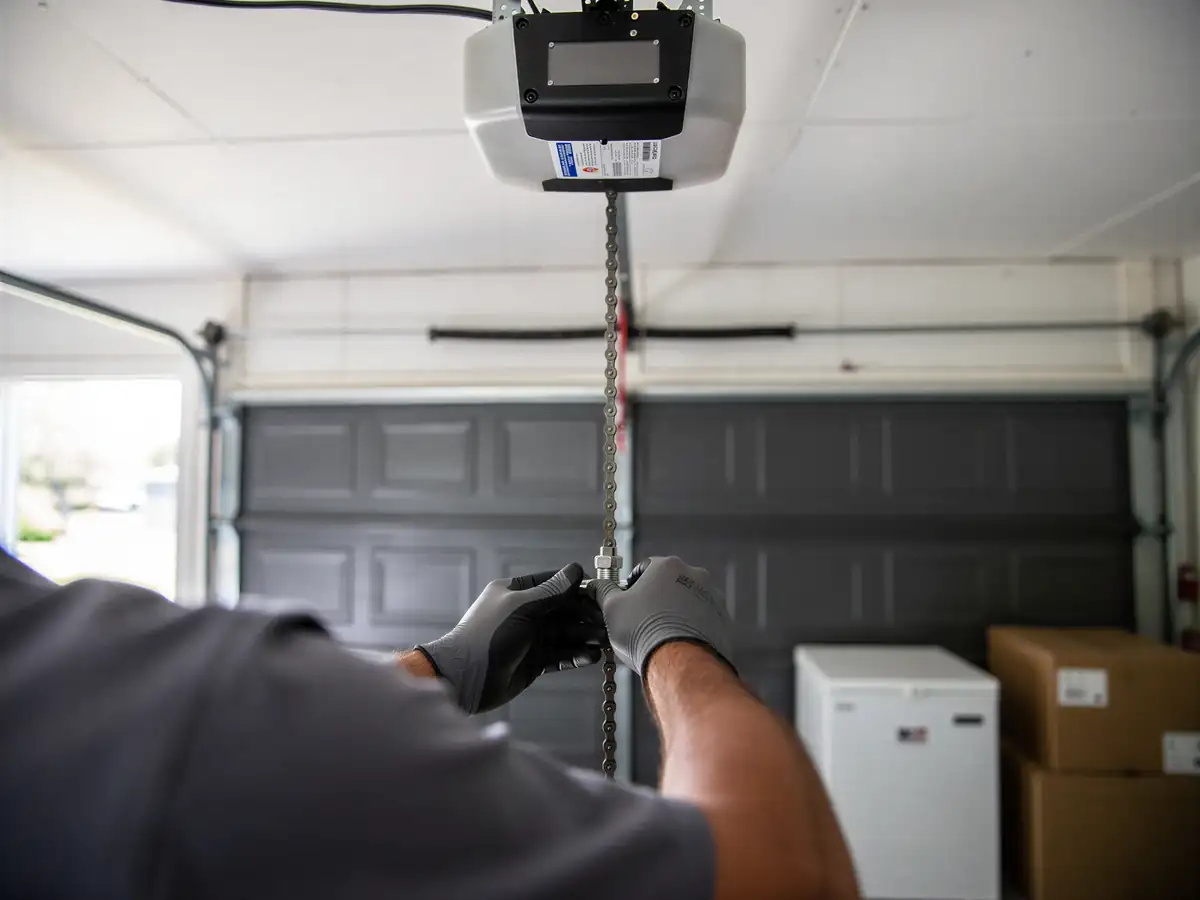
Opener issues vary more. If it's a logic board or a worn gear, that's a straightforward swap. If it's a wiring problem buried in a wall or a sensor alignment issue from a door that's racked slightly out of square, we're troubleshooting before we're fixing, and that adds time.
We don't rush spring tension adjustments. A door that's slightly off balance today is a cable that snaps in a year. We'd rather take the extra twenty minutes than send you back out to the garage next month.
How It Shows Up
On the older end of Moore's housing stock
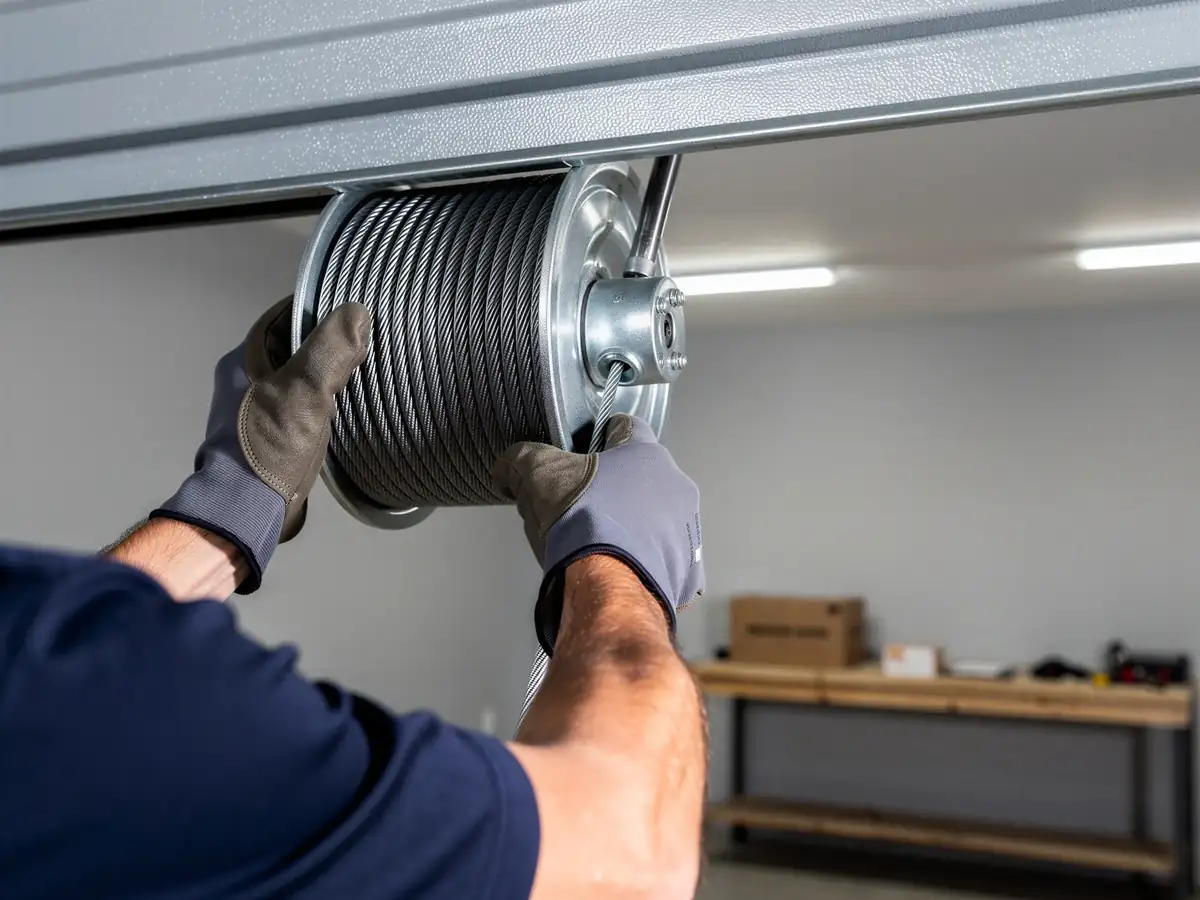
Homes from the late 1950s through the 1970s - we see original torsion springs that have simply outlived their cycle count, cables starting to fray at the drum, and tracks that were never upgraded when the opener was replaced somewhere along the way.
On the larger share of homes built through the 1980s and 90s
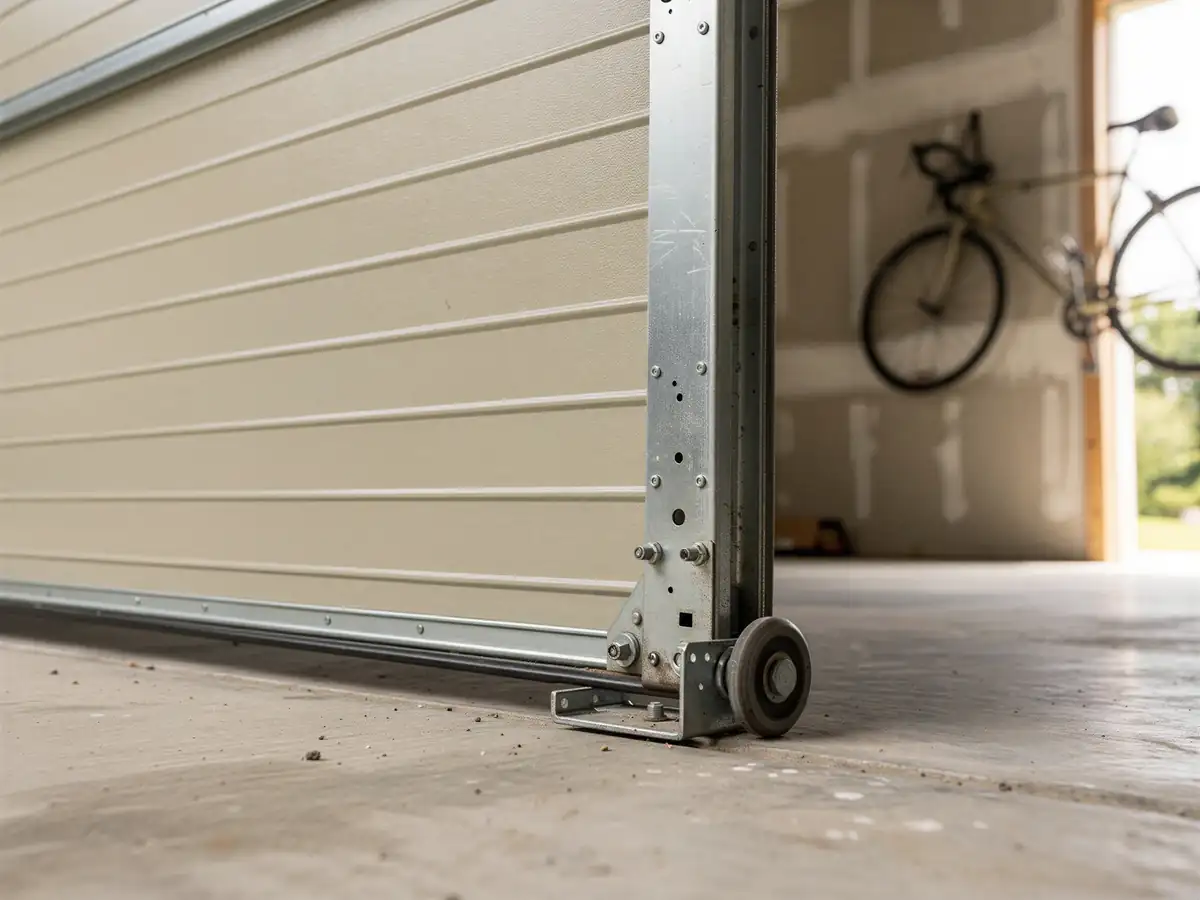
The common failure is a worn nylon roller or a spring that's lost tension gradually rather than snapped outright. You'll notice the door groaning on the way up, or the opener straining and reversing partway through the cycle because it's fighting a spring that isn't carrying its share of the weight anymore.
Newer builds in the service area, up through the early 2000s, tend to bring opener-side problems first
Logic boards, sensor misalignment - before the mechanical hardware gives out, since that hardware is still within its working life.
Across all of it, the tell is usually the same
A door that used to lift with one hand and now takes two, or an opener motor that sounds like it's working harder than it used to.
Why It Happens Here
Moore sits in a cold-moderate climate band, which means real temperature swings through the year rather than steady heat or steady cold. That matters for garage door hardware more than most homeowners expect. Steel springs and cables expand and contract with temperature, and repeated swings fatigue the metal faster than a stable climate would. A spring rated for a certain number of cycles reaches its end sooner here than it would somewhere with less variation.
Layer that on top of the housing stock: a median build year of 1980 means a lot of original hardware is thirty-plus years into a part that was never meant to last forever. Torsion springs have a cycle life, not a calendar life, but age and temperature cycling both chip away at that life whether the door gets used twice a day or ten times.
The result is a predictable pattern across the service area's roughly 39,476 owner-occupied houses: spring failures cluster in homes from the 1960s and 70s, roller and cable wear clusters in the 80s-90s stock that makes up most of the area, and opener electronics are the main complaint in the newest builds. None of this is random - it tracks directly with when the house was built and how many winters its hardware has been through.