What the Housing Means for Your Door
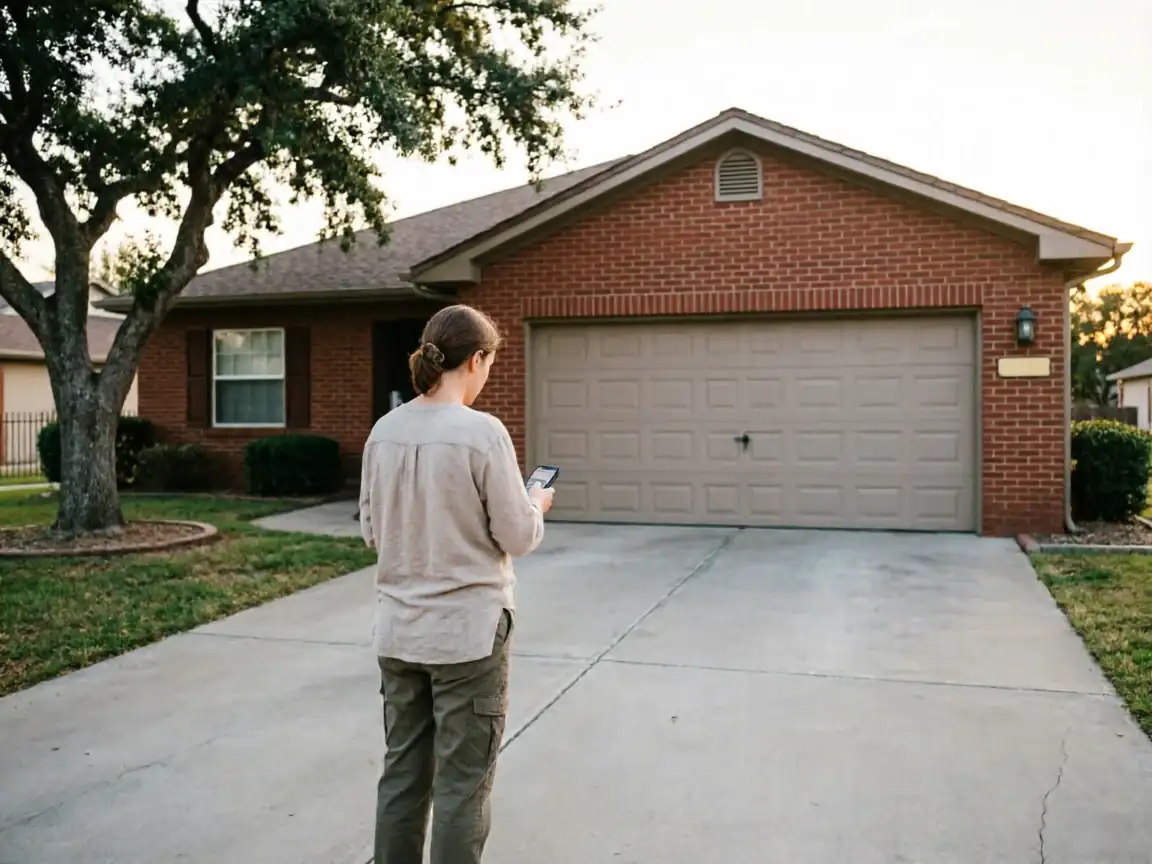
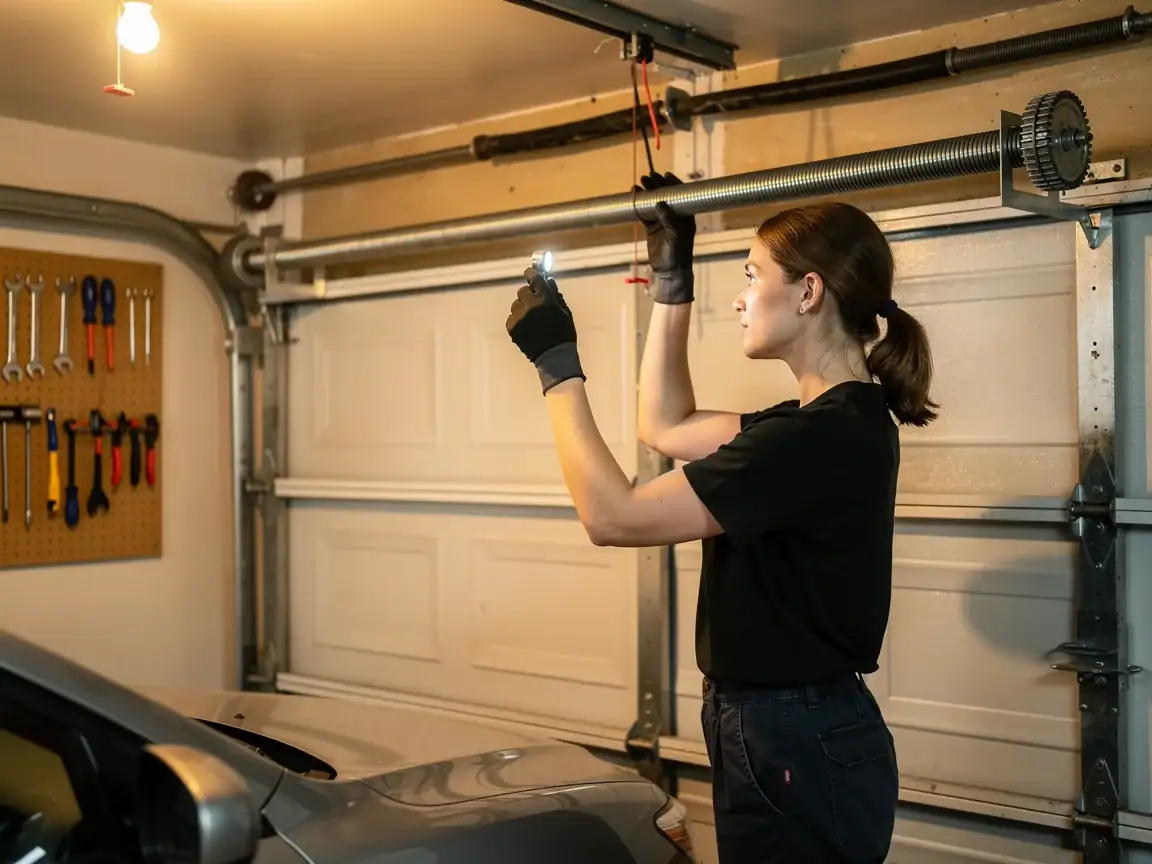
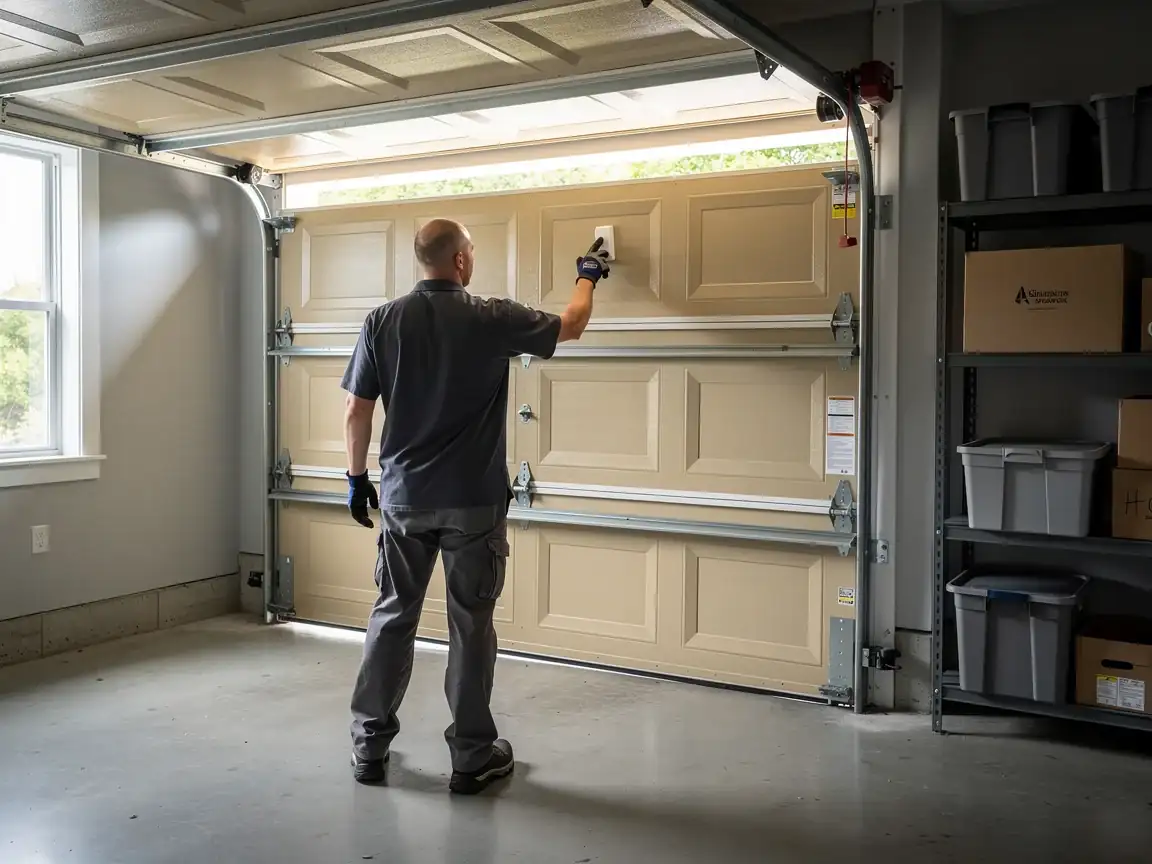
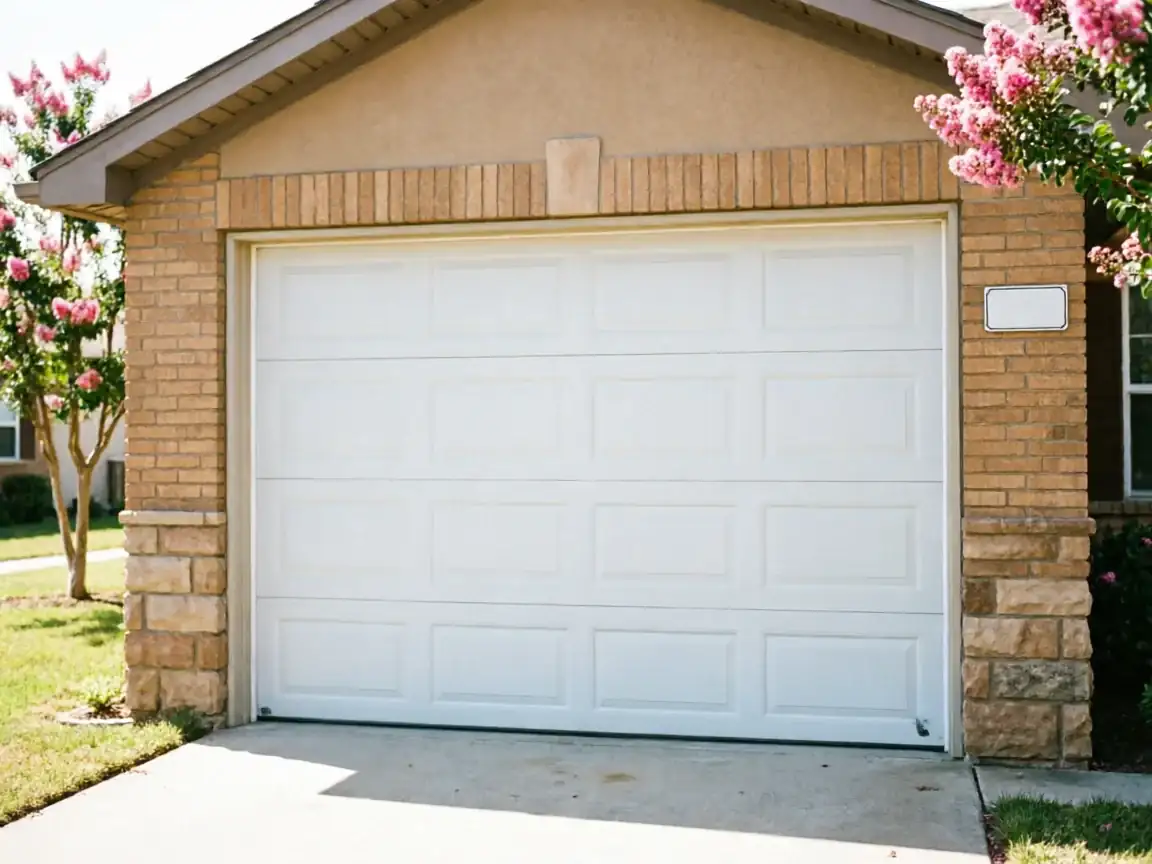
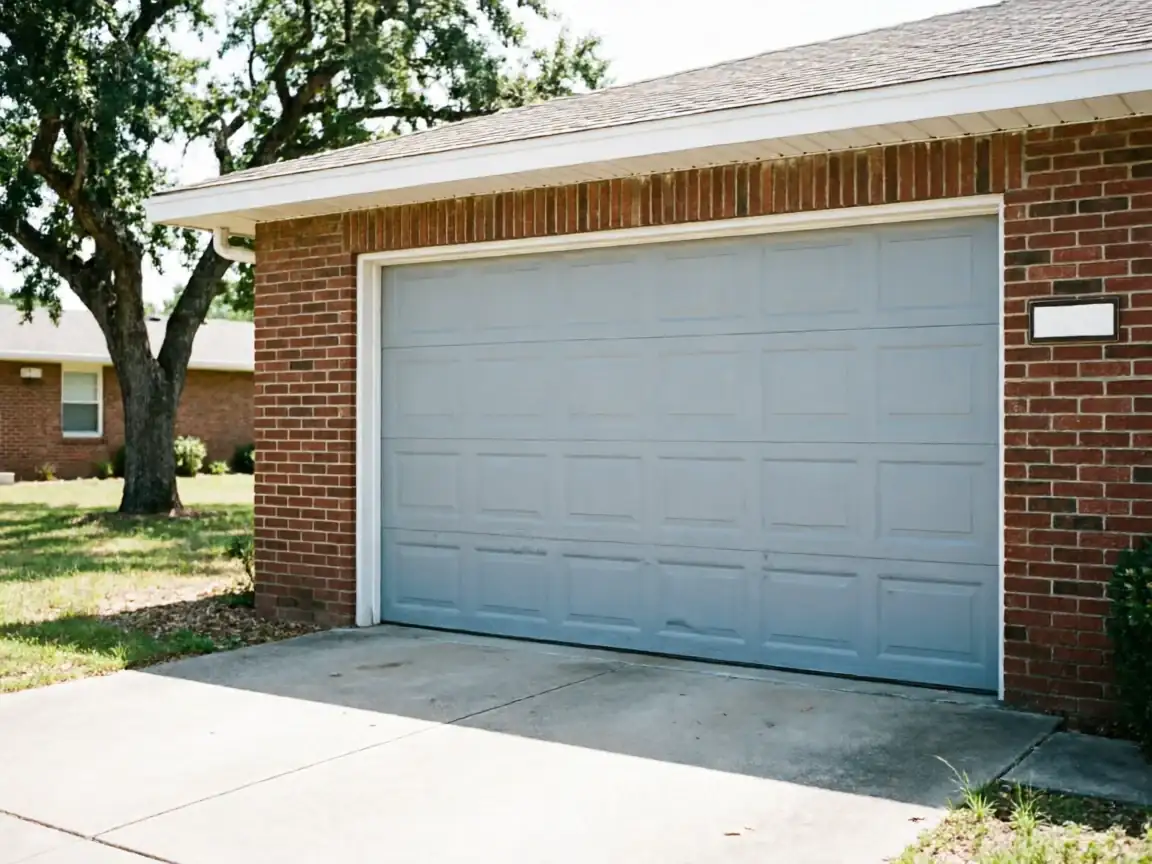
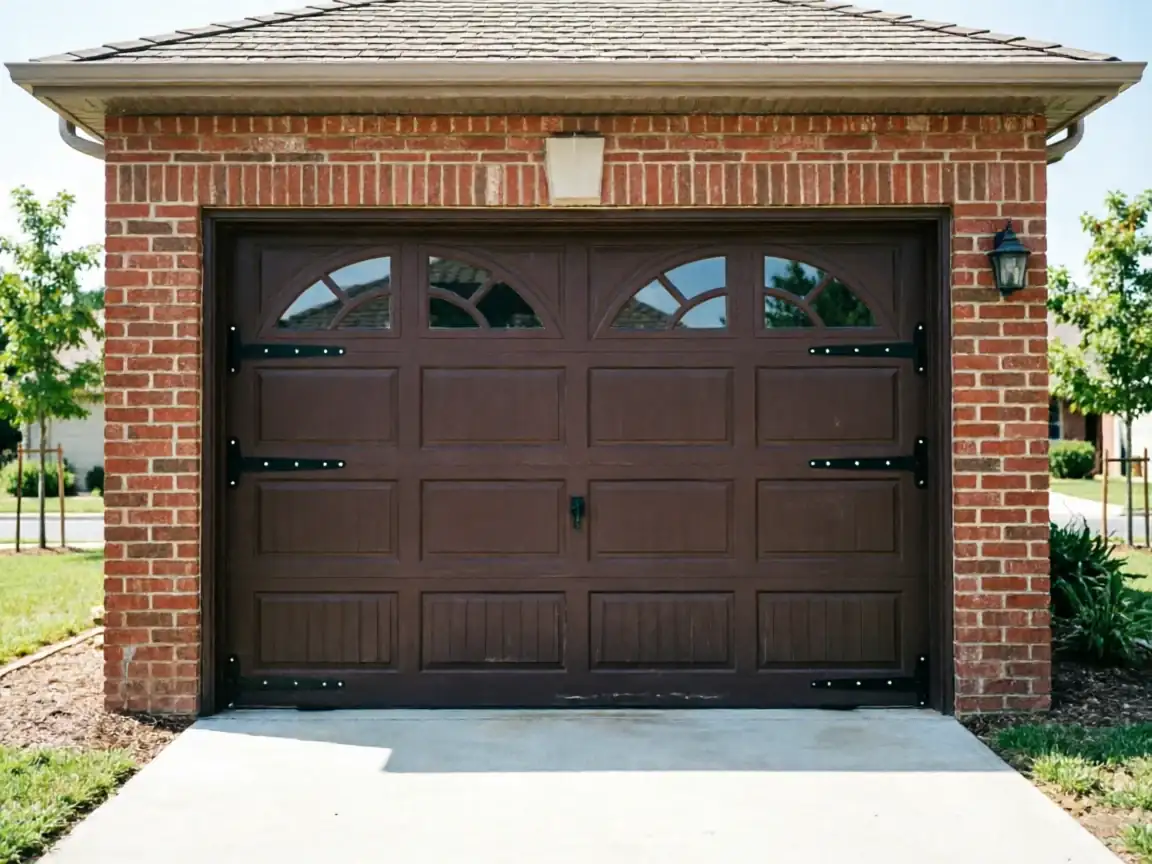
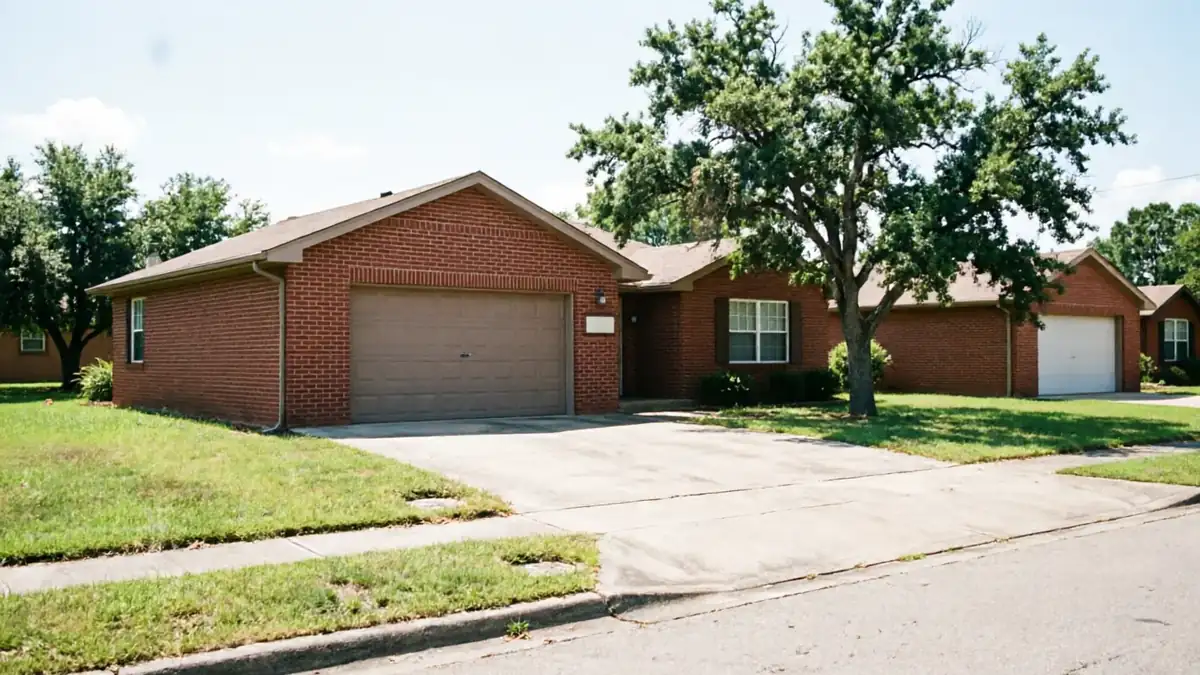
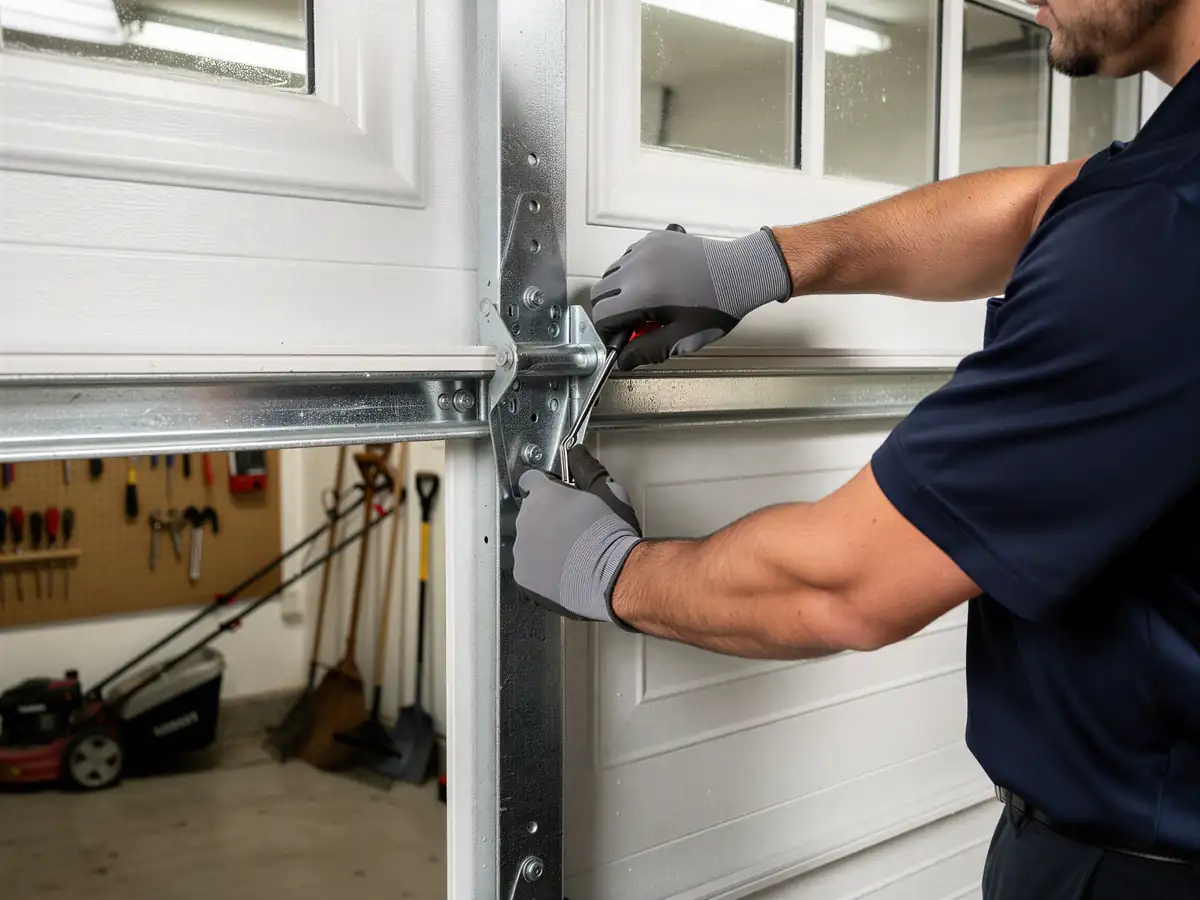
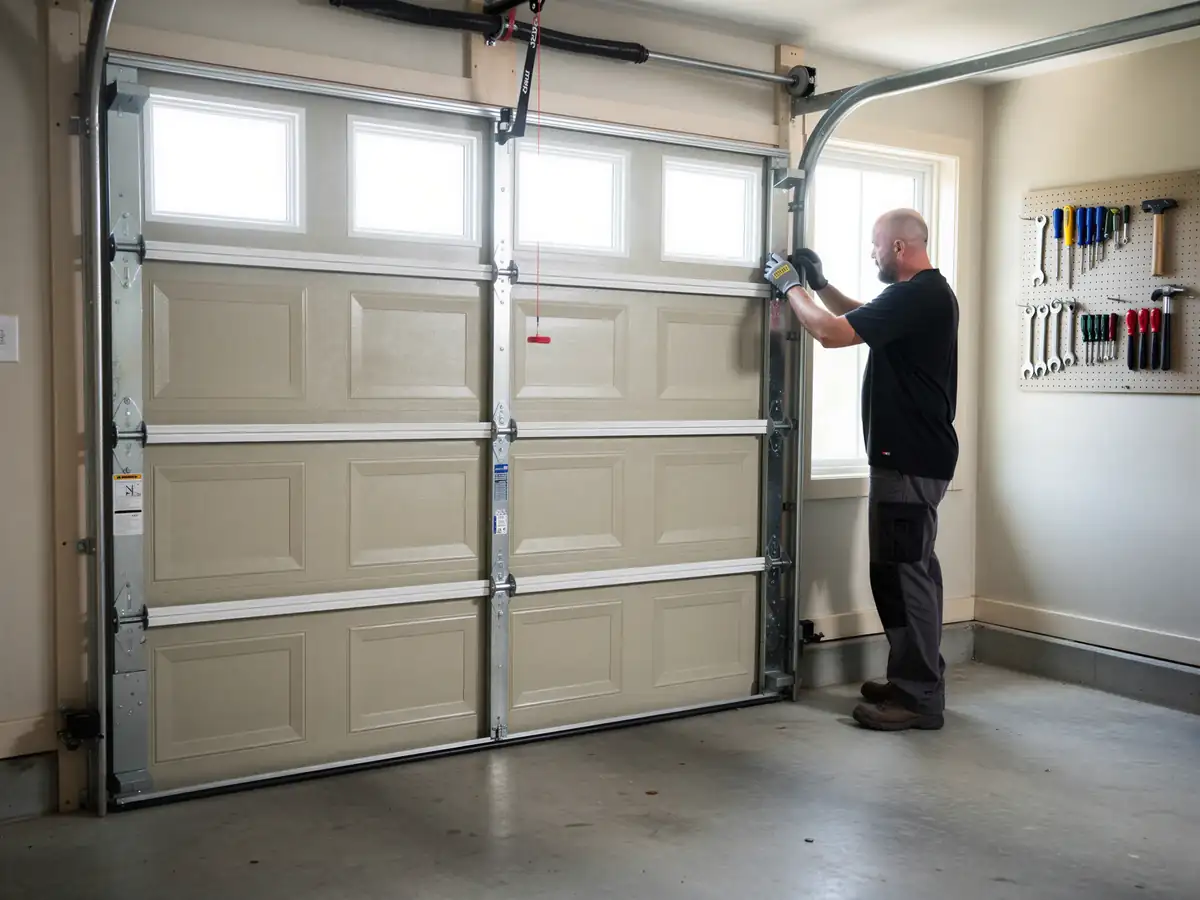
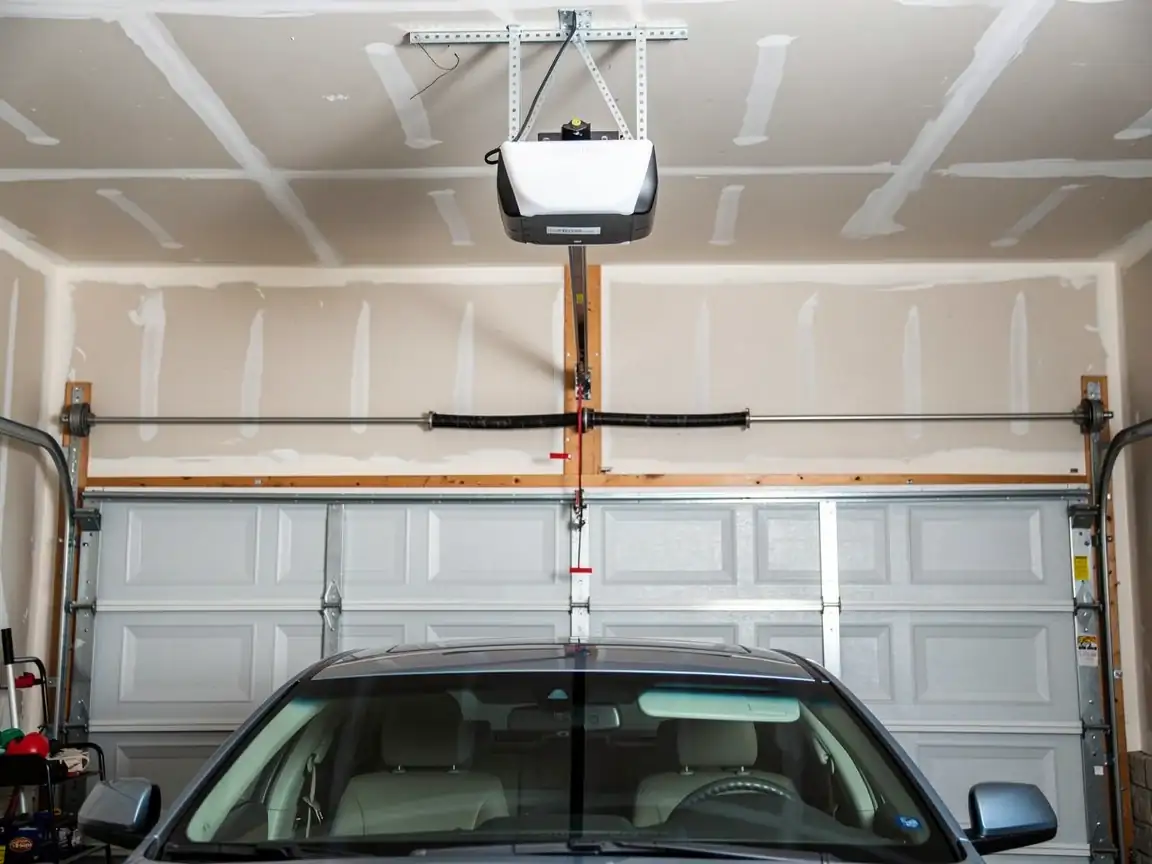
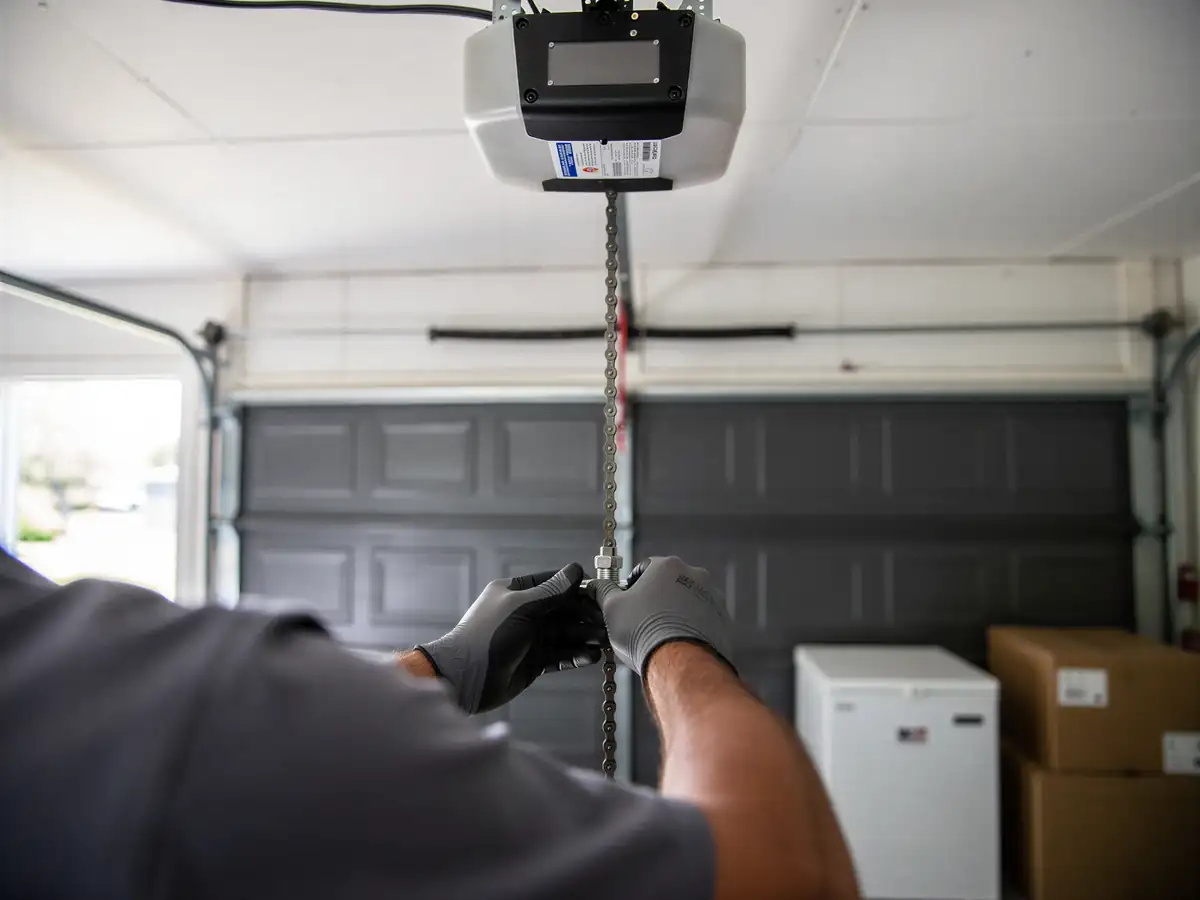
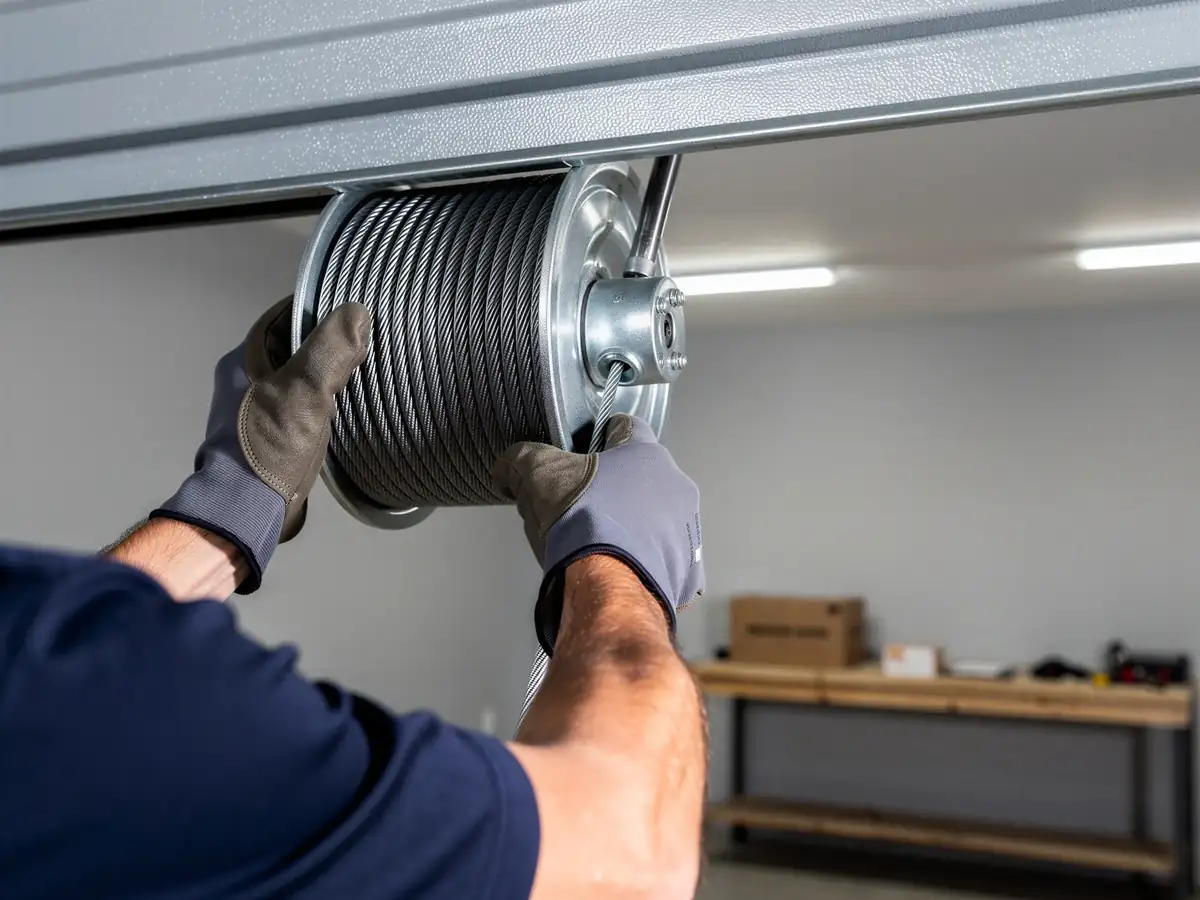
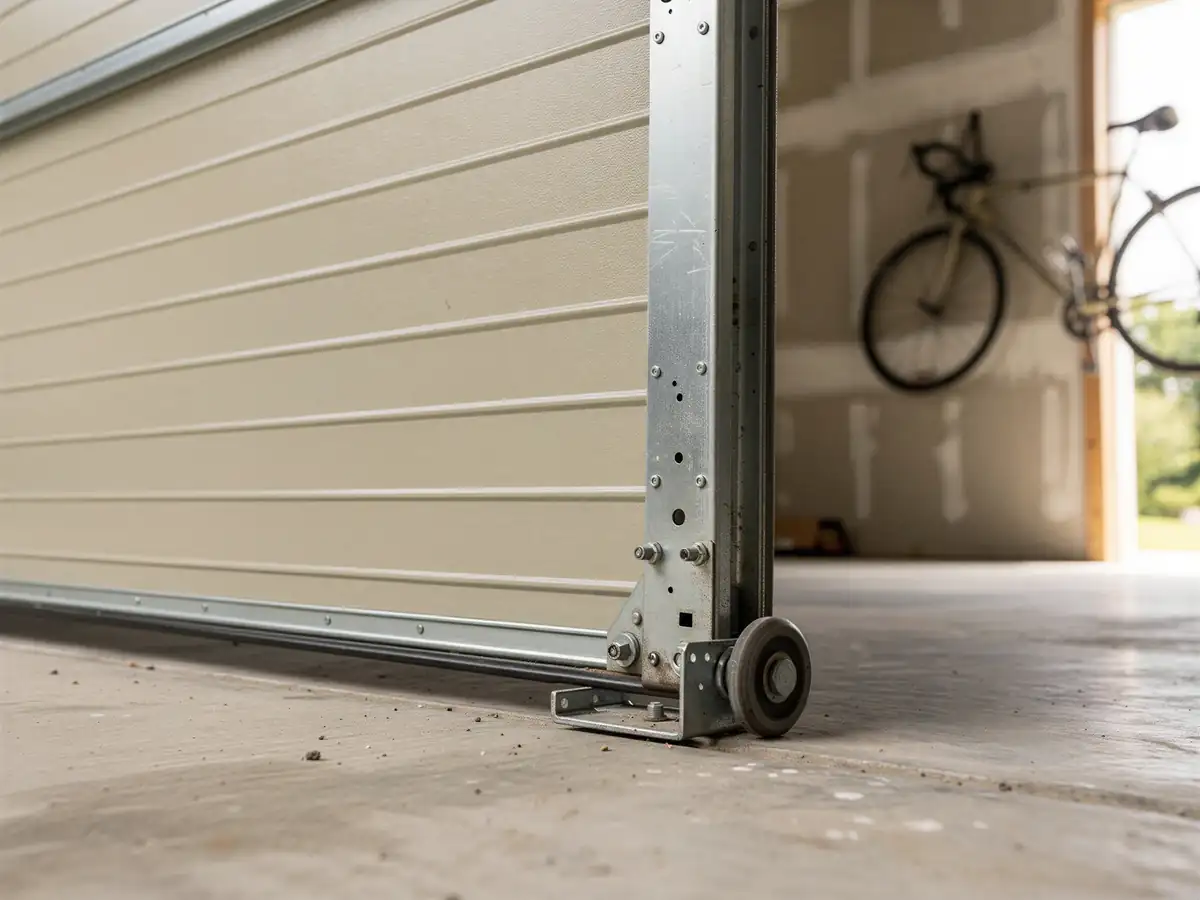
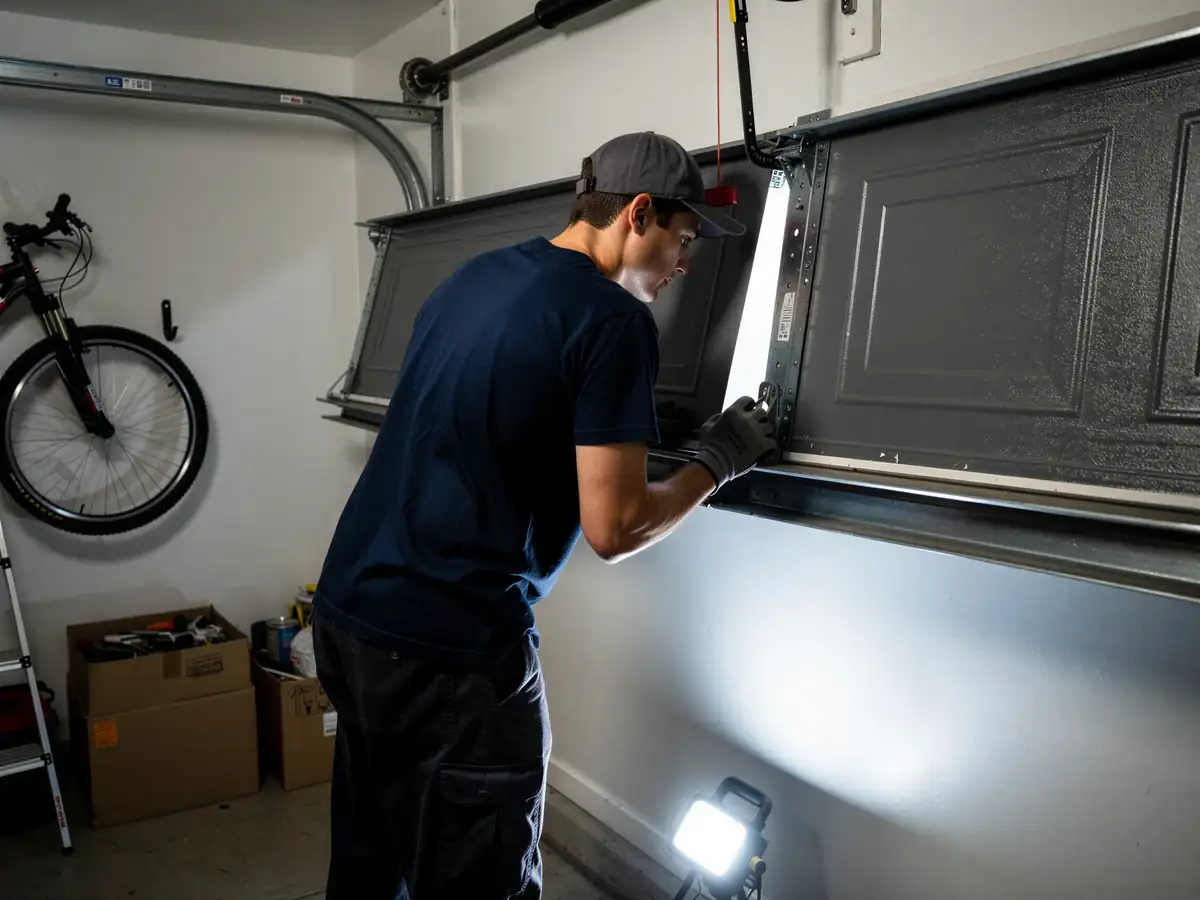
Del City's housing stock centers on a median build year of 1964, which puts it a good fifteen years ahead of the broader Moore service area's 1980 median. That gap matters more than it sounds like it should. A door built or replaced in the 1960s or early 70s is far more likely to run on extension springs with the old side cables and pulleys than the torsion bar setups that became standard through the 80s and 90s stock that dominates newer pockets of the area. Extension spring systems don't fail the same way torsion springs do - the cables fray, the pulleys seize, and the safety cables that are supposed to catch a broken spring are often missing entirely because they weren't required when the door went in. If your opener was added later, which is common on a house this age, it was likely retrofitted onto hardware it wasn't designed for, and that mismatch is where a lot of Del City service calls start. We also see more single-layer steel and older wood panel doors here than in the newer sections of the Moore coverage area, both of which handle differently under Oklahoma's cold-moderate climate swings than the insulated steel doors installed in the last twenty years.
What We Will Not Take On
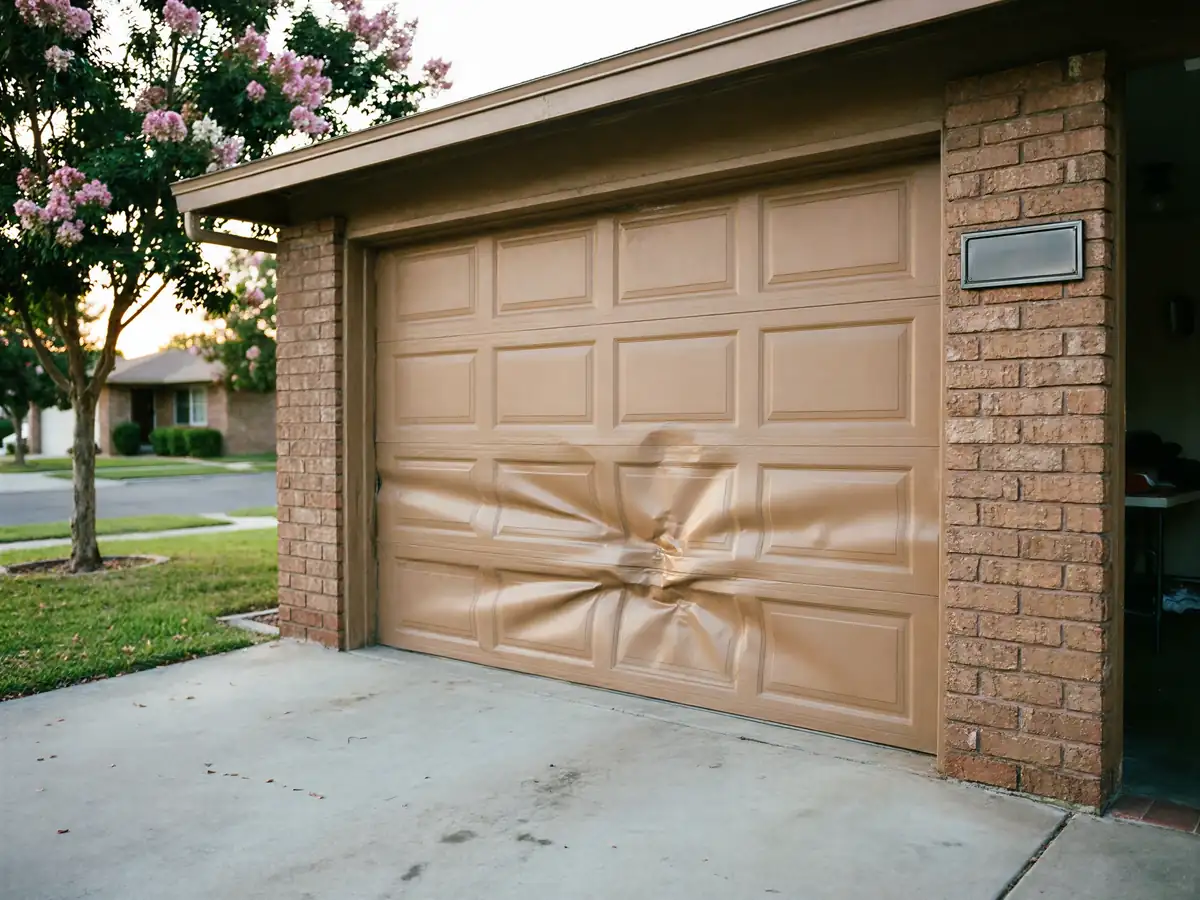
We don't try to source exact-match replacement panels for doors old enough to predate current manufacturer lines - if your 1960s door has a dented panel and the model's long discontinued, we'll tell you straight that a full replacement is the honest answer rather than hunting for a part that doesn't exist anymore. We also won't patch a spring system that's missing its safety cables without addressing that gap first; it's not a corner we cut even if it adds to the job. And we're not a same-day emergency outfit stationed in Del City itself - we run from Moore, about 8 miles out, so if you need a door dealt with in the next twenty minutes, we're not going to pretend otherwise.
Filler
filler