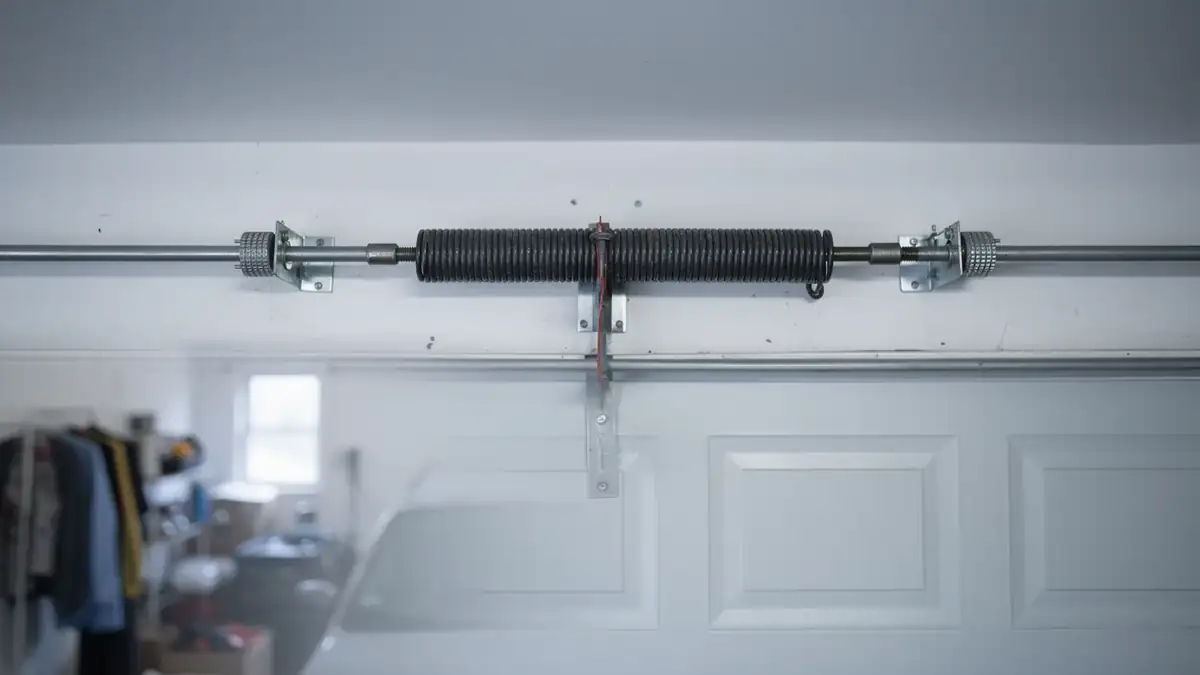
The Problem
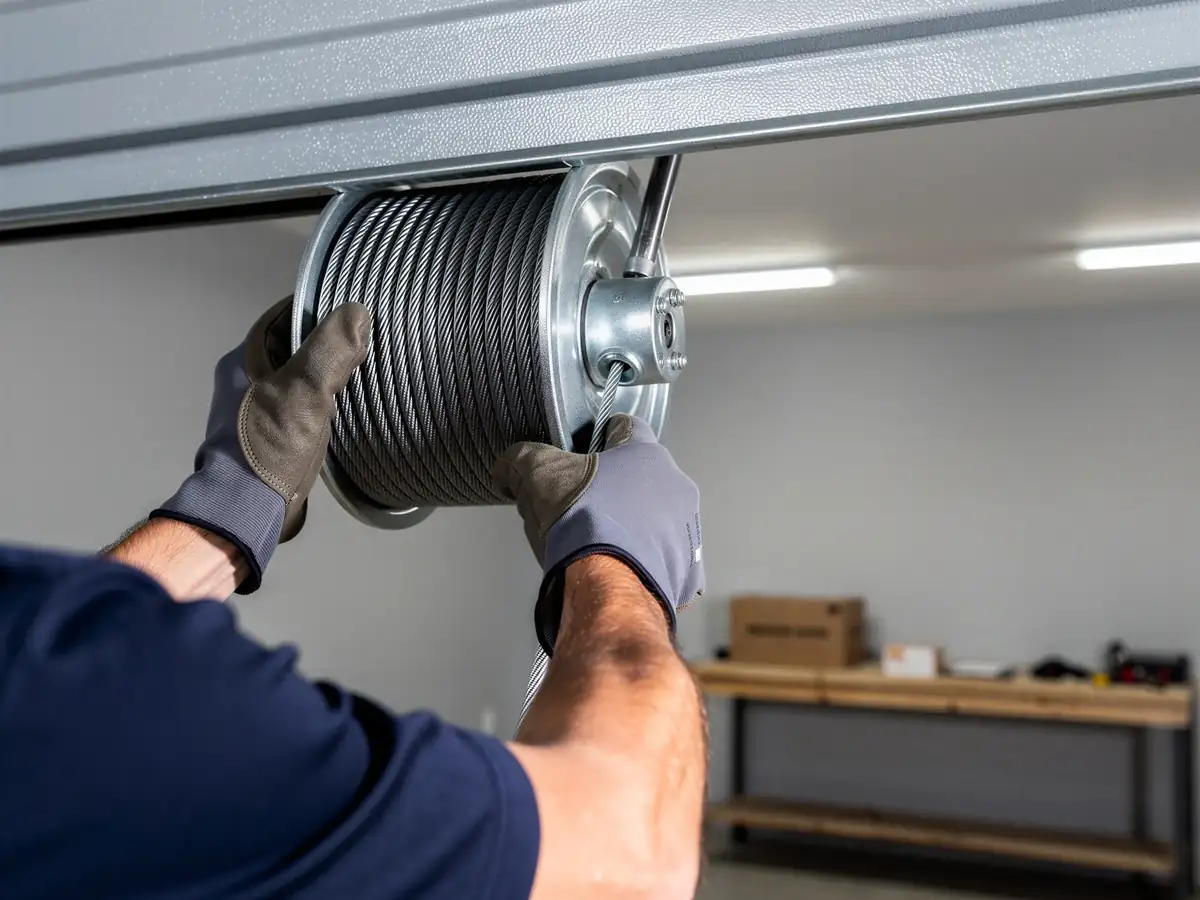
Most of the houses in Moore's older sections went up between 1959 and 2004, with the heaviest stretch of building clustered around 1980. That one fact explains a lot of the service calls we get. A torsion spring on a garage door is rated for a set number of open-close cycles, and a spring installed when a house was framed in 1982 has been working for over forty years. It doesn't fail gradually - it fails on a random Tuesday morning when the homeowner hits the wall button and the door won't budge, or worse, slams down because the cable jumped the drum once the spring let go. Across the 18 named areas that make up this part of Moore, the stock is pretty uniform: 1980s and 90s construction, original hardware in a good share of cases, upgraded openers bolted onto springs nobody ever replaced. If your door is original to a house from that era, the spring isn't a maybe - it's a when. The honest answer is we can't tell you the exact week it'll go without seeing the coil wear in person, but the math on the age of this housing stock tells you it's closer than you think.
What You Pay
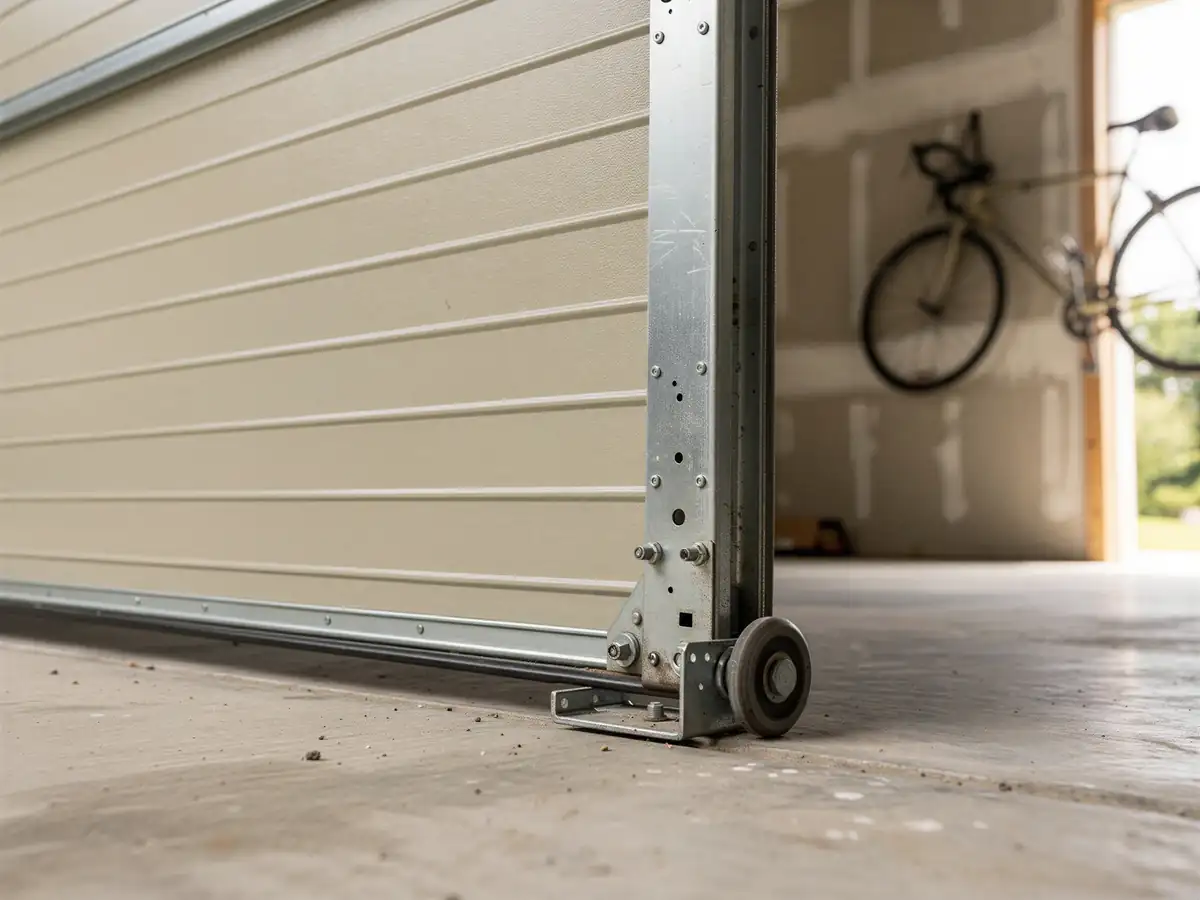
We're not going to put a number here that isn't backed by anything - pricing on a spring job depends on door weight, spring size, and whether one side went or both, and we quote that on the phone or at the door, not in a blog post. What we can tell you is the context: median household income across this service area runs $81,105, and with 39,476 owner-occupied houses and 61,473 households total, a spring replacement is a routine line item for most of the families we work with here, not a crisis purchase. The bigger cost driver isn't the part - torsion springs themselves are a commodity - it's whether the door is an older single-piece panel that needs matched hardware, or a newer sectional door where parts are easy to source. If your house dates to the earlier end of that 1959-2004 build window, tell us when you call. It changes what we bring on the truck.
When to Get Help
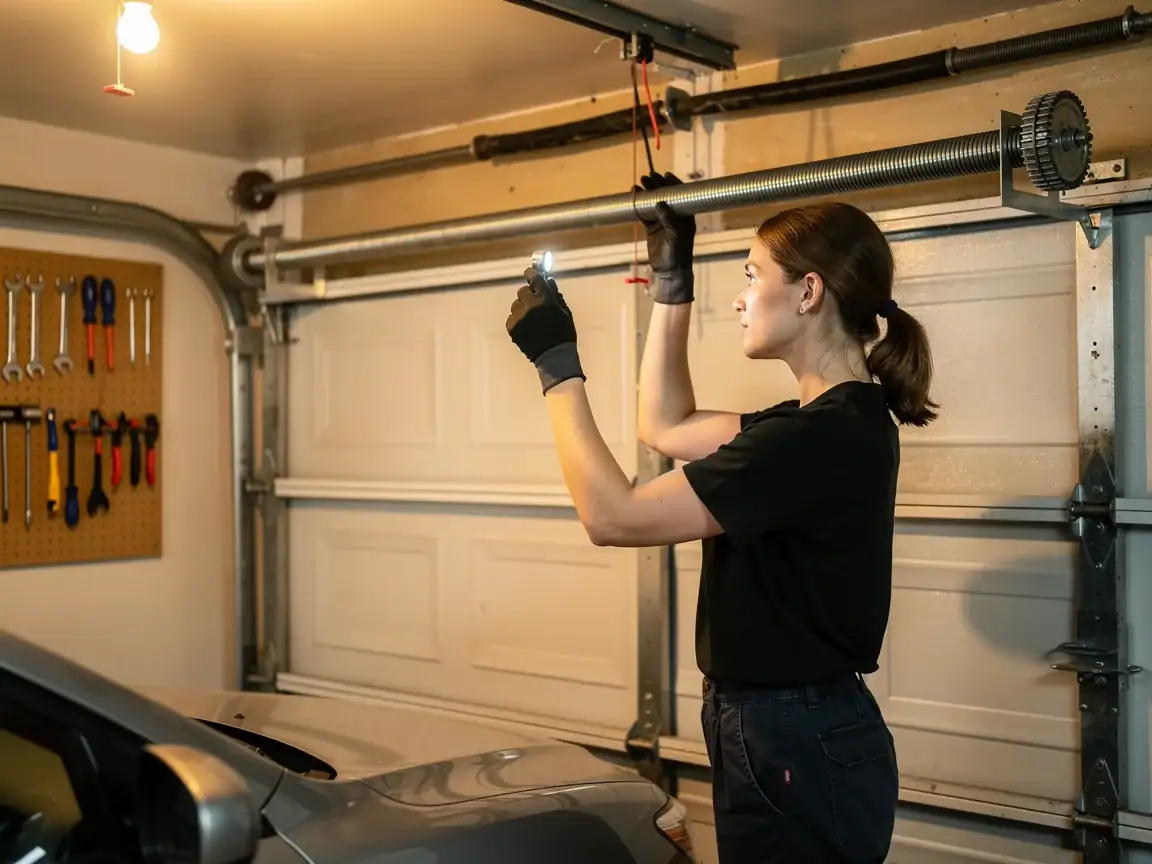
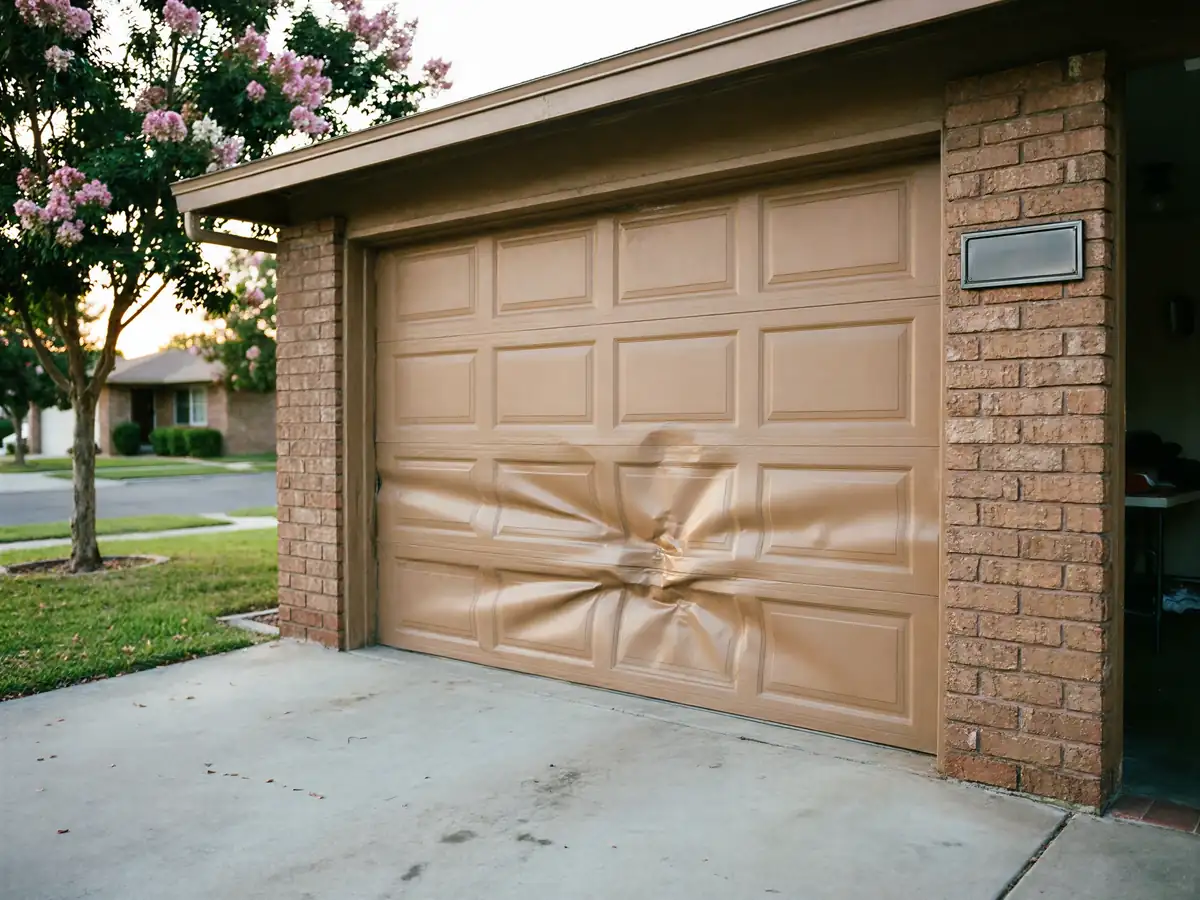
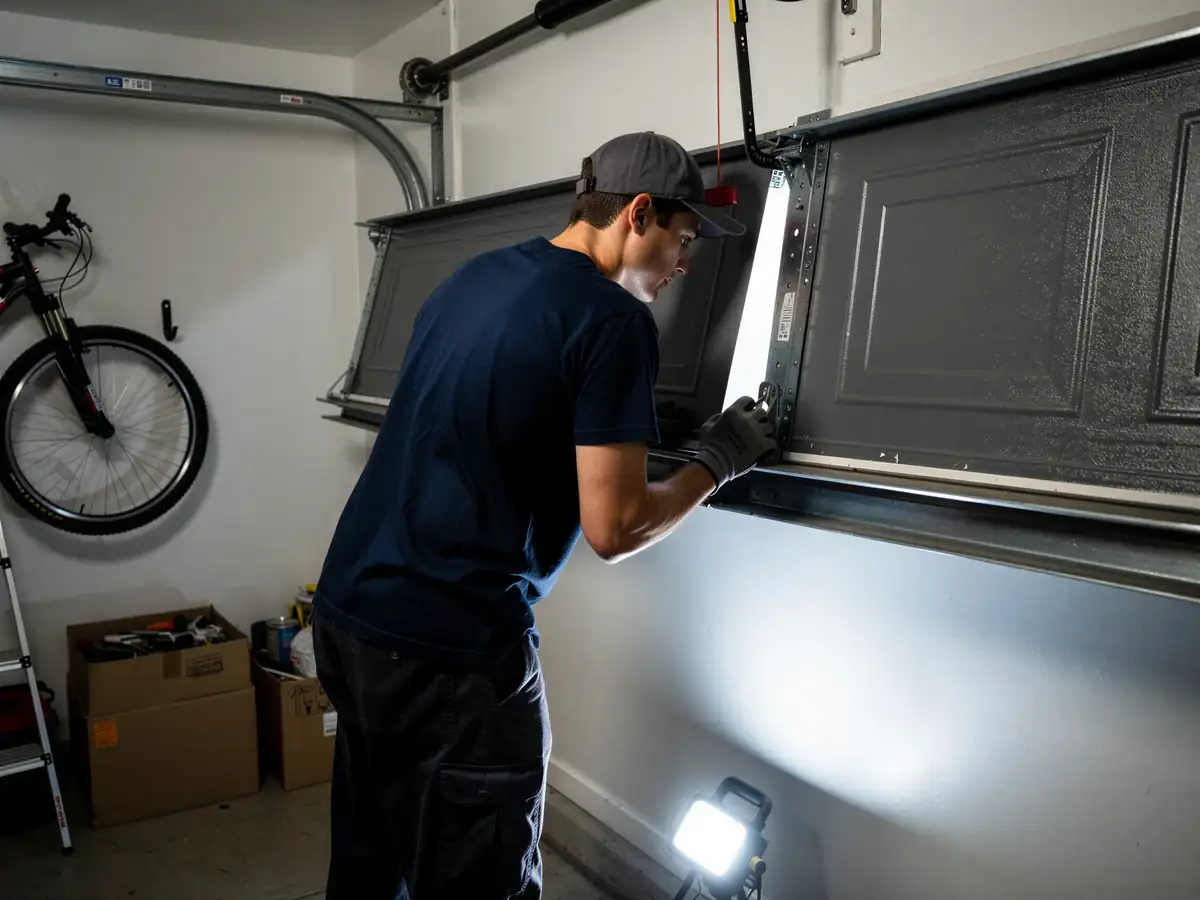
If the door won't open, or it opens and slams, or you can see a gap in the coil where the spring separated, stop using the opener and call. Don't try to release the door manually and force it up - a wound torsion spring under tension is the single most dangerous part of a garage door, and that's true whether the house is from 1962 or 2002. One thing we'll say plainly: we don't recommend DIY spring replacement, and if your door is an older single-panel design from the earlier end of that 1959-2004 window, matching the right hardware can take longer than a same-week fix on a standard sectional door - that's a real limitation, not a sales pitch. If the door still opens but sounds rough, grinds, or sags on one side, that's worth a call before it becomes a Saturday-morning emergency instead of a scheduled one.