What the Repair Takes
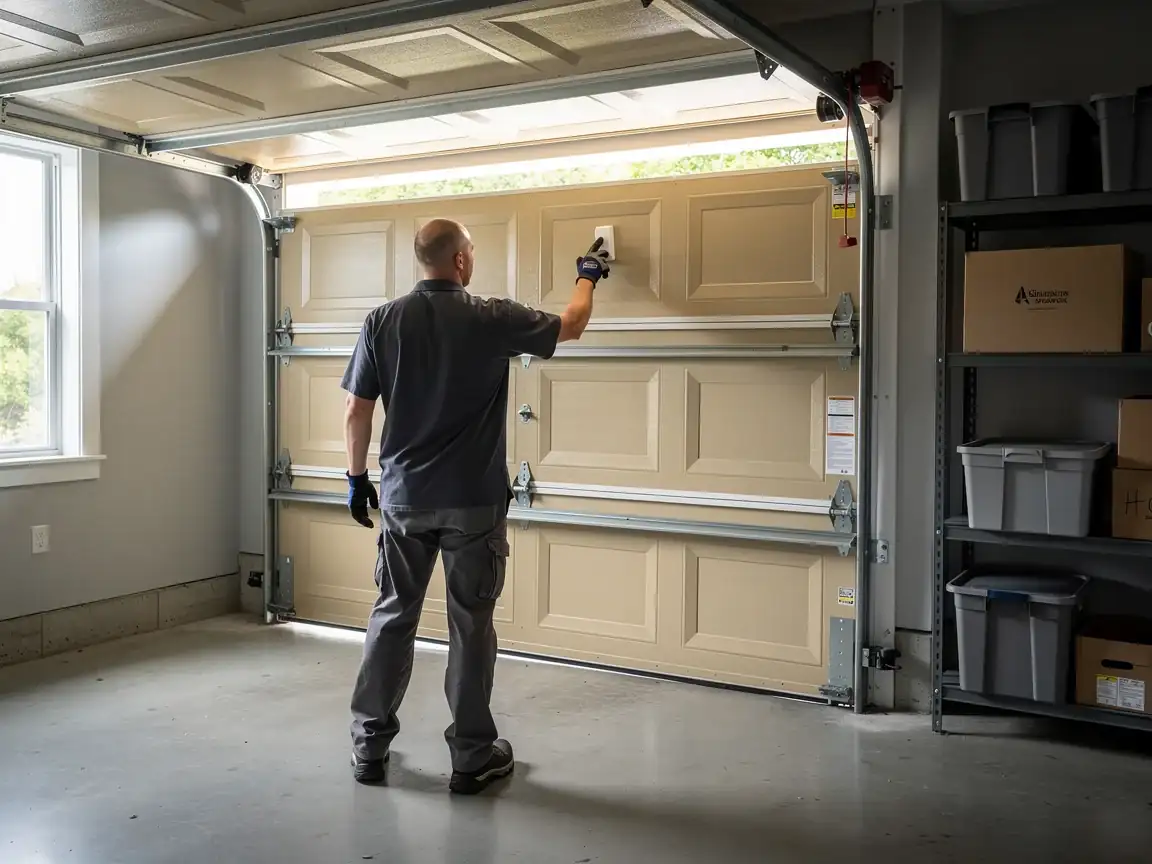
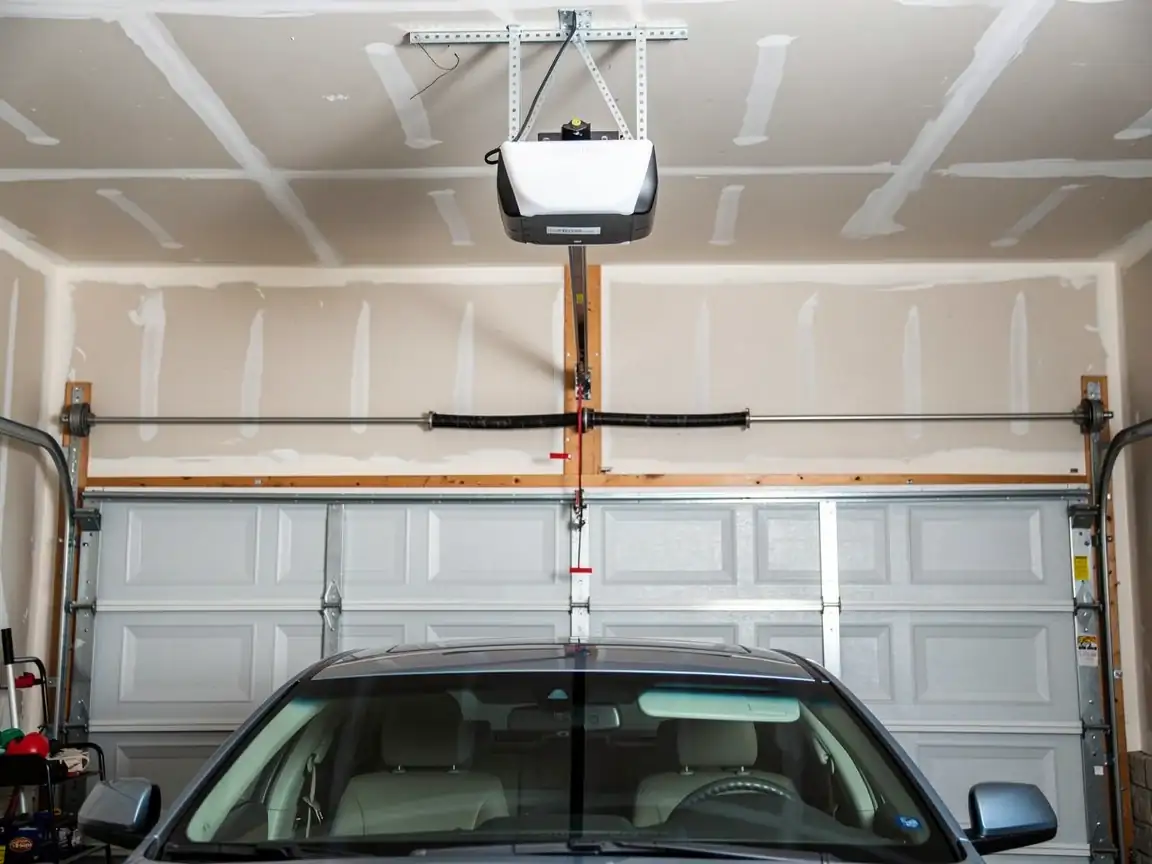
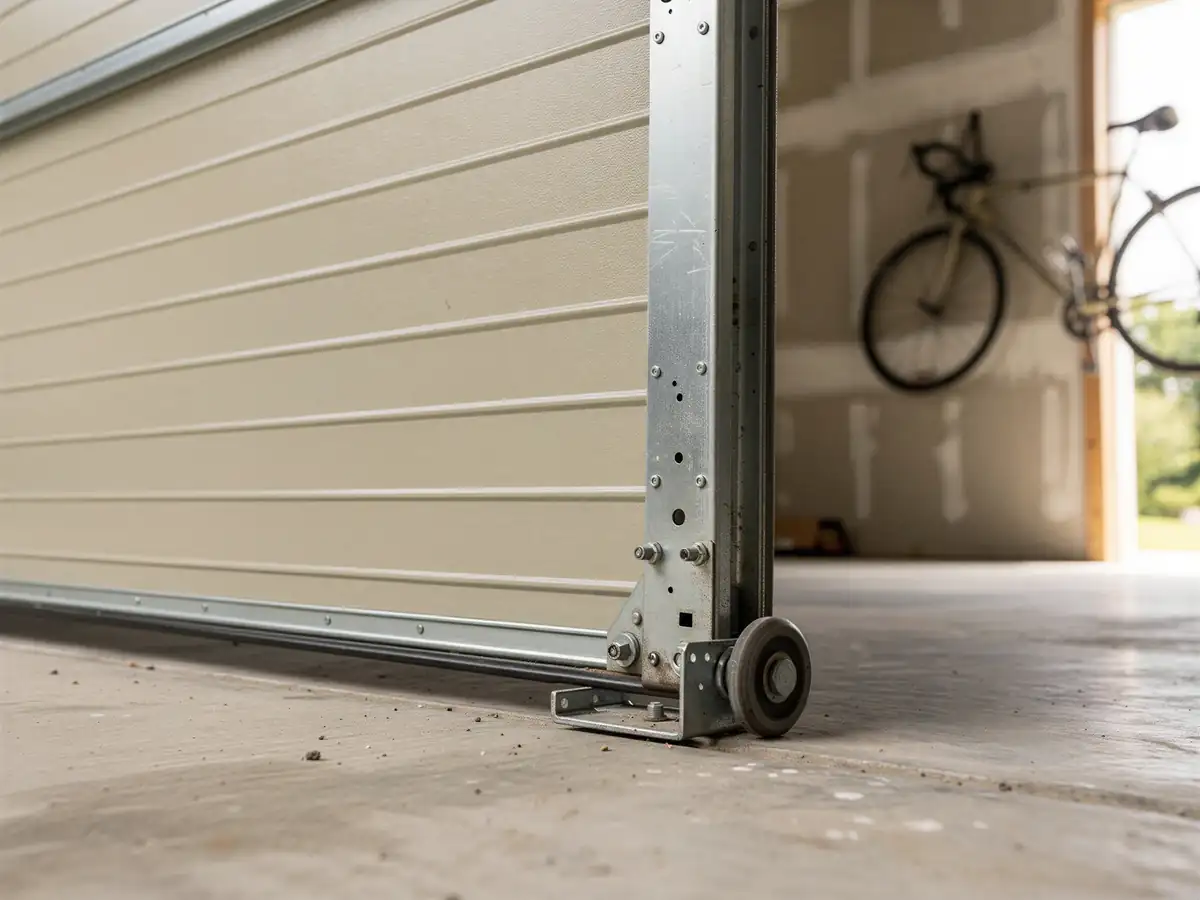
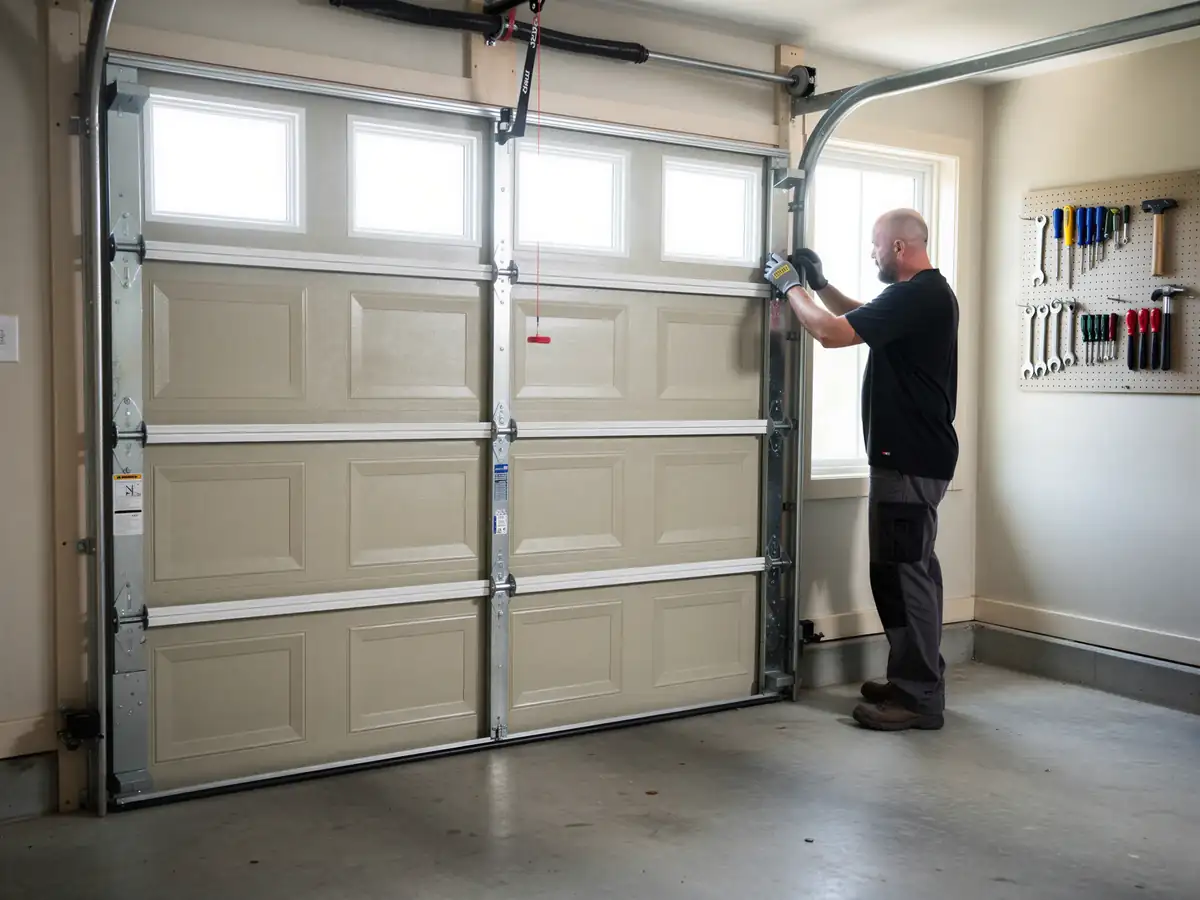
Most houses on this stretch near Del City went up in 1964, a full generation before the service area's median build year of 1980. That matters more for an install than people expect. A door going into a 1964 opening is going into framing built for the door that came with the house - often a single-layer steel panel on extension springs running along the horizontal track, not the torsion setup that's been standard since. Swapping in a modern door usually means more than unbolting the old one. We check the rough opening against current door sizing, confirm the header can carry a heavier insulated section, and look at whether the track brackets were ever meant to hold anything built after the Carter administration. None of that shows up until someone's standing in the opening with a tape measure. On a newer build this is a bolt-in job. Here, it's measure twice, because the opening was framed for a door that hasn't been made in decades.
Where This Job Goes Sideways
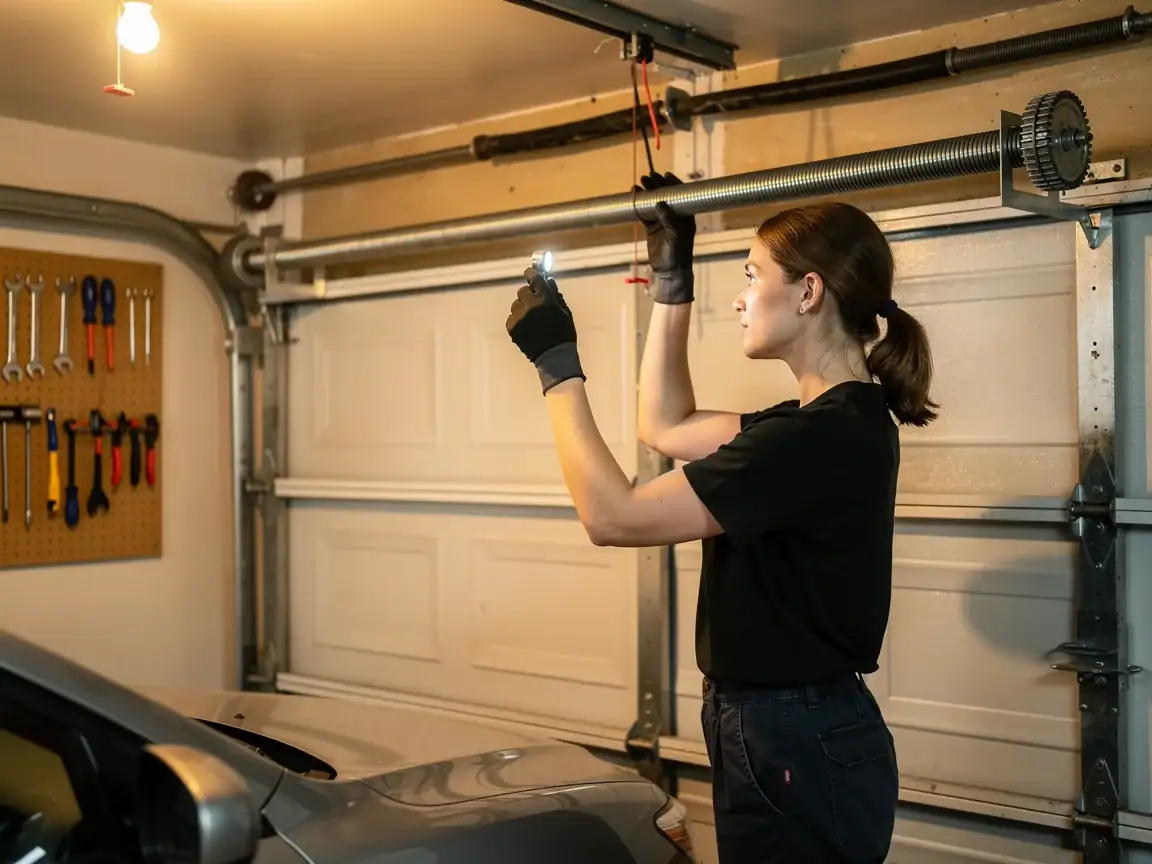
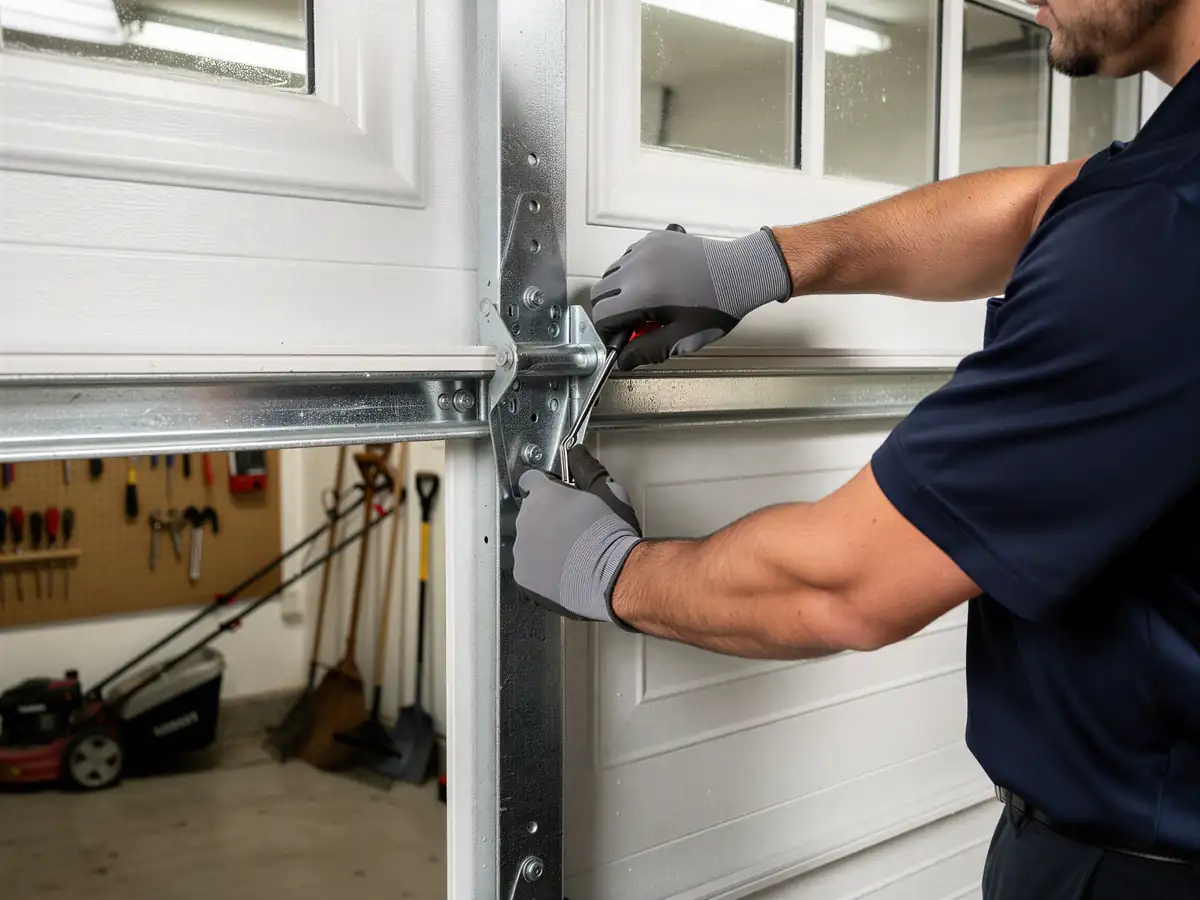
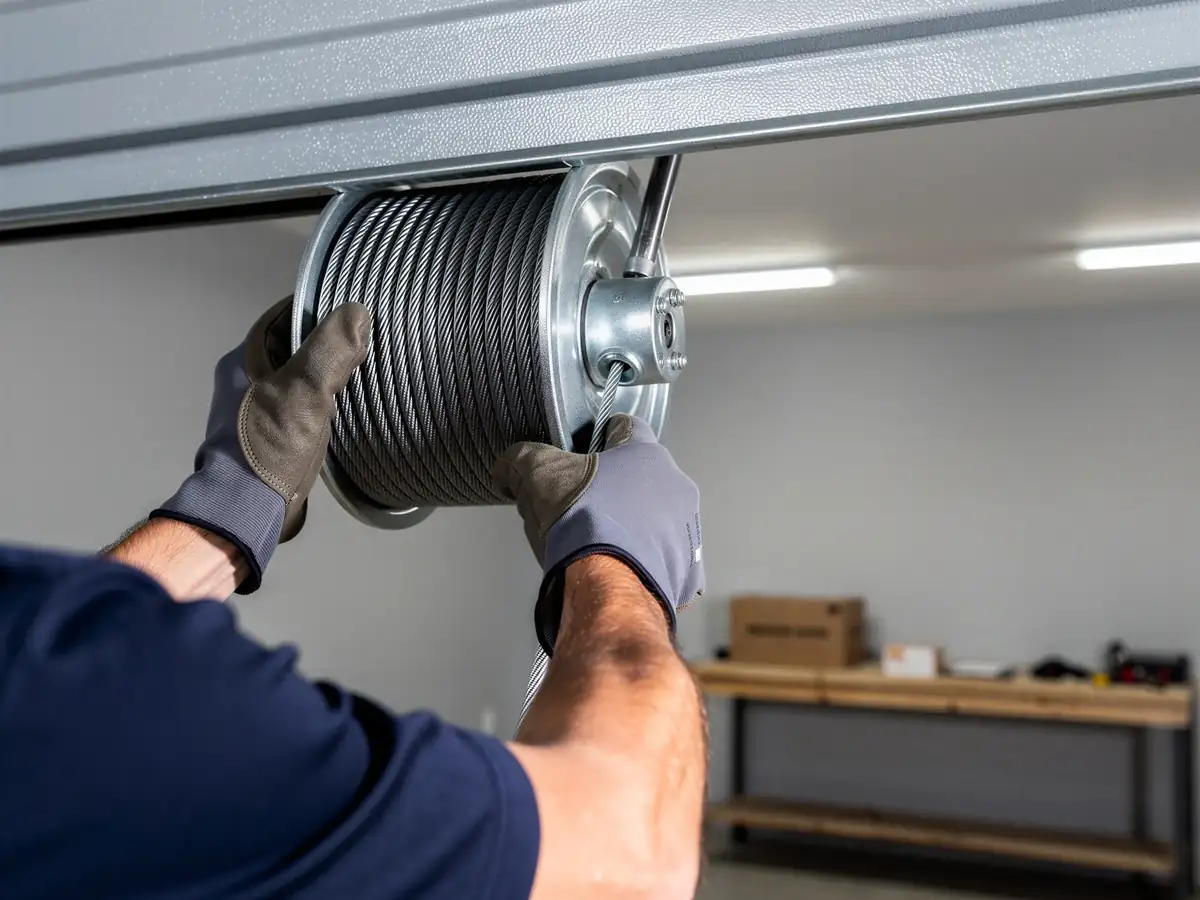
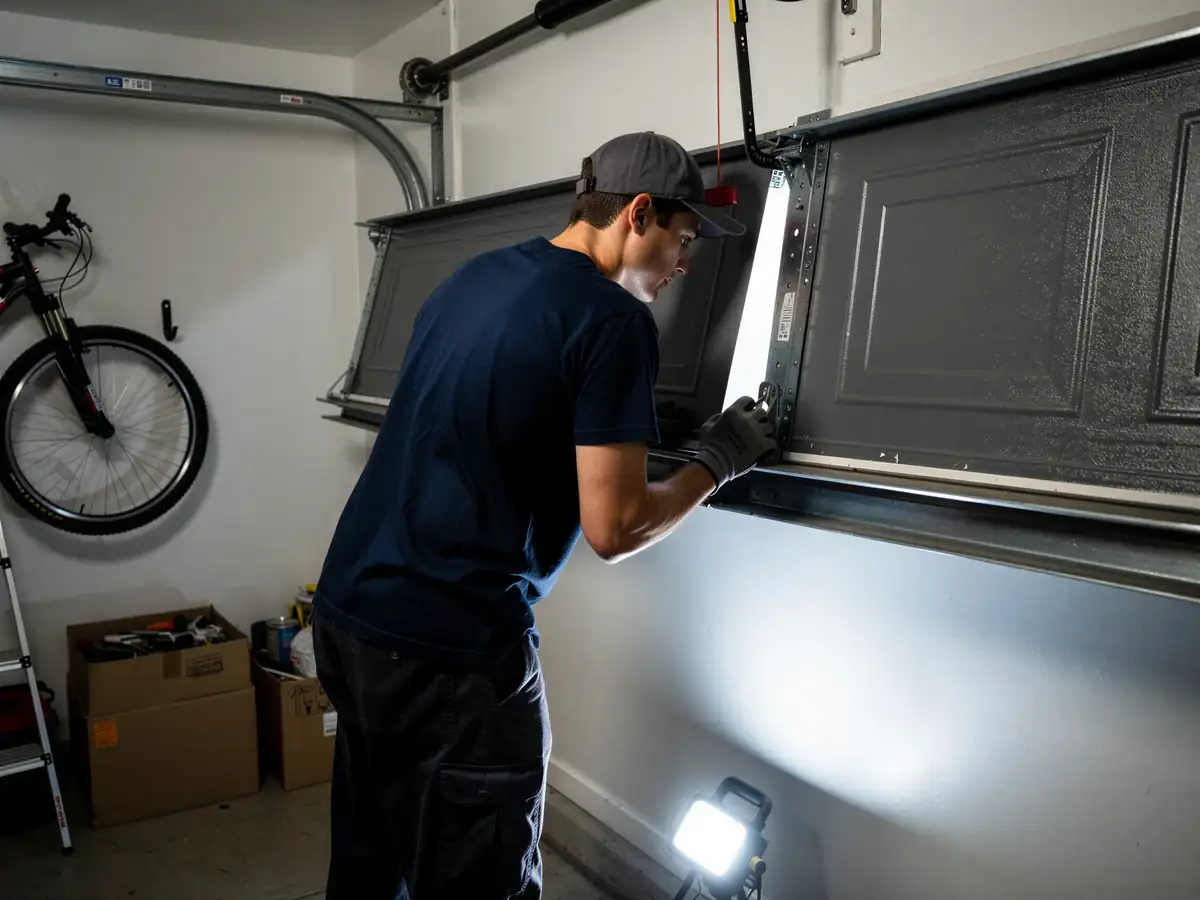
The trouble spots are the parts you can't see from the driveway. Wood jambs from 1964 construction take on moisture over sixty years, and even when they look solid, a lag screw can strip right through punky wood the second you torque it down. Rough openings from that era also weren't held to a tight tolerance - off by an inch or two isn't rare, and a new door's jamb kit assumes square. The other one: extension spring brackets mounted for a lighter original door aren't rated for a heavier insulated steel or wood-composite replacement, and nobody notices until the door's hung and the springs are working too hard. We check jamb condition and opening squareness before we quote the job, not after. If the framing needs work, that's a separate conversation, and it's one we'd rather have upfront than mid-install.
How It Shows Up
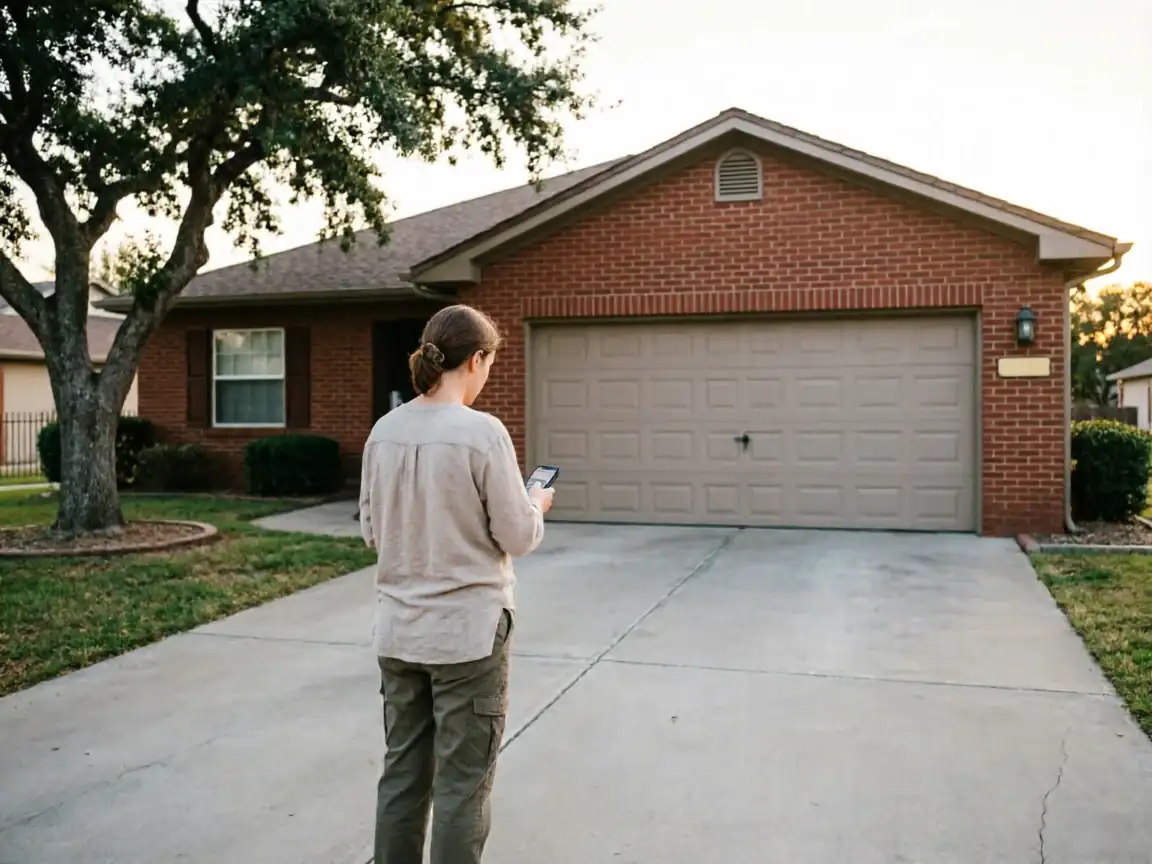
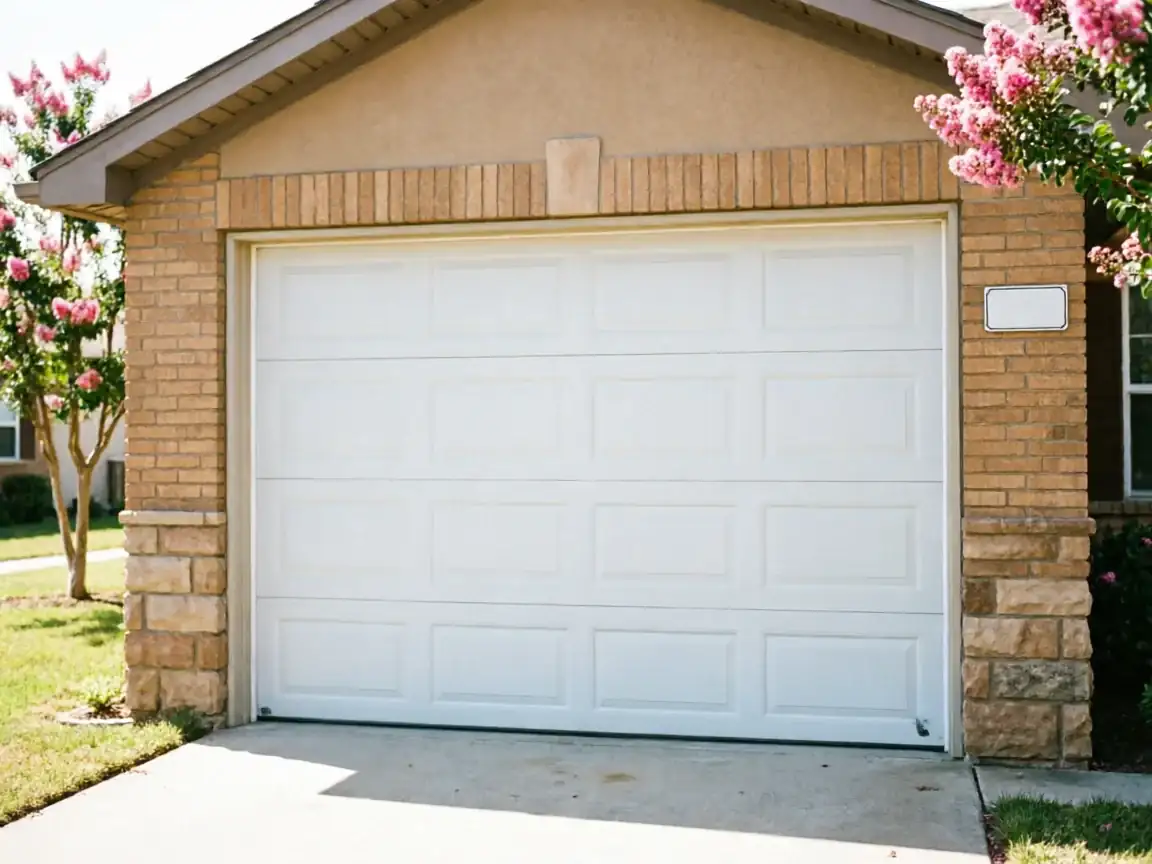
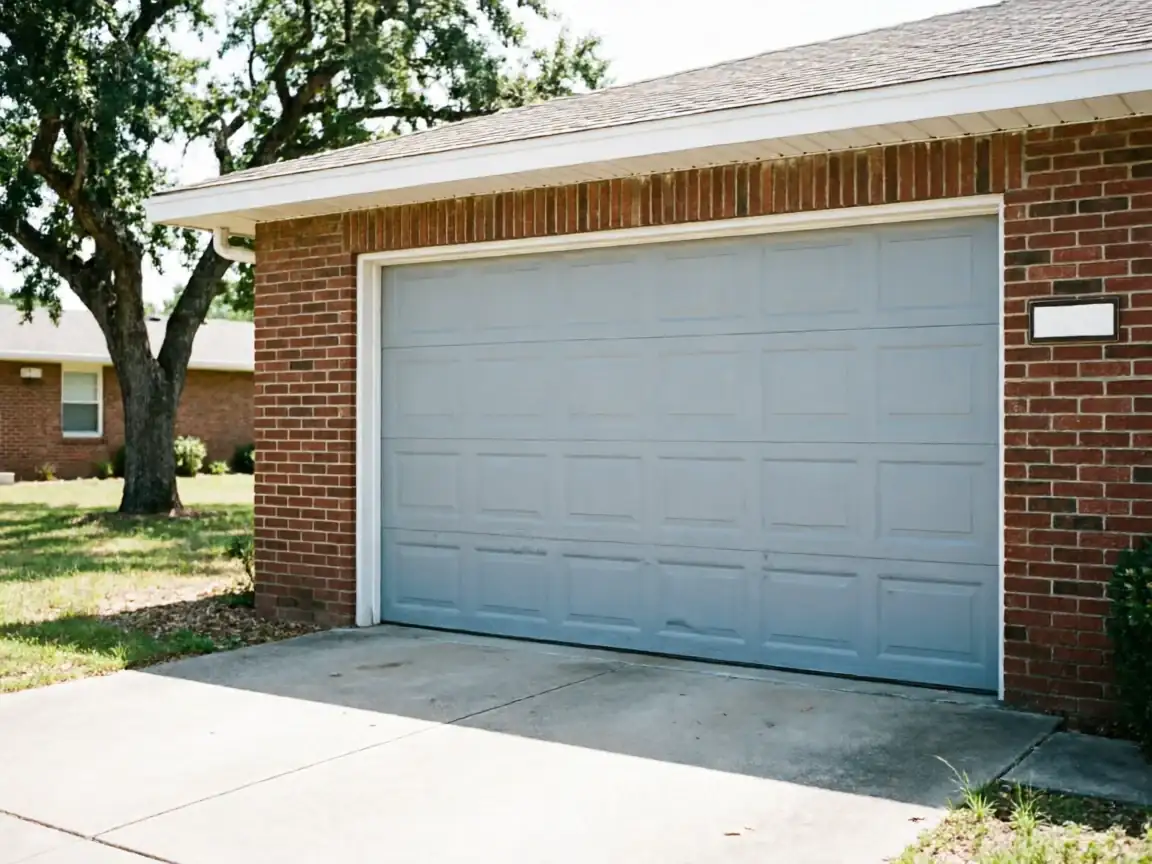
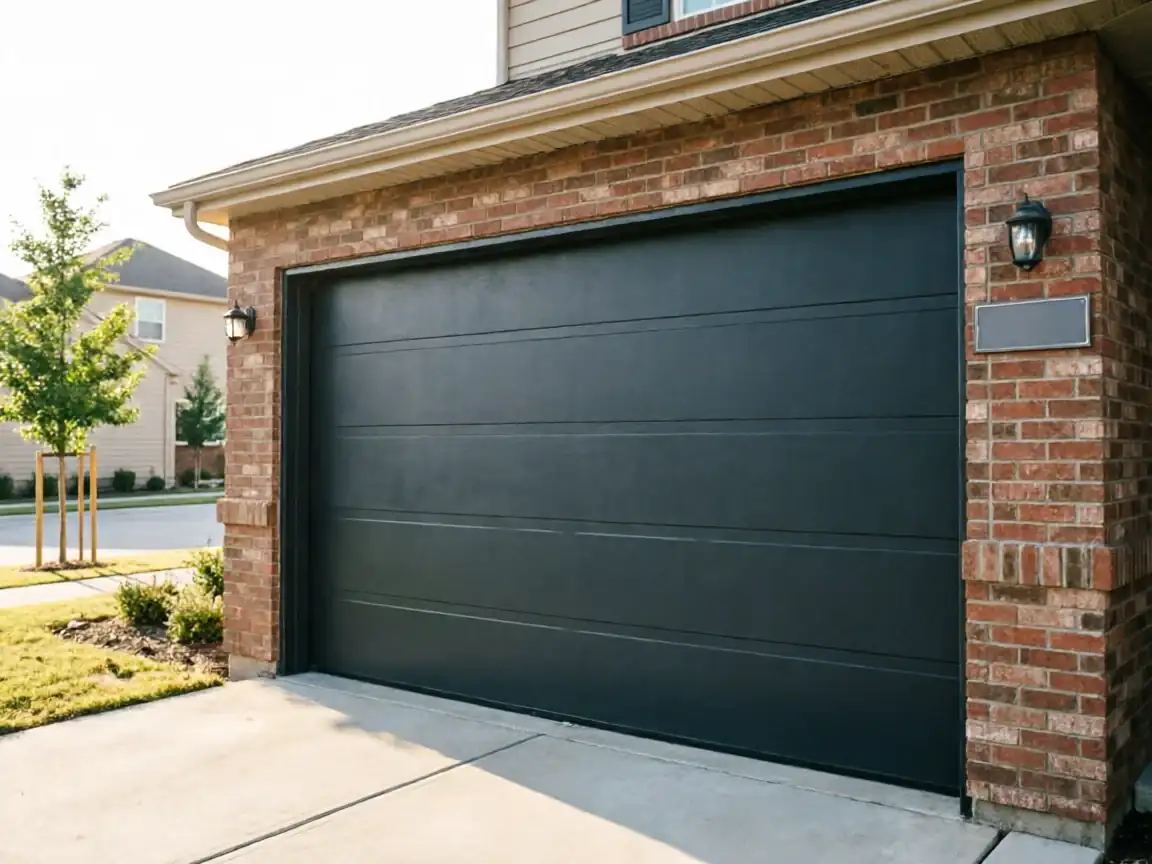
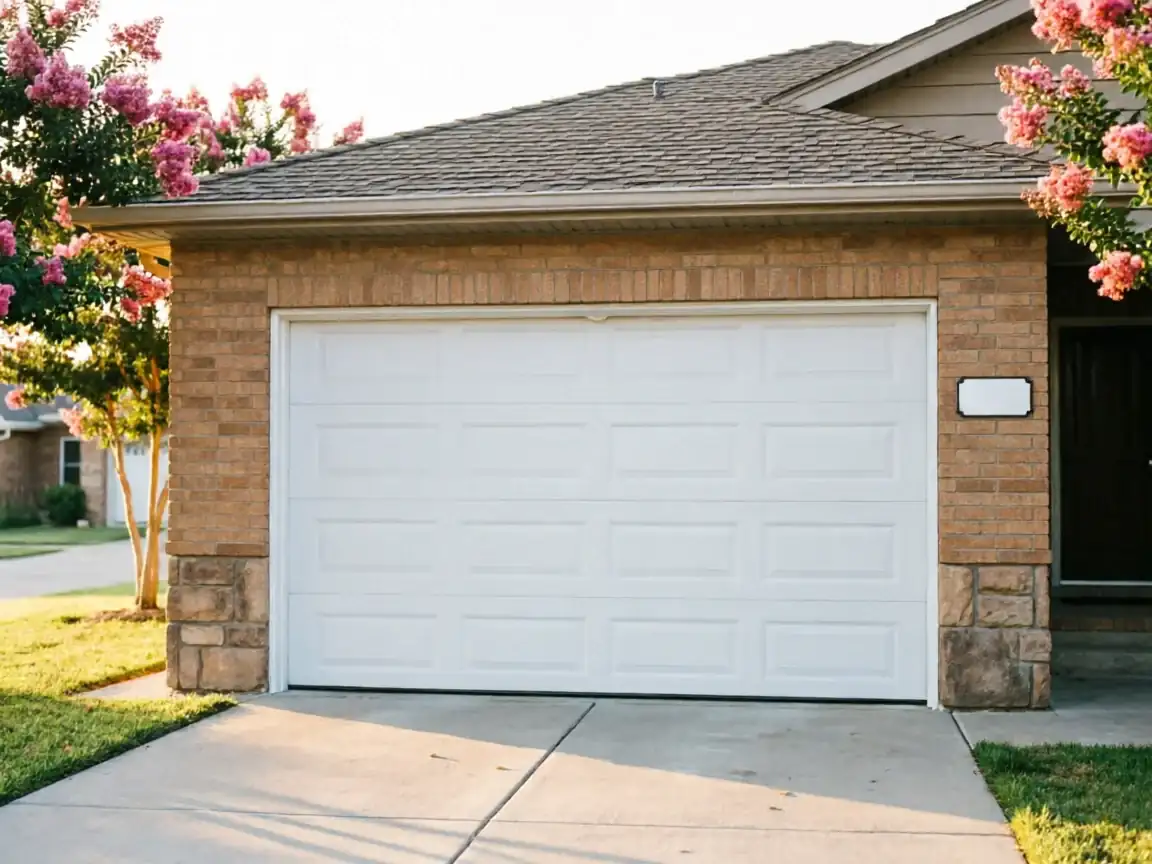
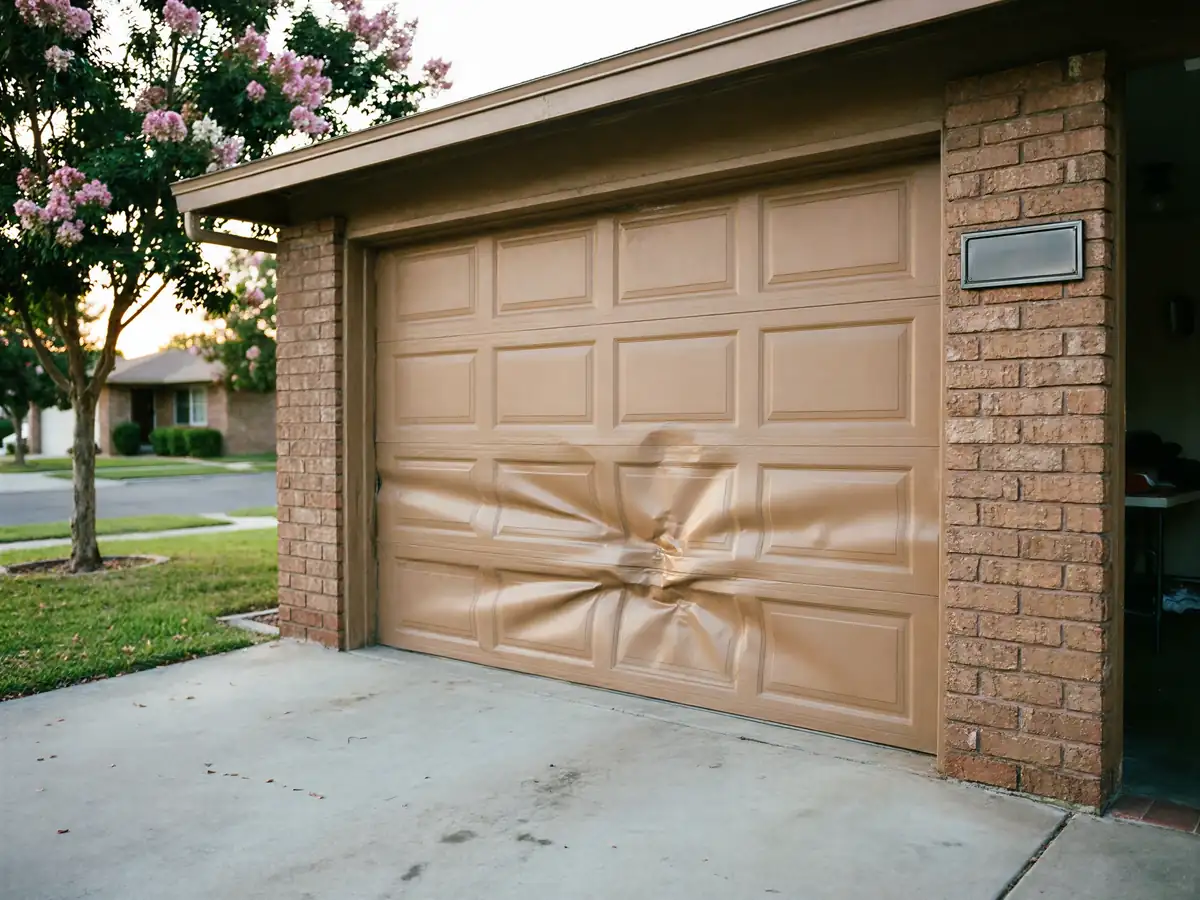
On a 1964-era opening, the tells are usually visible from outside. Look for a door that sits slightly proud of the frame on one side, or daylight showing at a top corner when it's closed - both point to an opening that's gone a little out of square over the decades. Rust streaking at the bottom panel where an old steel door has no insulation is common too; a single layer of steel does nothing to slow condensation in a cold-moderate climate, and that moisture has to go somewhere. Wood-panel originals from that era often show cupping or a visible seam split, especially on the side that catches more sun. None of these mean the door is unsafe today, but they're the signs that tell us, before we even measure, that we're dealing with original 1960s hardware and not a later replacement.
Booking a Visit
We run this job out of Moore, about eight miles from Del City, so the crew's already used to what mid-century openings in this part of town look like. If your door's acting up rather than ready for full replacement, the repair page covers that side of things - worth a look before you commit to a full swap. For the install itself, we'll want to see the opening in person before quoting anything, given how much the framing varies house to house on this side of town. If you're closer to Moore itself or want the fuller rundown on install options, that's covered on the Moore installation page.