Moore, OK
Garage doors we install
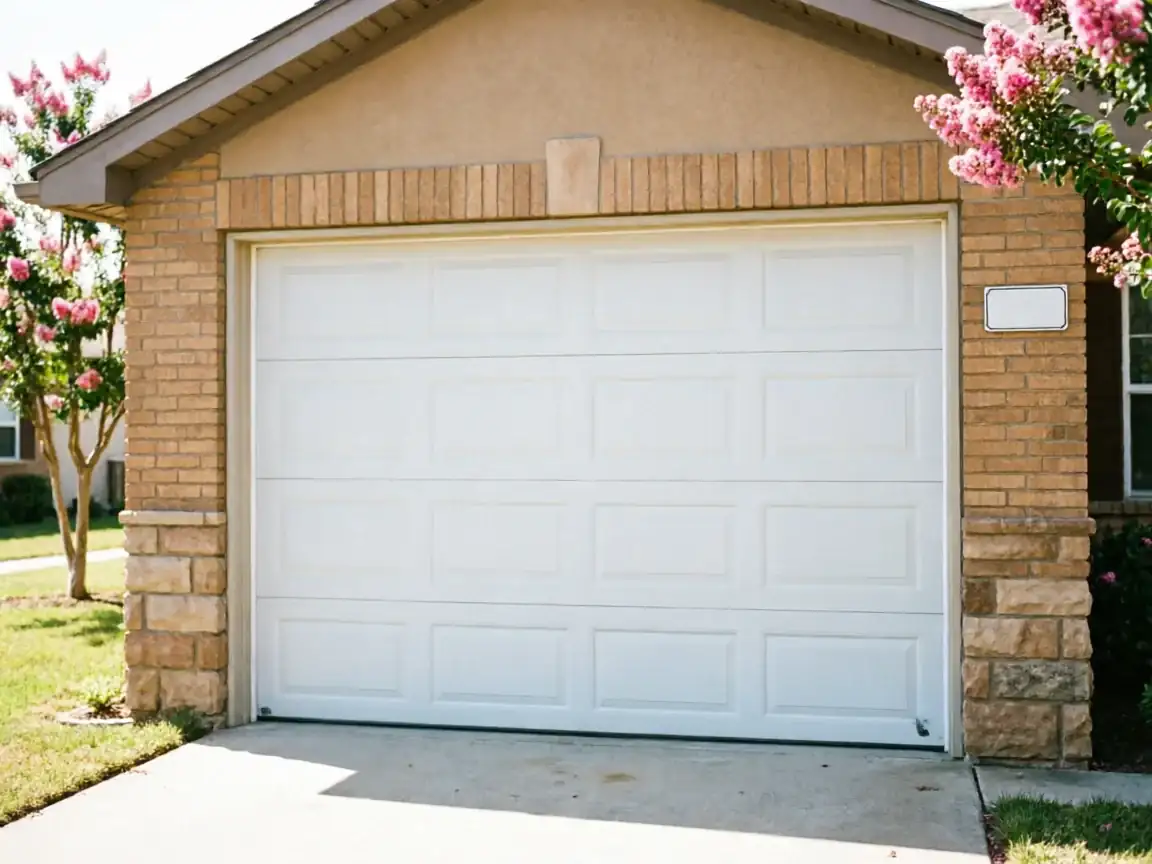
Steel, insulated, carriage, full-view, and commercial doors - sized and fitted to your opening.
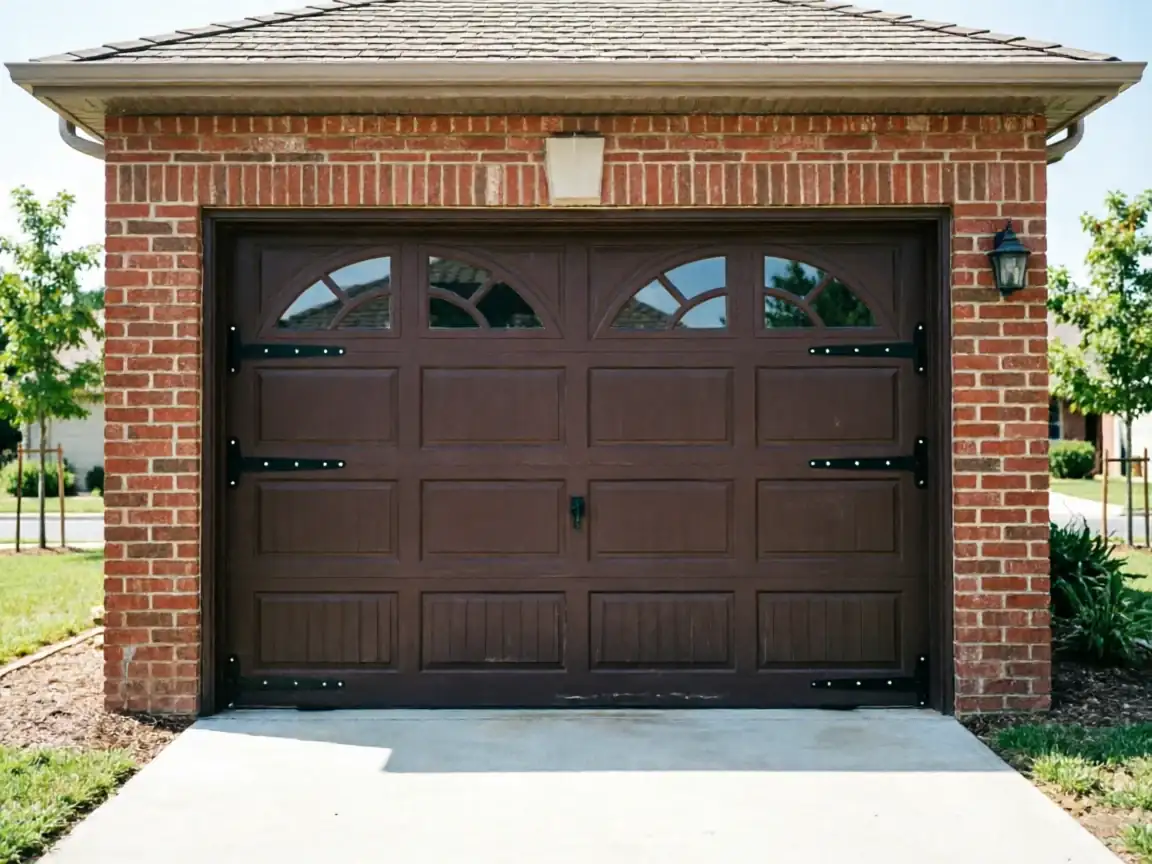
Carriage house
Request a quote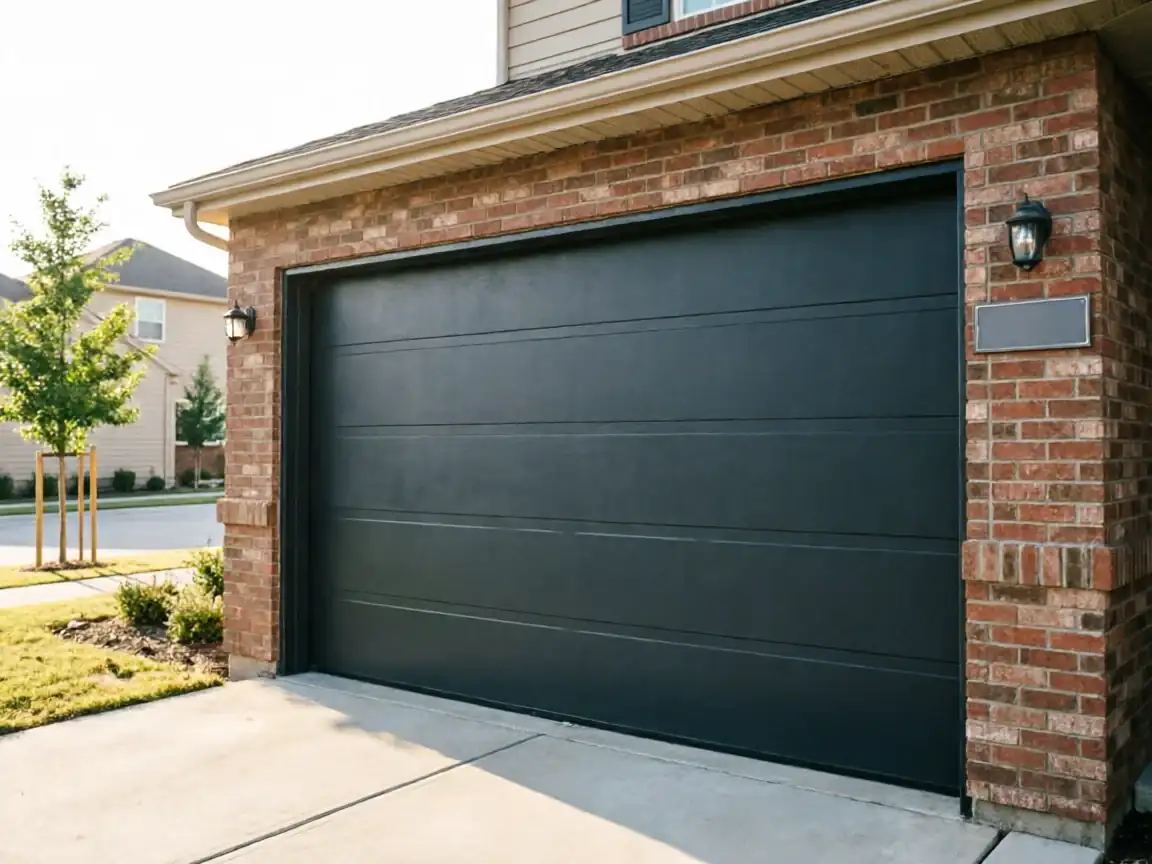
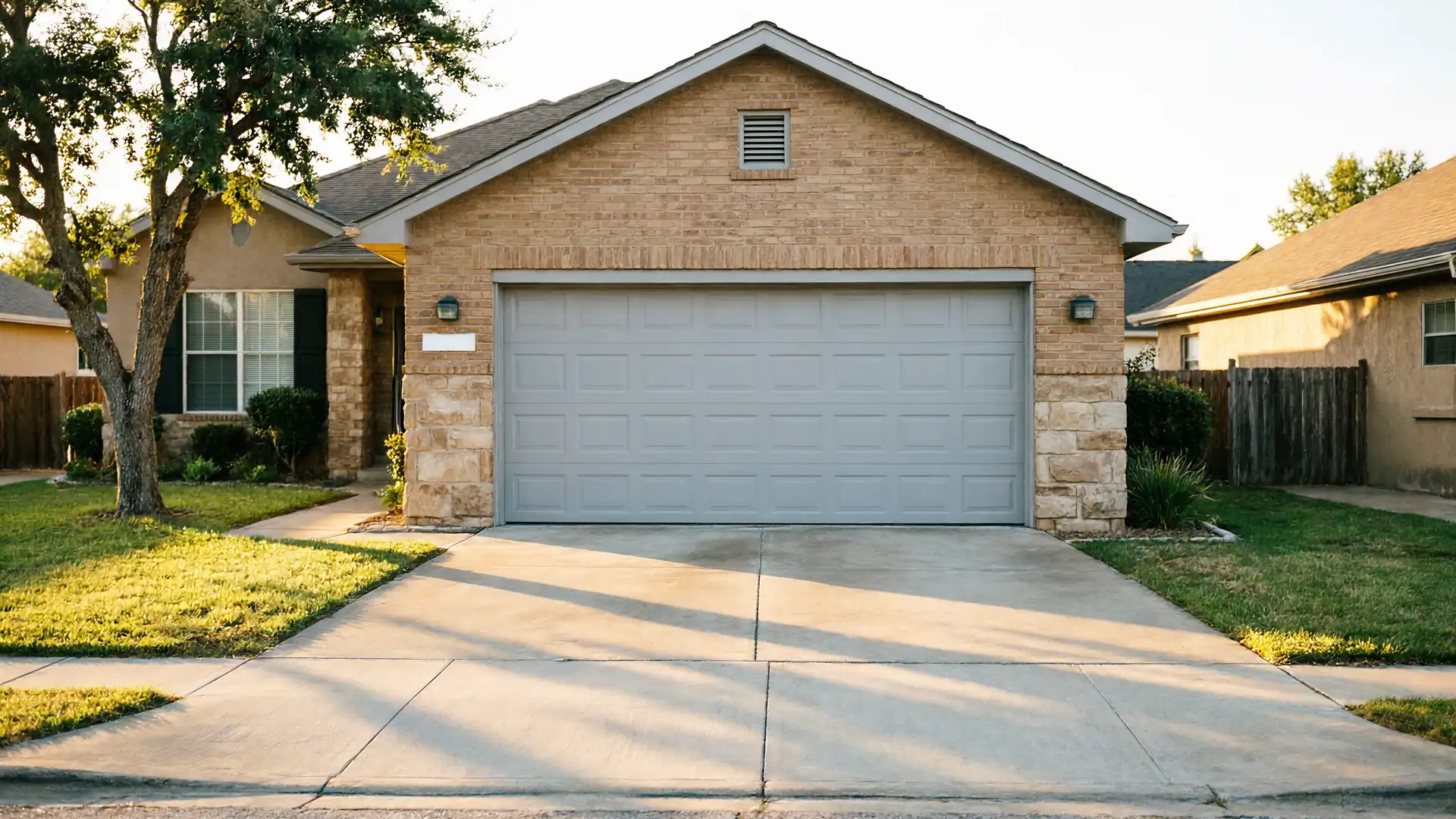
Modern flush
Request a quote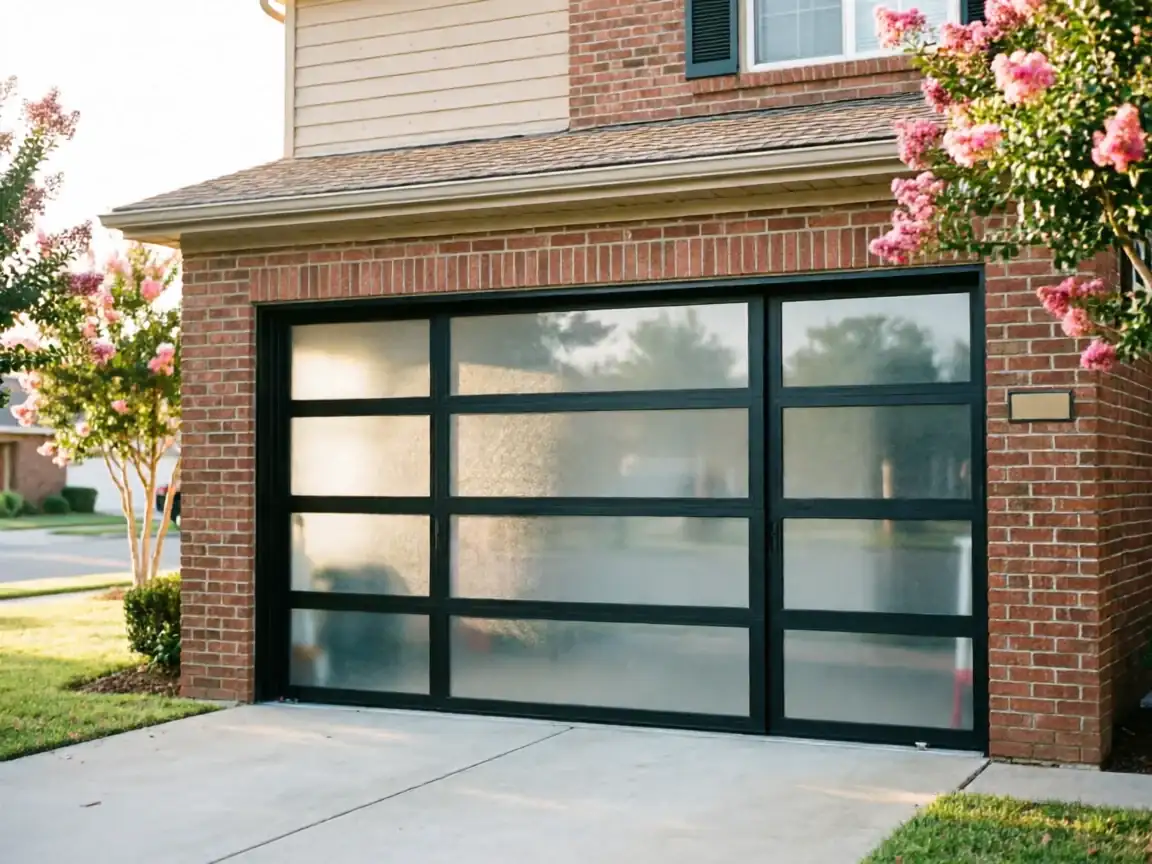
Full-view glass
Request a quote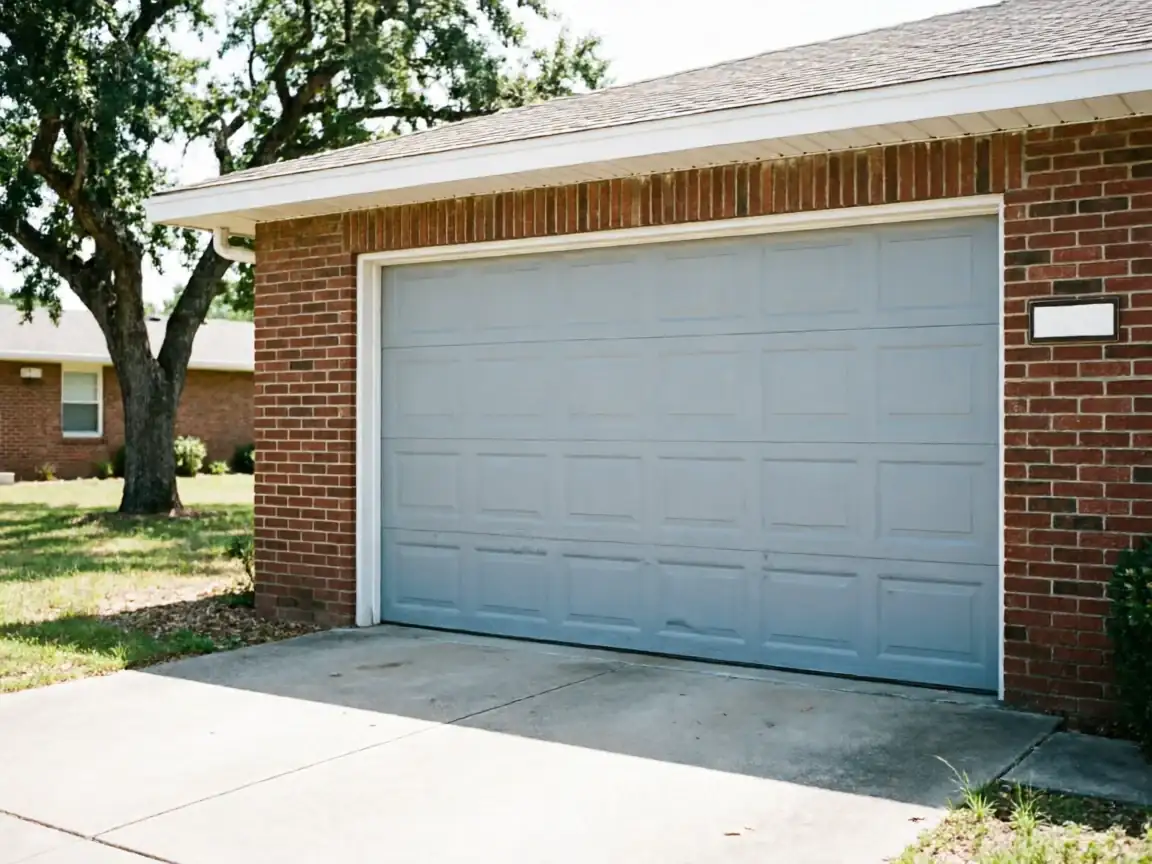
Insulated steel
Request a quote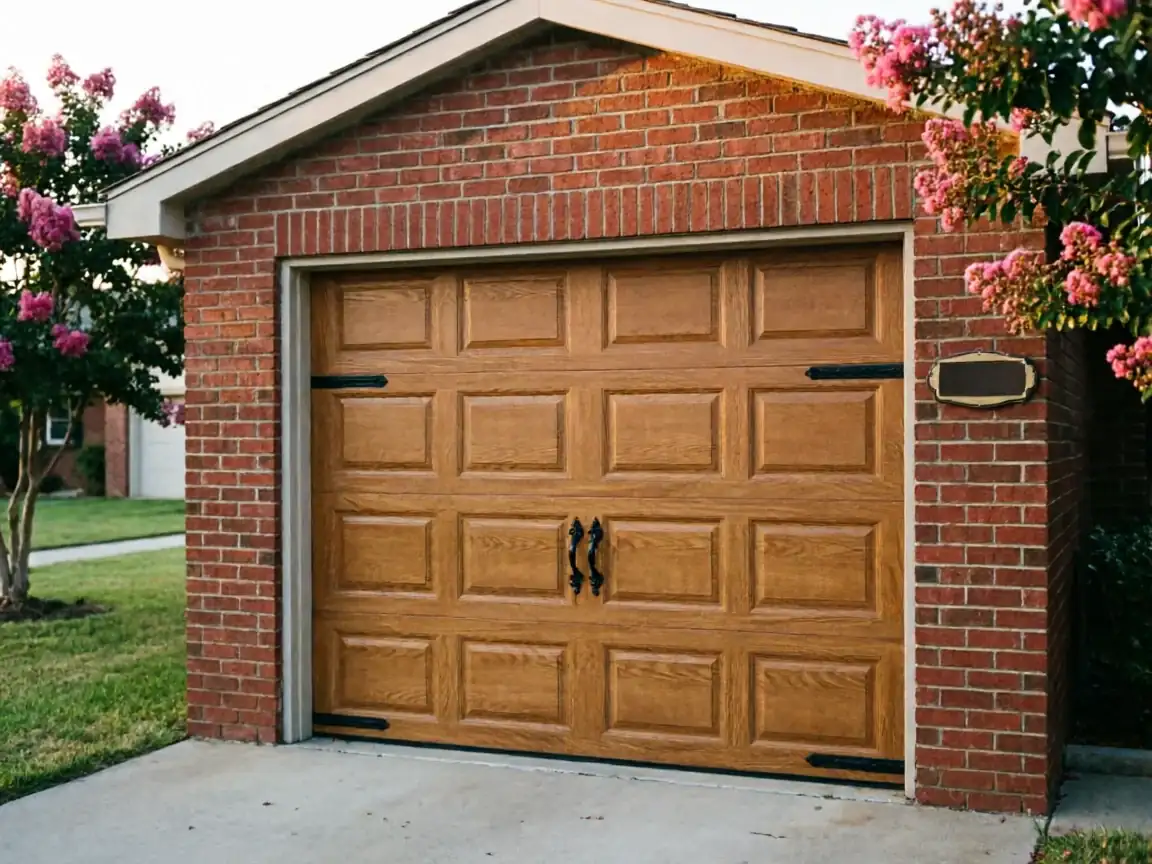
Wood-look
Request a quoteMaterials & styles
Comparing door styles
General characteristics of each style - your exact options depend on the manufacturer and product line.
Sectional steel
Steel, insulated or non-insulated
The most common residential garage door style in North America. Horizontal panel sections hinge together and roll up along a pair of vertical-then-horizontal tracks. Available as a single steel skin or, more often, an insulated build with a foam core between two steel layers.
Carriage house
Steel, composite, or wood-faced
Styled to look like the swing-out carriage or barn doors of an older building, but operates on the same overhead track as a standard sectional door. Usually finished with decorative hinge and handle hardware to complete the look.
Modern flush
Steel or aluminum
A flat, smooth-faced panel design with no raised molding or ridges - a minimalist look that pairs with contemporary architecture. Built on the same sectional-track mechanism as a traditional panel door.
Full-view glass
Aluminum frame with glass or acrylic panels
Aluminum-framed sections glazed with glass (clear, frosted, or tinted) instead of solid panels. Common on modern homes and commercial storefronts for natural light; typically offers less insulation than a solid steel door unless the glazing itself is insulated.
Insulated steel
Steel skins with a foam core
A sectional door built as a sandwich: a polystyrene or polyurethane foam core between two steel skins. Usually quieter and more stable in temperature than a single steel layer, and heavier - so the springs and opener are sized to match.
Wood-look
Steel or composite with a wood-grain finish
Steel or composite sections finished with a wood-grain texture or print, giving the look of a wood door without the regular refinishing real wood needs. Operates on the same sectional track as a standard panel door.
Options
Insulation & options
Insulated doors sandwich a foam core (polystyrene or polyurethane) between two steel skins
Non-insulated doors are a single steel layer. Insulation is usually described by R-value, and thicker cores generally mean a higher R-value and a heavier door - which changes the spring and opener sizing needed to lift it safely.
Beyond the core, the main choices on most manufacturer lines are the color finish, the window/lite pattern (if any)
And decorative hardware. Exact availability varies by manufacturer and product line.
How it works
From “it’s stuck” to “it’s fixed”
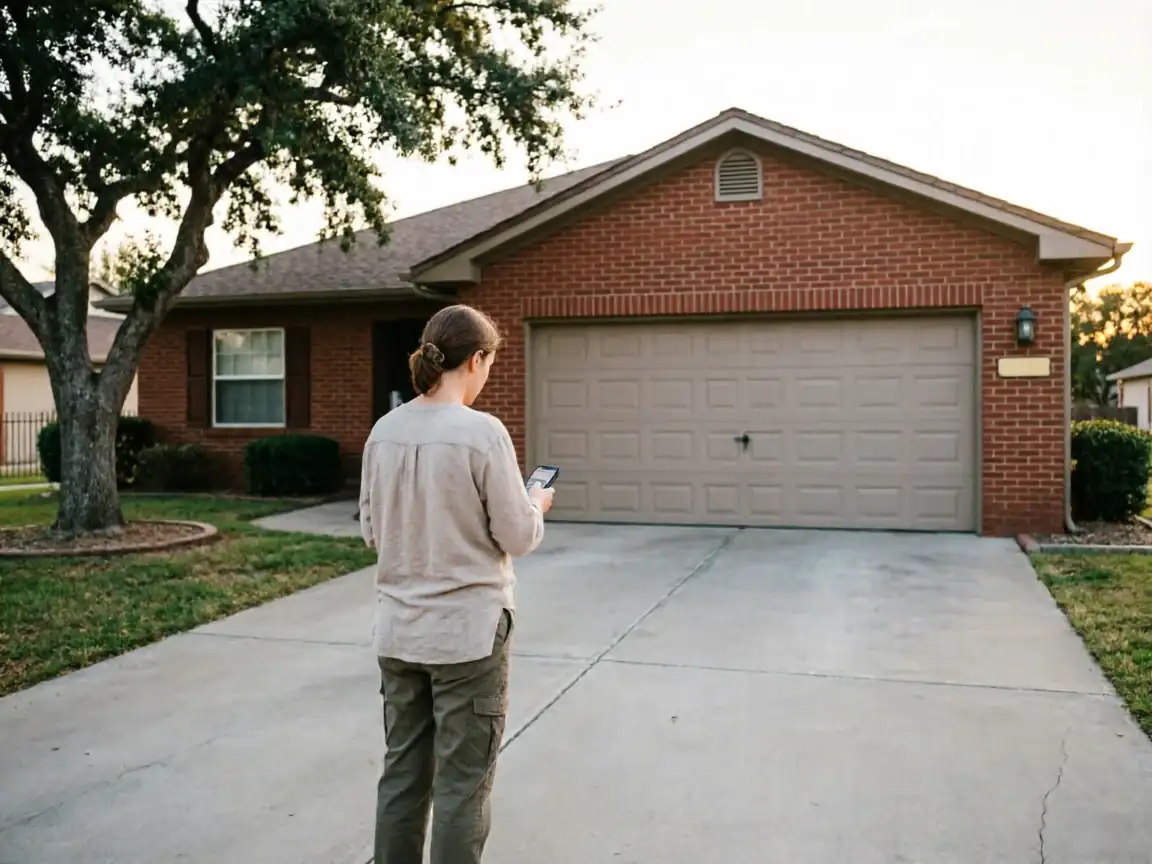
Tell us what’s wrong
Describe the symptom - won’t open, loud bang, opener runs but the door won’t move.
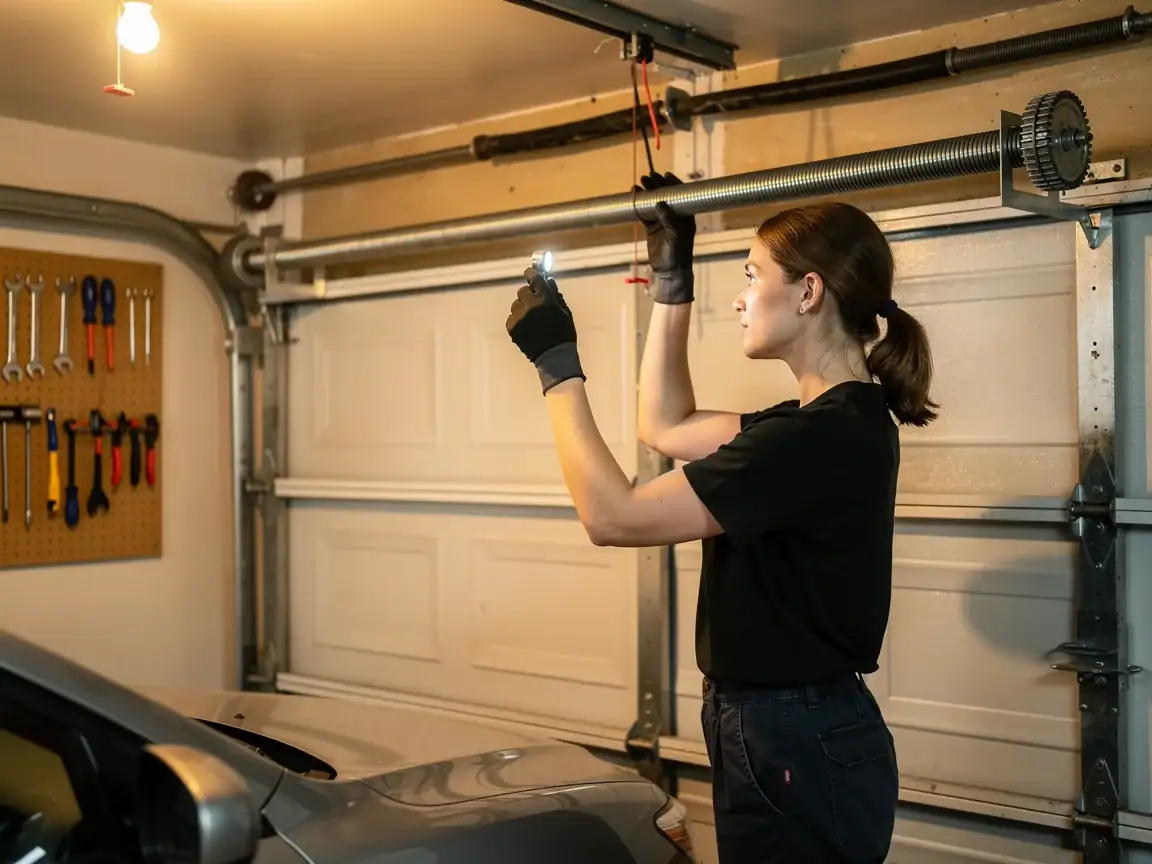
On-site diagnosis
A technician tests the door under power and by hand and finds what actually failed.
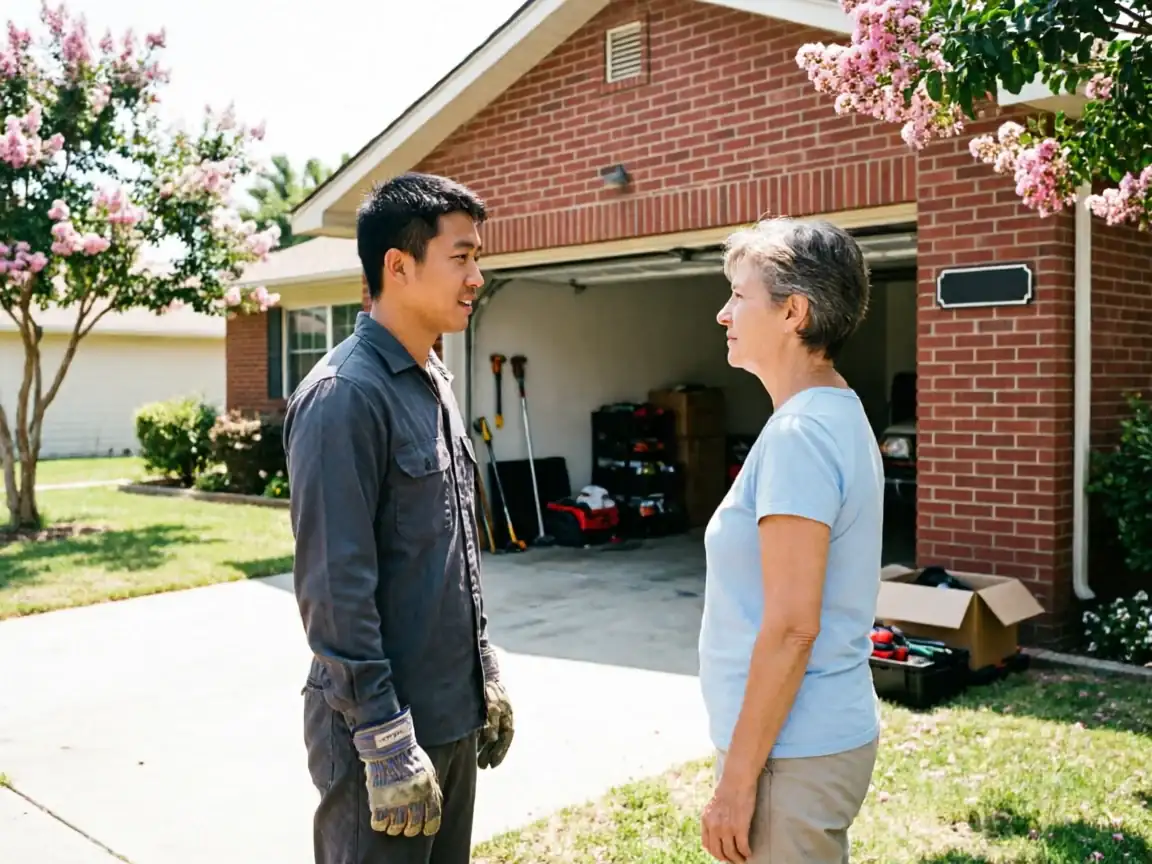
Clear, up-front plan
You get the fix that’s needed and what drives the cost - before any work starts.
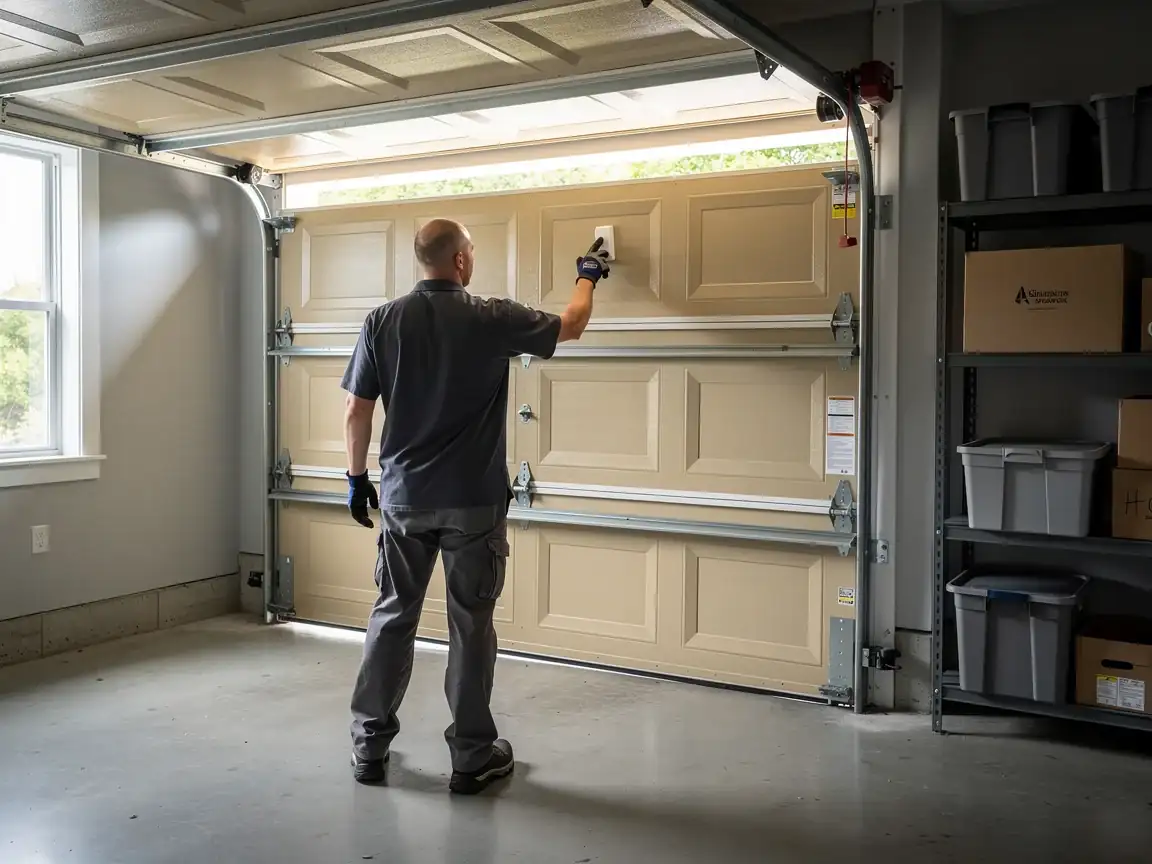
Repaired & tested
The repair is done, the door is set true and tested, and the work area left clean.
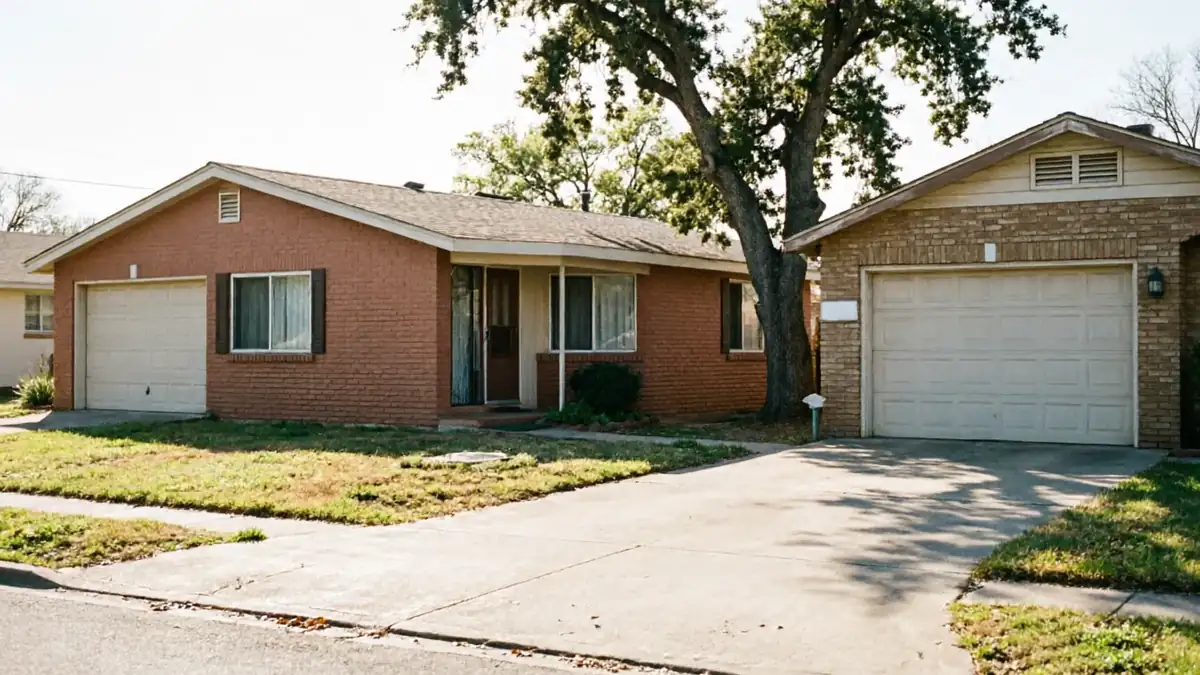
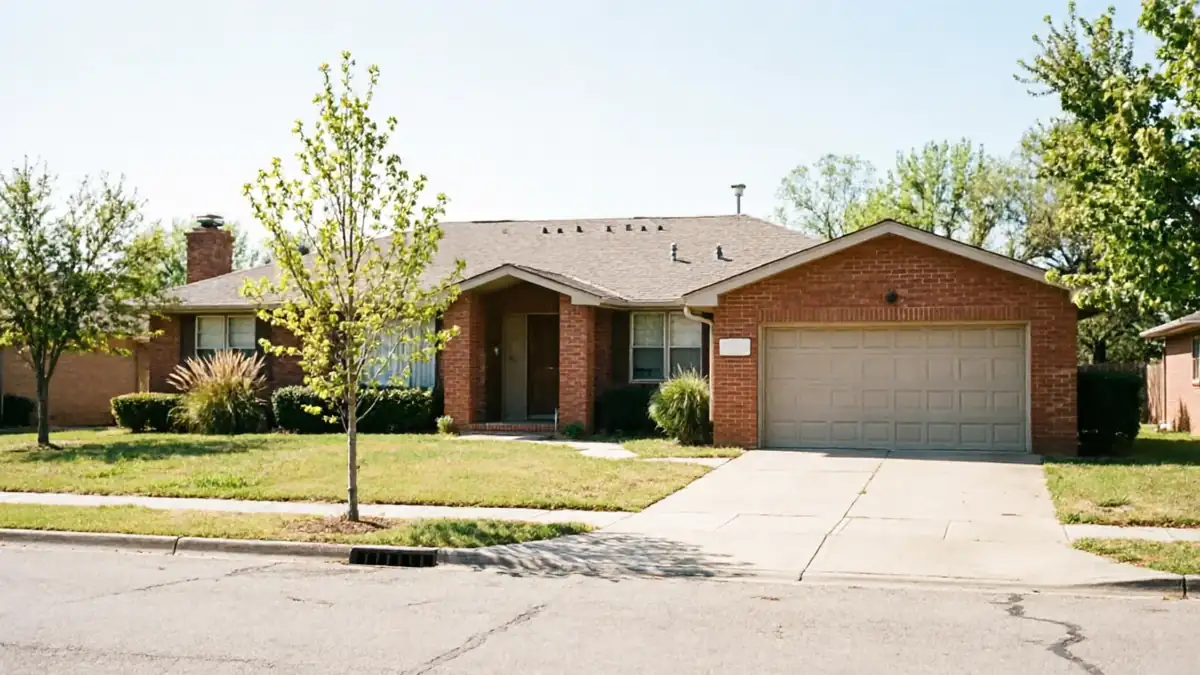
Door styles
Doors and work we handle
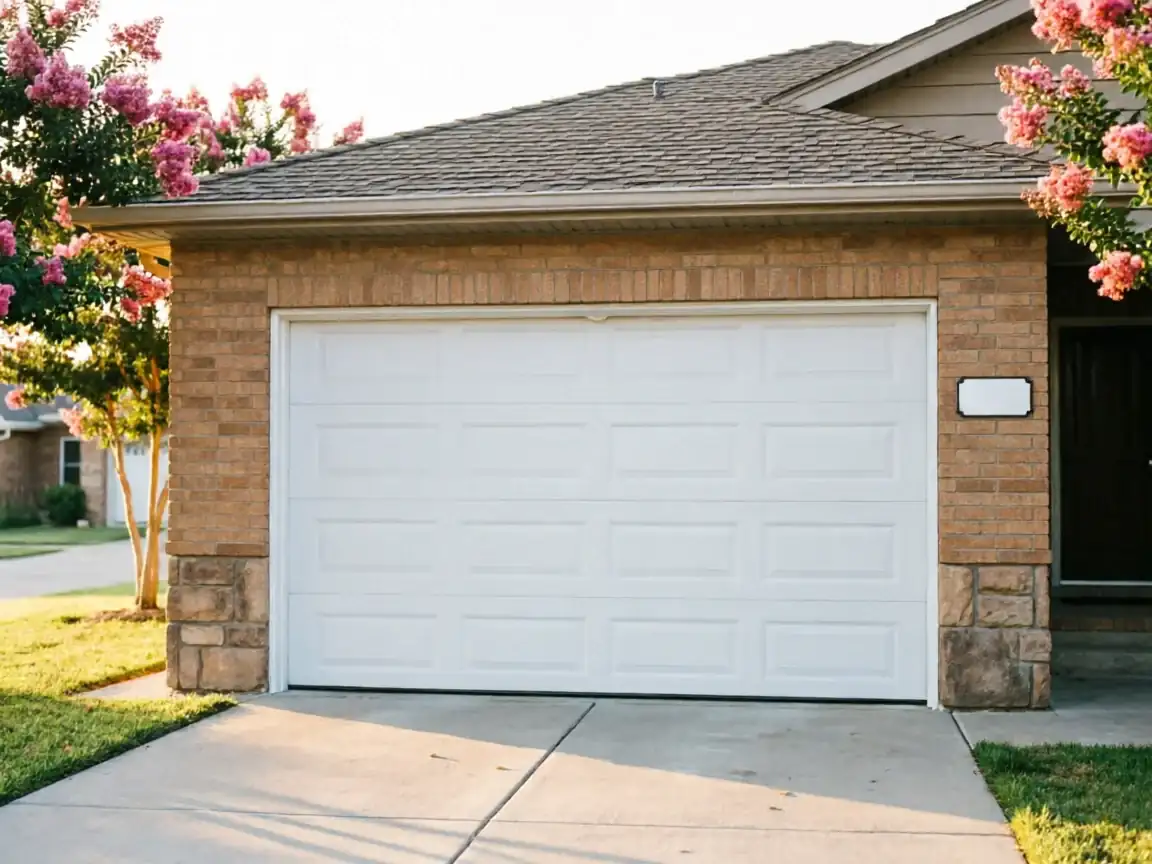
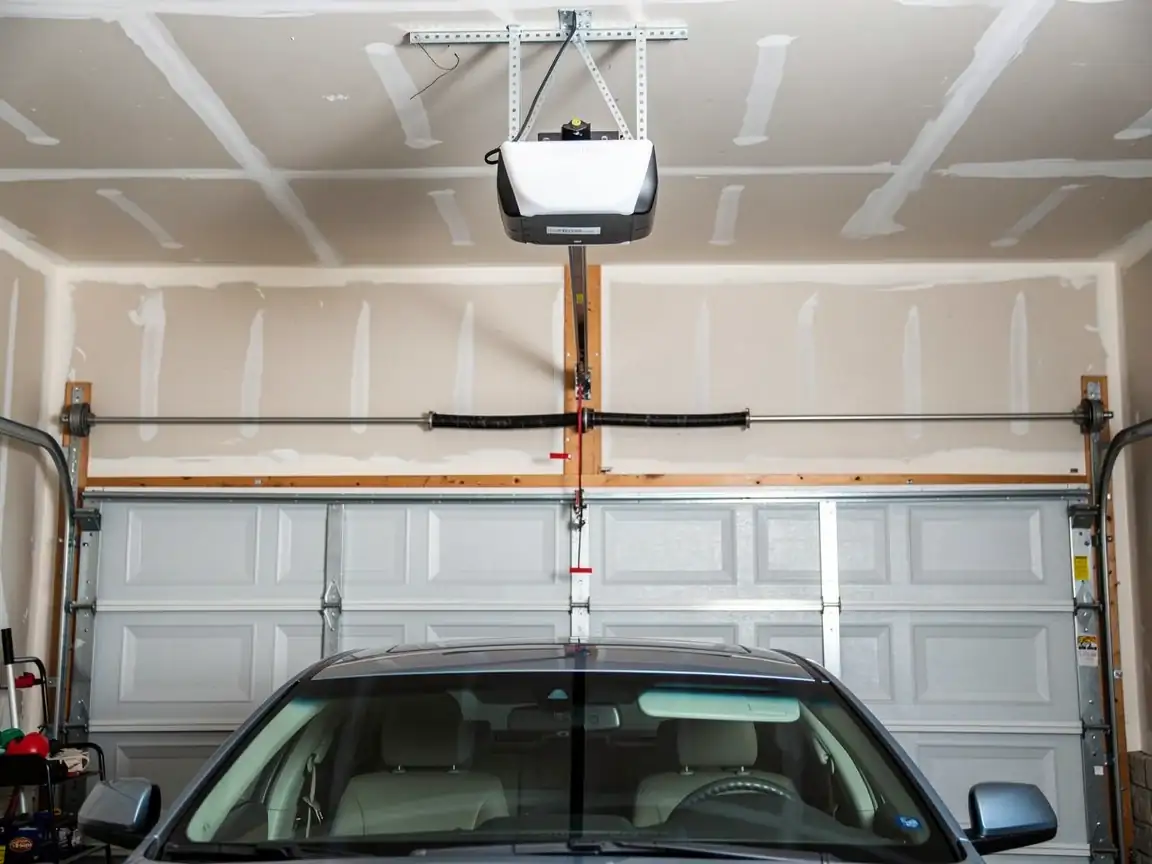
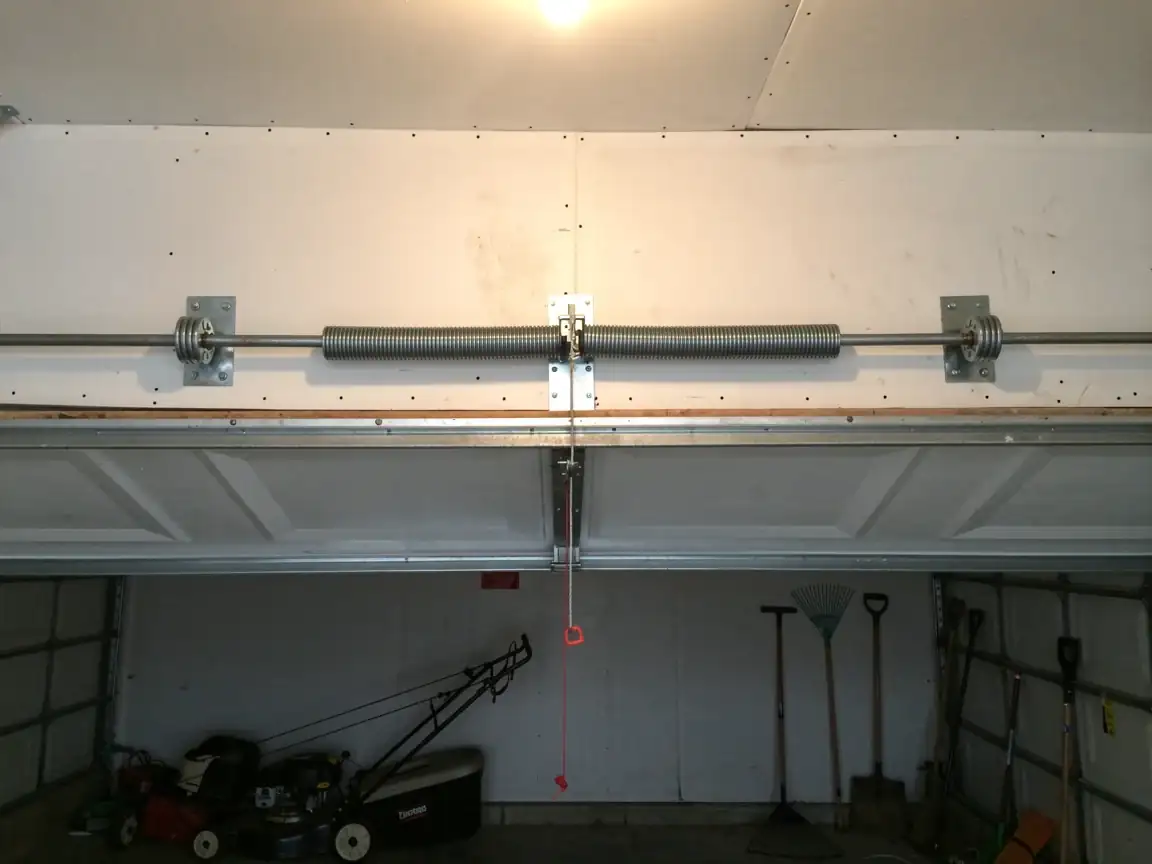
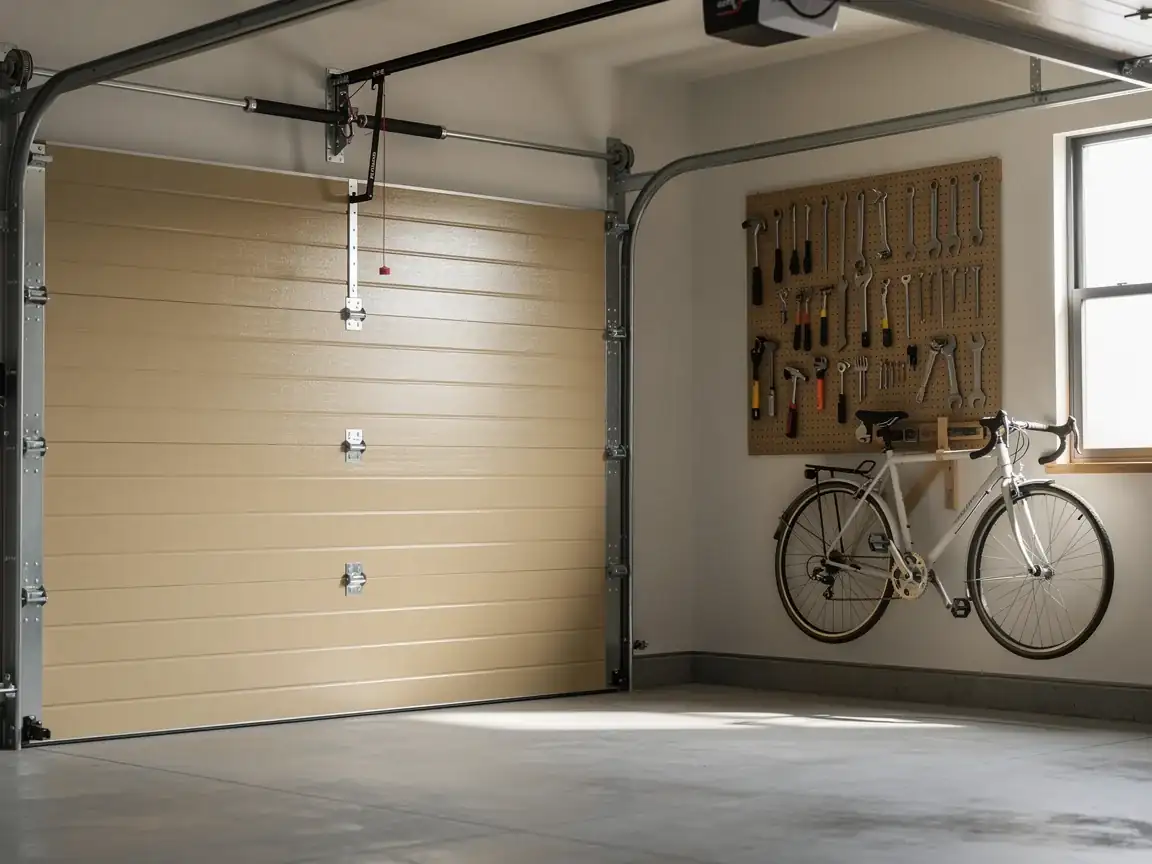
Illustrative styles - sectional, insulated steel, carriage, and commercial doors.
Questions
Frequently asked
Straight answers about garage door repair in Moore. Still unsure? Ask us directly.
My garage door opener remote stopped working but the wall button still opens the door. What's wrong?
That's almost always the remote's battery, the remote's pairing to the logic board, or a failing antenna wire on the opener unit itself, not the motor. Given how much of the opener stock here dates to the 80s and 90s, it's common for the board to lose its memory after a power surge. We can test it on the spot.
Why did my door suddenly get hard to lift by hand after it got cold?
In our climate, cold temperatures stiffen the grease in the tracks and can tighten an already-worn torsion spring's tension slightly. If the door was already a little out of balance, winter cold is often what pushes it from 'manageable' to 'won't budge.' We check balance and track lubrication together on winter calls.
Is it worth replacing an old door instead of fixing the spring?
If the panels are solid and it's just a spring or cable, repair is almost always the better move, especially on doors from the 80s and 90s builder stock that are otherwise sound. We only recommend replacement when the panels are bent, rusted through, or the door is far enough out of square that hardware won't hold alignment.
Do you carry parts for older opener brands on the truck?
We carry the common springs, cables, and rollers that fit most doors from this area's housing stock. Opener logic boards for discontinued models are sometimes a special order, and we'll tell you that honestly on the call instead of promising a same-day fix we can't deliver.