What the Repair Takes
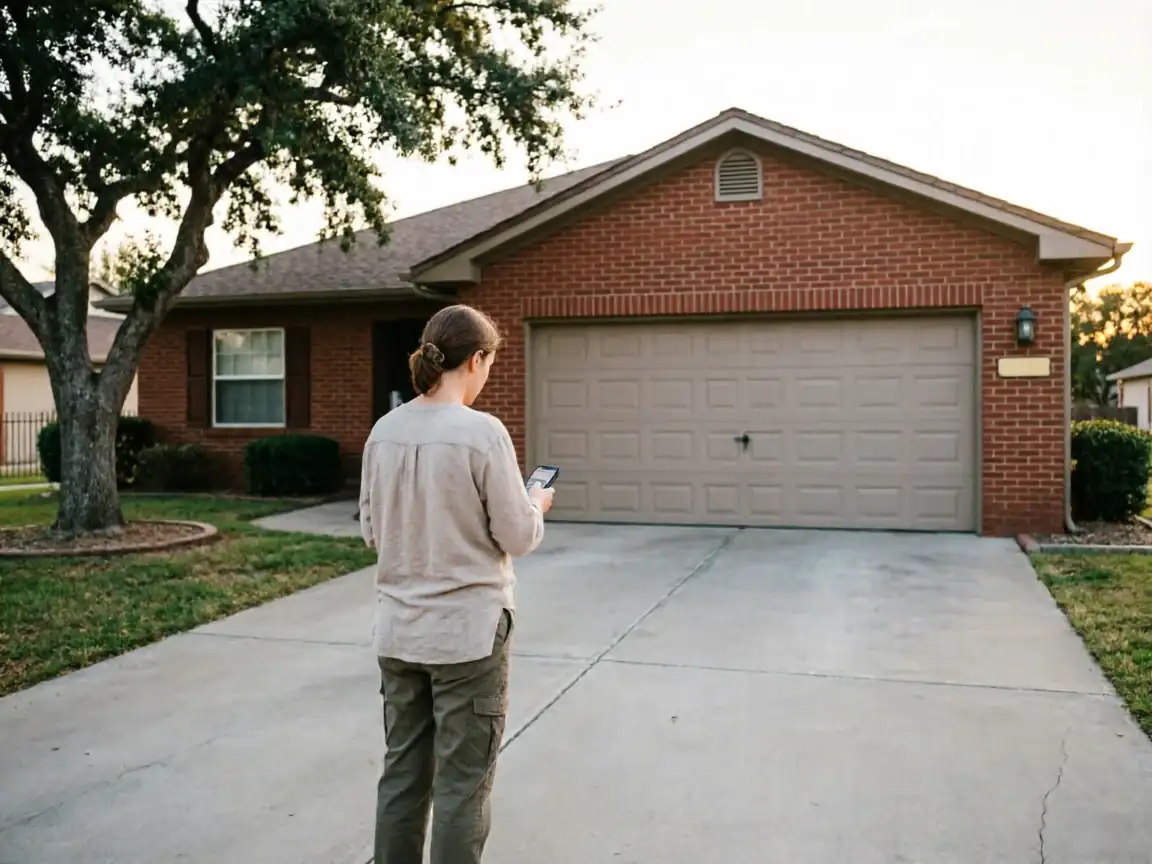
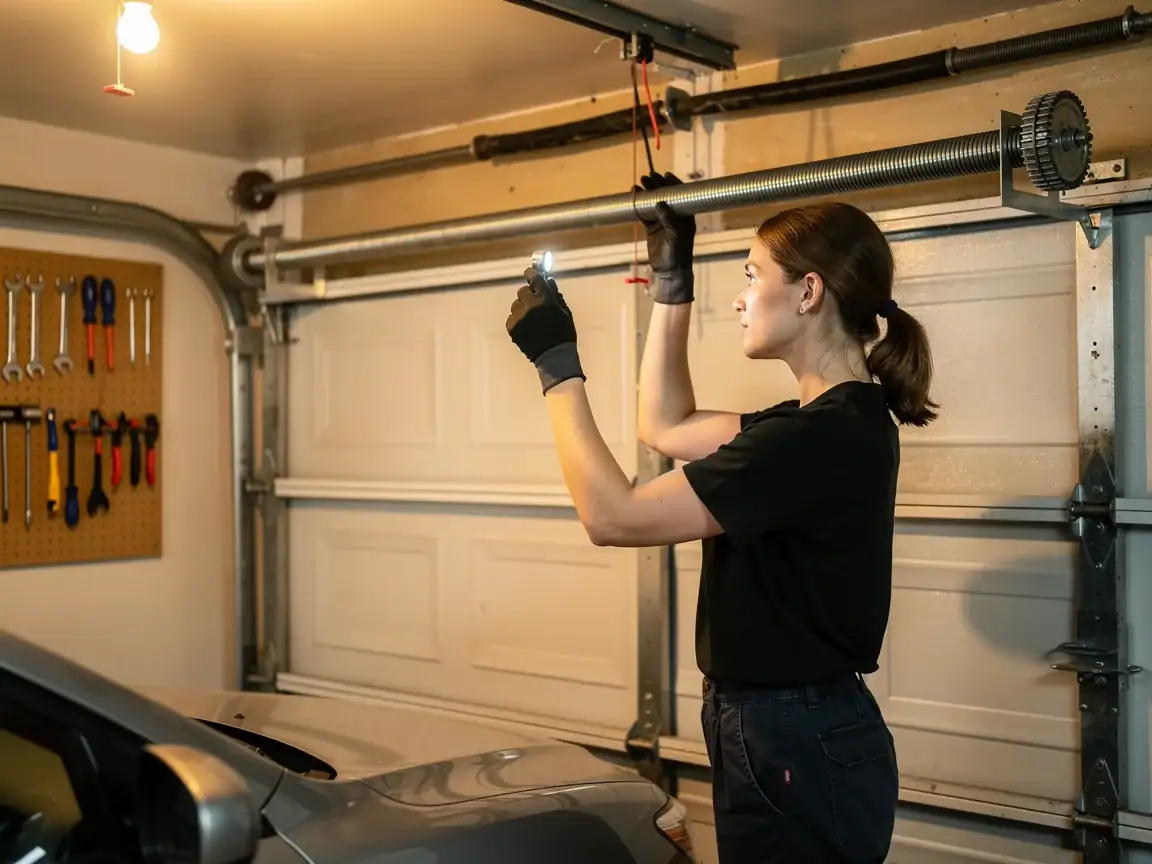
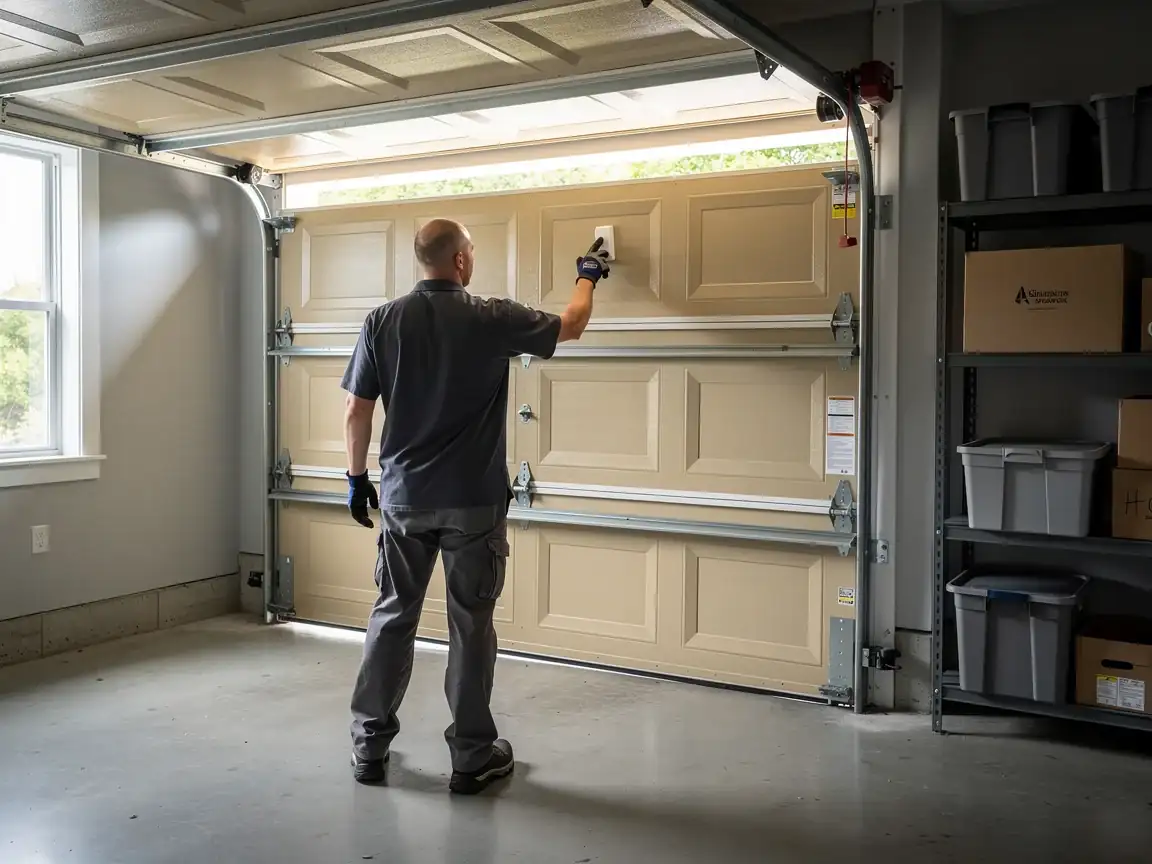
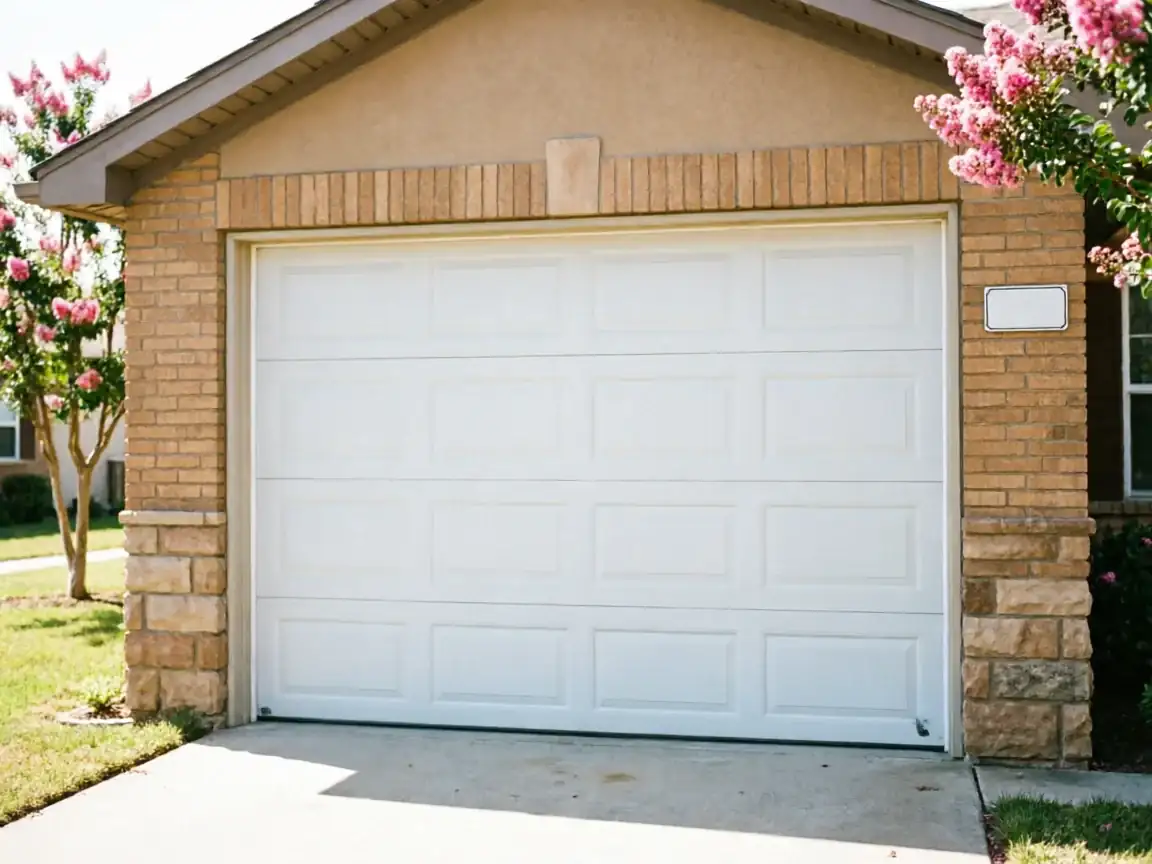
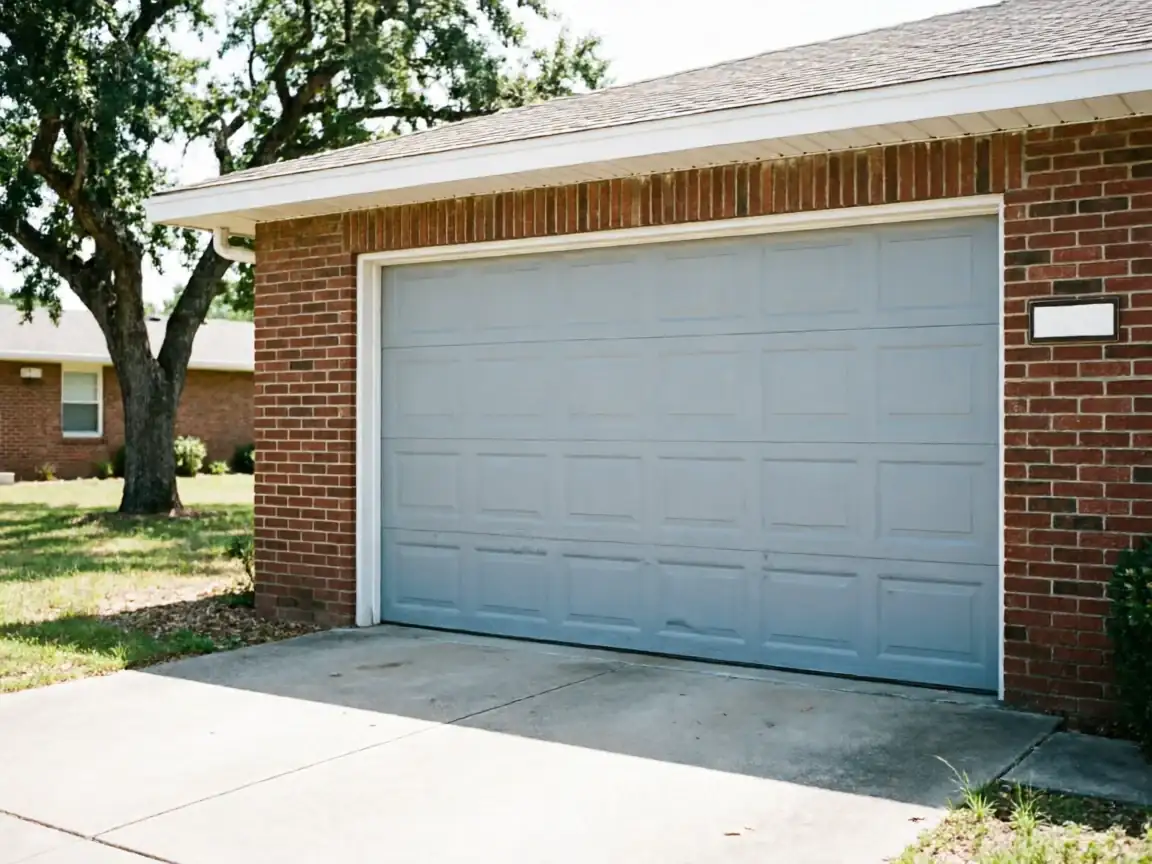
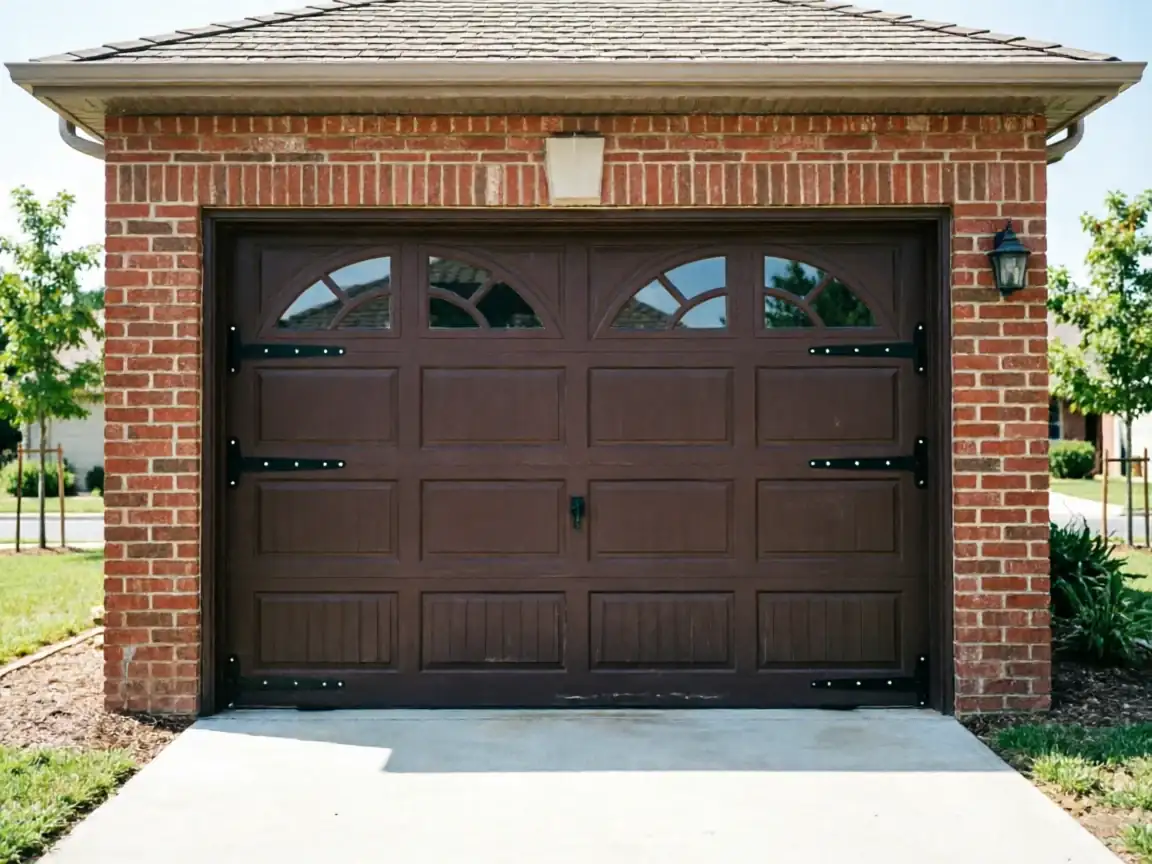
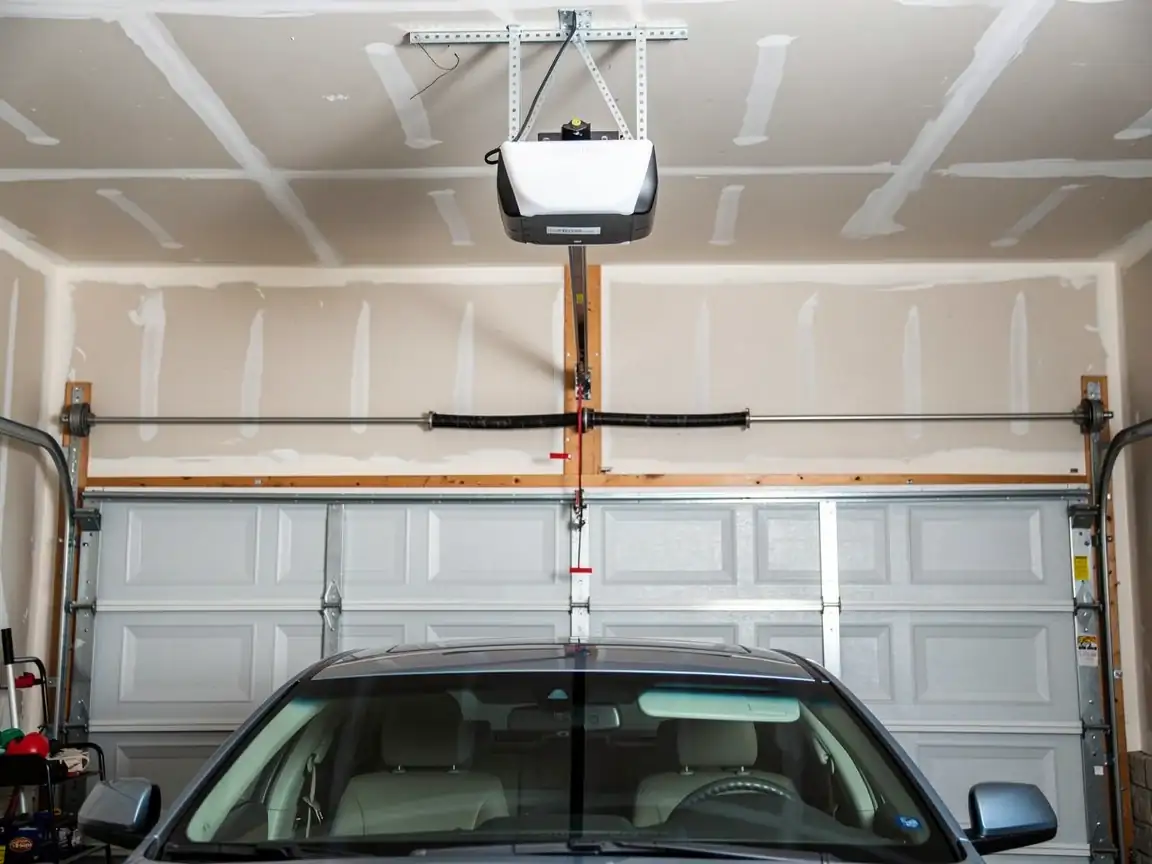
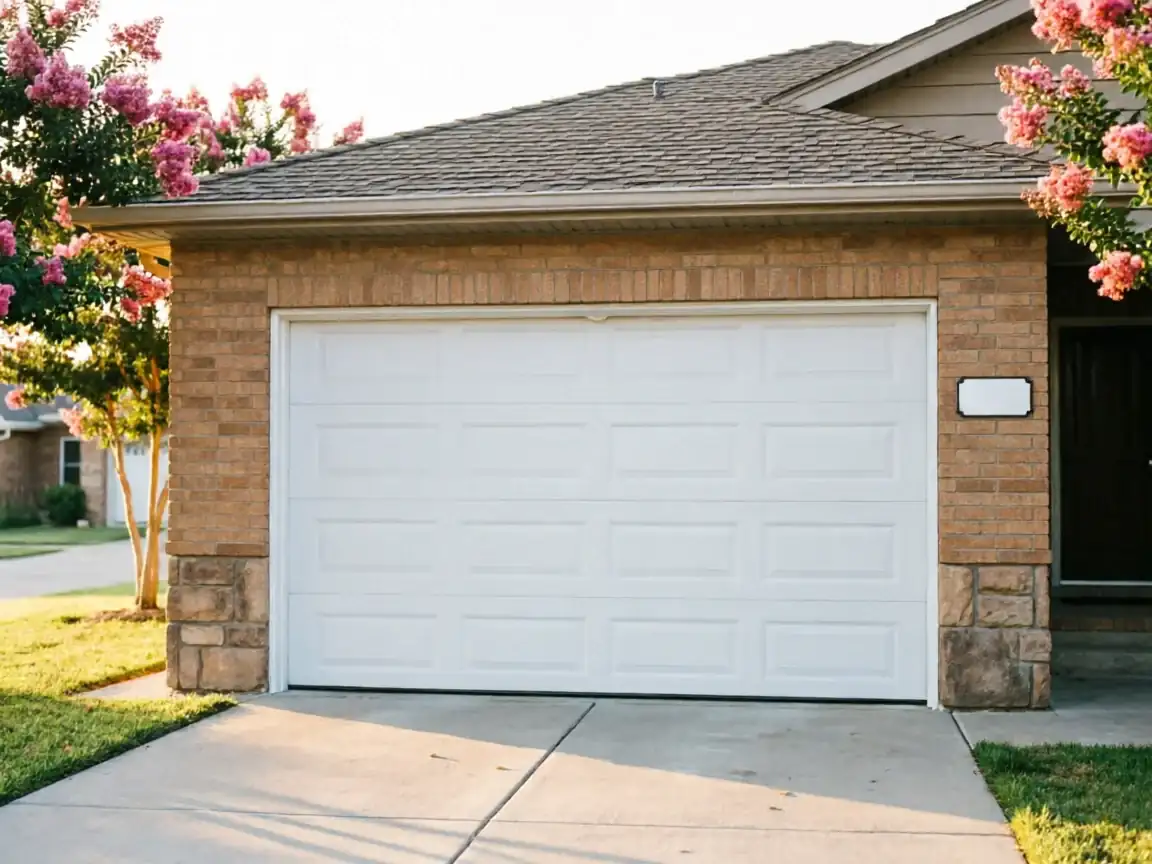
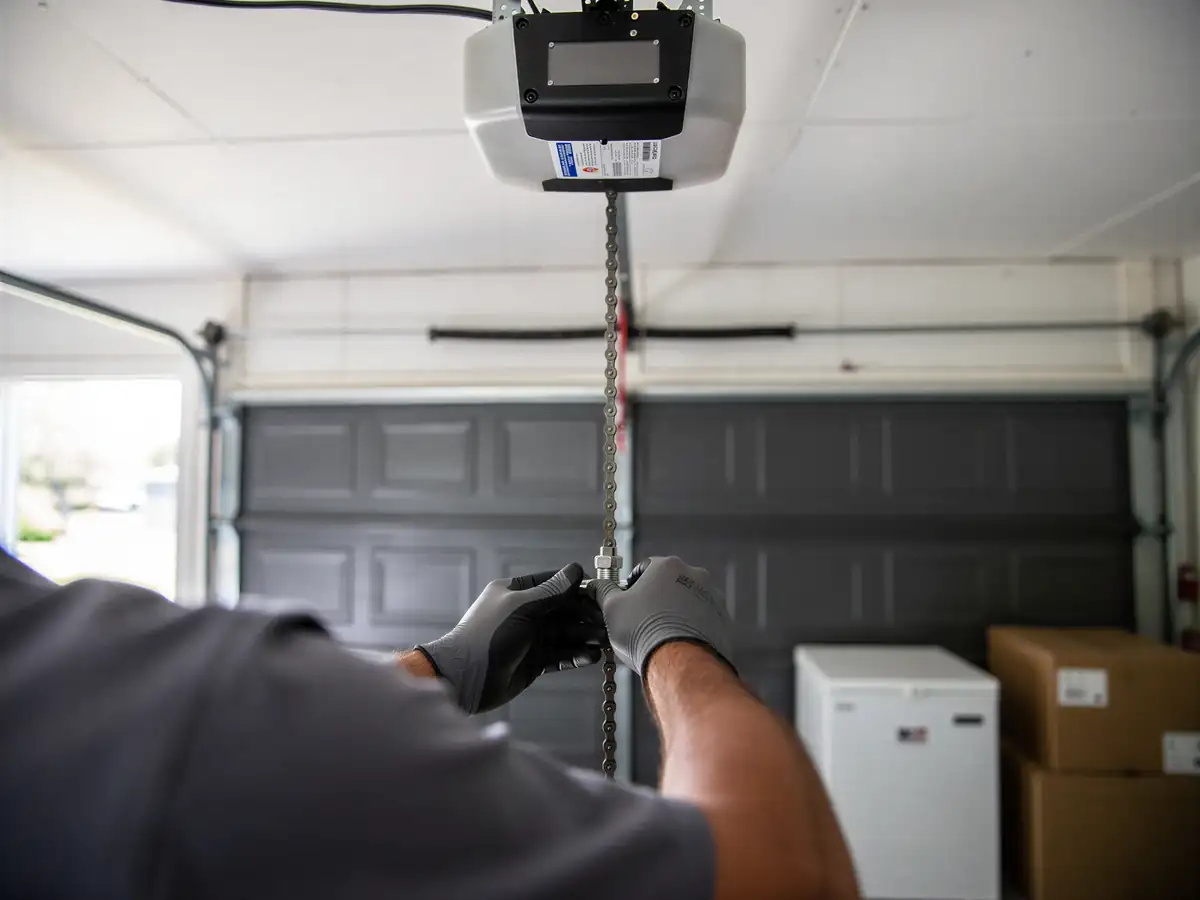
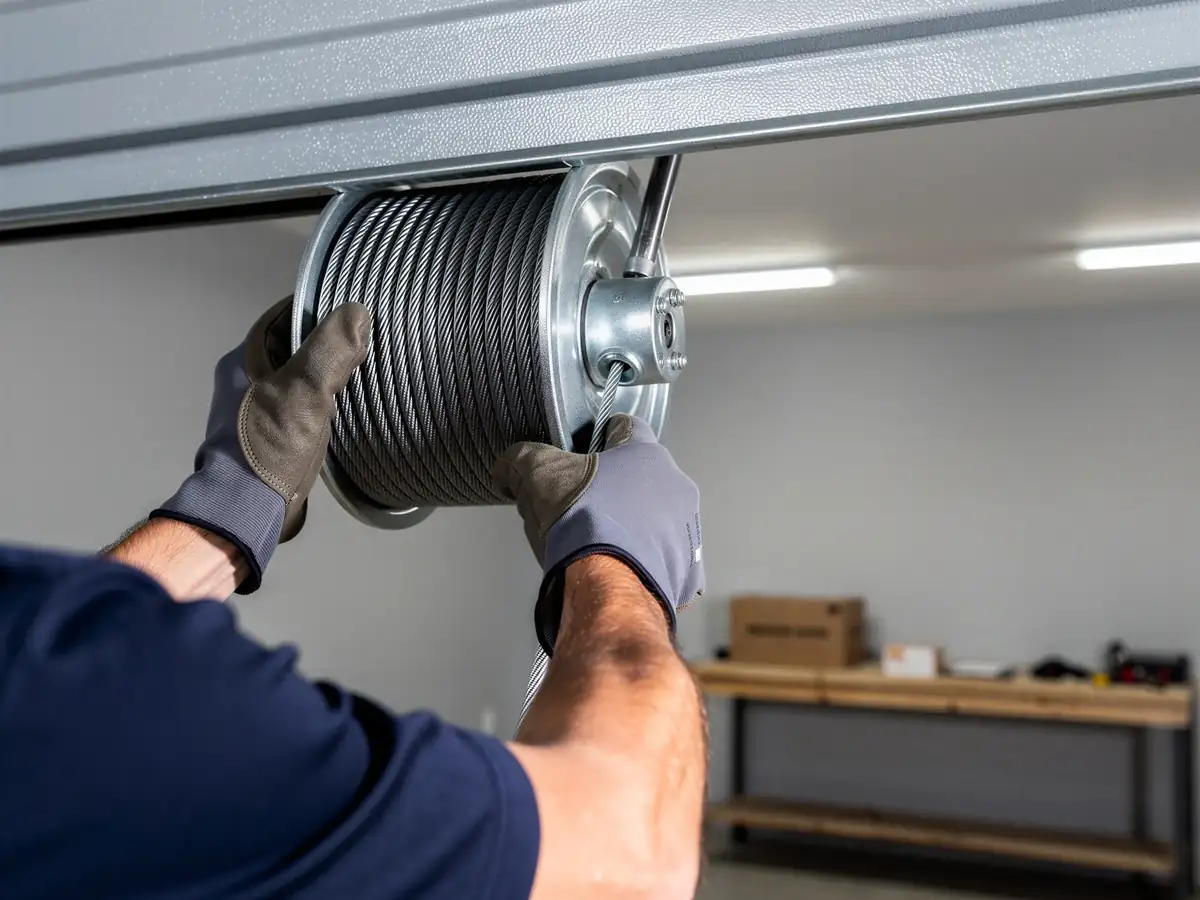
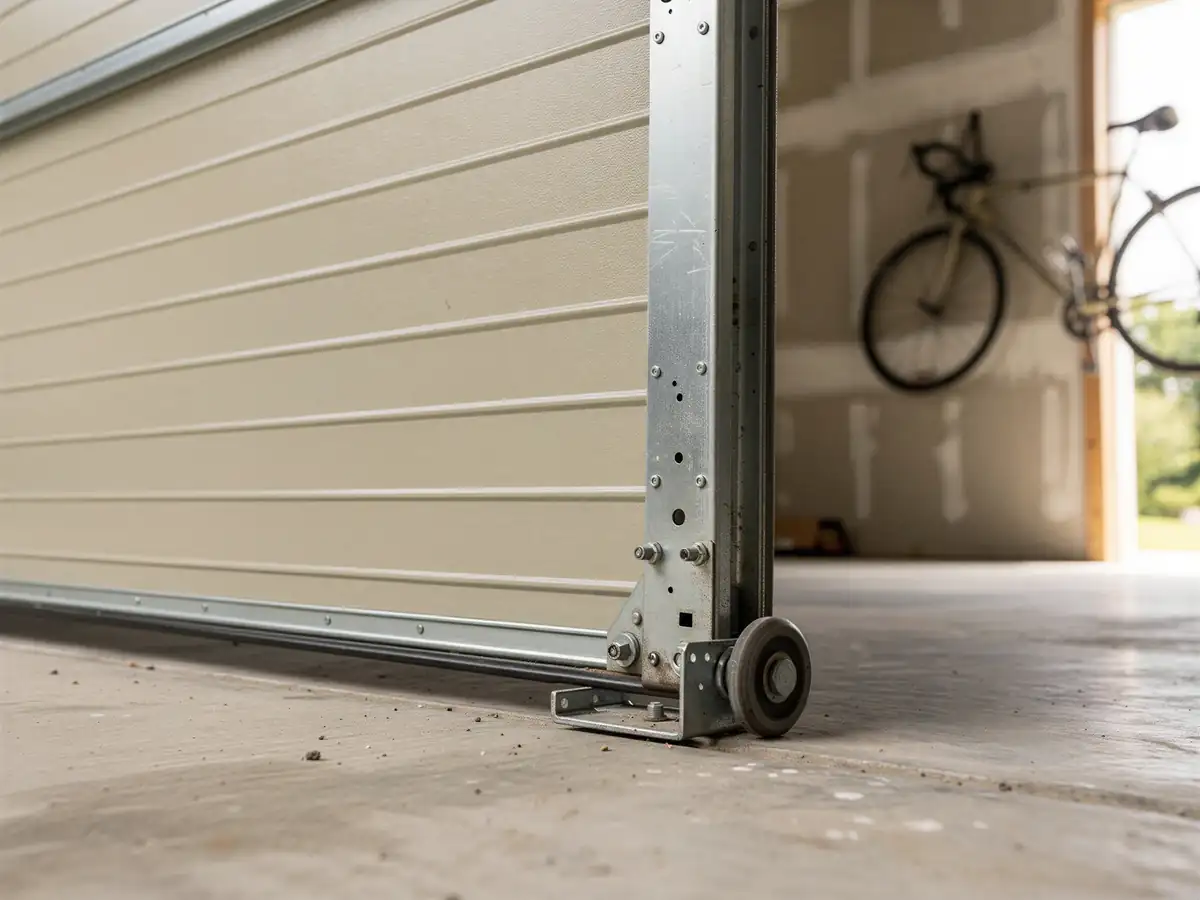
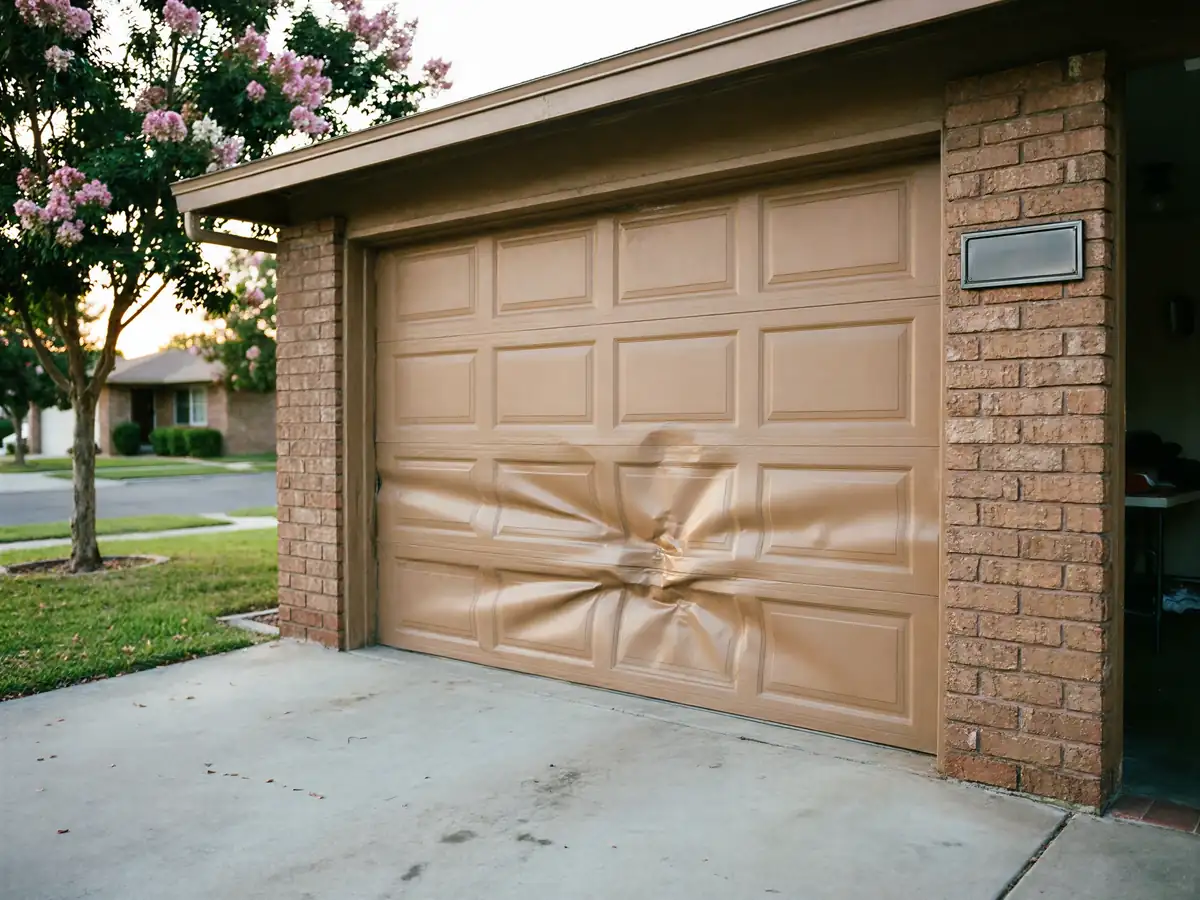
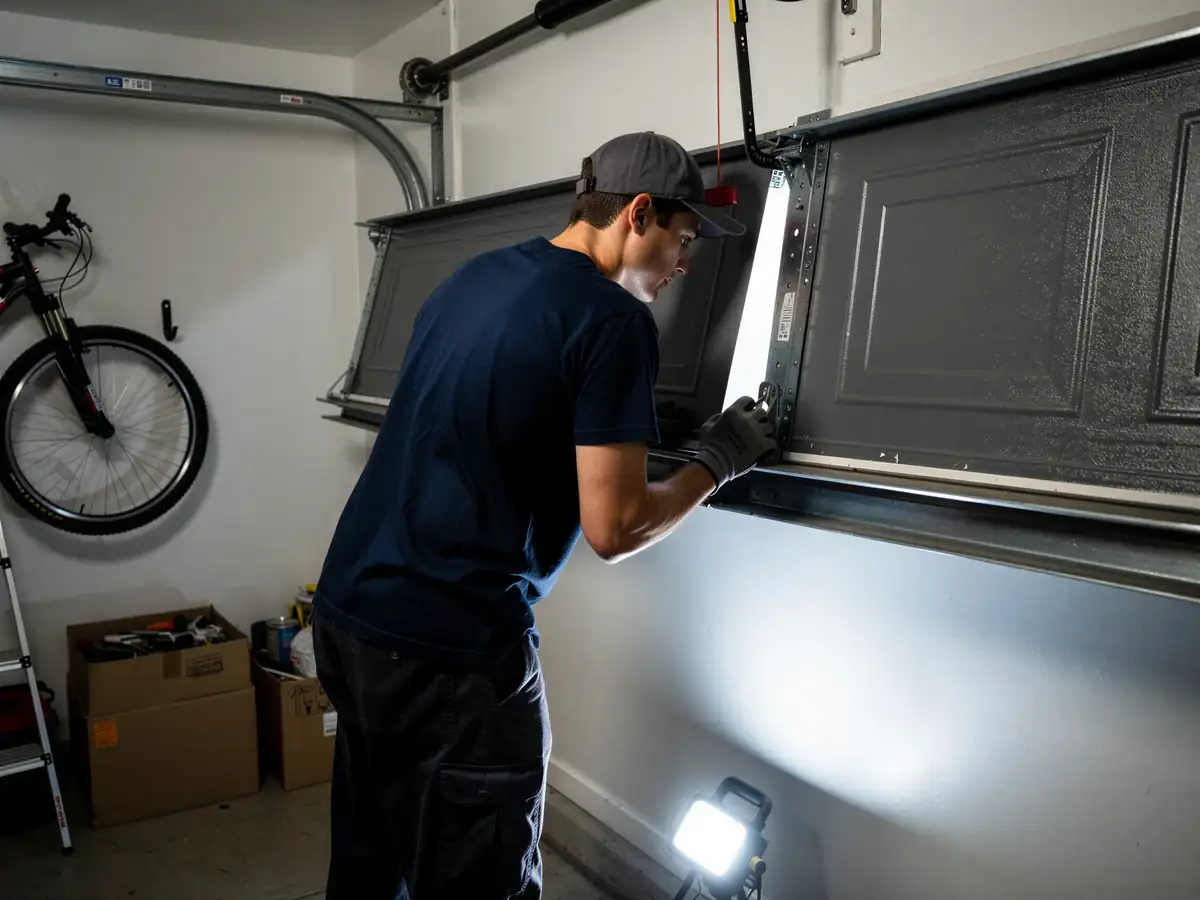
Mustang's housing stock centers on 1991, which puts it toward the newer end of the 1959-to-2004 range you see across the wider service area. That matters for what's actually broken when a door won't move. By the early '90s, steel sectional doors with a center-mounted torsion spring over the header were standard - not the older one-piece tilt-up doors with side-mounted springs you still find in older pockets of the area. So an emergency call out here is usually a torsion spring that's let go on a sectional door, a lift cable that's frayed through and popped off the drum, or a roller that jumped the track and bent the rail at the bracket. Openers from that build era run chain or belt drive, mounted mid-rail on a steel tube, and when the drive gear strips or the capacitor dies, the door goes from automatic to dead weight hanging on whatever spring tension is left. We've also seen the steel header brackets on these doors work loose over three decades of seasonal expansion, which is a different fix than a spring swap and worth ruling out before anyone orders parts. None of this is exotic hardware - it's just consistent enough across the subdivision that we can usually guess the failure before we see the door.
Time on the Job
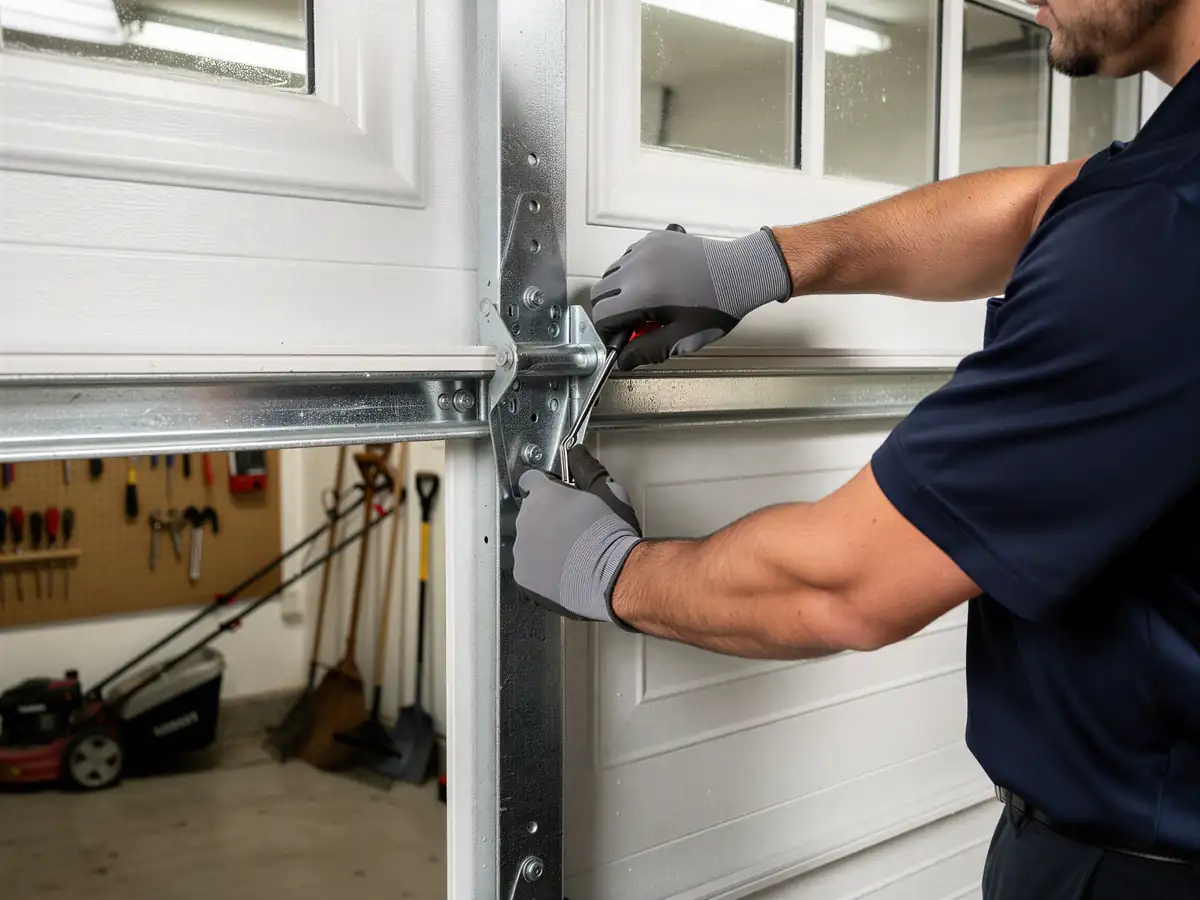
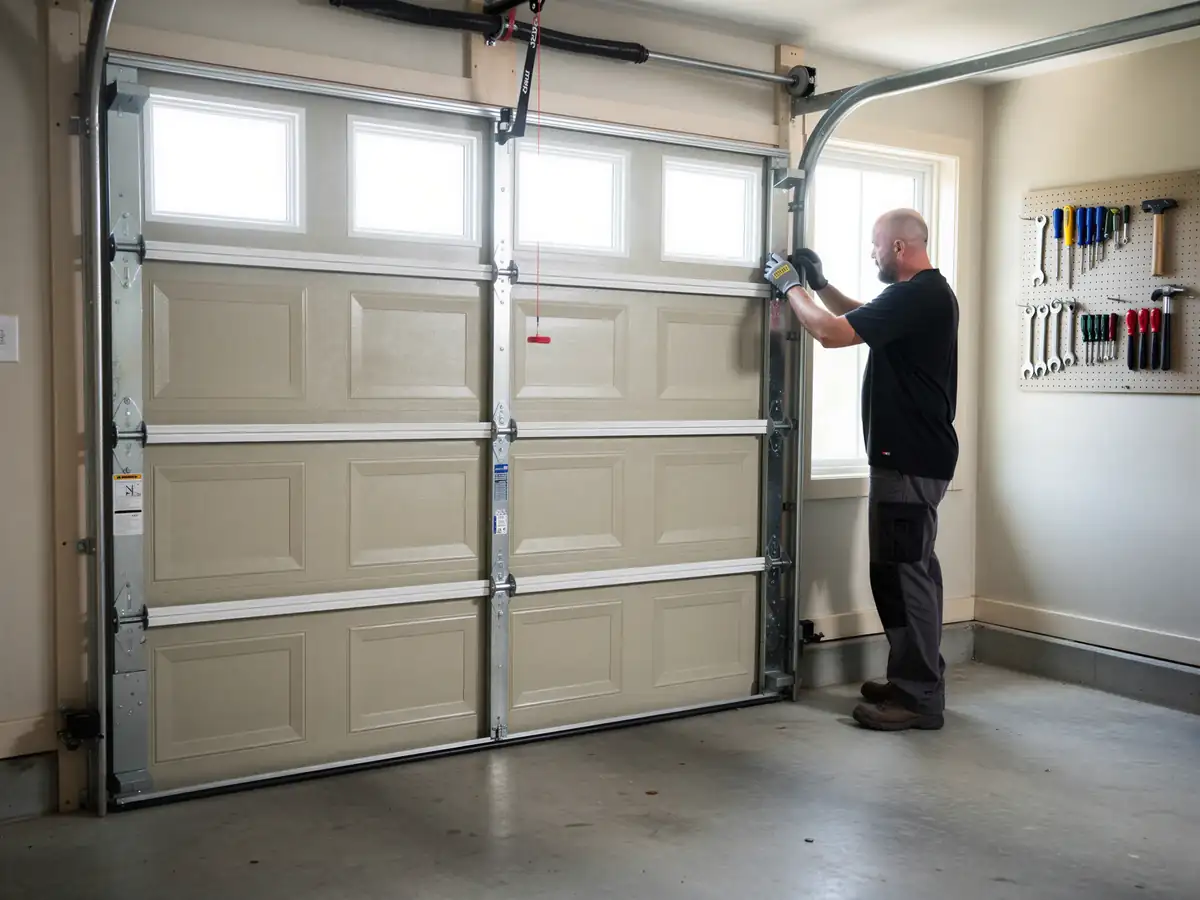
How long a visit takes depends on which part failed, not on how far the truck drove to get there. A torsion spring swap on a standard sectional door is the most common call and the most predictable in terms of parts and labor. A snapped cable or a bent track takes longer if the door jumped off its rollers on the way down, since that usually means straightening or replacing a section of track before the door tracks straight again. Opener failures are a different category - sometimes it's a logic board, sometimes it's just a worn drive gear, and we won't know which until we're looking at the unit. We don't pad a job with unnecessary parts, and we don't quote a flat number for every call, because a 1991-era sectional door with intact track and a clean spring failure is a different job than one where the cable took the bottom bracket with it on the way down. If a repair stops making financial sense against the cost of a new door, we'll say so rather than keep billing hours toward it.
Stocked Parts
We carry torsion springs sized for standard steel sectional doors, the kind that make up most of what's installed across Mustang's 1990s-built stock, along with the lift cables, rollers, and track hardware that pair with them. Those cover the bulk of emergency calls without a special order. Where we run into a wait is opener logic boards and some belt-drive assemblies - if a specific board isn't one we carry on the truck, it can mean a day or two before the part's in hand, and we'll tell you that up front rather than promise a same-visit fix we can't back. Older one-piece door hardware, the kind with side-mounted springs, is less common out here given the build era, but we still carry parts for it since pockets of the wider service area still have it. If your door needs a part we don't have on hand, we'd rather say that plainly than leave you guessing about when it's actually getting fixed.
Why It Happens Here
The service area sits in a cold-moderate climate band, and that swings matter more than people expect on steel garage door hardware. A torsion spring that's been fine all summer can snap on the first hard-freeze morning, because cold steel loses flex right when the door's getting used the most - first one out, last one in. Mustang's households sit at a higher median income than the broader service area average of $81,105, and higher-income subdivisions built in the early '90s tend to have more insulated doors and heavier opener units, which puts more load on the spring system than a bare steel panel would. That's not a flaw in the door, it's just more weight for the same torsion spring to manage over thirty-plus years of temperature swings. Combine the seasonal cold with three decades of cycles on hardware that was never meant to be replaced piece by piece, and you get the pattern we see: spring failures cluster in the first hard cold of the year, and cable wear shows up steadily year over year regardless of season.