What the Repair Takes
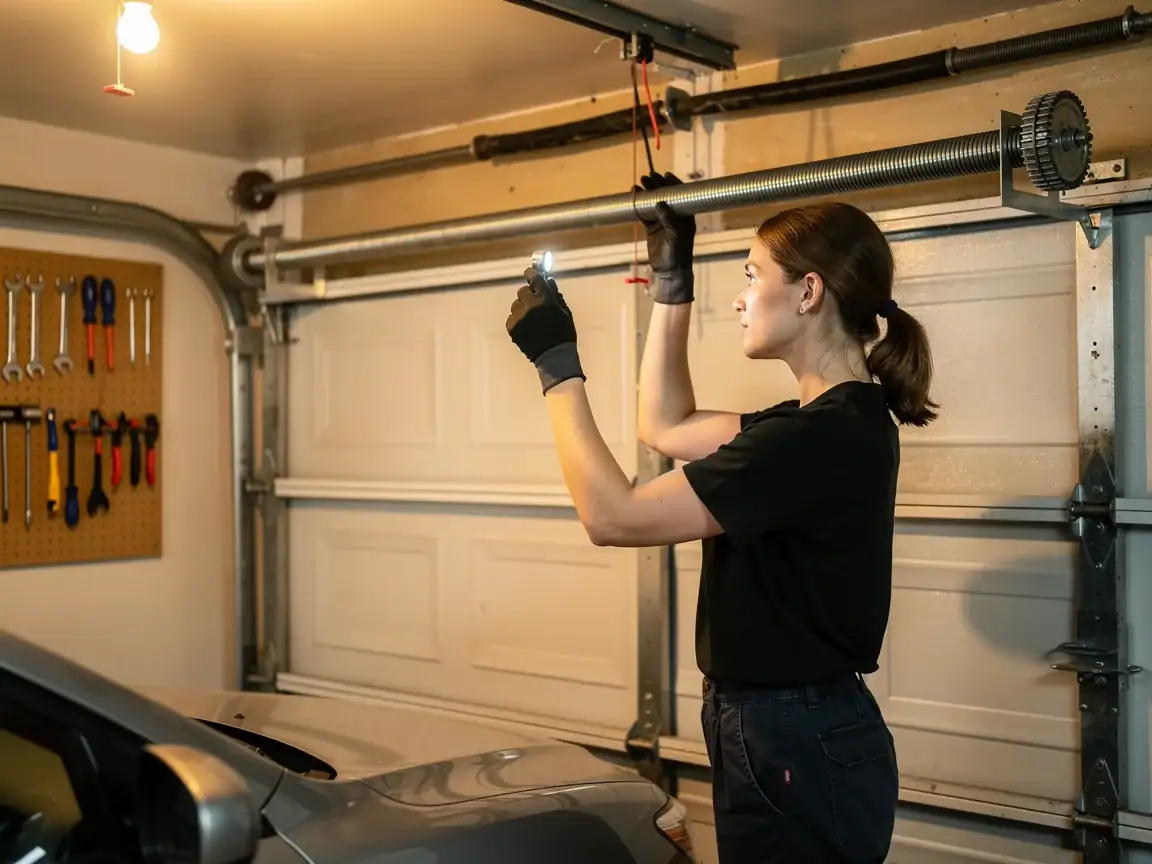
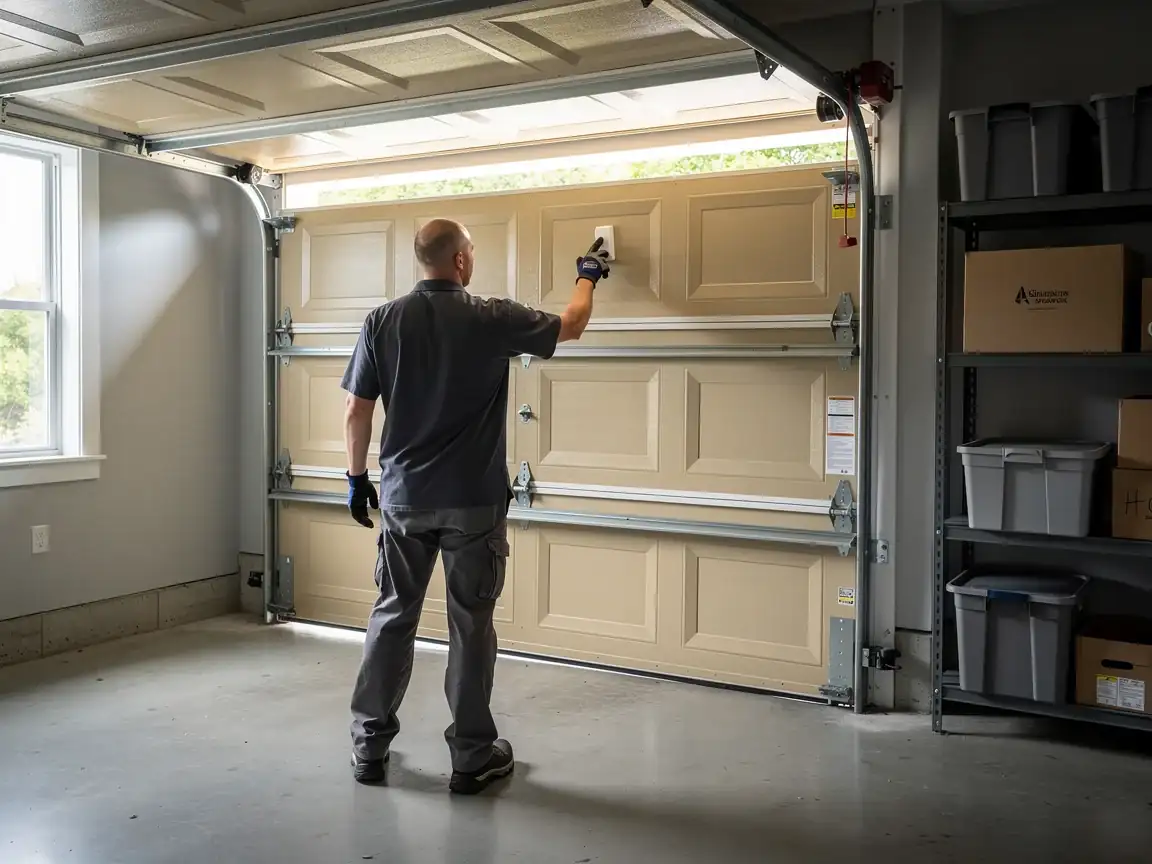
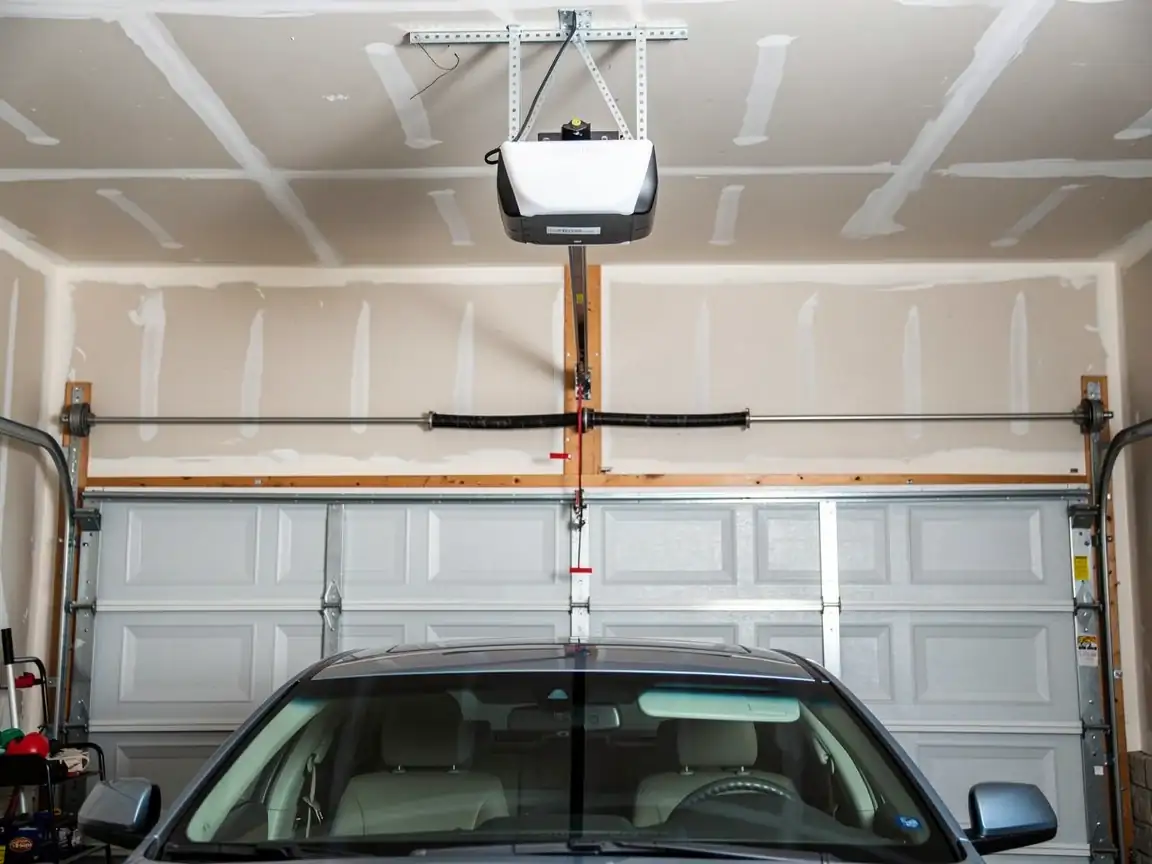
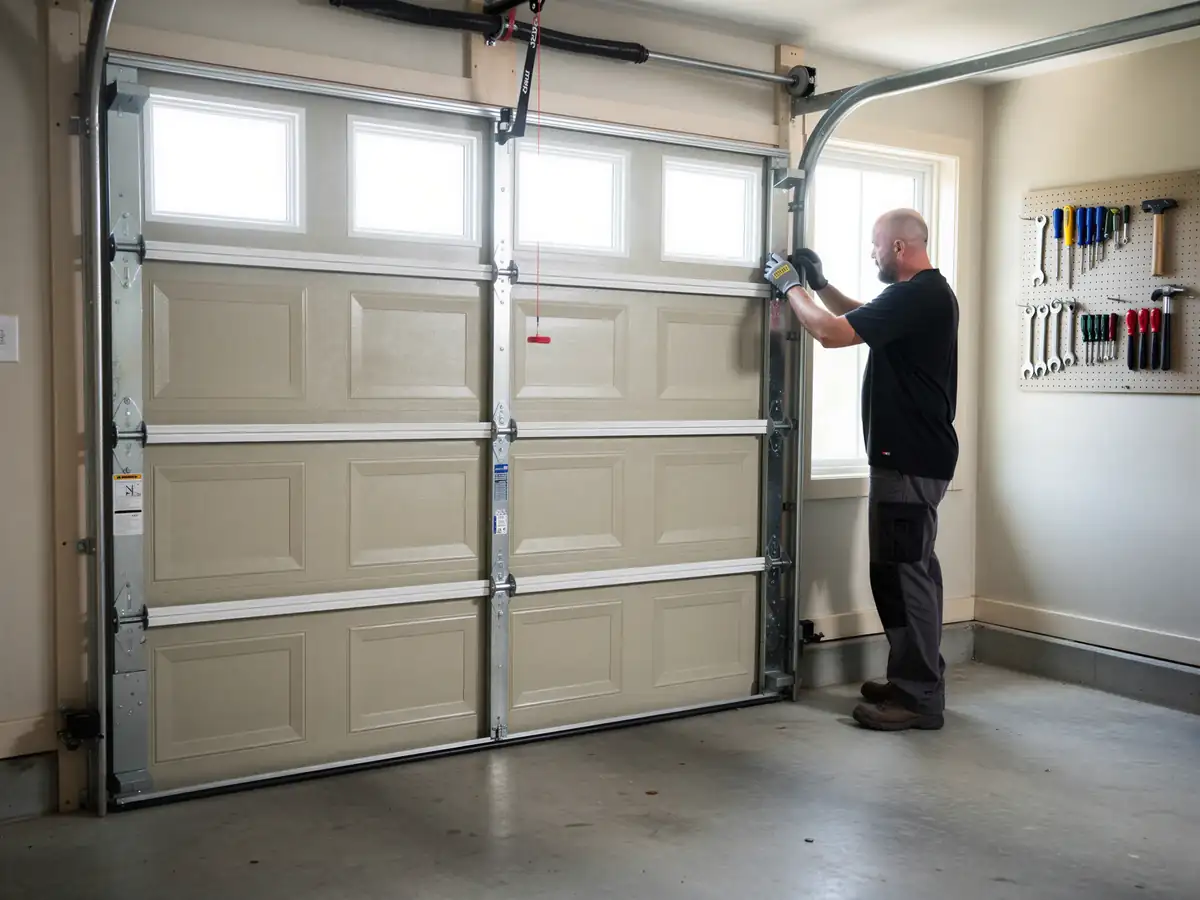
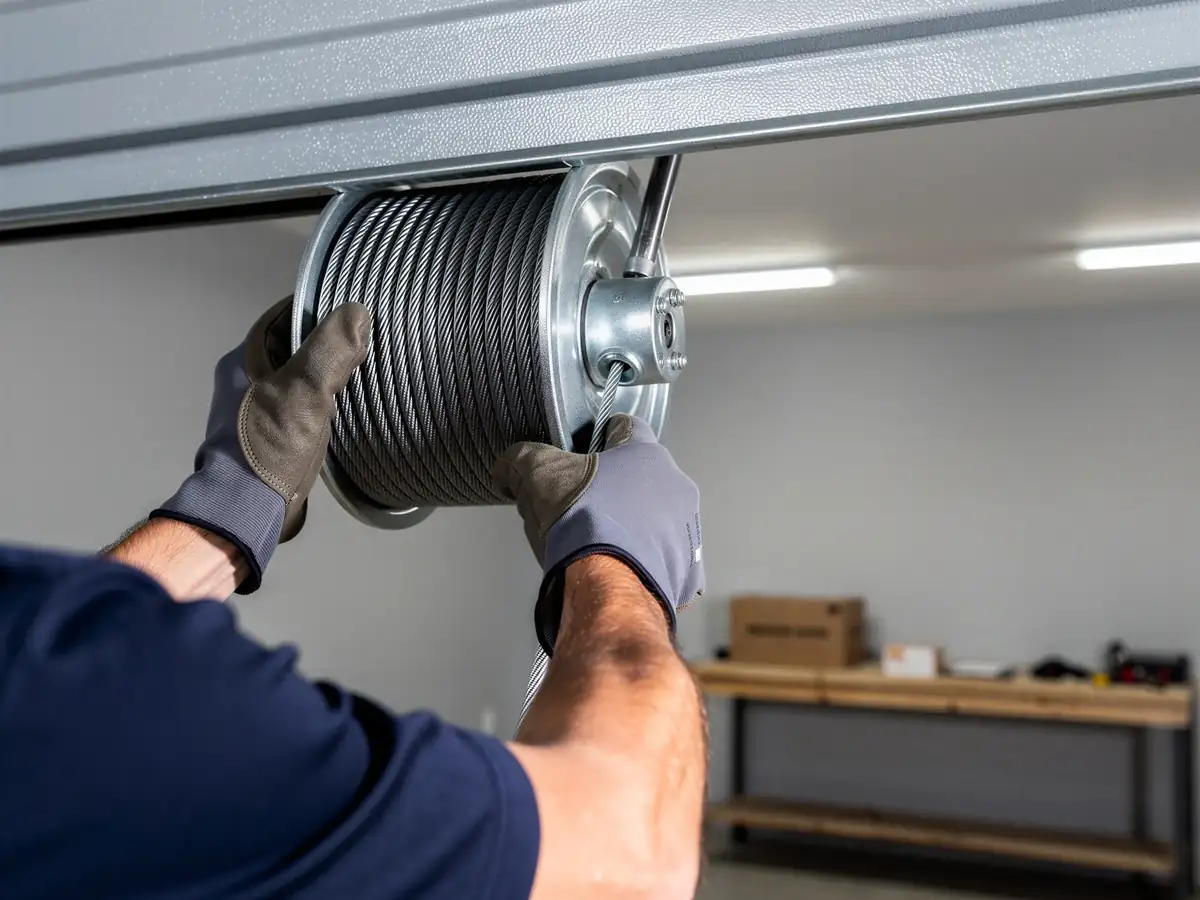
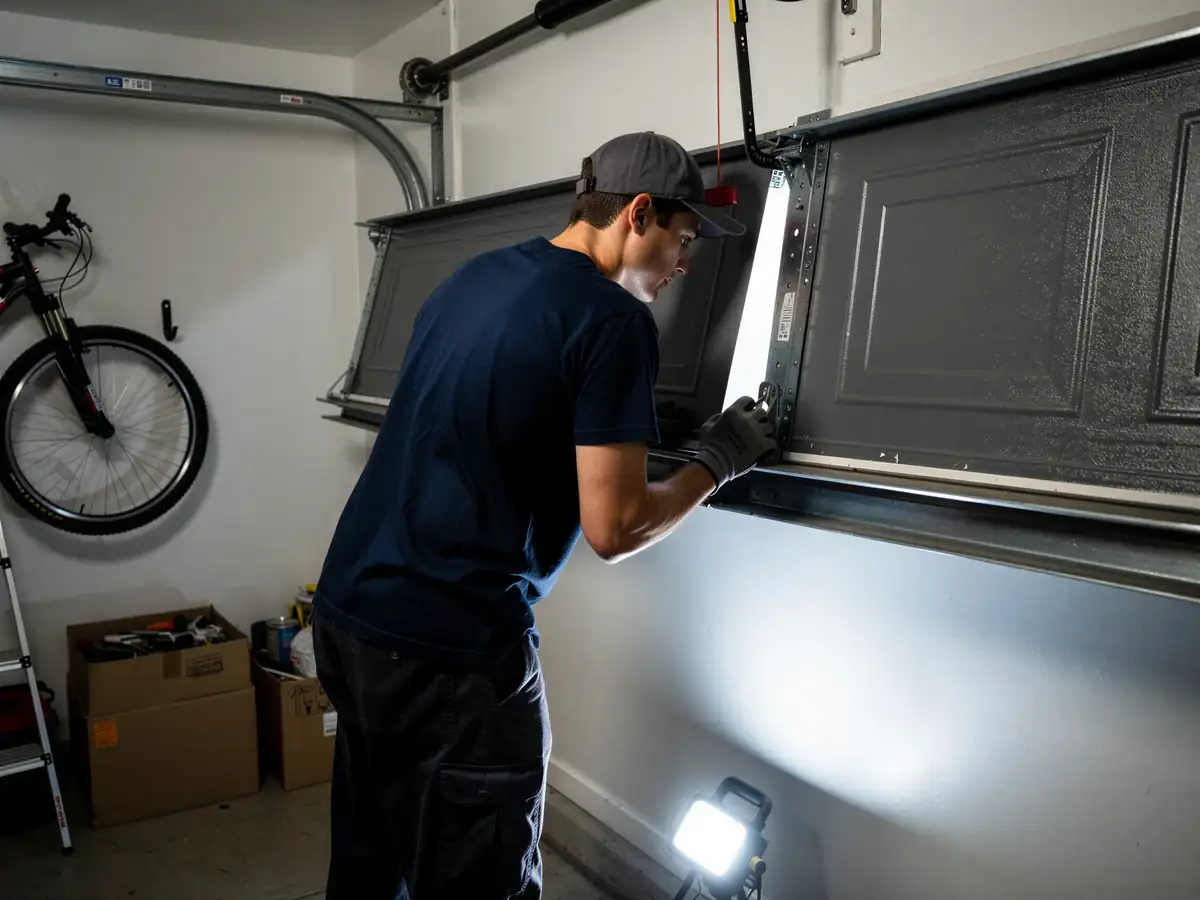
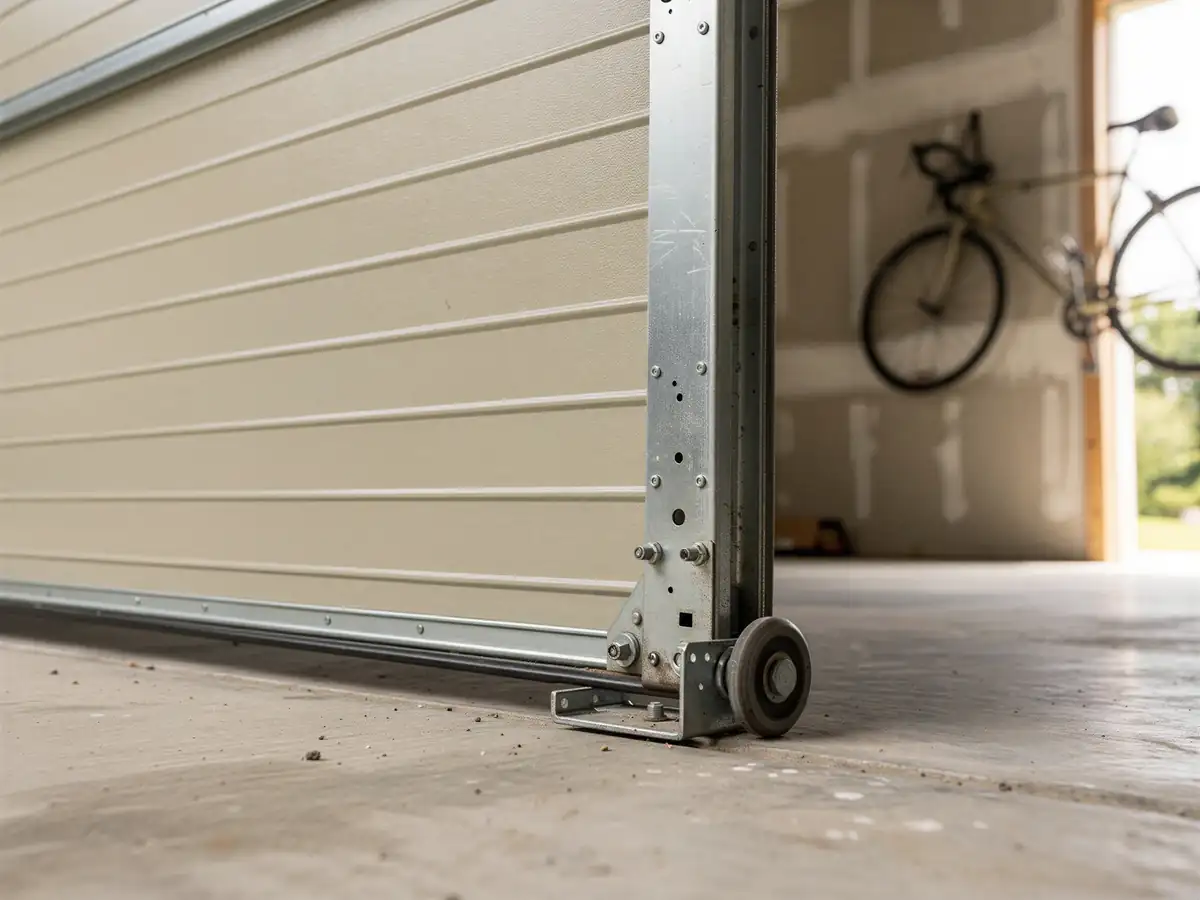
A door that's jumped its track usually means one of three things: a bent track rail, a roller that's cracked or popped out of its channel, or a bottom bracket that's pulled loose from the panel. We check all three before we touch anything, because forcing a door back onto a track that's bent even slightly will just send it off again in a few weeks. Most jobs mean straightening or replacing a section of track, swapping the rollers on that side, and re-squaring the door so it travels evenly on both rails. If the cable jumped off the drum at the same time the spring took the load wrong, we deal with that too - a door that's off-track on one side often means the spring system is out of balance, not just the hardware. We don't force anything back into place without knowing why it came off first. Fixing the symptom and leaving the cause means a second call.
Time on the Job
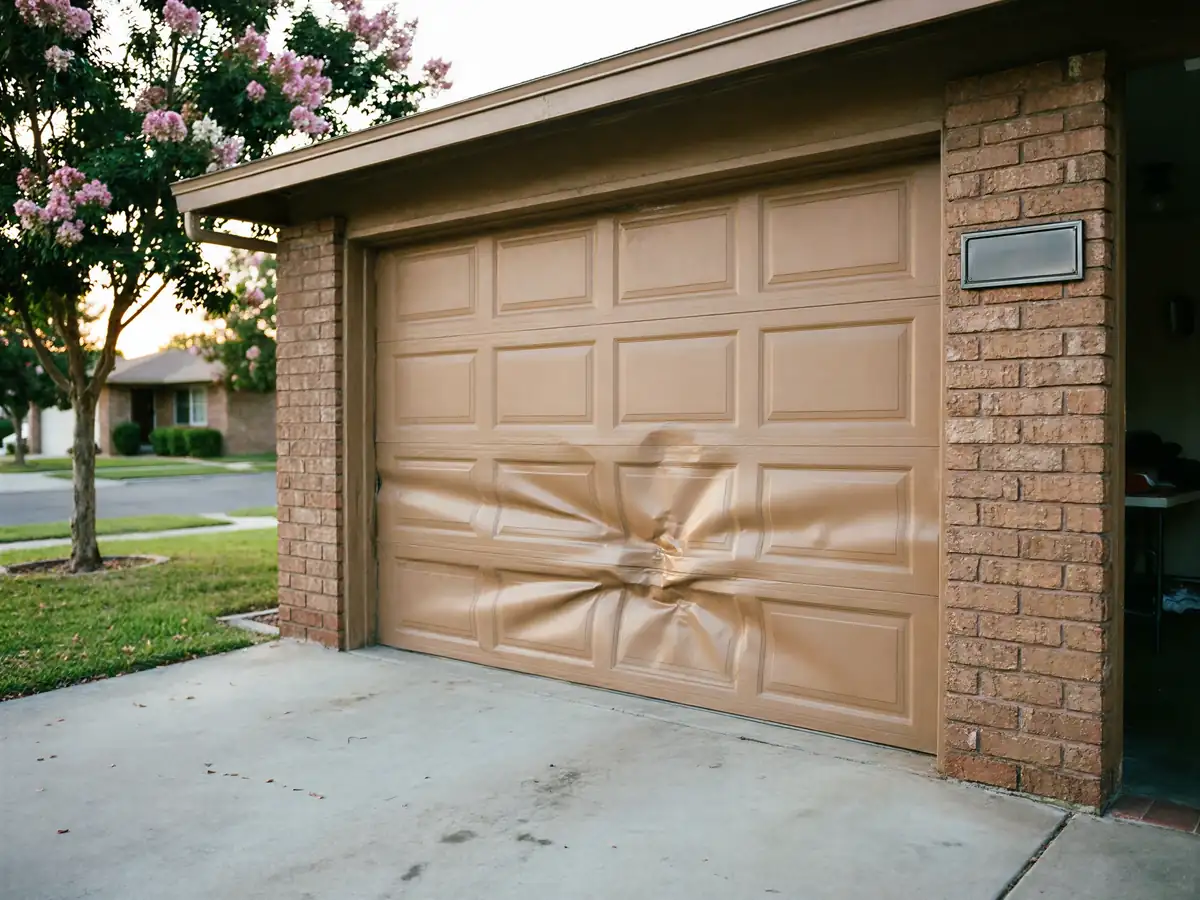
A straightforward off-track fix - rollers and a short section of track, door otherwise sound - is usually finished well within a service call. Where it runs longer is when the track itself needs full replacement on one or both sides, or when the door's been forced hard enough that the panel seam is bent, not just the hardware. We'll tell you up front which kind of job you've got once we've had eyes on it, not after we've started. We don't pad the visit and we don't rush a bent track back into alignment just to call it done faster - a track that's eyeballed straight instead of properly set will come off again.
Stocked Parts
We carry standard rollers, common track sections, and the brackets that fail most often on trucks, so an off-track repair rarely waits on a part. Where we do run into a lead time is older or oddball track profiles - not common given Mustang's housing is mostly a single building era, but it happens on additions, detached garages, or doors that were swapped out once already with mismatched hardware. If that's the case we'll say so on site rather than guess at a fix that won't hold.
Why It Happens Here
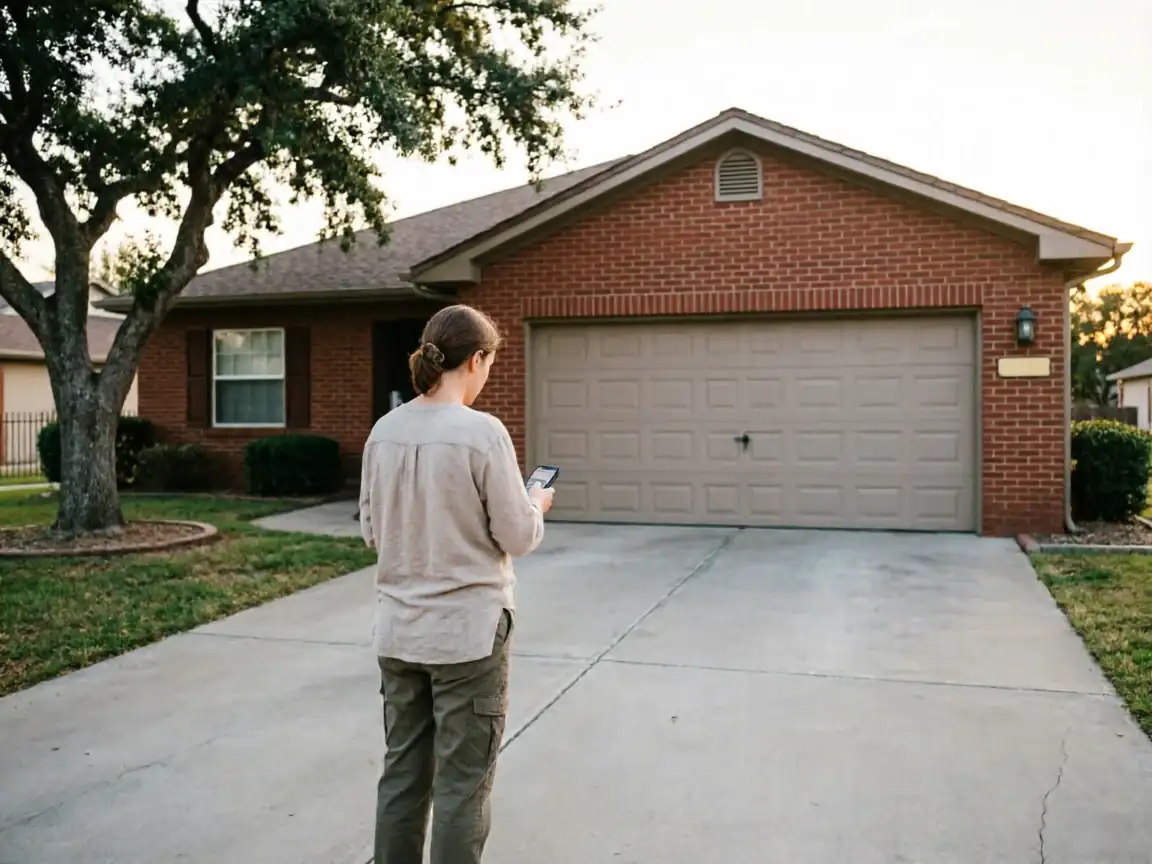
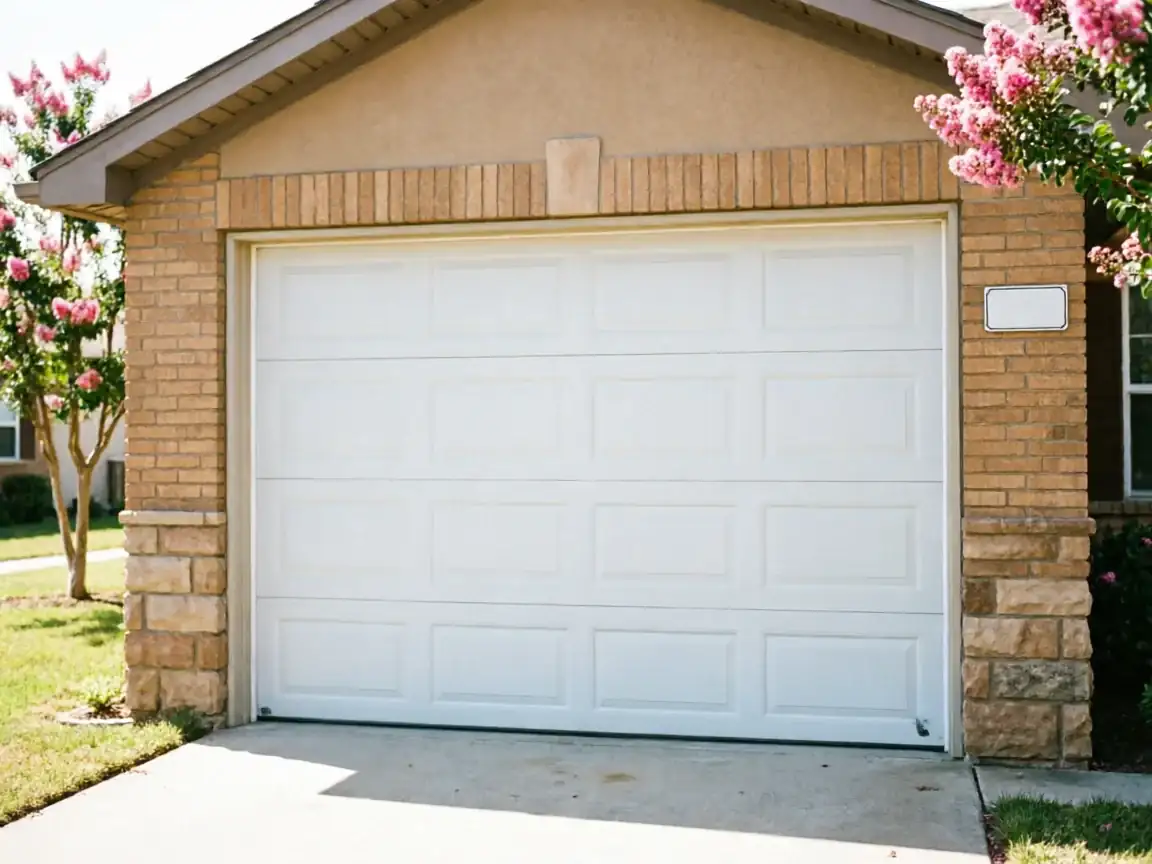
Mustang's housing stock centers on a median build year of 1991, newer than much of the wider Moore service area, where construction runs from 1959 up through the early 2000s. That later build date matters for this specific fault: doors from the early-to-mid 90s were commonly hung on lighter steel track than what's used now, and after thirty-plus years that track has started to loosen at its wall brackets or warp slightly from repeated door cycles. A door on soft or slightly bowed track doesn't need much - a rock in the driveway, a slightly misaligned sensor nudging the door to reverse hard - to pop a roller loose. With roughly 7,653 households in Mustang, most built in that same window, this is a pattern we see repeat across the area rather than a one-off.