What the Repair Takes
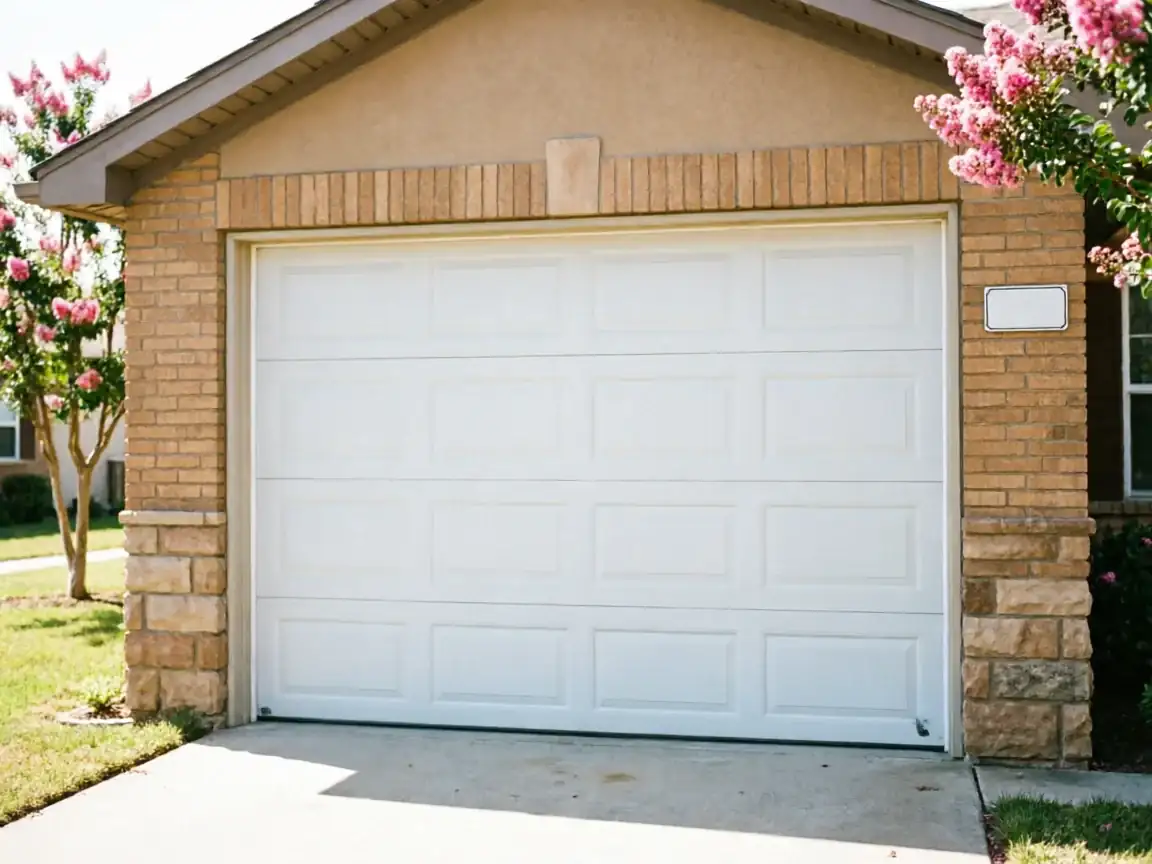
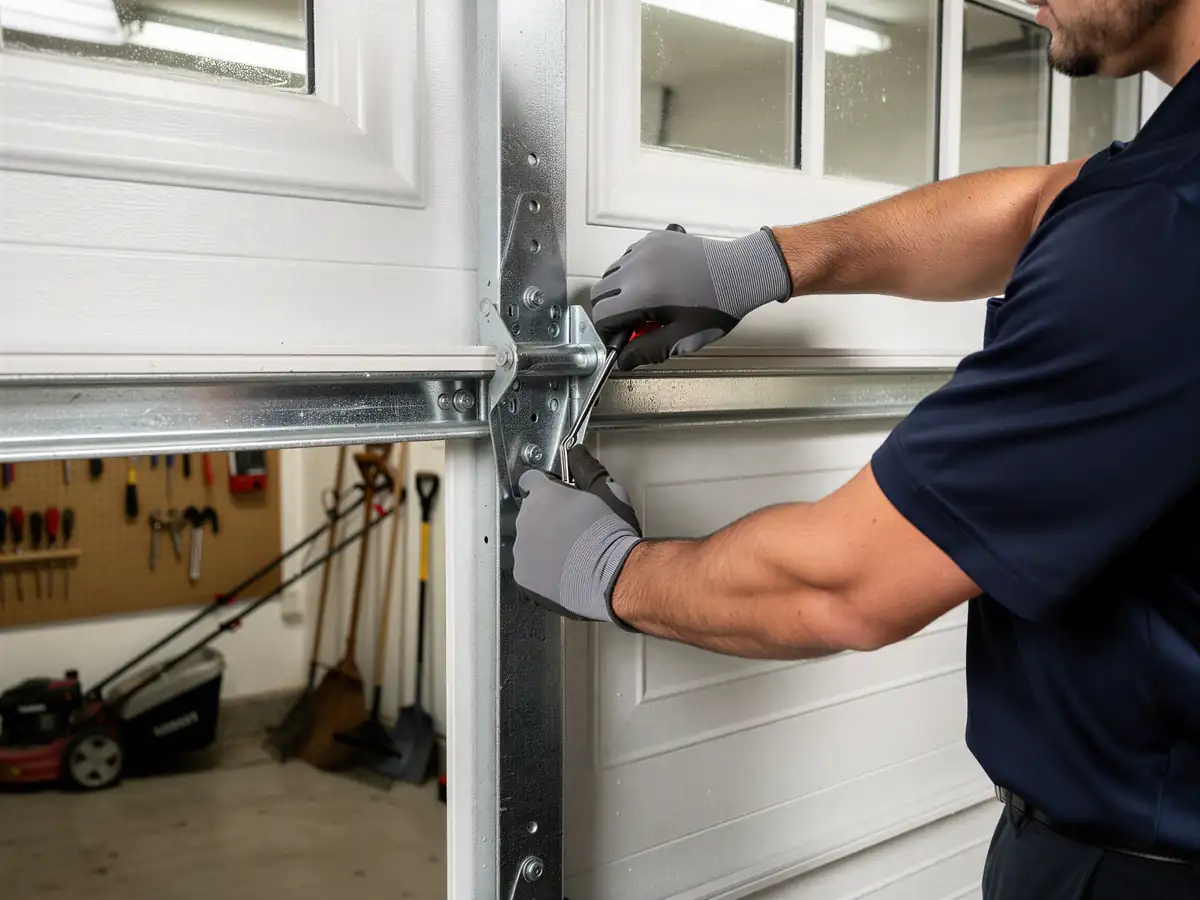
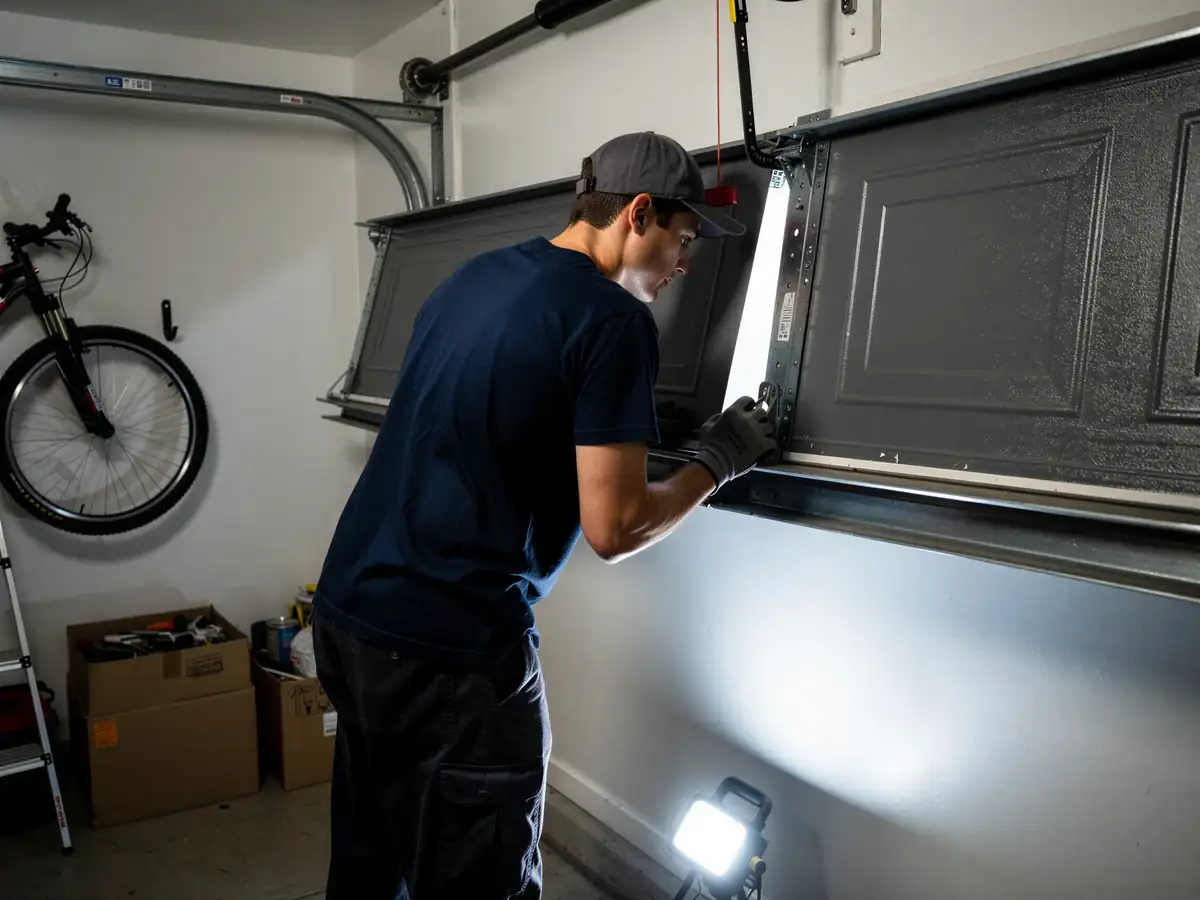
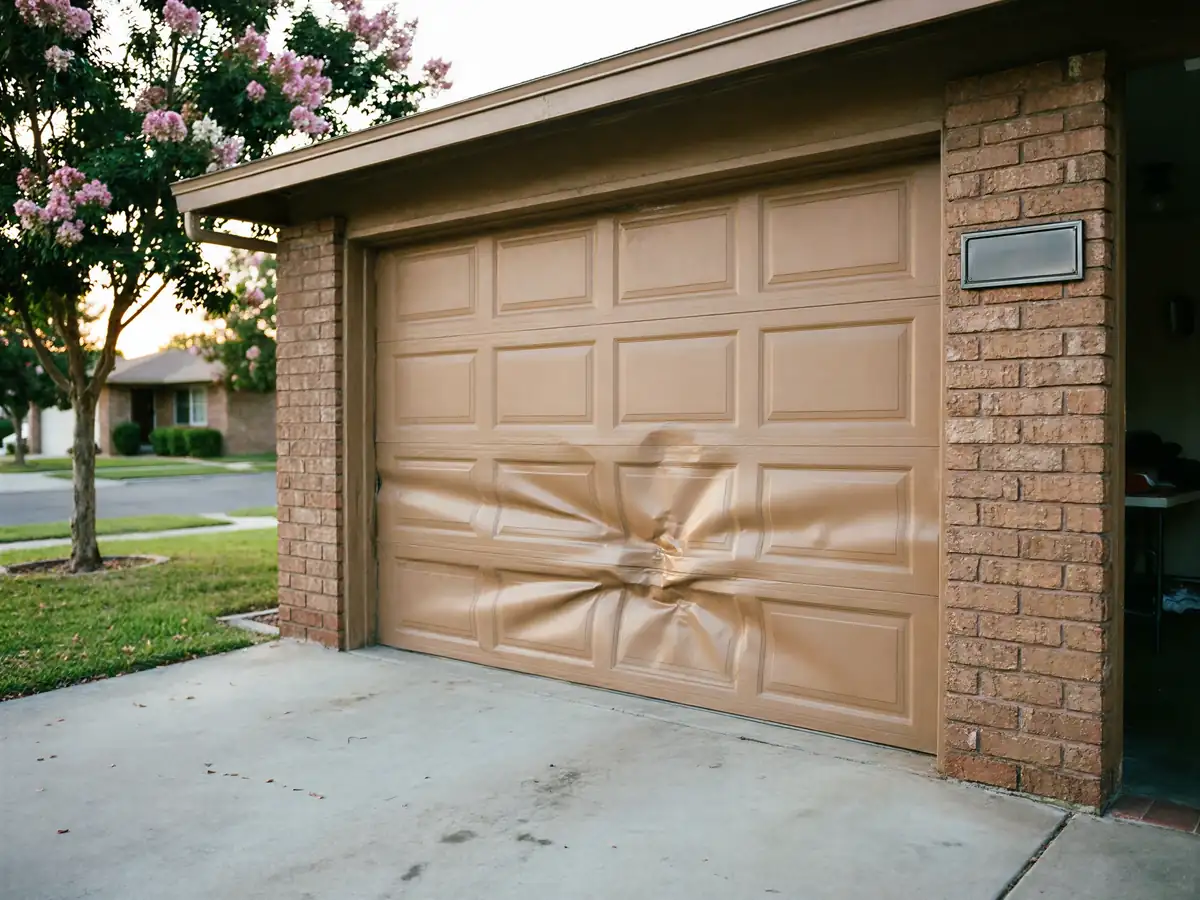
Mustang's median household income runs $88,262, well above the $81,105 figure for the wider service area, and that number matters more than it sounds like it should. At that income level, most homeowners here don't blink at replacing a single damaged panel on a sectional door rather than living with it or swapping the whole unit. The math usually works in your favor: a cracked or caved-in panel on an otherwise sound door, on hardware that isn't past its service life, is a parts-and-labor job, not a full-door job. Where it stops making sense is when the panel damage is on a door old enough that the matching panel profile is discontinued, or when the springs and rollers are already near the end of their run. We'll tell you straight if you're better off putting the money toward a new door instead of chasing a panel that costs nearly as much to source and fit. That's not an upsell - it's the same math working the other direction.
Time on the Job
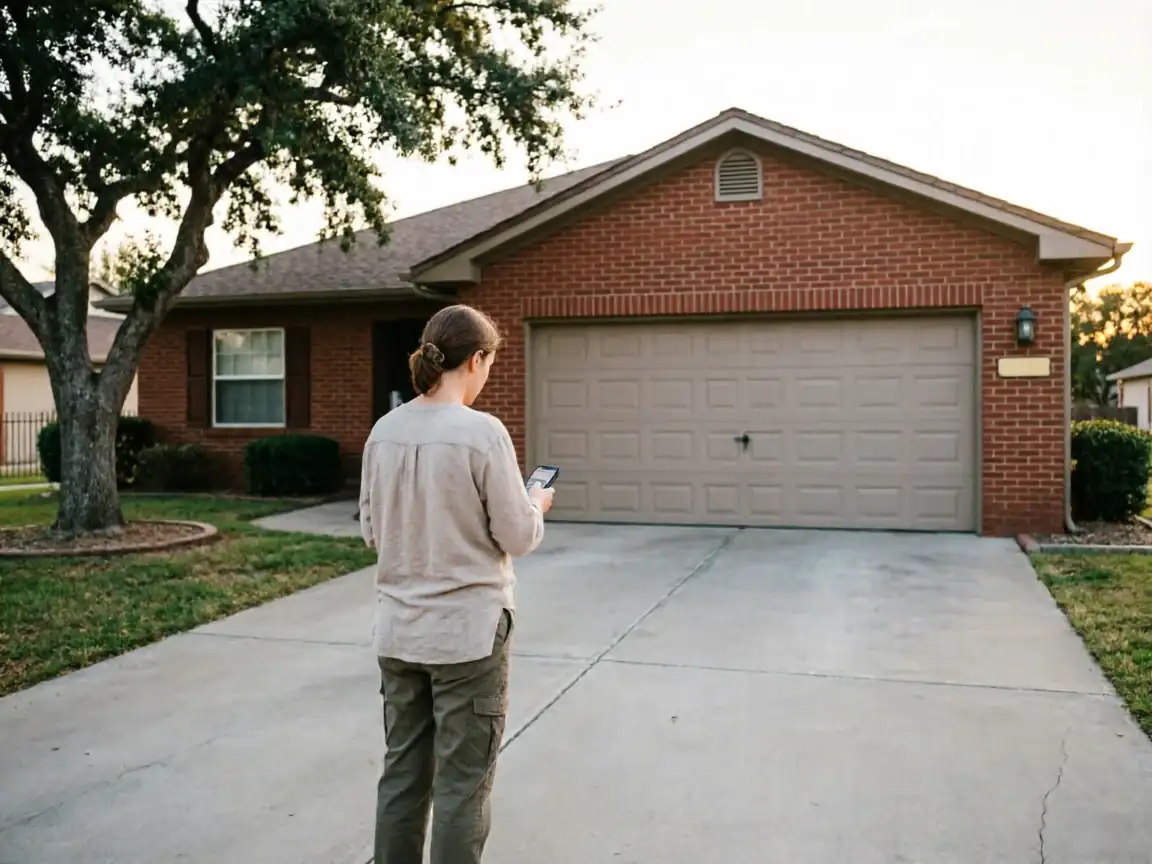
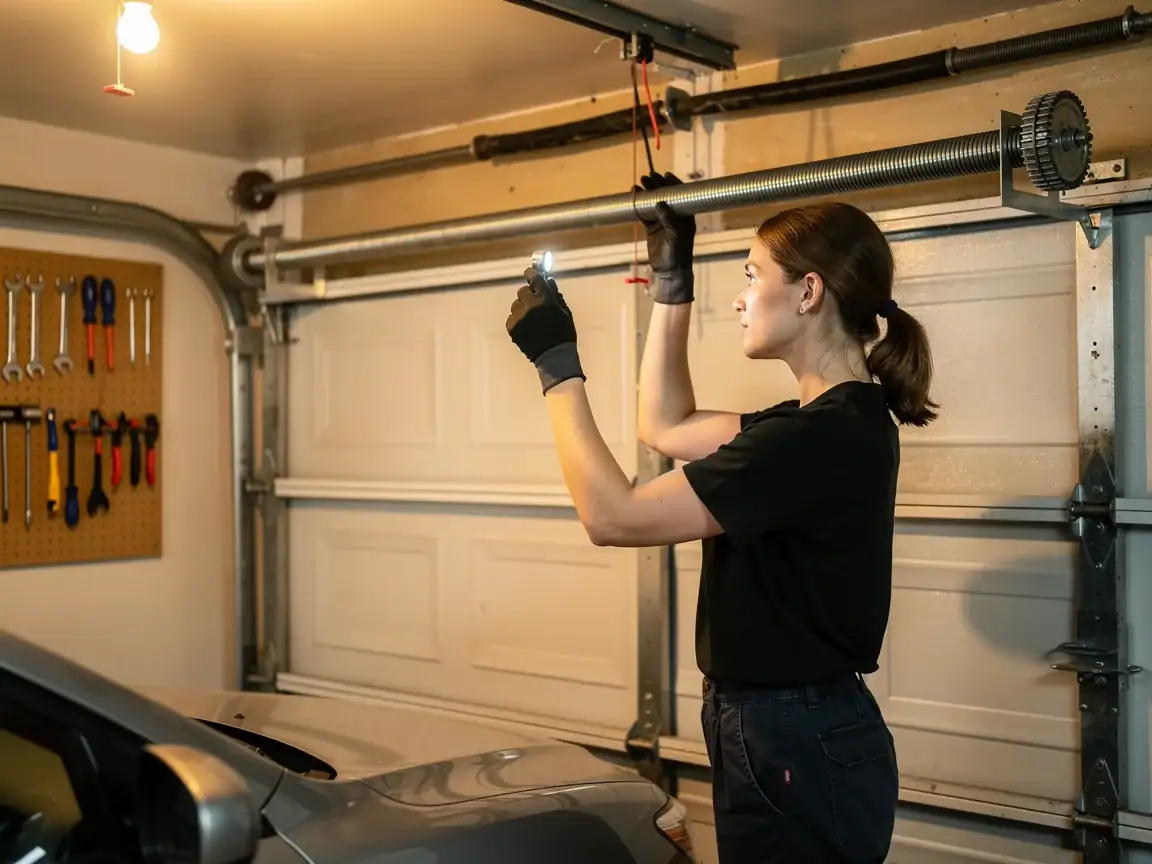
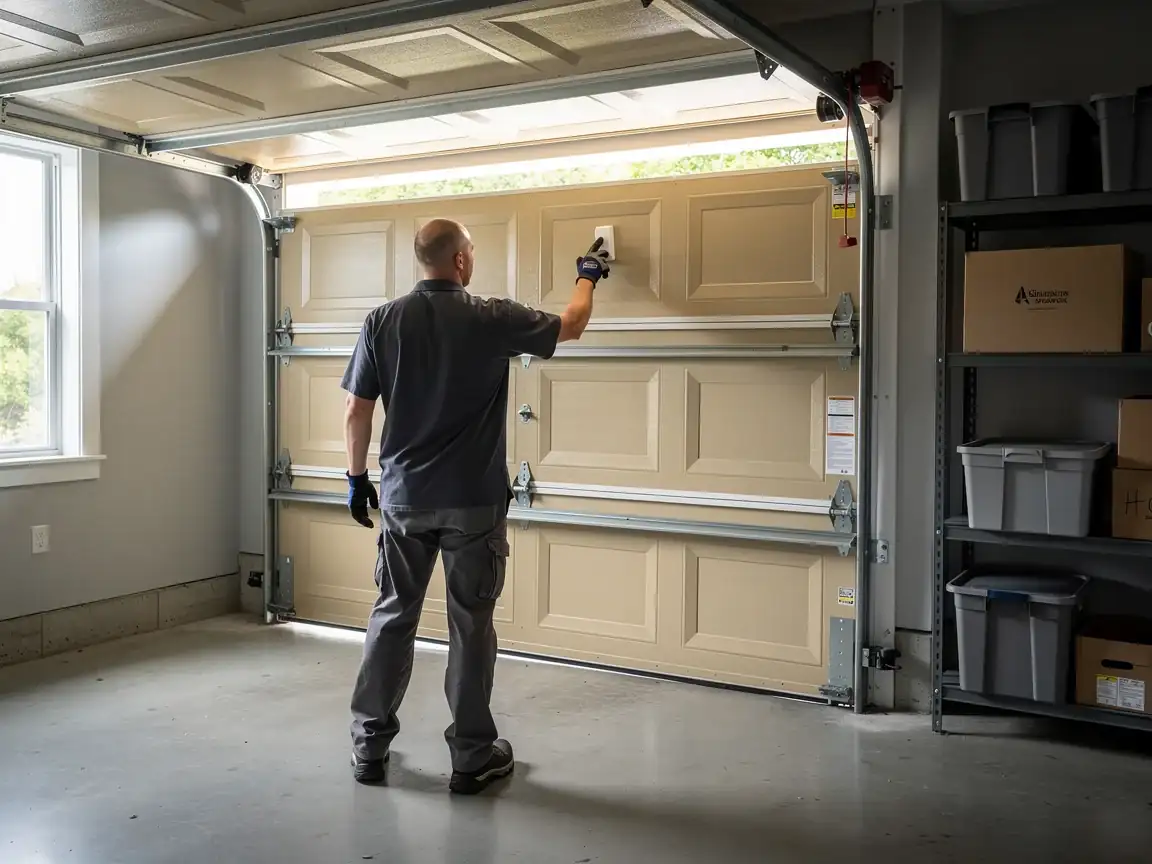
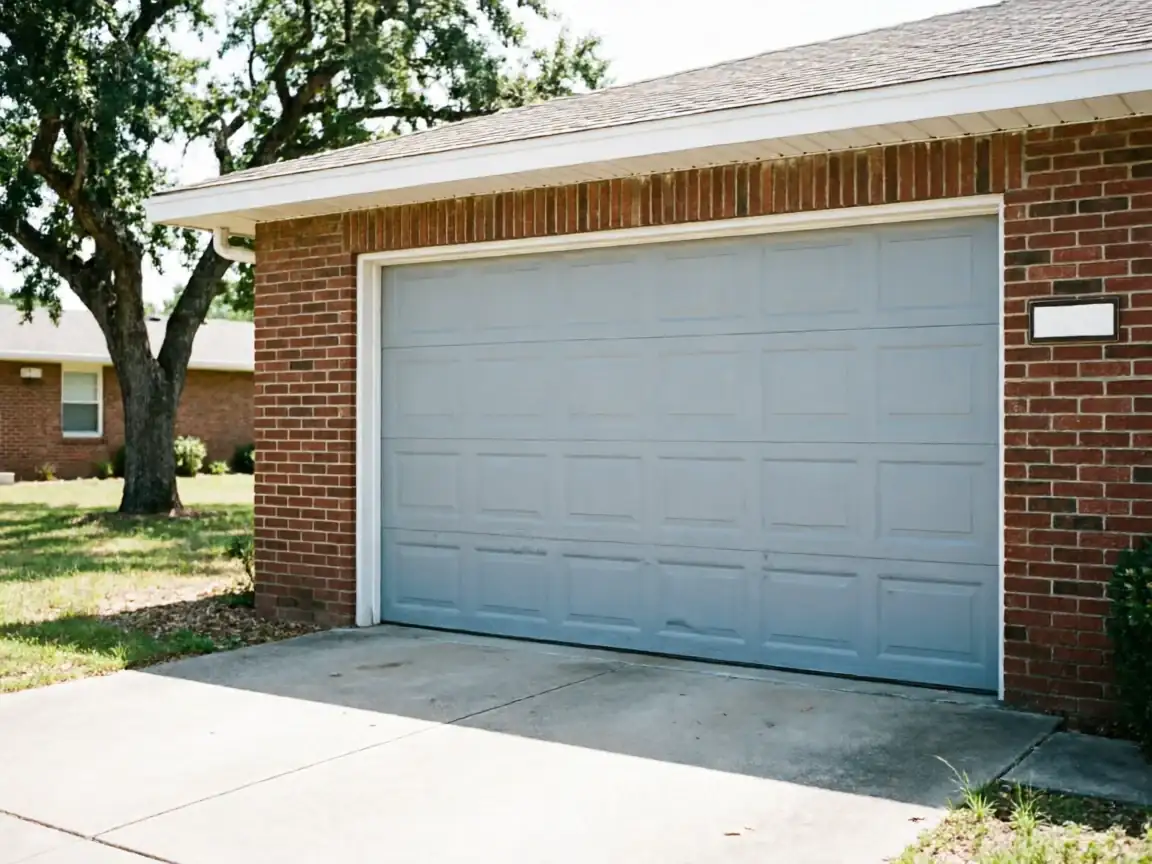
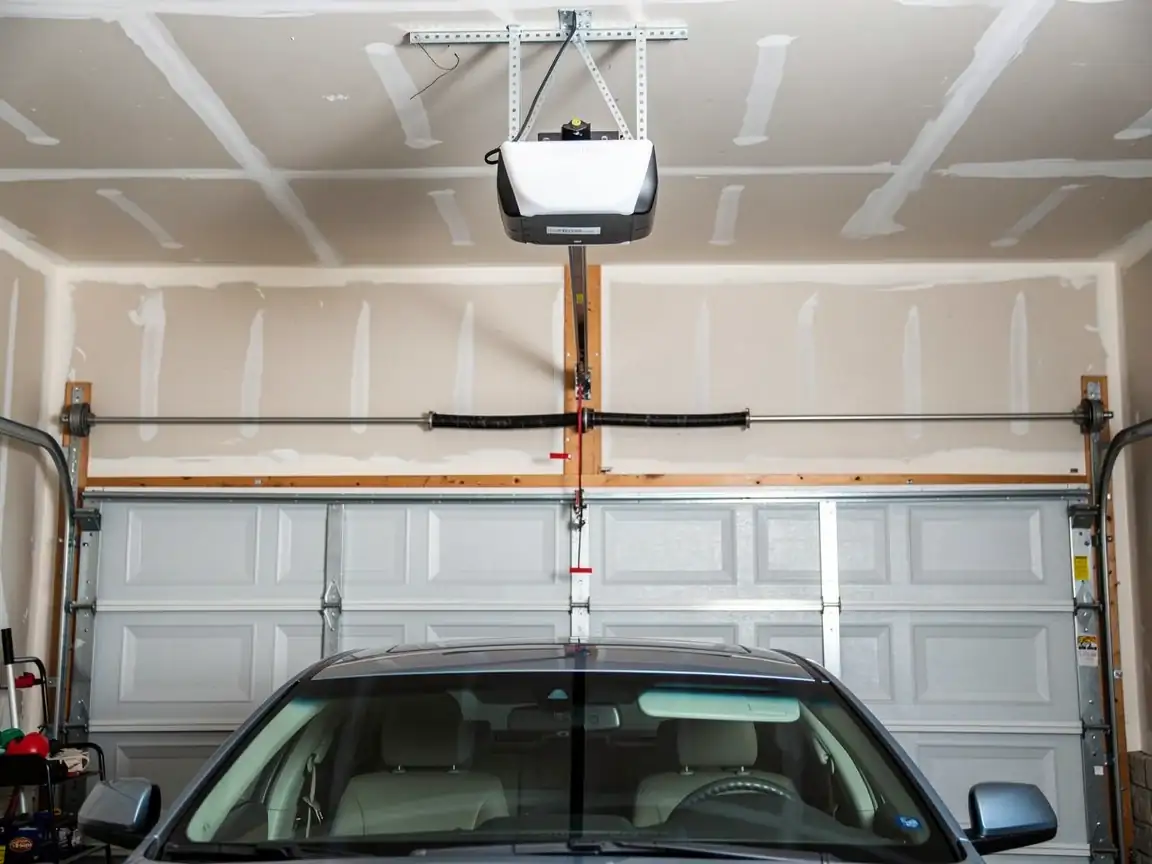
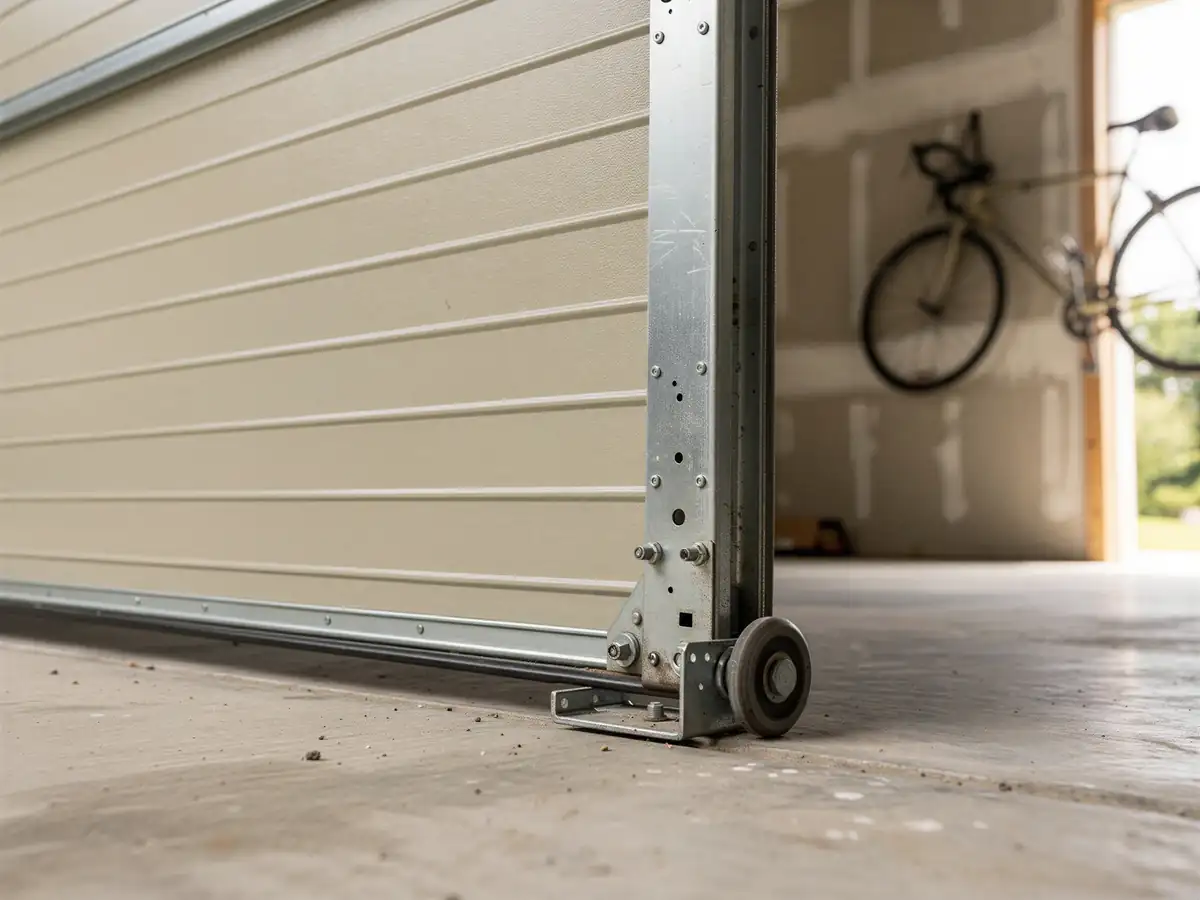
Most of Mustang's housing stock went up around 1991, per local building records, which puts a lot of doors here on steel sectional panels with roller hardware from the 1990s builder-grade production runs. That generation of door is old enough that cosmetic damage - a dent from a trailer hitch, a cracked panel from hail, a bowed section from a car backing in slow - is common, but new enough that panel profiles are usually still matched. A straightforward single-panel swap on a door from that era is typically a same-visit job once we've confirmed the match. Where it runs long is when the track has to come off to seat the new panel square, or when the opener has to be recalibrated afterward because the door's travel limits shifted with the new weight distribution. We'll scope that before we start, not after.
Stocked Parts
We carry common panel profiles and replacement sections for the door styles that showed up across builder developments from the 1980s and 90s, which covers a good share of what's on Mustang garages given the 1991 median build year. What we don't carry on the truck is a match for every discontinued color or embossing pattern a specific manufacturer ran twenty-some years ago - some of that has to be special-ordered, and that can add lead time before the install date rather than the visit itself. If your door is from that era and the panel style has gone out of production entirely, we'll walk you through the options: a close visual match, a mismatched spare panel until a full door swap makes sense, or moving the conversation to replacement. We won't pretend a part is in stock when it isn't.
Why It Happens Here
With close to 7,653 households in Mustang built out mostly in that late-1980s-through-1990s window, a lot of garages share the same vintage of door and the same failure pattern: steel panels thin enough to dent from a backed-in bumper or a wind-thrown branch, but hardware solid enough that full replacement usually isn't warranted yet. The area sits in a cold-moderate climate band, so temperature swings aren't the main driver of panel failure here the way they might be somewhere with harsher freeze-thaw cycling - impact damage and age-related fatigue in the steel are more often what brings us out. Combine that with an income level where homeowners tend to fix the cosmetic issue rather than let it slide, and panel replacement turns up more often here than full-door jobs.