Can You Do This Yourself
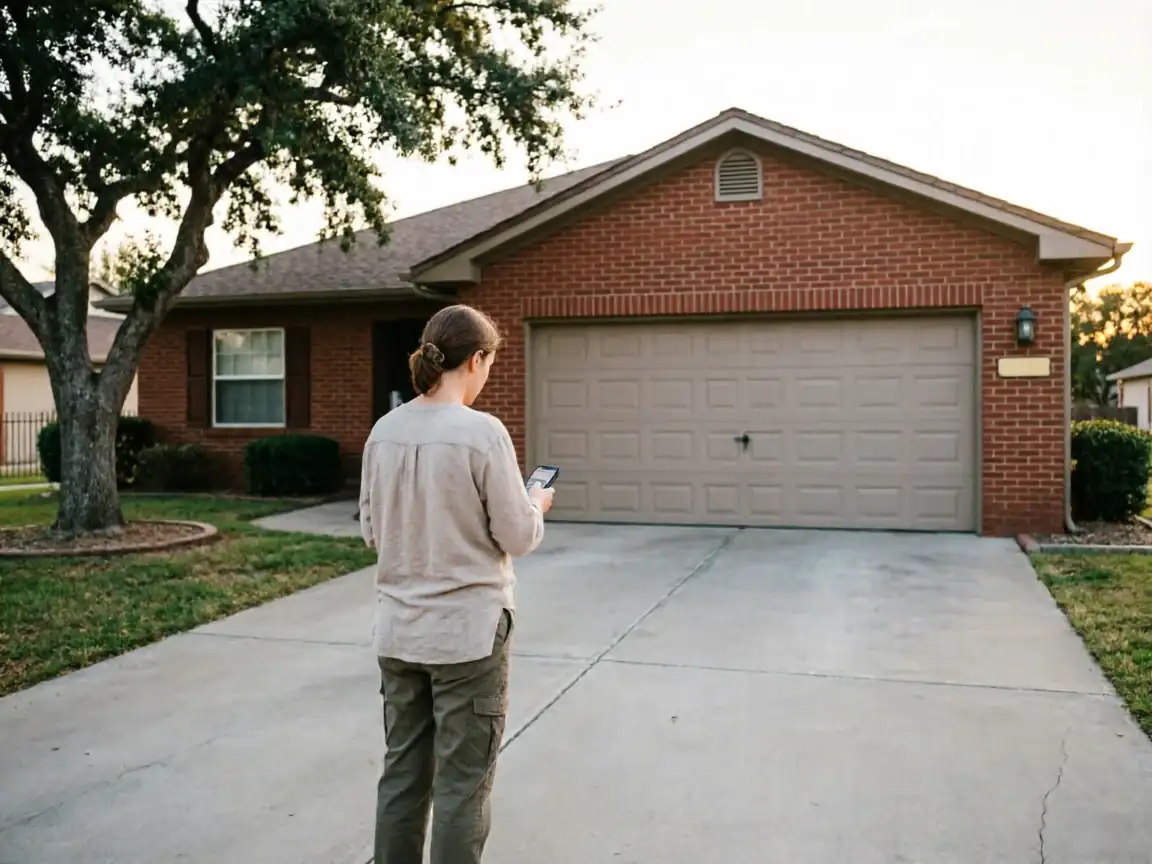
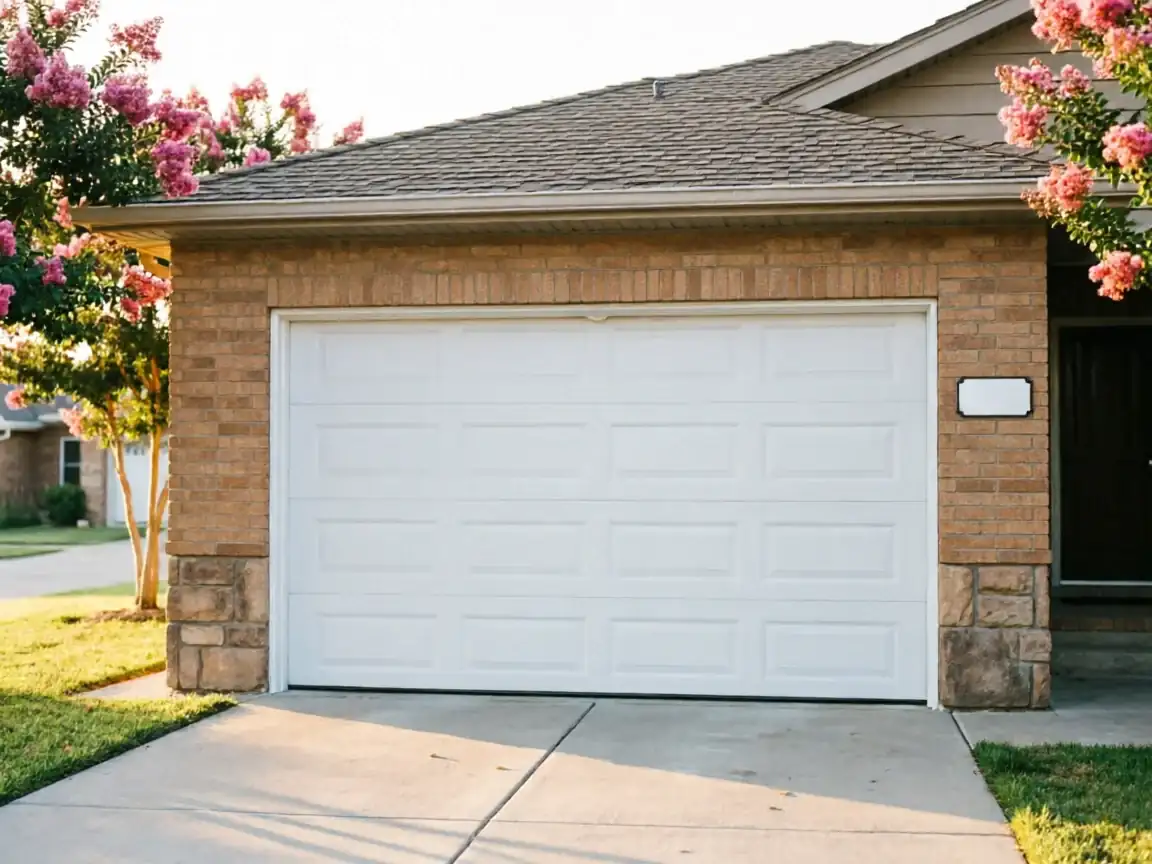
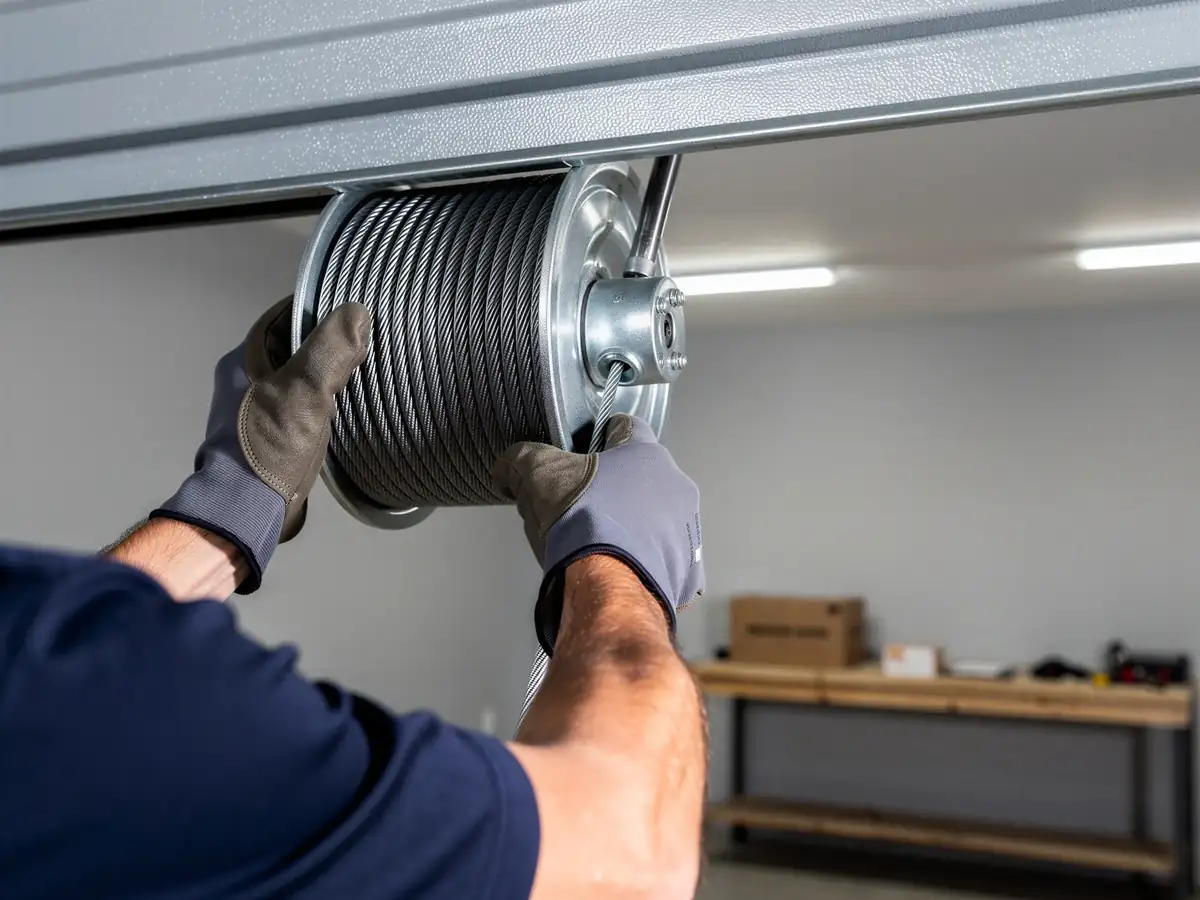
Most houses in Newcastle went up around 2002, which puts the garage door hardware in a different place than you'll find on the older side of Moore's service area. A door that age still has its factory-installed cables in most cases - galvanized aircraft cable rated for maybe 10,000 cycles, and twenty-plus years of opening and closing has used a lot of that up. Original doesn't mean original parts are still safe; it means nobody's touched the drum, the cable, or the bottom bracket since the house was framed.
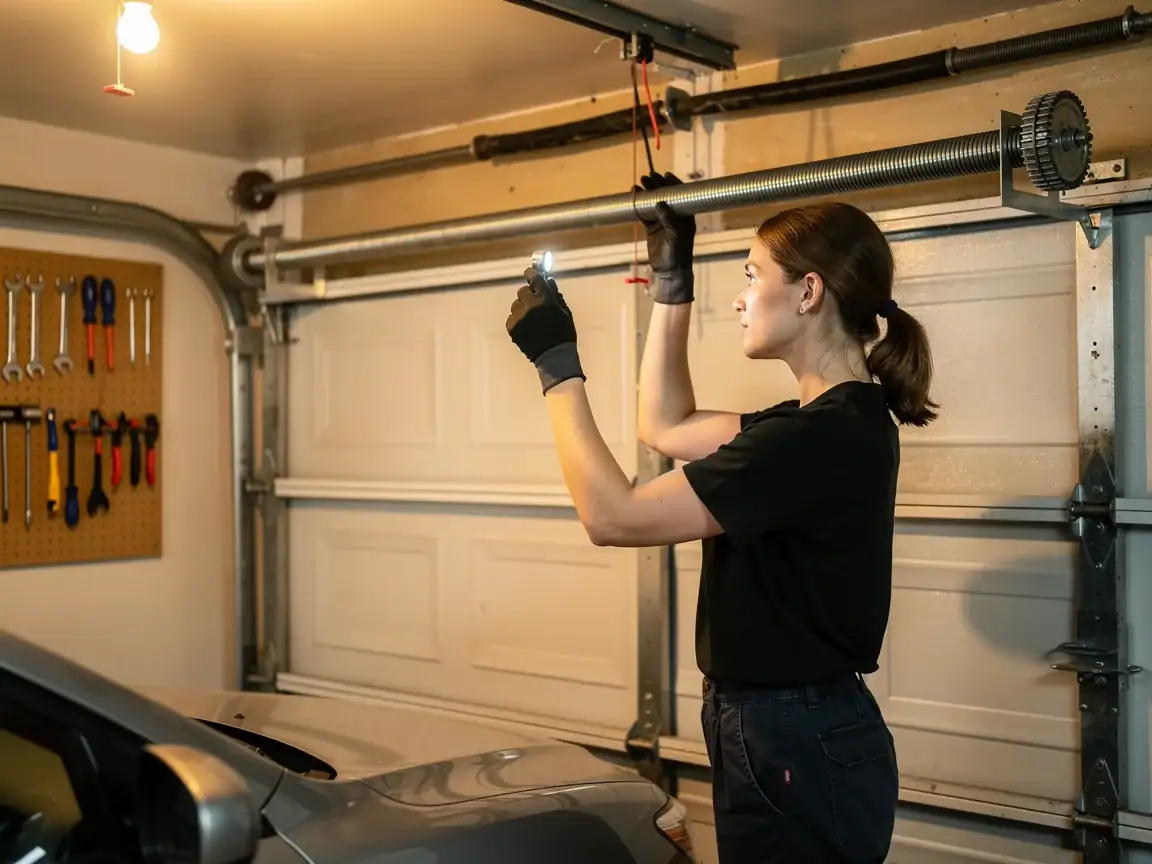
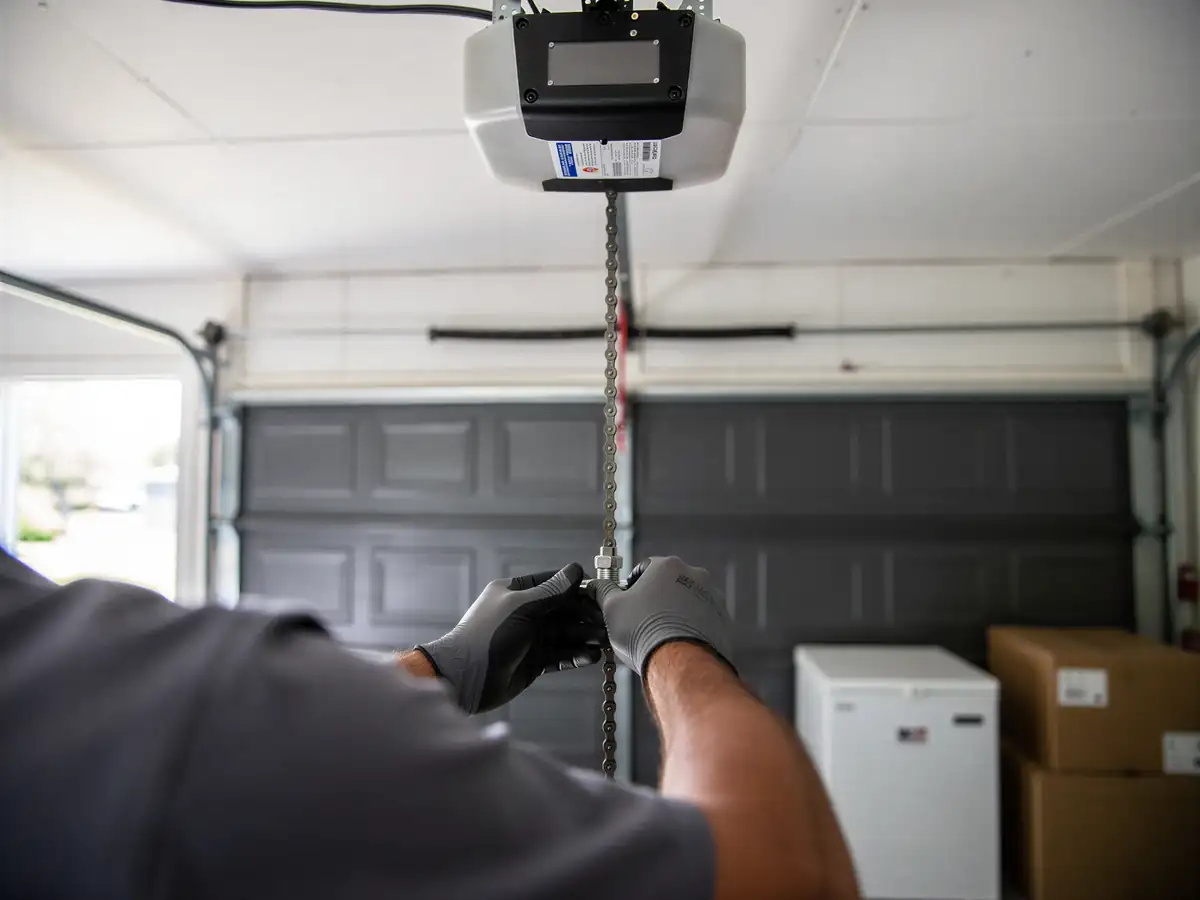
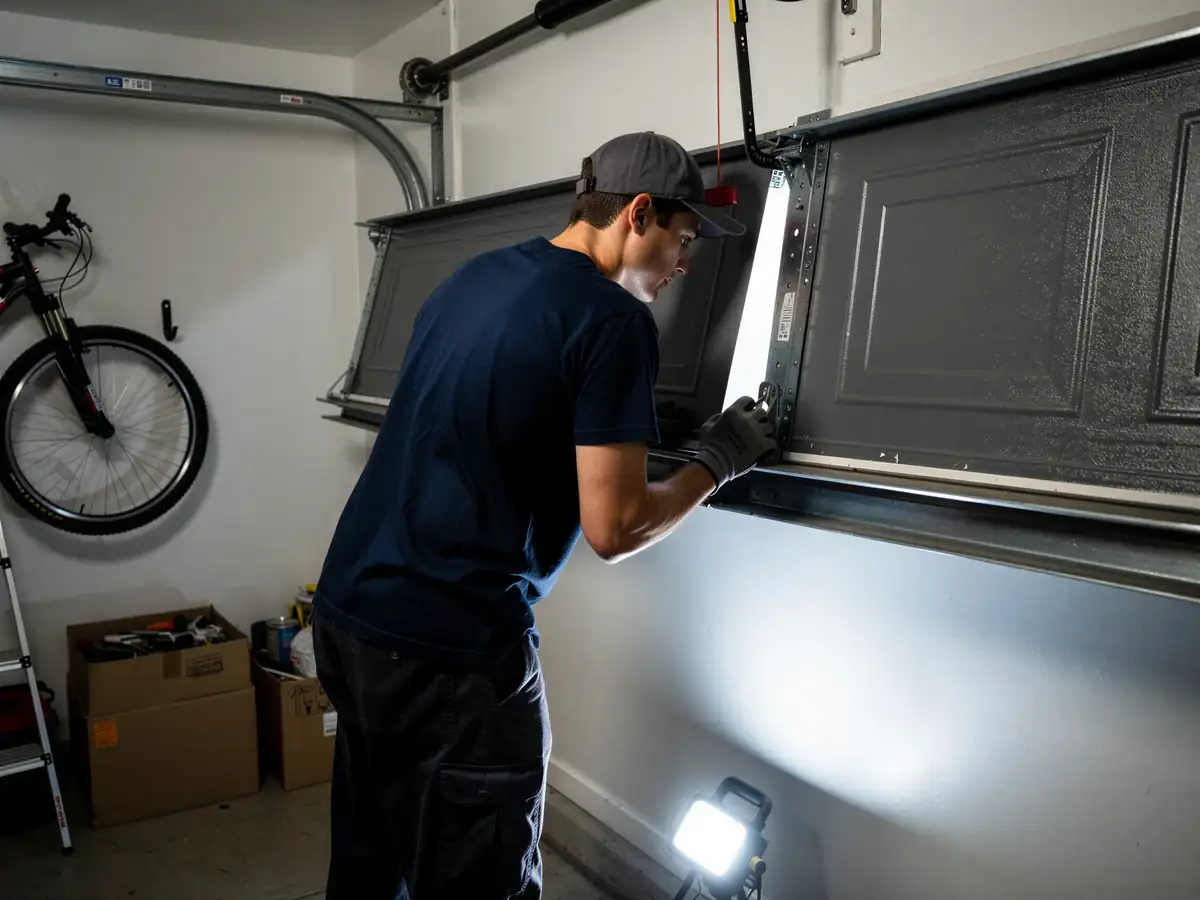
A frayed cable on a torsion system is not a DIY fix. The spring on the other end of that drum is still under full tension even with the door down, and pulling a bracket loose while a cable is partially snapped is how people lose fingers, not fix doors. If a cable has popped off the drum but isn't broken and the door is down and staying down, you can leave it alone and call it in - that part's fine to wait on. If a cable is frayed and the door is still moving, stop using the door. That's the line where self-service ends.
How It Shows Up
On a 2002-built house, the cable itself is usually the first thing to go before the spring does, which is different from what we see on older stock elsewhere in the service area. Twenty years of cold-weather cycling in this part of Oklahoma hardens galvanized cable and makes it brittle at the drum end, where it bends sharpest every single cycle.
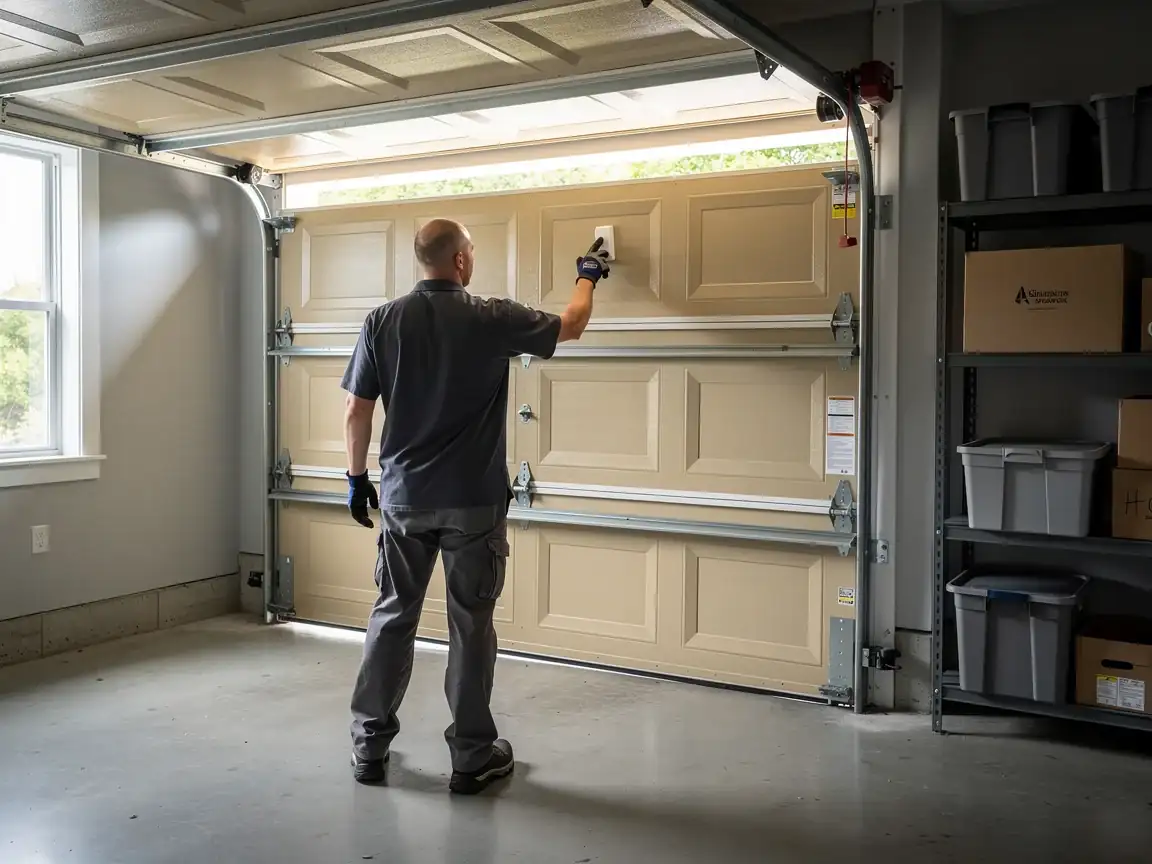
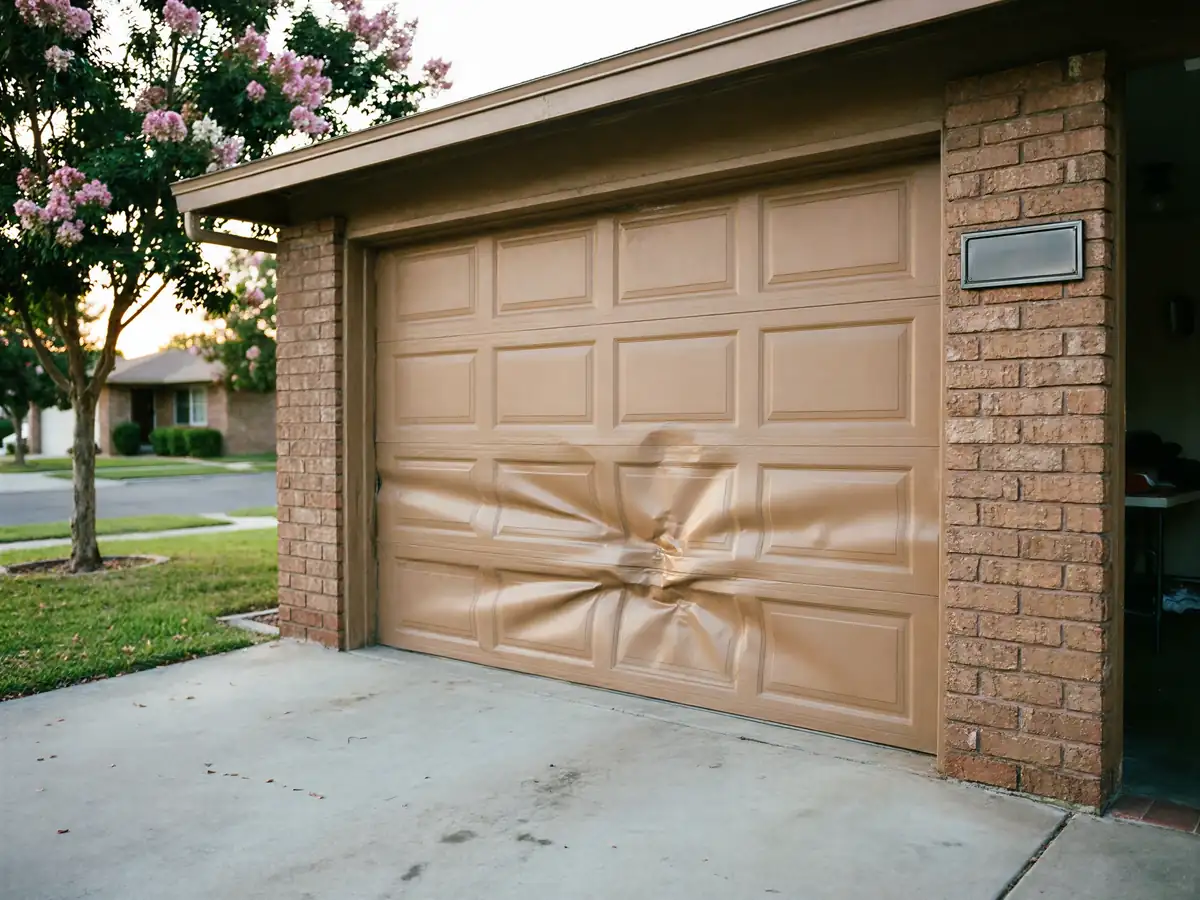
What you'll notice: the door starts racking to one side as it closes, like one corner is dragging. Or you'll hear a popping or snapping sound right before the door won't open at all. Sometimes it's quieter than that - a cable just slips off the bottom bracket and the door sits crooked in the opening, still attached but hanging wrong. None of these fix themselves, and running the opener against a compromised cable usually takes the bracket or the track with it, which turns a cable job into a bigger one.
Where This Job Goes Sideways
The complication on a build-year-2002 door isn't rust through the cable
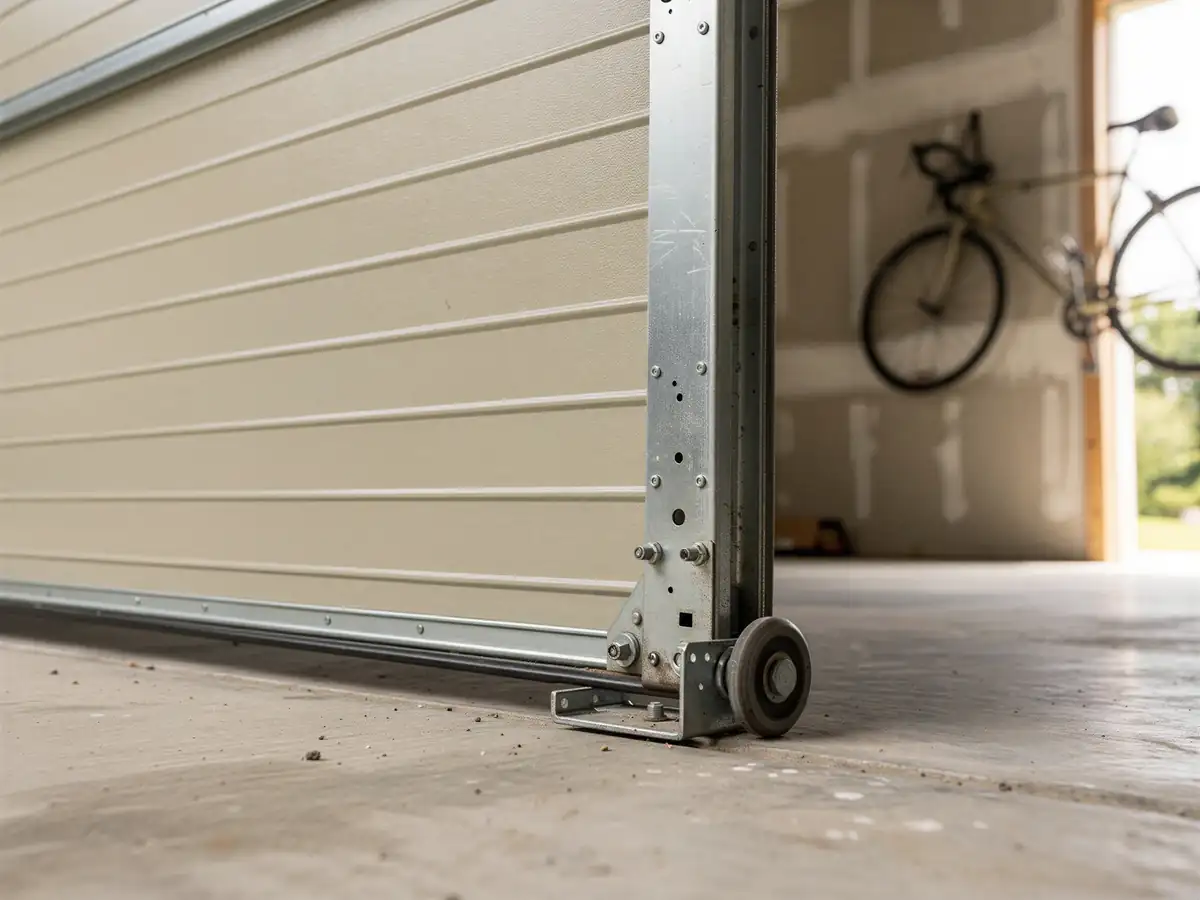
This area's housing stock isn't old enough for the kind of corrosion that shows up on 1960s and 70s doors elsewhere in Moore's territory. It's usually a bent bottom bracket, caused by the door dropping hard or running crooked for a while before anyone called about it.
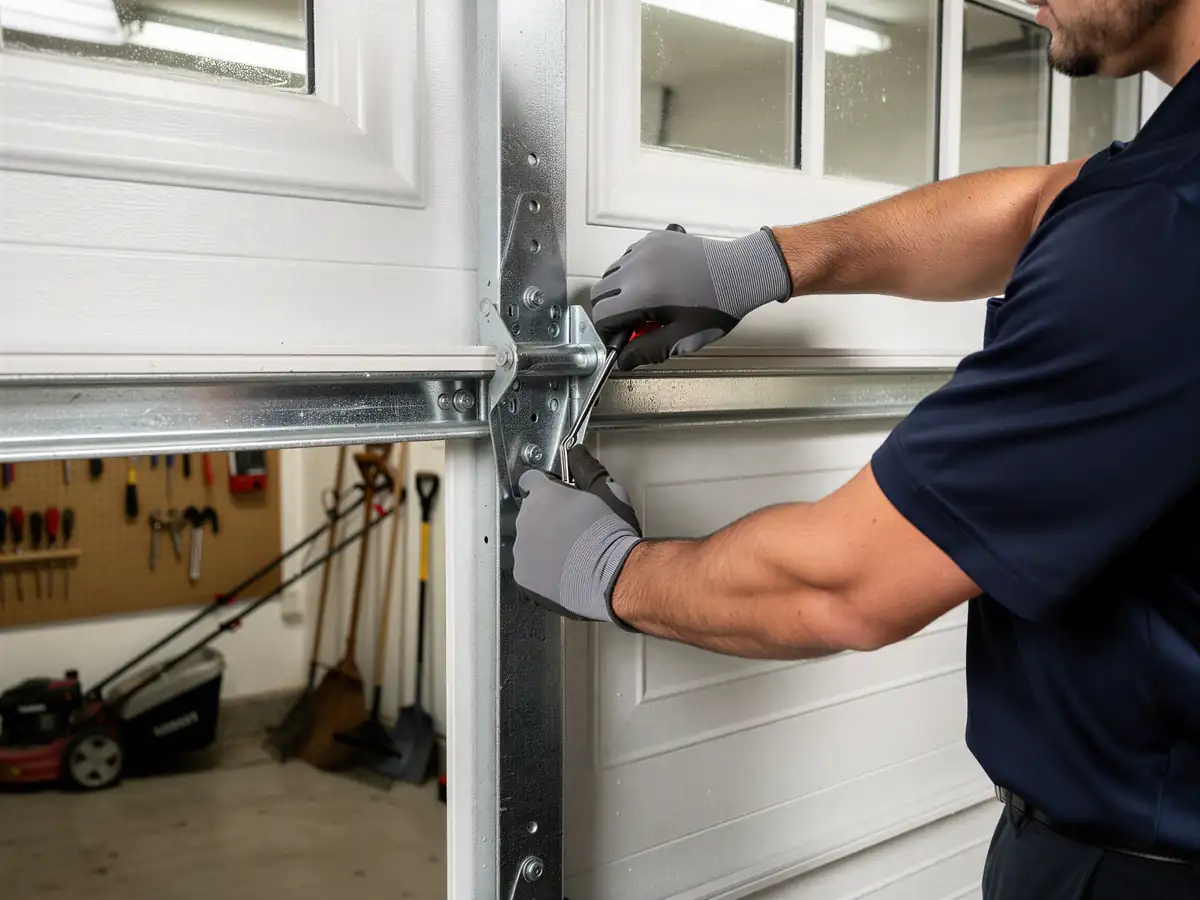
If the bracket is bent or the drum has chewed into itself, a straight cable swap doesn't hold
We've shown up to what looked like a simple cable job and found the track pulled out of plumb from the door dragging on one side for weeks. That's a longer job, and it costs more than the cable alone. The honest version: if you caught it at the first popping sound, it's a clean repair. If the door's been dragging for a while, expect us to check the track and brackets too before we call it done.
What You Pay
We don't have a flat number to quote here - cable jobs vary by whether it's one cable or two, whether the drum or bracket needs replacing too, and whether the door is a standard single or a double with two cable runs. What we can tell you: the service area runs 9 miles from our shop in Moore, so you're paying for a short drive, not a dispatch across town.
Newcastle's housing is newer than a lot of what we work on day to day, so parts availability isn't usually the holdup - standard-gauge aircraft cable for a 2002-era door is common stock, not a special order. The variable is what else the cable took with it on the way out. A clean two-cable swap on a double door costs less than a job where the bracket's bent and the track needs resetting. We'll tell you which one you've got before we start, not after.