Can You Do This Yourself
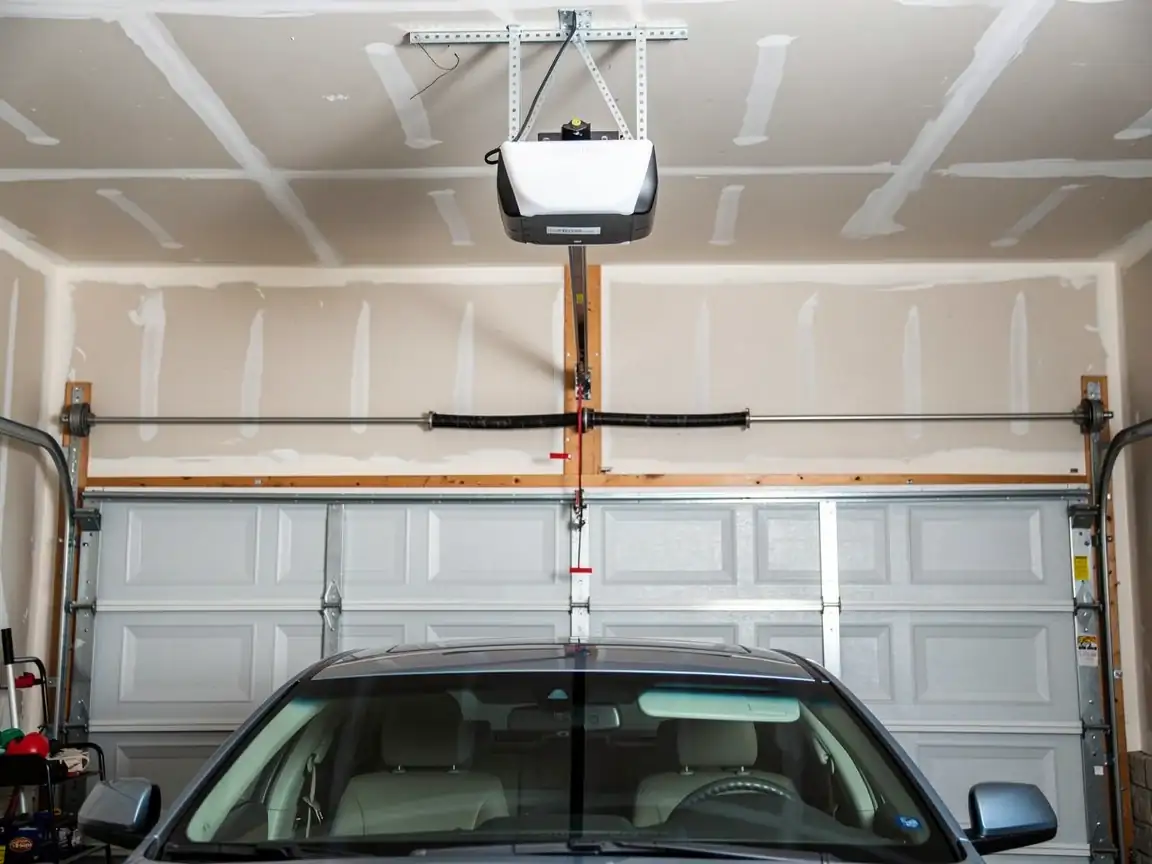
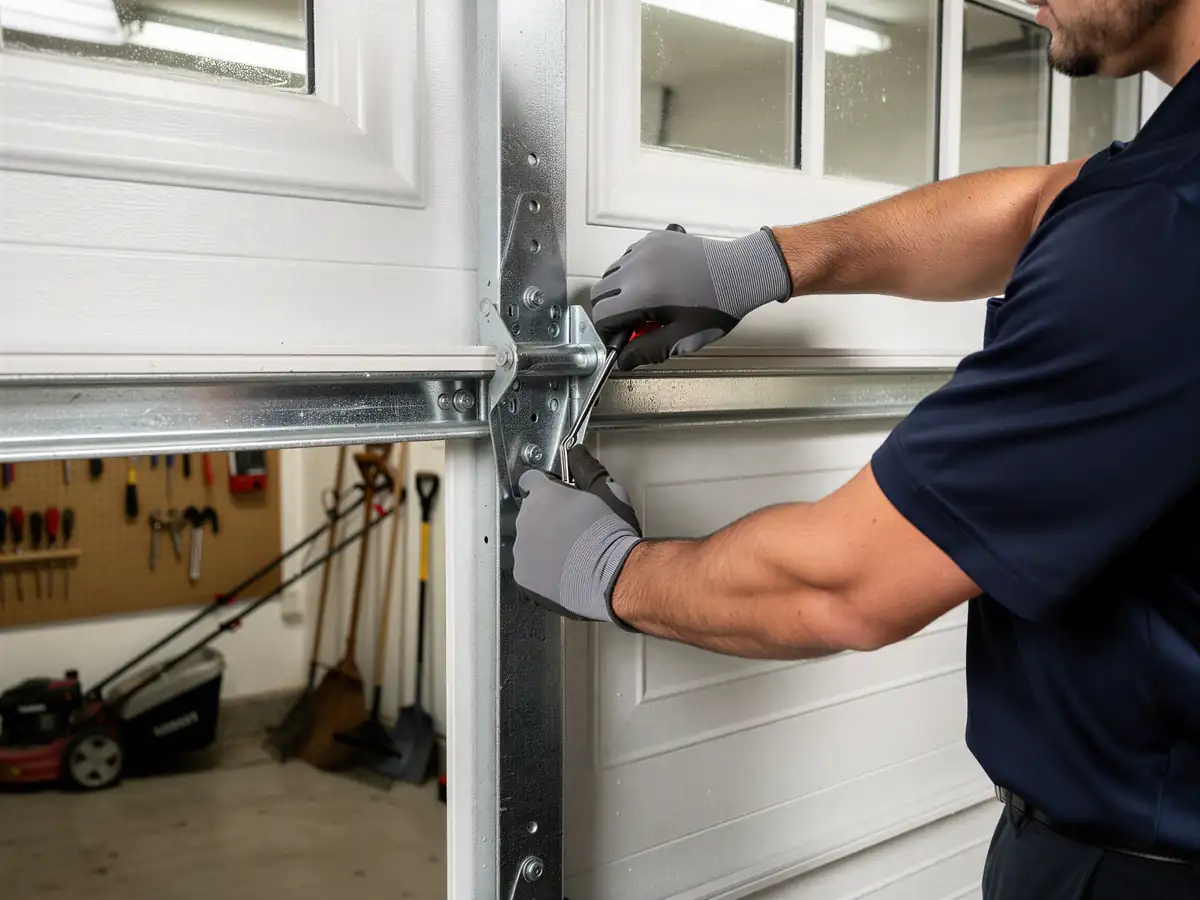
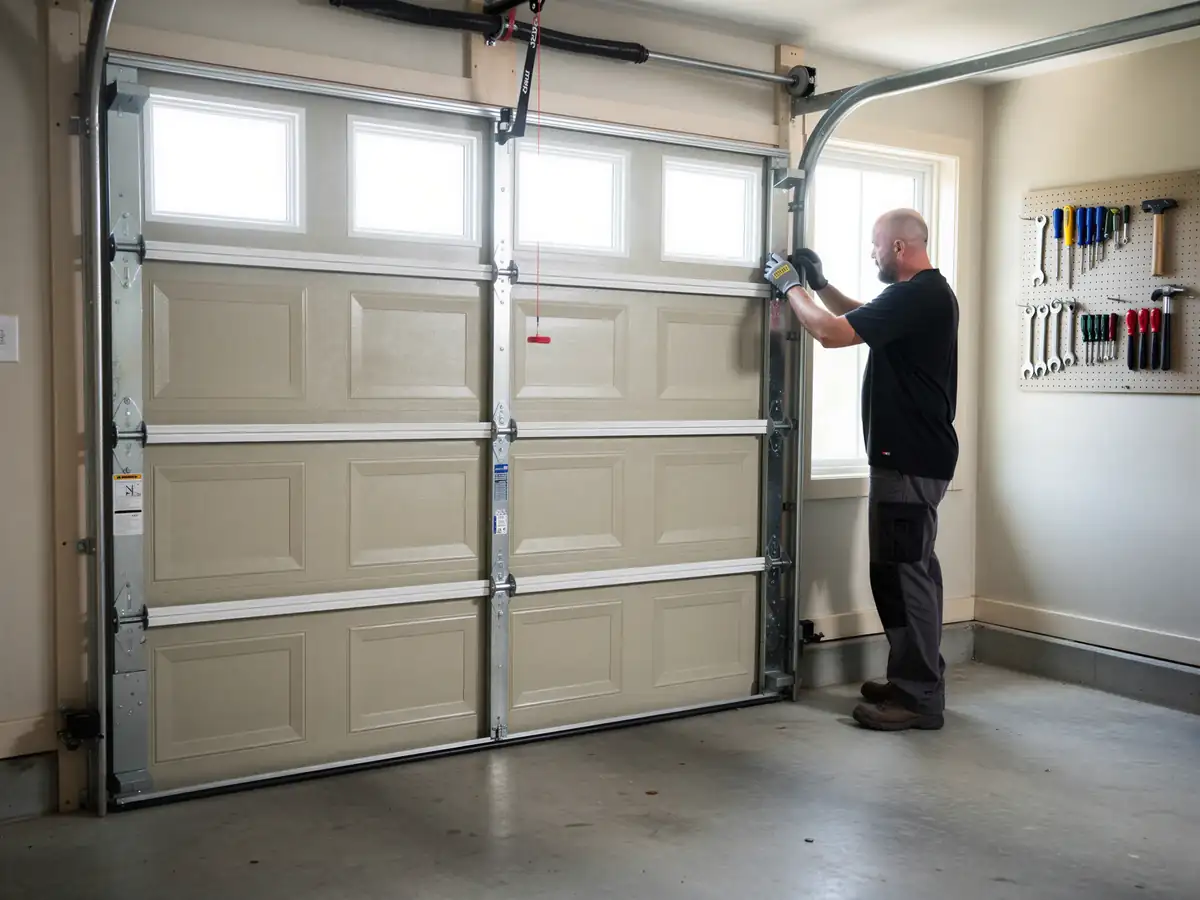
The drive from our shop in Moore out to Newcastle is nine miles, which is close enough that a tech can get eyes on your opener the same trip they diagnose it, but far enough that two separate visits for the same fault cost you real time. That matters here because most Newcastle houses went up around 2002, well after Moore's own service area median of 1980 - these are newer production builder-grade openers, not the heavy chain-drive units from the 70s and 80s that some of our older calls still have bolted to the ceiling. A homeowner can swap a remote battery, re-aim a safety sensor that's drifted out of alignment, or reset a keypad code without any tools beyond a stepladder. What you shouldn't touch is the logic board, the capacitor behind it, or anything involving the trolley and drive gear while the door is under spring tension. Circuit board failures are common in openers from this era simply because the capacitors inside them have a service life, and twenty-plus years is about where they start failing regardless of brand. If your opener hums but the door doesn't move, or the lights blink a fault code you can't find in a manual you no longer have, that's a board or motor issue, not a settings issue, and it's worth a call rather than a guess.
How It Shows Up
The most common complaint we hear from this part of our coverage area is a door that reverses before it closes, which almost always traces back to a safety sensor that's been bumped out of alignment or fogged with condensation - not unusual given the moderate cold swings this region sees through winter. Behind that, the next most common fault is an opener that runs on remote but not on the wall button, or the reverse, which points to a failing control board rather than the motor itself. Because Newcastle's housing stock is newer than much of our wider service area, we see fewer worn-out chain drives and more electronic failures: dead capacitors, corroded sensor wiring, and travel-limit settings that have drifted so the door either stops short or slams the floor. Keypads here tend to fail from weather exposure at the entry point rather than age. None of this is dramatic, but it's consistent enough across the newer builds in this part of the area that we can usually narrow the cause before we've even opened the housing, just from the symptom you describe on the phone.
What You Pay
We don't price opener repair without seeing the unit, since a sensor realignment and a dead control board are two very different jobs even on the same model. What we can tell you is that households in this part of the service area report a median income of $97,315, noticeably higher than the $81,105 median across our wider coverage area, and that shows in what people choose here - more often a full opener swap than a patched-together board replacement once the unit's past the ten-year mark. With roughly 4,663 households in Newcastle, most sitting on openers installed within the last two decades alongside those 2002-era builds, the repair-versus-replace line usually comes down to whether the motor itself is still sound. If it is, board and sensor work is the cheaper path. If the motor's going too, we'll say so rather than sell you a board for a unit on its way out anyway.