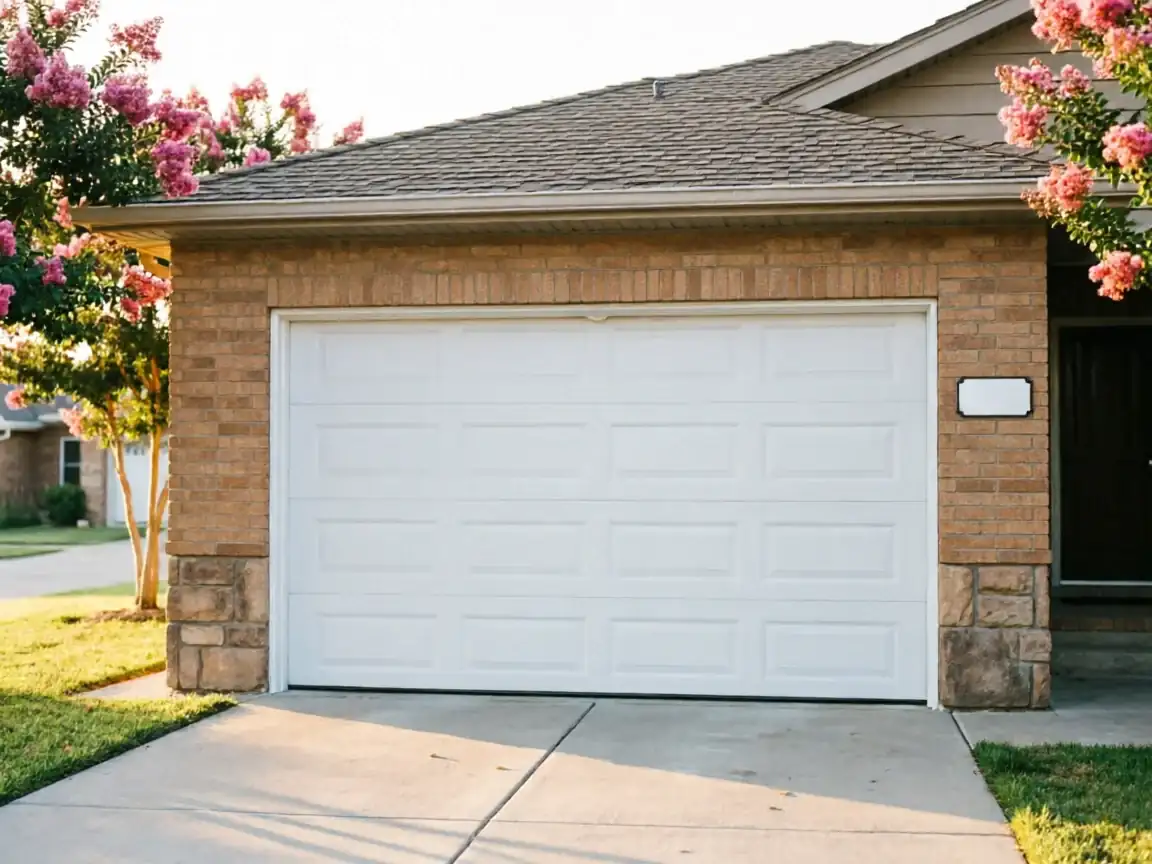
Can You Do This Yourself
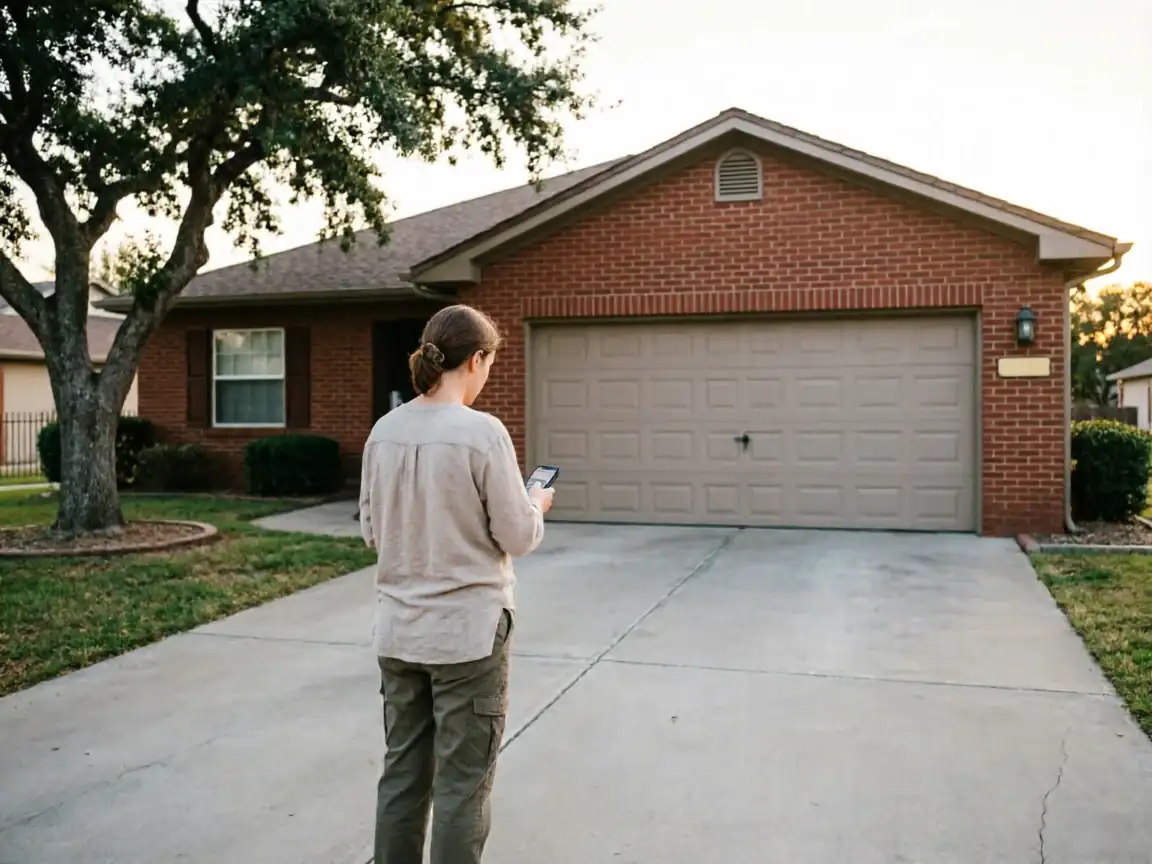
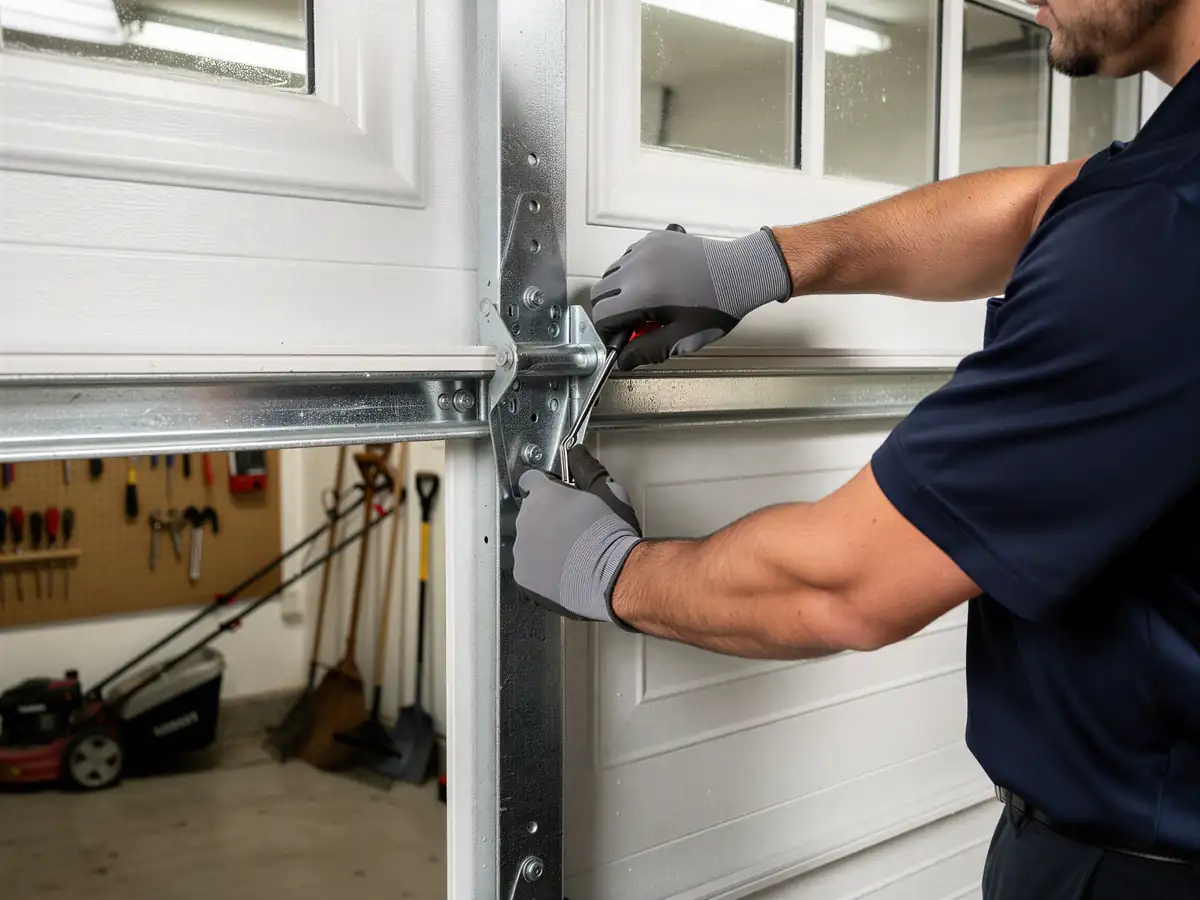
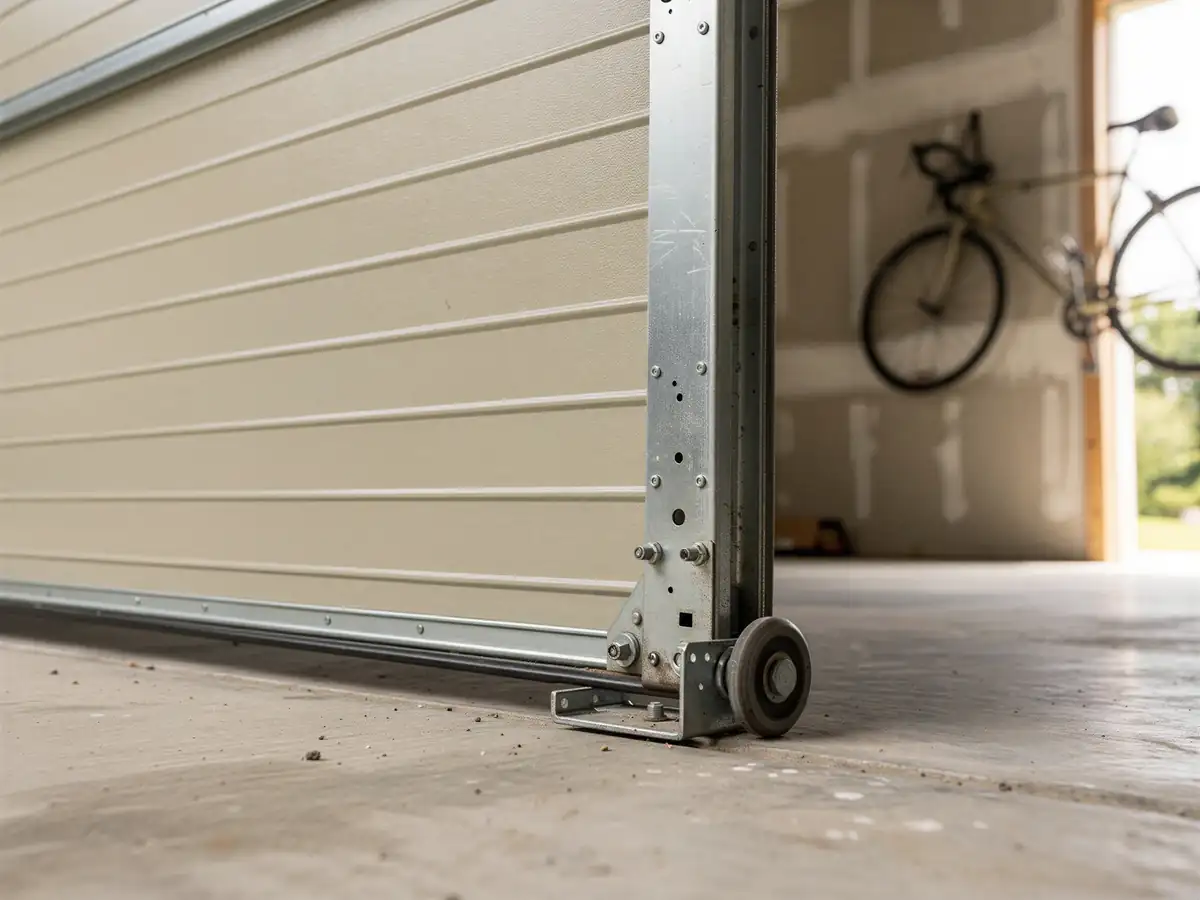
Newcastle's housing stock runs newer than most of the Moore service area - the median build year here is 2002, against 1980 across the wider territory covered by F1. That matters for what you're allowed to touch yourself. A door from 2002 almost certainly runs a steel torsion spring on a standard extension or torsion bar, not the older side-mounted hardware you'd find on a 1960s or 70s build elsewhere in the territory. Swapping a roller, tightening hinge bolts, or replacing weatherstripping on a door this age is reasonable DIY work - the parts are current and still stocked everywhere.
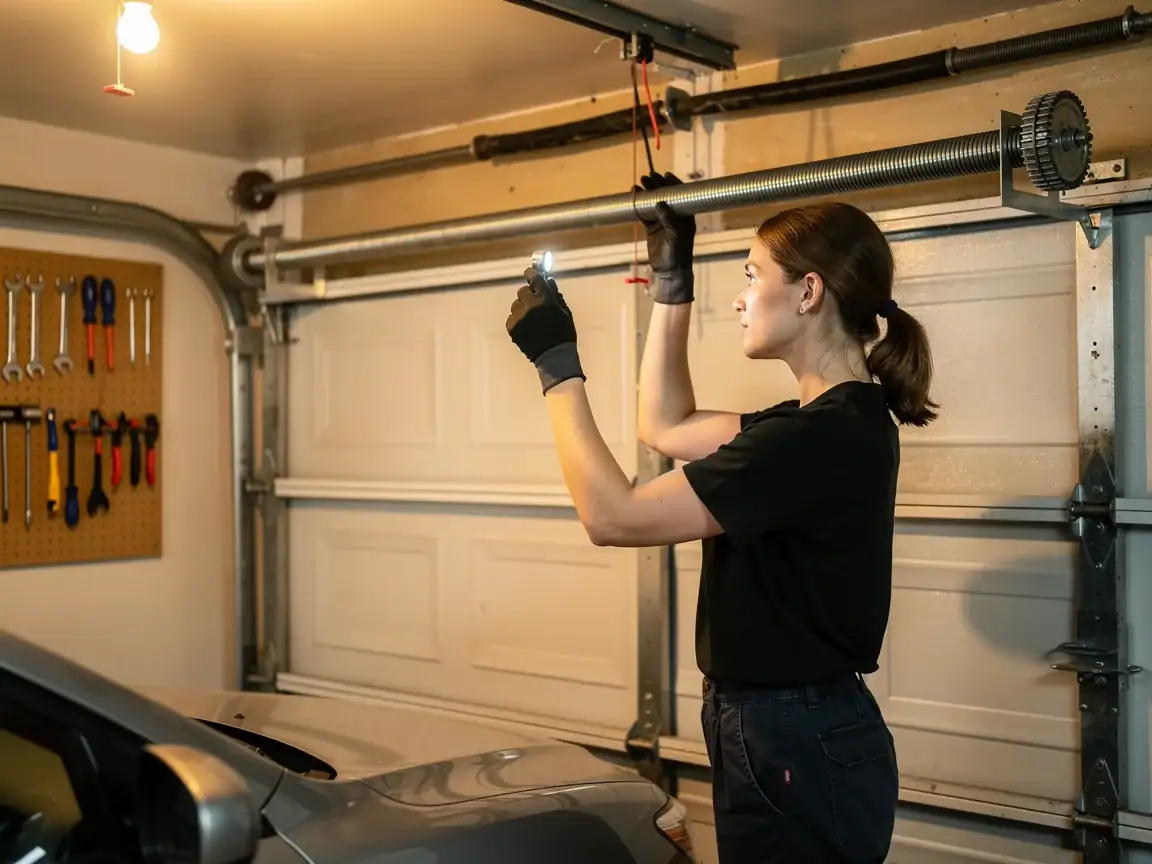
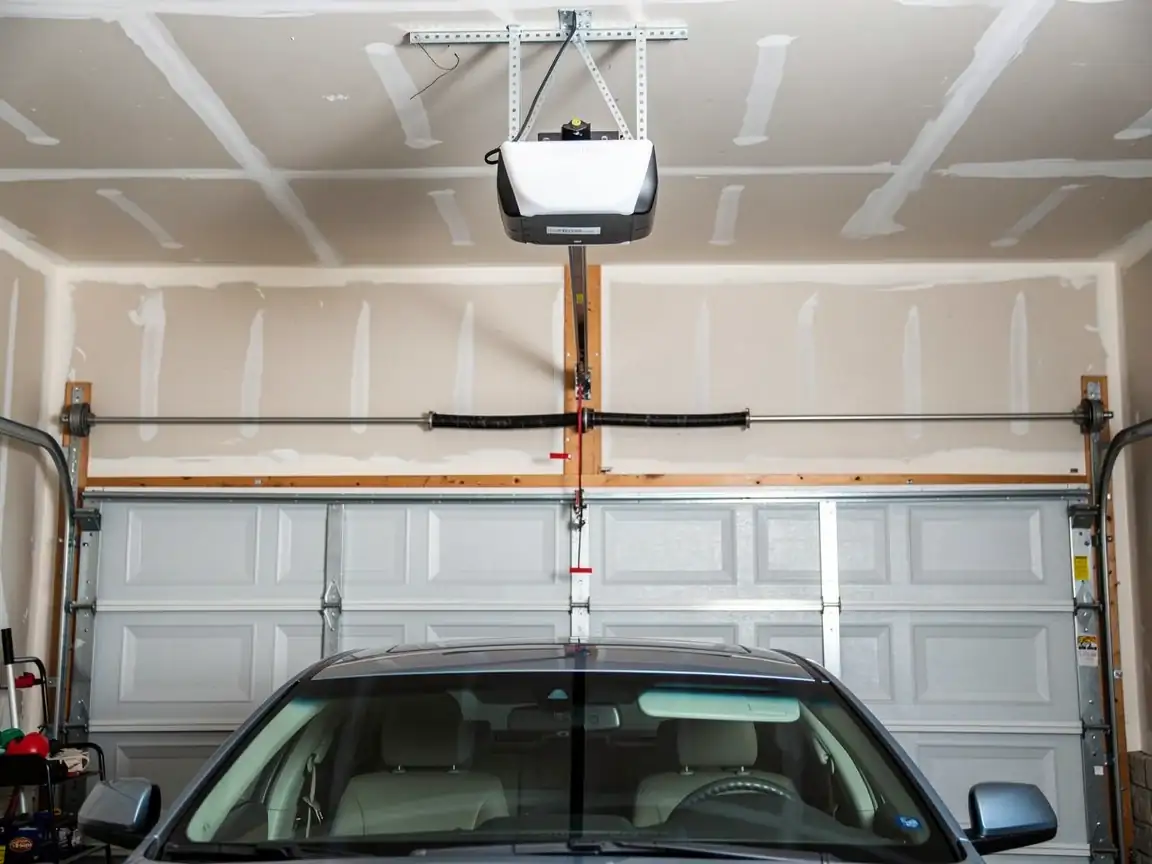
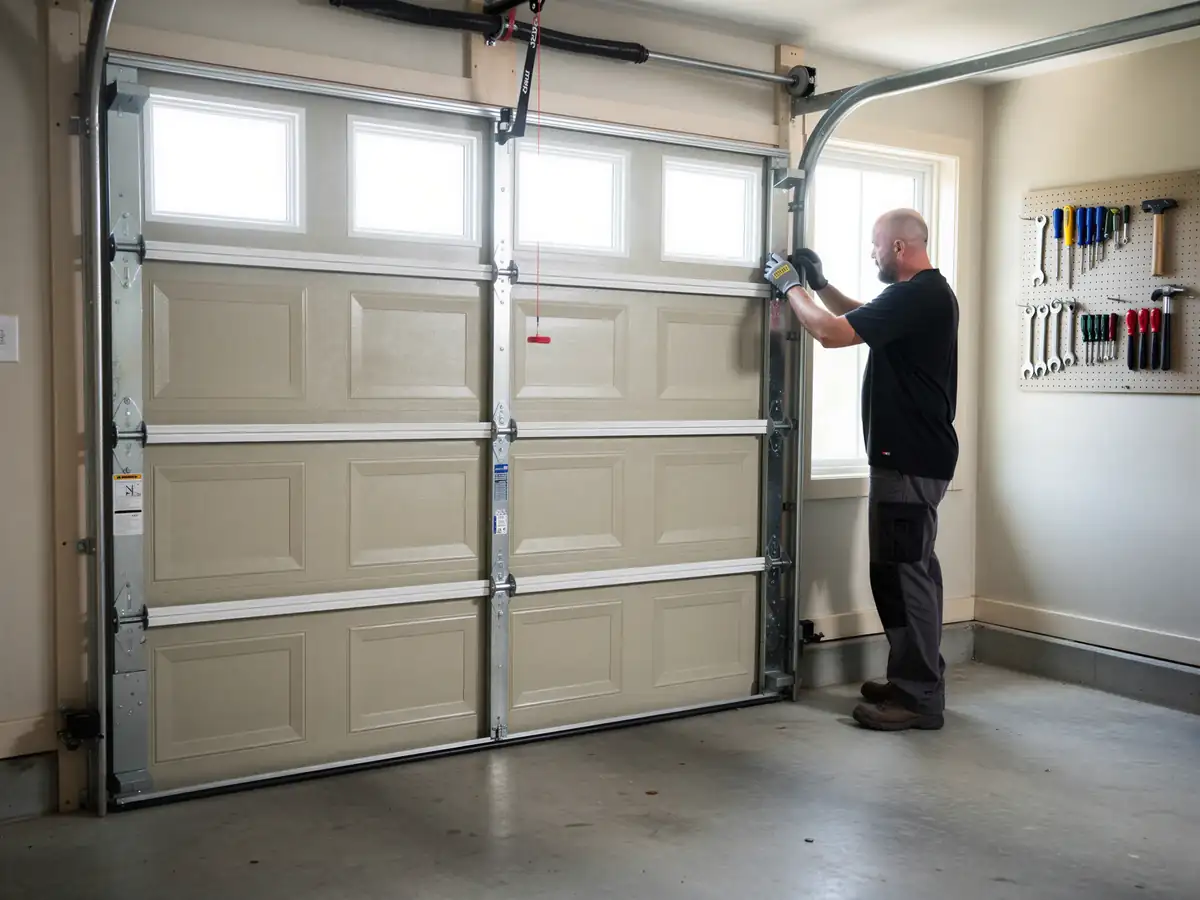
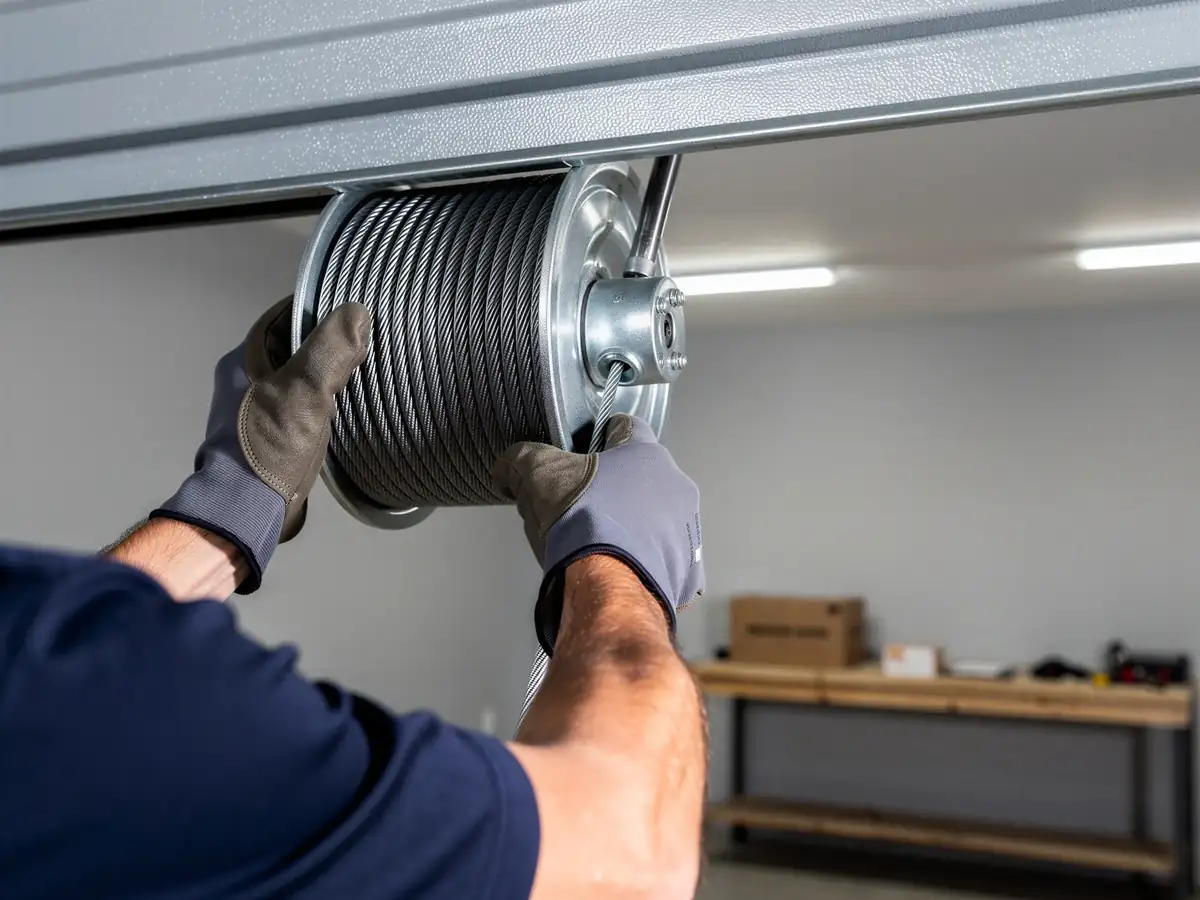
What you shouldn't touch: the torsion spring itself, period, regardless of the door's age. It's wound under load and it will put you in the ER if it lets go while you're holding a wrench. Same goes for the cables and the bottom brackets on a torsion system. If the opener itself is original to a 2002 install and it's just gotten slow or noisy, that's often a lubrication and limit-switch adjustment, not a motor replacement - worth checking before you assume you need a new unit.
How It Shows Up
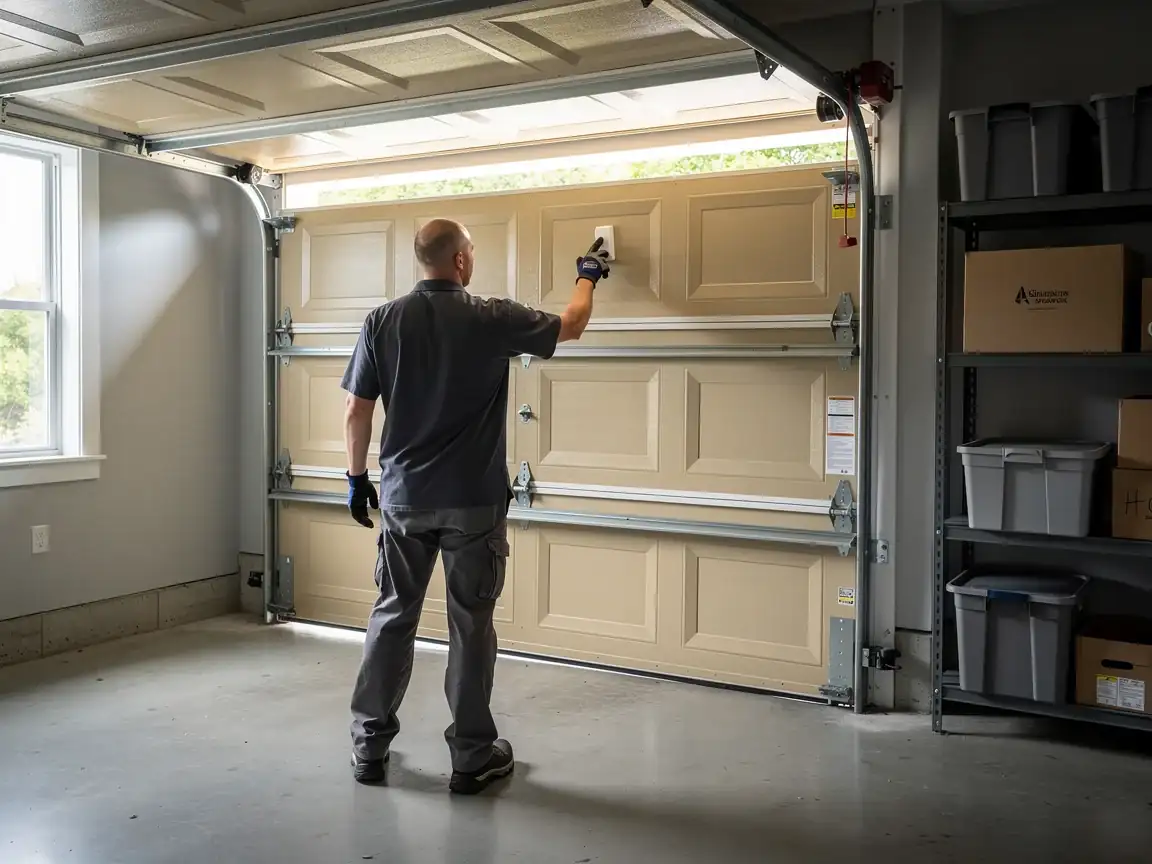
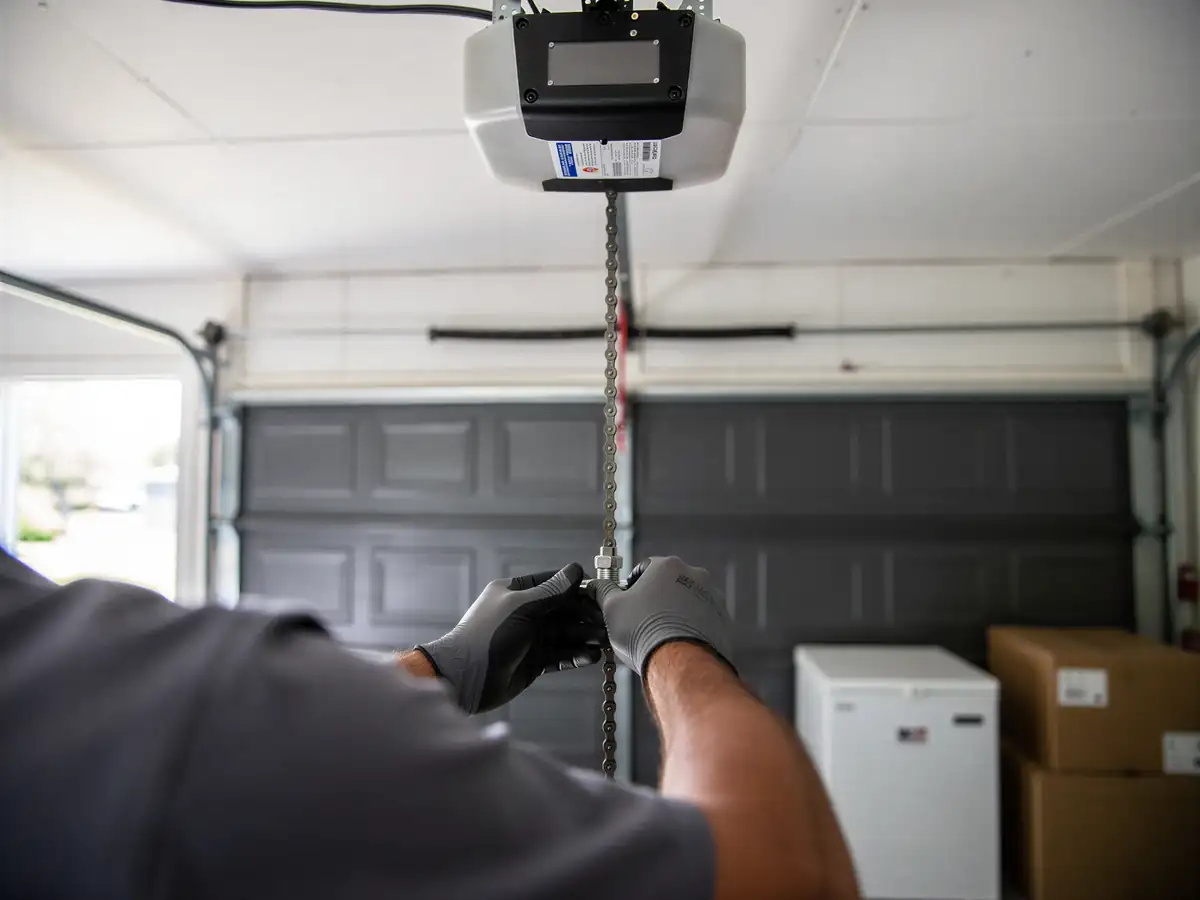
Because Newcastle homes cluster around a 2002 build year, the failures we see out there skew toward wear, not obsolescence. Nylon rollers that have logged two decades of cycles start chipping and the door gets loud on the way up. Torsion springs rated for a certain cycle count start sagging - the door feels heavier to lift by hand, or the opener strains and reverses before it closes all the way. Openers from that era are usually chain-drive units; the chain stretches over time and needs re-tensioning, which shows up as a door that jerks or hesitates partway through its travel.
This is a different symptom set than what we run into on the older stock elsewhere in the territory, where it's more often outdated hardware that's simply failed outright or doors that were never sized right for current code. In Newcastle, it's closer to maintenance catching up with a door that's otherwise sound. That's the upside of the newer build year - the bones are usually fine, and the fix is a component swap, not a structural one.
Where This Job Goes Sideways
The honest limitation first
We're coming from Moore, roughly 9 miles out, so we don't have a crew sitting in Newcastle waiting on a call. That's not a same-day guarantee - it's a drive, and we tell people that up front rather than promise a window we can't hold.
- 9 miles
Where the job itself goes sideways is usually a mismatch between what the homeowner thinks they need and what the door actually needs
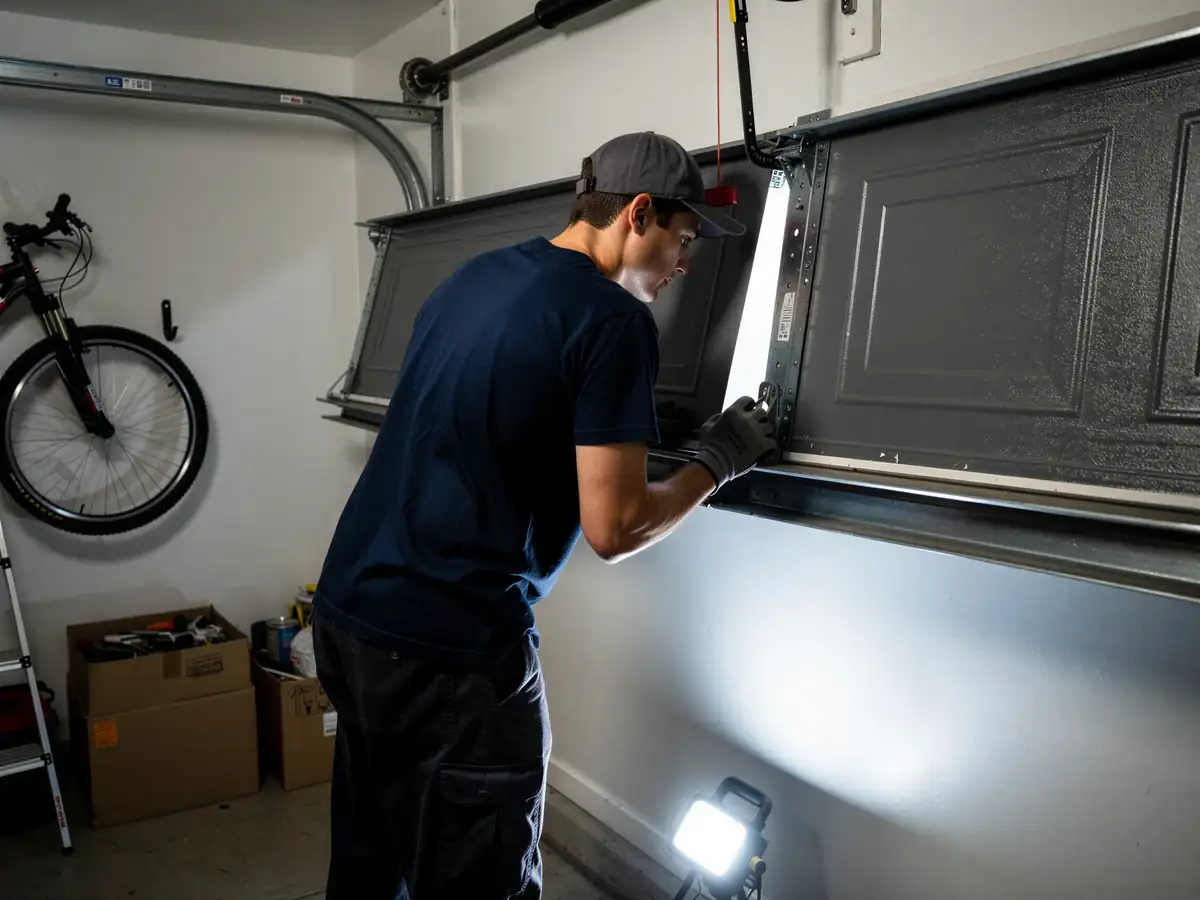
A 2002-era opener that's struggling isn't always a motor problem - sometimes it's a spring that's lost tension and the opener is doing work it was never built to do, which burns out the motor faster. Replace the opener without fixing the spring and you've spent money and bought yourself the same failure again in a year. We check spring balance before we quote an opener job for exactly that reason.
The other place it goes sideways
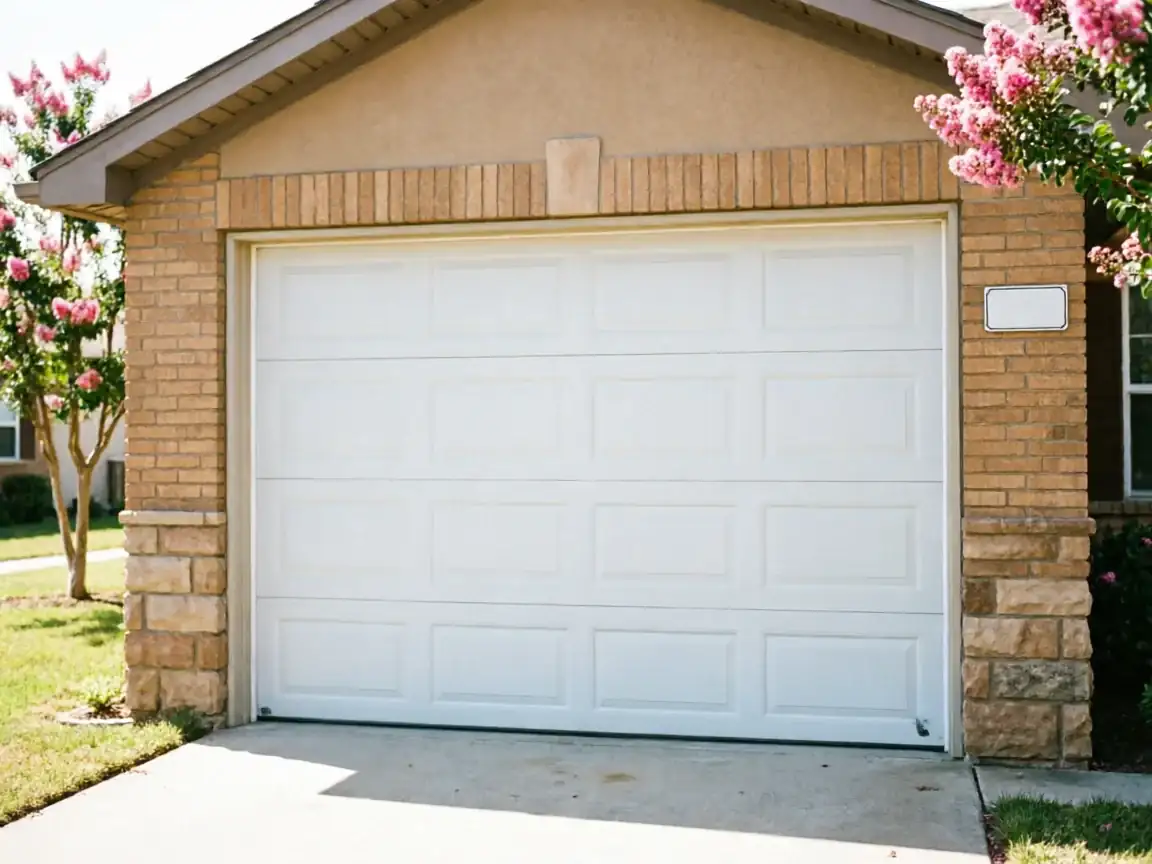
A two-car door on a home from this era is heavier than most people guess, and a single spring sized for a lighter door will fail early under that load. Matching the spring to the door, not just to what was there before, is the part that actually prevents the repeat call.
What You Pay
We don't post a flat number here because spring size, opener model, and panel condition all move the bill, and Newcastle's housing age means the range skews toward component repair rather than full-door replacement. A household in this area has a median income of $97,315, well above the $81,105 median across the rest of the service territory, and that's reflected in what we see requested - more opener upgrades and insulated-panel swaps, fewer bare-minimum patch jobs just to get the door closing.
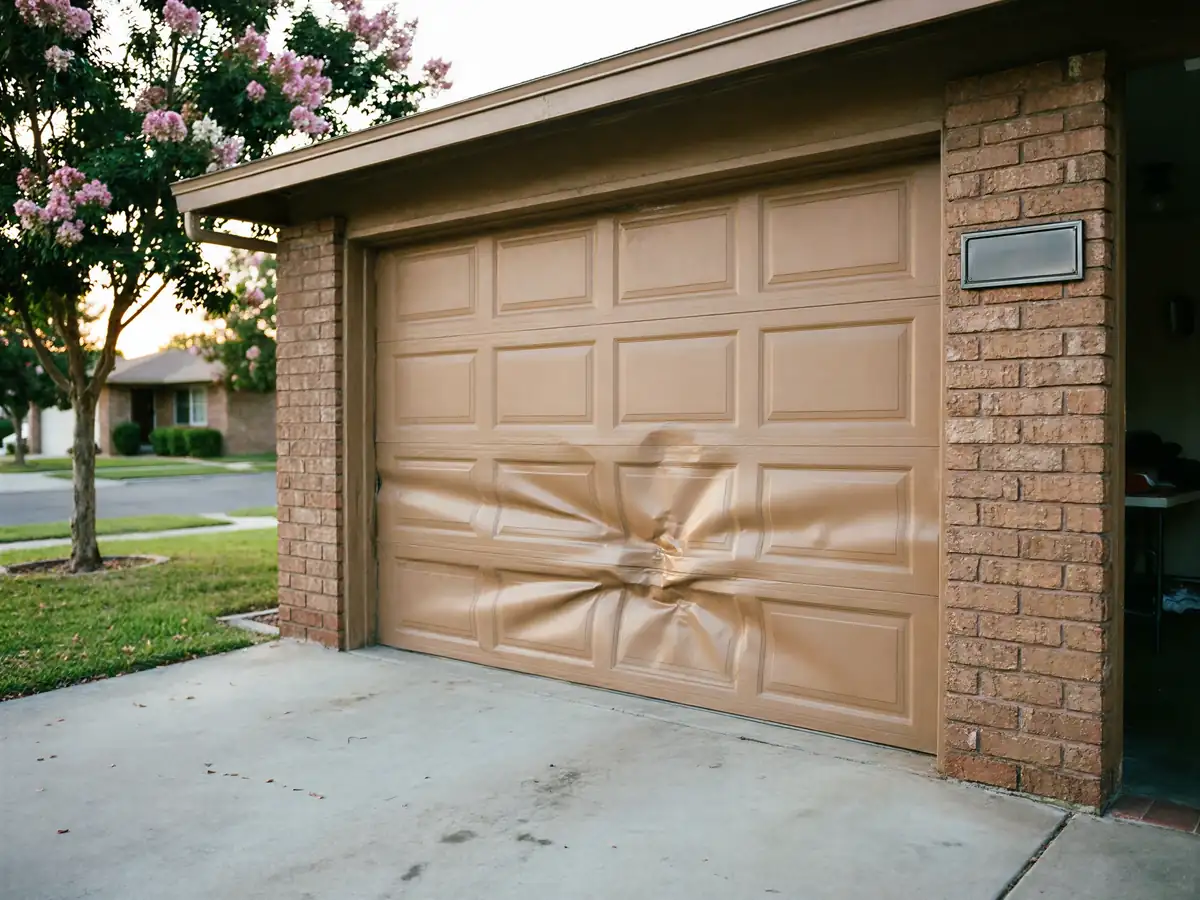
We quote the job after we see the door, not before. A chipped roller and a re-tensioned chain is a small ticket. A torsion spring replacement on a two-car door costs more because of the hardware and the time it takes to do safely. If a door's track is bent or a panel's cracked beyond a cosmetic fix, we'll tell you plainly when replacement makes more sense than another repair - stacking repairs on a door that's structurally done just delays the real cost.