Time on the Job
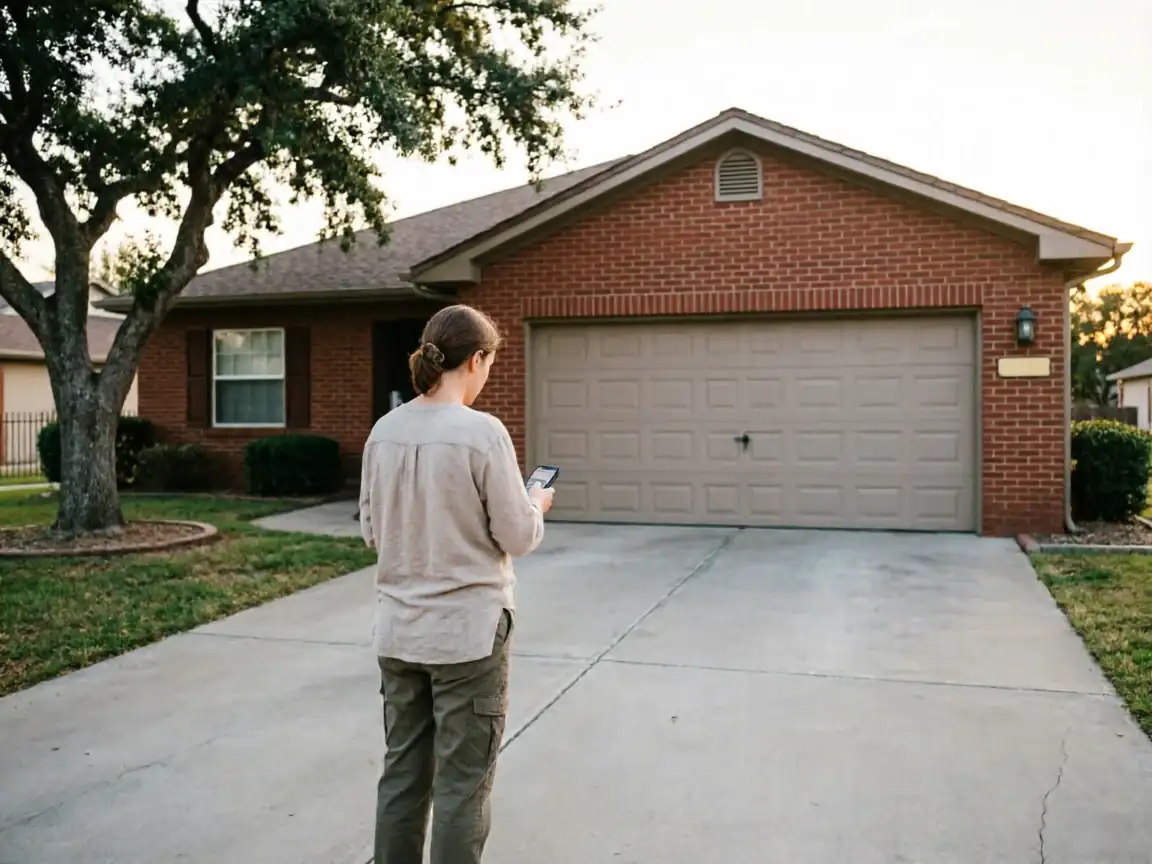
Choctaw's median household income sits at $96,446, which is well above the $81,105 median across the wider Moore service area. That number matters more than it sounds like it should, because it sets where the repair-or-replace line falls. On a household budget like that, fixing a snapped cable on a door that still tracks straight is almost always the right call - it's a parts-and-labor job, not a judgment call about whether the door is worth saving. We travel the 16 miles out from Moore for cable work specifically, not for a full opener swap or a structural rebuild; if your door needs more than the cable and the hardware it rides on, that's a different conversation and a different invoice.
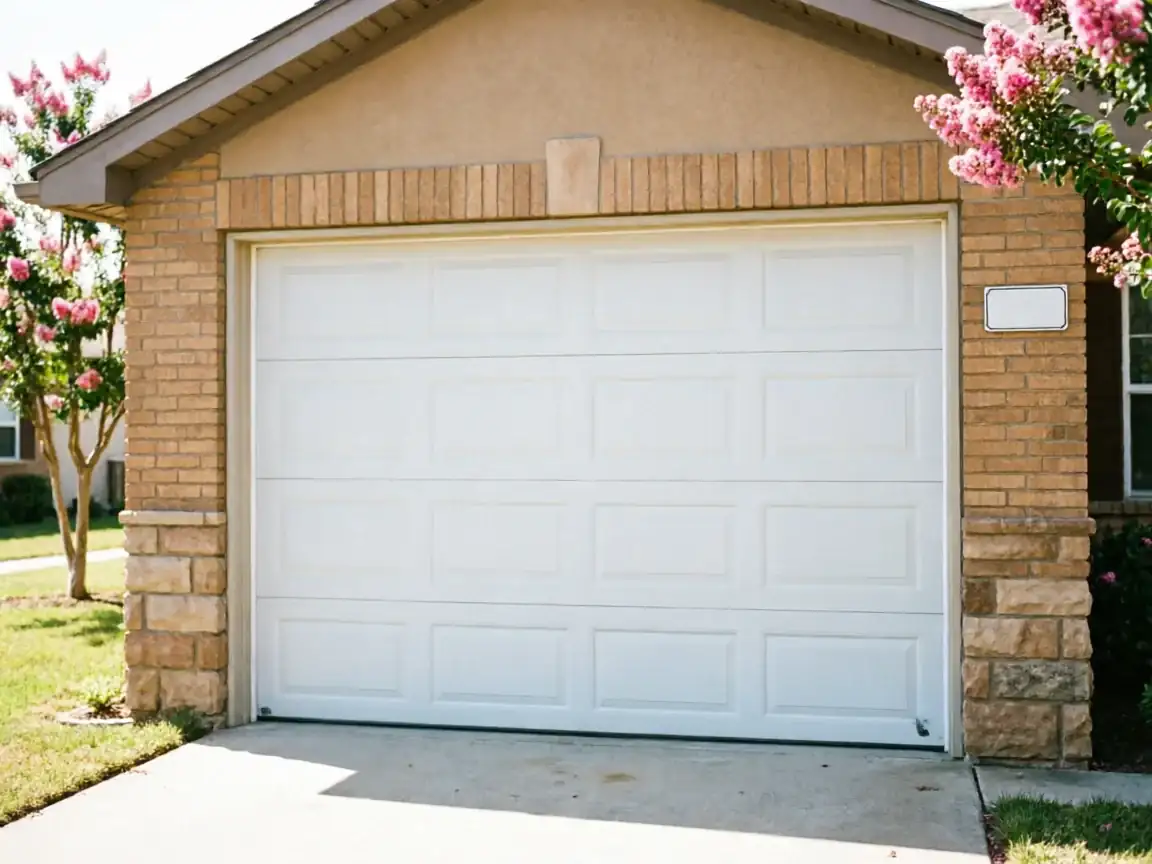
We don't keep a crew stationed in Choctaw. Every call here is a drive from Moore, so same-day isn't something we promise sight unseen - it depends on the day's route. What we can tell you is that a broken cable on a torsion-spring door is one of the more straightforward repairs we run, and most houses in this town are built in a way that keeps that true.
What the Repair Takes
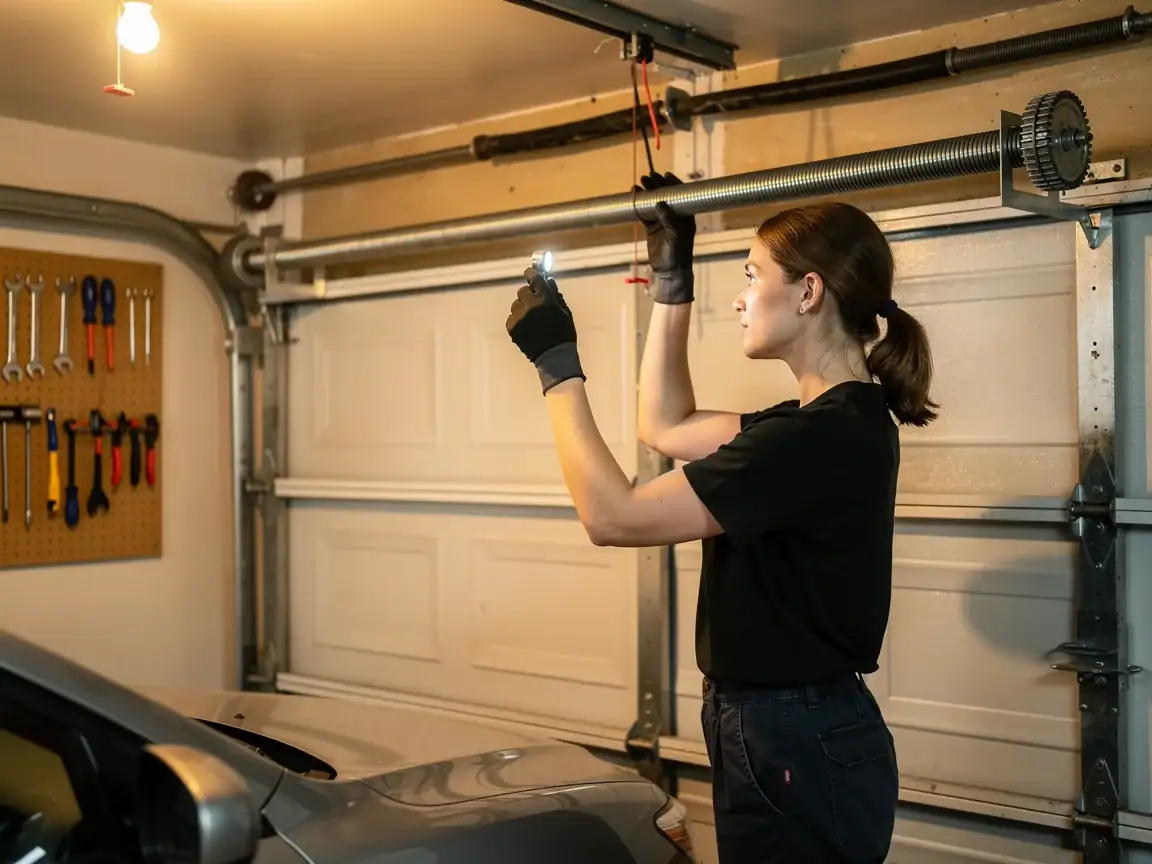
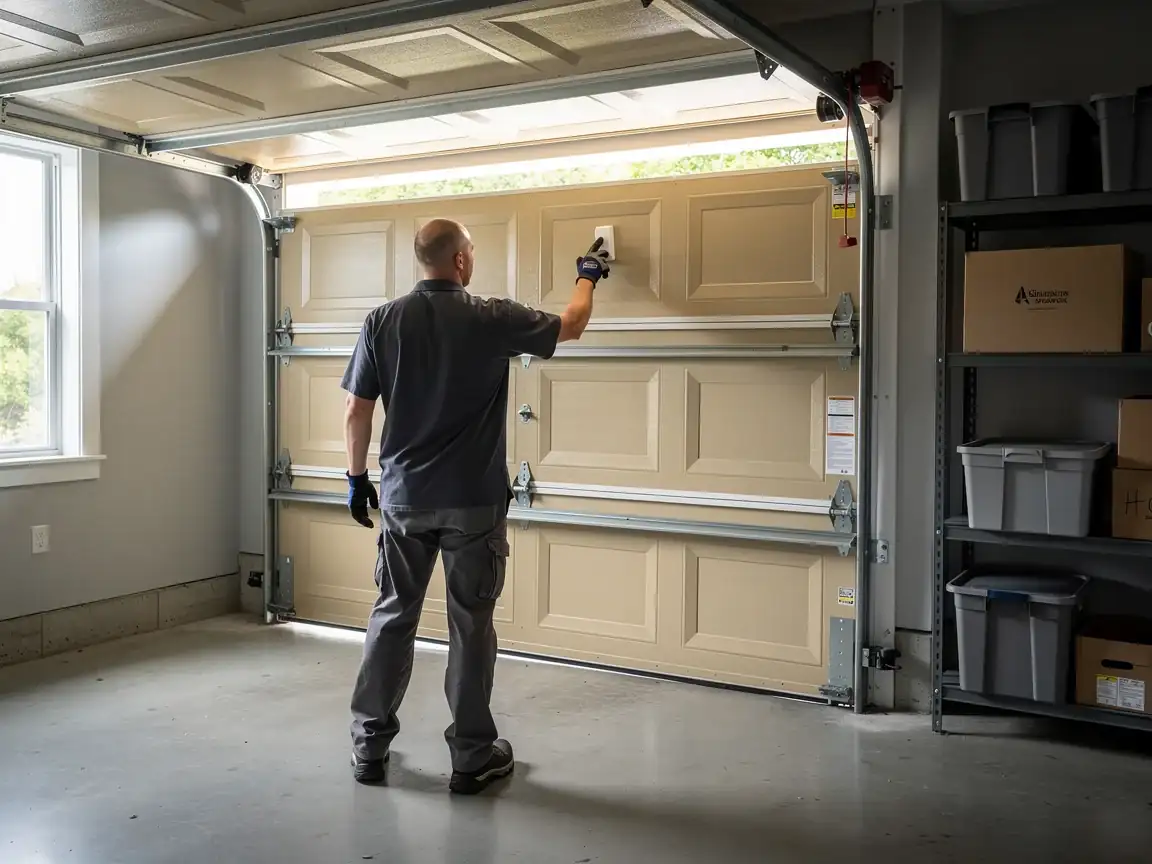
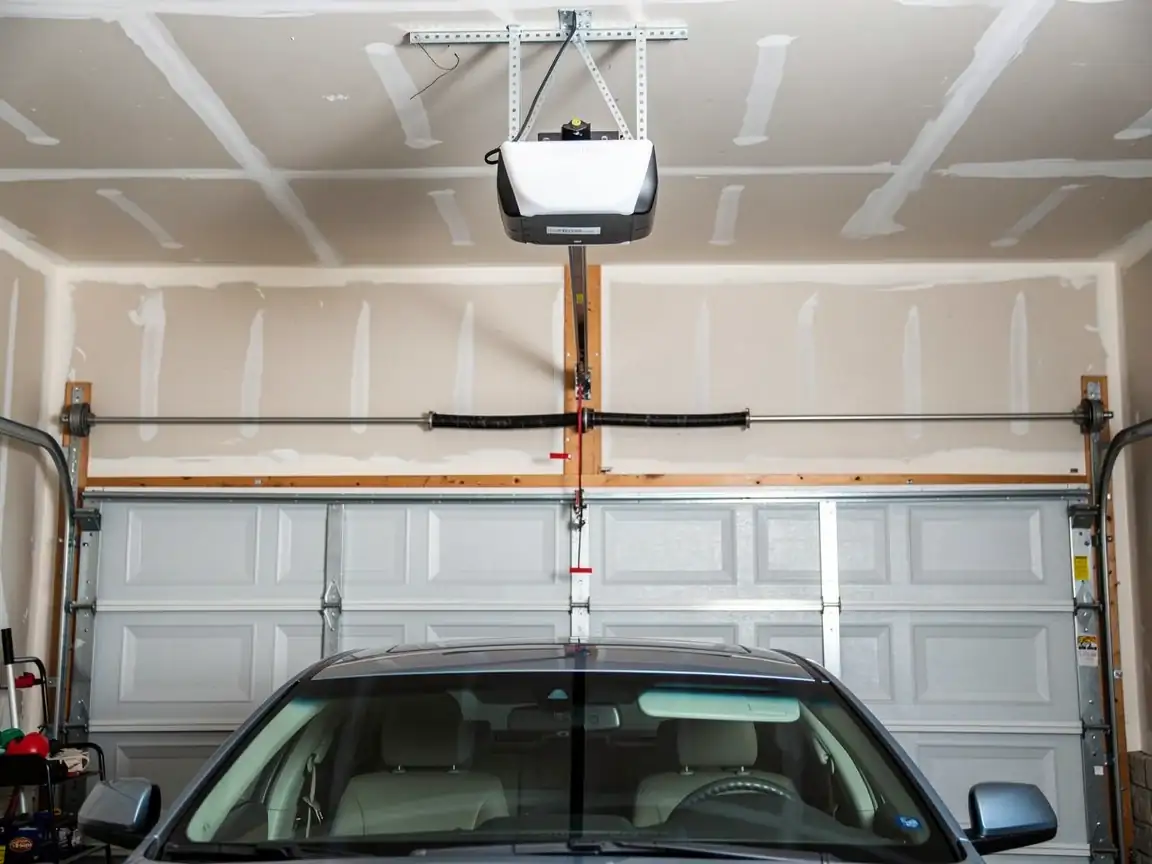
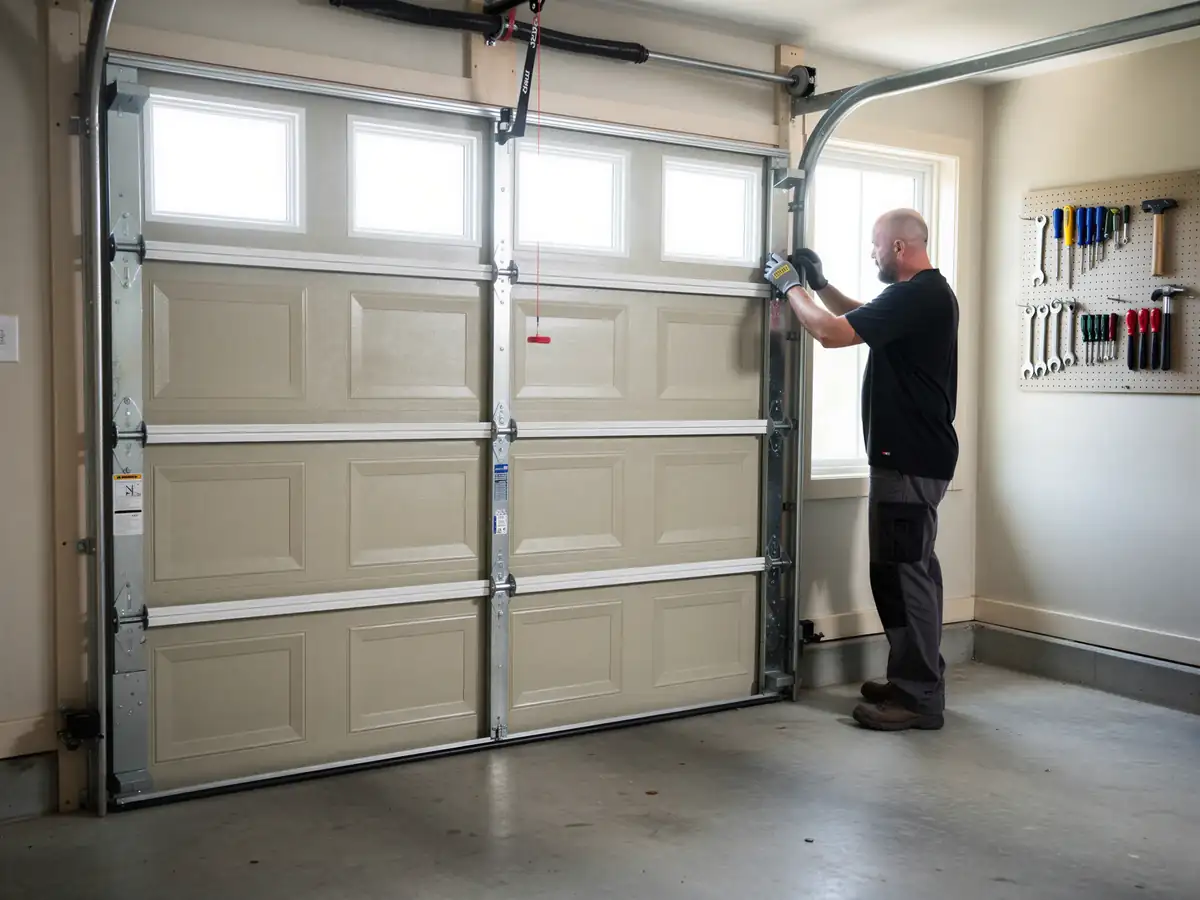
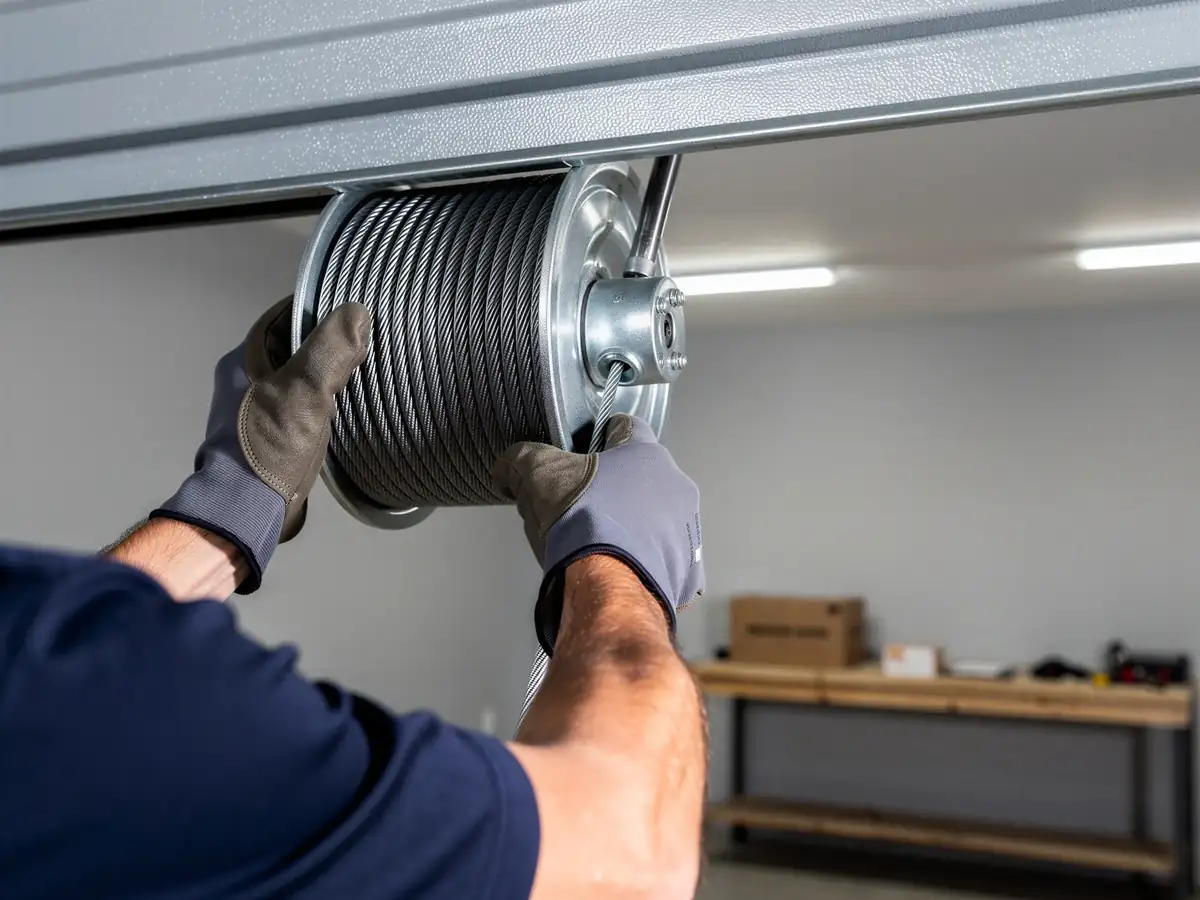
A snapped lift cable means the door is either sitting crooked on its track or it's come down off the rollers entirely, and it has to be re-seated on an unloaded spring before anything else happens. On Choctaw's housing stock - median build year 1983, during the window Moore's broader service area saw its housing go up between 1959 and 2004 - the drums and cable-and-pulley setups are the extended-plate torsion hardware common to that era, not the older side-mount systems you'd find on a house built before the 1960s.
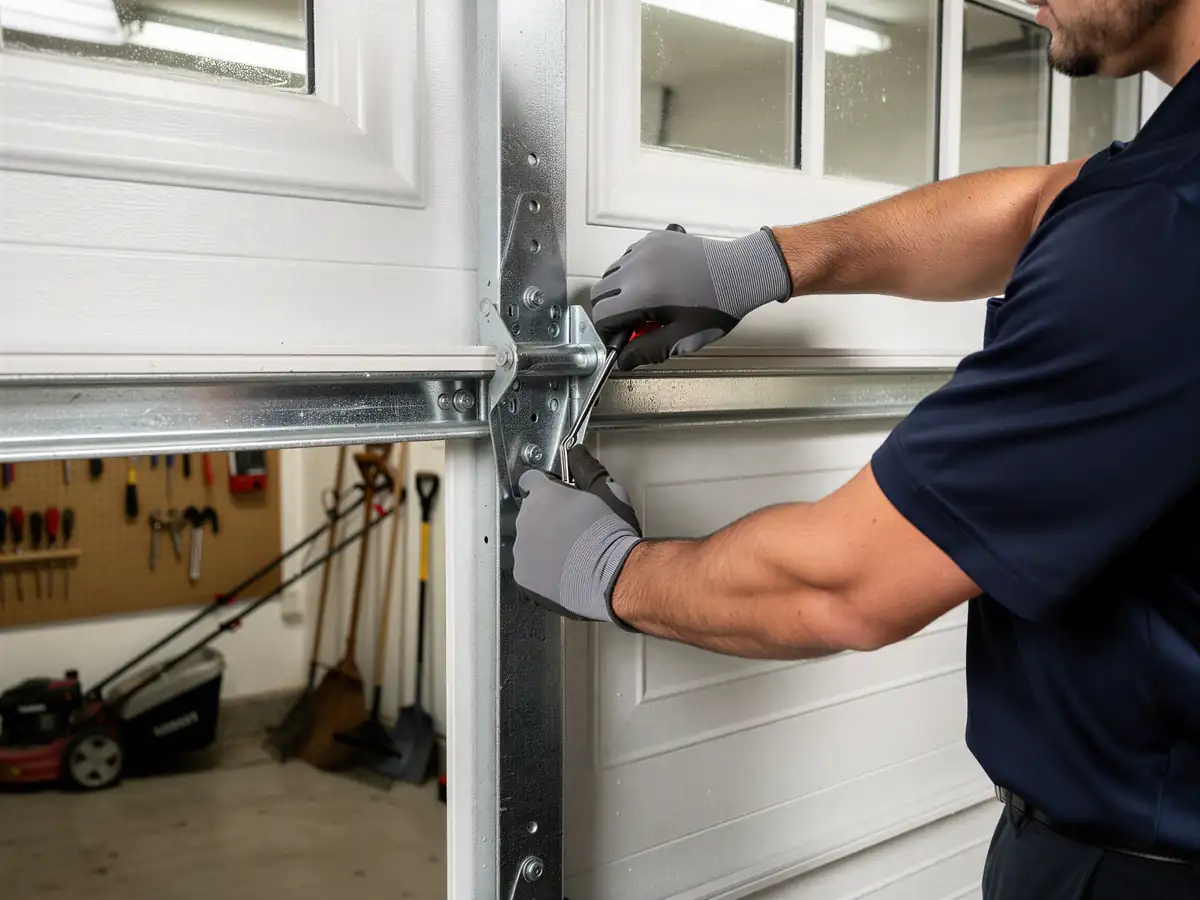
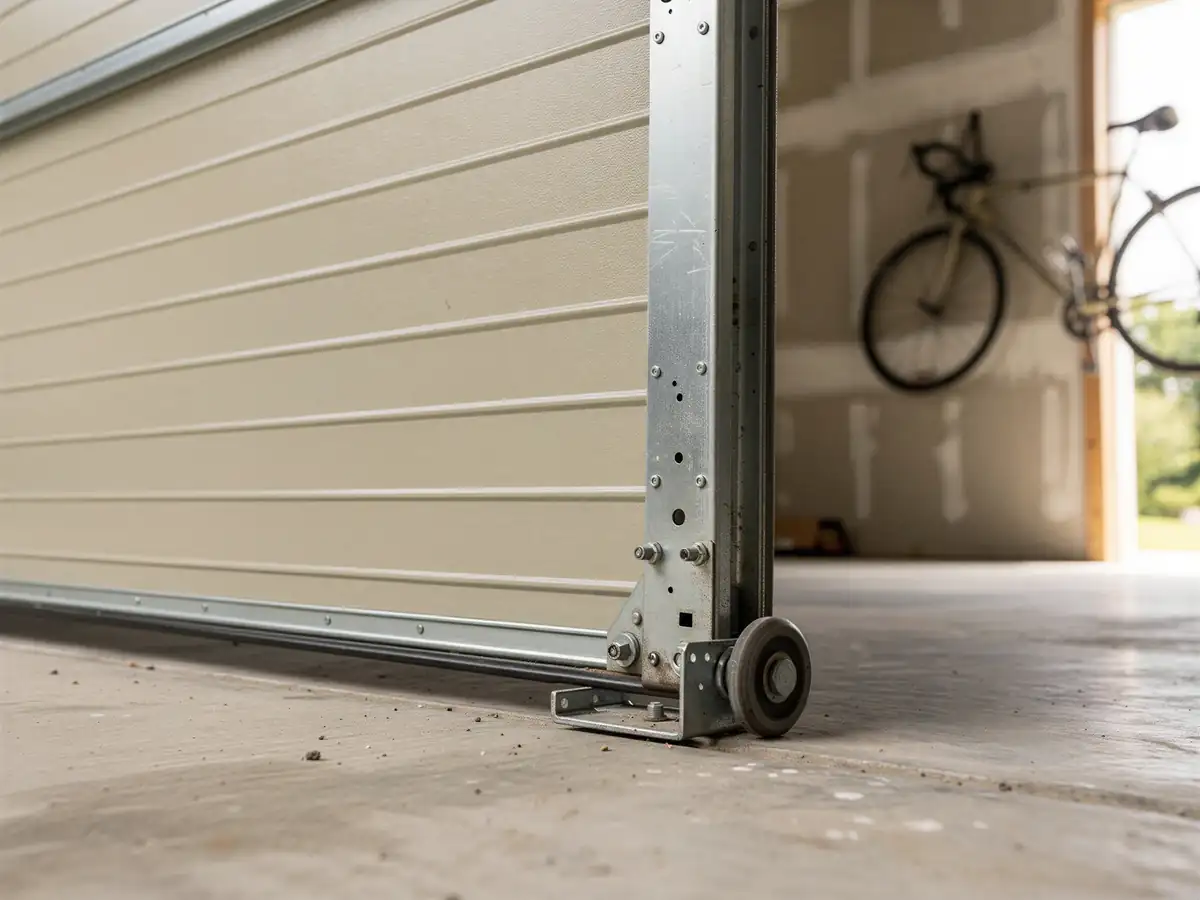
That matters for parts. Cable gauge and drum size on 80s-built garages are fairly standard, which keeps the job from turning into a special-order wait. We measure the drum, match the cable length and gauge, re-wind it under tension, and check that both sides of the door lift evenly before we leave. If the spring that snapped the cable is also fatigued - which happens when one fails under the other's load - we'll flag it, but we won't swap a spring that's still within its working life just because it's old.
Why It Happens Here
Cold-climate winters put real stress on cable and hardware that cycles through temperature swings twice a day during a cold snap
Contraction overnight, expansion once the door's been run a few times. Across the service area that covers Choctaw, that's a moderate-cold climate band, not an extreme one, but it's enough that cable fraying at the drum end shows up earlier than it would in a mild climate.
The other factor is simple mileage on the door
A house built in 1983 has had roughly four decades of door cycles, and most of those original cables have been replaced at least once by now if they haven't already failed. If yours hasn't, it's probably close. We see this pattern across the 18 named areas in the broader service territory that share this 1980s-90s build window - it isn't unique to any one street, just common to houses of that age.
What You Pay
I can't quote a number here - pricing depends on cable gauge, drum size, whether the spring needs attention too, and what we find once the door's open. What I can tell you is how the math tends to land. With Choctaw's median income running above the wider area's $81,105 figure, most homeowners here treat a cable job as routine maintenance rather than a reason to replace the door. That's the right instinct for a door that's otherwise sound.
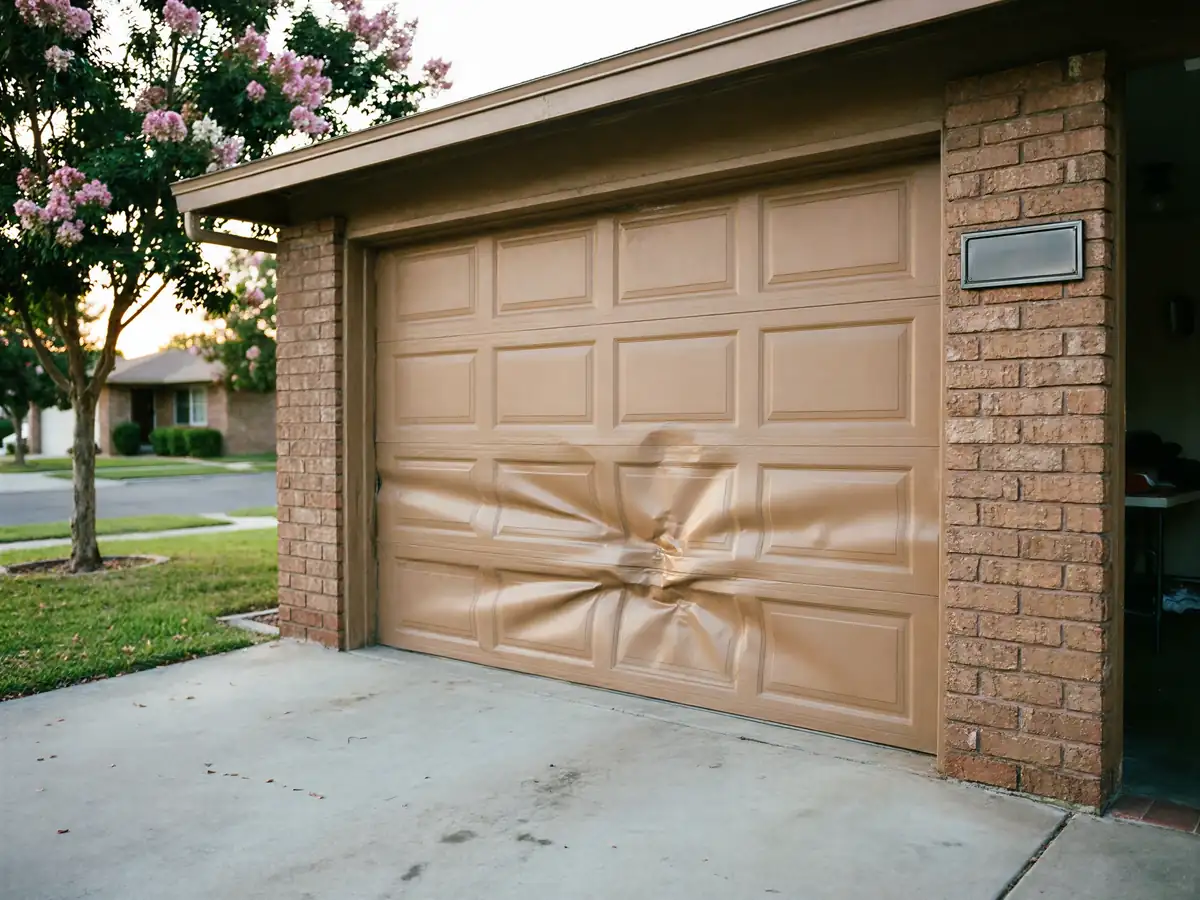
Where it stops being routine is if the track is bent, the panels are dented from the cable whipping loose, or the opener's been straining against a jammed door for a while before anyone called. At that point you're not pricing a cable anymore - you're pricing a door, and that's a conversation we have in person, not over the phone.
Where This Job Goes Sideways
The honest limitation: if a cable has been snapped for more than a day or two and someone's kept trying the opener anyway, the drum can chew through the cable groove, the opener's drive gear can strip, and what should've been a cable swap turns into a drum-and-gear job. That's not a Choctaw-specific problem, but it's the single most common way a simple repair gets expensive, and it happens on every street in town at the same rate it happens anywhere else.
The other way it goes sideways is a mismatch between the new cable and old hardware - a cable that's the wrong gauge for a worn drum will slip or fray again within months. We check the drum condition every time, not just the cable, because replacing one without looking at the other is how a callback gets scheduled before we've even left the driveway.