Time on the Job
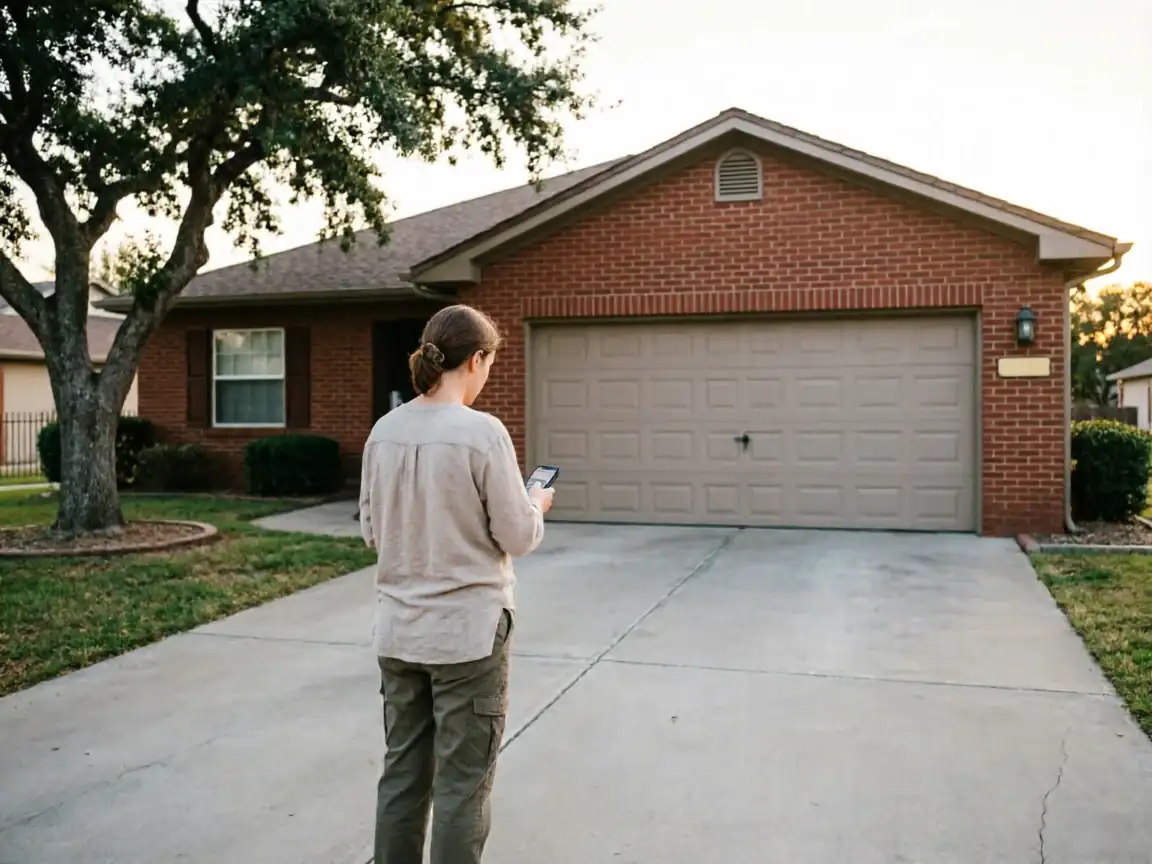
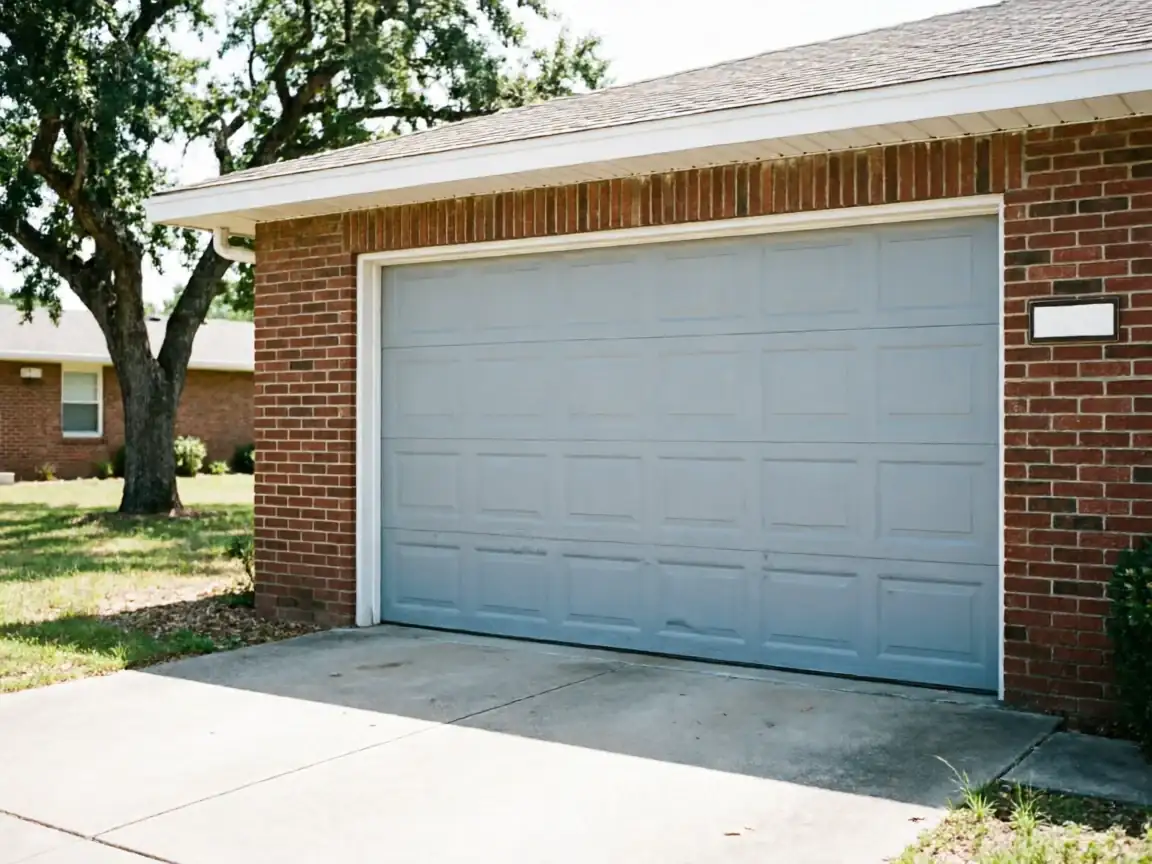
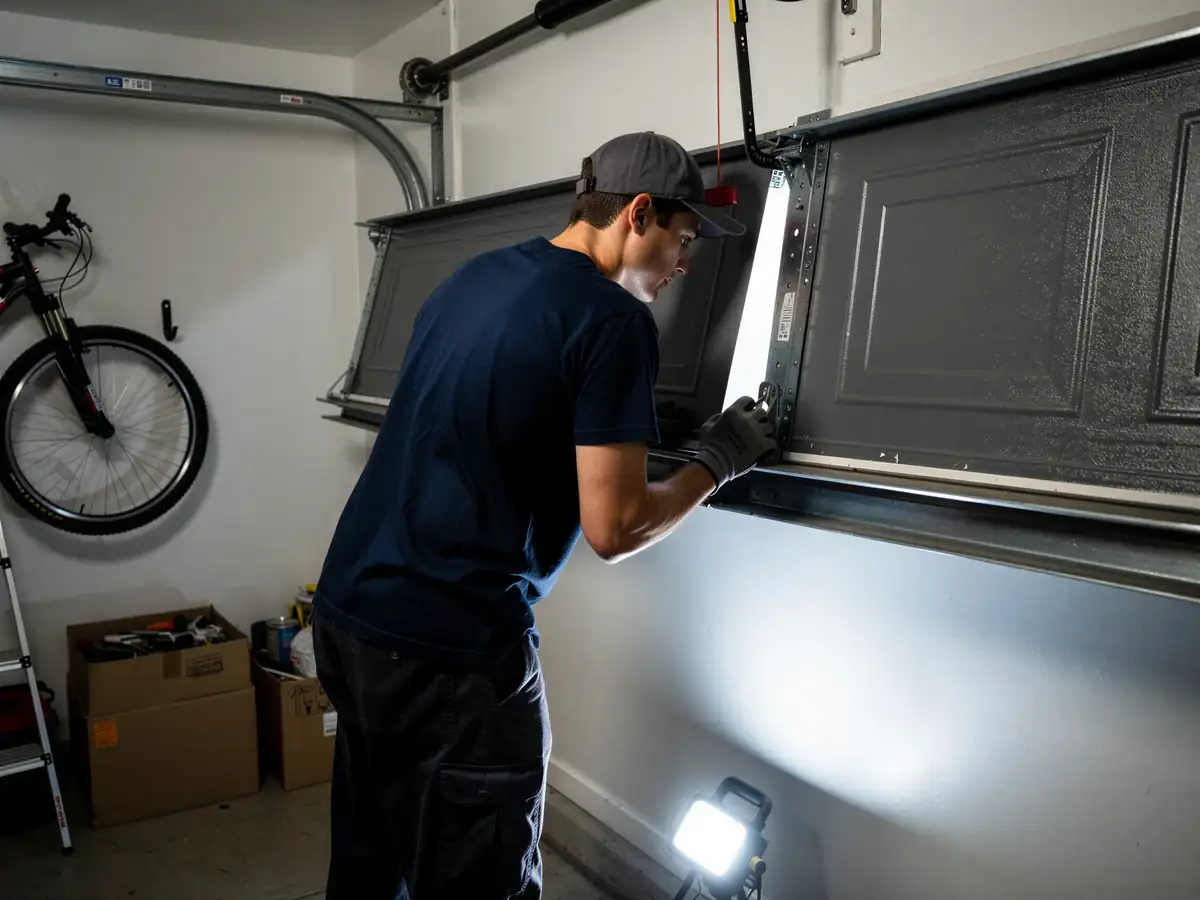
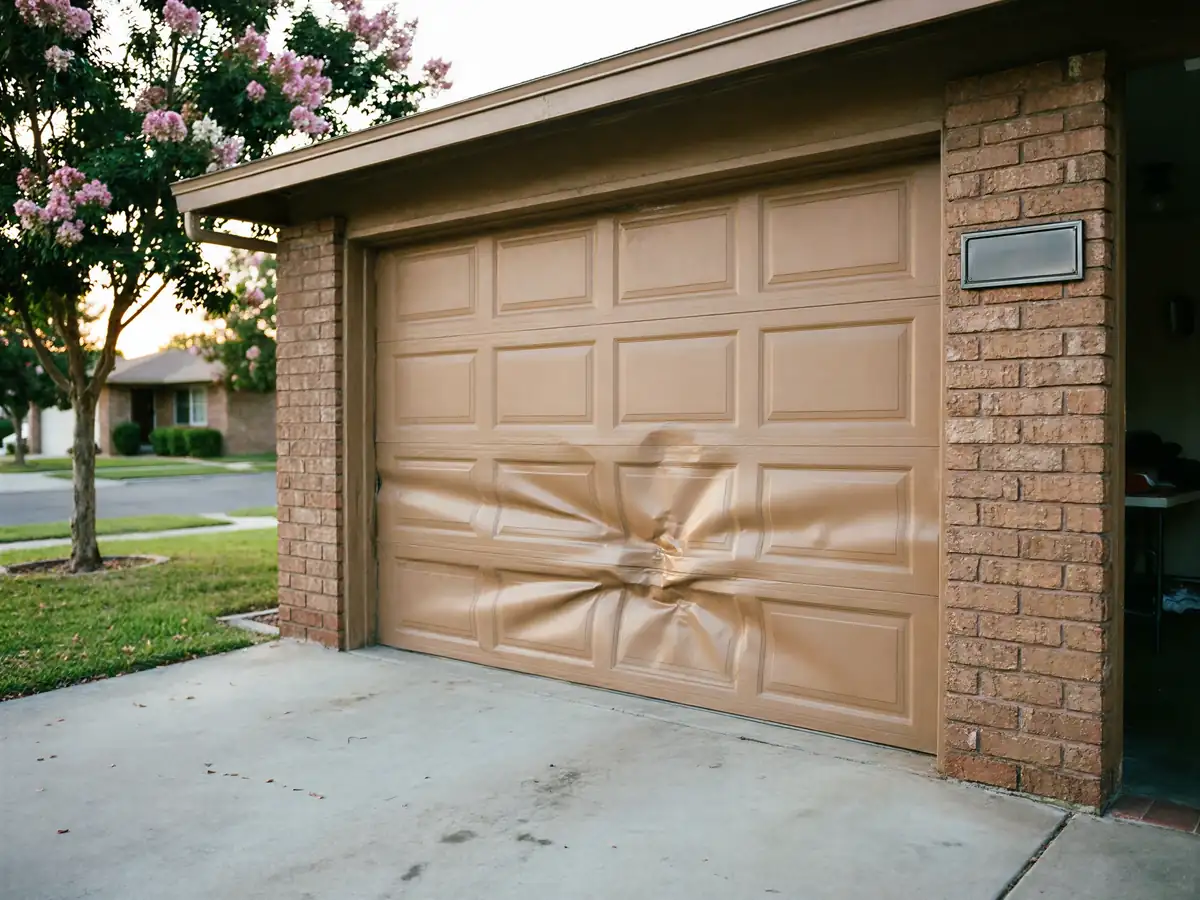
Most garage doors we replace panels on in Choctaw went up around 1983, give or take a few years either side. That puts them square in the steel-panel era - before foam-core insulation became standard, before manufacturers widened their stock sizes. A lot of these doors are still the original unit, just with one or two panels that have taken a hit from a bumper, a basketball, or thirty-some years of rust creeping up from the bottom seal. We're coming from Moore, about 16 miles out, so we don't promise a same-hour arrival - we schedule the visit, look at what's actually there, and bring what the job needs rather than guessing from a photo. On a single bent panel, the job itself usually runs under two hours once we're on site. Matching an obsolete panel profile can add time before the truck ever leaves Moore, because we have to source it first.
What the Repair Takes
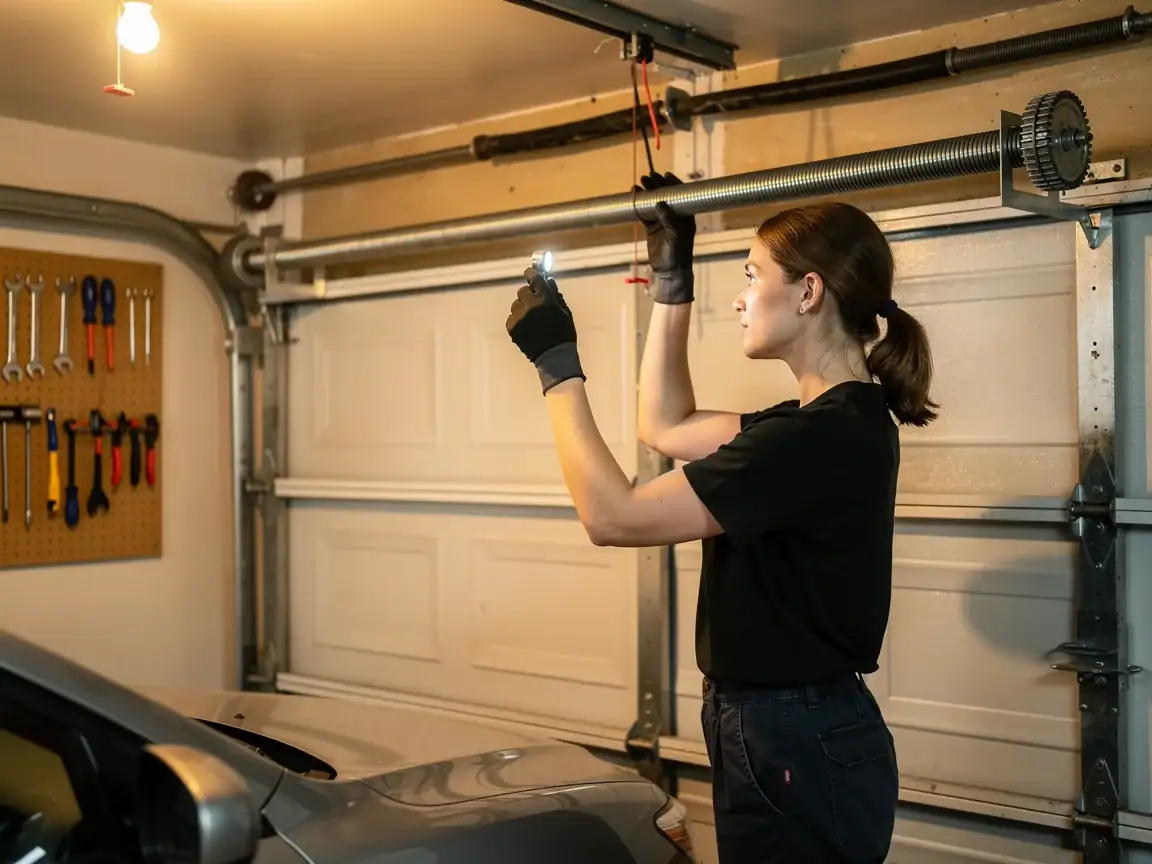
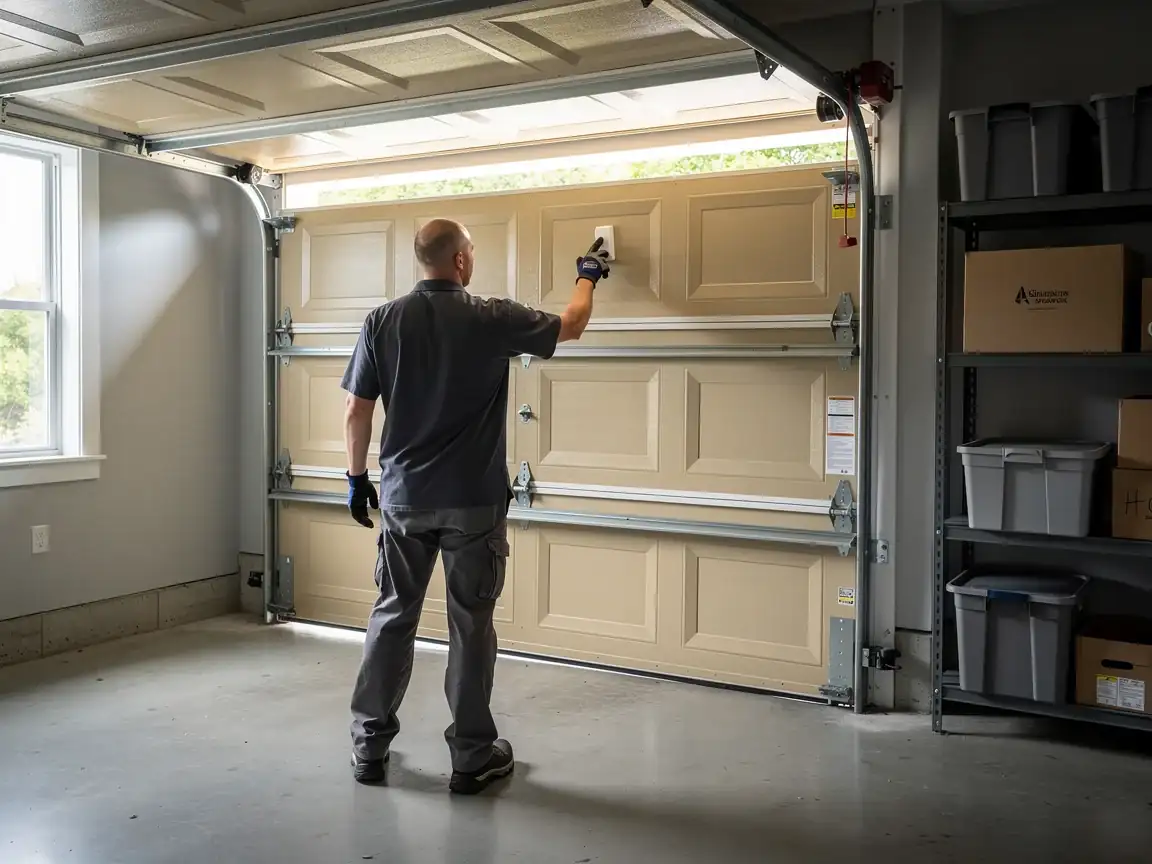
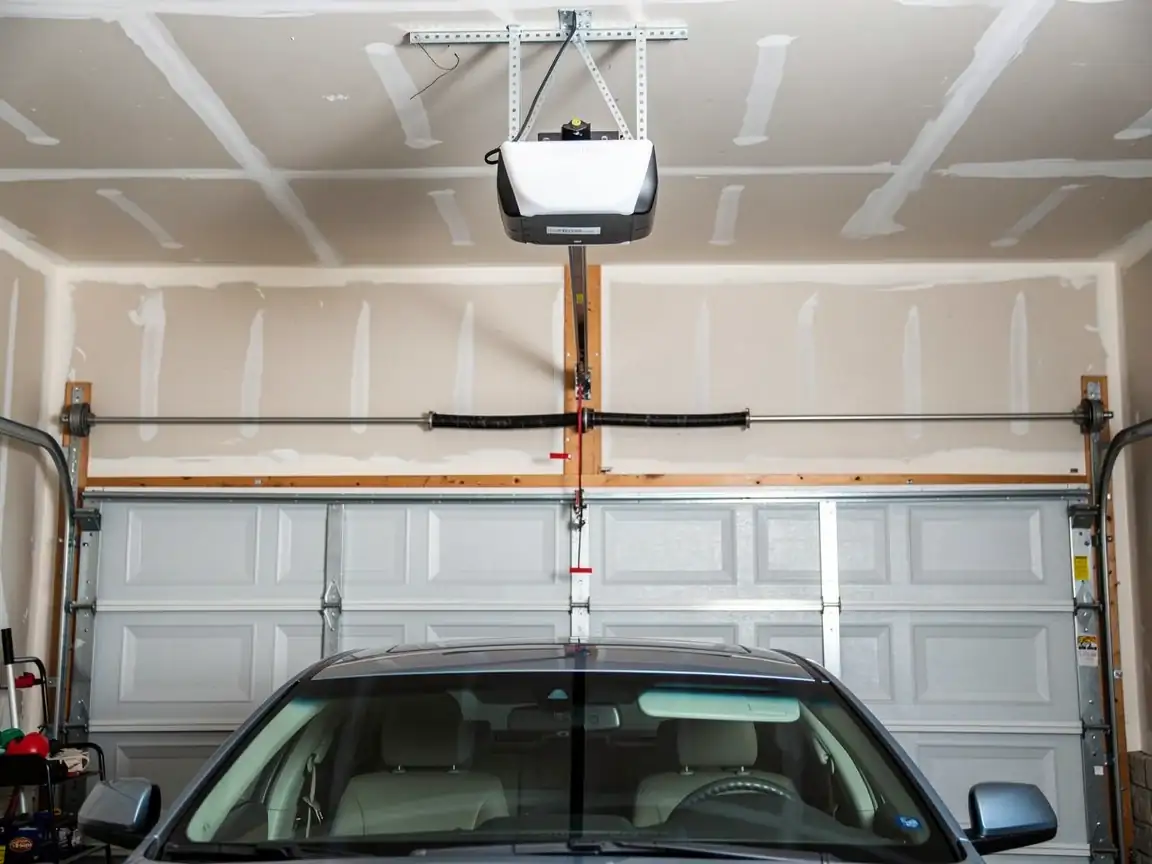
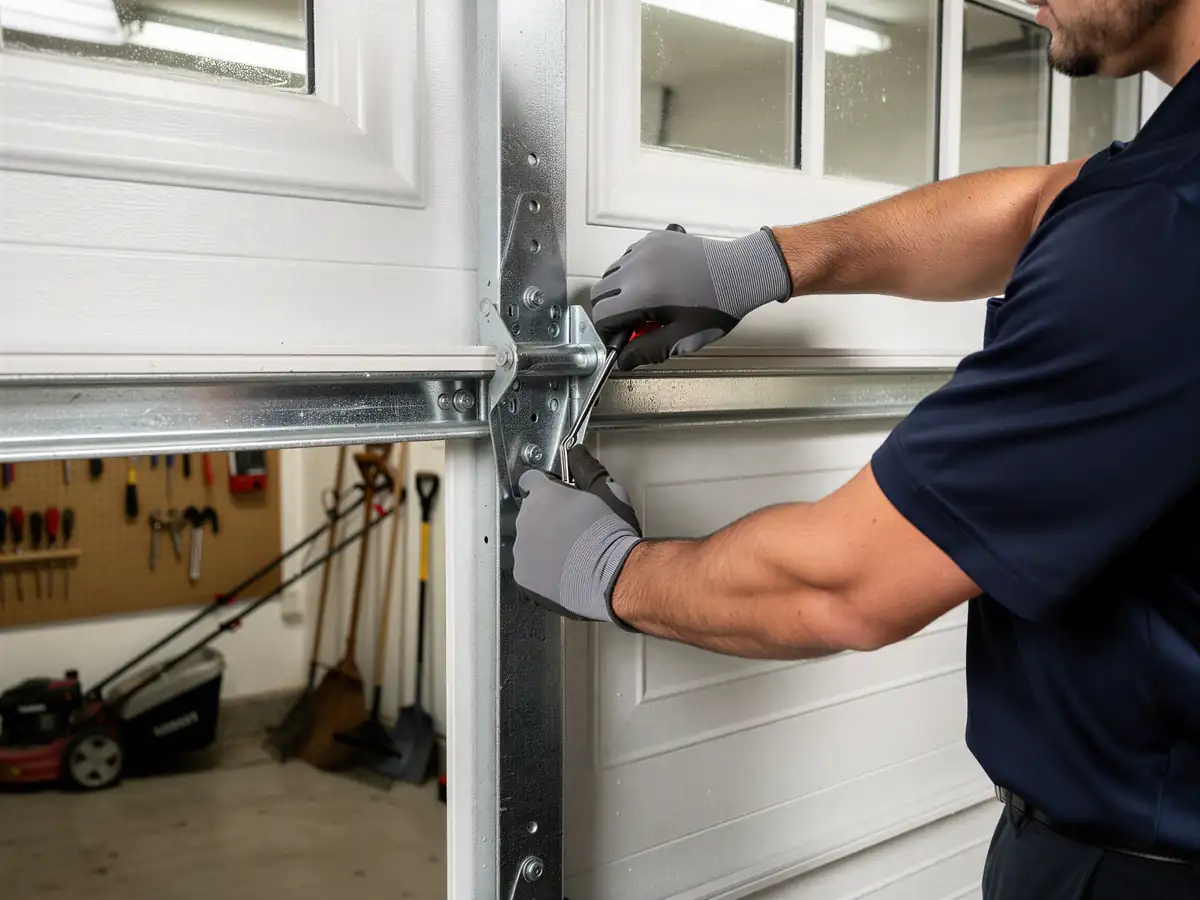
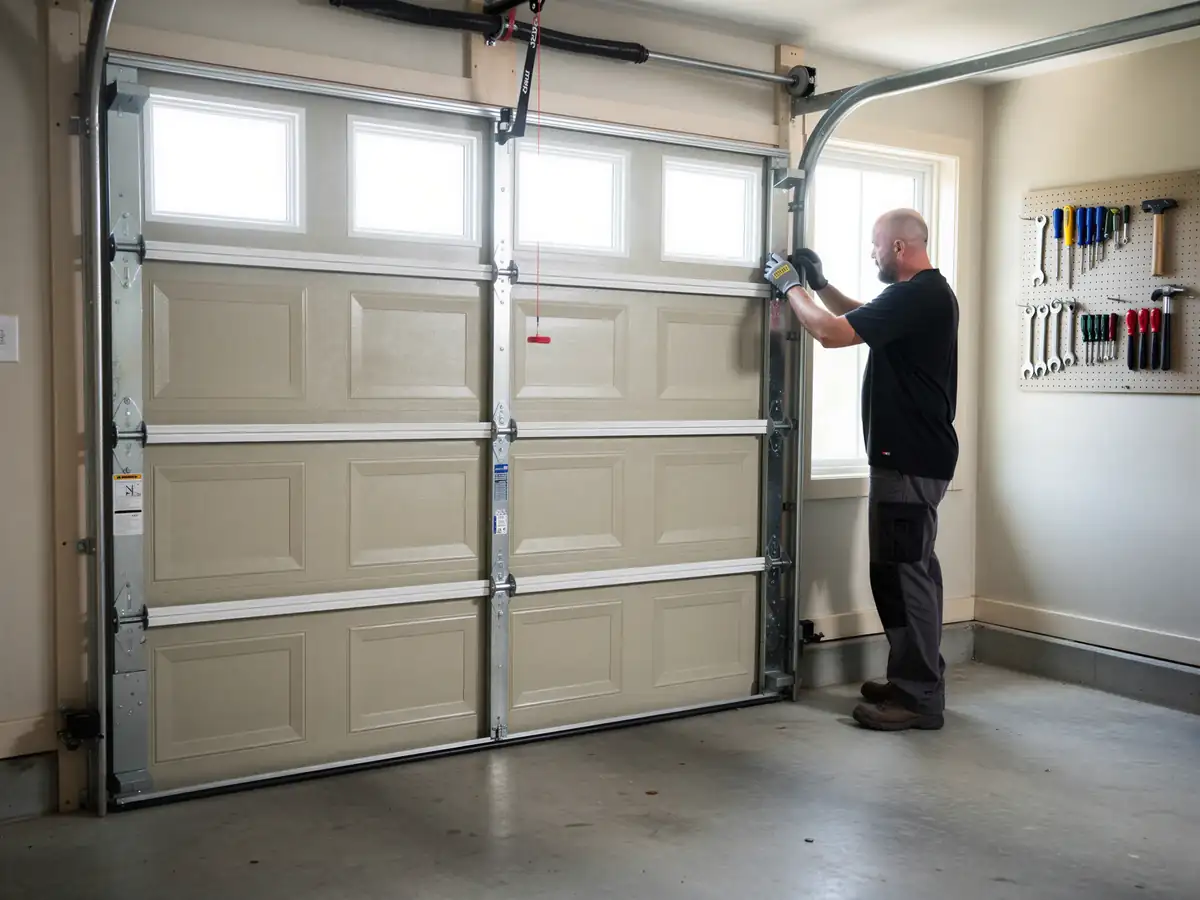
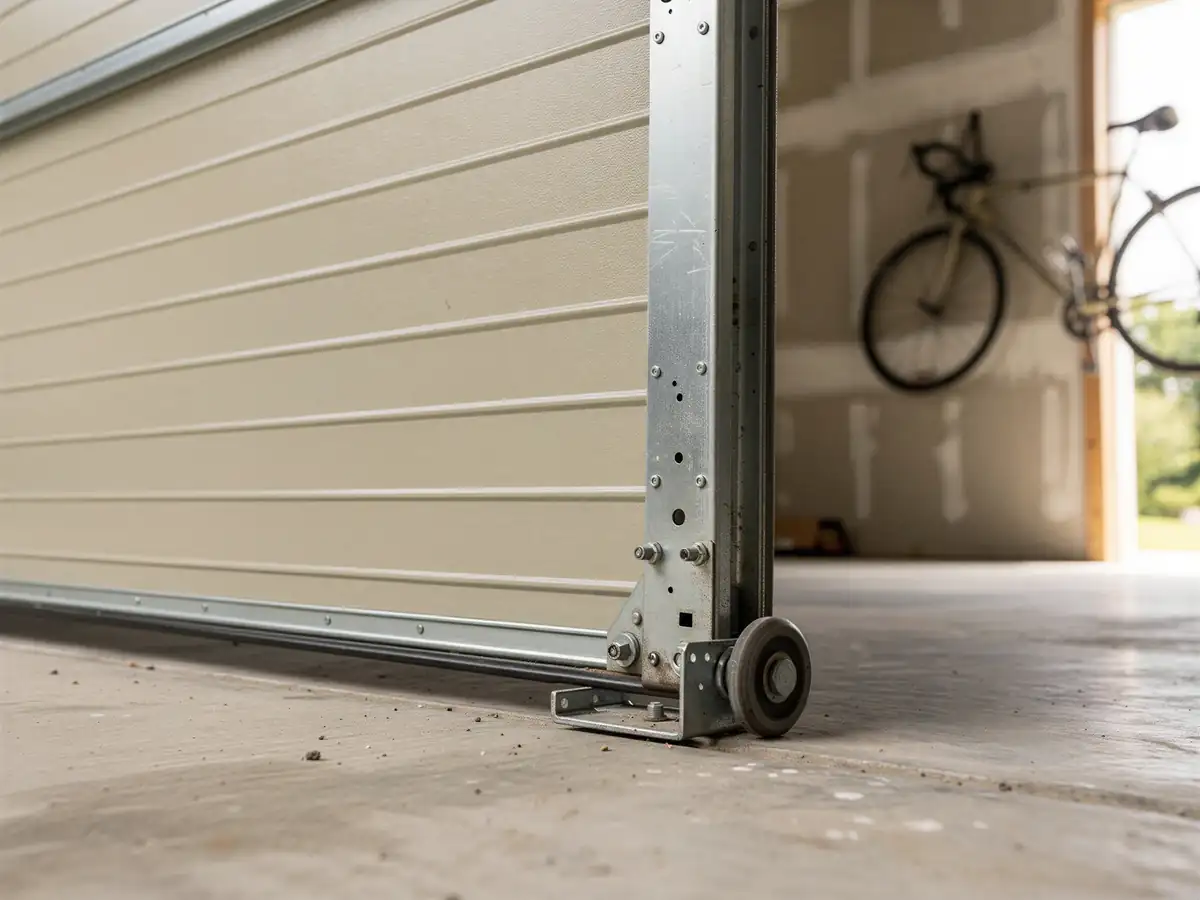
A single-layer steel panel from the early 1980s is thinner gauge than what's sold today, and the roll-formed ribs don't always match current stock profiles. If your door still has its original panels, we measure the section height and the track width before ordering anything - guessing wrong means a second trip. Where the whole door is the same vintage and one panel is gone, sometimes it's cheaper and more honest to replace the full door rather than hunt down a discontinued panel that won't match color or rib pattern anyway. We'll tell you straight if that's where your door is. The hardware underneath matters too: hinges and rollers from this era were sized for the lighter panel weight, so swapping in a heavier insulated replacement panel sometimes means upgrading the hinge gauge or the roller stems at the same time, or the new panel sags at the seams within a year.
What You Pay
We don't post a flat panel-replacement price here because the number depends on whether your door still uses an obsolete size, whether we're sourcing one panel or converting the whole door, and whether the hinge and roller hardware needs to come along with it. Choctaw's median household income runs well above the wider service area - $96,446 against the mid-$80,000s elsewhere - but that doesn't change what the part costs; a discontinued panel profile costs what it costs to track down regardless of the zip code. What we can tell you up front: matching an original panel from a 1983 door is almost always more expensive, panel for panel, than a same-size section off a current production run, because current sections are made in volume and yours isn't anymore.
Where This Job Goes Sideways
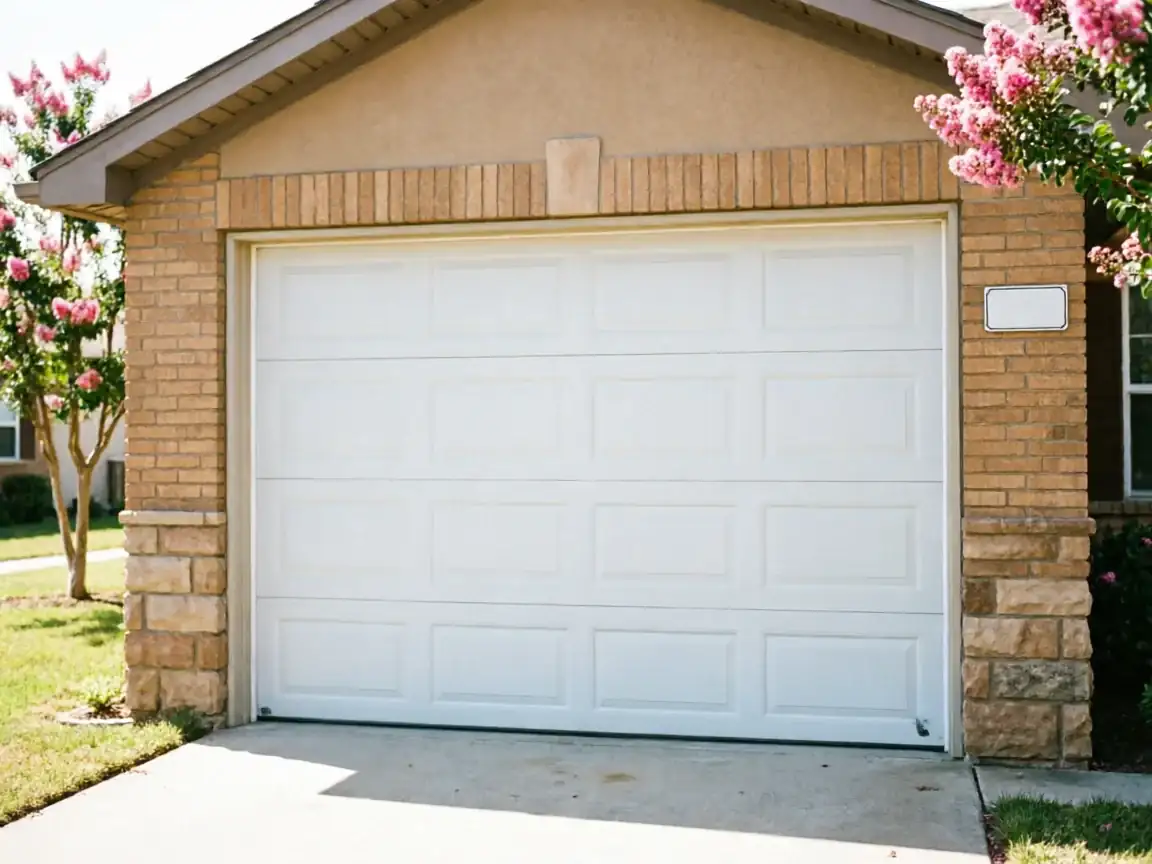
The job goes wrong in two ways we see often. First, someone orders a panel online by rough measurement, it shows up close but not exact, and now there's a mismatched rib pattern on an otherwise fine door. Second - and this is the honest limitation - on a door old enough that the panel profile is fully discontinued, we sometimes can't get a matching section at all, insulated or not, no matter how long we wait on a supplier. At that point replacing the whole door is the real answer, not another delay chasing a part that may not exist anymore. With roughly 4,333 households in Choctaw and a housing stock clustered tightly around that 1983 build year, we run into this exact situation often enough that we'd rather say it here than have you find out mid-job.