Time on the Job
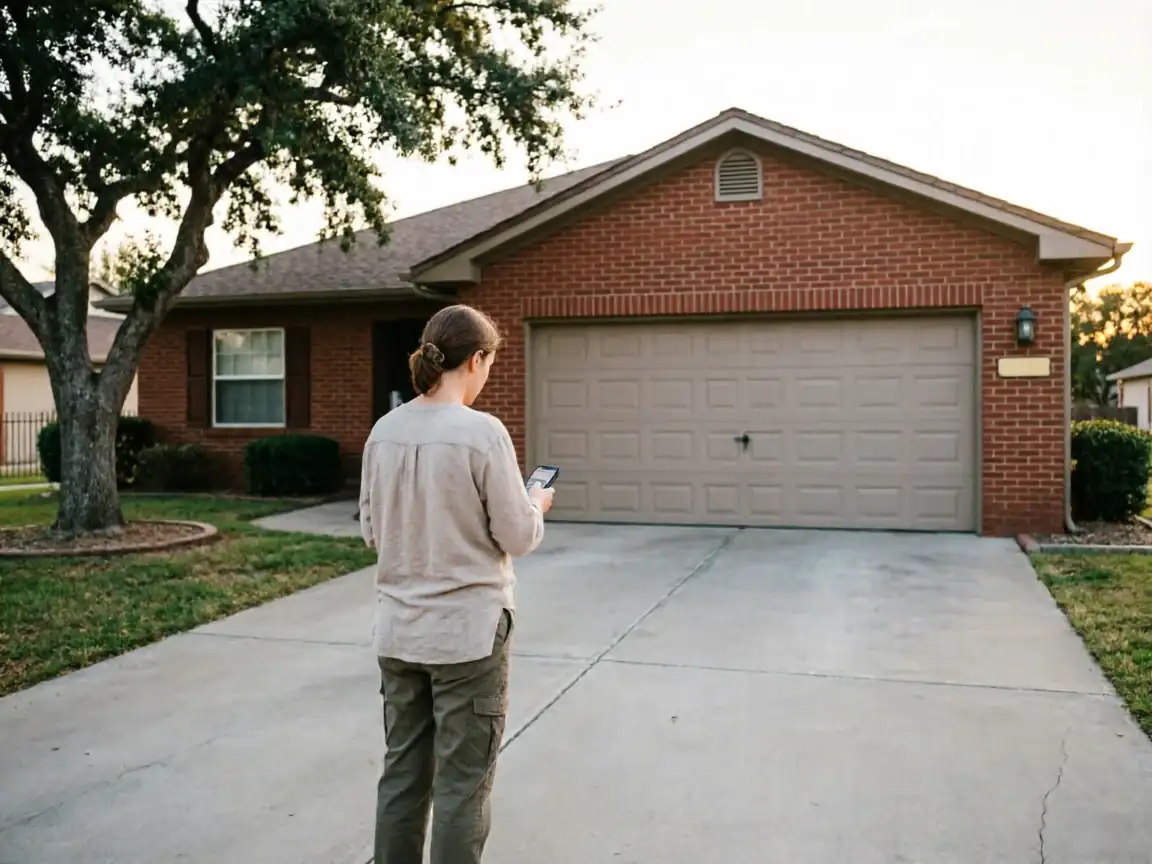
Most garage doors in Choctaw sit on openers that are at least as old as the house, and the median house here went up around 1983. That's a specific generation of hardware: chain-drive units with mechanical limit switches, not the rolling-code safety sensors that became standard later. If nobody's swapped the opener since the house was built, you're running a unit pushing forty years old, and the gearing inside has likely stripped at least once already even if the motor still turns over. We come out from Moore, about 16 miles west, so this isn't a same-hour drop-in - but once we're on site we're looking at a known category of failure, not guessing.
What the Repair Takes
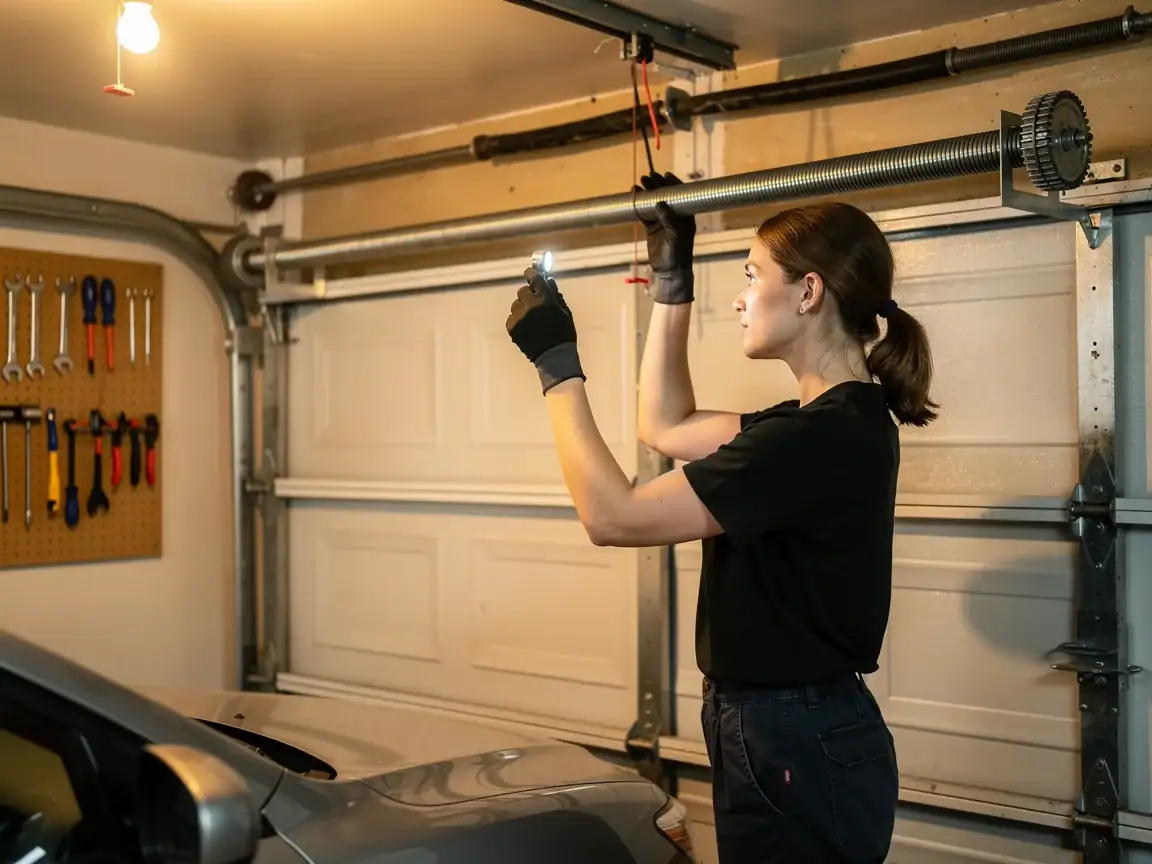
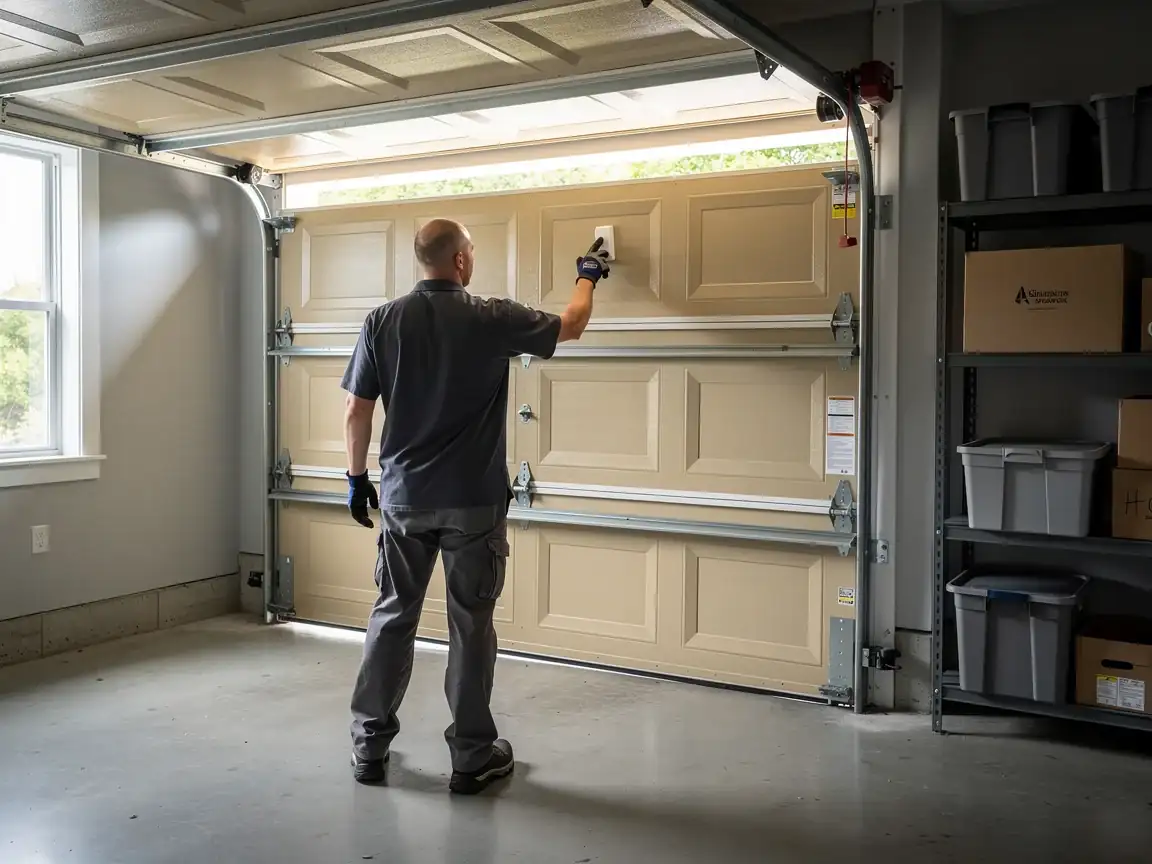
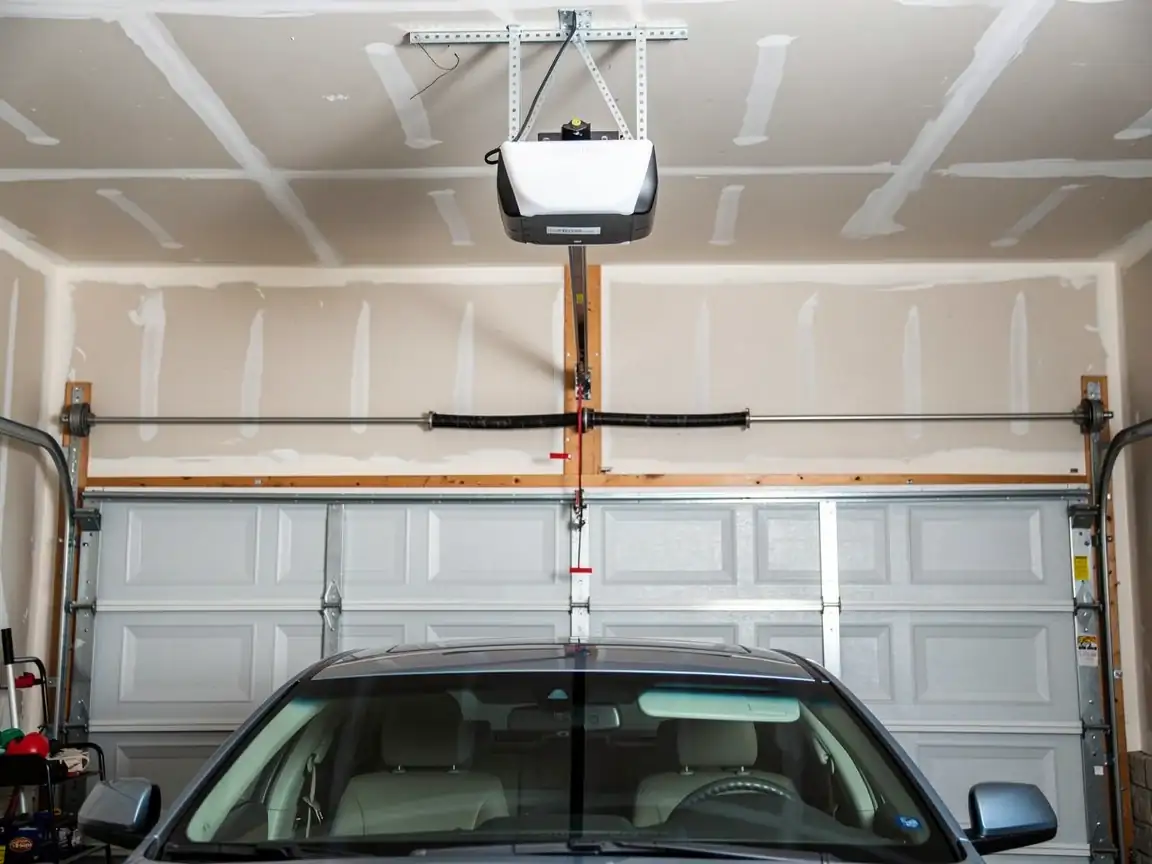
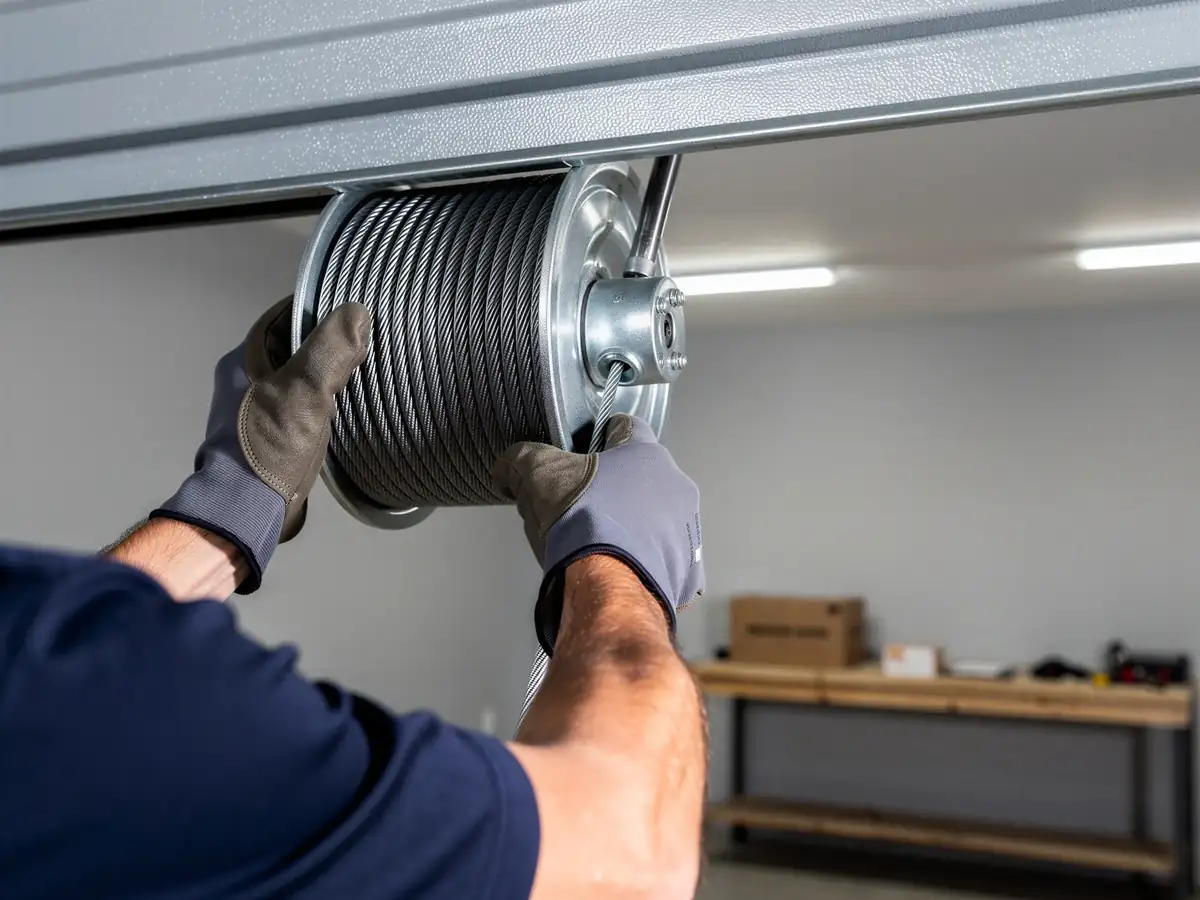
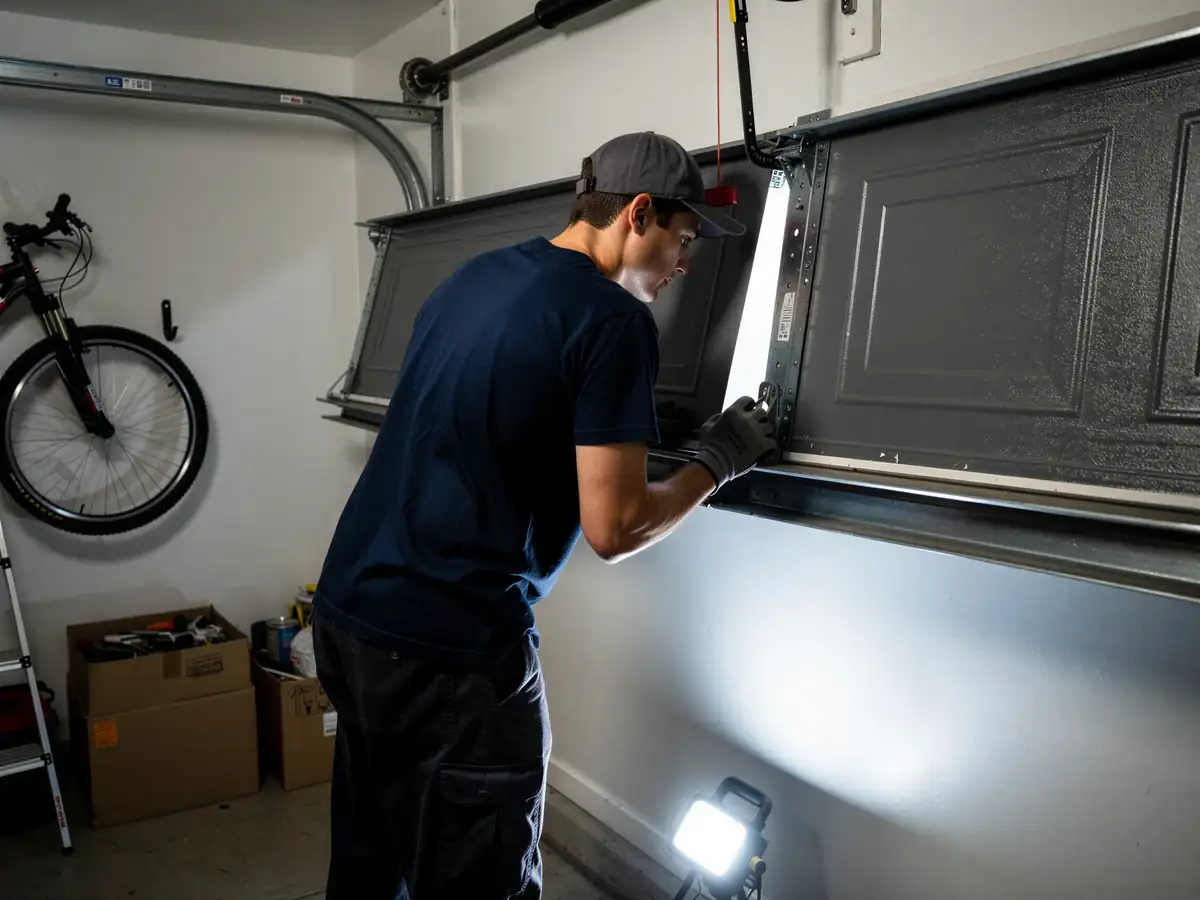
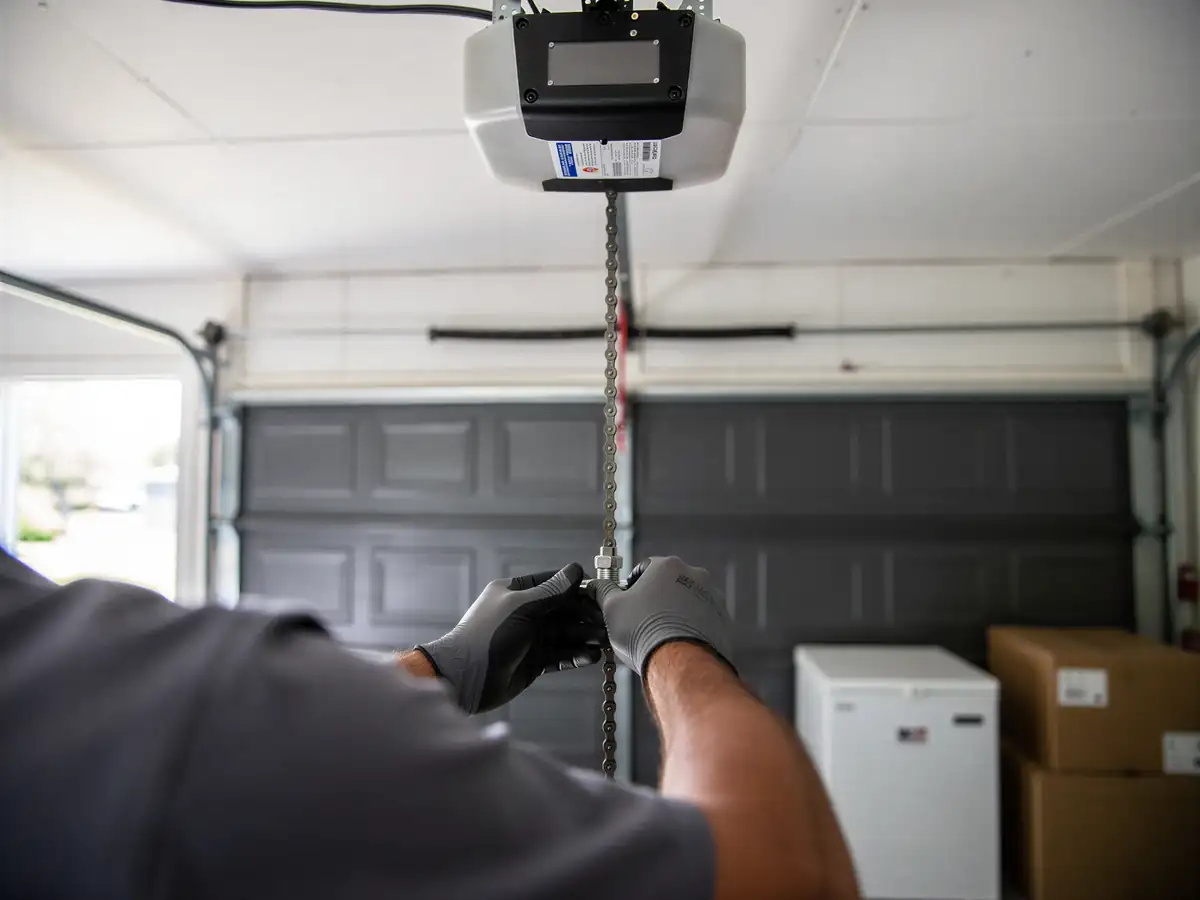
On a 1980s-era opener the first thing we check is the drive gear and sprocket, because that's the part that wears out from decades of chain tension before the motor itself quits. Second is the logic board - if it's the original board, the capacitors have likely degraded even if the unit still fires. Third is the safety reversal sensors, which on houses from this build period may have been added later as a retrofit rather than built in, and the wiring on those retrofits isn't always done to last. We test the travel limits and force settings by hand on these older units since many don't self-diagnose the way newer ones do. Full sensor and board replacement usually makes more sense than patching a 40-year-old motor piece by piece.
What You Pay
We don't have a published price list for opener repair specific to Choctaw, and quoting a number here without seeing the unit would be guessing. What we can tell you: a stripped gear kit is cheaper than a logic board swap, and a logic board swap is cheaper than a full opener replacement. If your opener is original to a house built in the early '80s, replacement often costs about the same as fixing it twice, since the next failure is usually a different part on the same aging motor.
Where This Job Goes Sideways
The common mistake on older Choctaw openers is replacing just the part that broke and leaving the rest of a 40-year-old unit in place - you fix the gear, and three months later the capacitor on the board goes, and you've paid for two visits instead of one replacement. The other spot where jobs go wrong is retrofit safety sensors: if they were added after the original install, the wiring sometimes runs through a junction that wasn't meant for it, and chasing an intermittent fault back through that wiring takes longer than swapping the sensors outright. We'll tell you honestly when a repair isn't worth doing twice.