Time on the Job
The crew that handles Choctaw calls works out of Moore, 16 miles west. There's no branch office or drop-in counter out here - every job starts with a drive, and the truck is loaded before it leaves rather than after it arrives. That matters less for scheduling and more for parts: if your door needs a part that isn't already on the truck, the tech knows it on sight rather than guessing twice.
What the distance does mean is that this isn't a walk-in business model for Choctaw the way it might be for a shop with a storefront in town. Calls get routed, trucks get loaded, and the work itself doesn't differ from a job three streets from the Moore shop - torsion springs don't care how far the van drove to get there. But if you're expecting a counter to walk into, there isn't one here, and that's worth saying plainly rather than dancing around it.
What the Repair Takes
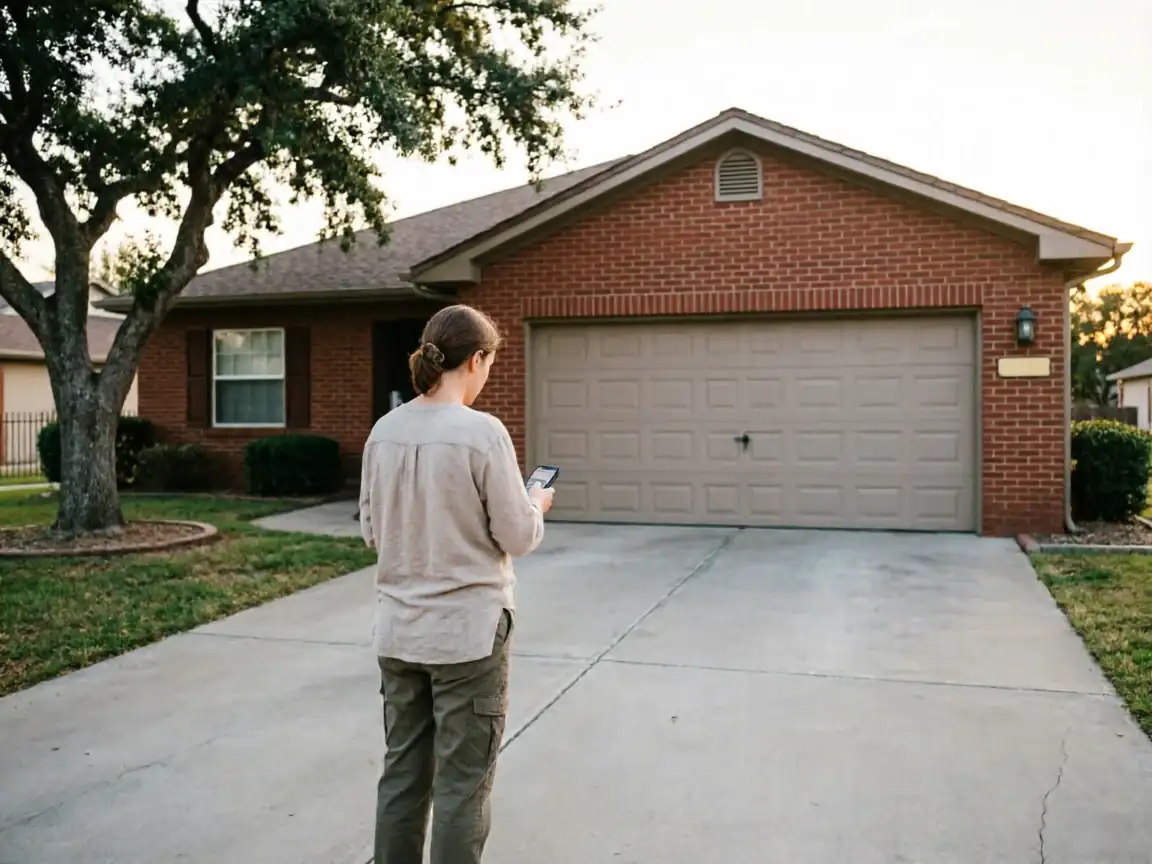
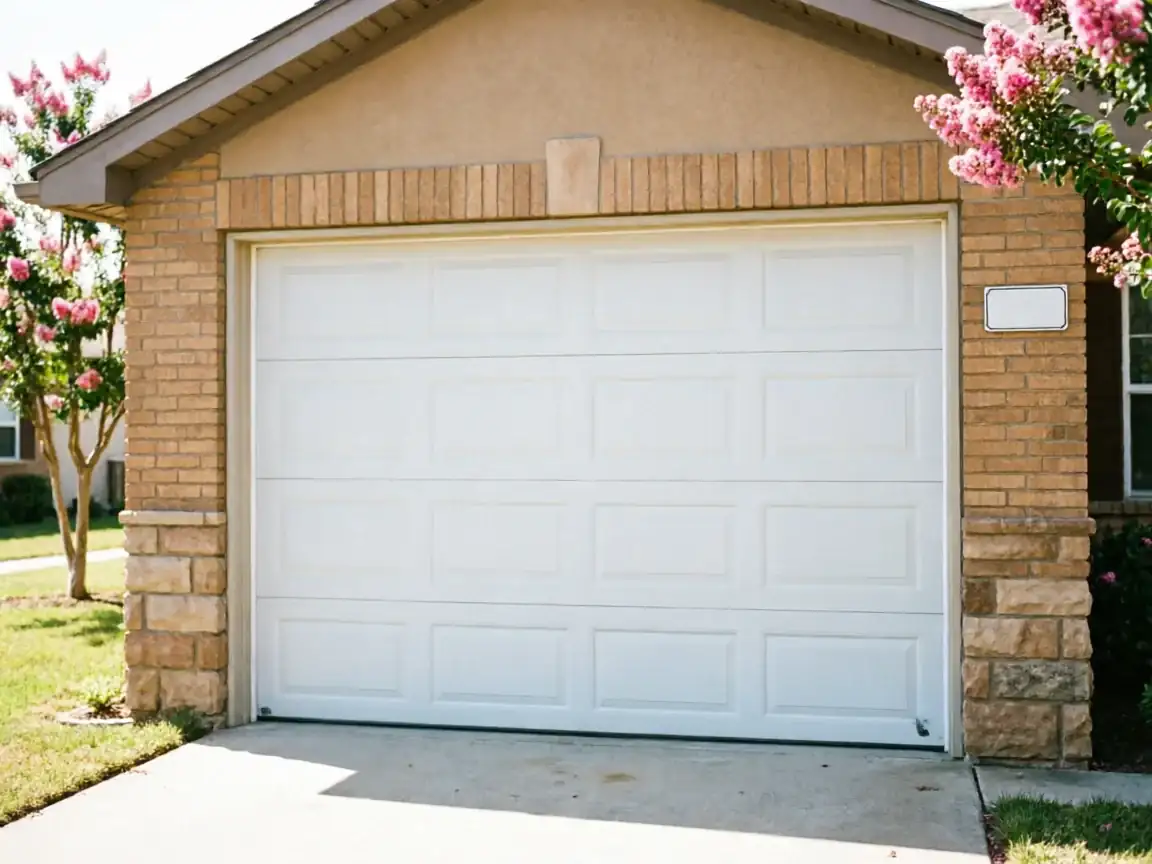
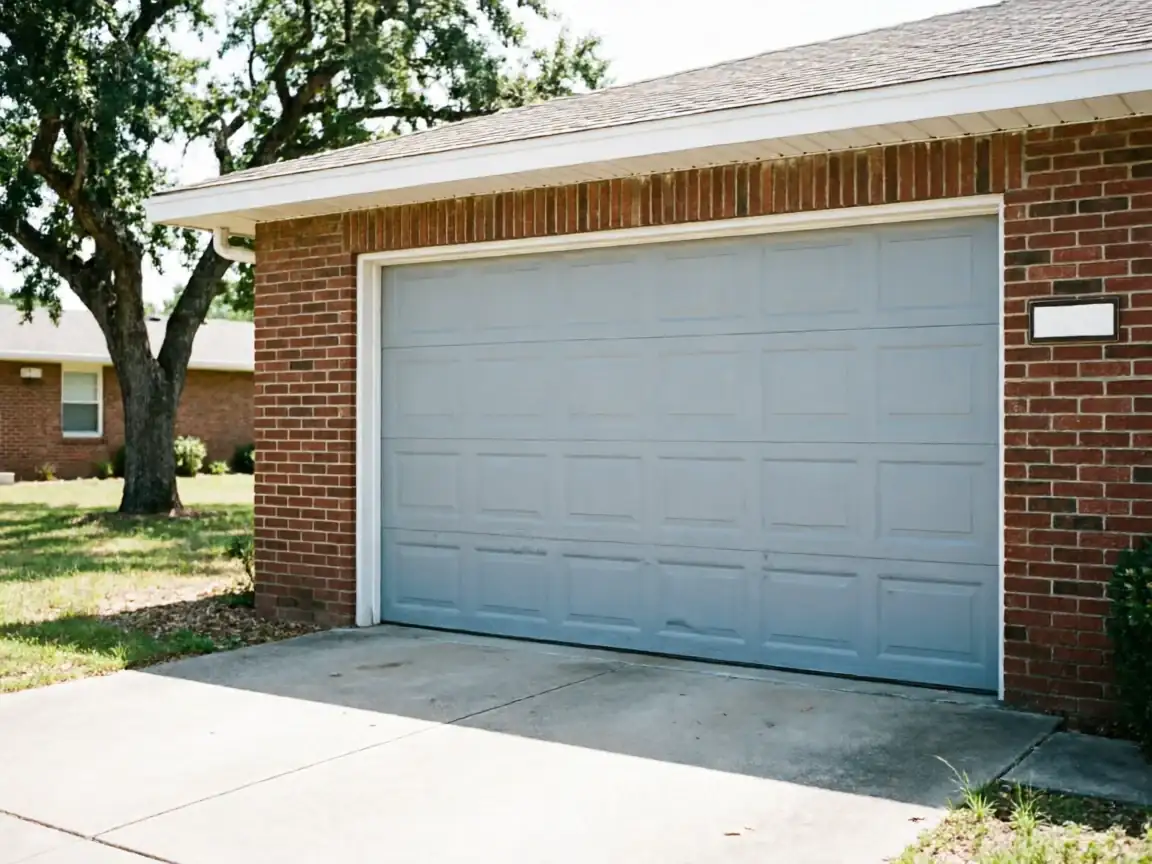
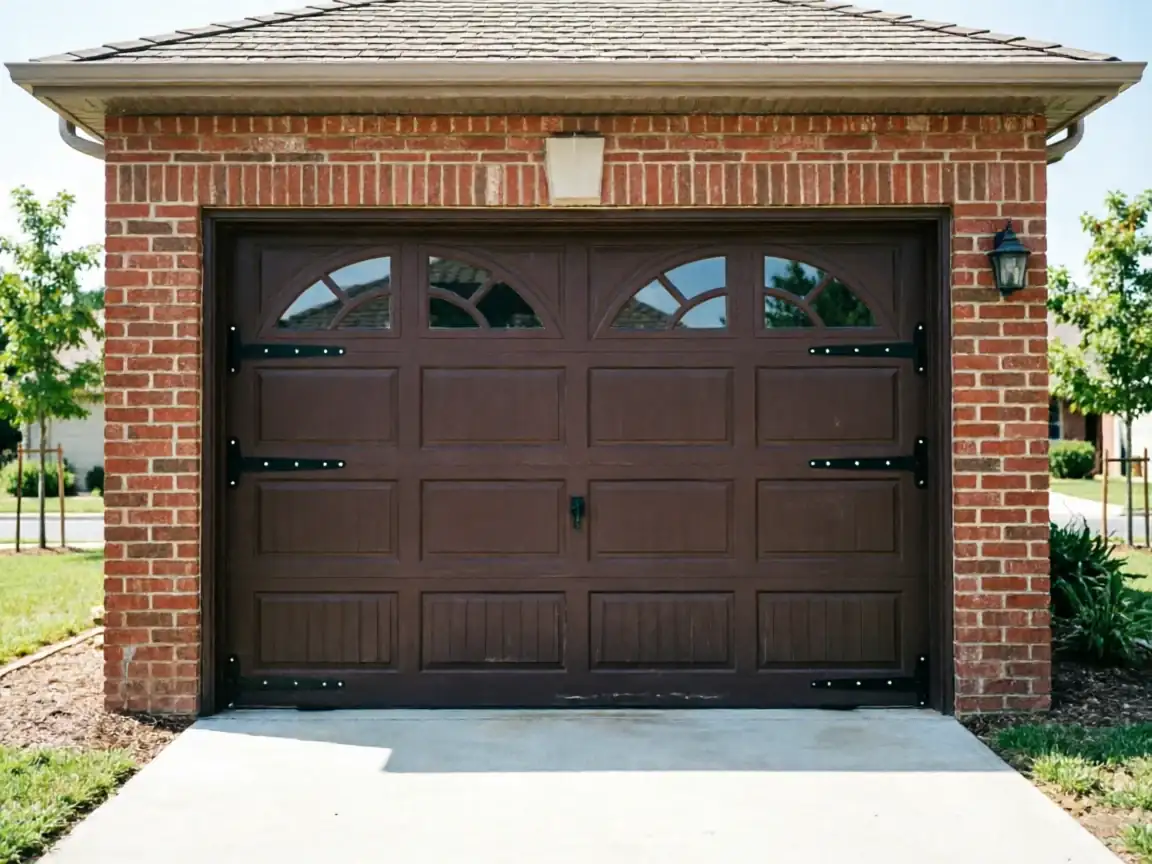
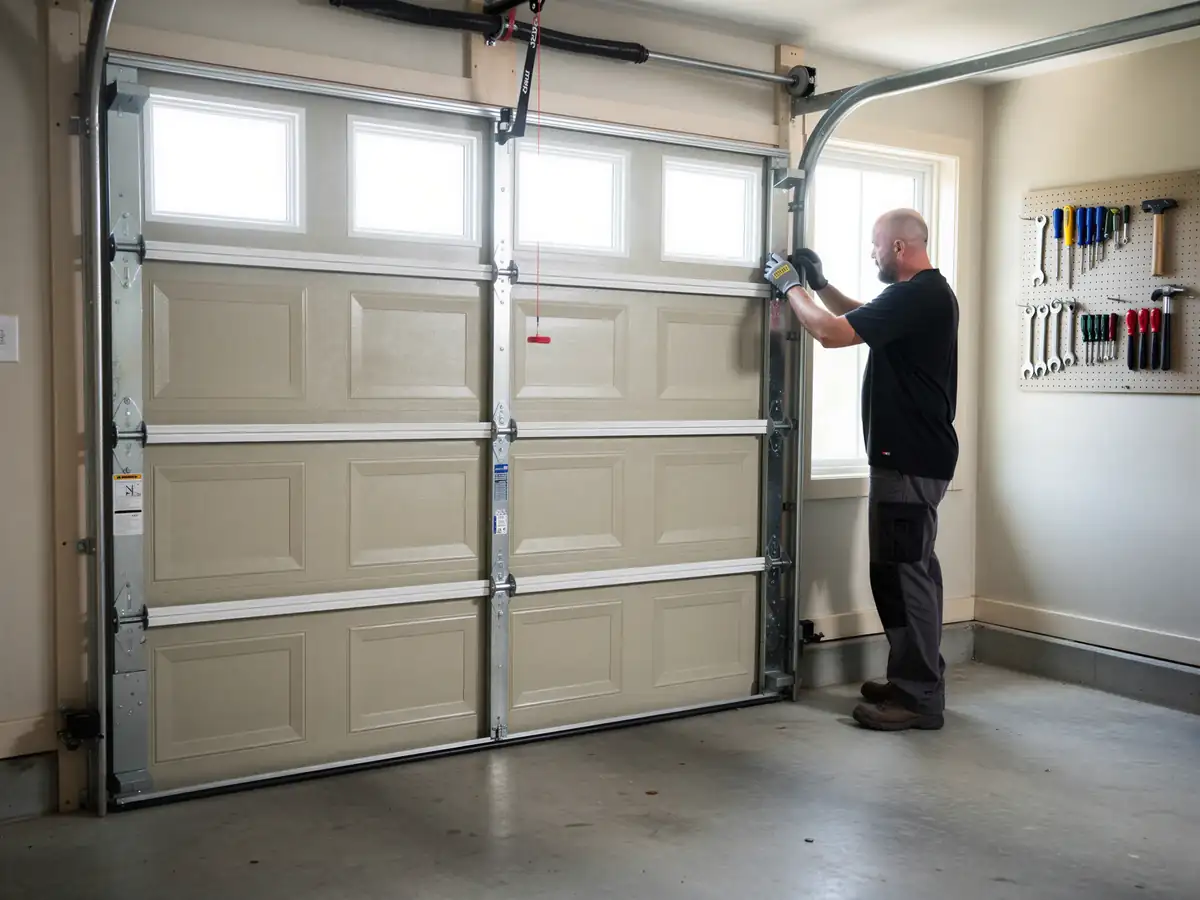
Most houses in Choctaw went up around 1983, right in the middle of the service area's 1980s-90s building wave. Doors from that stretch were almost always steel sectional panels, and a lot of them still run on the extension-spring hardware that was standard before torsion systems took over - springs stretched along the horizontal track rather than wound on a shaft over the header.
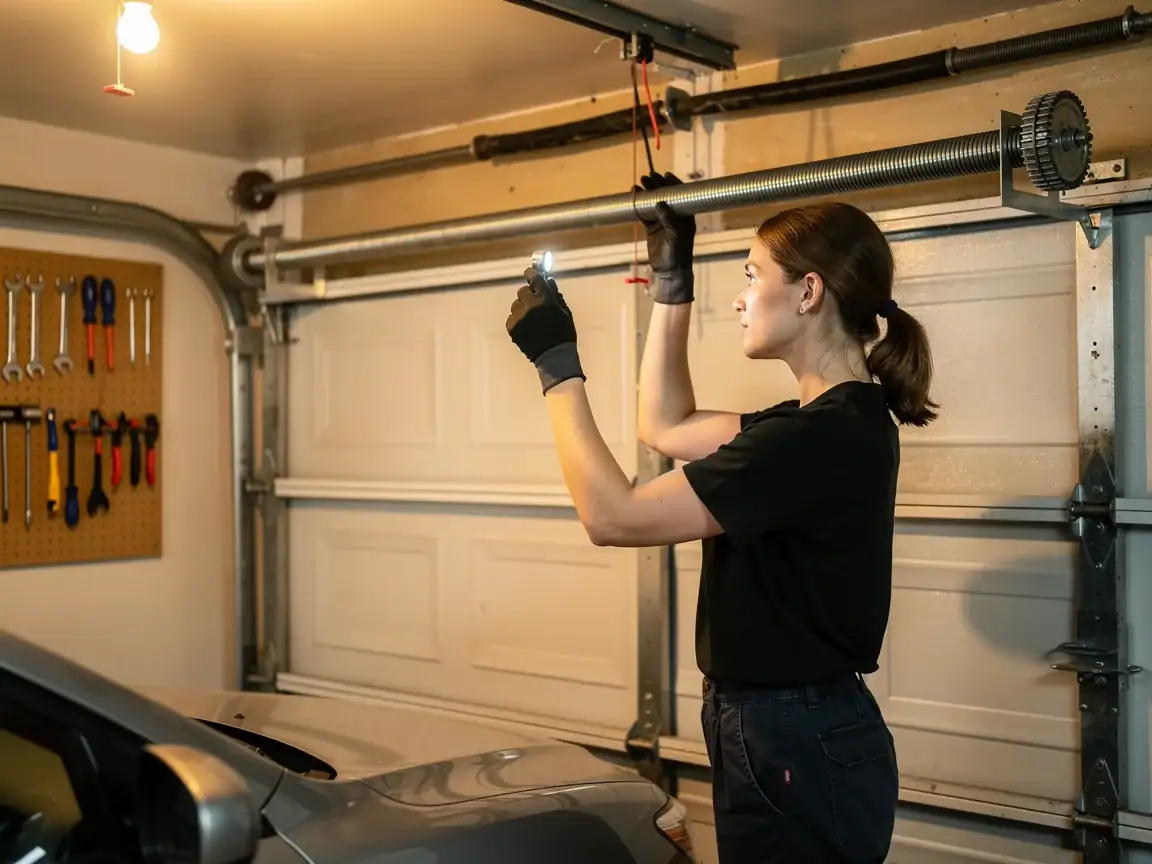
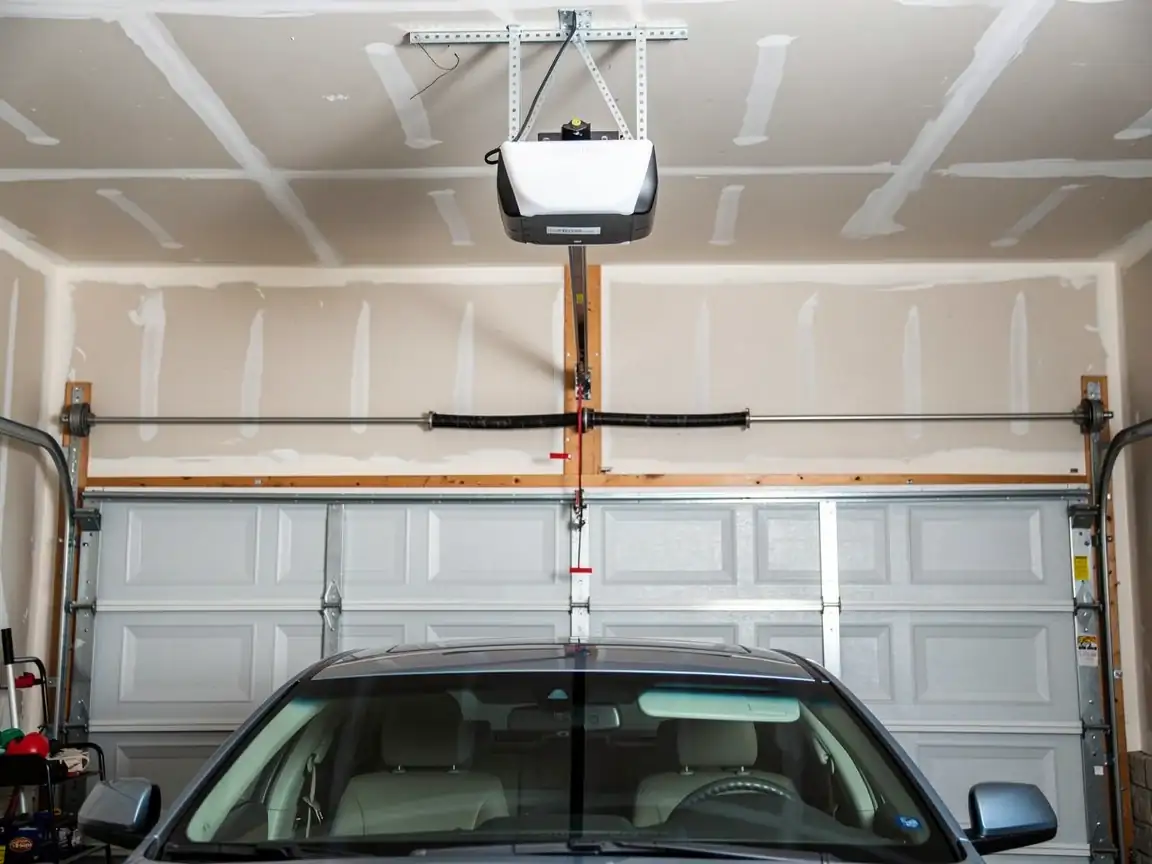
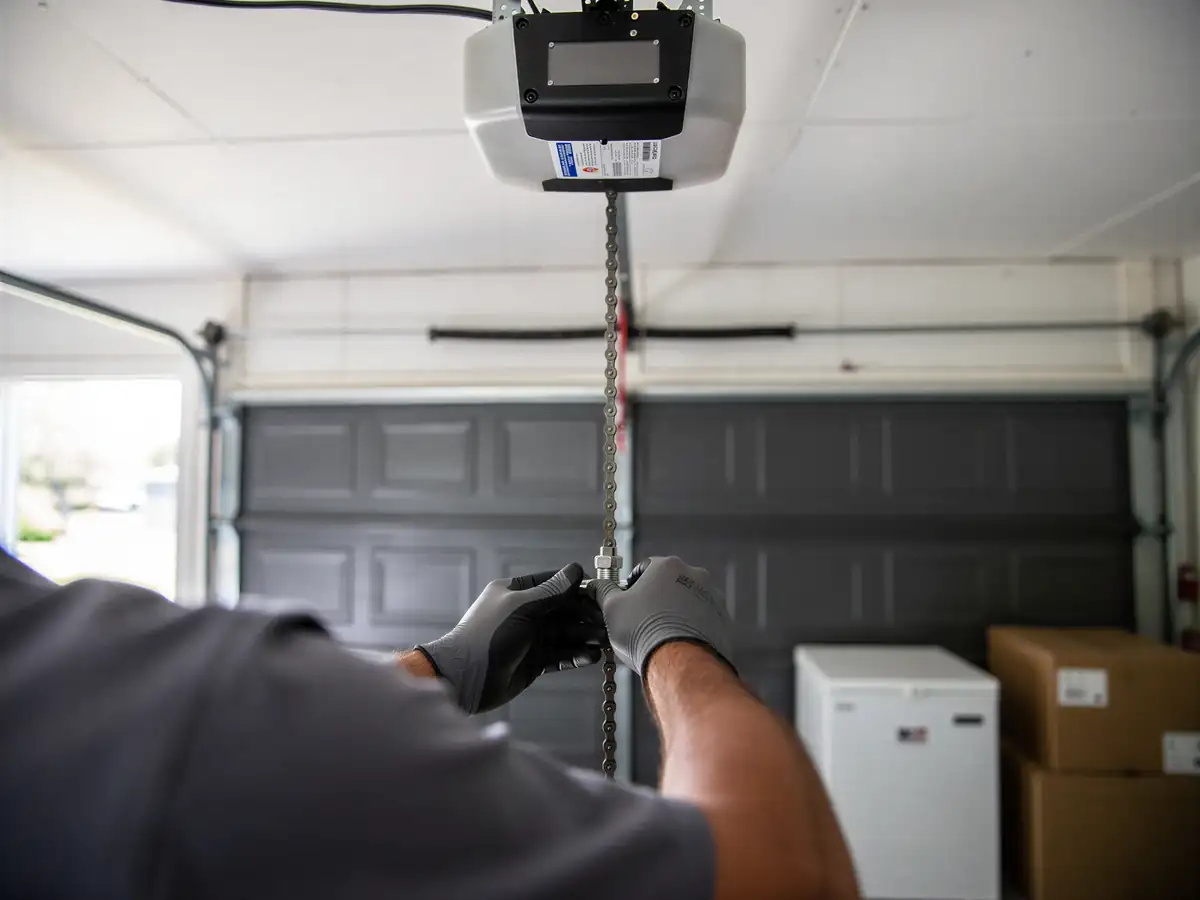
That distinction changes the repair. Extension springs fail differently than torsion springs, usually with a loud snap and the door refusing to lift past a foot off the slab. The safety cables that are supposed to catch a broken extension spring were an afterthought on a lot of builds from that period, so a tech checks for them rather than assumes they're there. On a door that old, the opener is just as often the actual culprit - chain-drive units from the same build era are reaching the end of their gear life right about now, and a repair call sometimes turns into a conversation about whether the opener is worth saving at all.
Why It Happens Here
A door installed when a house was built in 1983 is now past 40 years old
And extension springs don't come with an indefinite cycle life - they stretch, fatigue, and eventually let go, usually without warning. That's the single biggest driver of repair calls in a neighborhood built on this timeline: not accident, not weather damage, just hardware that's outlived its rated use.
- 40 years
Choctaw counts about 4,333 households, a smaller base than some of the other suburbs this shop covers
But the housing age runs consistent with the wider service area - mostly 1980s and 90s construction. That consistency is actually useful for diagnosis: when a tech knows the rough vintage of a neighborhood's garage stock before pulling into the driveway, they already have a short list of what's likely to be wrong before they touch the door. Winters here sit in a cold-moderate band, and steel contracts enough in the cold that a spring already near the end of its life tends to go in January rather than July.
- 4,333 households
What You Pay
There isn't a flat number to quote here, because a spring replacement, a cable repair, and an opener swap don't cost the same thing, and the only honest way to price any of them is to look at the door first. Median household income in Choctaw runs $96,446, notably higher than the $81,105 median across the broader service area this shop covers - worth knowing only in that it shapes what kind of replacement parts make sense, not as a basis for a quote.
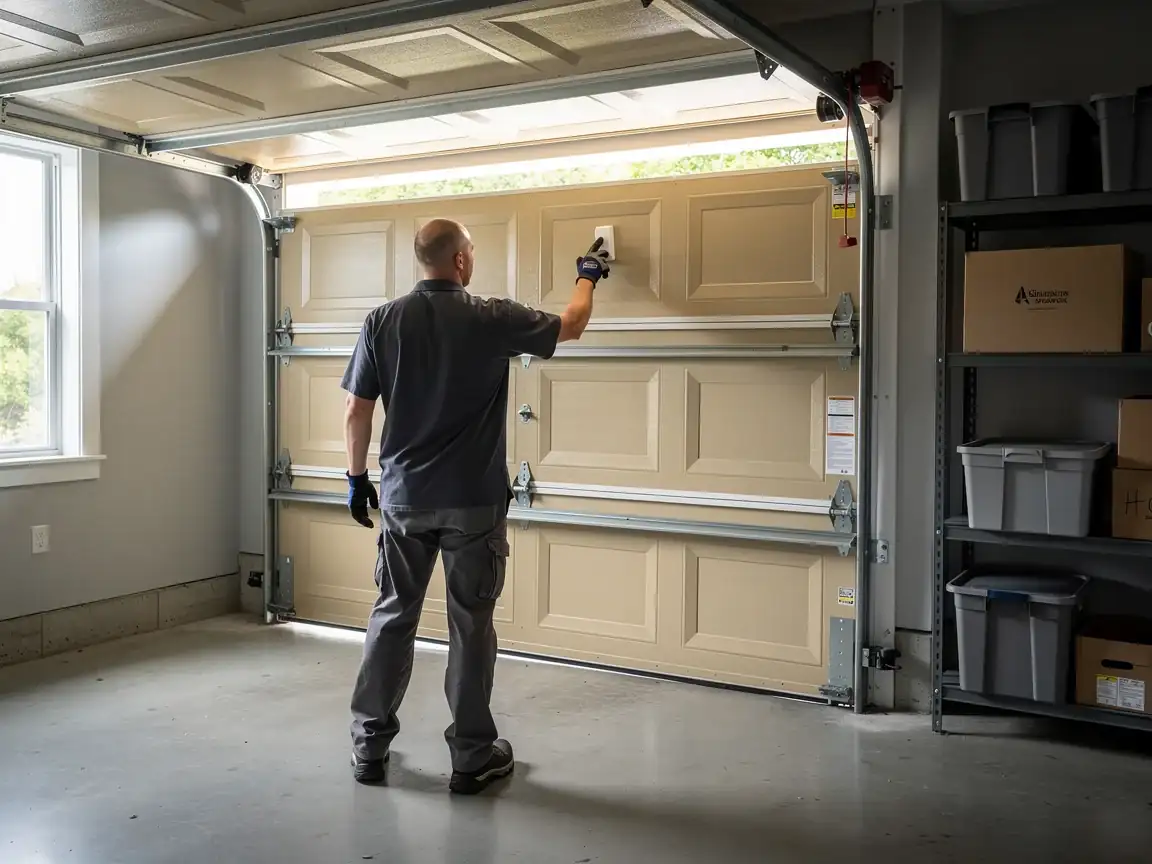
What a tech can tell you on-site, before any work starts, is whether the repair is worth doing at all. A 40-year-old opener with a stripped gear and a cracked housing is sometimes cheaper to replace outright than to keep feeding parts into. That call gets made in person, door by door, not over the phone.
Where This Job Goes Sideways
The most common wrong turn on a door from the early 1980s is treating a spring failure as the whole problem when the opener's drive gear is also near the end of its life. Replace the spring, skip the opener inspection, and you're back out for a second call within a year.
The other place these jobs go sideways is the safety cable question. Extension-spring systems built before cable retainers were standard practice can let a broken spring whip loose instead of staying contained, and on an older Choctaw door that's a real risk, not a theoretical one. A tech should check for retainers on every extension-spring job on a house from this era, not just the ones that look obviously worn. And one honest limit: if a part for an older, discontinued opener model isn't something the supplier stocks, that can mean a wait on lead time rather than a same-visit fix - better to hear that up front than after the first call.