Why It Happens Here
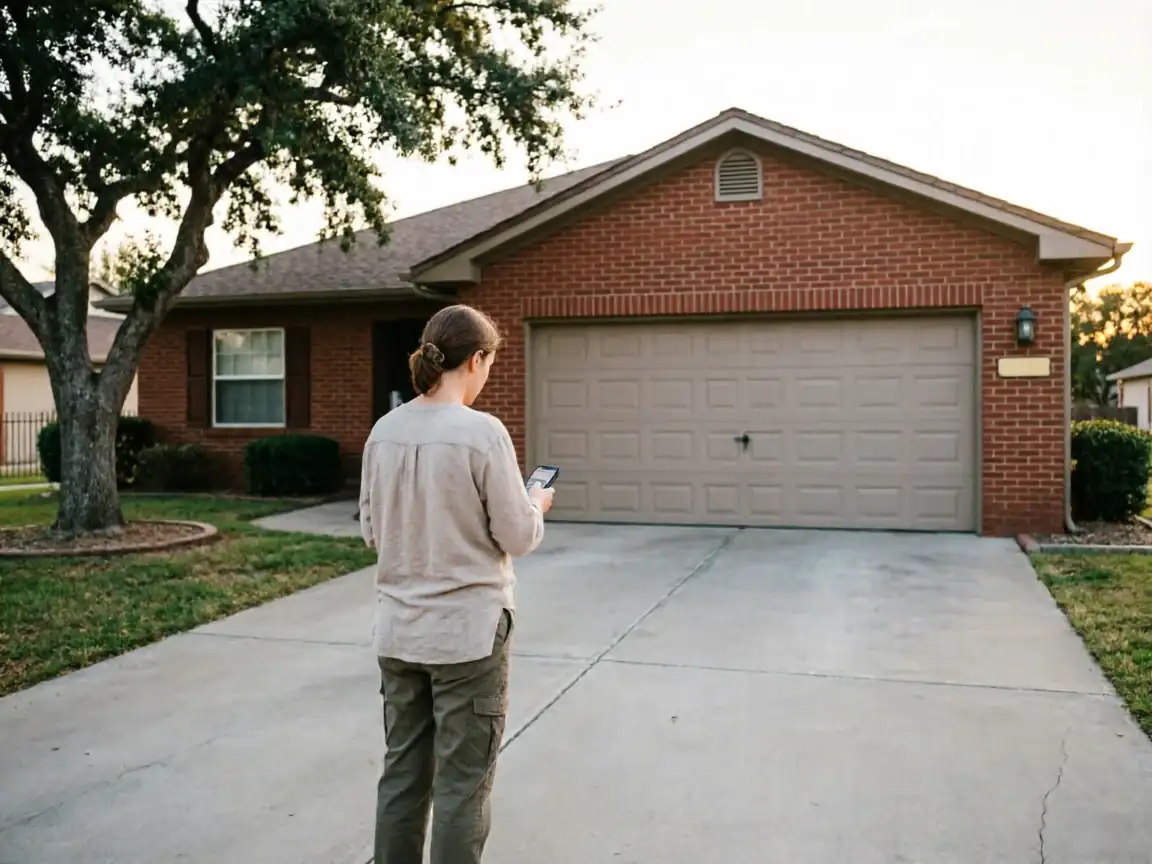
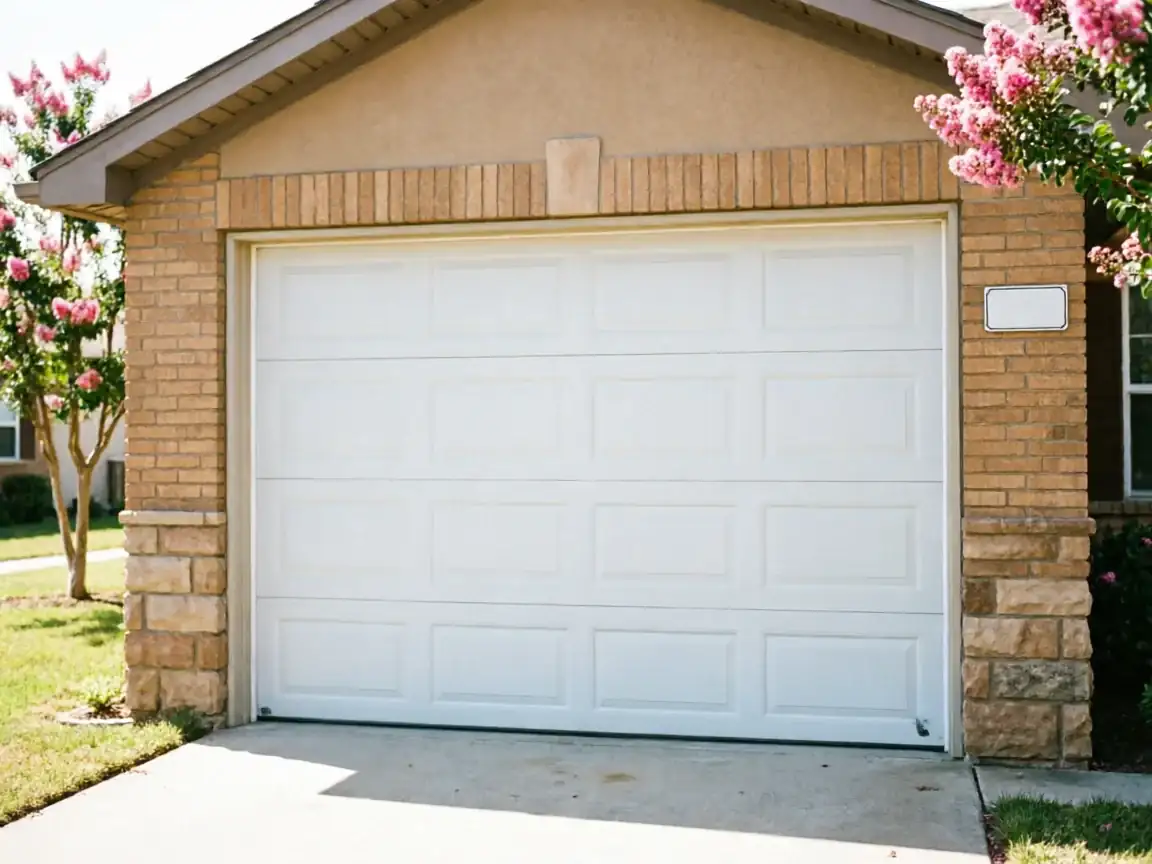
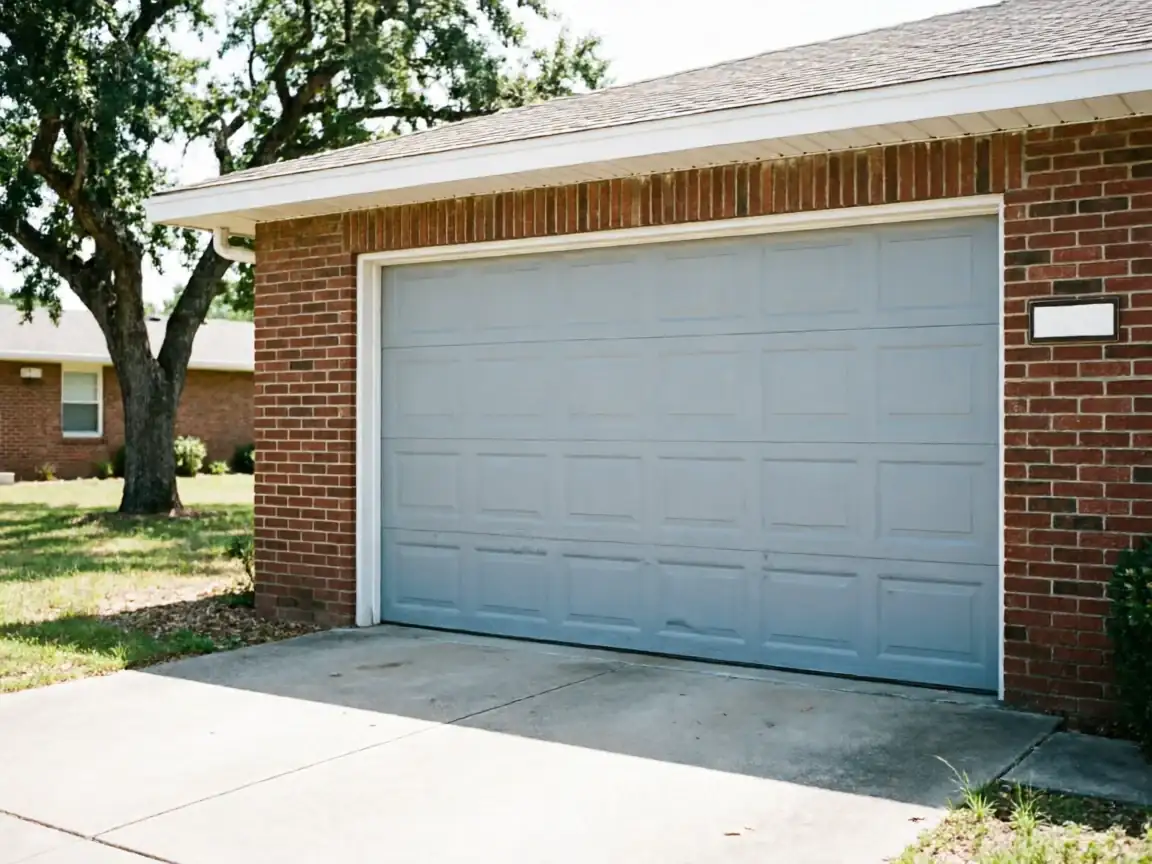
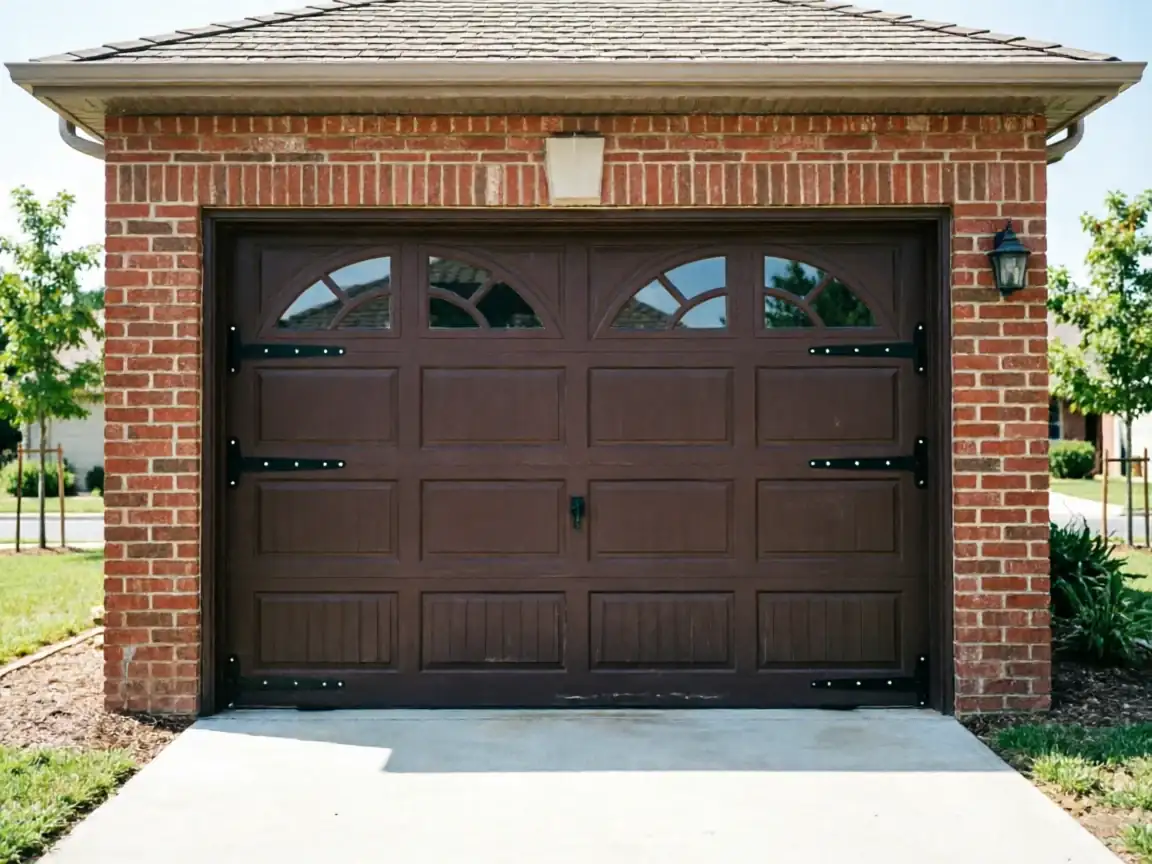
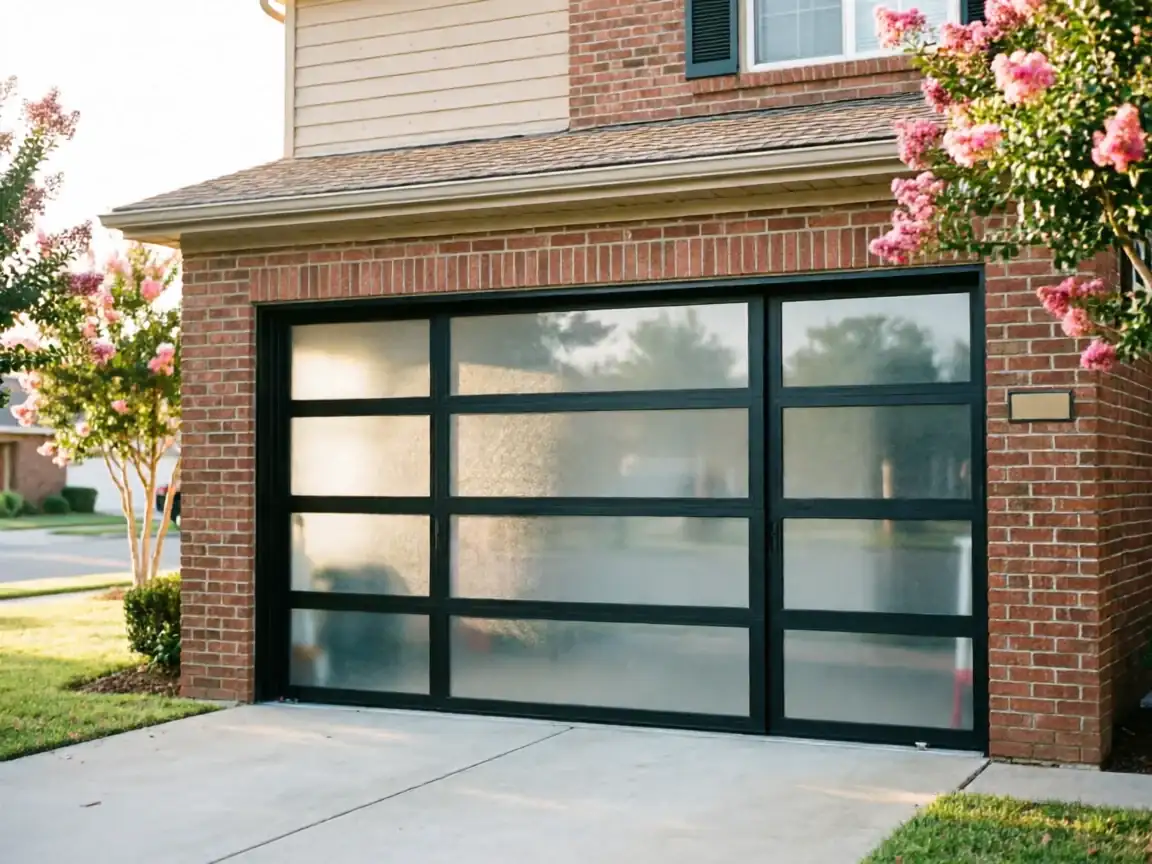
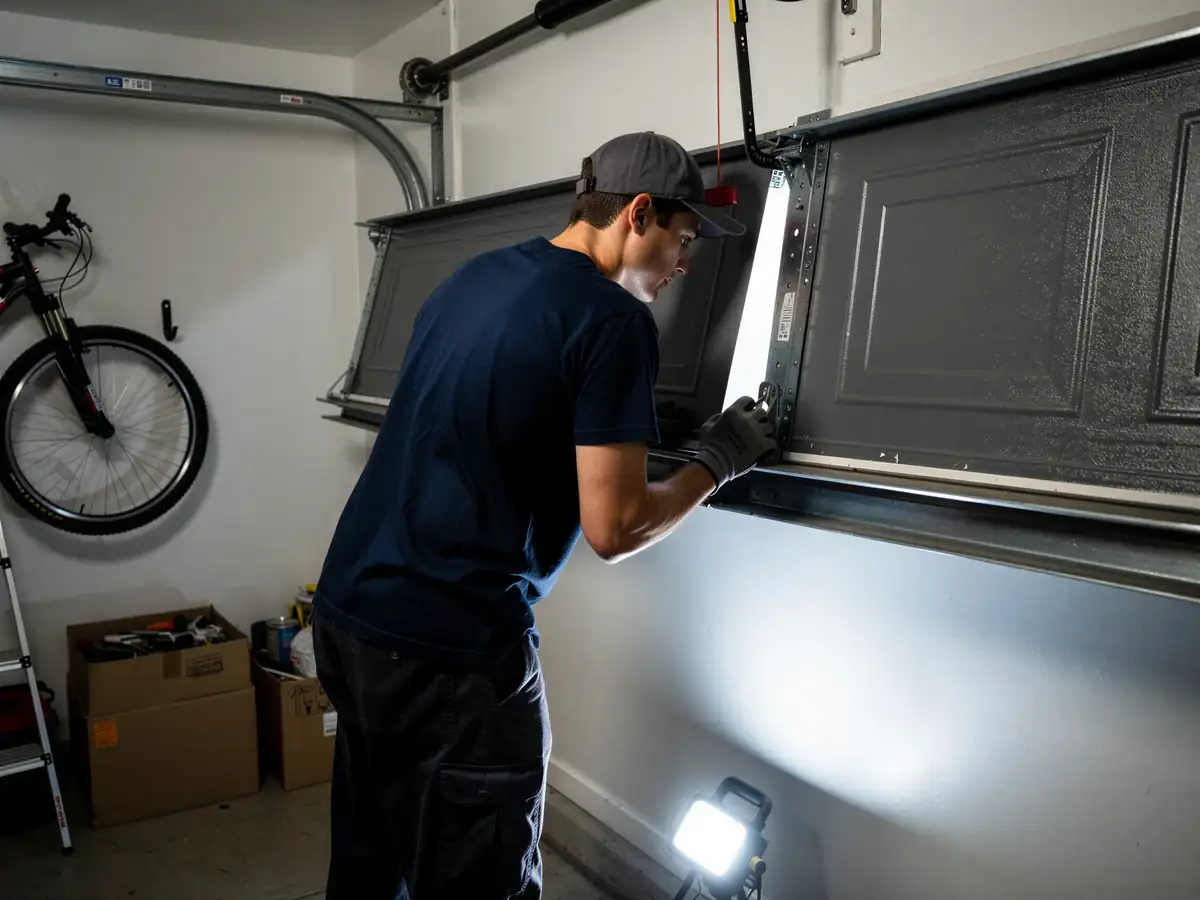
Start with the number that actually matters for a repair call: median household income in Blanchard runs about $89,472, noticeably higher than the roughly $81,105 median across the rest of the Moore service area. That gap matters because it changes the math on repair versus replace, which we get to below. But the bigger driver of what breaks is the age of the house. Blanchard's housing stock centers on 2001, which puts most garage doors and openers here firmly in the post-2000 generation - steel sectional doors on standard torsion springs, chain or belt-drive openers with safety sensors already built in. That's a different failure pattern than the 1980s-era doors common elsewhere in the Moore area, where one-piece doors and older extension-spring setups are still common. In Blanchard we're mostly dealing with wear on newer hardware: torsion springs reaching the end of a normal cycle count, nylon rollers going brittle, and opener logic boards or circuit sensors failing rather than ancient drums or hinges. Winters here still bring the same cold-weather lubricant thickening and metal contraction that stresses springs across this whole region, but the baseline door you're troubleshooting in Blanchard looks newer, not older.
How It Shows Up
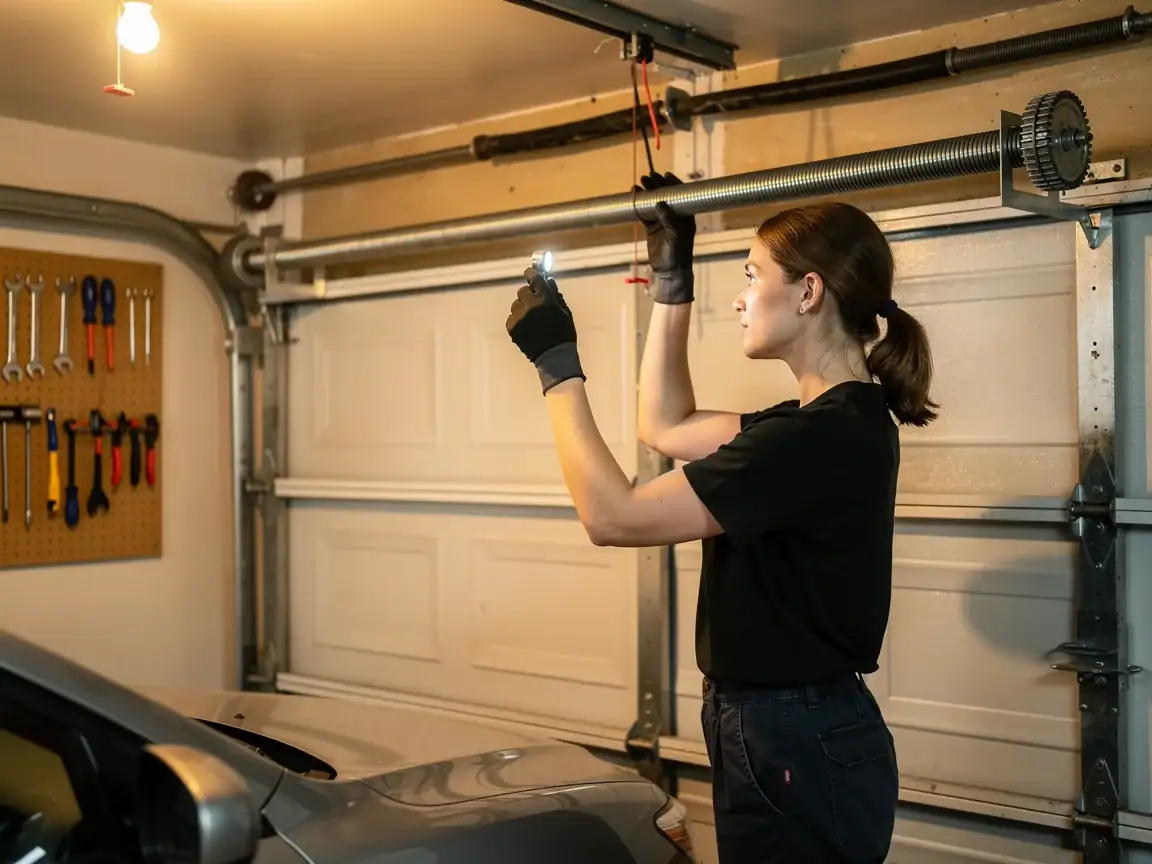
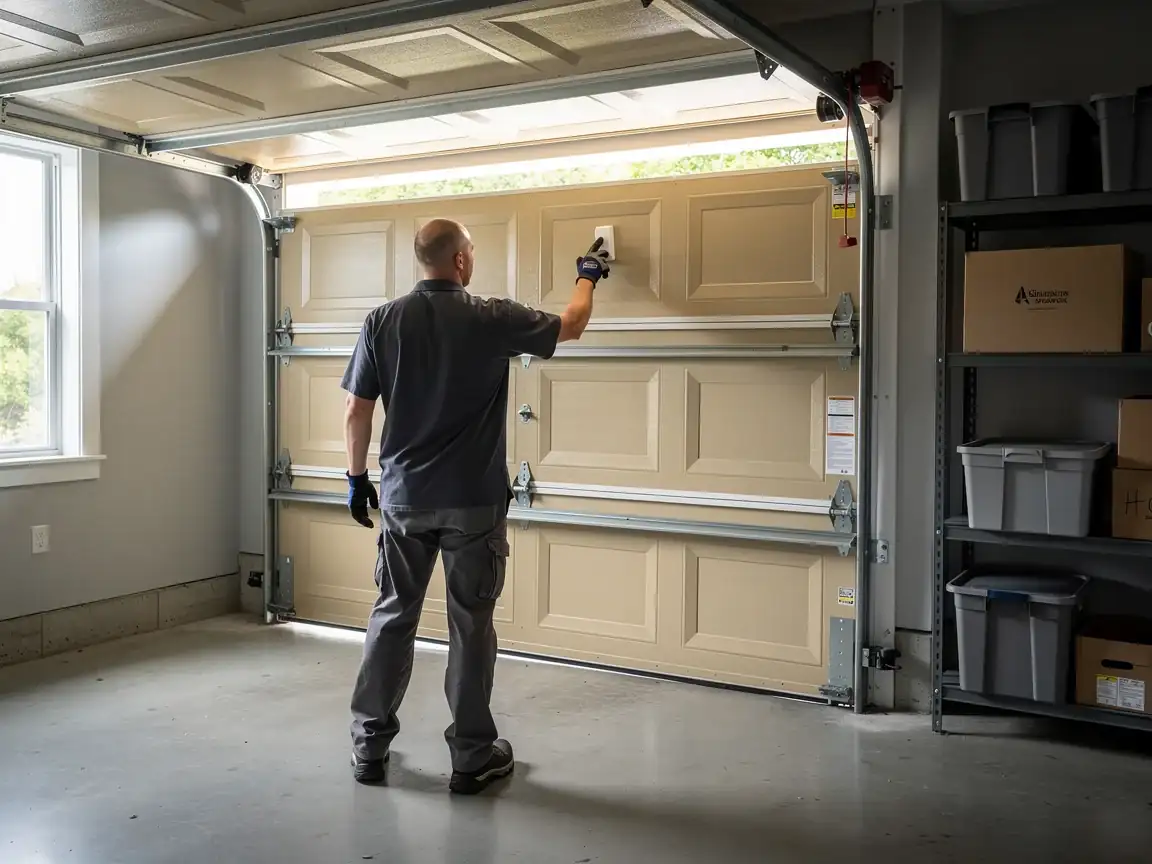
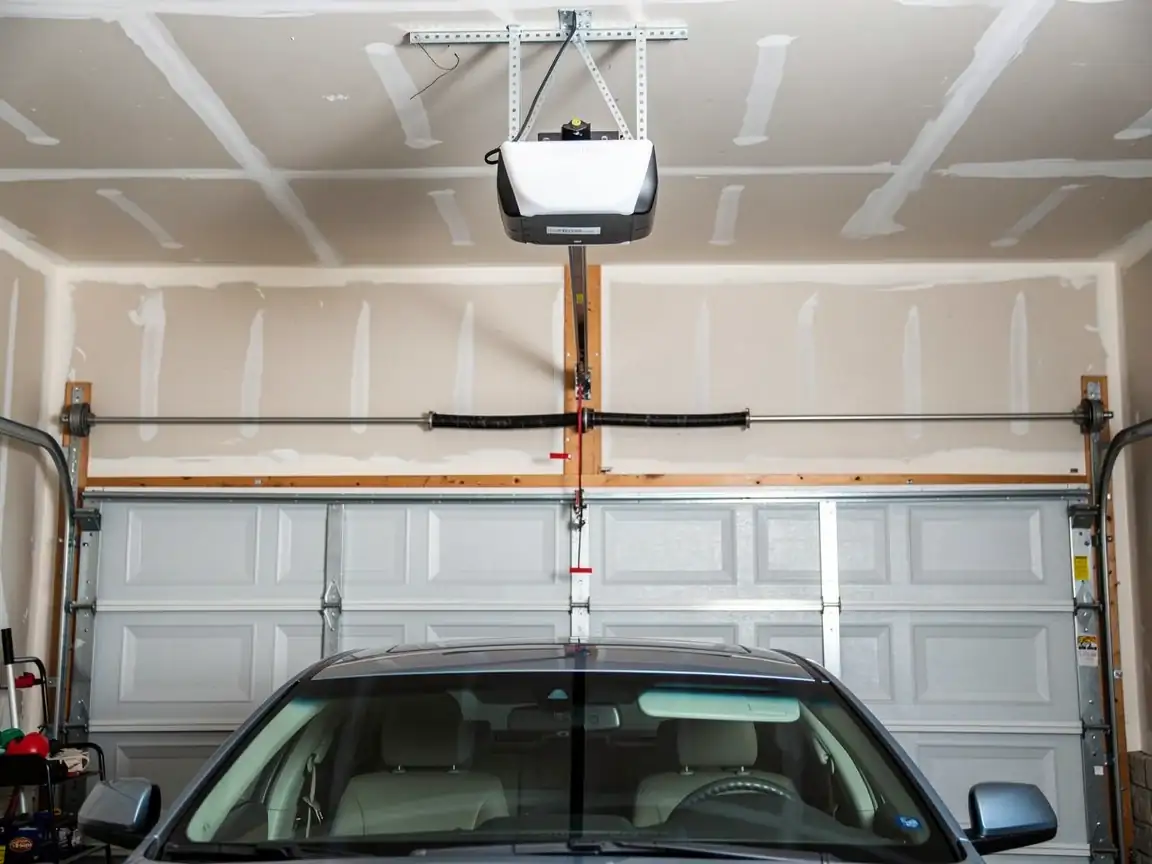
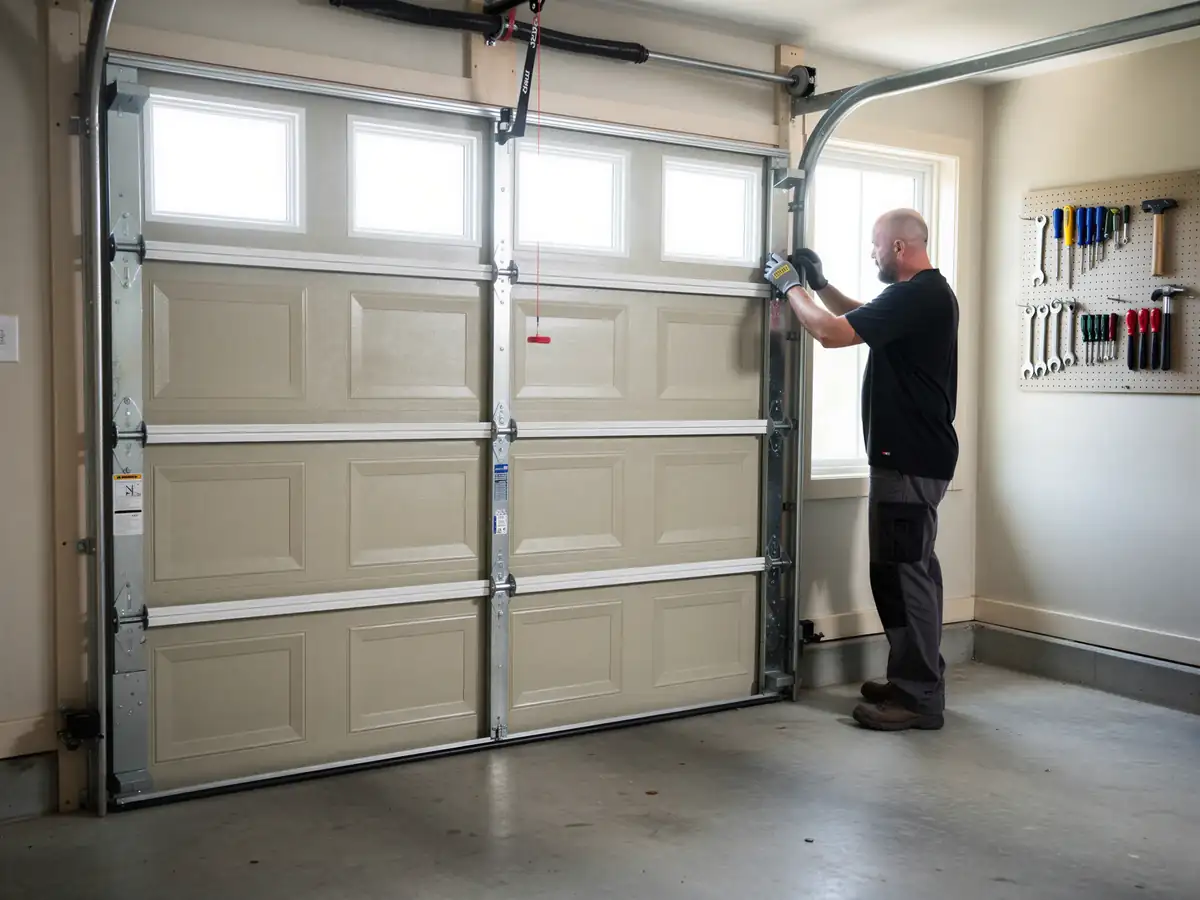
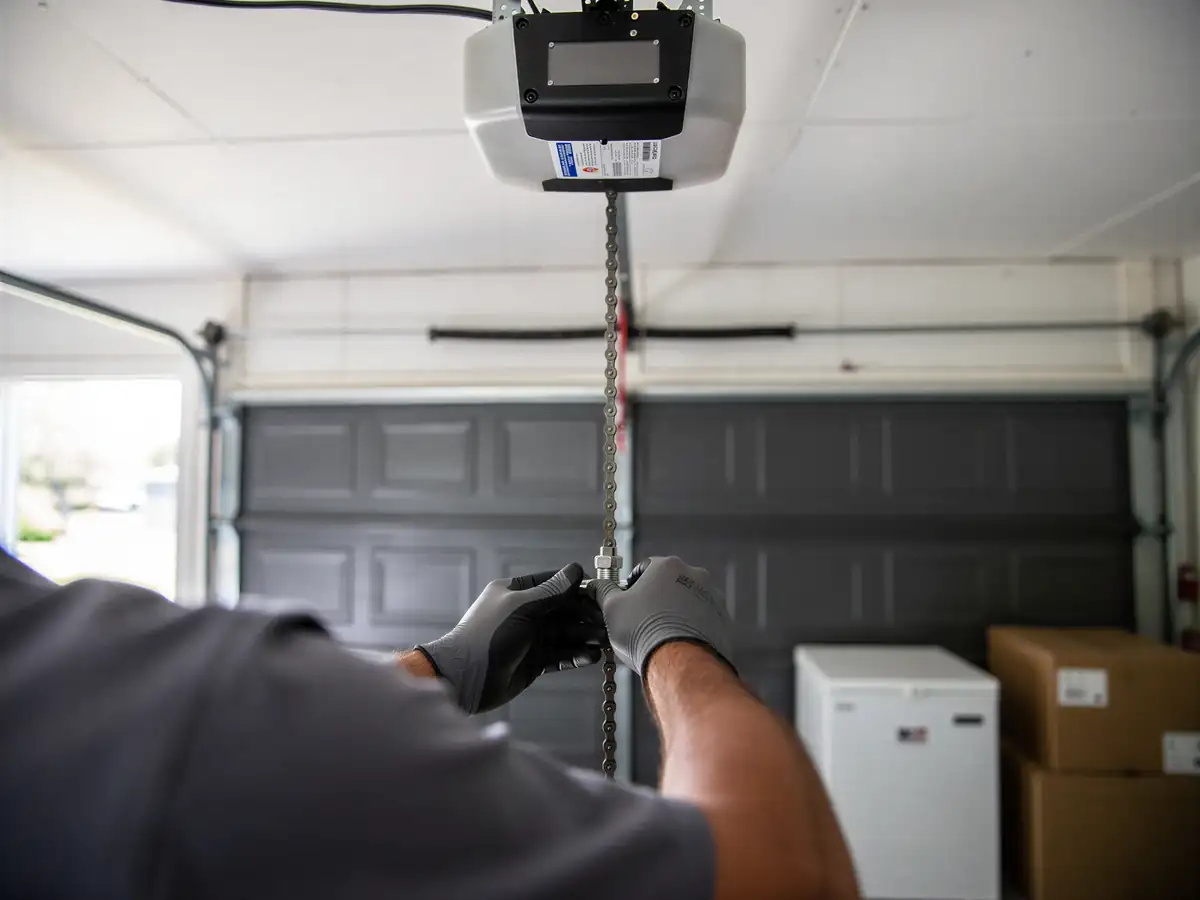
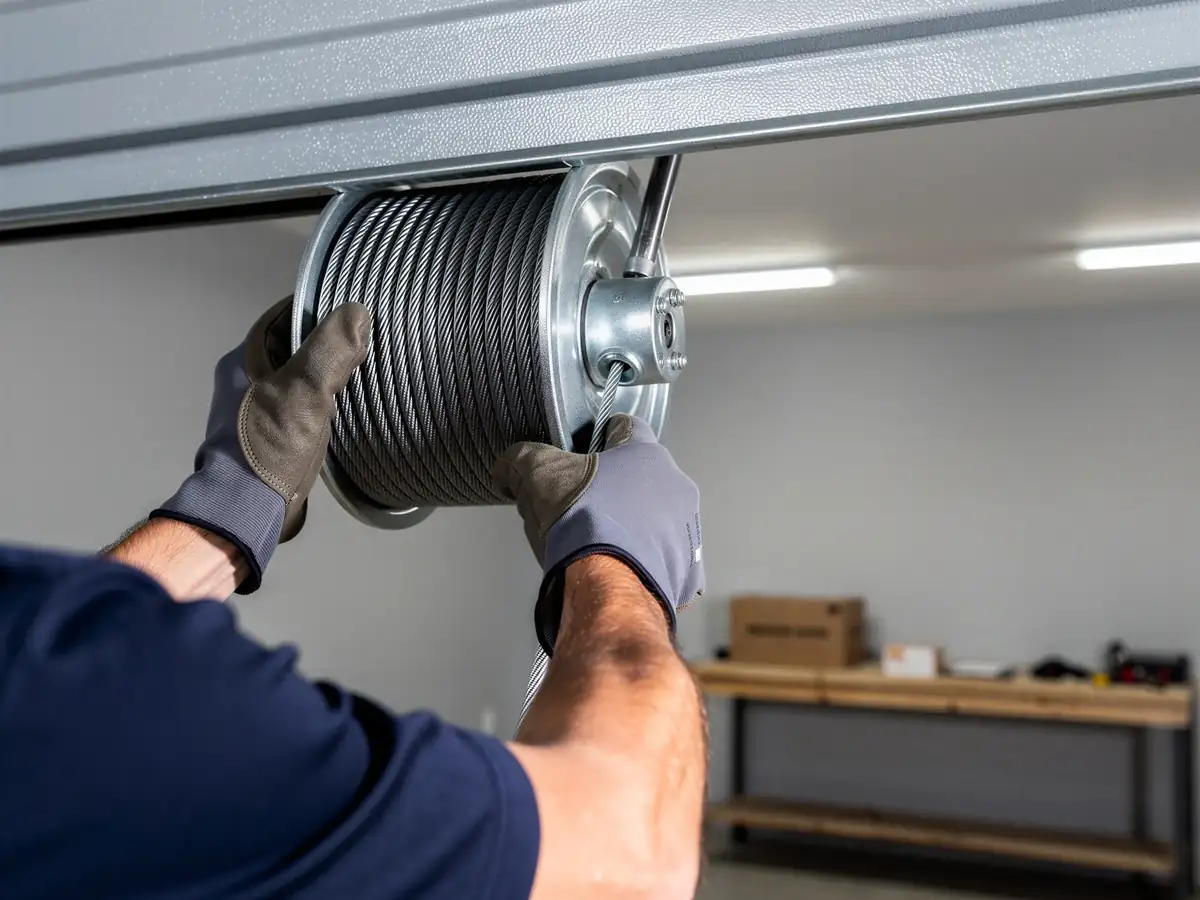
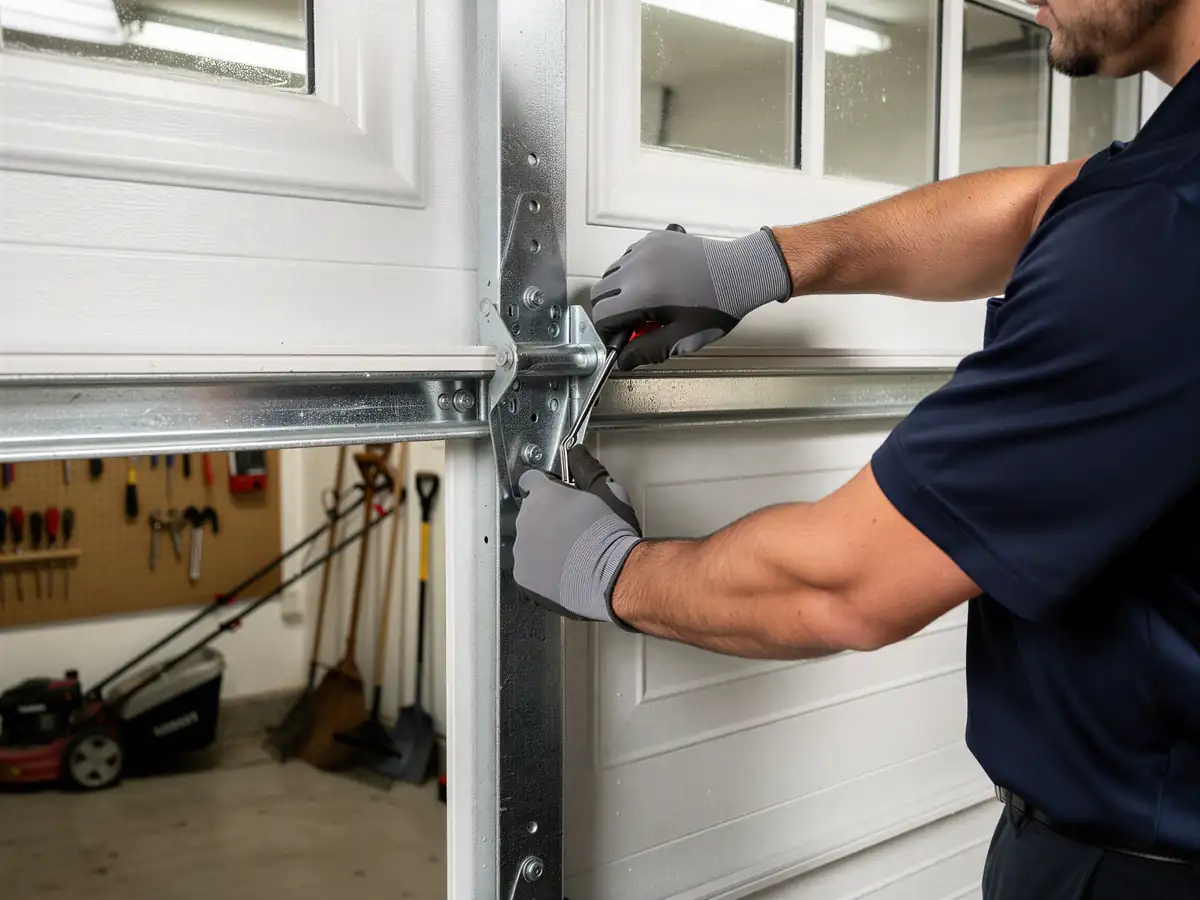
On a 2000s-era door, the first sign is usually the opener, not the spring. You hit the remote and get a light that blinks but a door that doesn't move, or a grinding sound as the opener motor strains against a spring that's lost tension. Because Blanchard's doors tend to be steel sectional with factory safety sensors, a misaligned sensor eye is a common no-start cause - the door reverses before it touches the floor, or won't close at all. Torsion springs on doors built in this era are rated for a set number of cycles, and once they're past that count, you'll hear a loud bang in the garage (the spring letting go) rather than a slow sag. Cable fraying near the bottom bracket shows up as a door that hangs crooked on one side. We also see opener circuit boards fail outright after enough years of Oklahoma humidity swings and winter cold, which looks like total opener death even though the door itself still moves fine by hand.
Stocked Parts
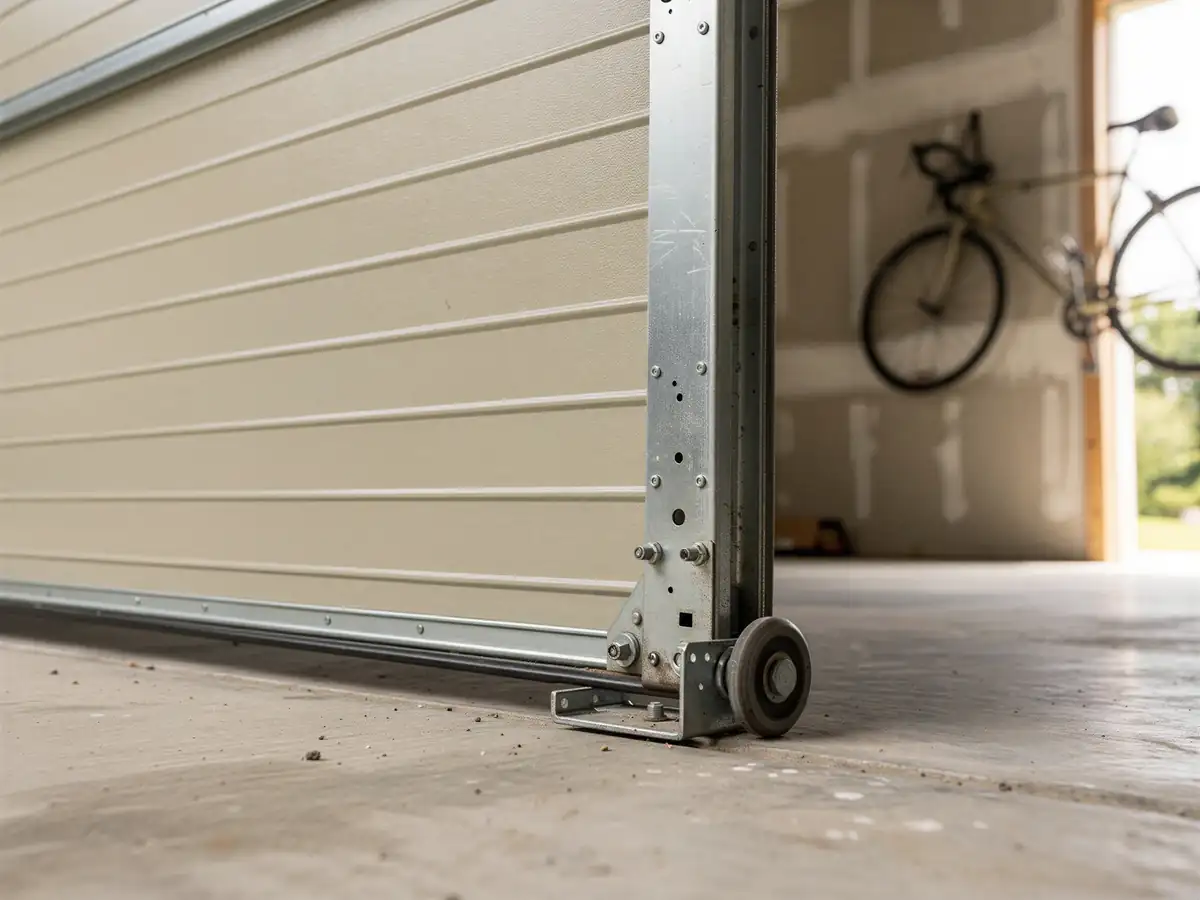
Because most Blanchard doors date from the 2000s rather than the 1980s, the truck carries the parts that match that era: standard torsion springs in common residential sizes, steel sectional hardware, nylon rollers, and opener sensor kits that fit chain and belt-drive units from that generation. What we don't always carry is a board or part for a less common opener brand - if your unit needs a specific proprietary circuit board, that can mean a short wait on order rather than a same-visit fix. We'll tell you up front if that's the situation rather than guess.
What You Pay
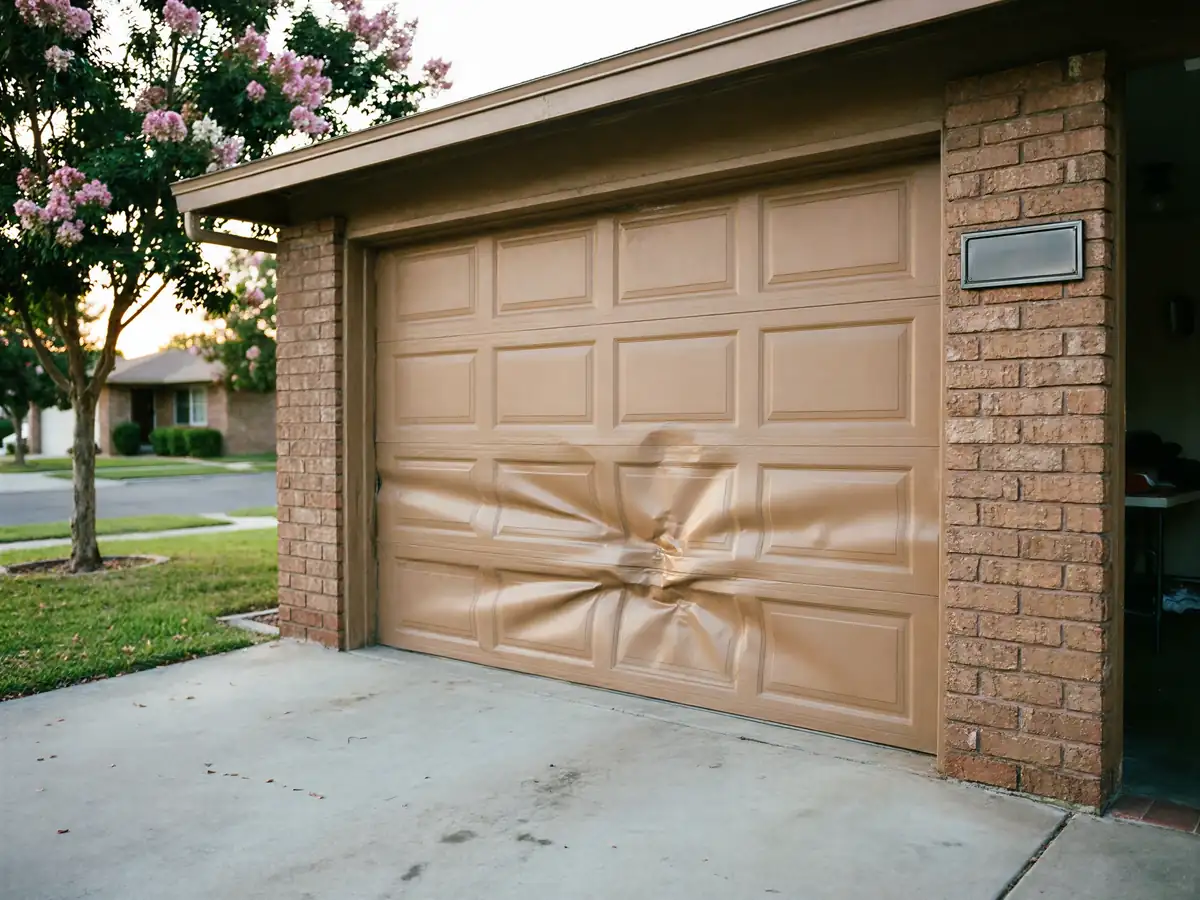
With median household income in Blanchard around $89,472, the repair-or-replace line sits a little differently here than it does in older, lower-income pockets of the Moore service area. On a 2001-vintage door, a torsion spring or sensor repair is almost always worth doing - the door itself still has years left, and a spring swap is a fraction of replacement cost. Where it stops making sense is a door with a failed opener board, a damaged panel, and worn springs all at once; at that point parts cost starts to close in on what a new door and opener would run, and we'll say so instead of stacking repairs on a door that's telling you it's done. We quote the job in person, not over the phone, since spring size and opener model both change the number.