Why It Happens Here
Blanchard sits 16 miles out from our Moore shop, which is far enough that we build the trip into the schedule rather than treat it as a quick add-on stop. That drive matters less for how fast we can get there and more for what we load on the truck before we leave - Blanchard's opener problems skew different from the rest of the service area.
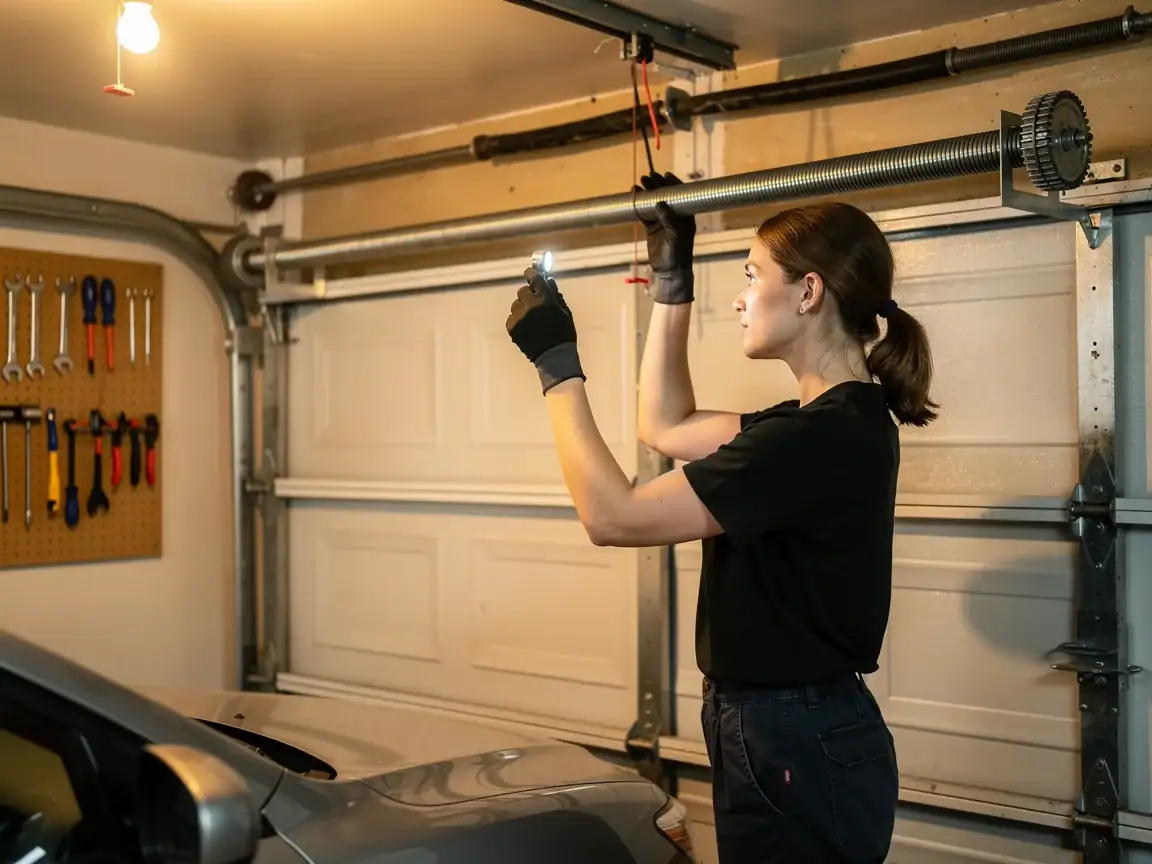
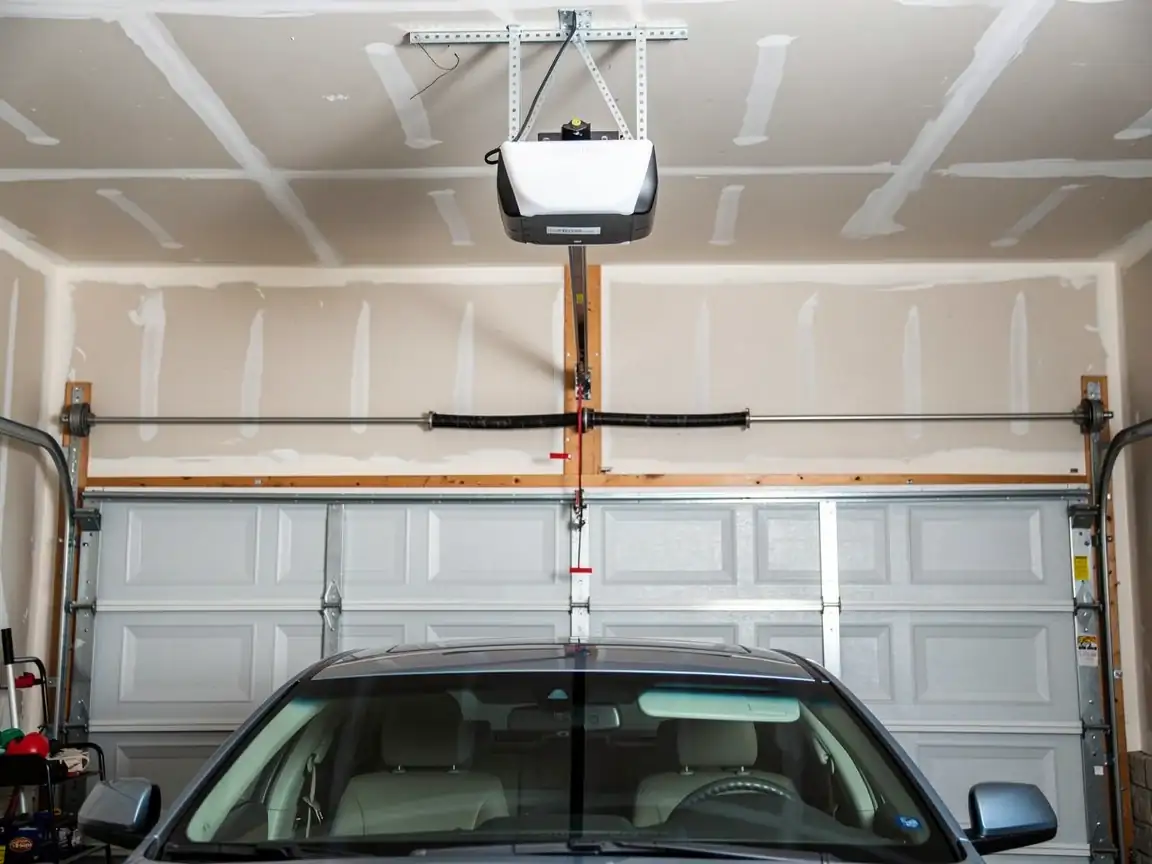
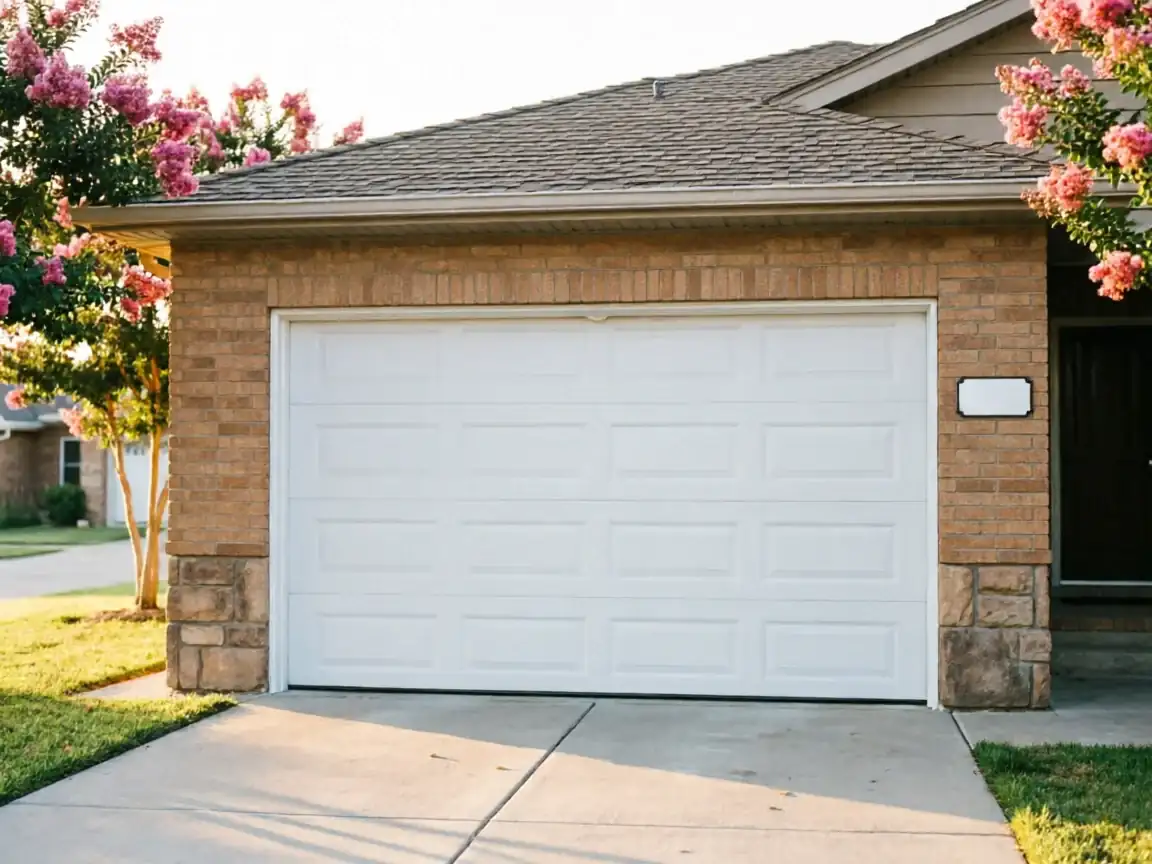
Most of the houses here went up around 2001, newer than the 1959-2004 spread you see across the wider area, where the typical build year lands closer to 1980. That difference shows up in the garage. A house built in 2001 almost never has the old chain-drive opener with exposed gears and a mechanical limit switch - it's got a circuit board, a logic board, and safety sensors wired to code. When those fail, the fault is electrical or a board going bad, not a stripped gear or a worn sprocket.
The cold winters common to this part of the state still play a role - condensation inside a control box, a sensor lens that fogs and throws a false beam break, a board that gets flaky when the garage drops near freezing overnight. None of that is unique to Blanchard, but paired with the newer opener stock, it's the combination we plan for before the truck leaves Moore.
How It Shows Up
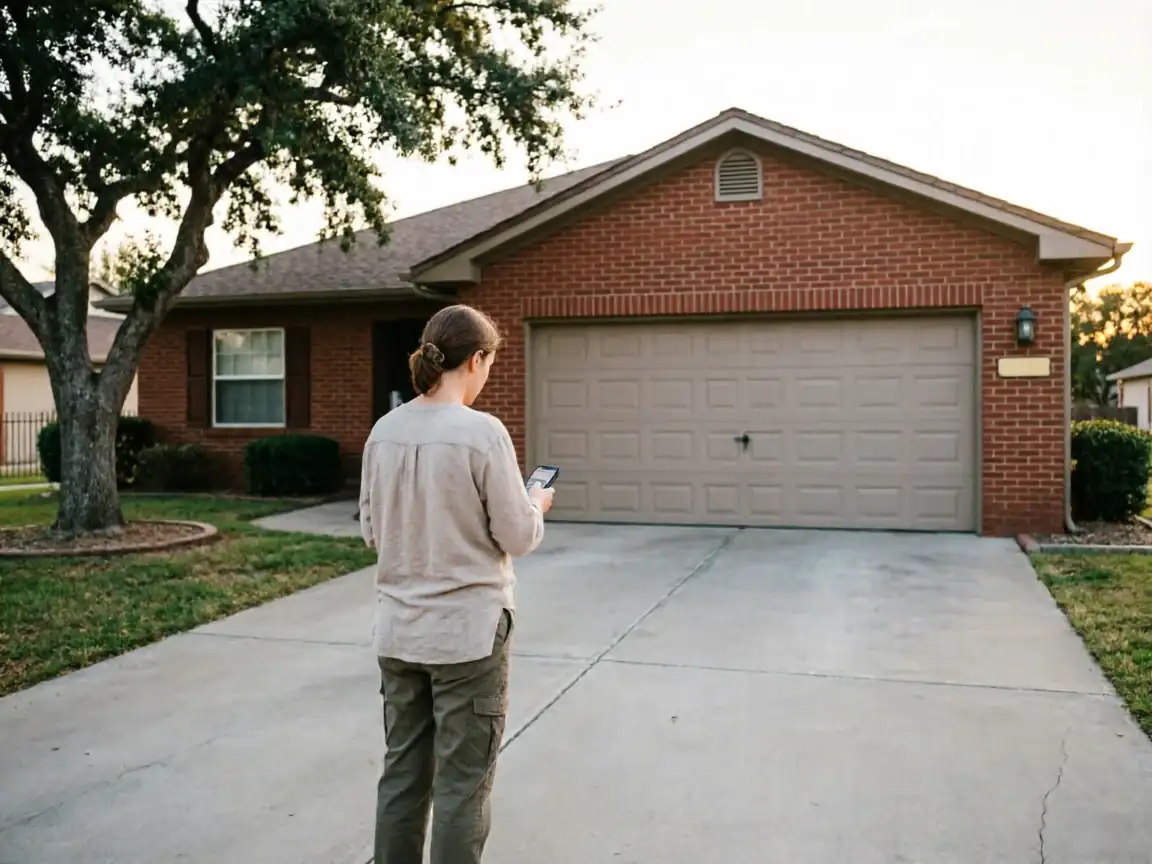
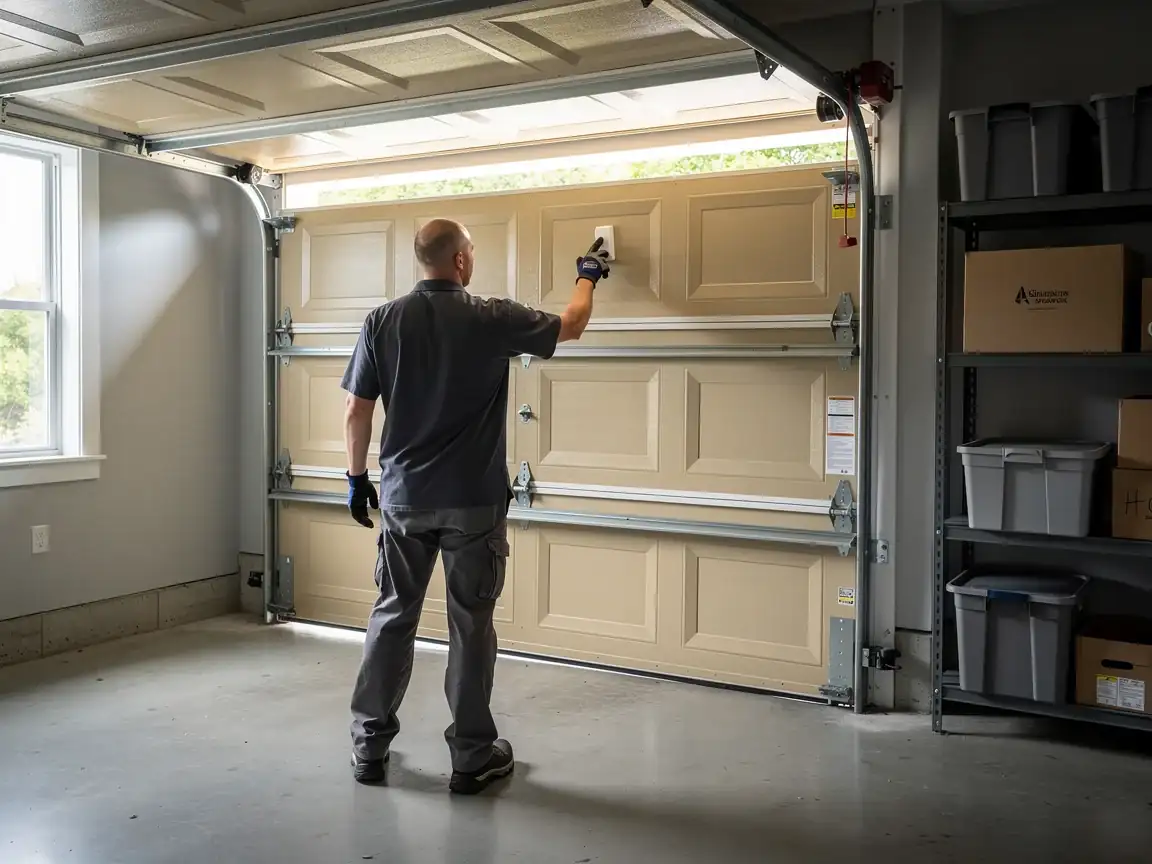
On a house from around 2001, the opener failure usually isn't the motor. It's the board losing programming after a power blip, a safety sensor knocked out of alignment, or a remote that stopped syncing for no obvious reason. You press the button and nothing happens, or the light blinks a code you don't recognize and the door won't budge.
We also see logic boards fail outright on openers from this era - not from age exactly, since fifteen to twenty years isn't old for a motor, but because the board components just wear out faster than the mechanical parts around them. If your door reverses halfway up, or closes and immediately reopens, that's almost always a sensor or a board telling the opener something is wrong, even if nothing actually is.
The cold makes intermittent faults worse. A board that's marginal in July can act up consistently in January, which is often when we get the call. If your opener works fine some days and not others, don't wait for it to get worse - that pattern usually means a board on its way out, and it rarely fixes itself.
Booking a Visit
We cover Blanchard out of our Moore location, 16 miles away
So a visit here goes on the schedule as a dedicated trip rather than a drop-in between closer jobs. That means we're not driving out for a guess - tell us what the opener is doing (blinking light, no response, reverses on close) and we bring the parts most likely to match that symptom on a house of this age.
- 16 miles
We don't keep a branch or a depot in Blanchard itself
Every job here starts from Moore, which is worth knowing up front if you're expecting same-hour service - we're honest that the drive adds time to how fast we can get on site compared to a house closer to the shop.
Stocked Parts
For openers built around the early 2000s, we carry the logic boards, safety sensor pairs, and circuit boards that fail most often on that generation of hardware - not the mechanical gear kits you'd need for an older chain-drive unit from the 1980s core housing stock elsewhere in the service area. Remotes and keypads that lose programming are a same-visit fix in most cases.
Where we come up short: some manufacturer-specific boards for less common opener brands aren't something we stock on the truck, and those can mean a short wait on a special order. We'll tell you straight if that's the case rather than quote a fix we can't do that day.
What You Pay
We don't post a flat number for opener repair here because the fix depends on what's actually wrong - a sensor realignment costs a lot less than a full board swap. What we can tell you is that Blanchard households run a median income of about $89,472, higher than the broader service area's $81,105, and most of the opener jobs we've priced out for homes this age land in board or sensor replacement rather than a full opener swap, which keeps the job on the smaller end of the repair range.
We'll give you the number for your specific opener before we start, not after.