Why It Happens Here
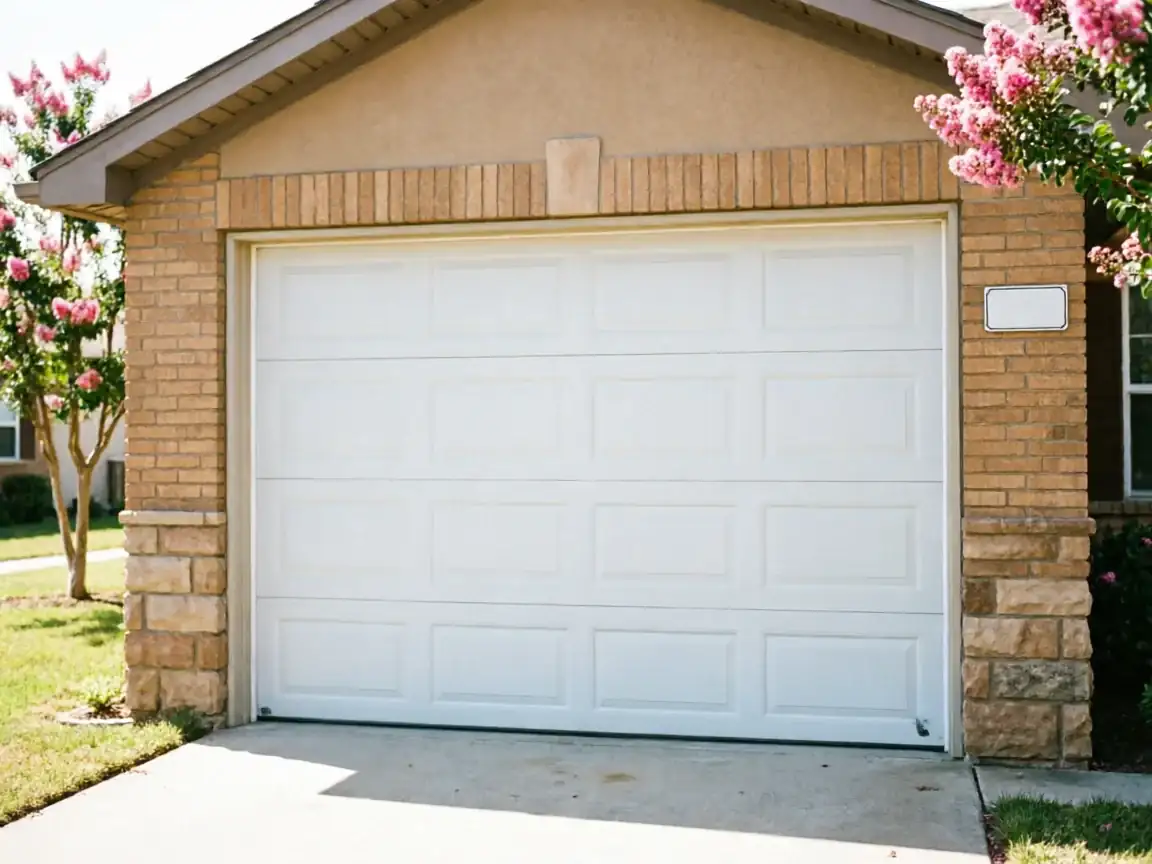
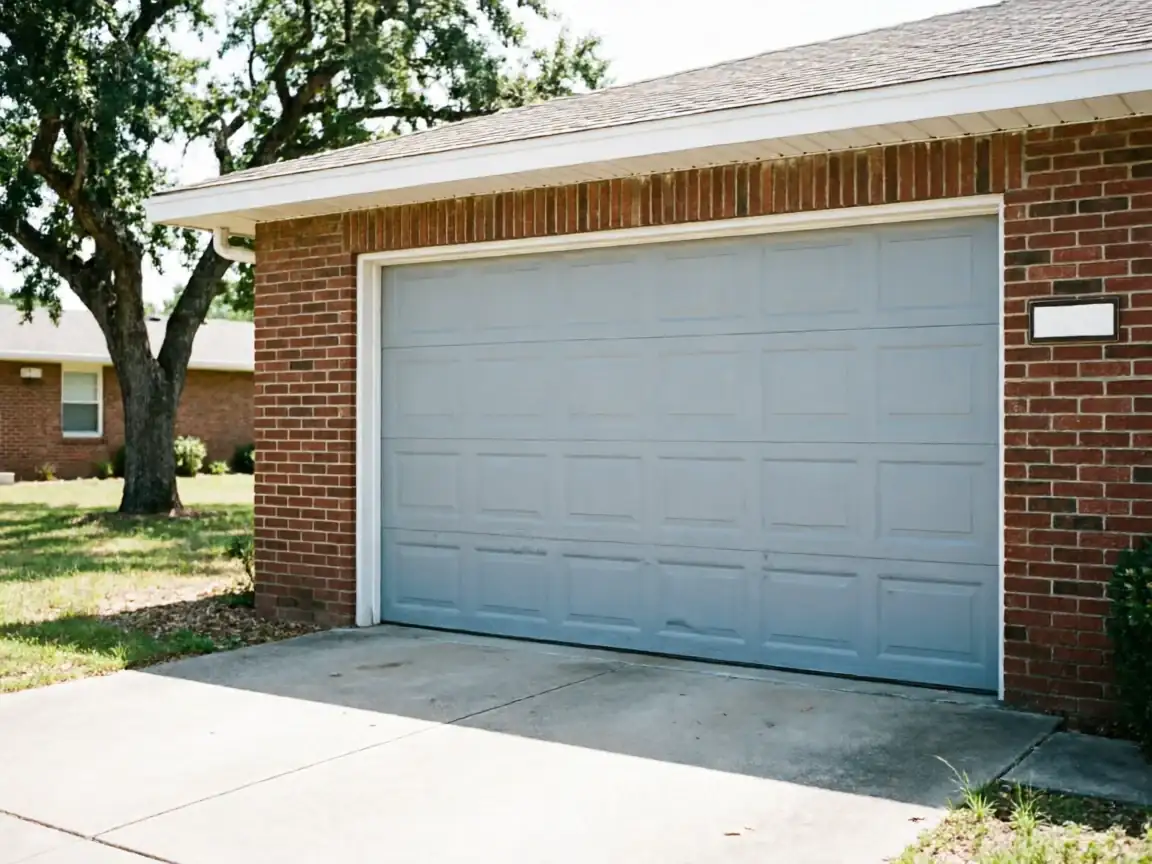
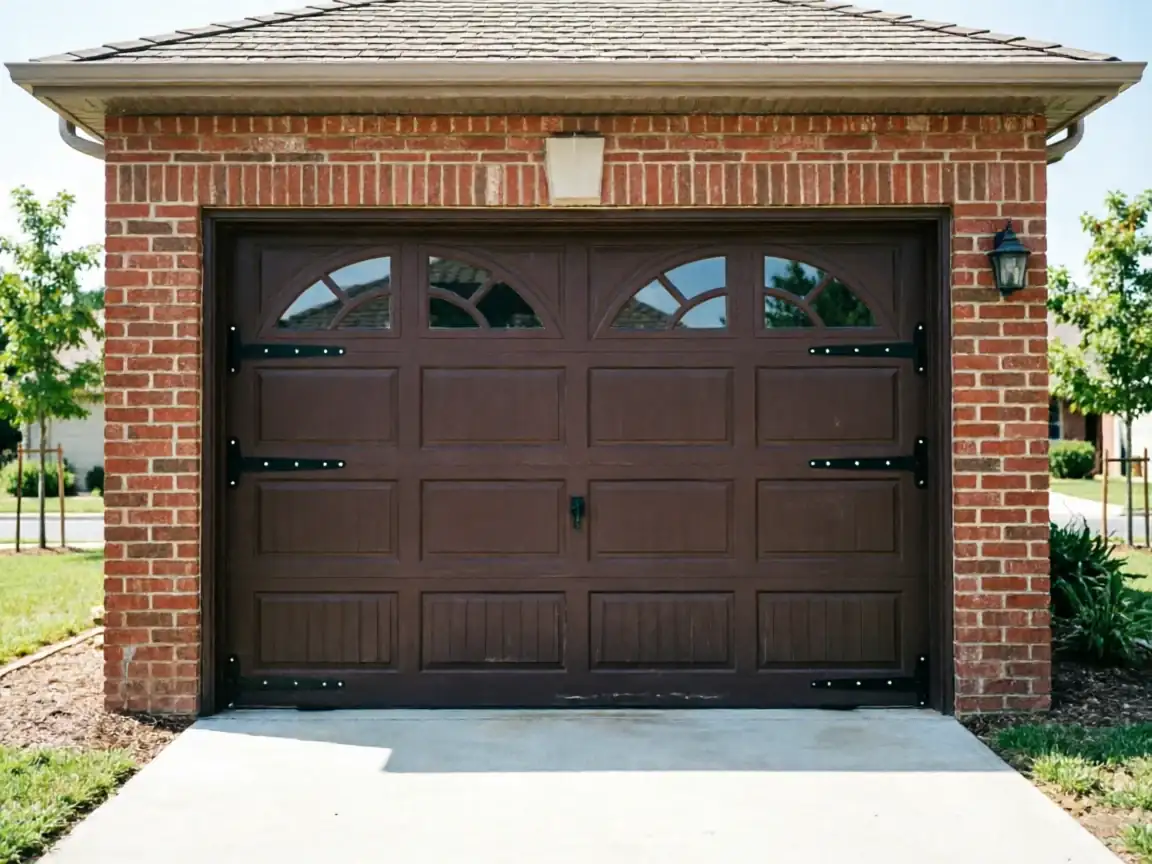
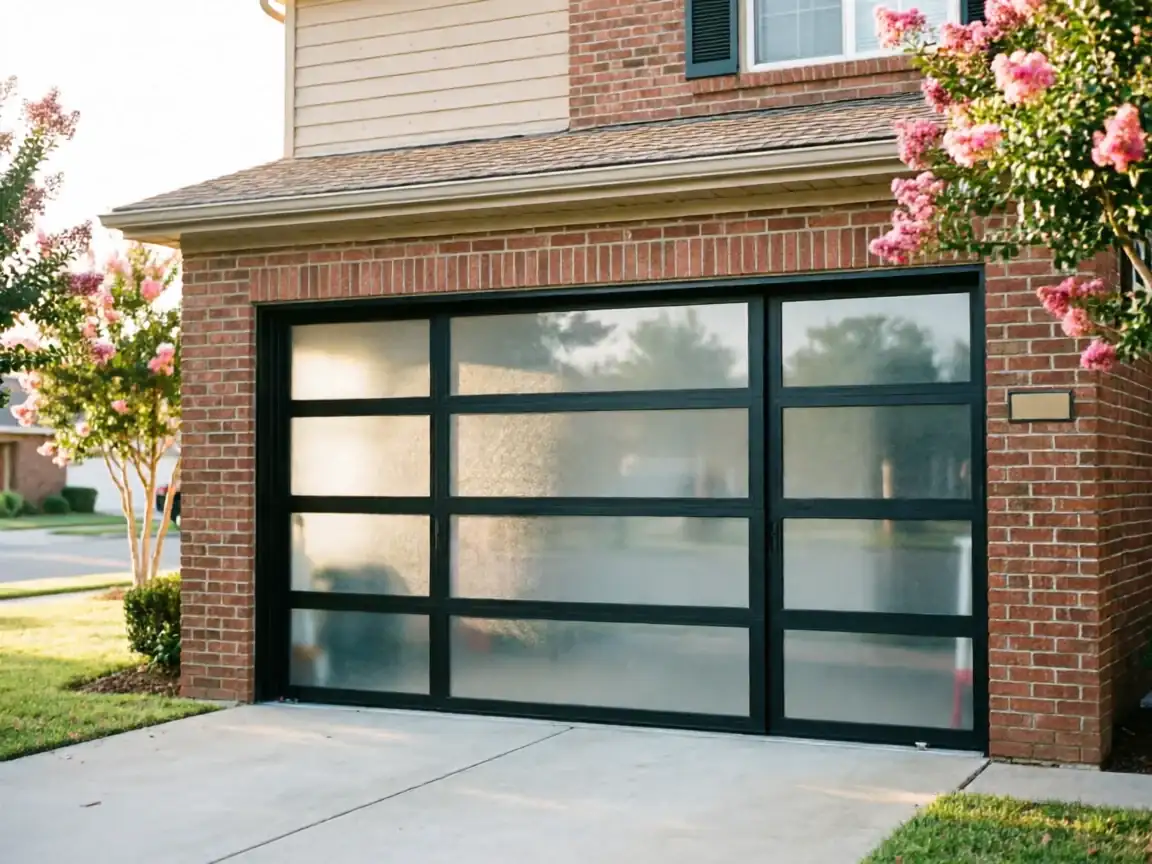
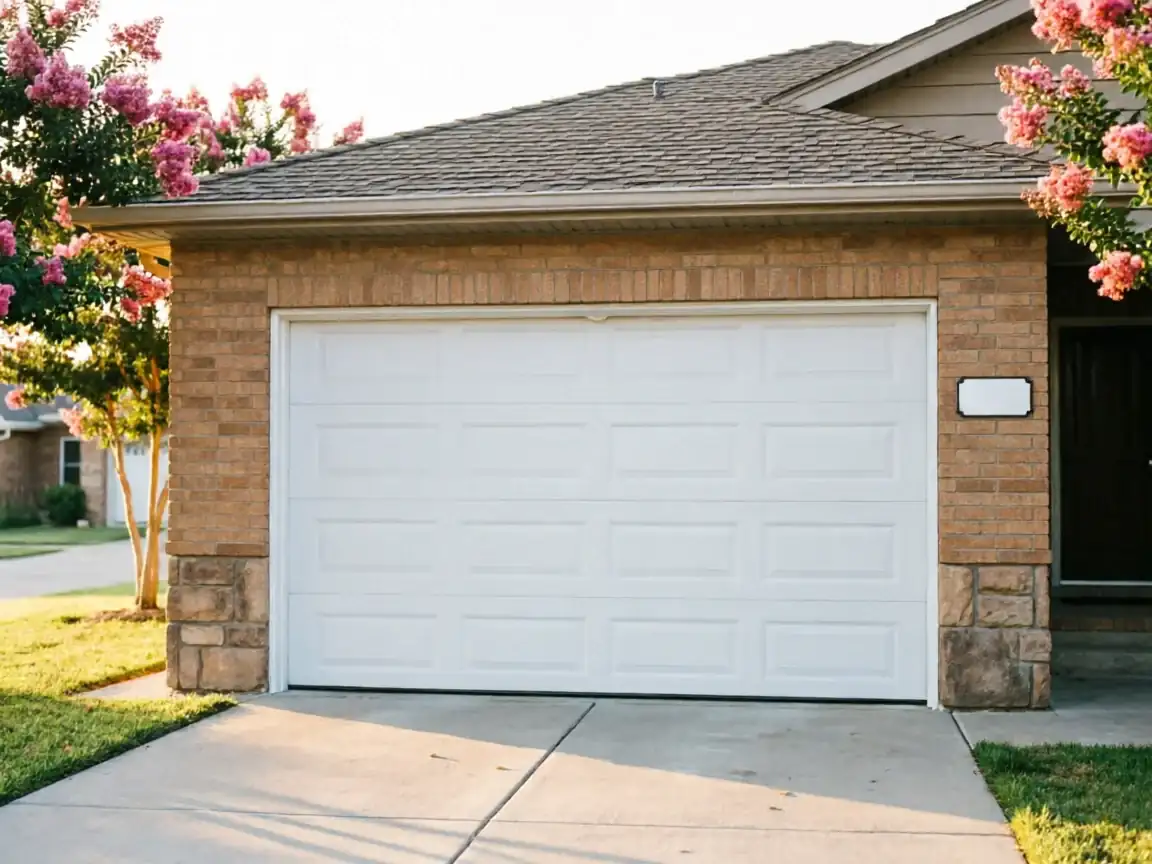
Most of the houses we work on across the Moore service area went up somewhere between 1959 and 2004, with the midpoint sitting around 1980. Blanchard skews newer than that midpoint - the typical home here went up closer to 2001. That's not a small difference. A door installed in 2001 is running on a different generation of hardware than a 1980 door: steel-and-foam sandwich panels instead of solid steel, galvanized torsion springs rated for a longer service life, and openers with circuit boards instead of pure mechanical relays.
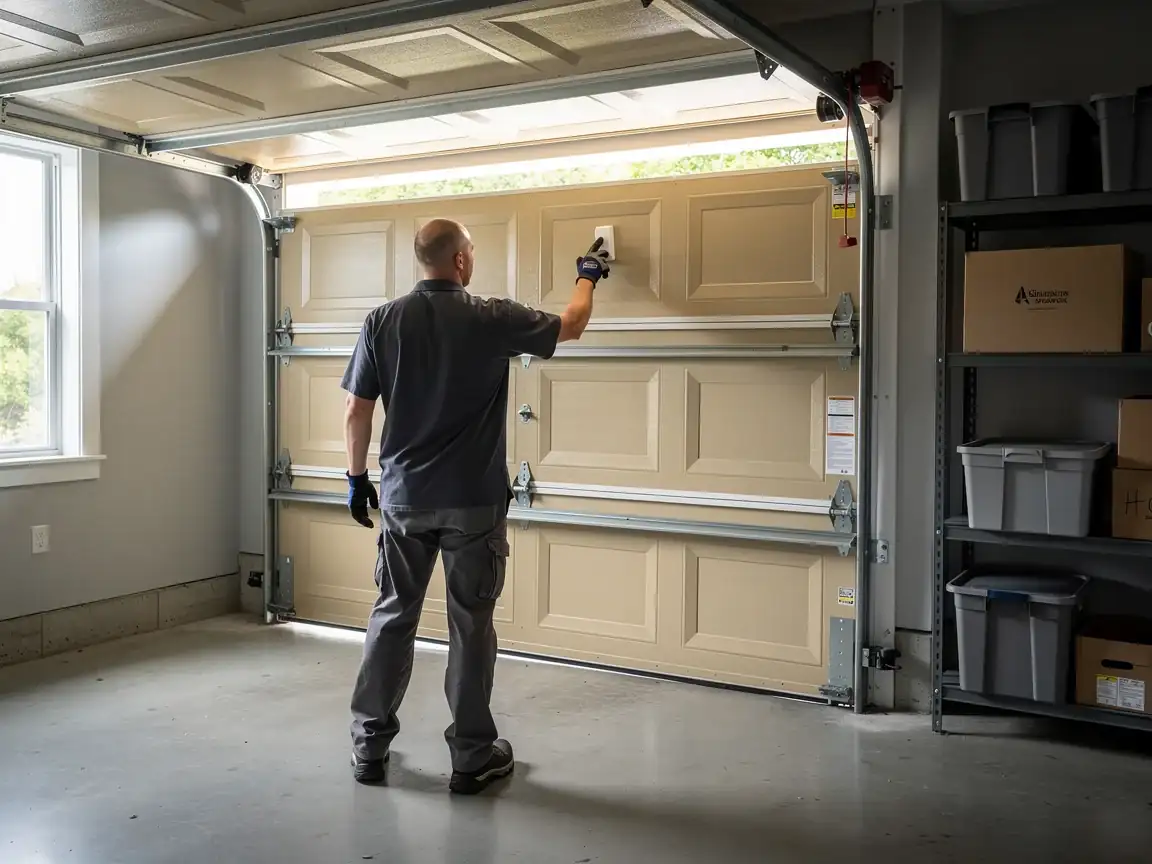
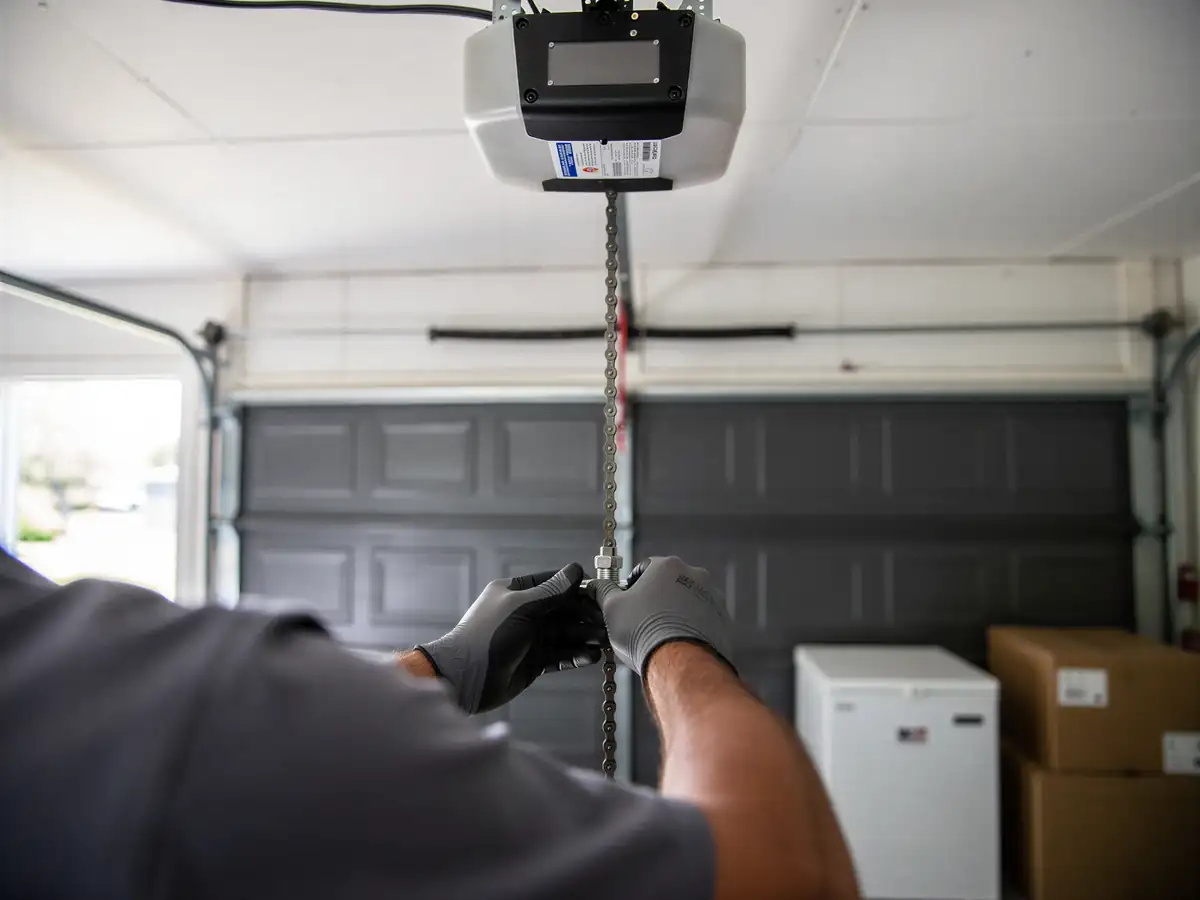
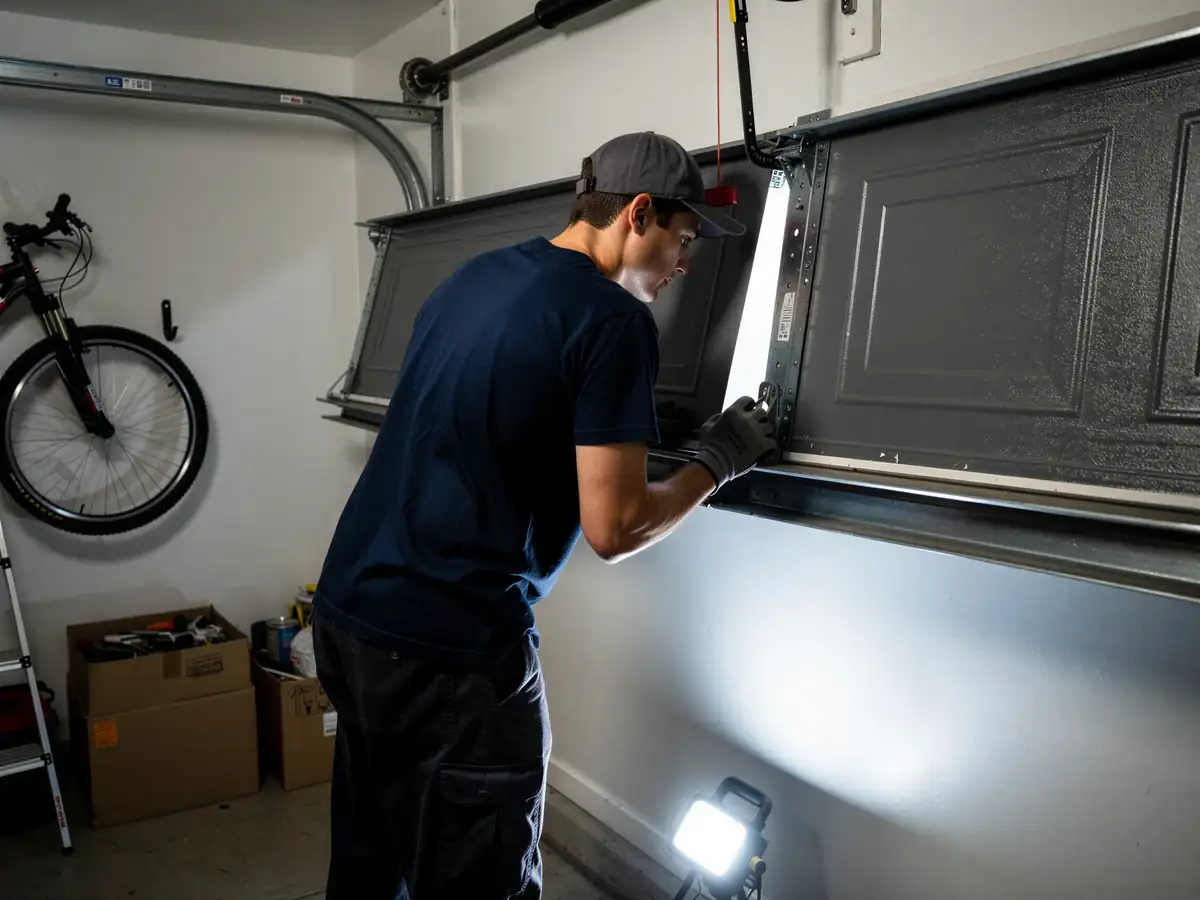
What that means in practice is that when we get a call from Blanchard, we're usually not dealing with the rust-seized hinges and crumbling wood panels you see on an older street in Moore proper. We're dealing with plastic gears worn out inside a belt-drive opener, a torsion spring that's simply reached the end of its cycle count, or a sensor alignment knocked off by a car bumping the track. The failure mode is different because the build year is different, and that changes what we bring on the truck before we even see the door.
The cold-moderate climate band that covers this whole area still applies - temperature swings stress springs and metal tracks regardless of when the house was framed. But the baseline condition of what we're walking up to in Blanchard is a newer door than the service-area average.
How It Shows Up
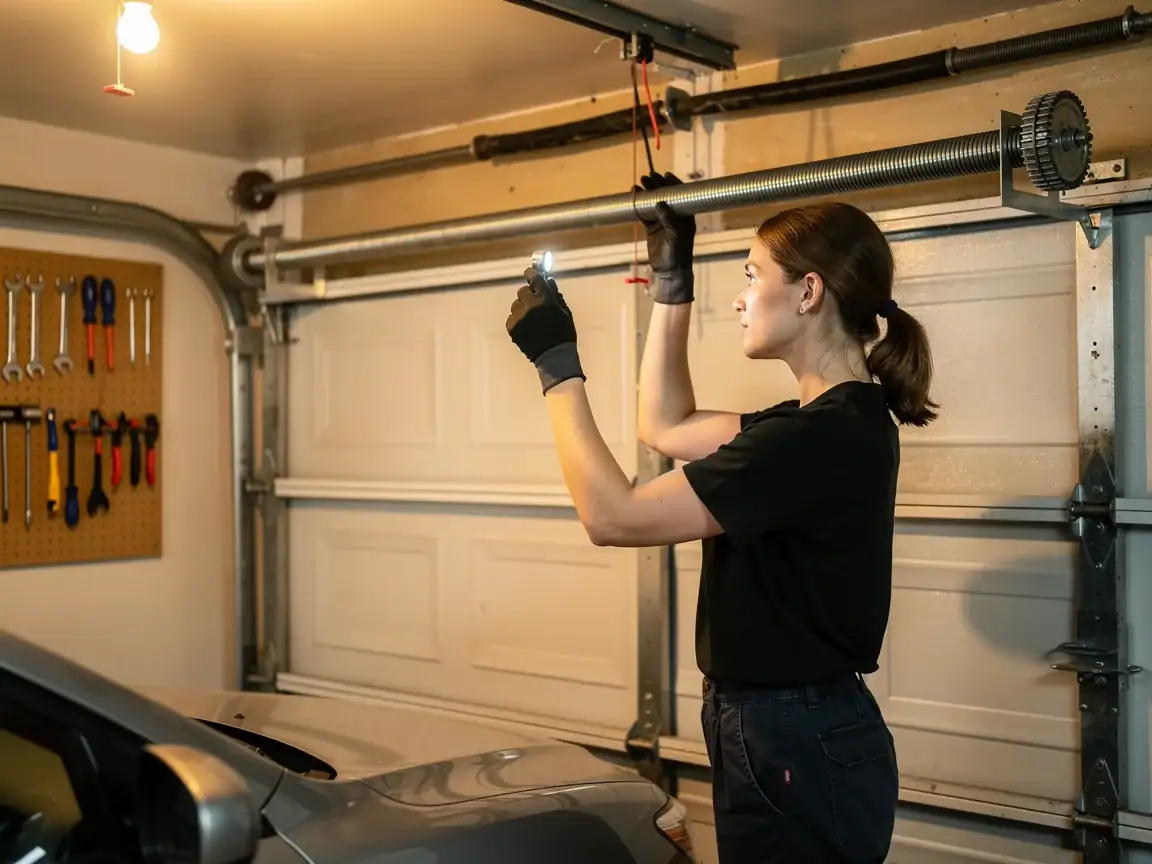
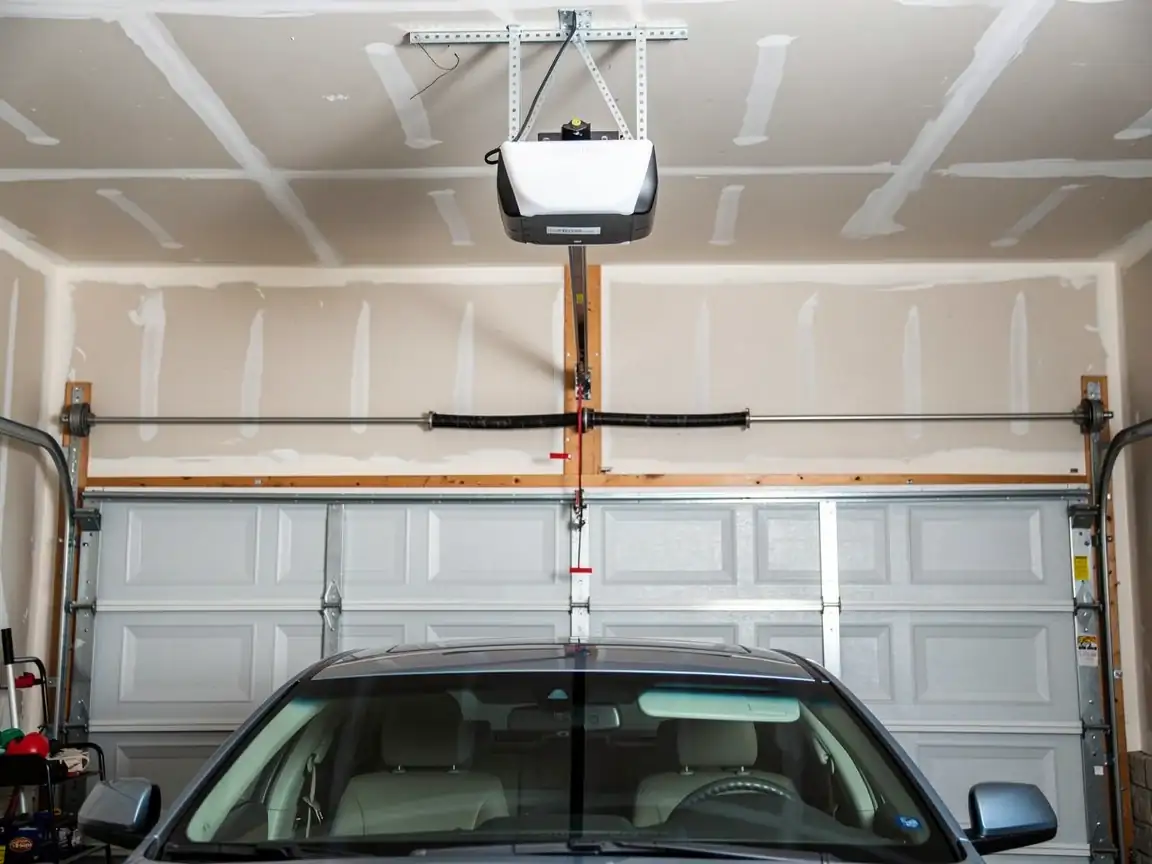
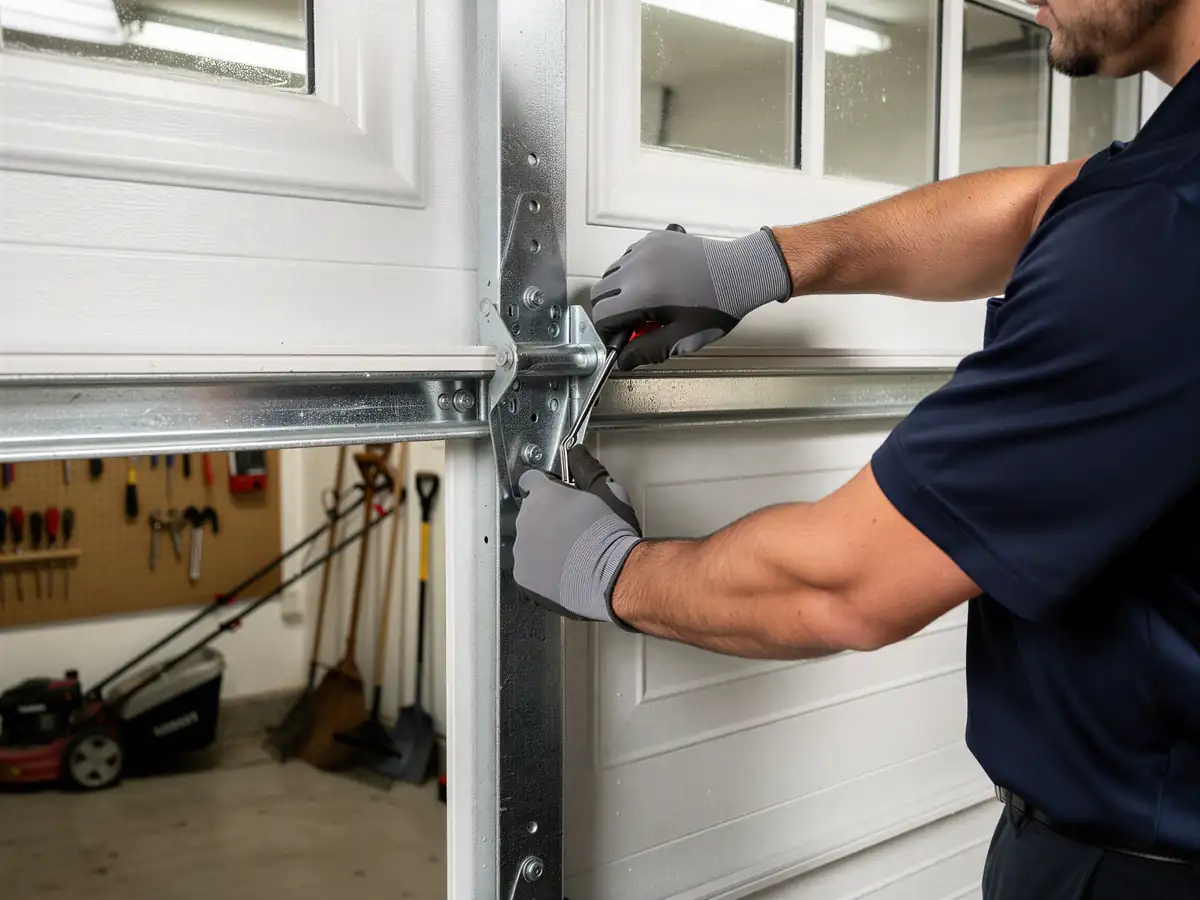
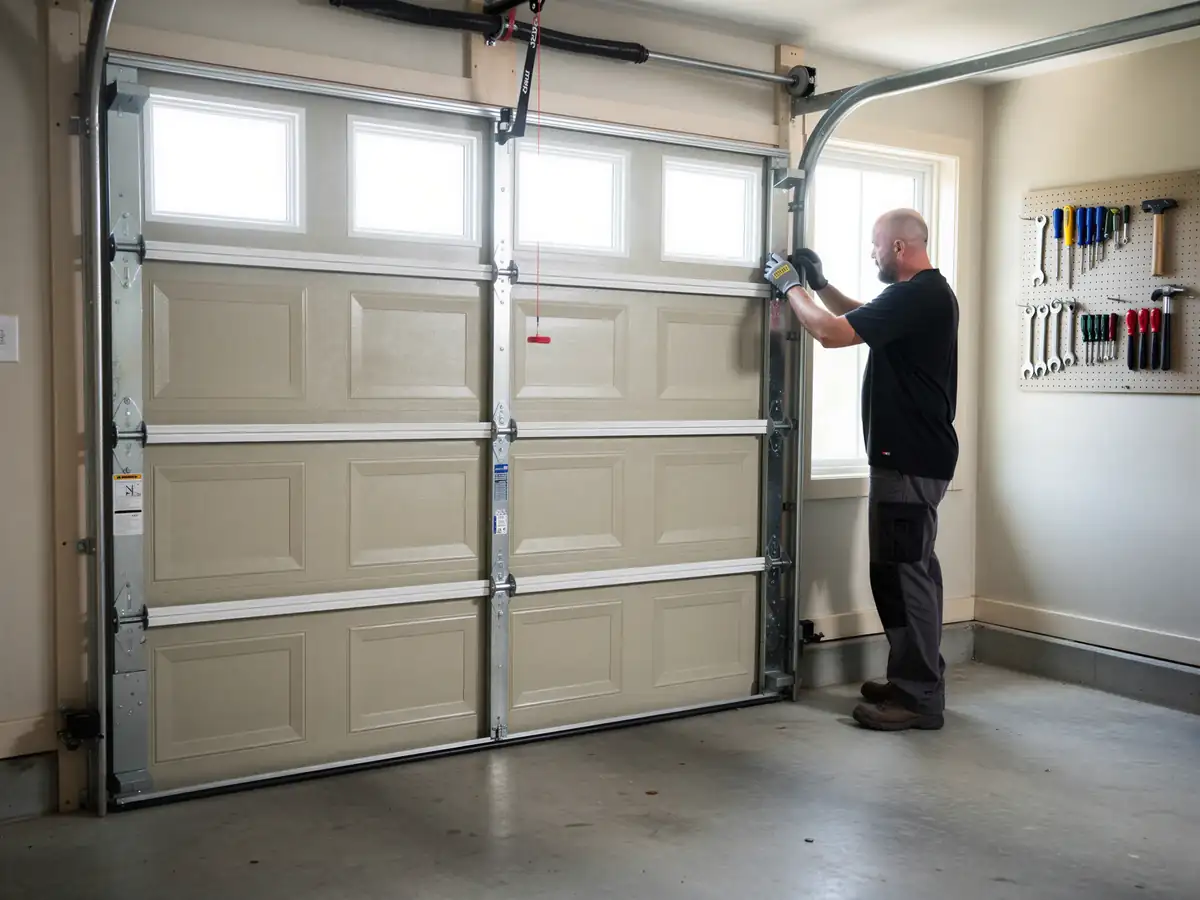
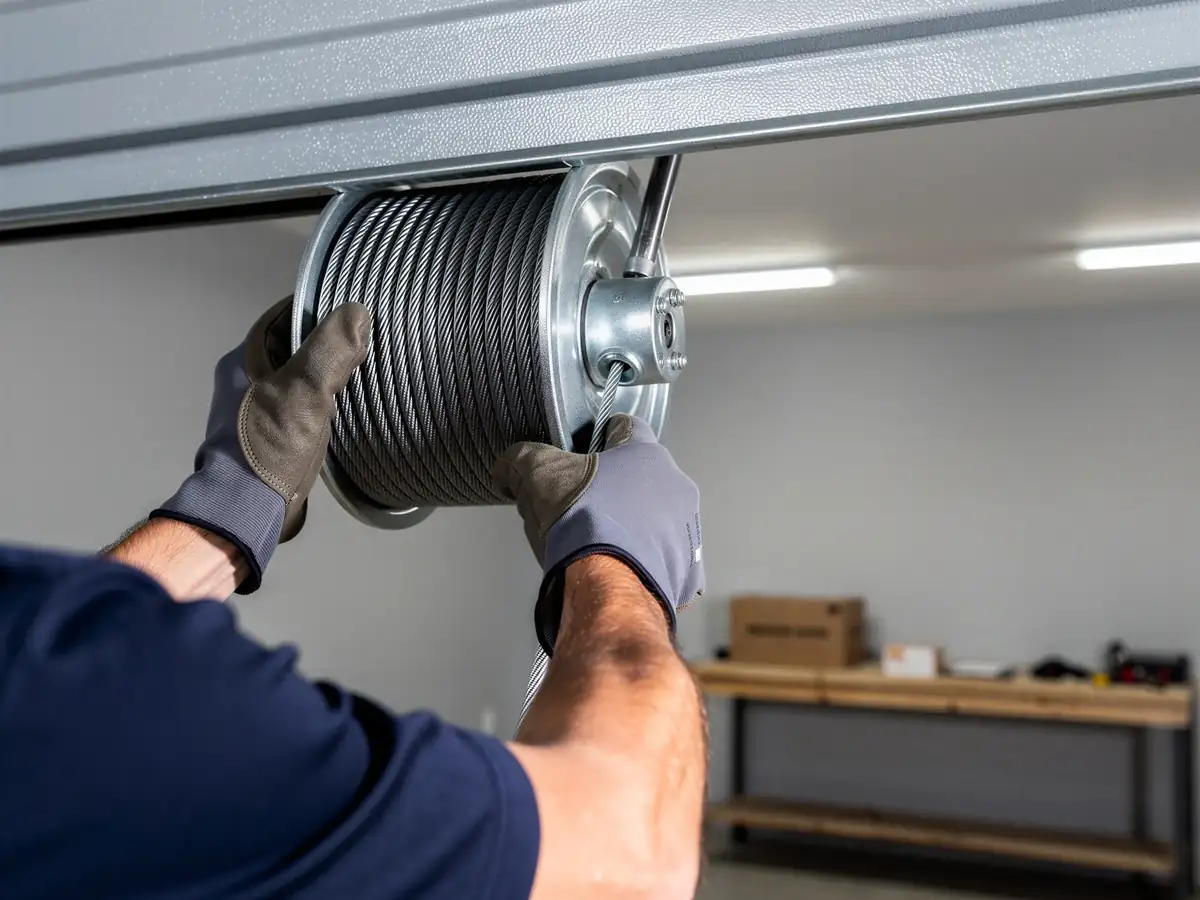
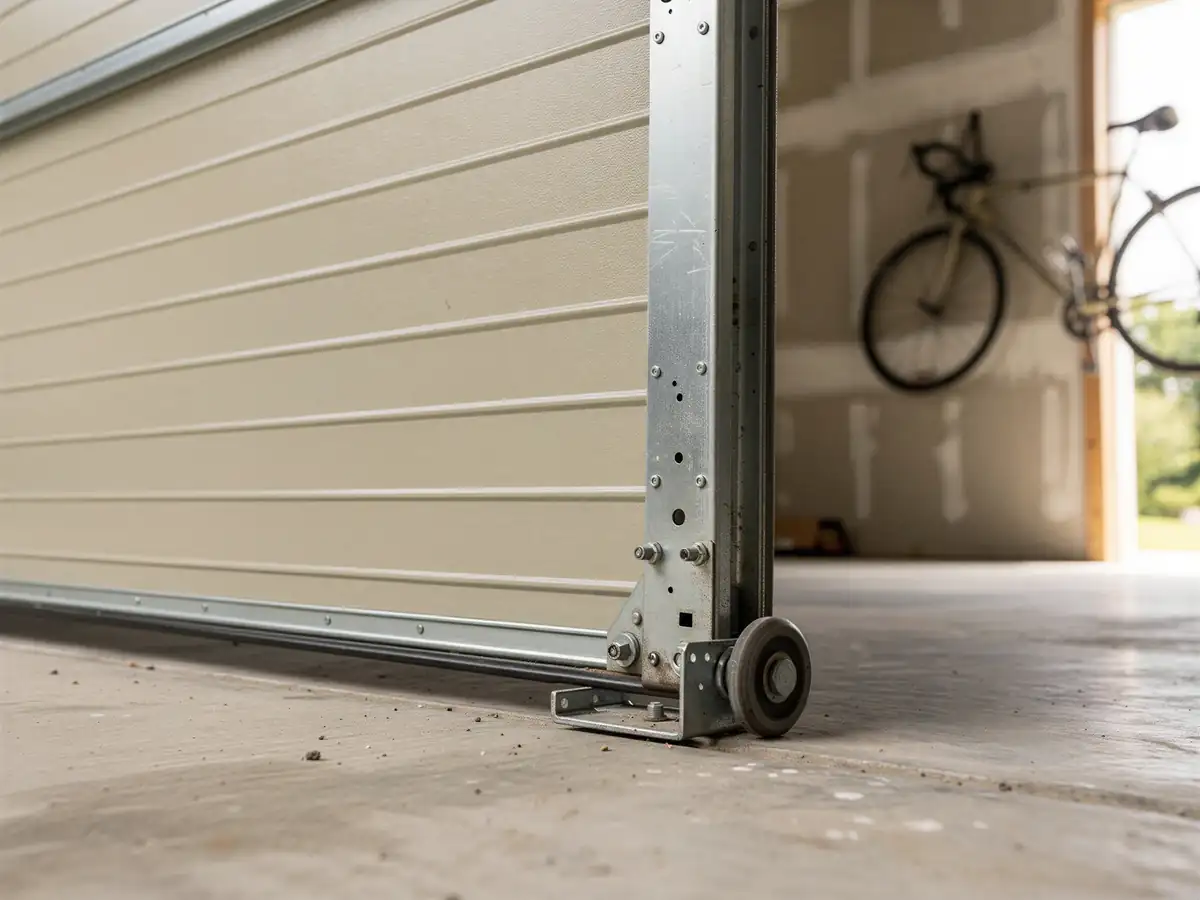
On a 2001-era door, the complaint we hear most isn't "the door won't move at all" - it's "the door is noisy" or "the opener runs but the door doesn't go up all the way." That points to a spring losing tension gradually rather than snapping outright, or to a limit switch on the opener drifting out of setting over the years. Nylon rollers on these doors also wear down to a point where they start chattering in the track, which sounds alarming but is a cheap fix compared to a cable issue.
We also see openers here that are original to the house - now twenty-plus years old - reaching the point where the logic board or the drive gear just gives out. That's a different repair conversation than a spring job, and it's one we have more often in Blanchard than in the older pockets of the service area.
Cold mornings matter too. In a cold-moderate climate, a spring that's already near the end of its rated cycles is more likely to fail on a frigid start-up than on a mild one, so a door that's been a little stiff for weeks can pick the coldest morning of the month to finally let go.
Booking a Visit
We run out of Moore, about 16 miles from Blanchard
So when you call we're scheduling a drive, not a walk-in. We don't keep a branch or a drop point in Blanchard - one truck comes from Moore to do the job. That means we ask a few more questions on the phone up front: what the door is doing (or not doing), whether it's a single or double, and roughly how old the opener is, so the tech shows up with the right spring size and the right opener parts instead of making a second trip.
- 16 miles
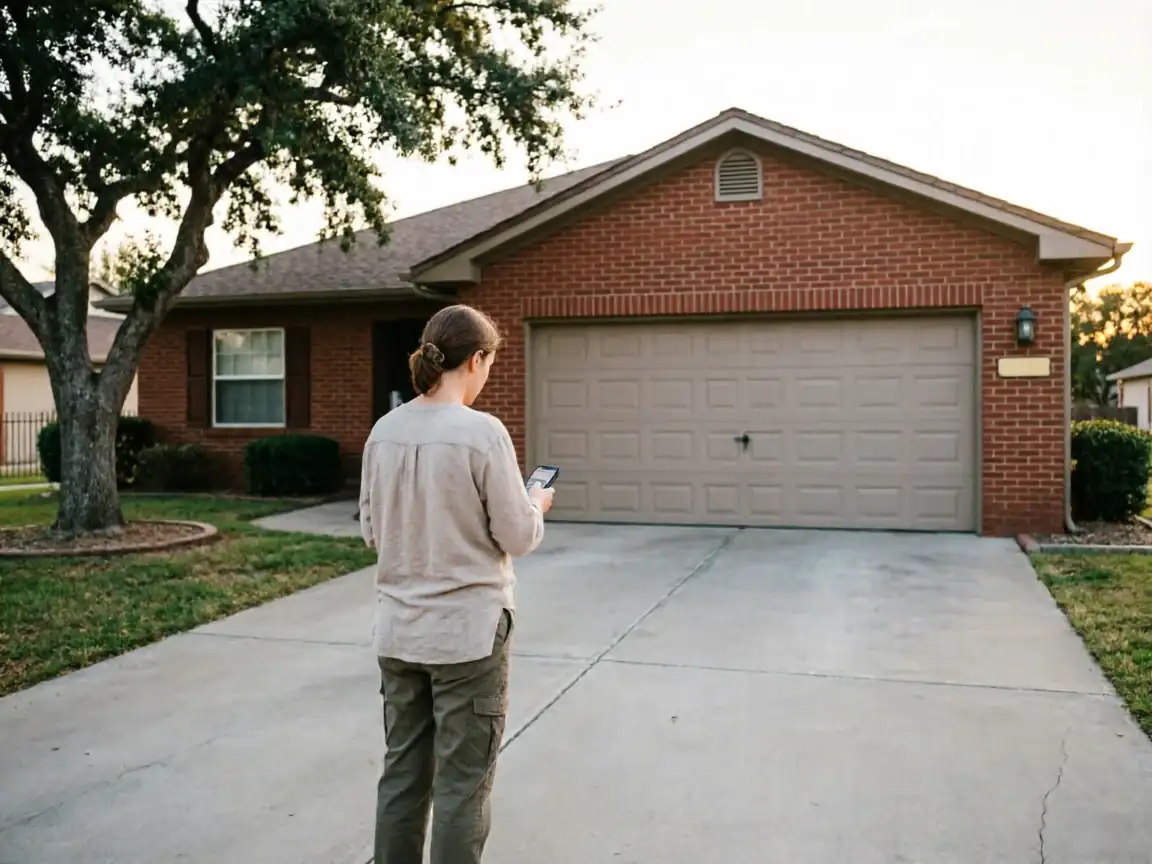
If you can send a photo of the spring or the opener model plate before we drive out
That saves time on both ends. We'd rather ask an extra question on the phone than drive 16 miles twice.
- 16 miles
Stocked Parts
Because Blanchard's housing stock runs newer than the rest of the service area, the parts we stock for this town lean toward what a 1990s-to-2000s door actually needs: torsion springs in the sizes common to that era, nylon rollers, standard photo-eye sensor kits, and belt-drive opener parts. What we don't keep on hand are parts for doors built well before that window - older wood-panel sectional doors or early chain-drive openers - simply because we see far fewer of them out here.
Honest limitation: if your door or opener is an unusual size or an older import brand, we may need to order a part rather than carry it on the truck, and that can add a day or two. We'd rather tell you that up front than promise same-visit on something we don't stock.
What You Pay
We don't have Blanchard-specific pricing to quote here, and we're not going to make up a number. What we can tell you is that household income in this area runs higher than the broader service-area median - $89,472 here against $81,105 across the full area - which tends to track with newer homes carrying opener and insulation upgrades that add a little to parts cost on a repair, compared to a bare-bones older door.
The real driver of cost is still the specific failure: a roller swap costs far less than a full spring-and-cable job, and a dead opener logic board costs less than replacing the whole unit. We'll give you the actual number for your door once we've looked at it, not before.