Why It Happens Here
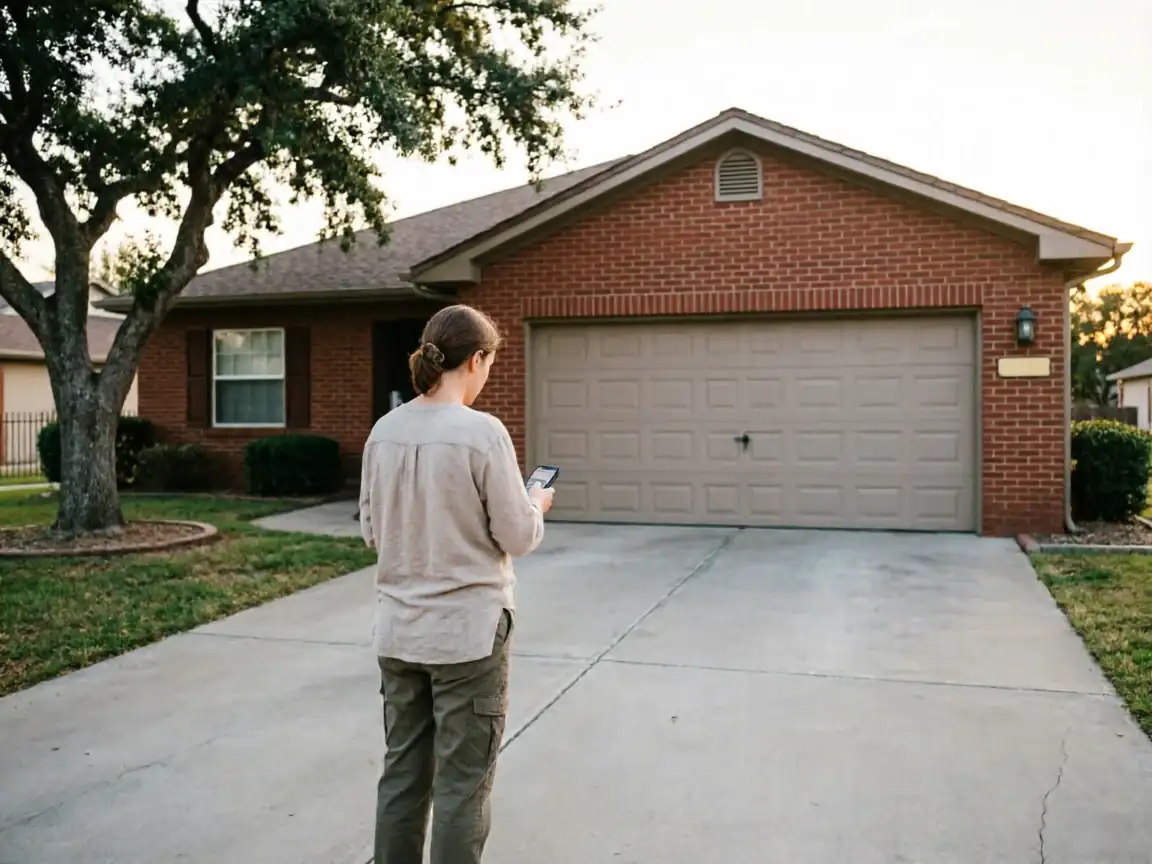
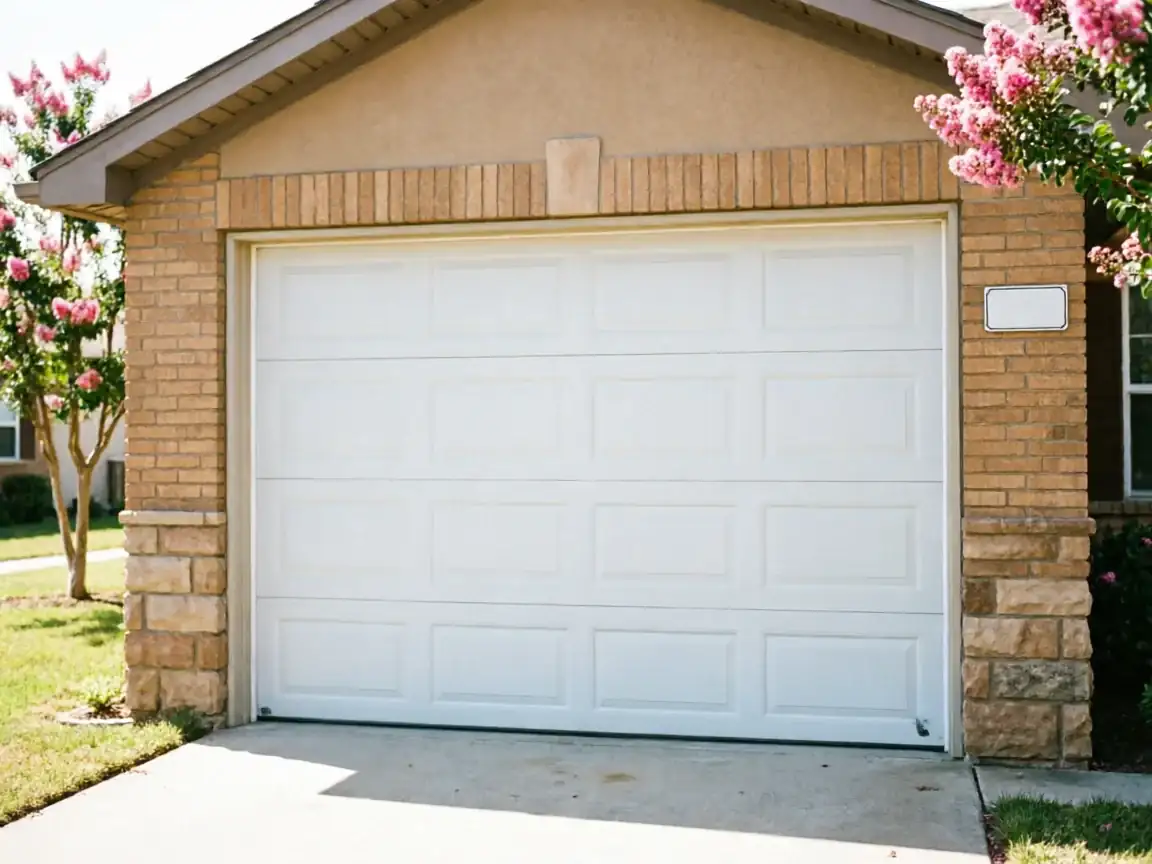
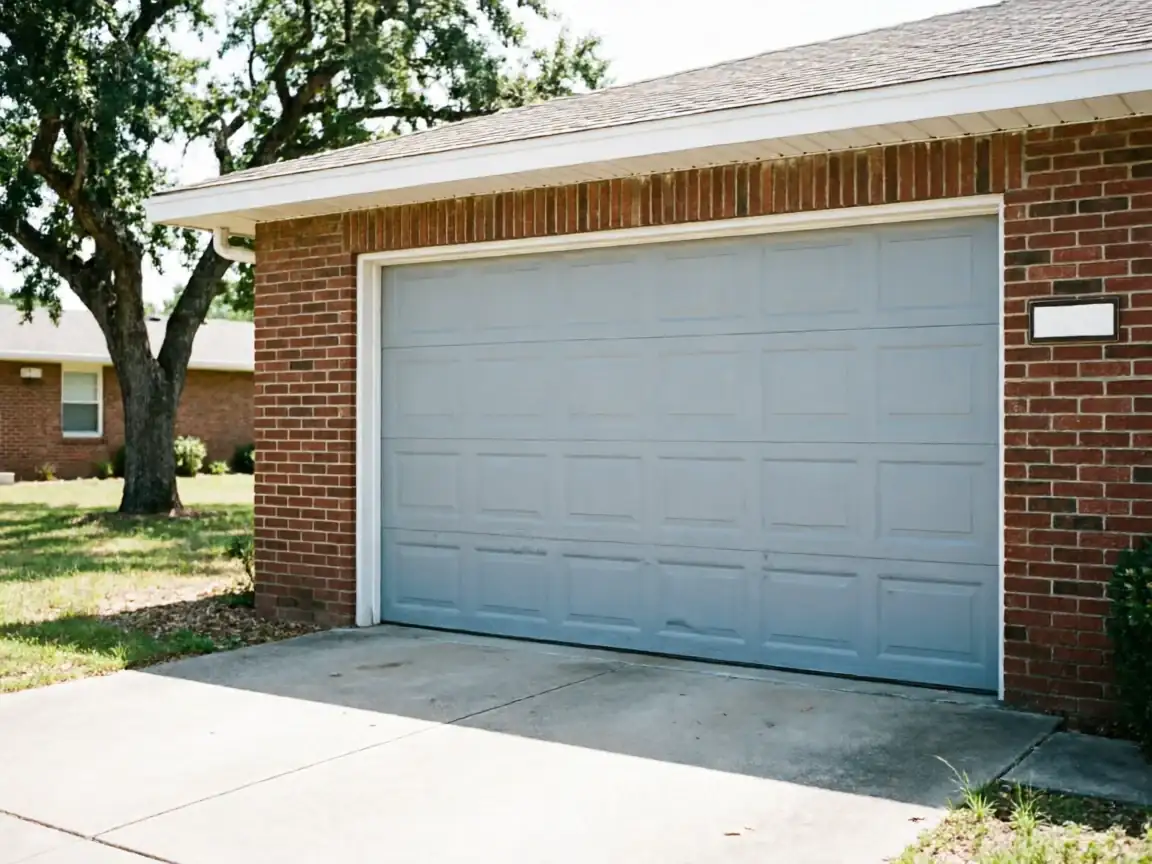
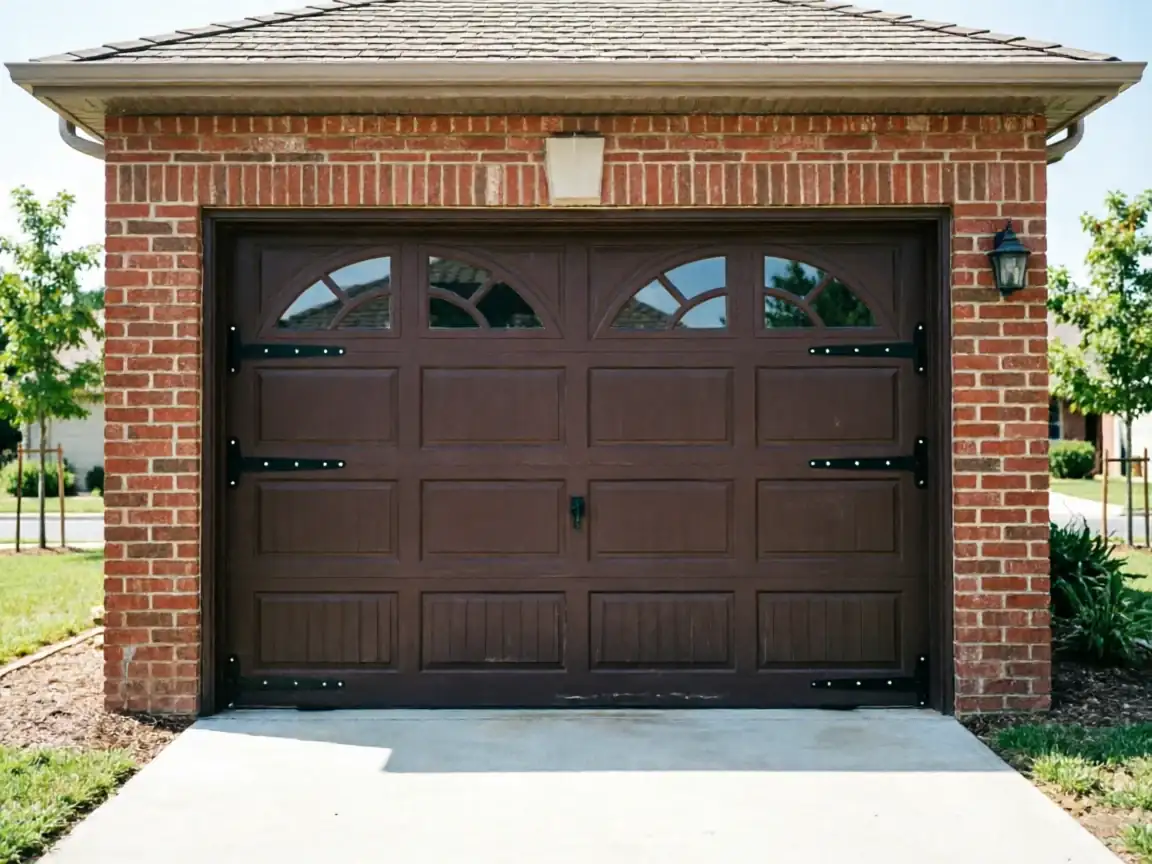
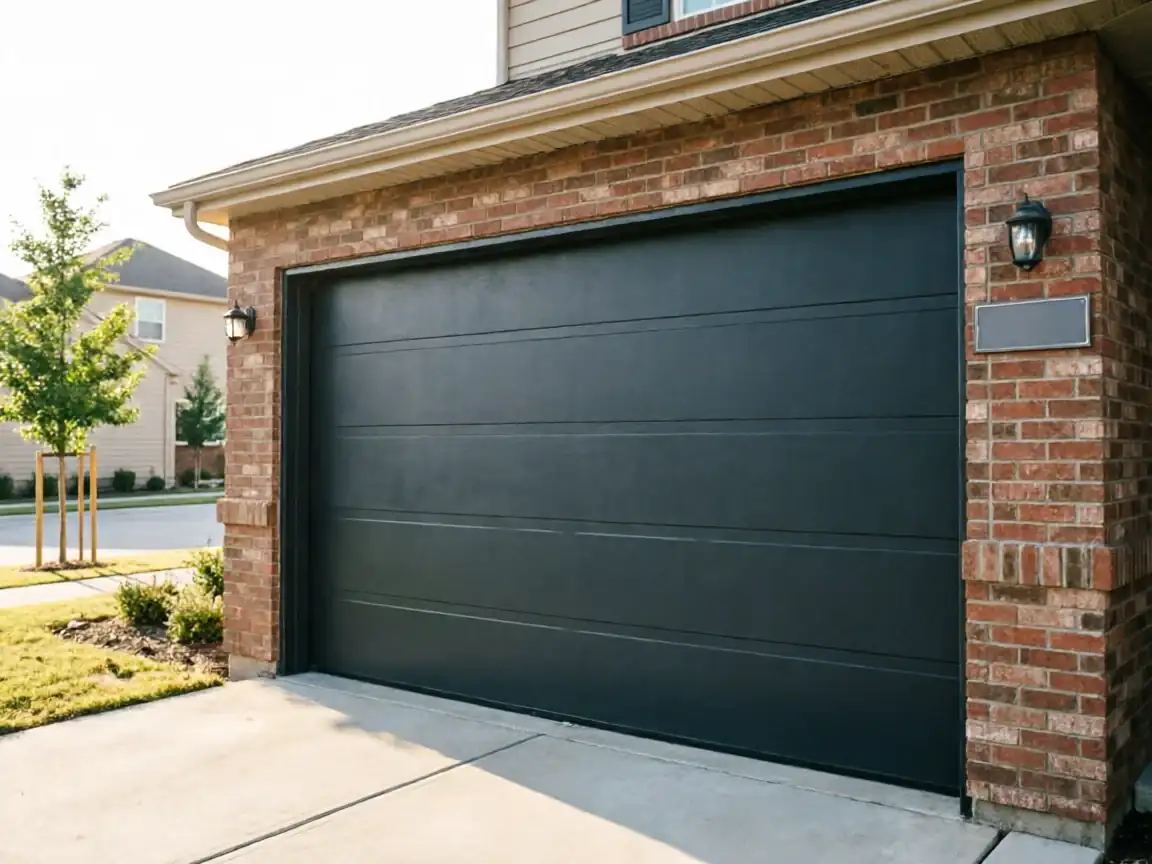
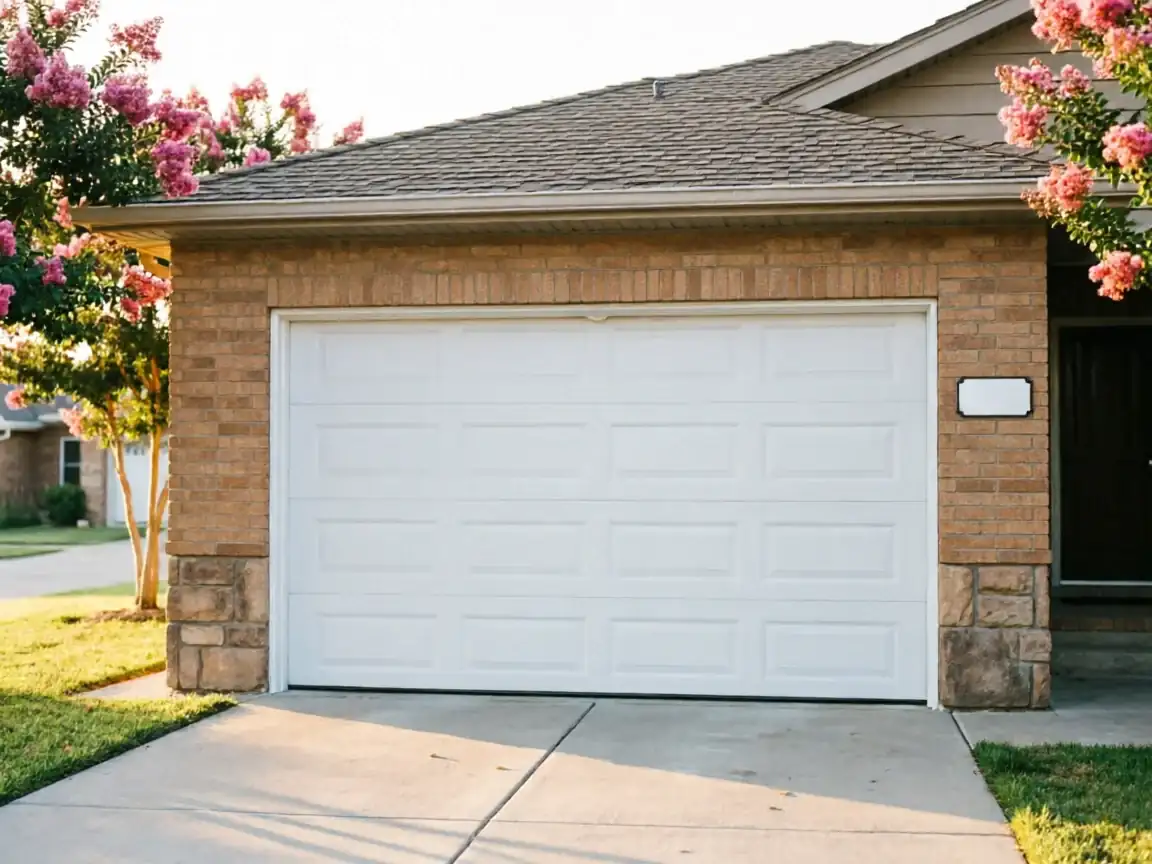
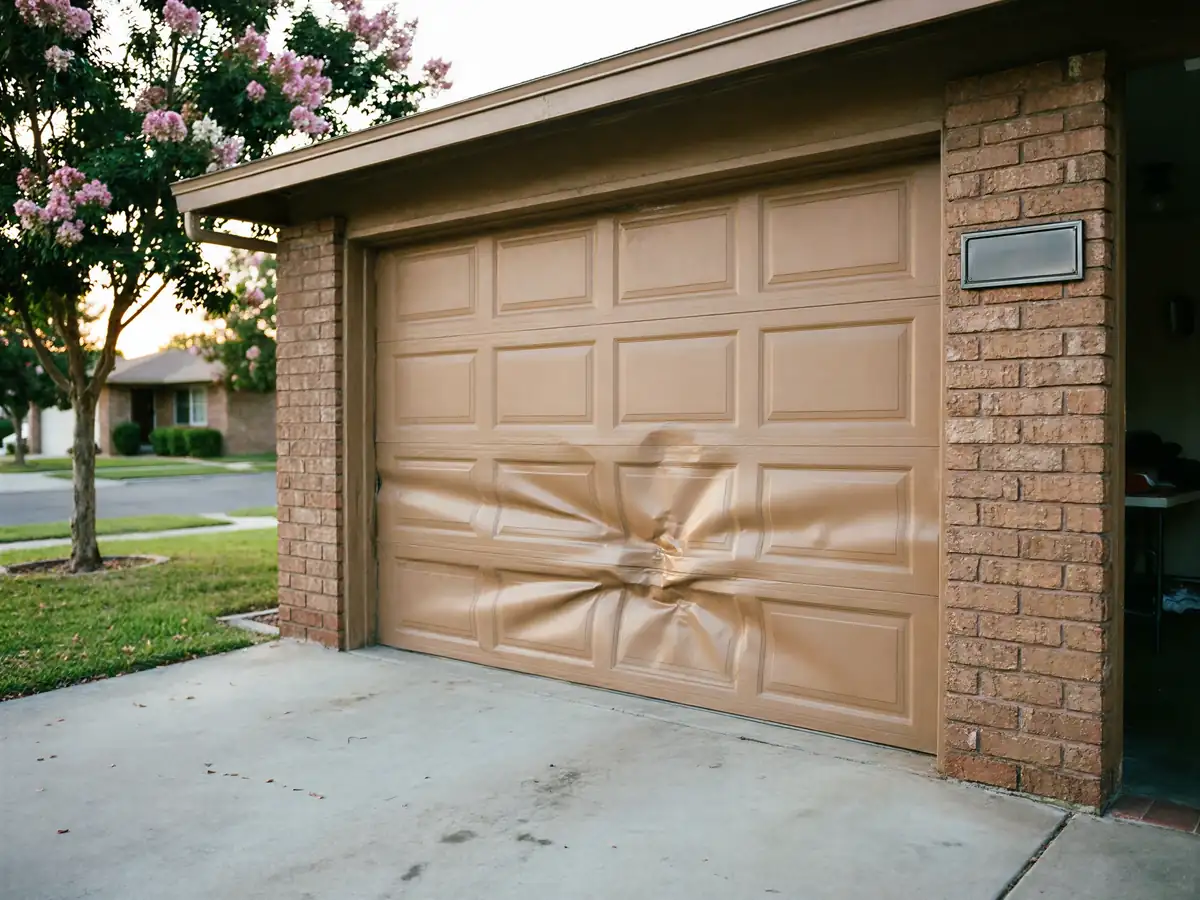
Most houses in Blanchard went up around 2001, which puts this suburb a full generation newer than the broader Moore service area, where the median build year sits closer to 1980. That matters more than it sounds. A door installed in 2001 was almost always the builder-grade package - the lightest door and the cheapest opener that let the builder hit a price point on a new-construction spec sheet, not a door anyone chose for the long run.
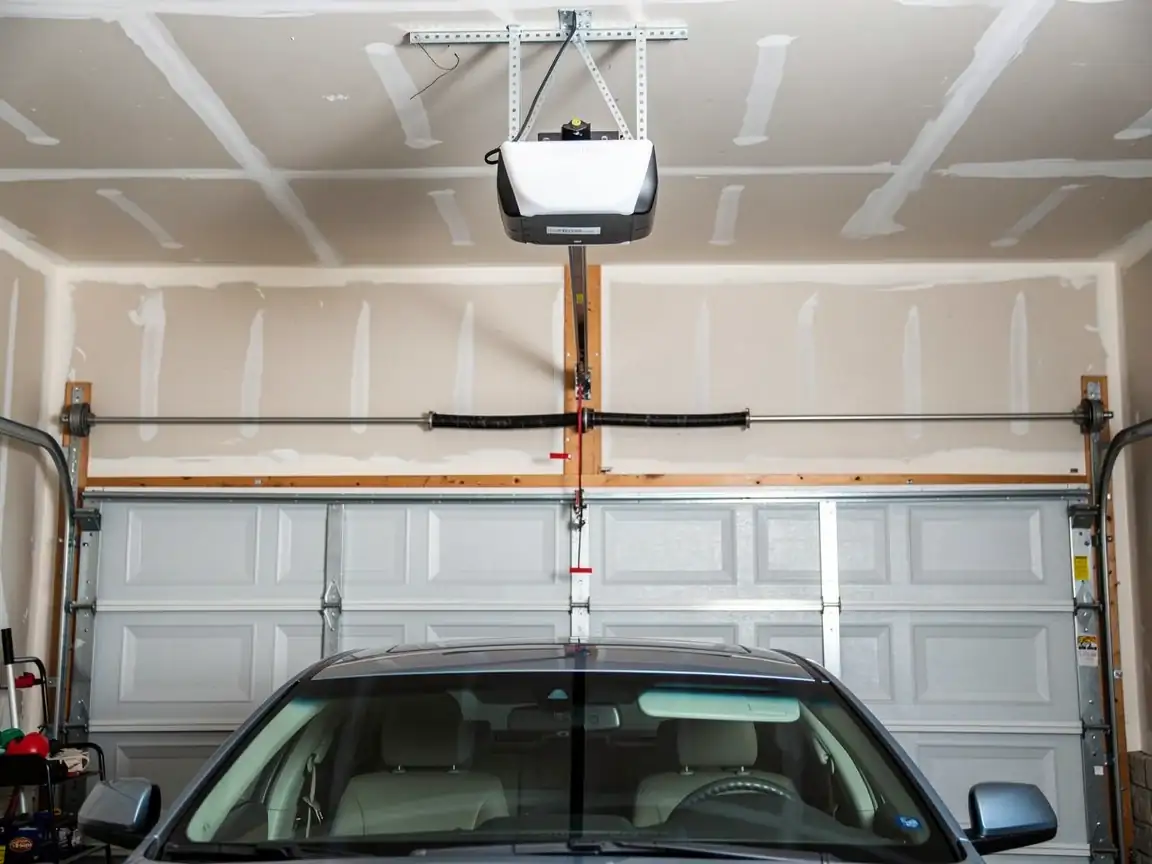
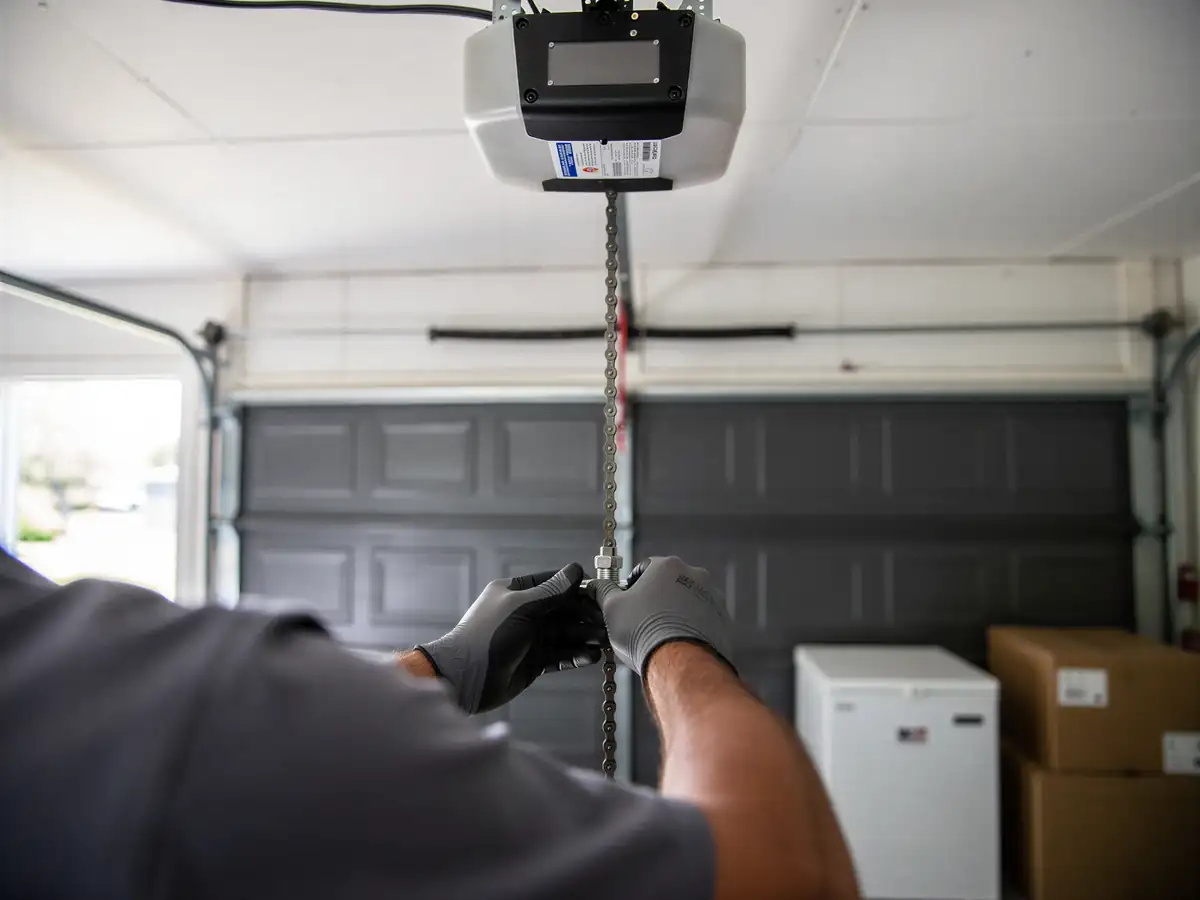
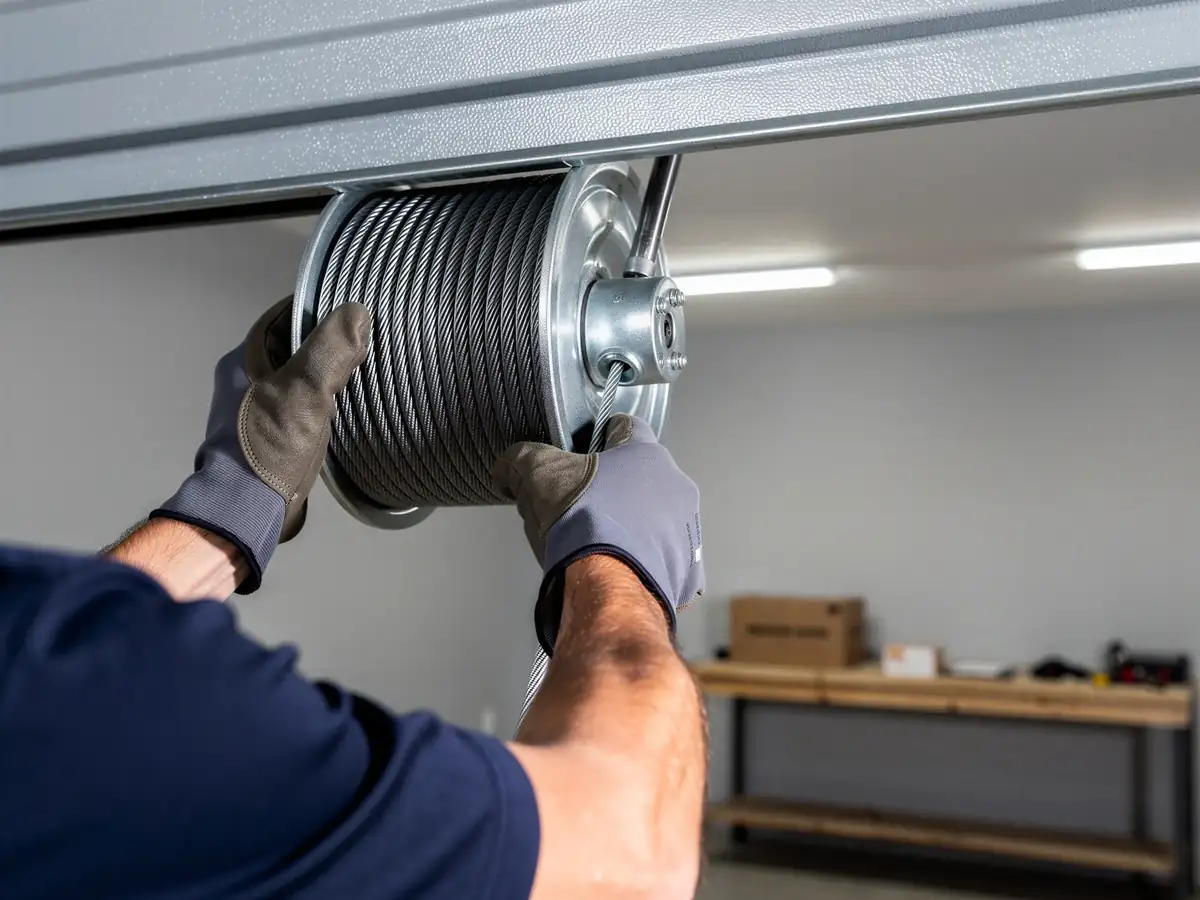
Twenty-plus years later, those builder-grade doors are the ones failing: thin two-panel steel with no insulation layer, torsion springs sized to the bare minimum for the door's shipped weight, and openers with plastic drive gears that were never built for two decades of daily cycles. None of that is unique to one house - it is what happens across a neighborhood built in the same five-year window off the same builder spec. Replacement here usually means correcting an undersized original, not matching a worn-out custom door.
How It Shows Up
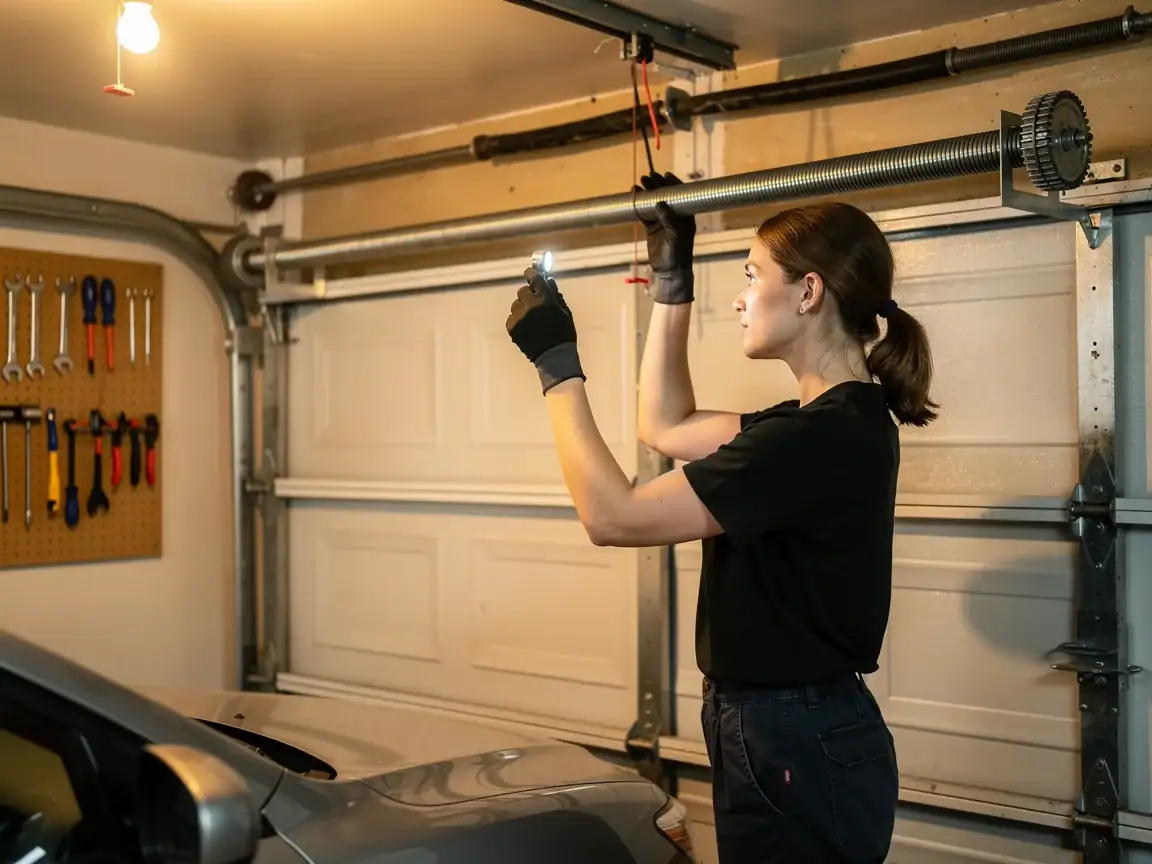
The door that was fine for fifteen years starts sagging at the top panel first, because the original torsion spring was speced to the builder's minimum and has been losing tension faster than a heavier-duty spring would. The opener strains and reverses on cold mornings, especially with the area's cold winters adding stiffness to grease and seals that were never top-grade to start with.
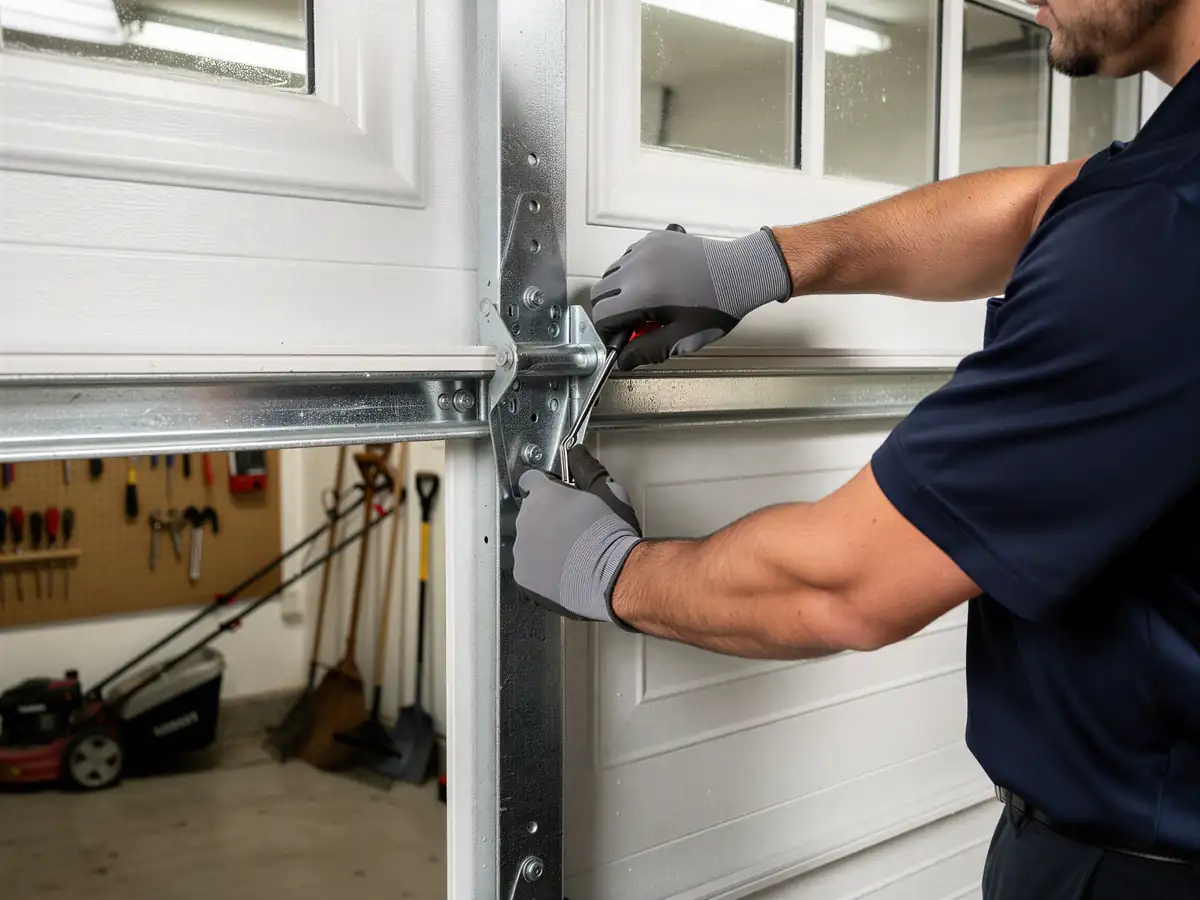
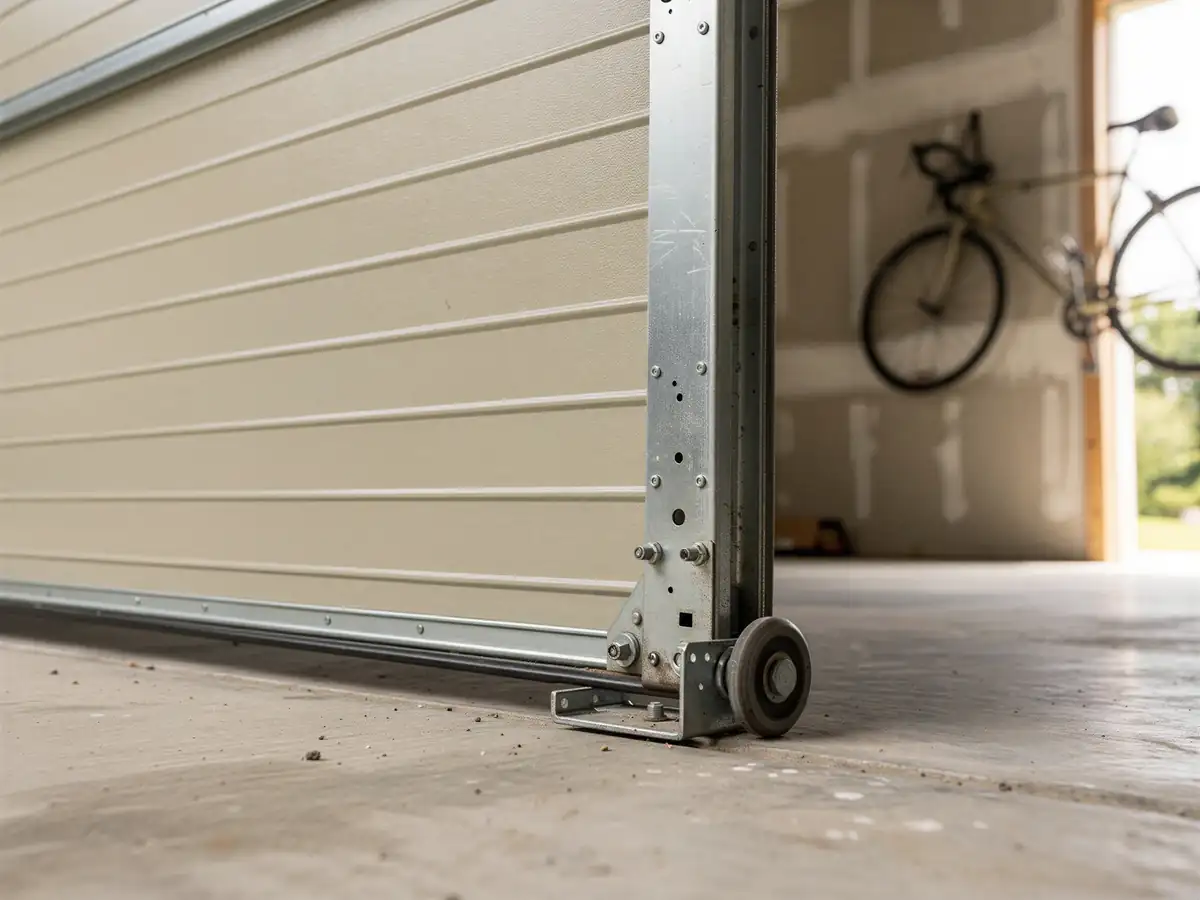
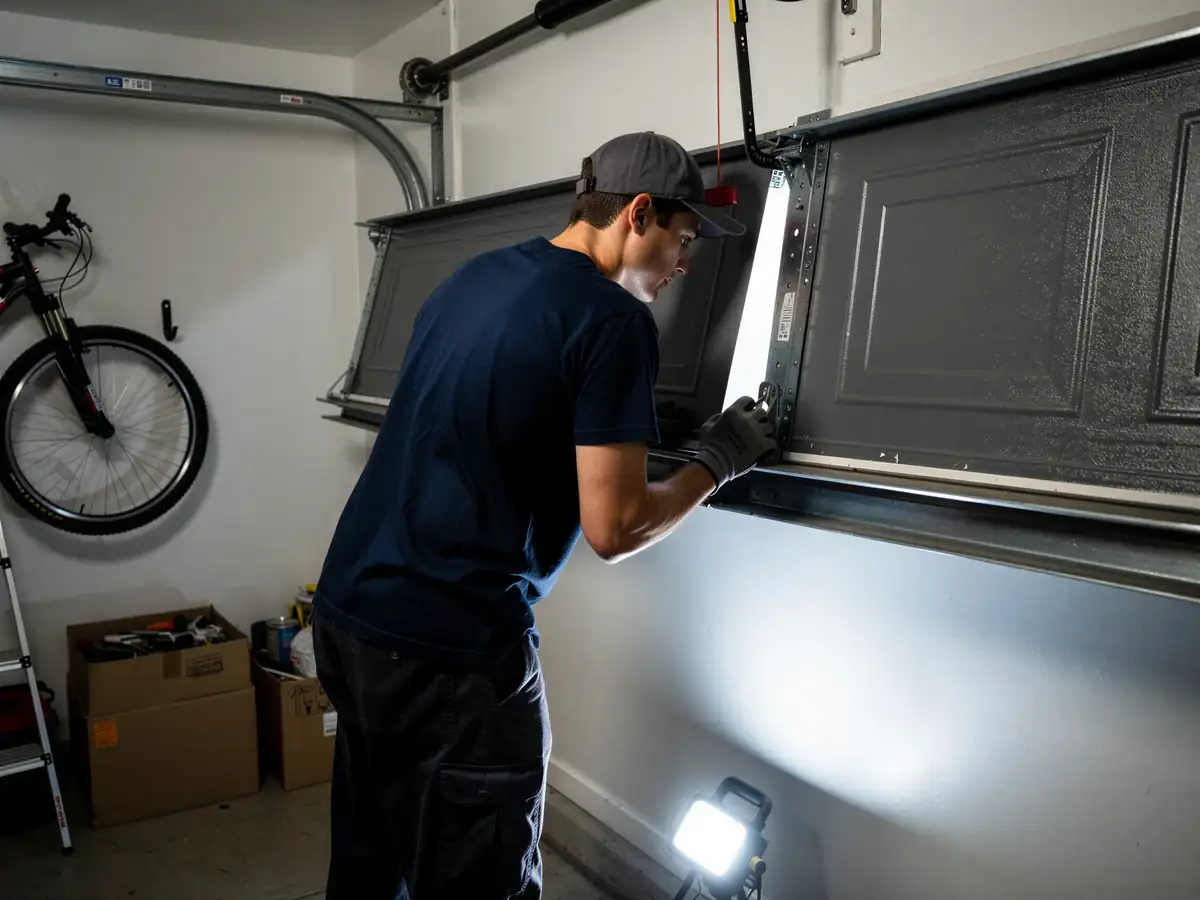
Steel rollers from that era wear grooves into the track instead of rolling clean, which you'll hear as a grinding rattle rather than a smooth hum. None of this means the house has a problem - it means the house has a 2001 door doing a 2024 job. A new installation with a correctly sized spring and a better-sealed panel fixes the actual cause instead of just replacing the part that failed this week.
Booking a Visit
We run installs in Blanchard out of Moore, about 16 miles away
There's no branch or depot here, so we schedule the crew and the install truck as one trip rather than promising a same-day or walk-up visit the way a local shop might. Call ahead and we'll set a date that works for a full install rather than squeezing it into a repair run.
- 16 miles
That 16-mile trip is also why we're upfront about one limitation
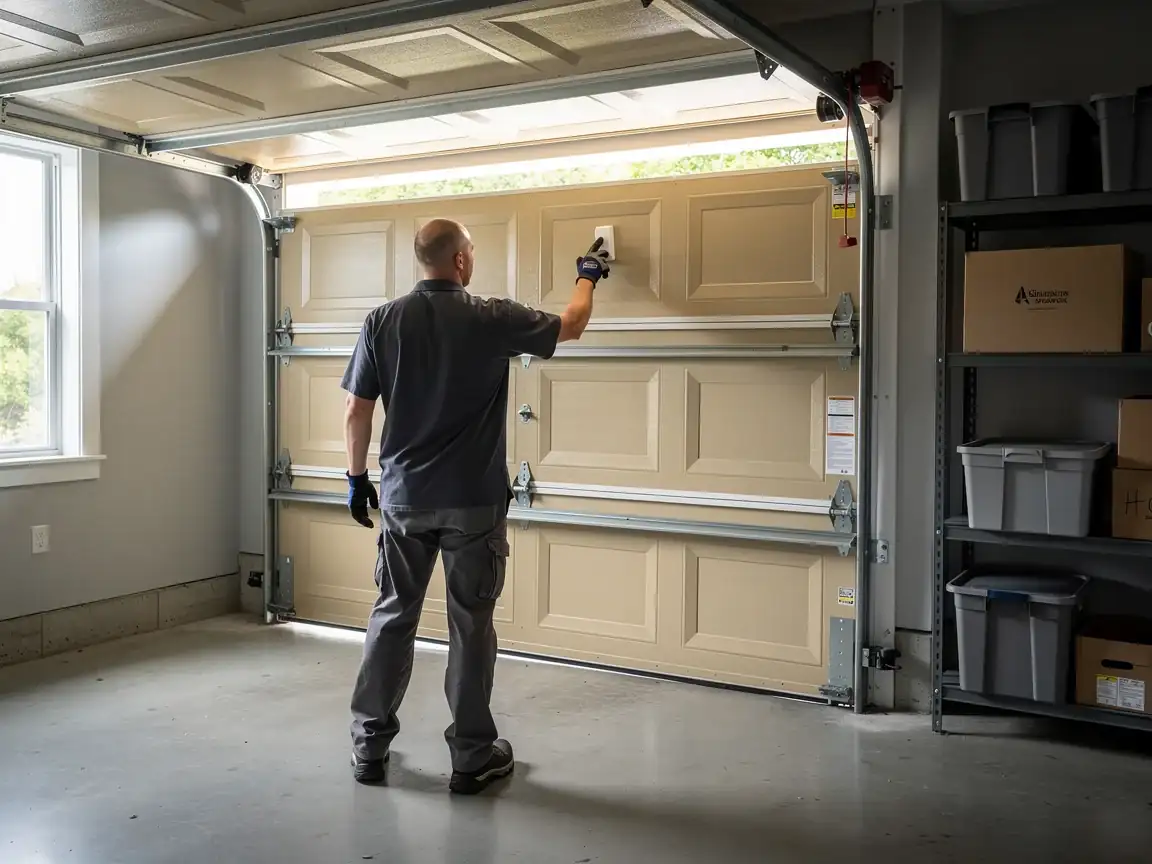
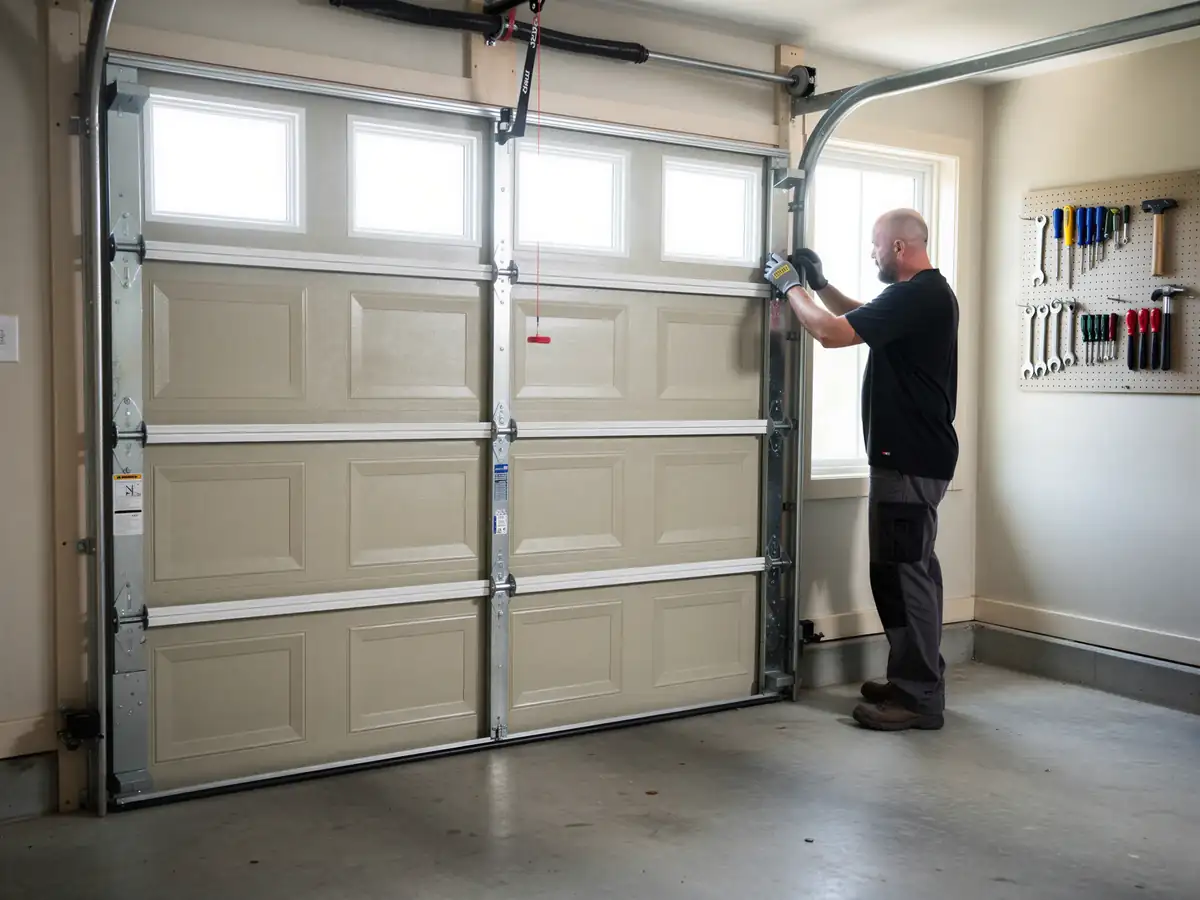
If you need the door today, we may not be able to make that happen. Installs get scheduled, not improvised, because doing the job right - level jambs, properly wound springs, a balanced opener - takes the time it takes.
Stocked Parts
Our trucks carry the sizes and spring weights that cover most of what we see across the service area, including the door widths common to early-2000s Blanchard construction. If your door is a standard 16-foot double or an 8 or 9-foot single, we can usually quote and install from stock.
Where we run into a wait is custom width, a discontinued panel style, or hardware tied to a builder package that isn't made anymore - not uncommon in a neighborhood where most houses share one original spec. In that case we'll tell you the lead time straight rather than guess.
What You Pay
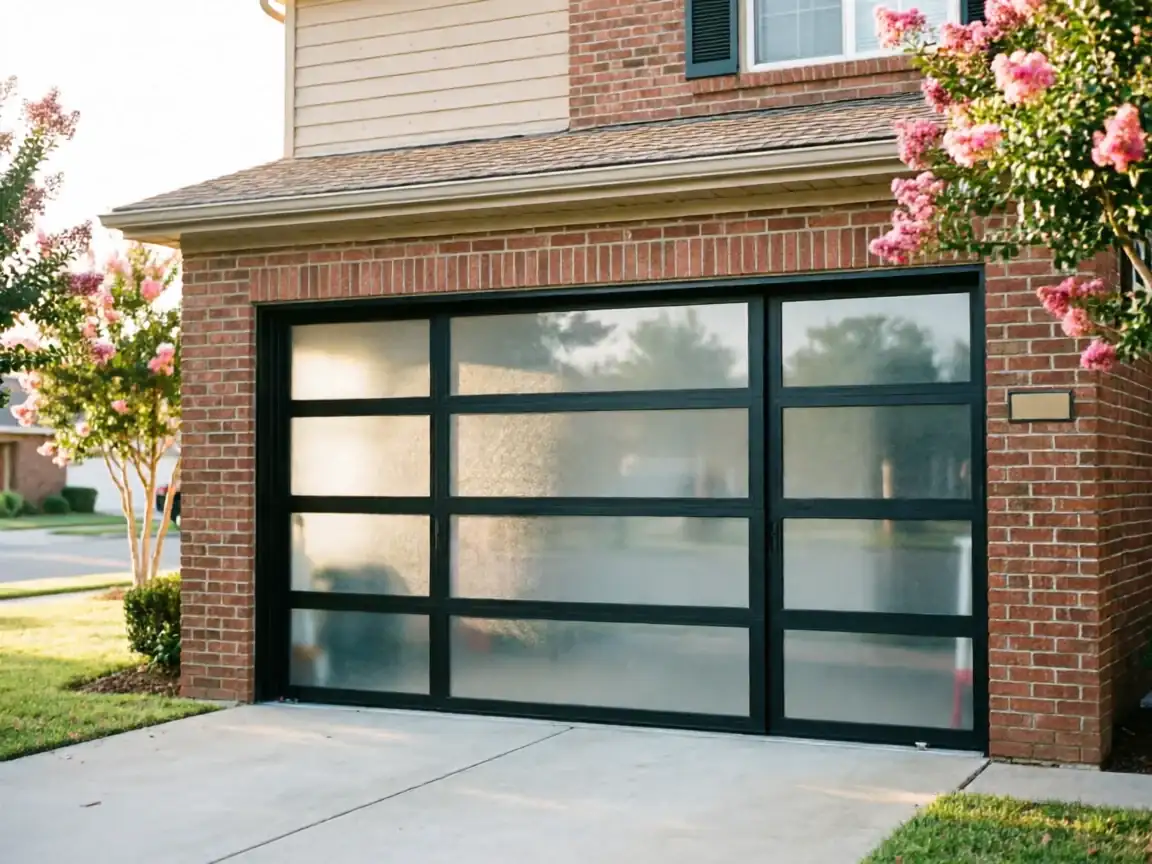
Household income in Blanchard runs higher than the broader service-area median - $89,472 here against $81,105 across the area overall - and that shows up in what people choose rather than what they're forced into. More Blanchard homeowners we quote go for an insulated panel and a belt-drive opener upfront instead of patching the original builder door a second time.
We don't have a flat price list to publish here, because door size, insulation level, and opener choice move the number more than the town does. What we can tell you is that given the area's cold winters, insulation isn't a luxury add-on so much as a reasonable upgrade over what most 2001-era builder doors shipped with.