Can You Do This Yourself
Tuttle sits apart from the rest of the Moore service area in one useful way: the houses here lean newer. Across the wider area, homes run from 1959 clear up to 2004 with a median around 1980 - a lot of original torsion hardware from the Carter administration still bolted to the wall. Tuttle's own median build year is 1995, a solid decade and a half newer than that area-wide midpoint. That matters for cable work because a mid-90s door usually runs factory-correct cable drums and a track that hasn't been bent by thirty extra years of use. The failure you're looking at is more likely a frayed or snapped lift cable from fatigue than a mismatched replacement part from an earlier remodel.
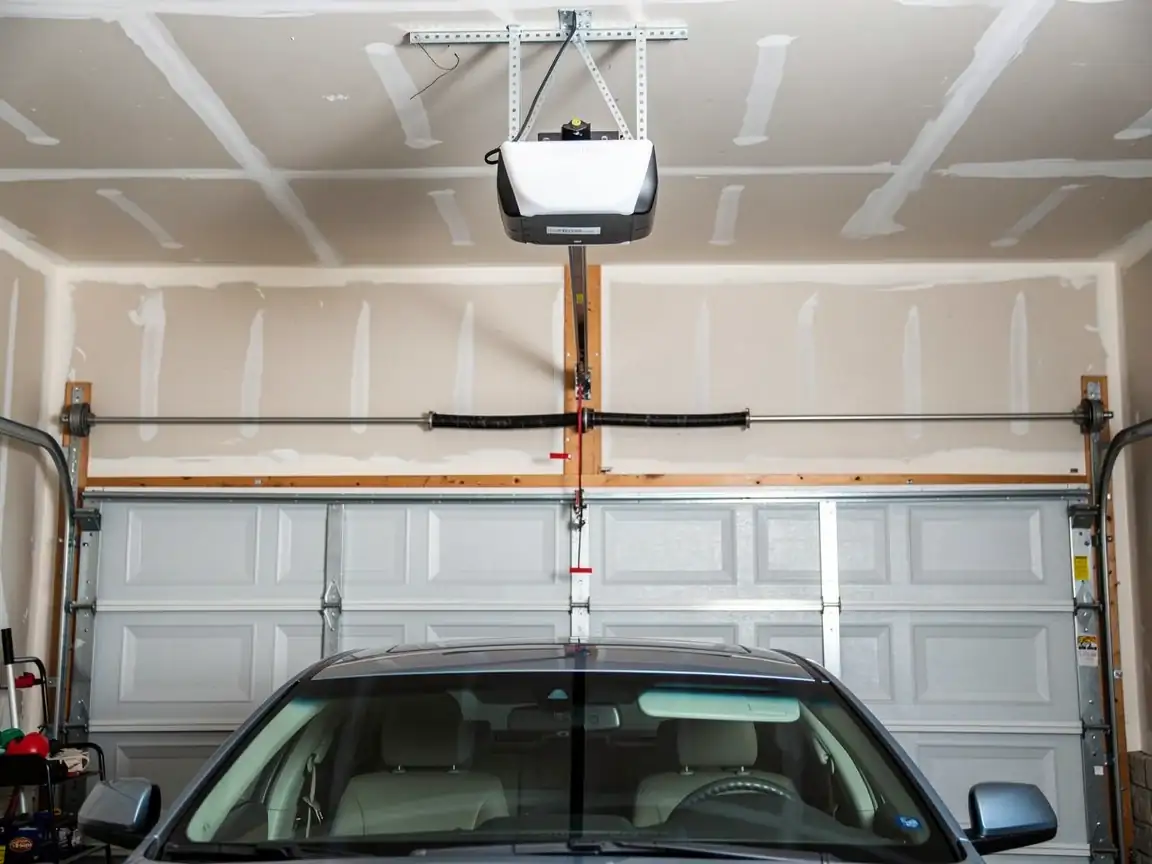
A snapped cable on one side of a double door is not a DIY job. The door is still under spring tension, and a cable that let go on one side means the other side is carrying load it wasn't built to hold alone. If the door is off its tracks, sitting crooked, or the opener is straining against it, stop pulling on anything and call it in. If you've got a visibly frayed cable but the door hasn't dropped yet, you can usually leave the door down and wait for a tech rather than force it open or shut.
What You Pay
We don't have a published price list for cable repair specific to this job, and we're not going to invent one here. What we can tell you is that Tuttle households report a median income of $102,417, notably higher than the $81,105 median across the broader Moore service area - which tends to mean owners here are replacing both cables on a double door rather than patching one side and hoping the other holds. That's a judgment call your tech will walk you through on-site, with the actual number in hand before any work starts.
What the Repair Takes
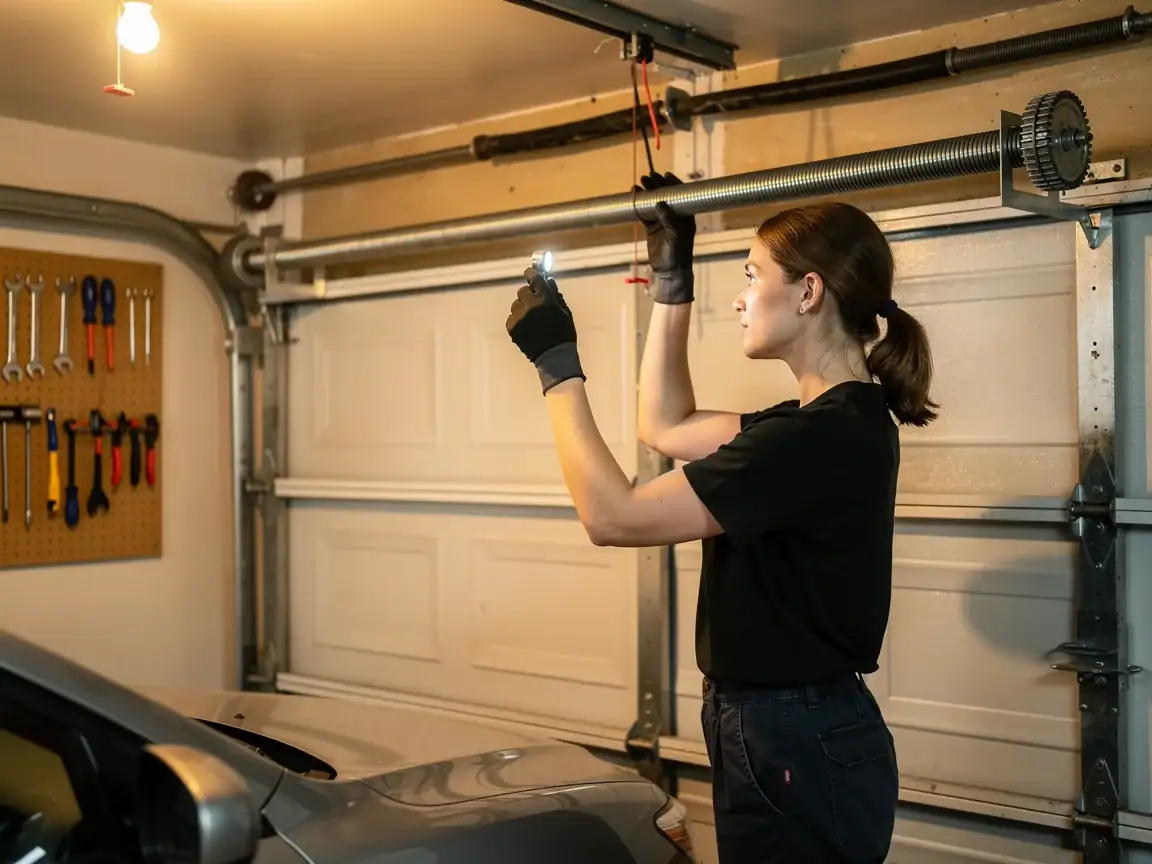
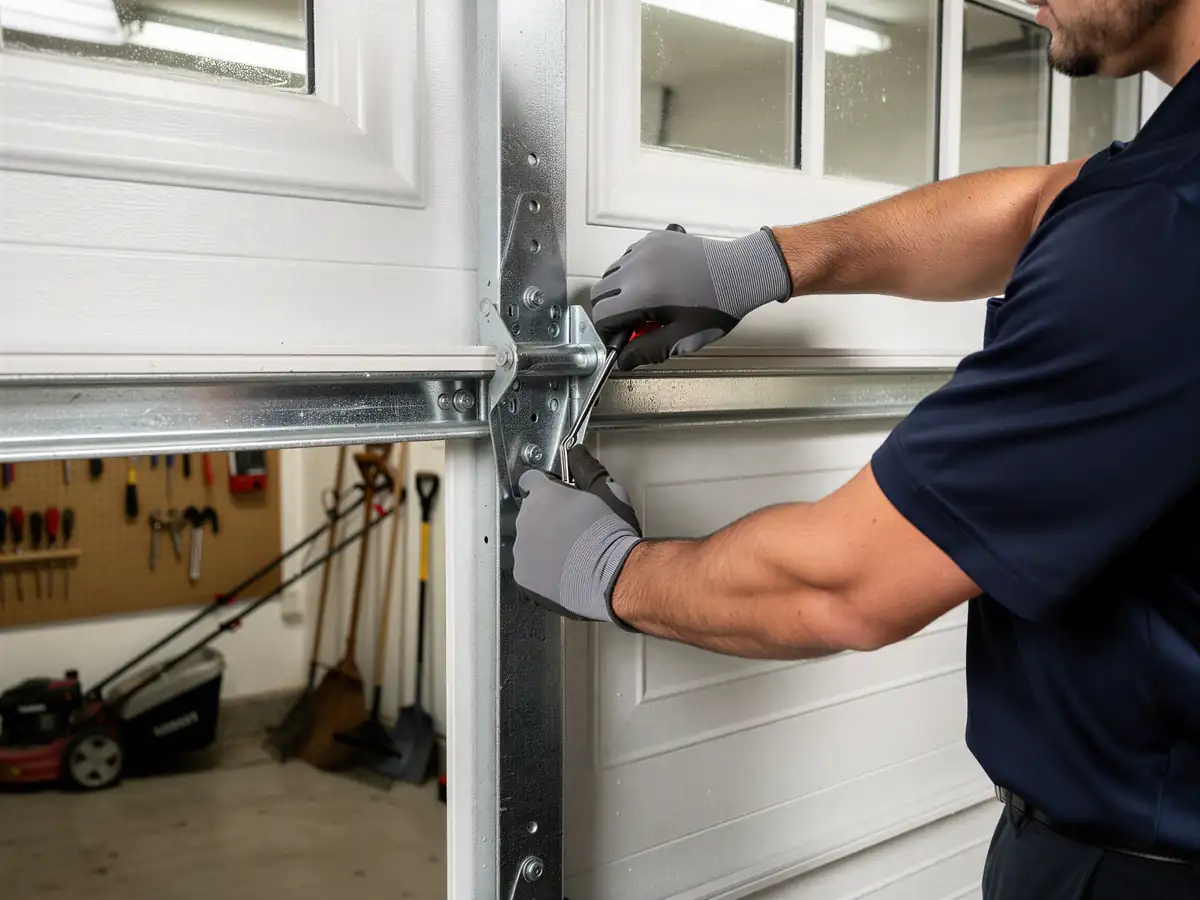
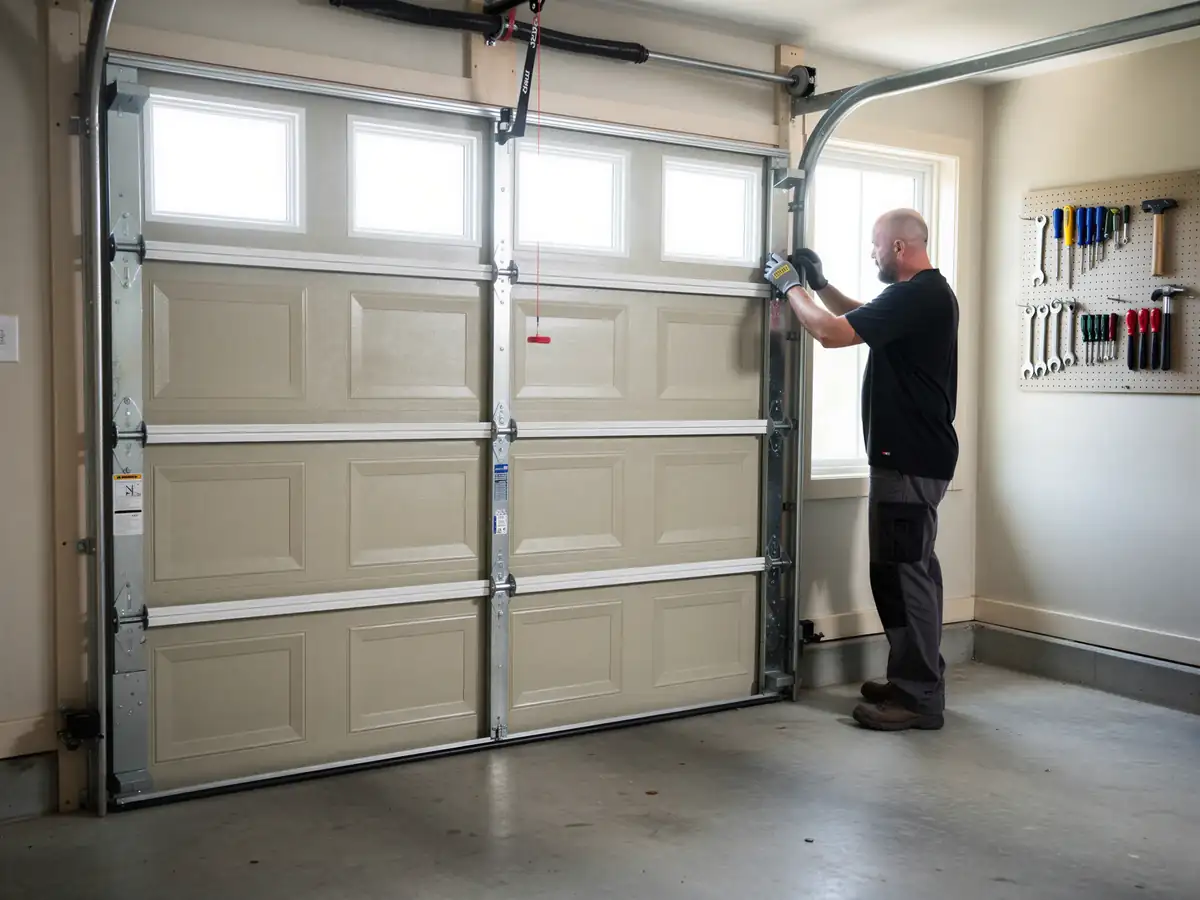
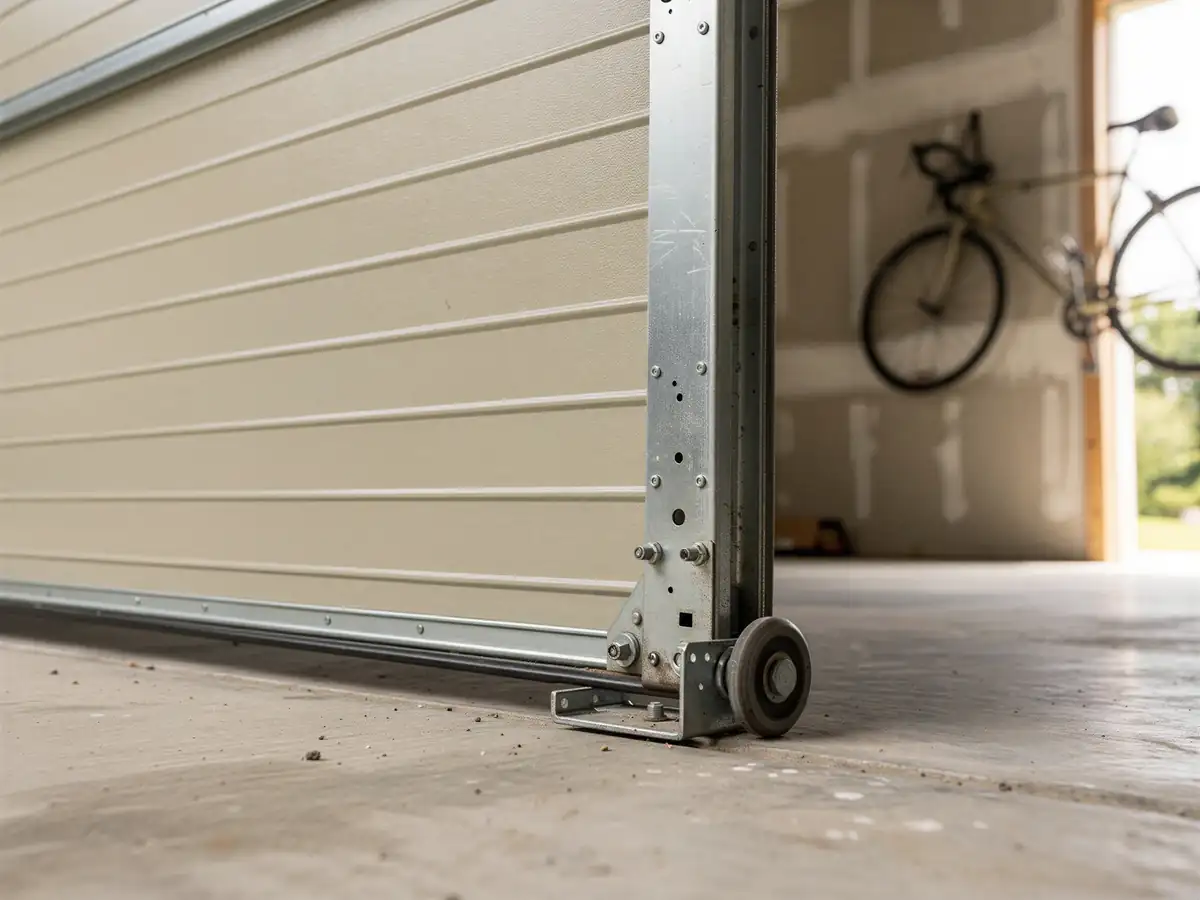
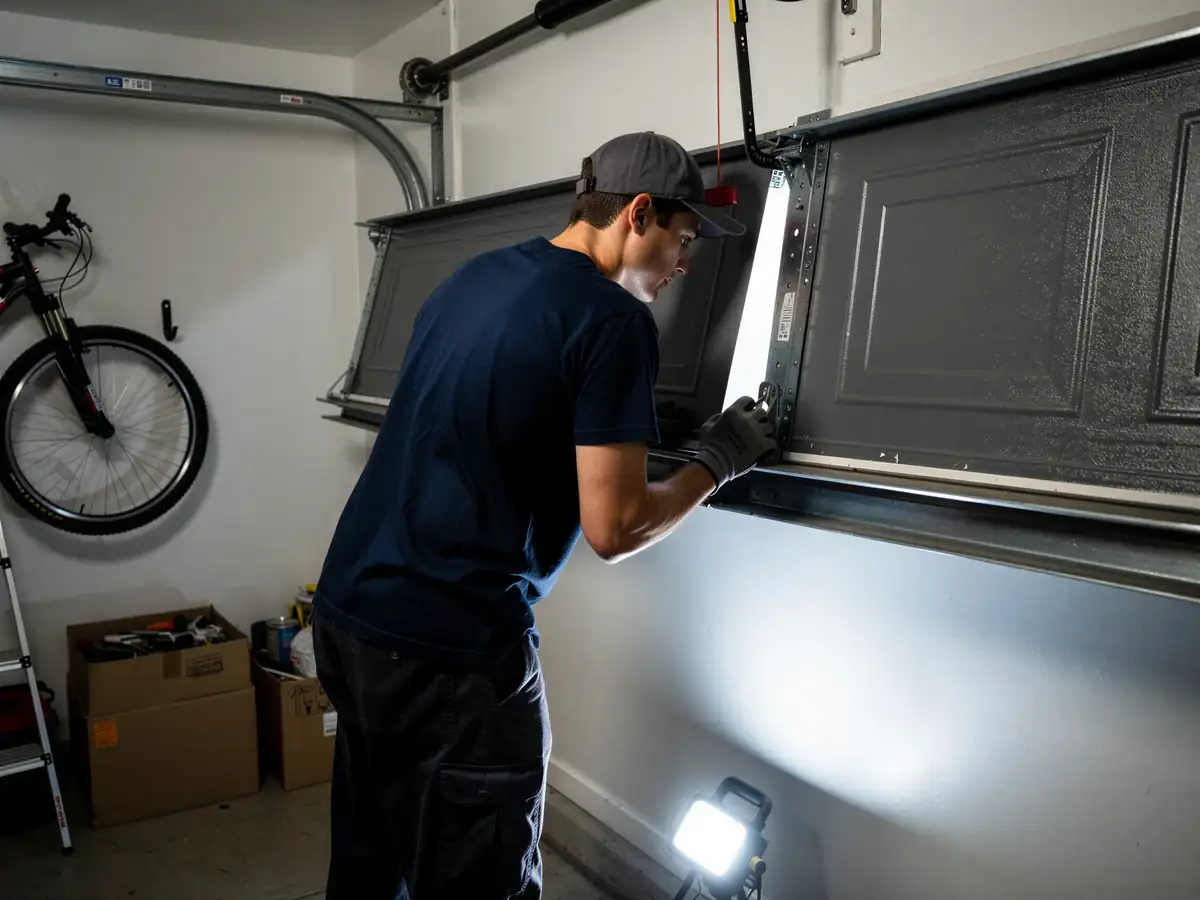
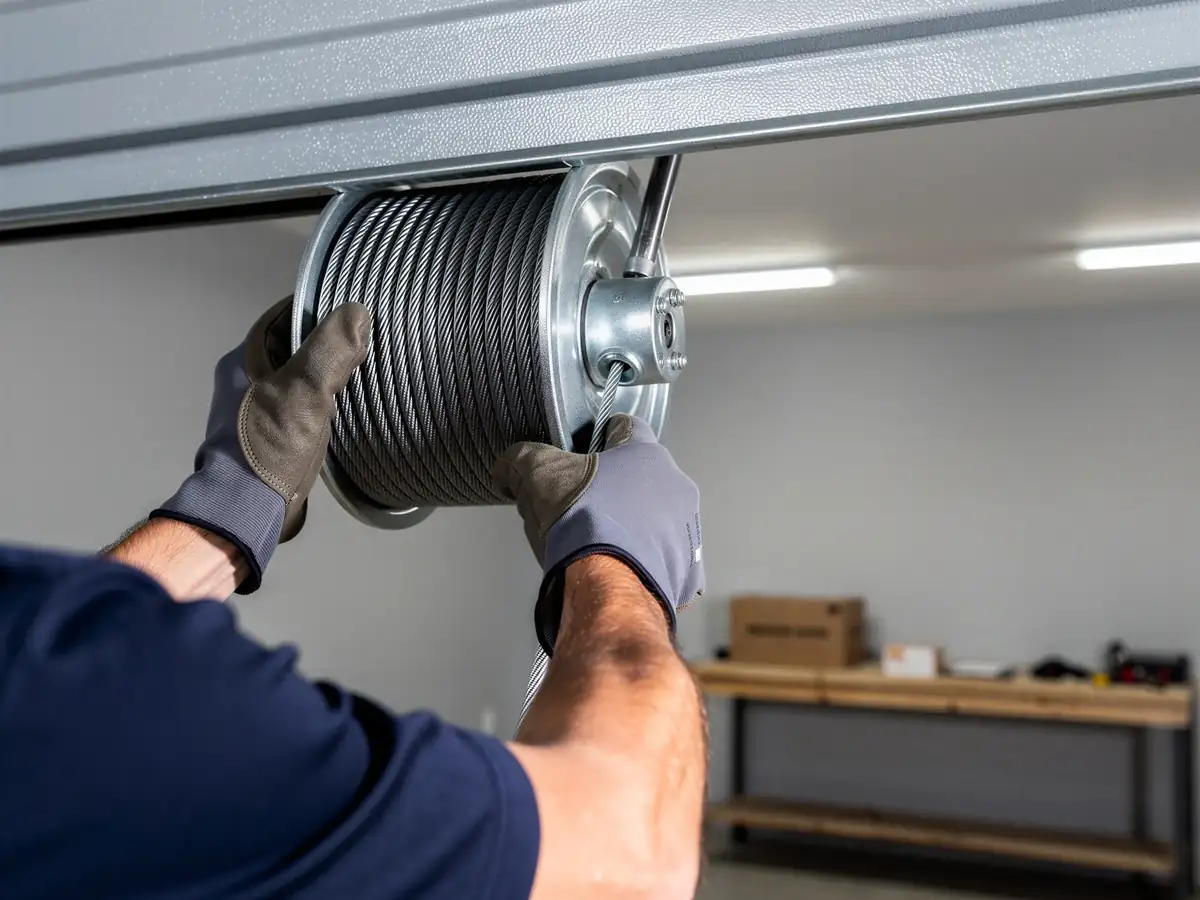
A straight cable swap on a 1990s-era door is usually a cleaner job than on the 1960s and 70s stock found closer to Moore's core, because the drums, track gauge, and spring sizing match what's still in the supply chain. The tech releases spring tension, pulls the old cable off the drum, threads and seats the new one, and resets tension before testing the door through a full open-close cycle. If both cables are original to a 1995-built door, we'll flag the second side even if it hasn't failed yet - cable on the other side is the same age and under the same cycles.
Where it gets slower: if the door was replaced at some point after the house was built and doesn't match the original drum size, the tech has to confirm compatibility before cutting new cable to length. We don't keep every drum size on the truck for every possible aftermarket door, so a mismatch can mean a short delay while the right cable gets sourced.
Time on the Job
On a door that still matches its original 1990s hardware, cable replacement on one side runs faster than it does on an older, modified door, because there's less guesswork in matching parts. Add the second side and it takes longer, but not double - most of the time goes into releasing and resetting spring tension once, not twice. We can't quote you a clock time here without seeing the door, but the newer and more original the hardware, the shorter the visit tends to run.