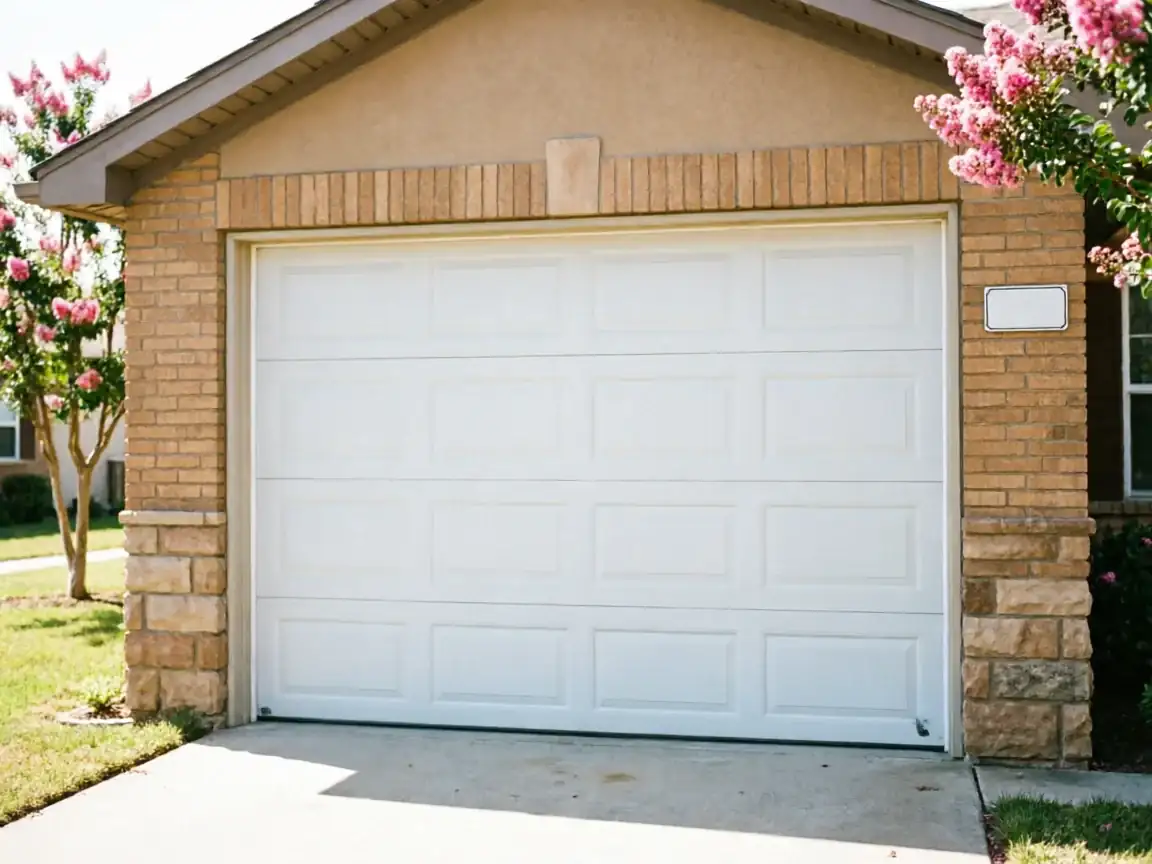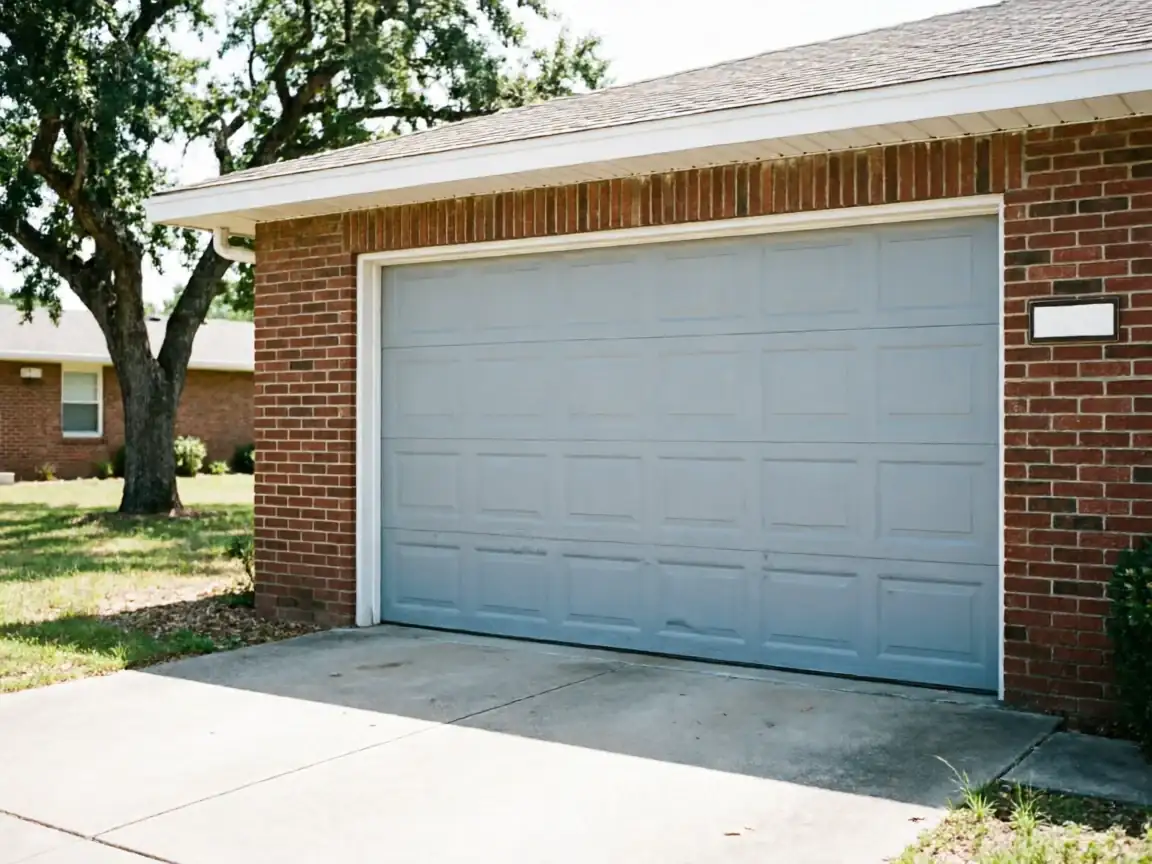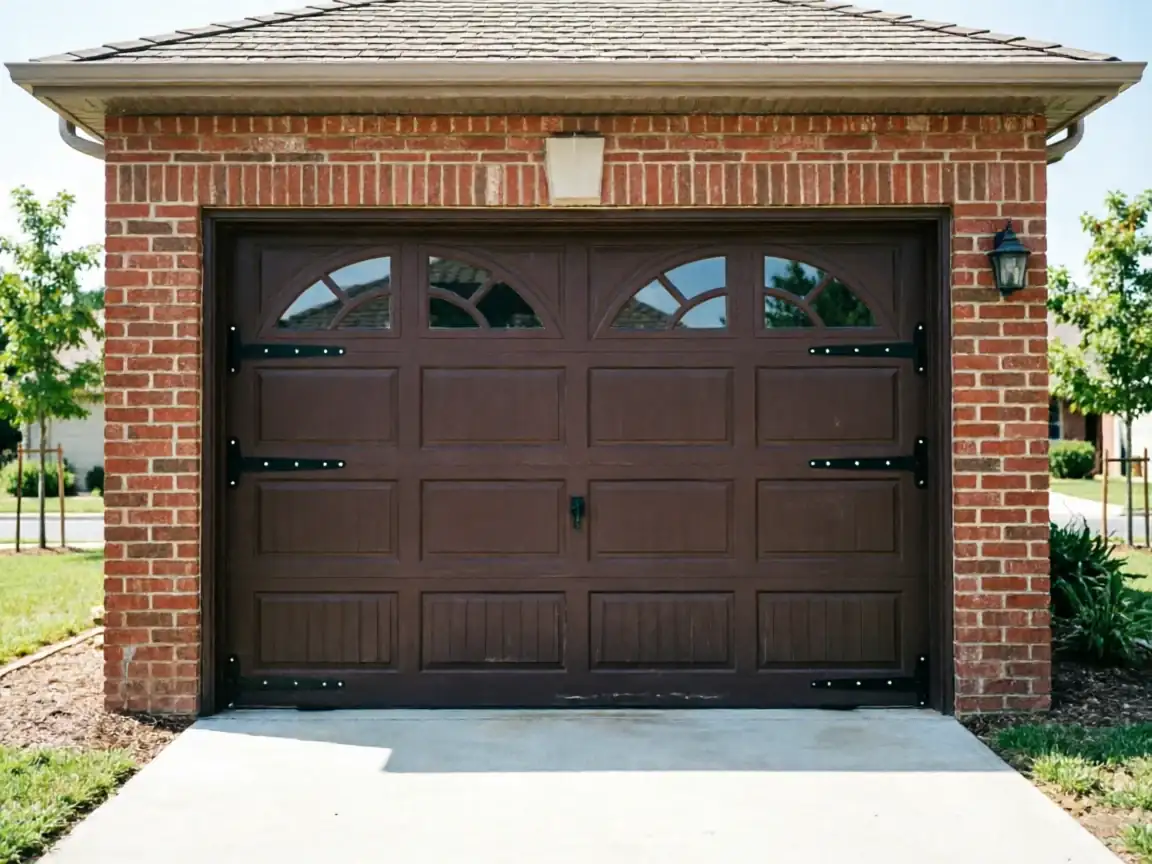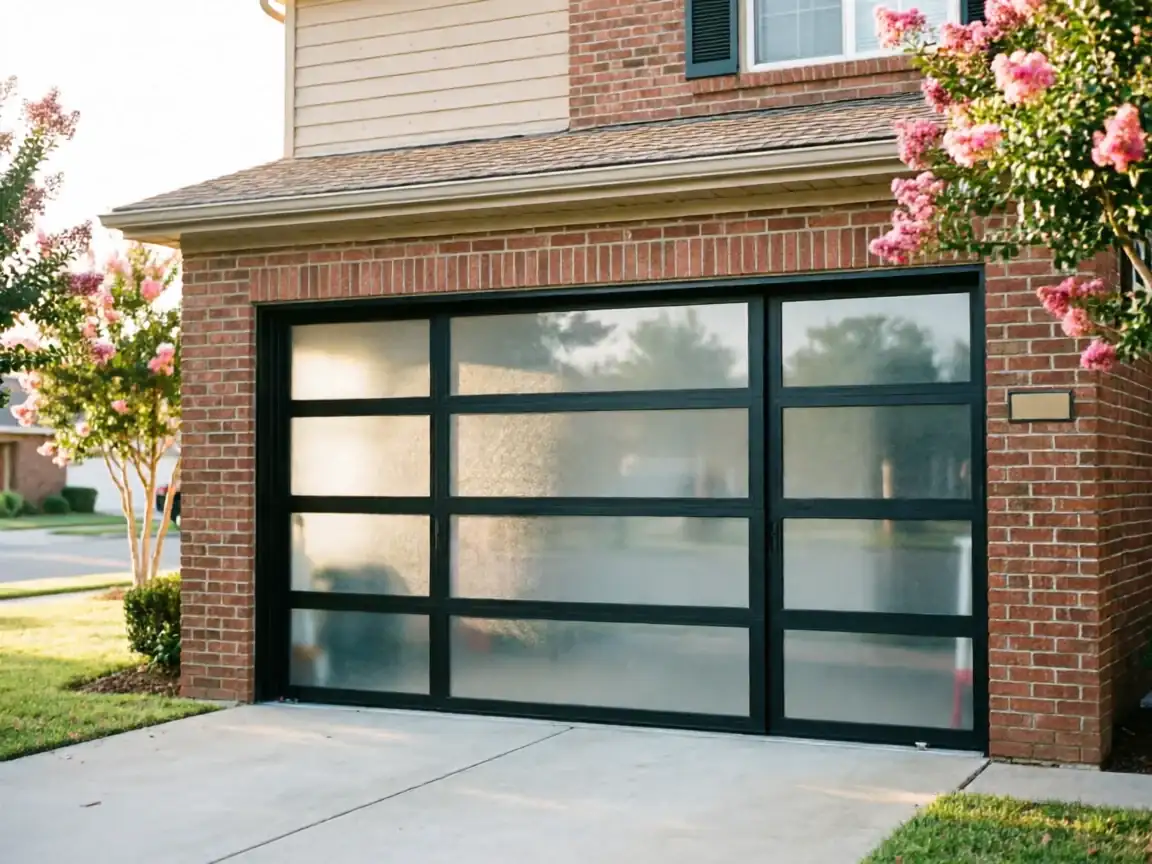
Can You Do This Yourself
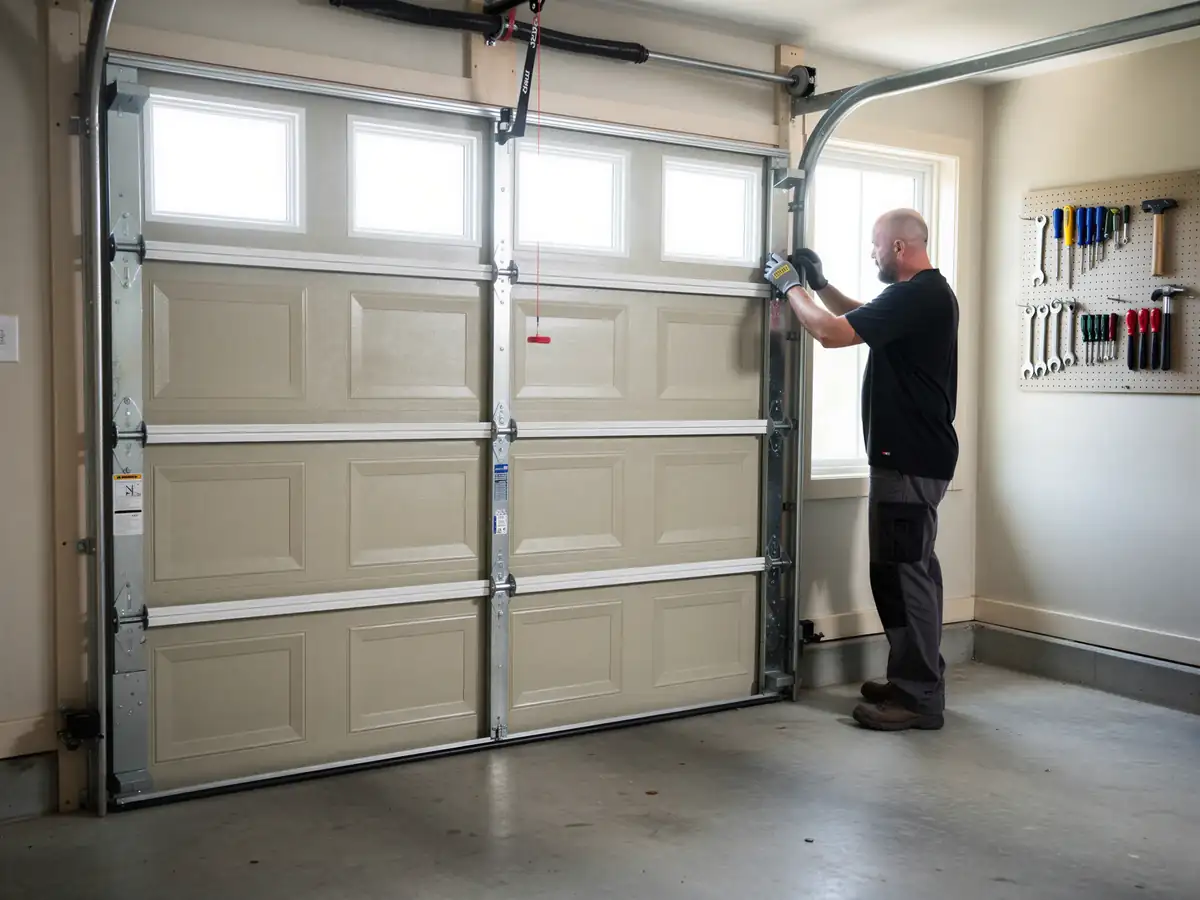
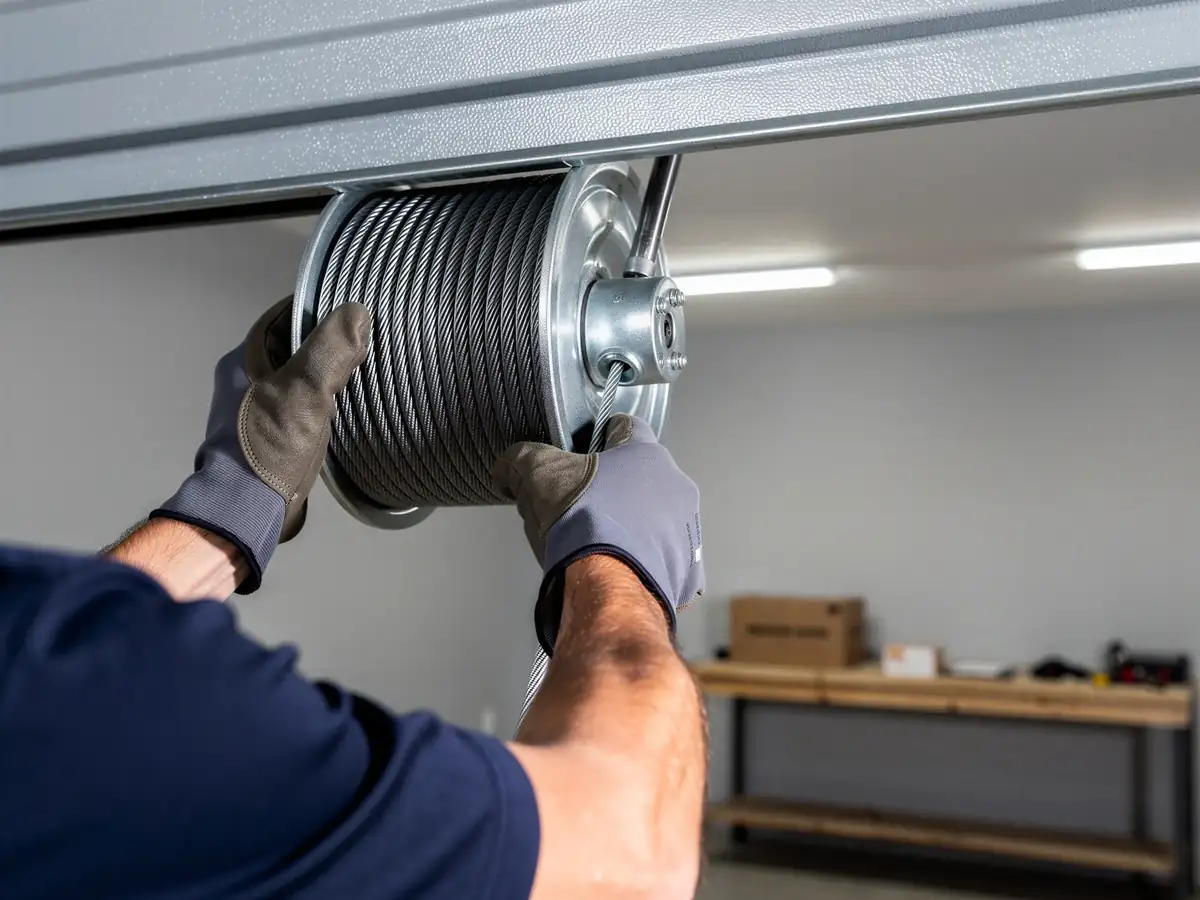
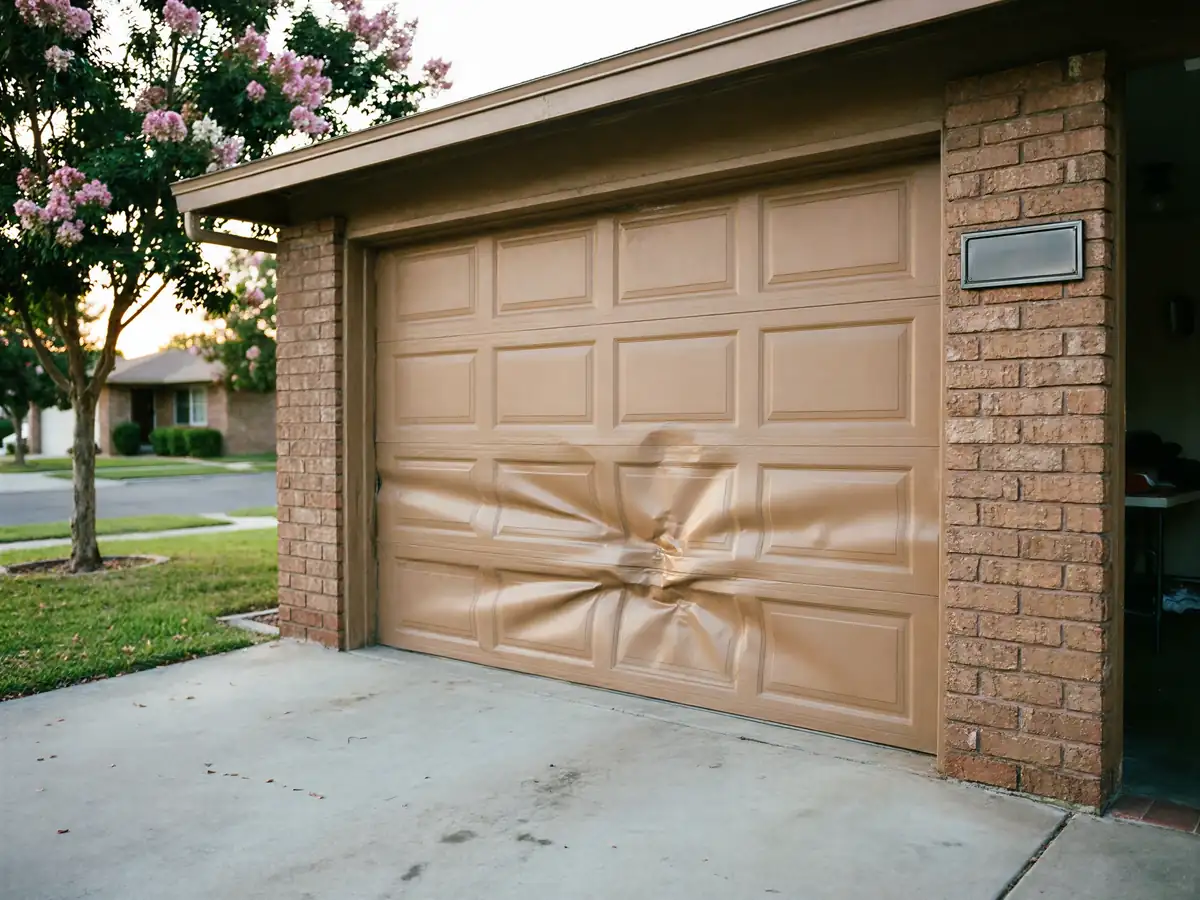
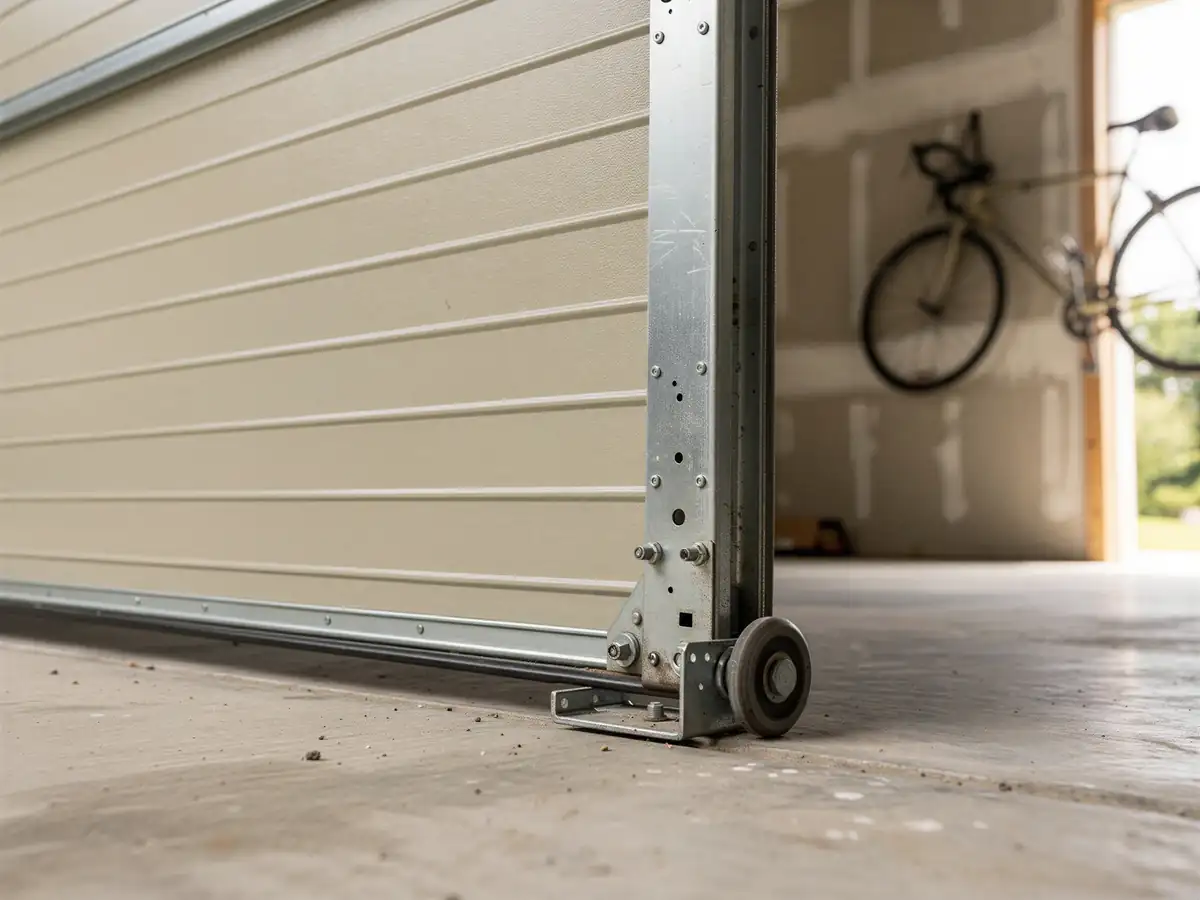
A door that's jumped track usually means one roller has popped out of the channel, or the whole panel has racked sideways because a cable let go. If the door is only an inch or two off and still closed, you can sometimes walk it back by hand with the opener disconnected. Past that, stop. Most houses in Tuttle went up around 1995, which puts a lot of them past the thirty-year mark on the original rollers and track brackets - steel, not the sealed nylon kind that came later. That hardware is heavier and the bracket screws strip out easier than you'd expect once rust gets into them. Pulling on a door that's already off track and torqued against a bent bracket is how people end up with a section cracked or a finger pinched. If the door won't close square, or a cable is visibly off the drum, that's a call, not a weekend project.
What You Pay
We don't post a flat number for off-track work because the fix depends on what pulled it off - a bent track, a snapped cable, a stripped roller bracket, or a spring that let go and dropped the door crooked. What we can tell you is that Tuttle's housing stock runs newer than a lot of what we see closer to Moore, where the service area median build year sits around 1980. A 1995 build usually means original steel track and rollers rather than the older extension-spring setups, so the repair is often a bracket and roller swap rather than a full track replacement. That keeps the job on the smaller end of the range, but we won't quote a number over the phone before we've seen the bend.
What the Repair Takes
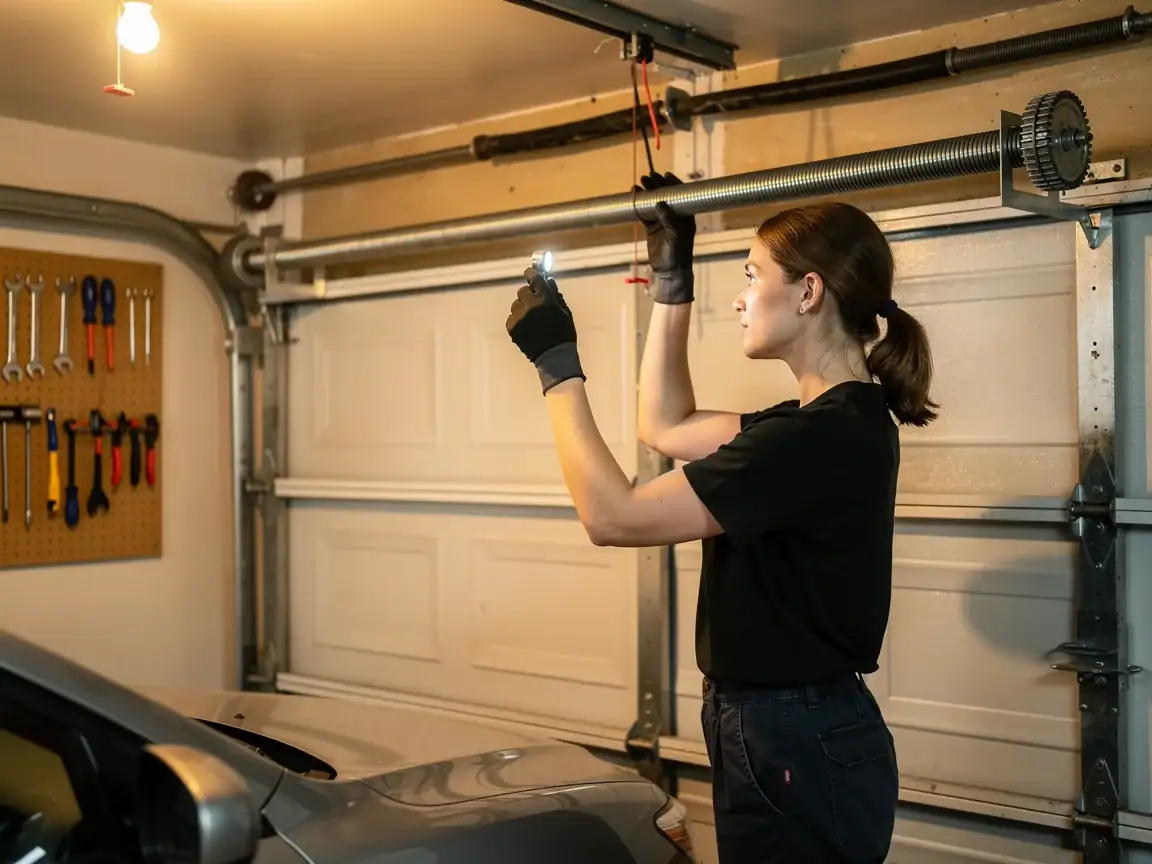
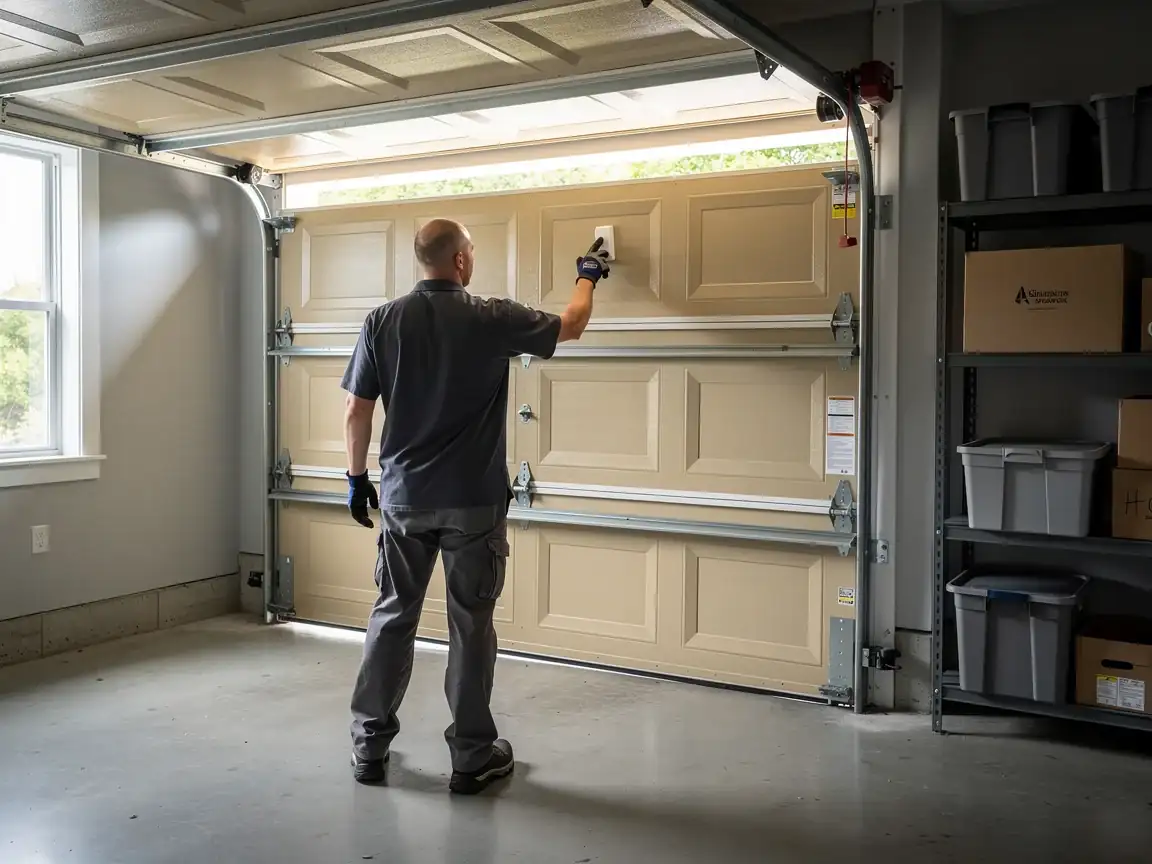
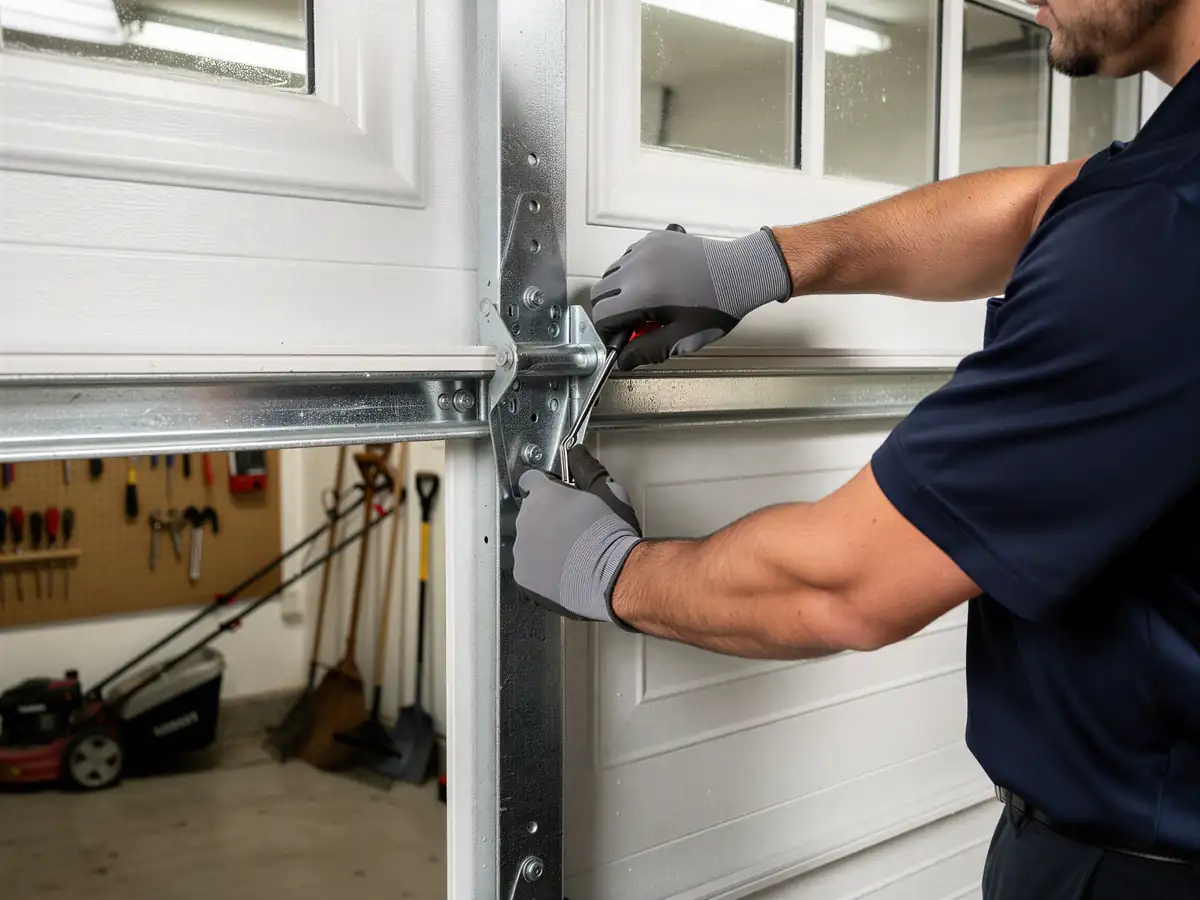
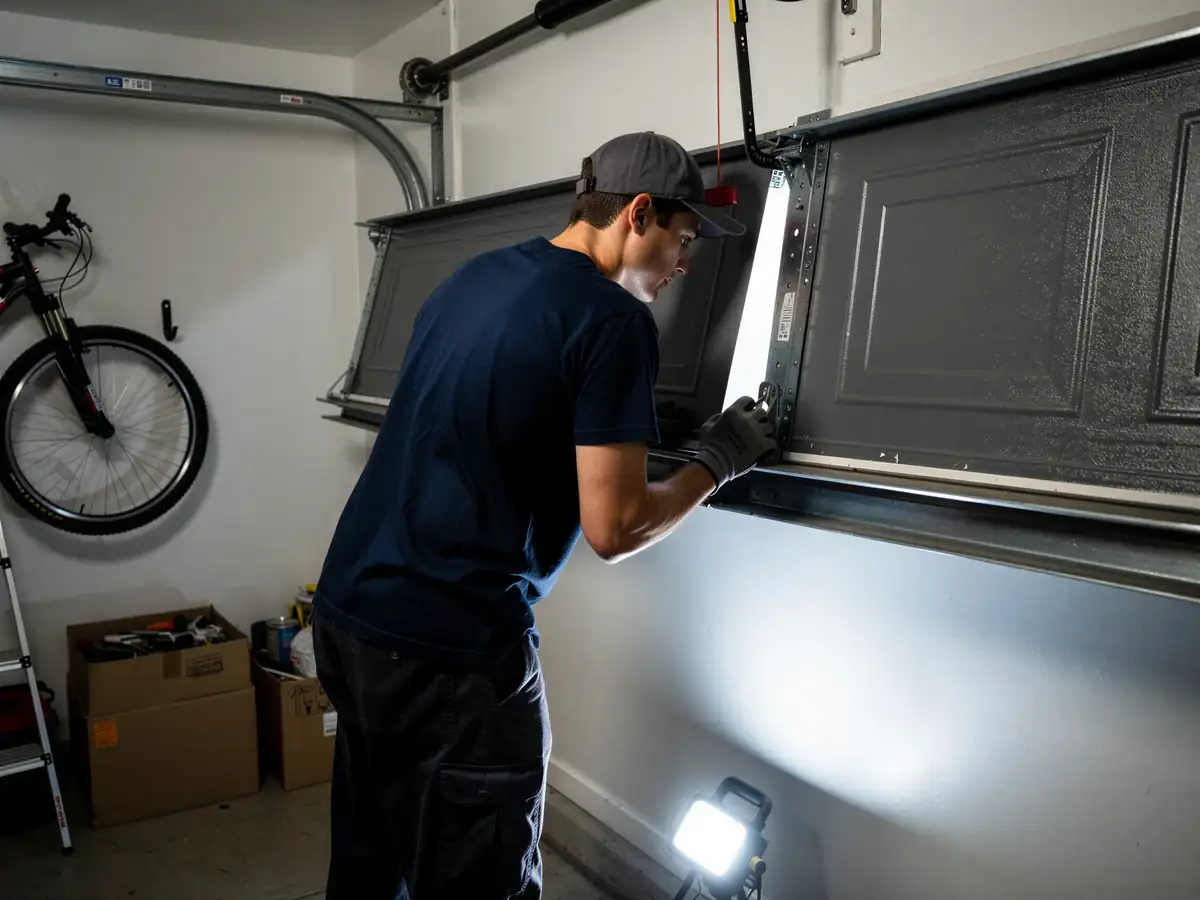
First we kill power to the opener so nothing tries to move while hands are near the track. Then we check where the door actually left the rail - at a roller, at a hinge, or where the track bolts to the jamb. On a 1995-era build the track is usually still the original galvanized steel, and after close to three decades that galvanizing has often worn thin at the bend points, which is exactly where a door tends to jump again if we don't replace that section instead of just hammering it back straight. We re-set the rollers, square the track against the jamb, and run the door by hand before we ever put power back to the opener. If a cable caused the problem, that gets replaced, not spliced.
Time on the Job
Most off-track calls run under two hours once we're on site - diagnosis is quick because you can usually see where the roller or cable gave out. It runs longer if the track itself is bent badly enough to need a full section swapped, which happens more on doors that have been run off-track more than once already. Winters here bring enough cold that a track bracket already loosened by age can crack rather than bend when the door jumps, and a cracked bracket means we're drilling new mounting points, which adds time we can't shave off.