Can You Do This Yourself
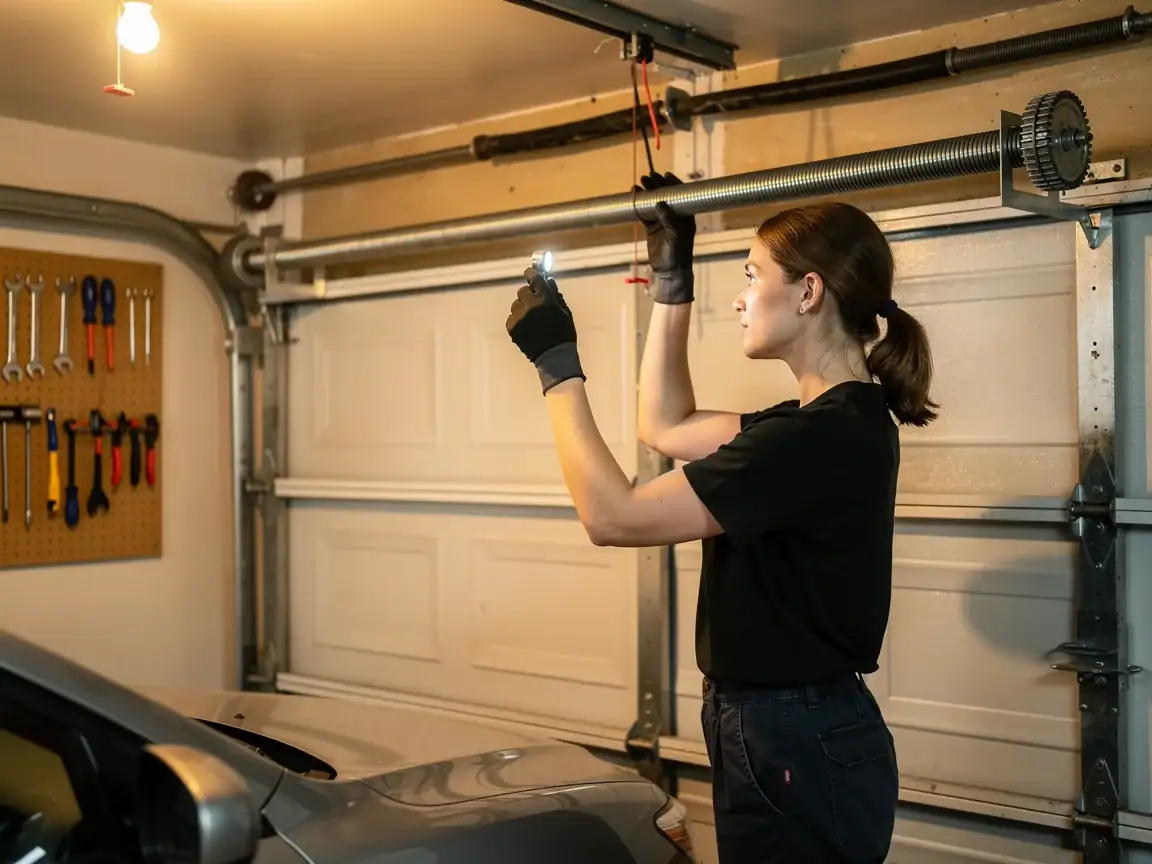
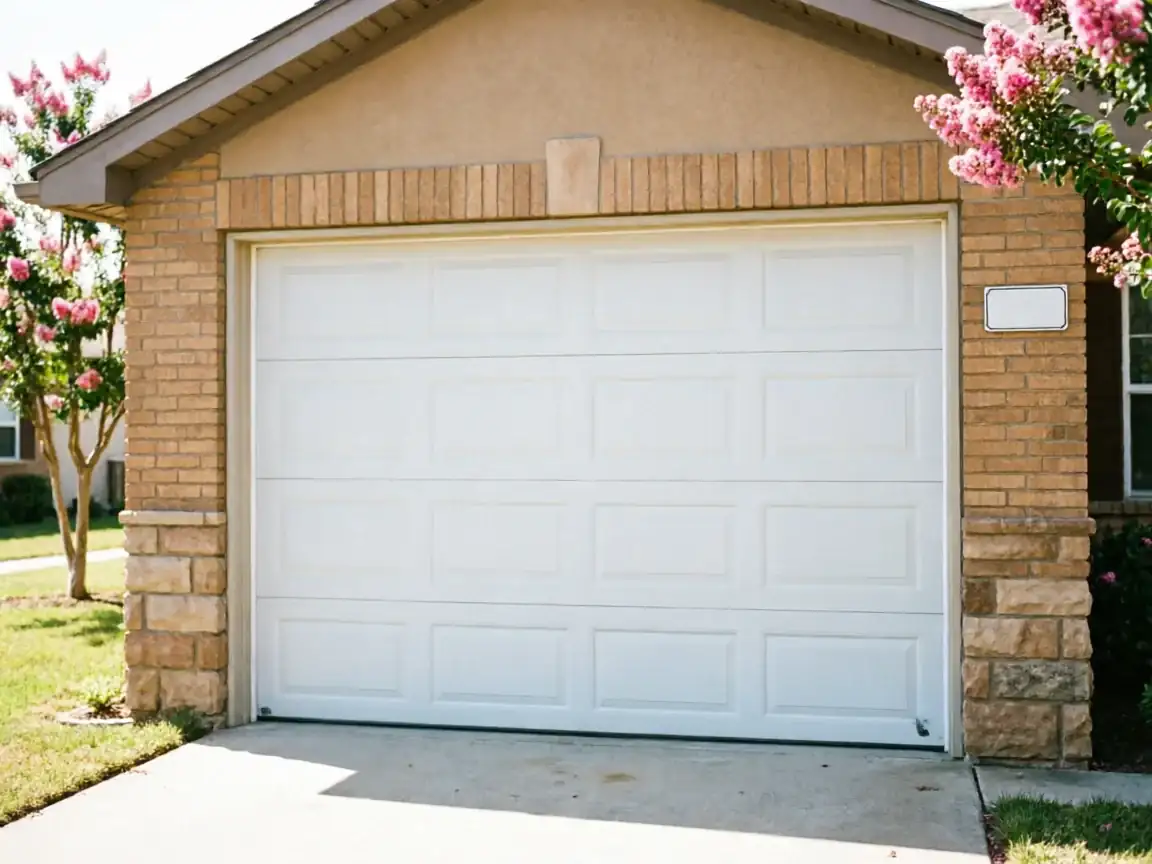
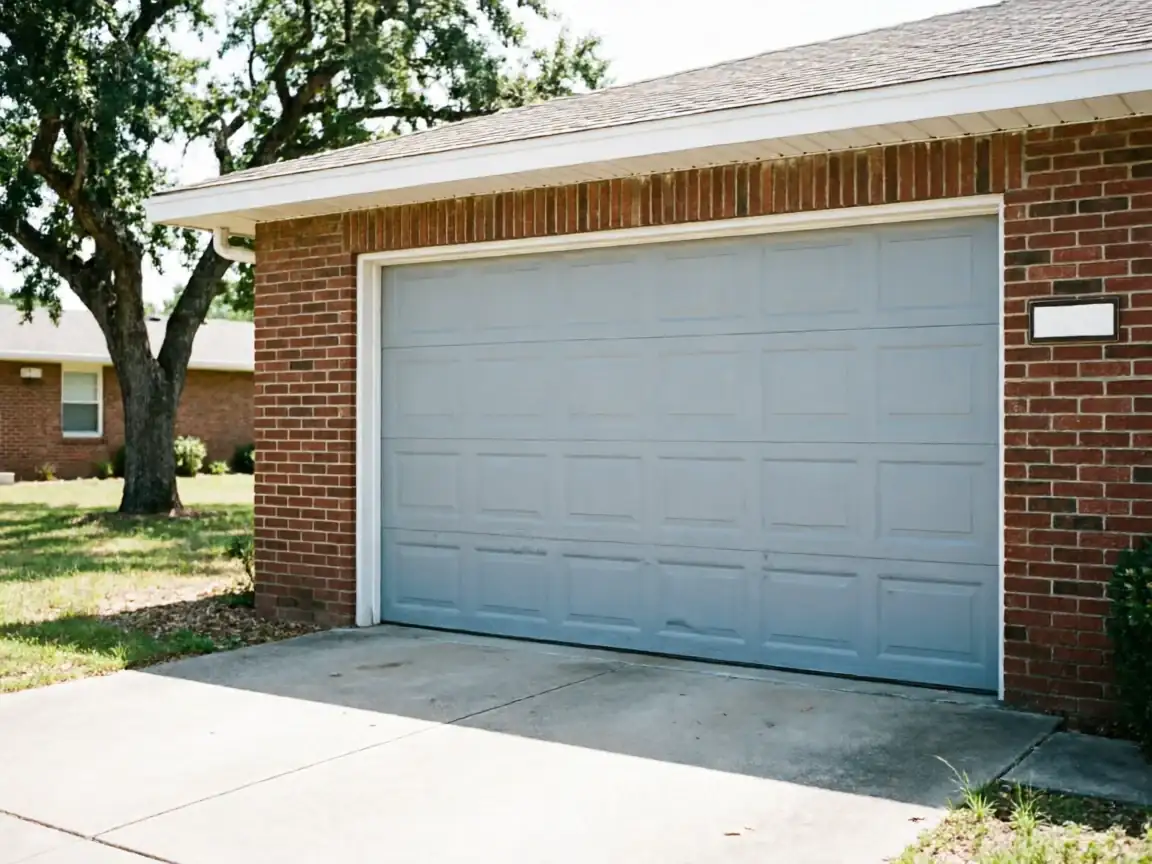
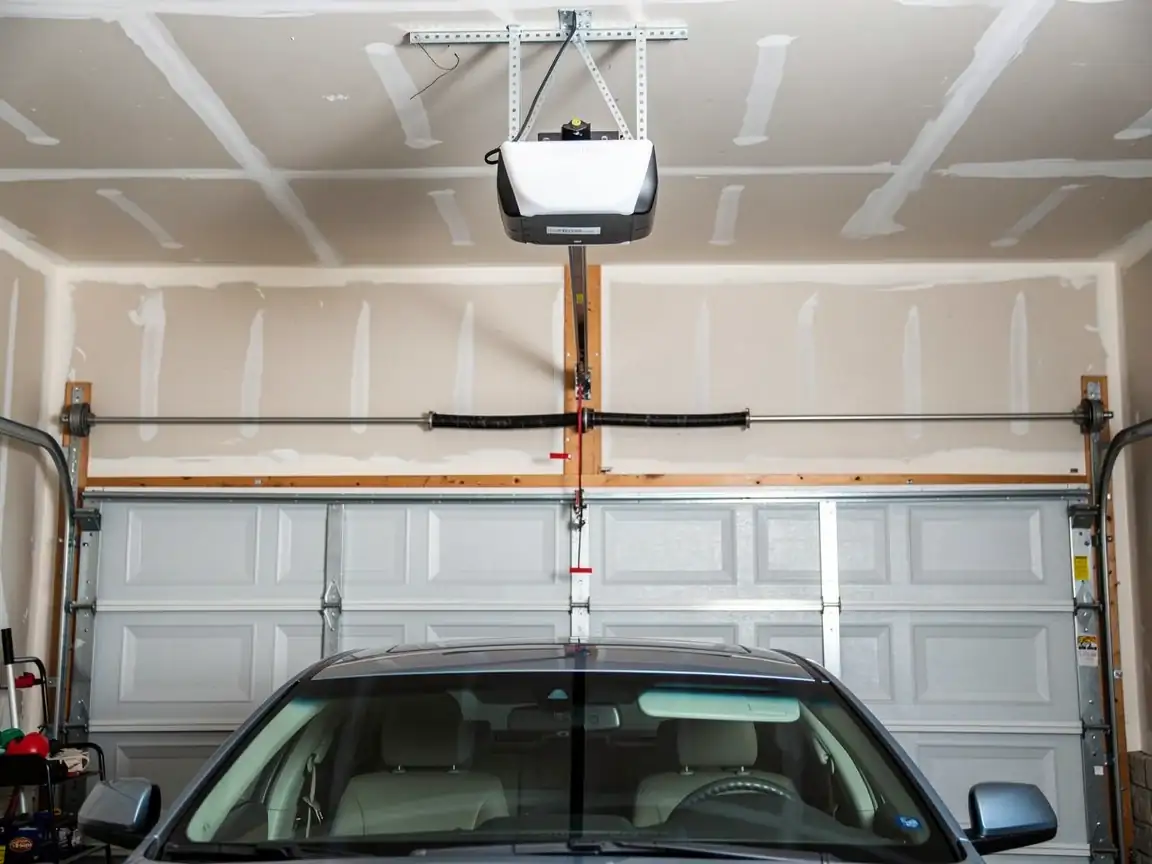
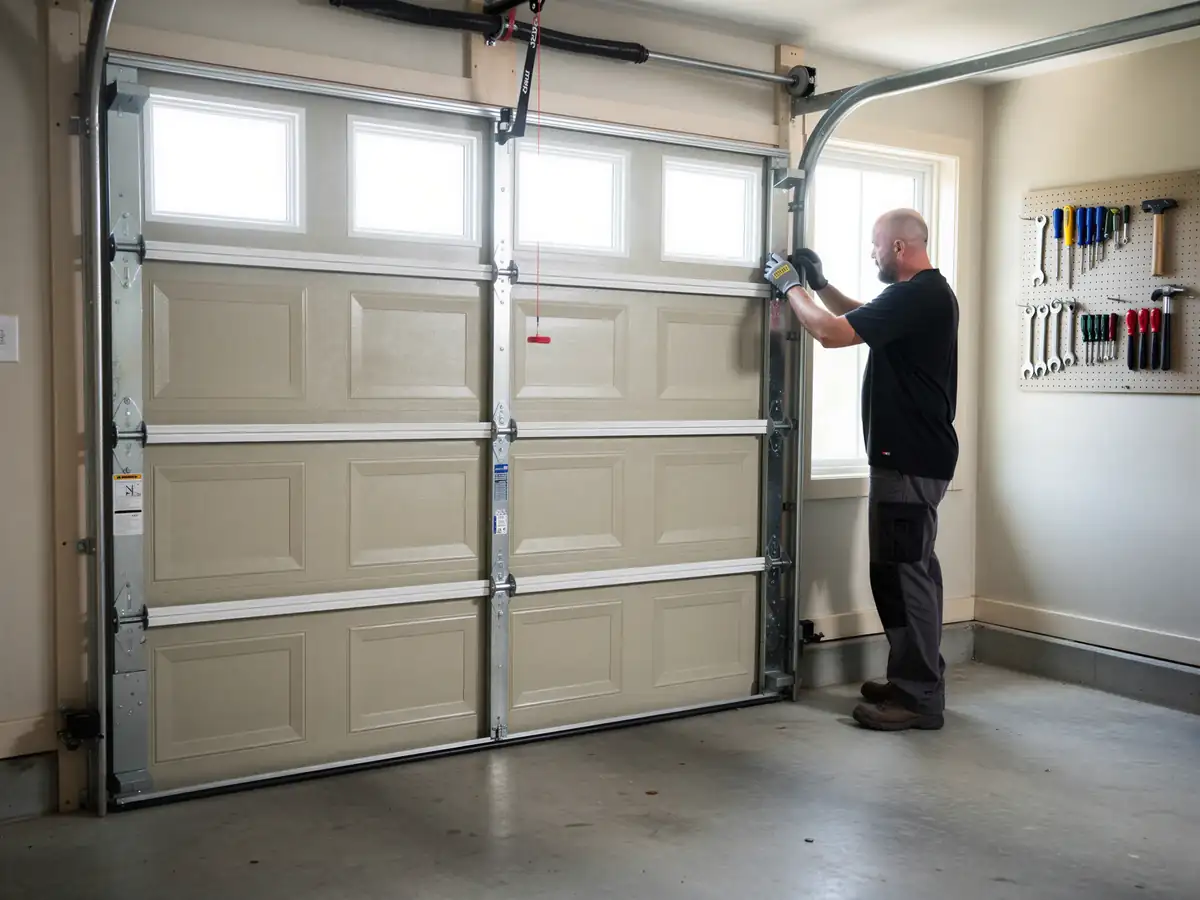
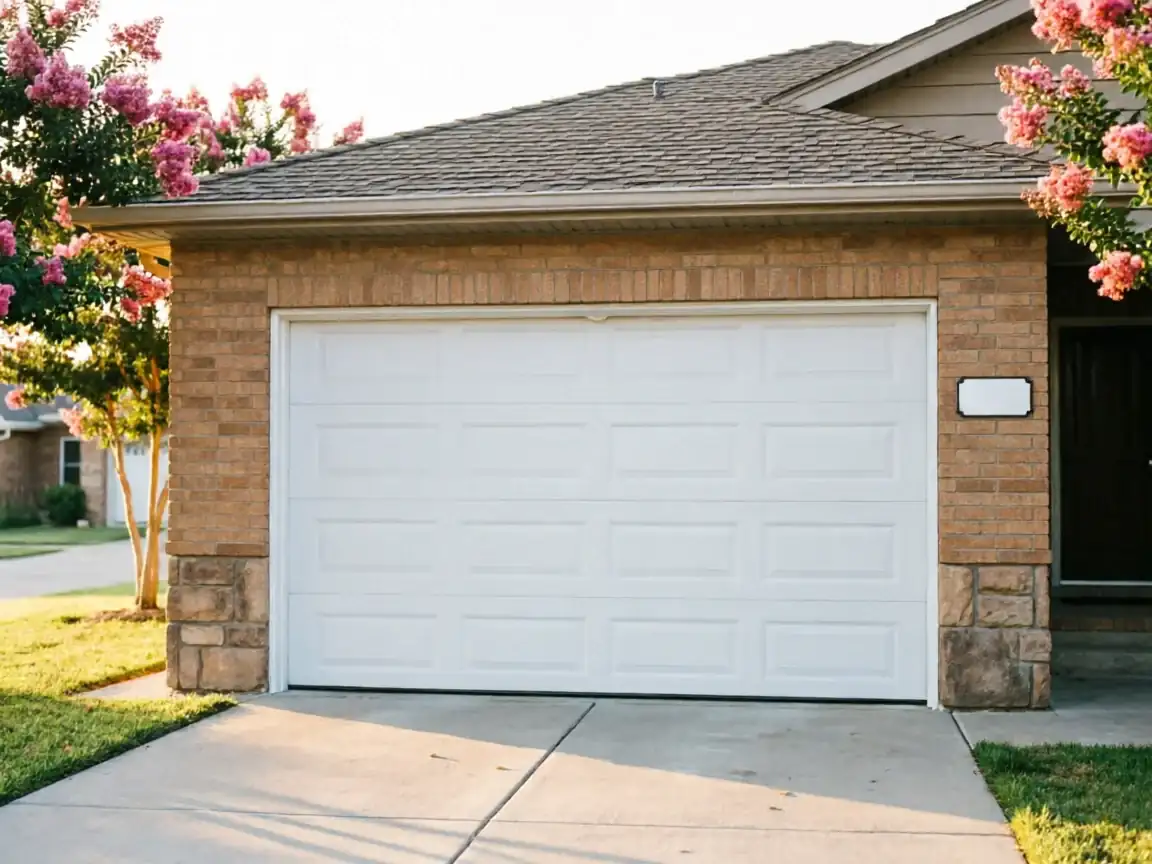
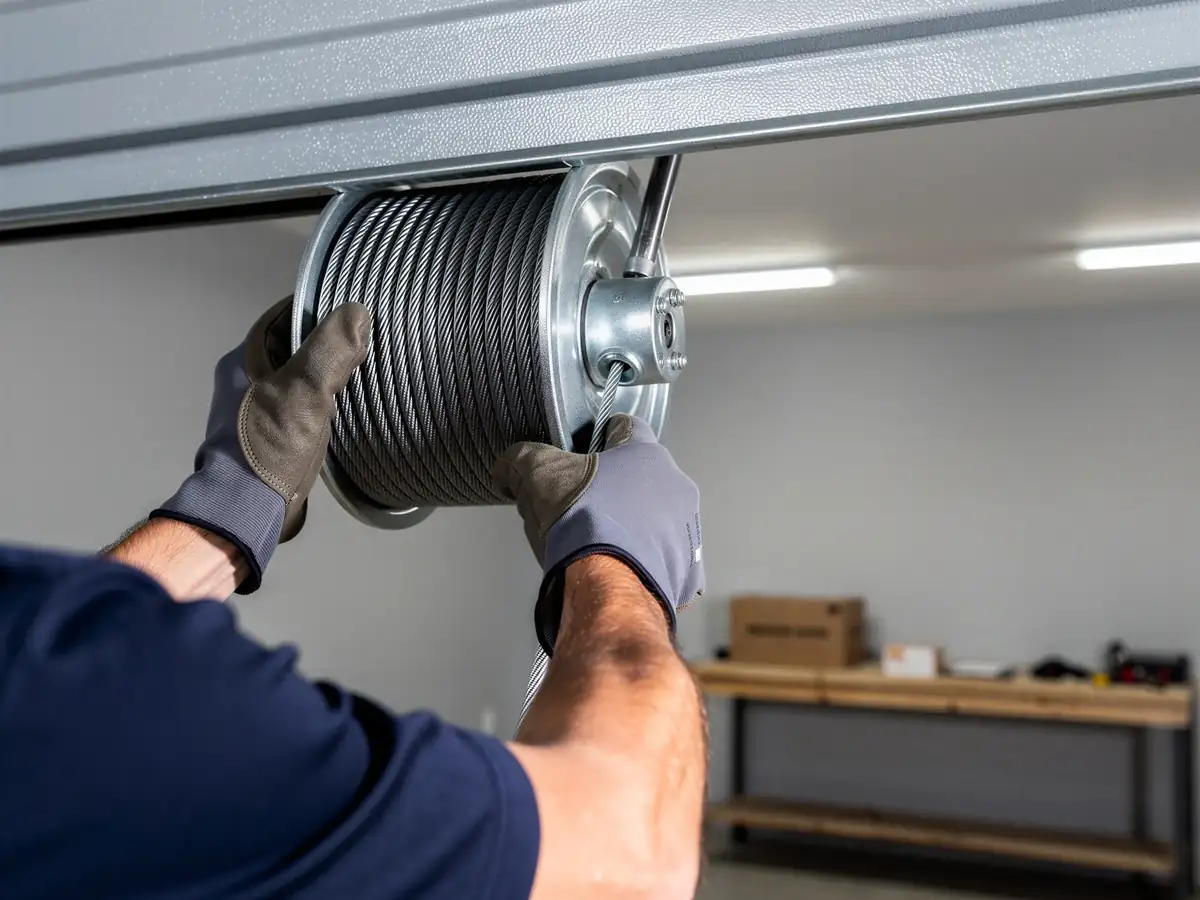
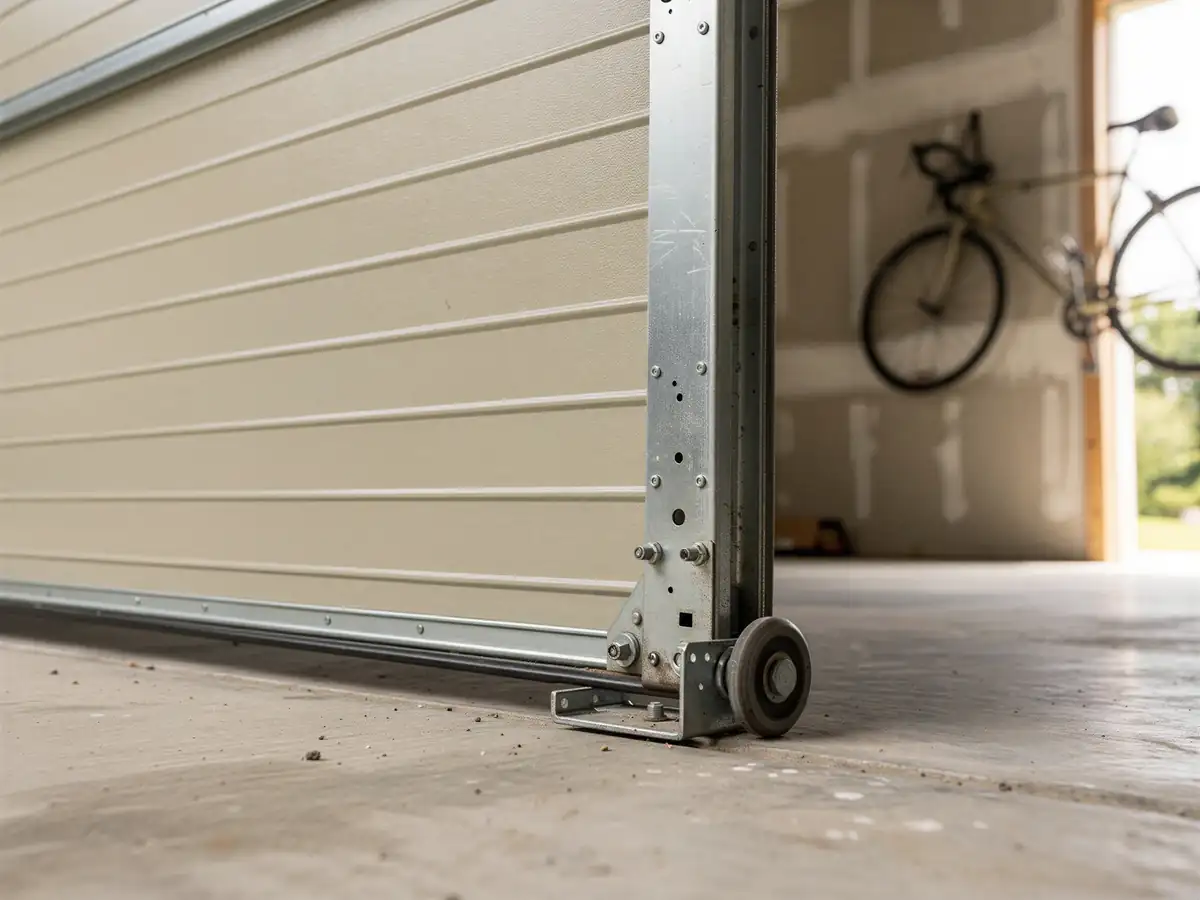
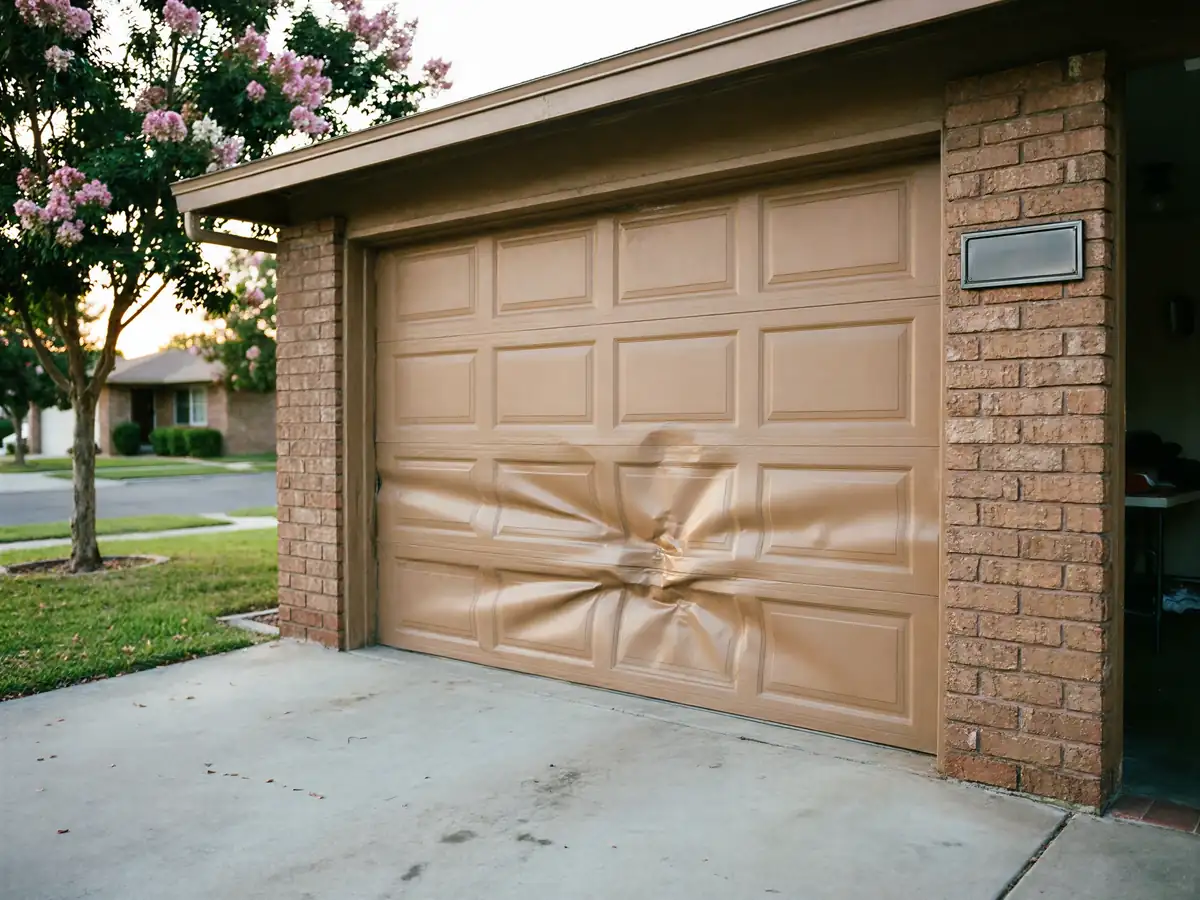
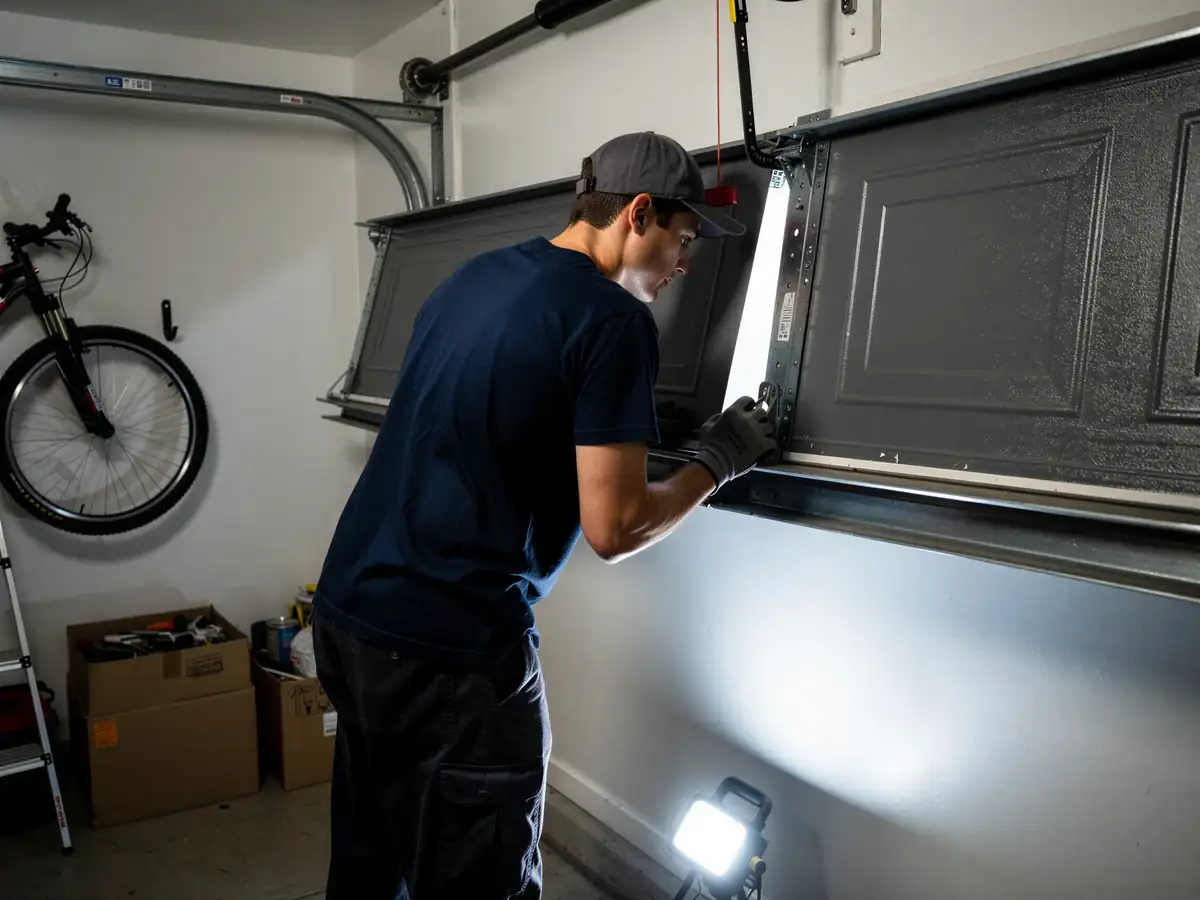
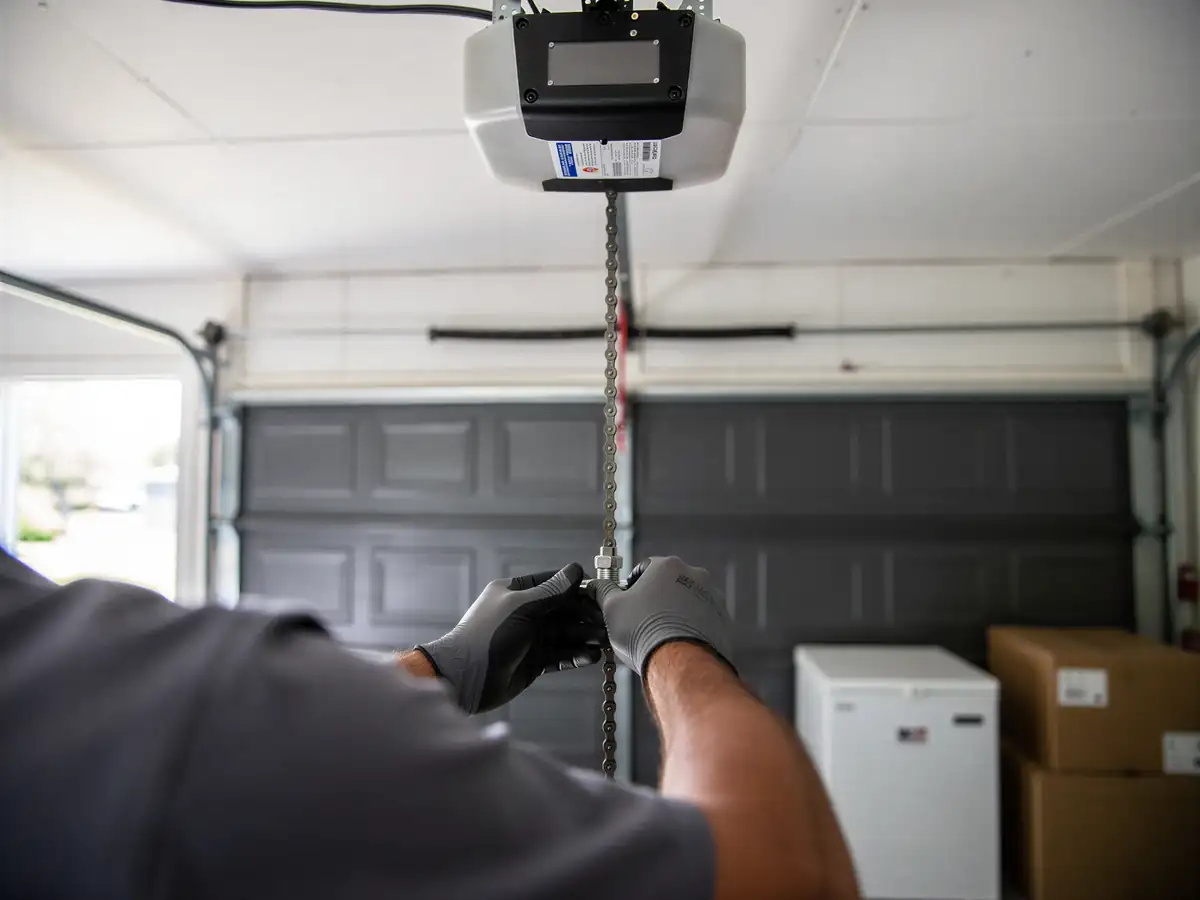
Most houses in Tuttle went up around 1995, which puts the opener on a lot of these garages squarely in the chain-drive or screw-drive generation - heavier steel doors than you'd find on older stock, usually a 16-foot double on the front and sometimes a single on the side. These units use a trolley and rail system that's simple to look at but easy to misjudge. Swapping a logic board or realigning a rail that's pulled loose from the header is doable if you've done it before. Checking the safety eye wiring, re-setting limit switches after a power flicker, or testing a worn drive gear before it strips the rest of the way is the kind of work most owners can get through with patience. What trips people up is force adjustment on a door this size and weight - set it wrong and the door either won't seat or it comes down on something it shouldn't. If the opener is still under its own warranty, check that before you open the housing; cracking it voids coverage on some brands regardless of what's actually wrong.
What You Pay
Tuttle households run a median income of $102,417, well above the $81,105 median across the wider service area, and that shows up in the kind of openers we're asked to fix here - more belt-drive units, more Wi-Fi-enabled logic boards, fewer bare-bones chain units than you'd see closer to Moore. A board swap or sensor repair on one of these costs more in parts than the older chain-drive jobs, simply because the components cost more to begin with. We don't quote a number sight unseen for this page - the repair cost depends on which part failed and whether the opener is still in production - but we can tell you on the phone what the visit itself runs before we load the truck.
What the Repair Takes
On a 1995-era build, the garage is almost always sized for the two-car steel door standard of that period, and the opener bracket is usually lagged into a header that hasn't shifted much in thirty years - that's the good news. The common failures we see on openers this age: the drive gear inside the motor housing has worn its teeth down, the capacitor on an older chain unit has gone, or the logic board has taken a lightning hit during one of the area's cold-season storm fronts. We carry gear kits and basic boards for the common brands sold through that era's builders. What we don't carry is every obsolete control board - some of the mid-90s models have been out of production long enough that a full opener swap beats hunting for a part.
Time on the Job
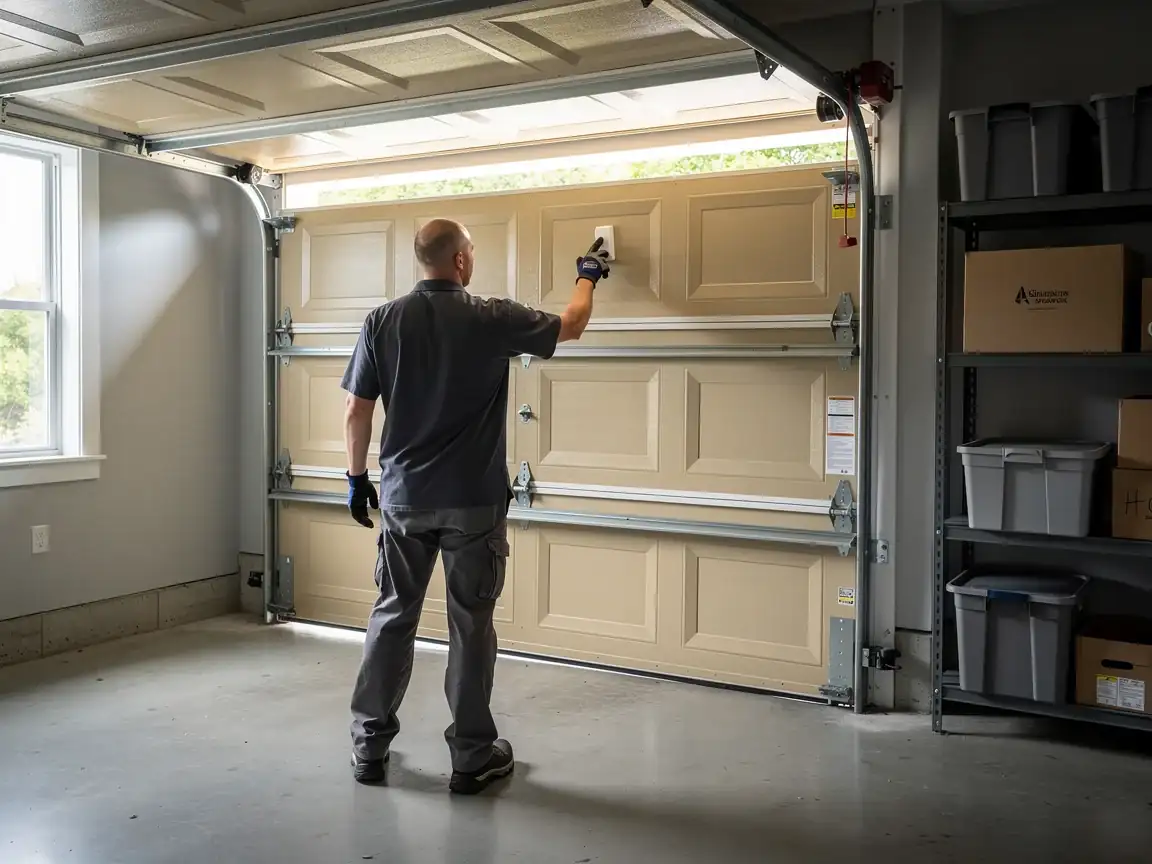
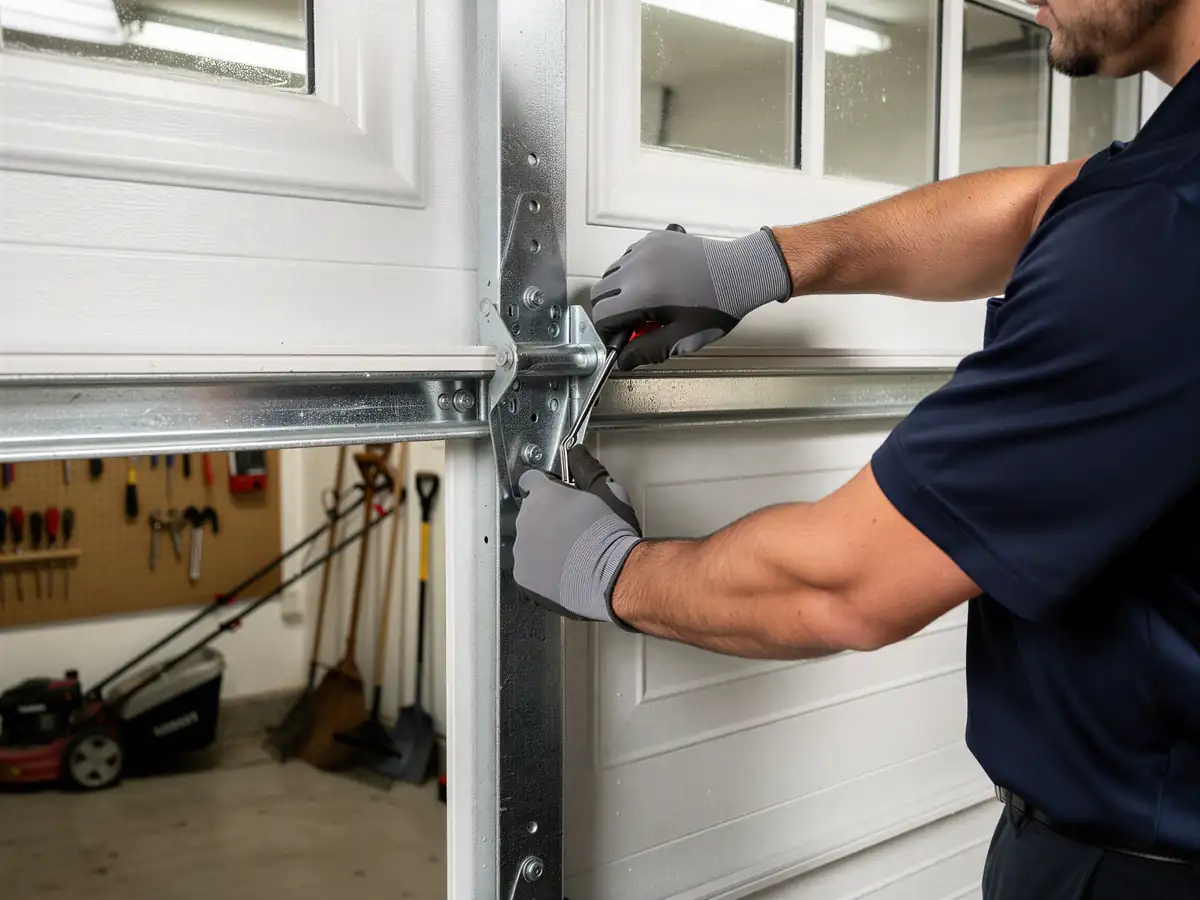
A straightforward gear or sensor repair on one of these openers runs under an hour once we're on site. A board replacement or full head swap, where we're also re-running wiring to the wall station and resetting travel limits on a 16-foot double door, takes longer - closer to two hours. Cold doesn't change the opener work itself much, but it does make steel door panels stiffer to lift by hand if the opener has to be disconnected mid-repair, which adds a few minutes of care we'd skip in warmer months.