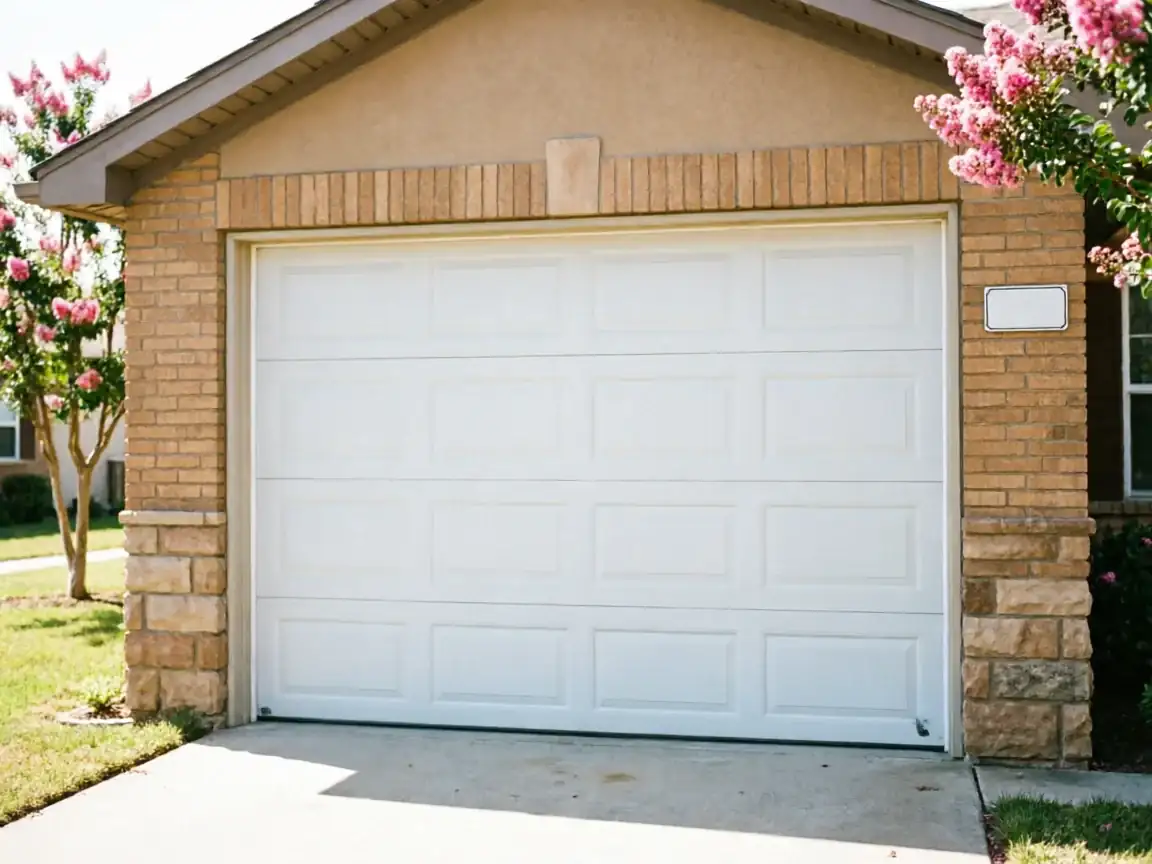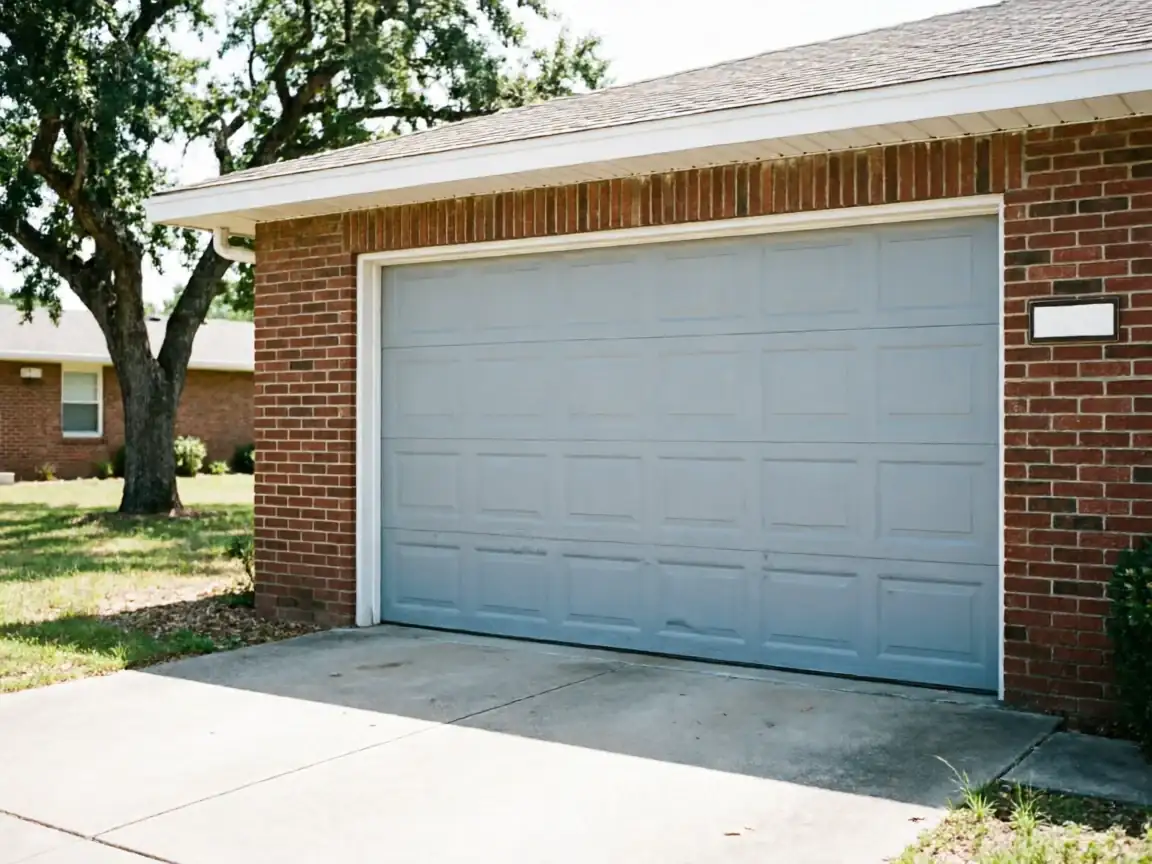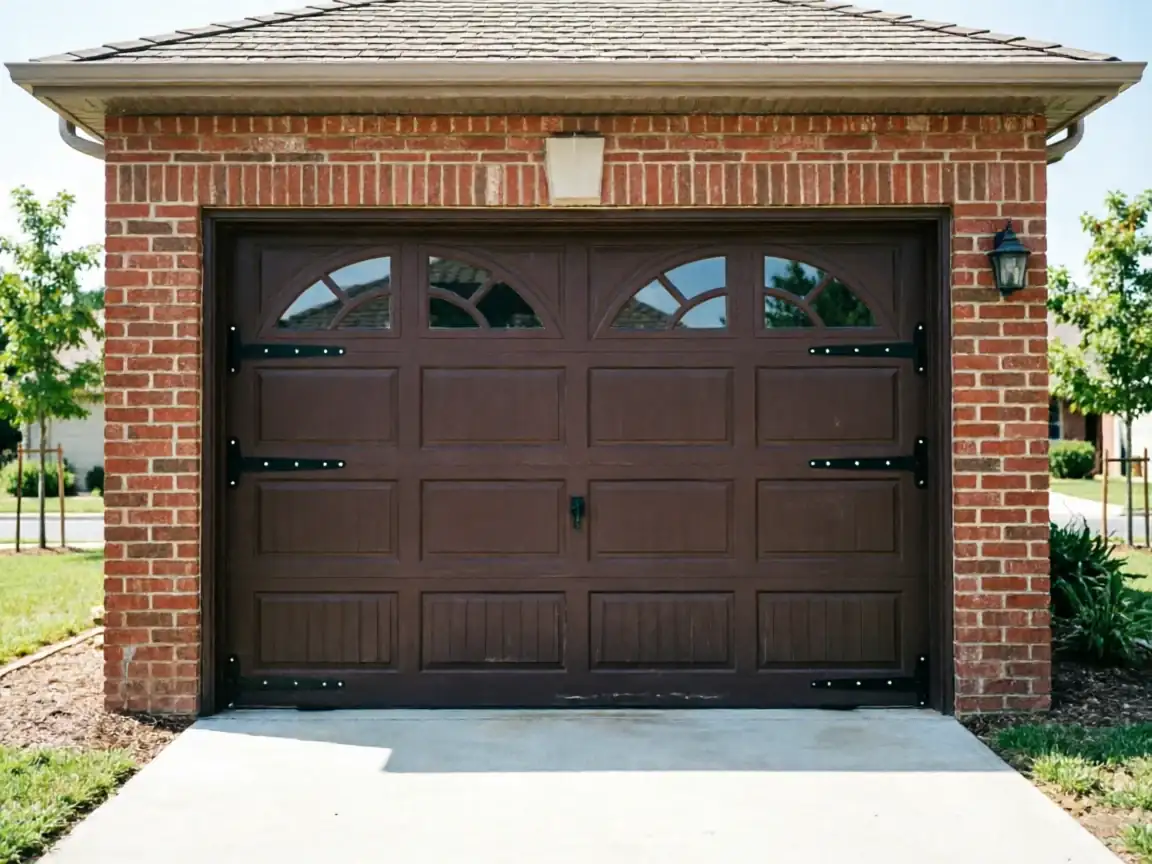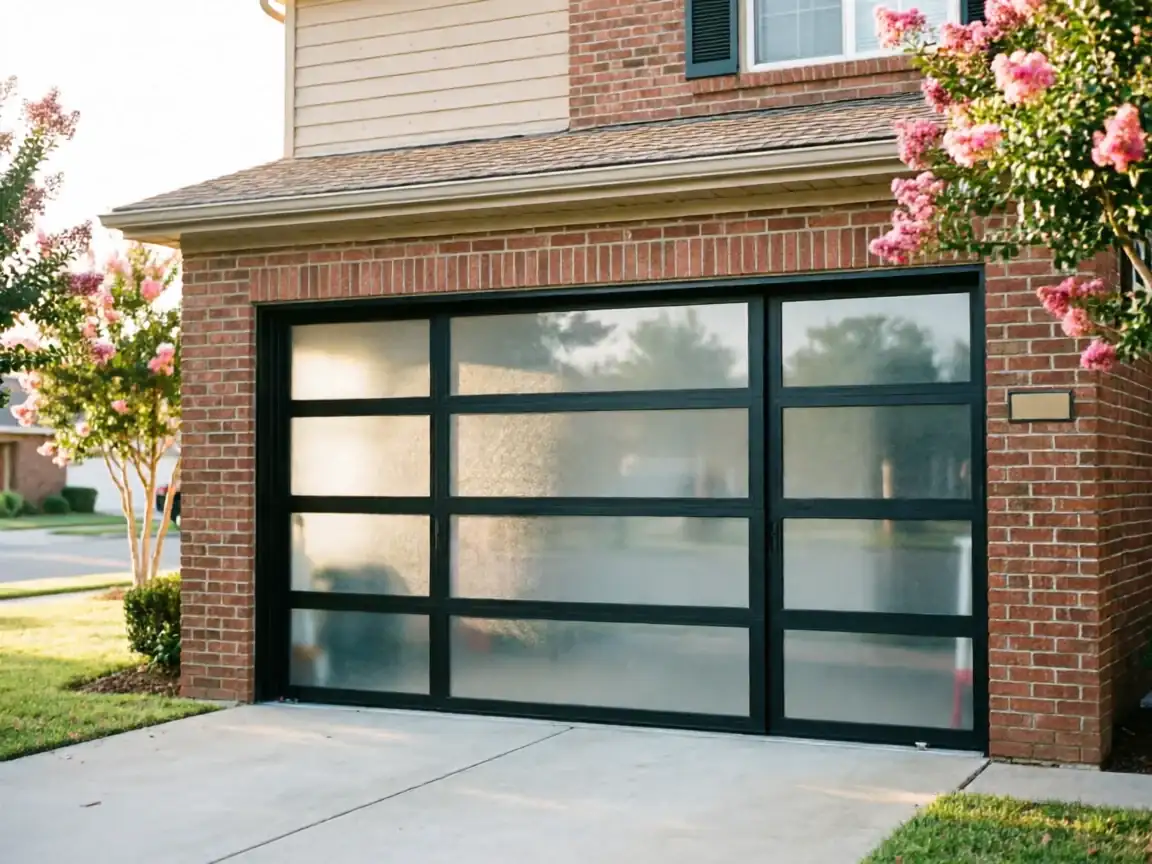
Can You Do This Yourself
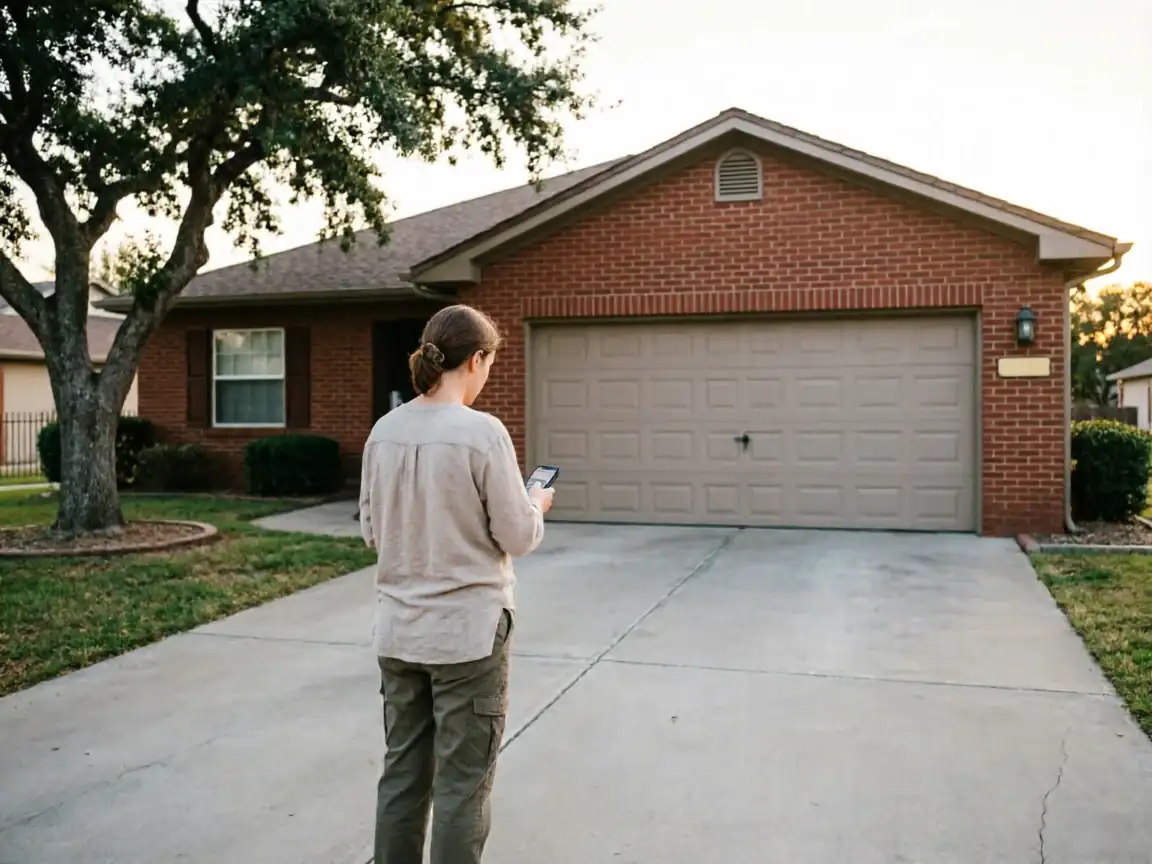
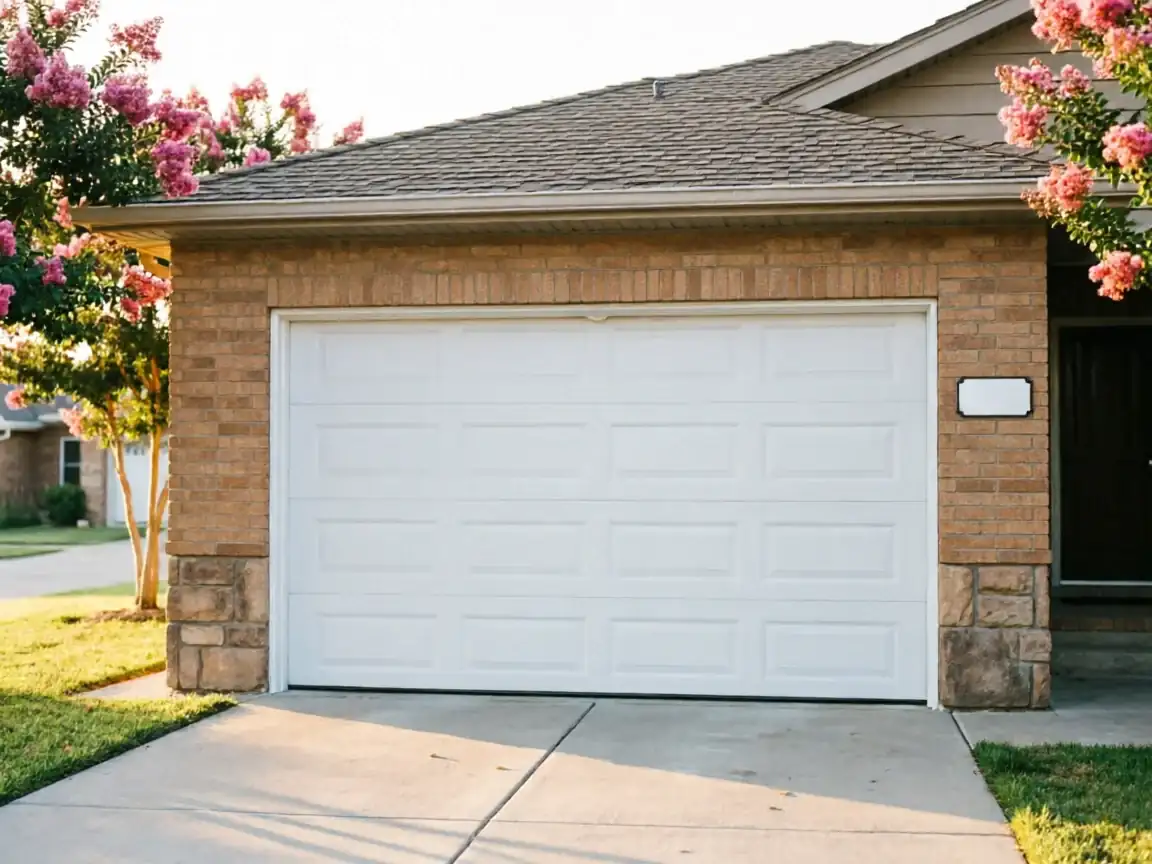
Most houses in Tuttle went up around 1995, newer than much of the rest of the Moore service area, so you're dealing with 30-year-old torsion springs rather than the original 1960s hardware found closer to the center of the territory. That matters because a 30-year spring has done its cycles. It doesn't snap cleaner or safer than an old one, it just finally lets go, usually on a cold morning when the steel is stiff.
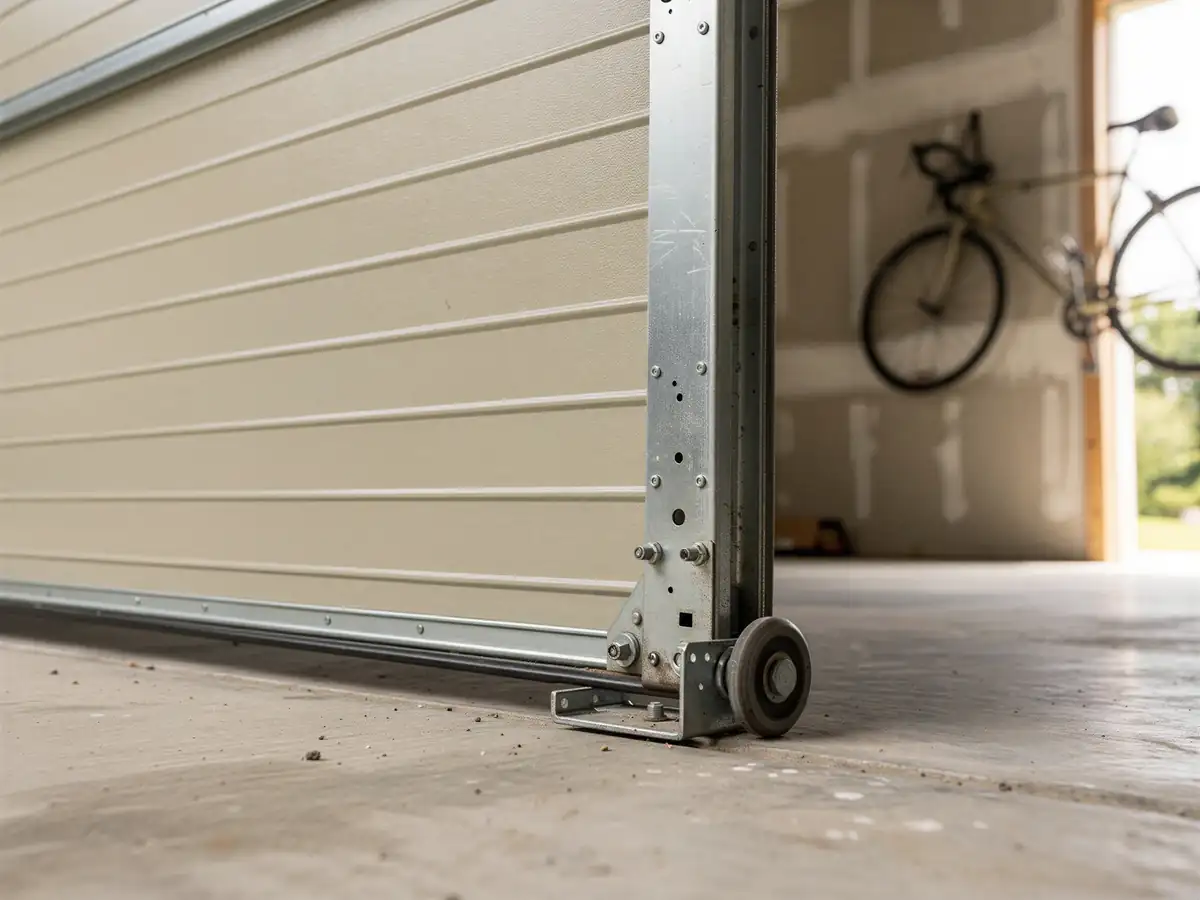
There's plenty you can check before calling anyone. Pull the release cord and see if the door moves freely by hand - if it's heavy or crooked, that's a spring or cable problem, not an opener problem. Check that the remote batteries are fresh and that nothing is blocking the photo-eye sensors near the floor. Wipe dust off the track and look for a bent section.
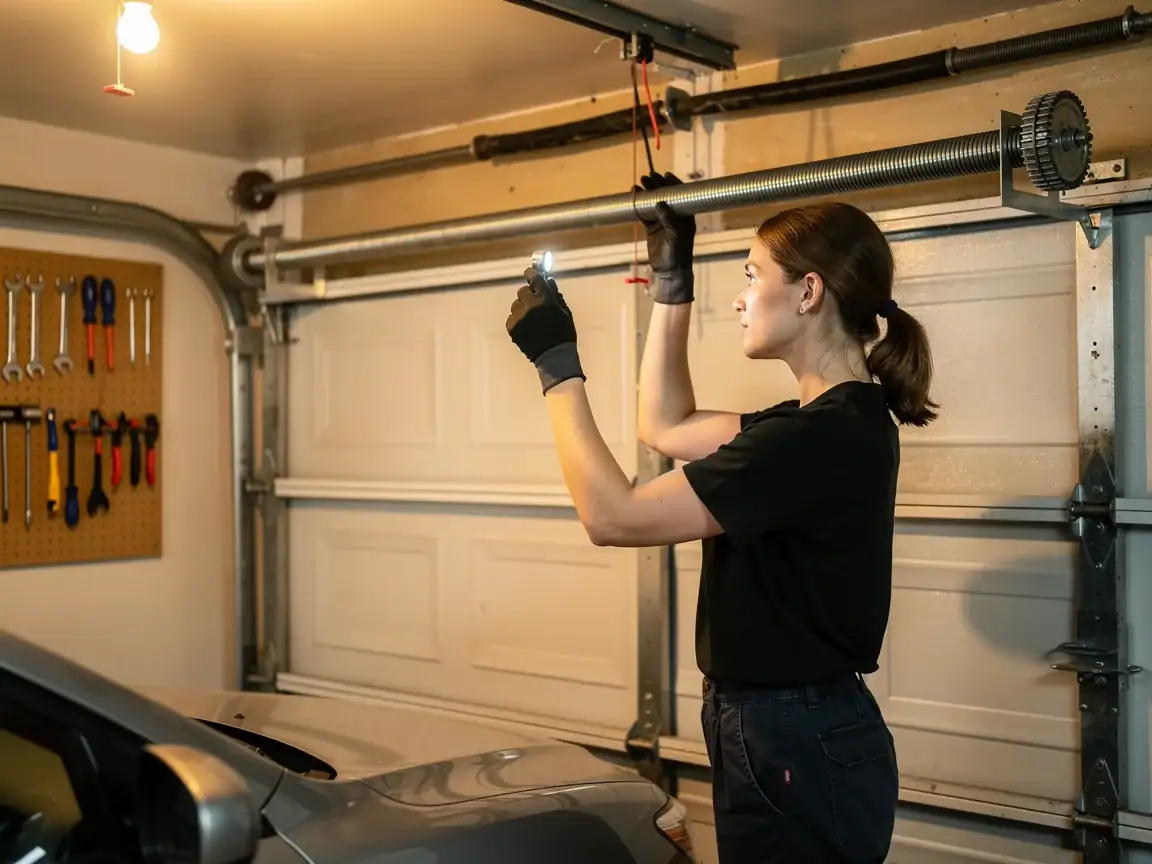
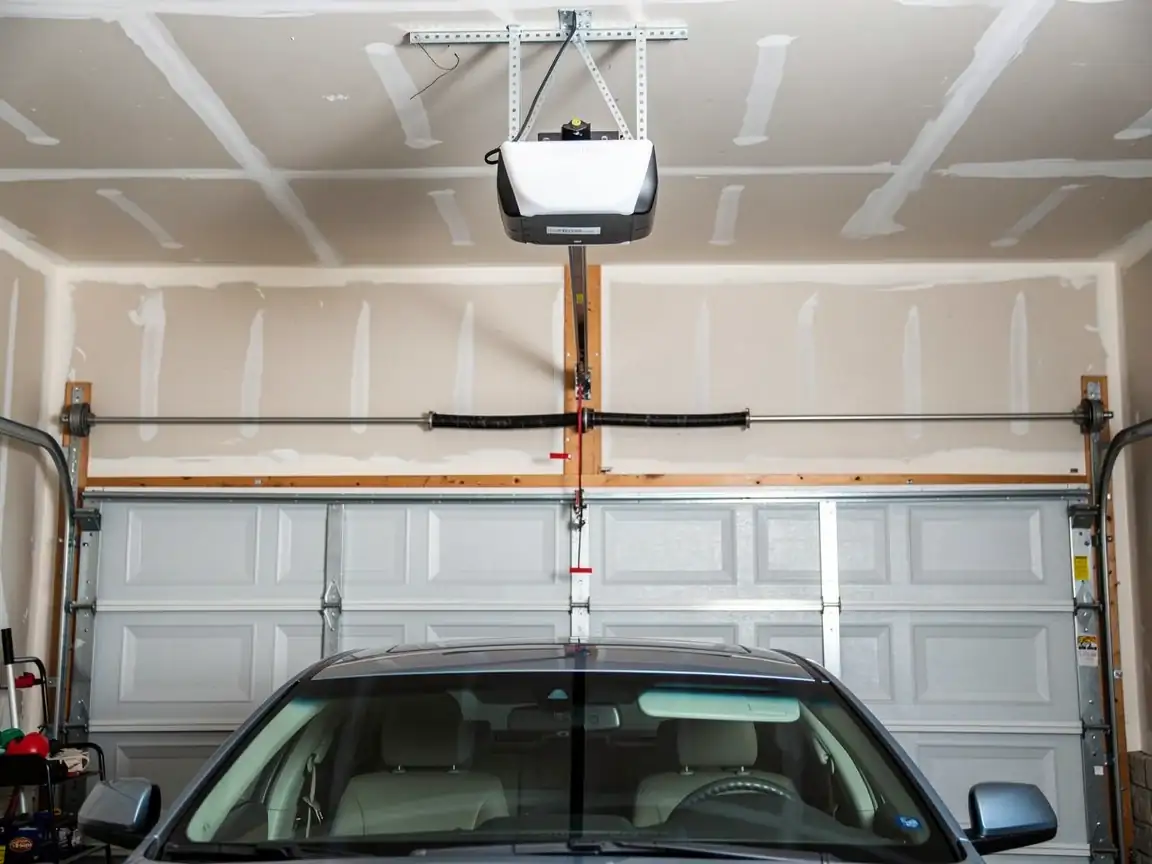
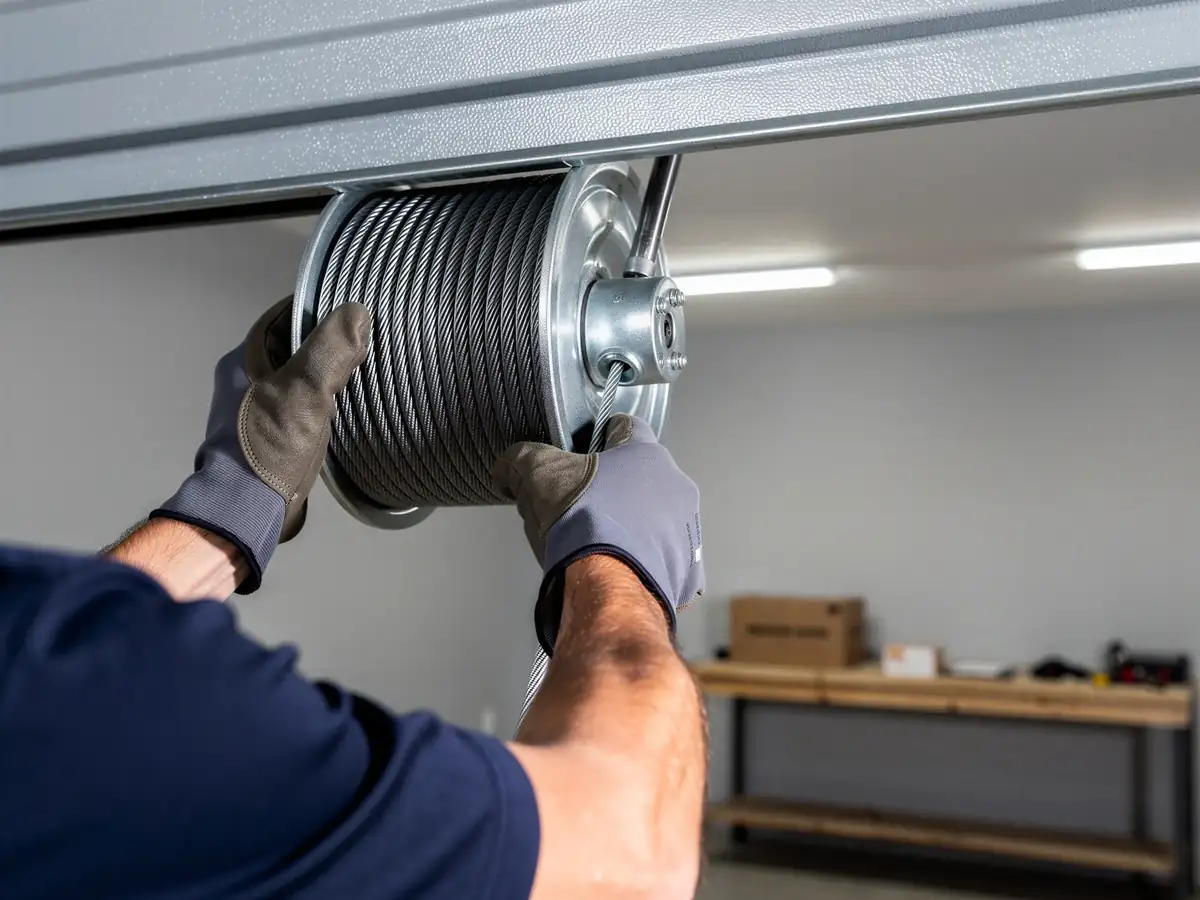
What you shouldn't touch is the torsion spring itself, or the cables under it. That bar is wound under enough tension to break a bone if the winding cone slips. We don't walk homeowners through that over the phone, and we won't pretend it's a weekend project. If the door won't open and the spring looks coiled loose or snapped in two, stop there and make the call.
What You Pay
We don't publish a flat number for Tuttle because what you pay depends entirely on what's broken, not on the town. A broken torsion spring, a bent track, a dead opener board, and a cable off its drum are four different jobs with four different parts lists.
Tuttle's median household income runs higher than the rest of the territory we cover, but that doesn't change what a part costs or what the job takes to do right. We quote the repair, not the zip code.
One honest limitation here: if your door is an odd size, a custom width, or carries a specialty insulated panel that wasn't common stock in the mid-1990s build wave, the part may need to be special-ordered, and that adds time and cost beyond what a standard steel sectional door would run. We'll tell you up front if that's the case before we start the clock on labor.
Booking a Visit
Moore Garage Door Pros covers Tuttle from the Moore shop, about 16 miles up the road
There's no branch or depot in town - the truck comes to you.
- 16 miles
When you call, have the door's approximate age handy if you know it
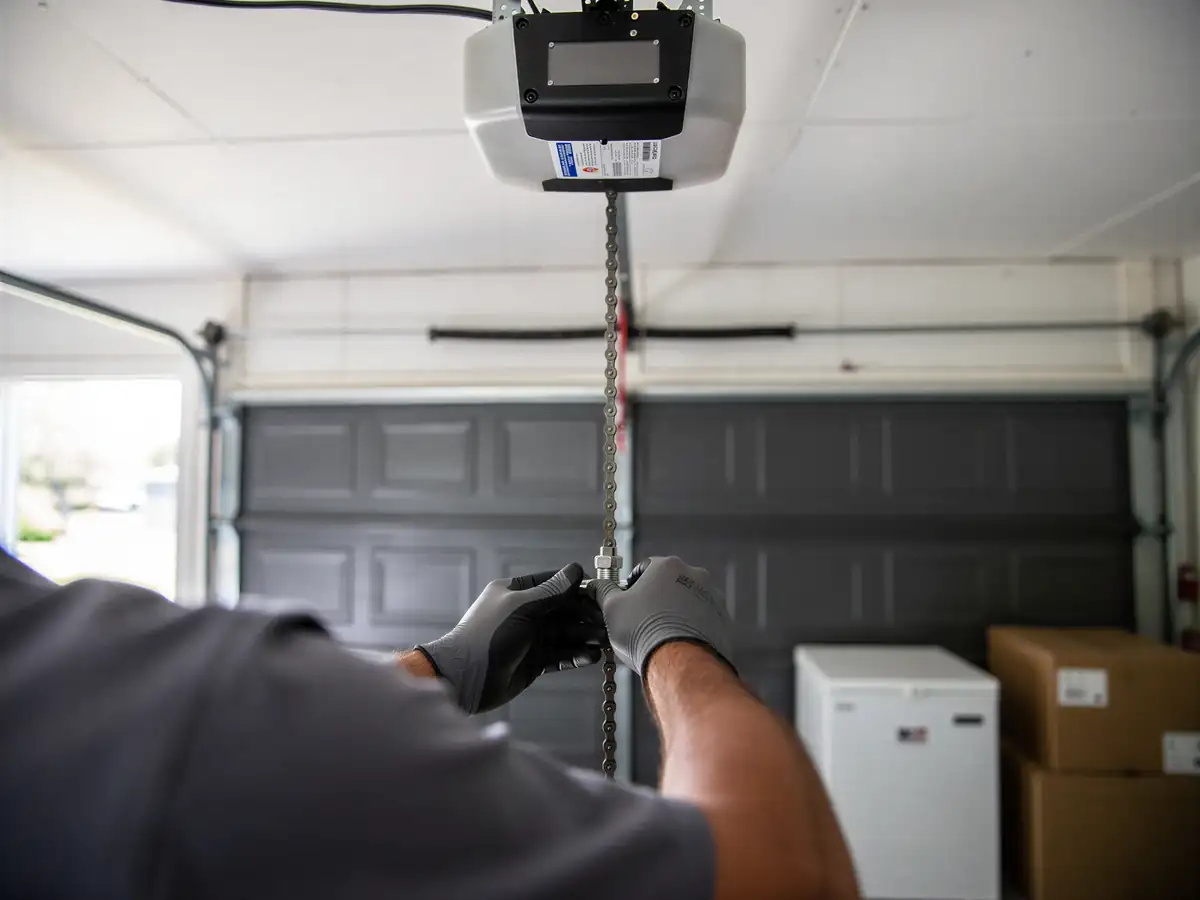
Along with whether it's a single or double door and whether the opener is chain-drive, belt-drive, or screw-drive. That tells us roughly what hardware we're walking into before the truck even leaves.
You can also see what we do day to day in Tuttle at /tuttle-garage-door-repair/
And if you're searching from elsewhere in the territory, the main emergency page covering the whole service area is at /emergency-garage-door-repair-moore-ok.
What the Repair Takes
For a door built around the mid-1990s median, the usual failure points are the torsion spring, the rollers (steel or early nylon, both of which wear out), and the opener's circuit board, which in that era was often a lighter-duty unit than what's sold now. None of that is exotic. Springs and standard-size cables for a door of that age are parts we carry on the truck.
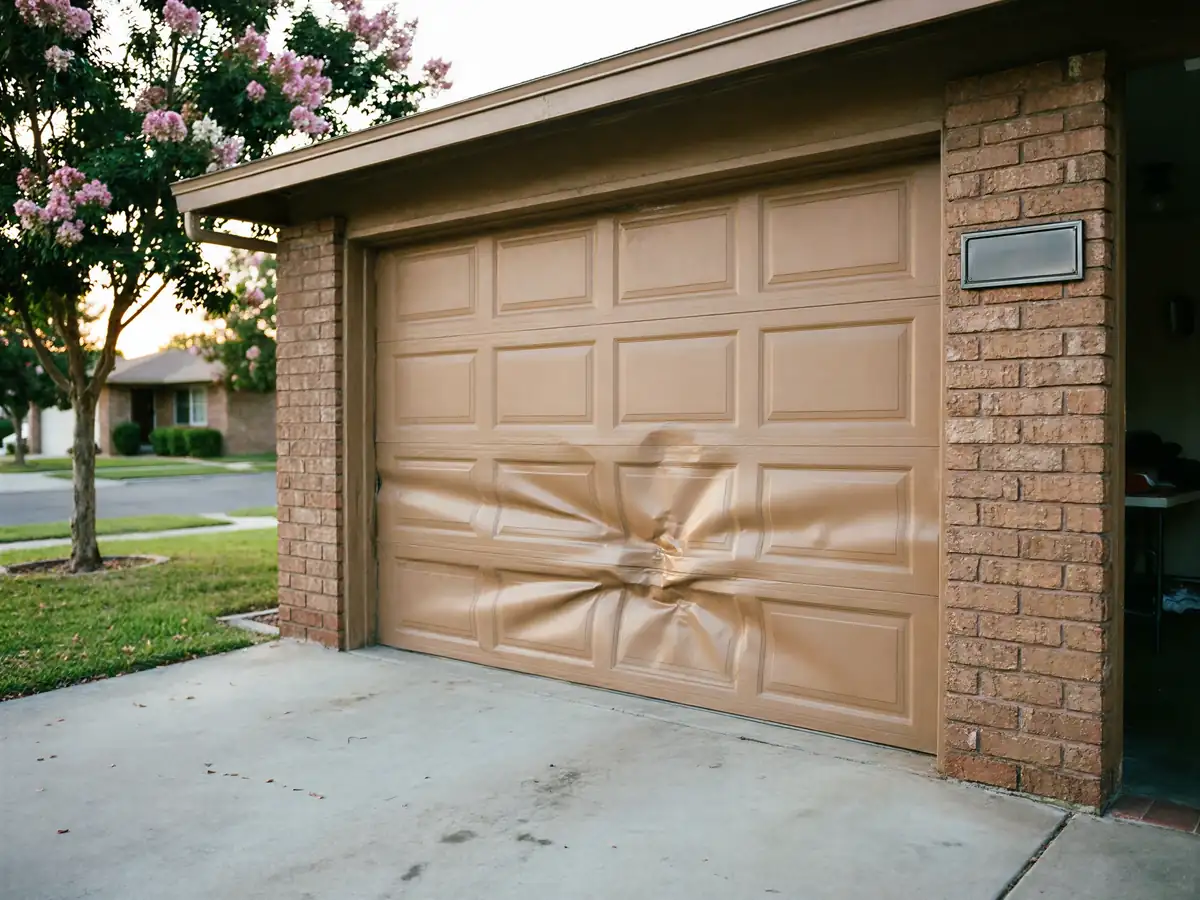
What we don't carry for every job is a replacement panel section matched to an exact factory color and ribbing pattern from a door that old. If a section is dented beyond a patch, we may need to order it, and that's the one place a same-visit fix isn't realistic.
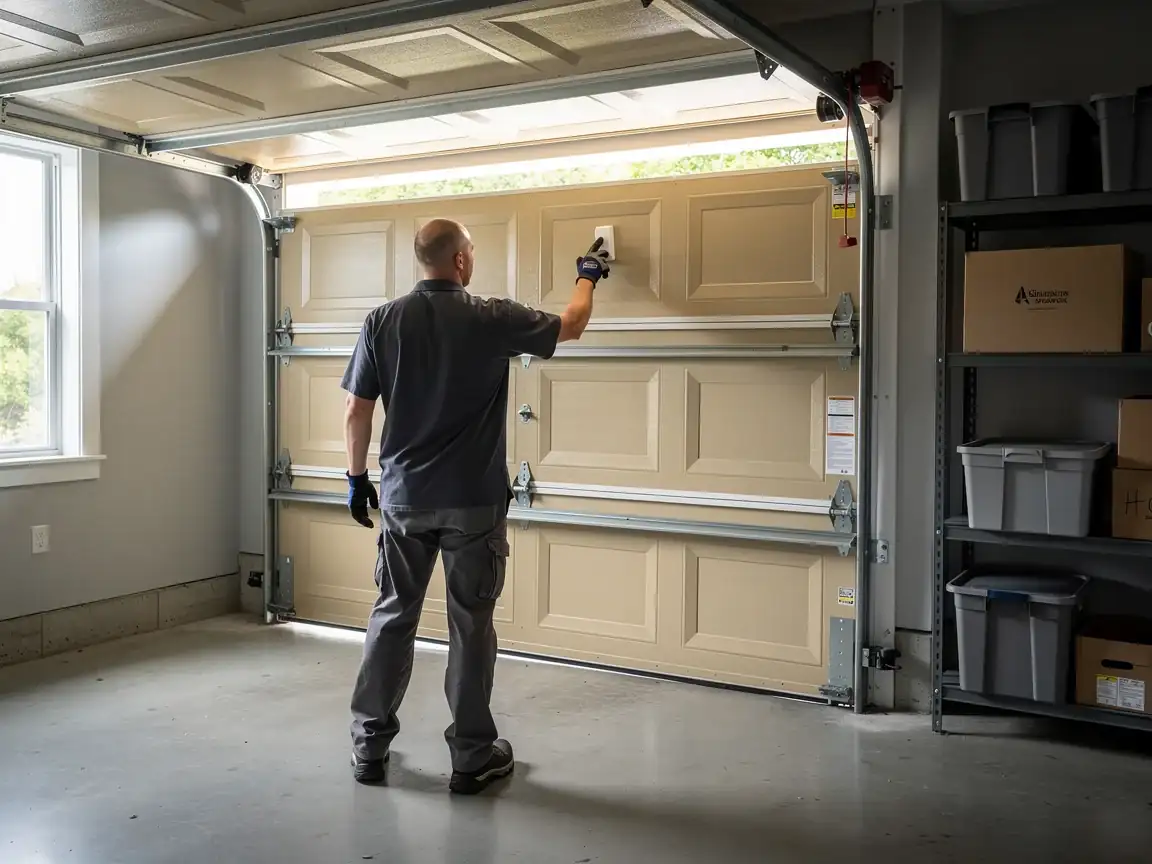
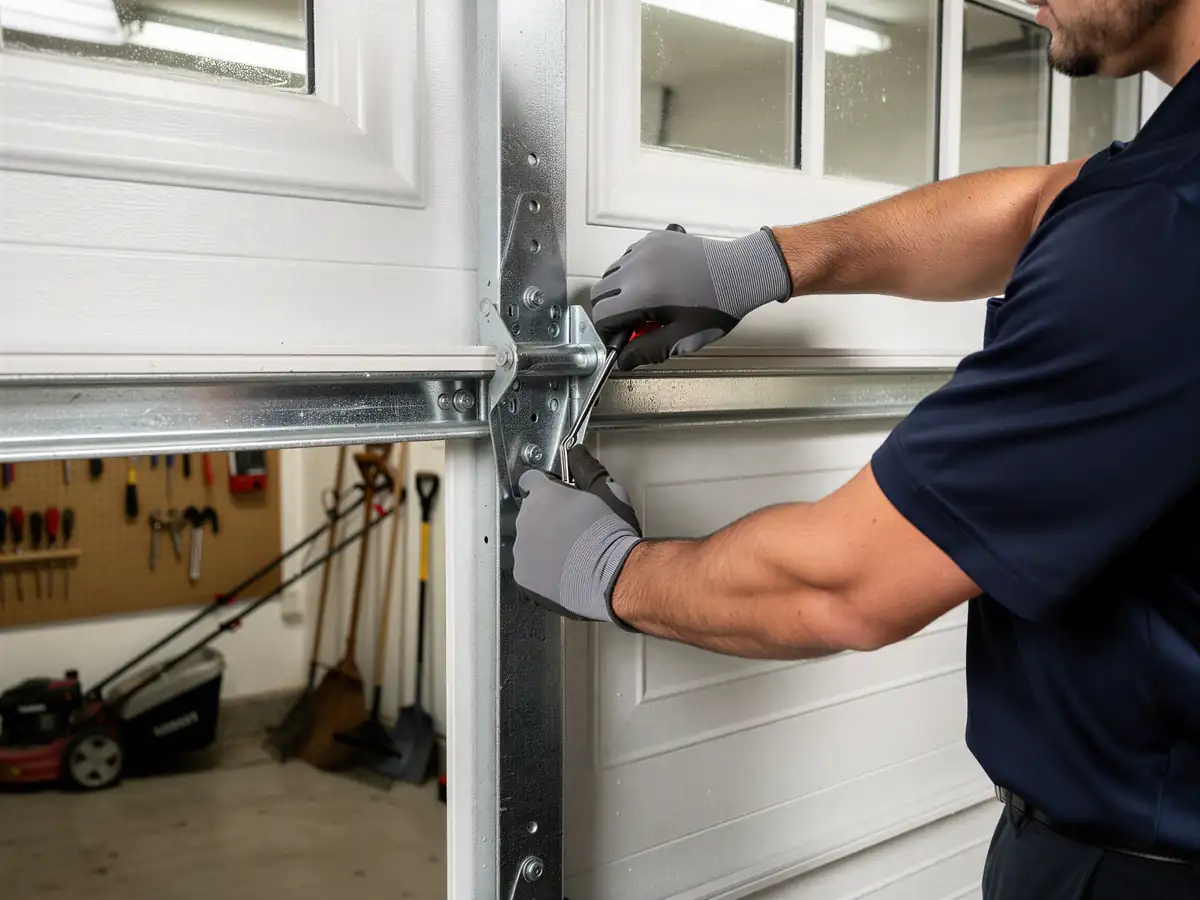
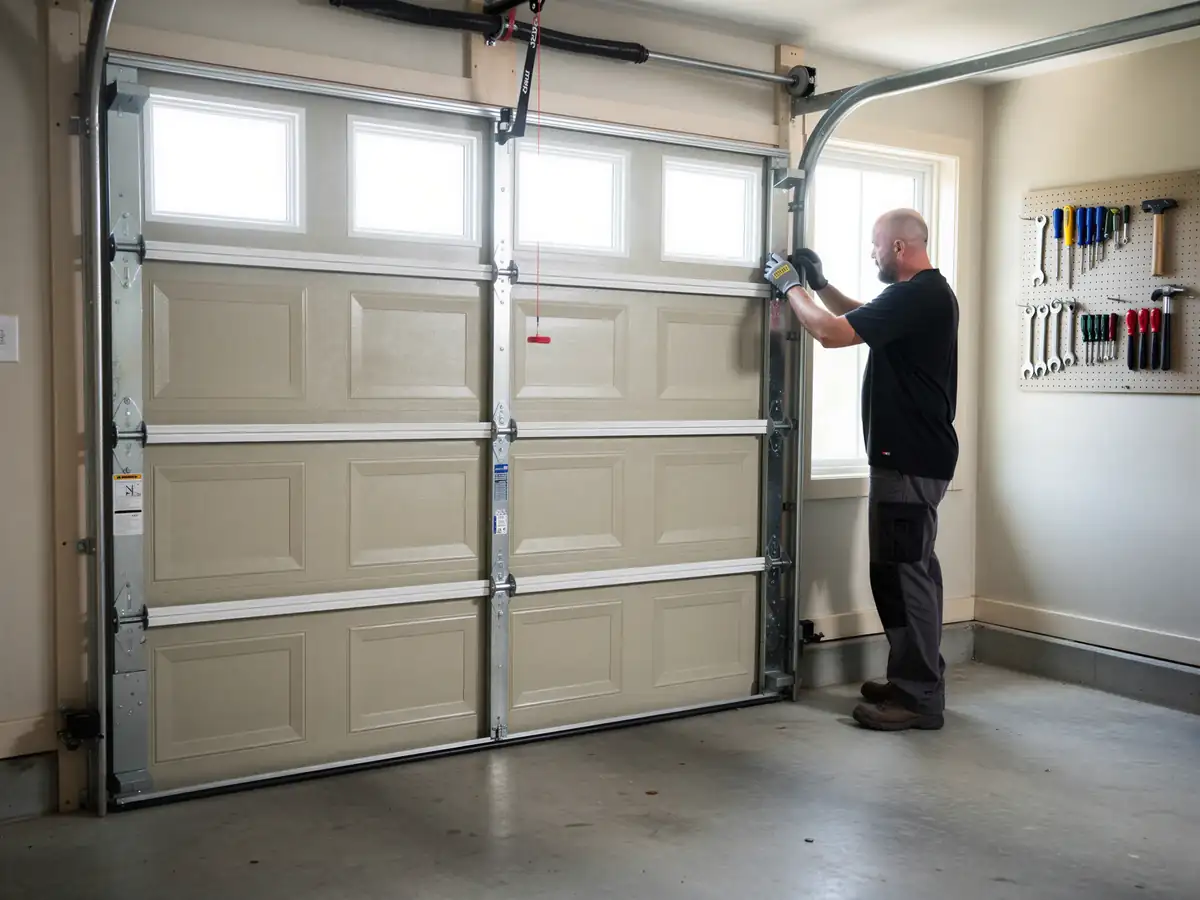
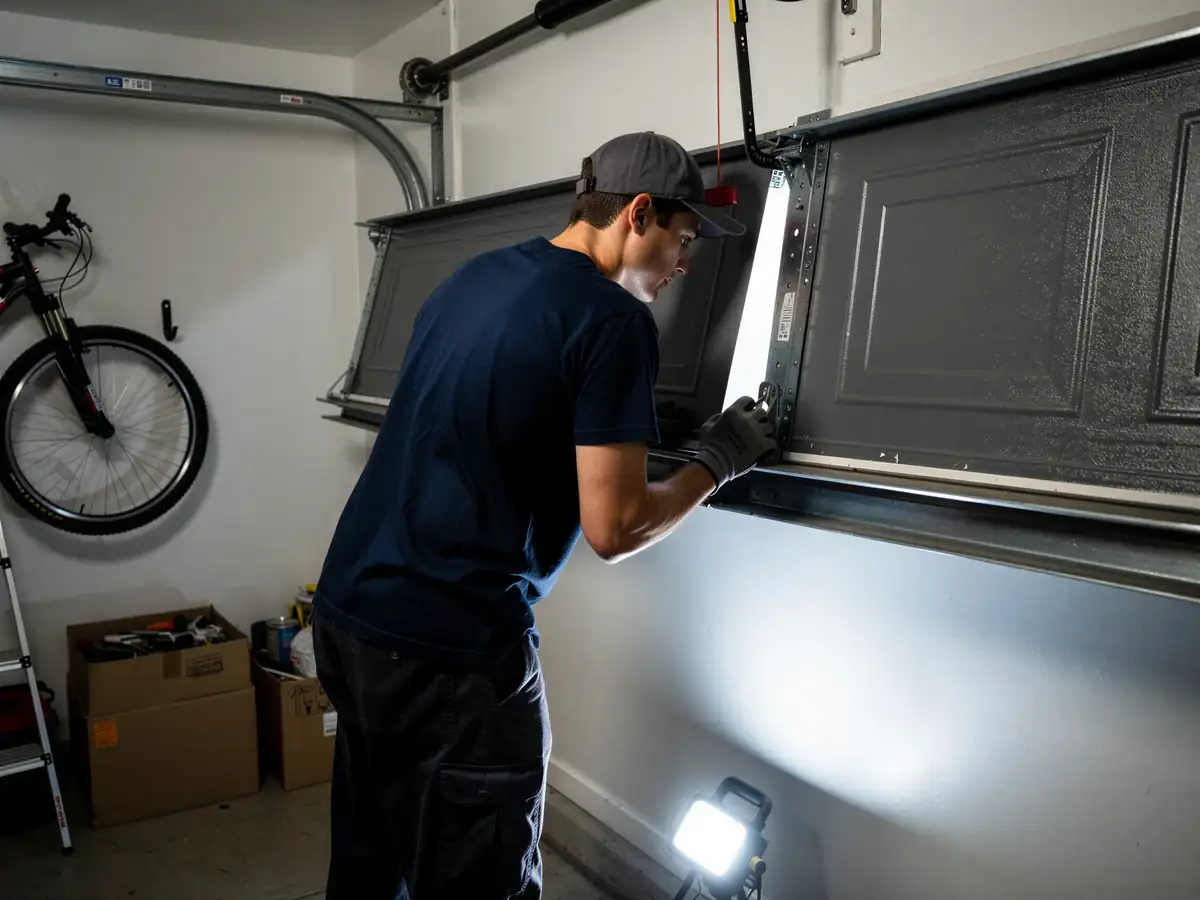
Track realignment, roller swaps, and standard spring replacement on a door from this build era are straightforward, single-visit jobs. We test the balance and run a full open-close cycle before we leave, not just one pass.
Time on the Job
A straightforward torsion spring swap or roller replacement on a standard sectional door doesn't take long once the truck is on site - most of the clock is diagnosis and the test cycles afterward, not the wrench work itself.
Cold weather in this part of Oklahoma adds a wrinkle. In the colder stretches of the year, steel springs and tracks stiffen up, and lubricant that's gone thick doesn't let a door move the way it should even after a repair. We account for that and re-check the balance once things have warmed under load, rather than calling it done on the first smooth cycle.
We won't quote a fixed number of minutes here, because a double door with two springs and a bad opener board takes longer than a single-spring single door, and pretending otherwise just sets a bad expectation.
Where This Job Goes Sideways
The most common surprise on a Tuttle call is a spring that was replaced once already with the wrong wire gauge or wind length
Close enough to work for a while, wrong enough to wear the opener motor out early trying to compensate. We find this more on doors from the 1995-era build wave than on newer installs, since that's had the most time for a mismatched part to do its damage.
The second surprise is cold-weather lubricant failure
Grease that's gone gummy in a cold snap makes a door bind on the track even after the spring tension is correct, and if we don't catch it, the fix looks incomplete a week later.
We'll tell you plainly when a repair isn't worth it
A door with a cracked wood jamb or multiple failed panels from age is sometimes a replacement conversation, not a repair one, and we'd rather say that on-site than string out return visits.