Can You Do This Yourself
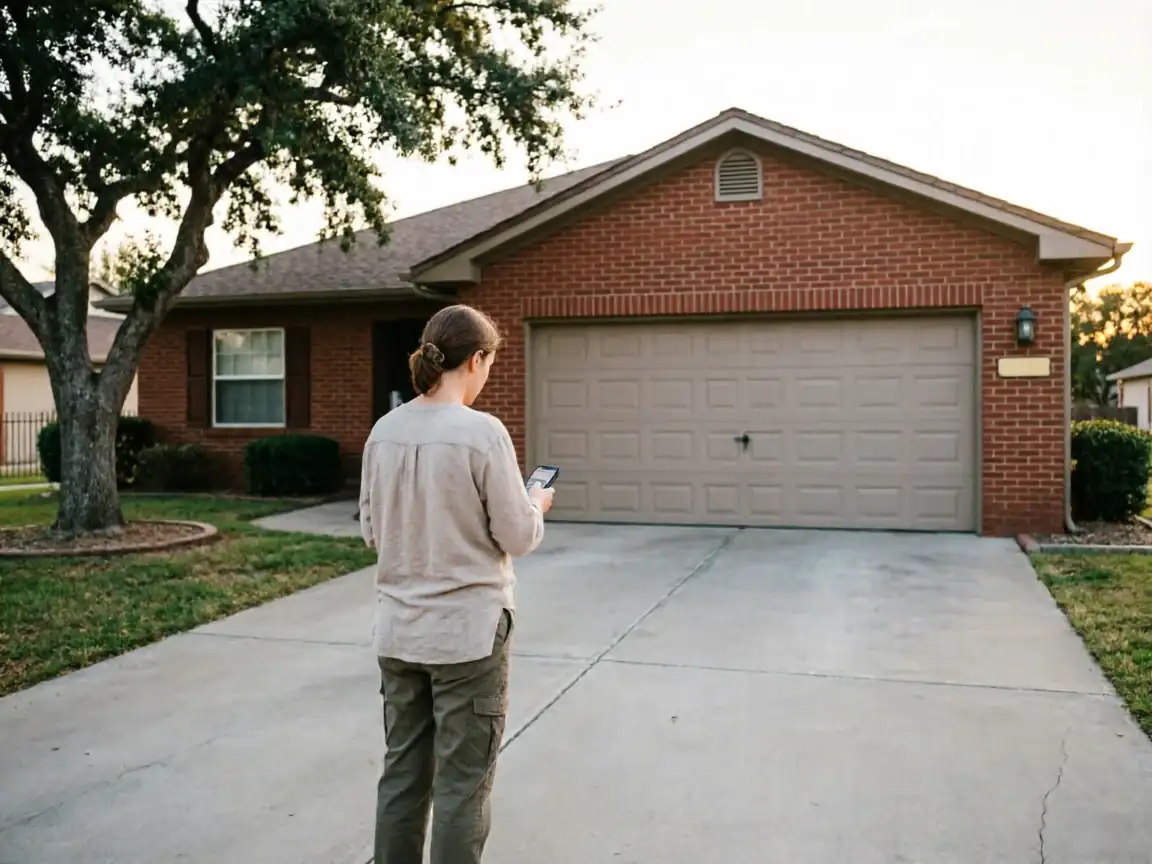
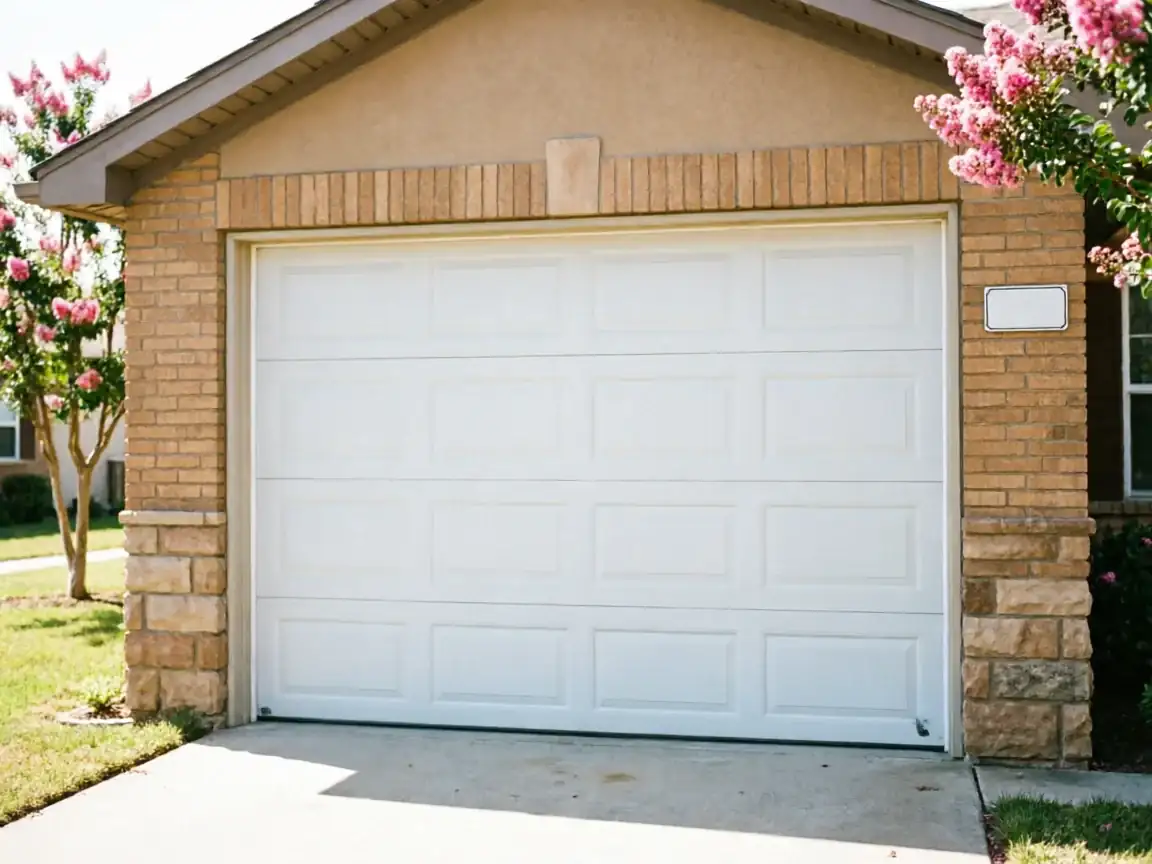
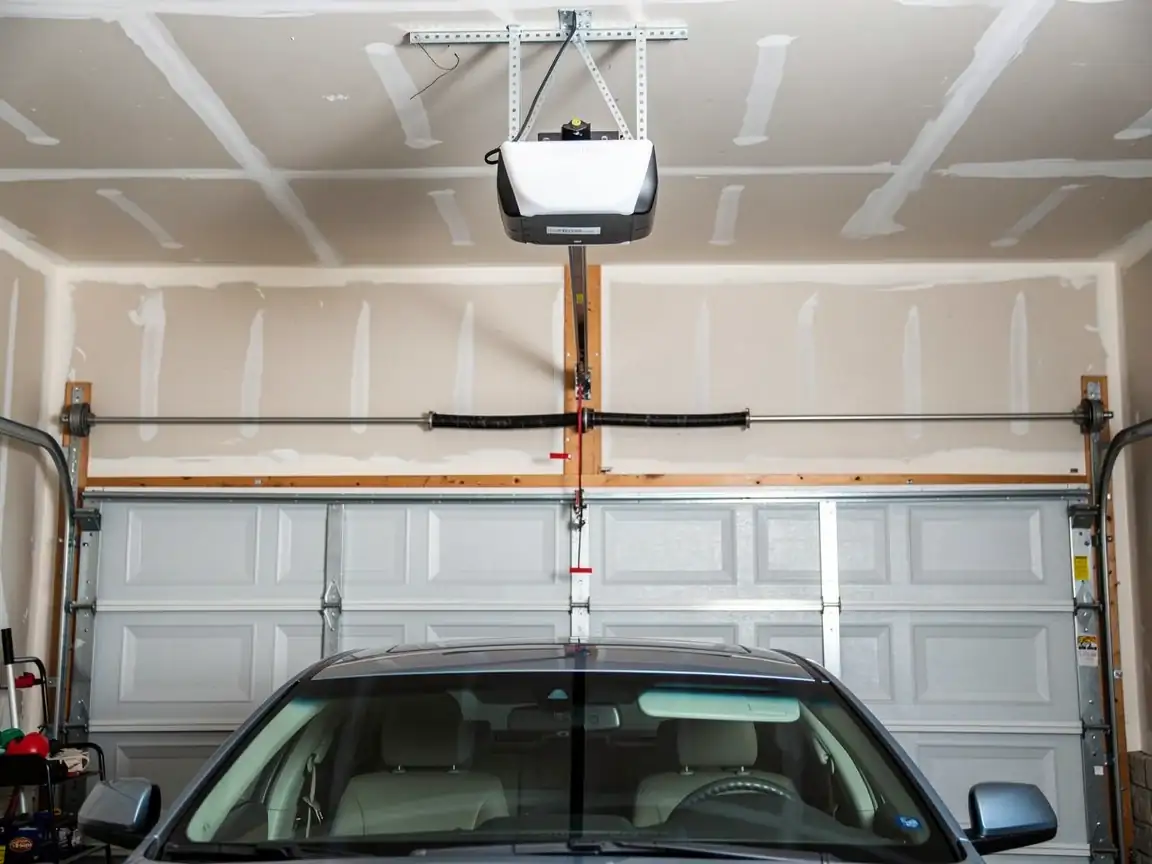
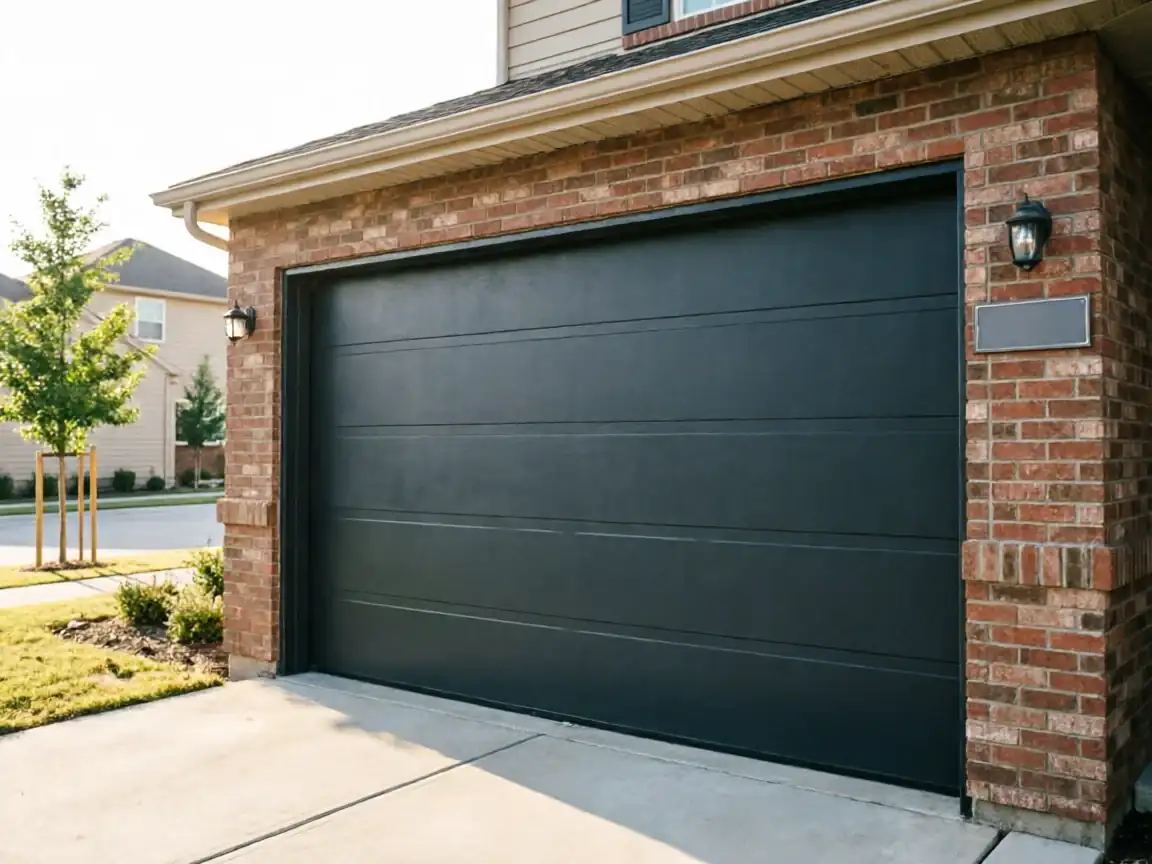
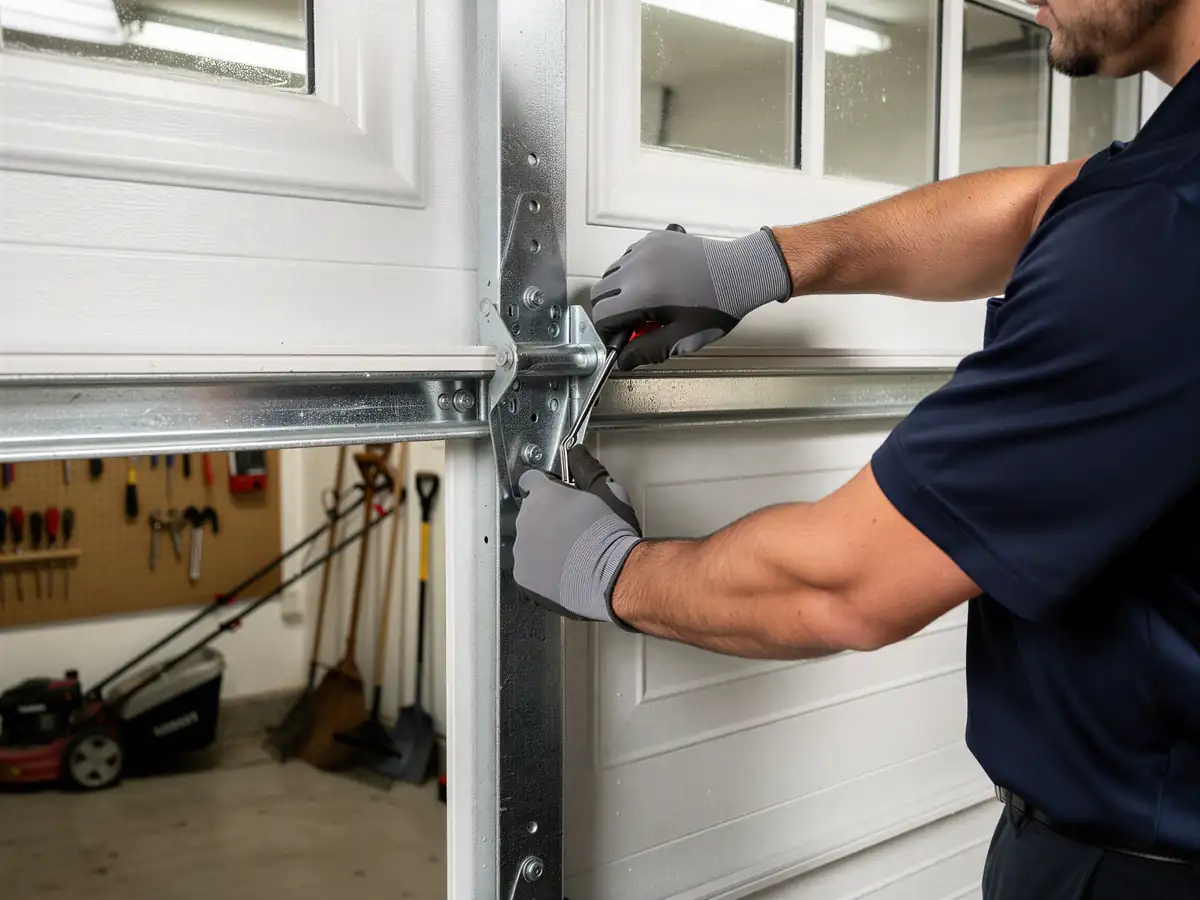
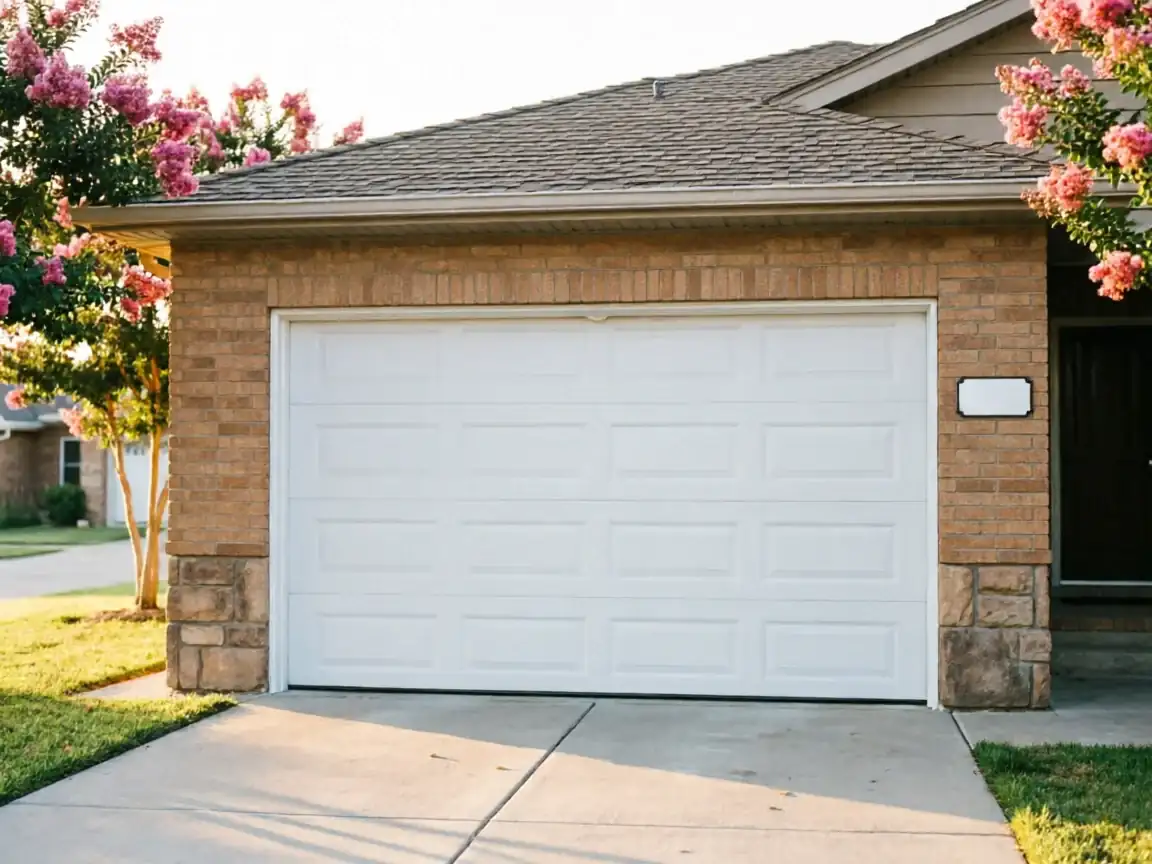
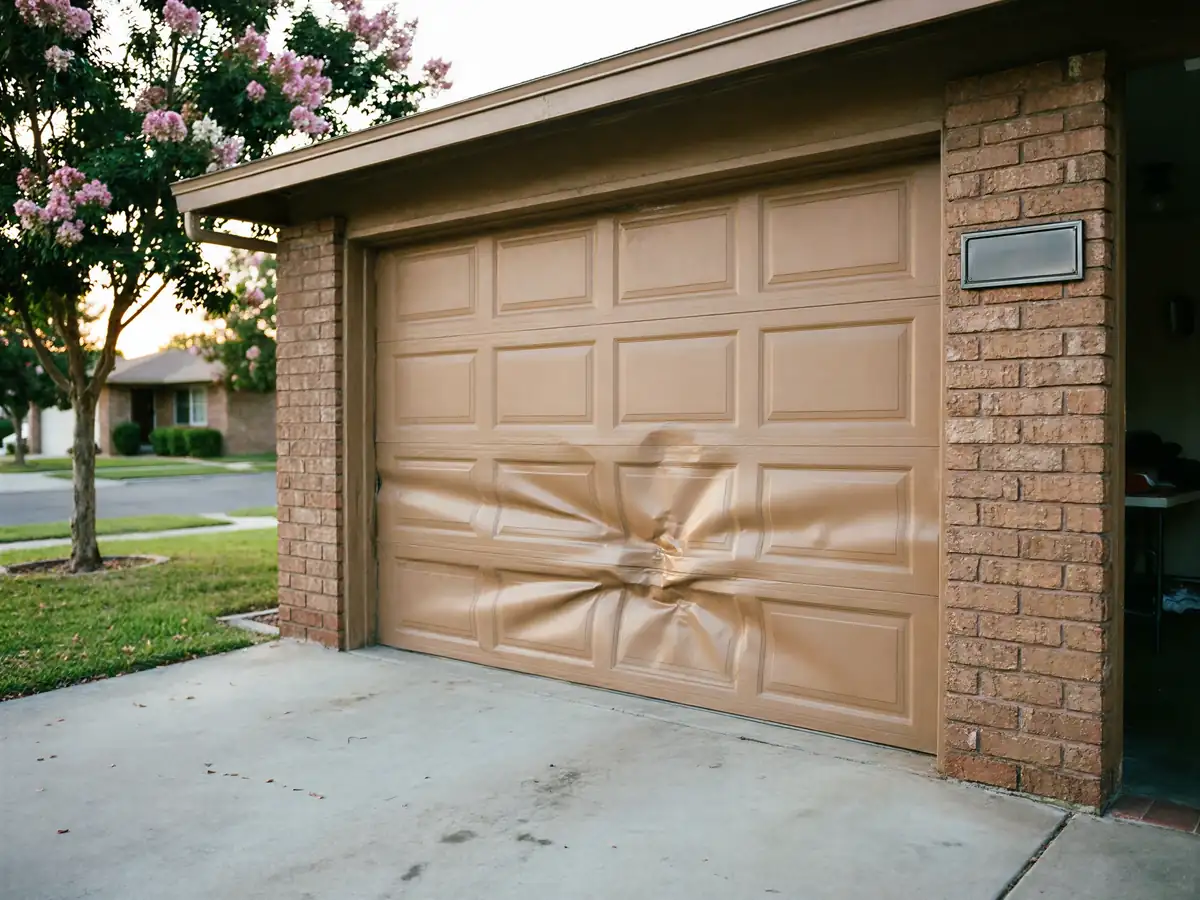
Tuttle's median year built sits around 1995, which puts most doors here at steel raised-panel sections, two or three per door, hung on roller tracks with a center torsion spring overhead. Swapping a single damaged section on that setup isn't a bolt-and-done job - the panel has to match the existing profile and finish, the hinges have to line up across the new seam, and the door has to balance afterward or the opener will strain against it. You can replace hinges and rollers yourself with basic tools. Swapping a full panel on a door this age usually means matching a discontinued steel profile, which is where most DIY attempts stall - not on the wrench work, but on finding the part. We'll tell you honestly if a panel match isn't realistic before you spend on one.
What You Pay
Tuttle households report a median income of $102,417, well above the wider service area's $81,105, and that shows up in what people choose here - full panel sets with upgraded insulation more often than single-panel patch jobs. What you pay depends on whether we can source a matching panel for a 1990s-era door or whether the full section run needs replacing to keep the door looking even. We don't post a flat number here because every door's panel profile is different once you're past the builder-grade basics; we quote it on the visit once we've seen the door and know what's actually available for that profile.
What the Repair Takes
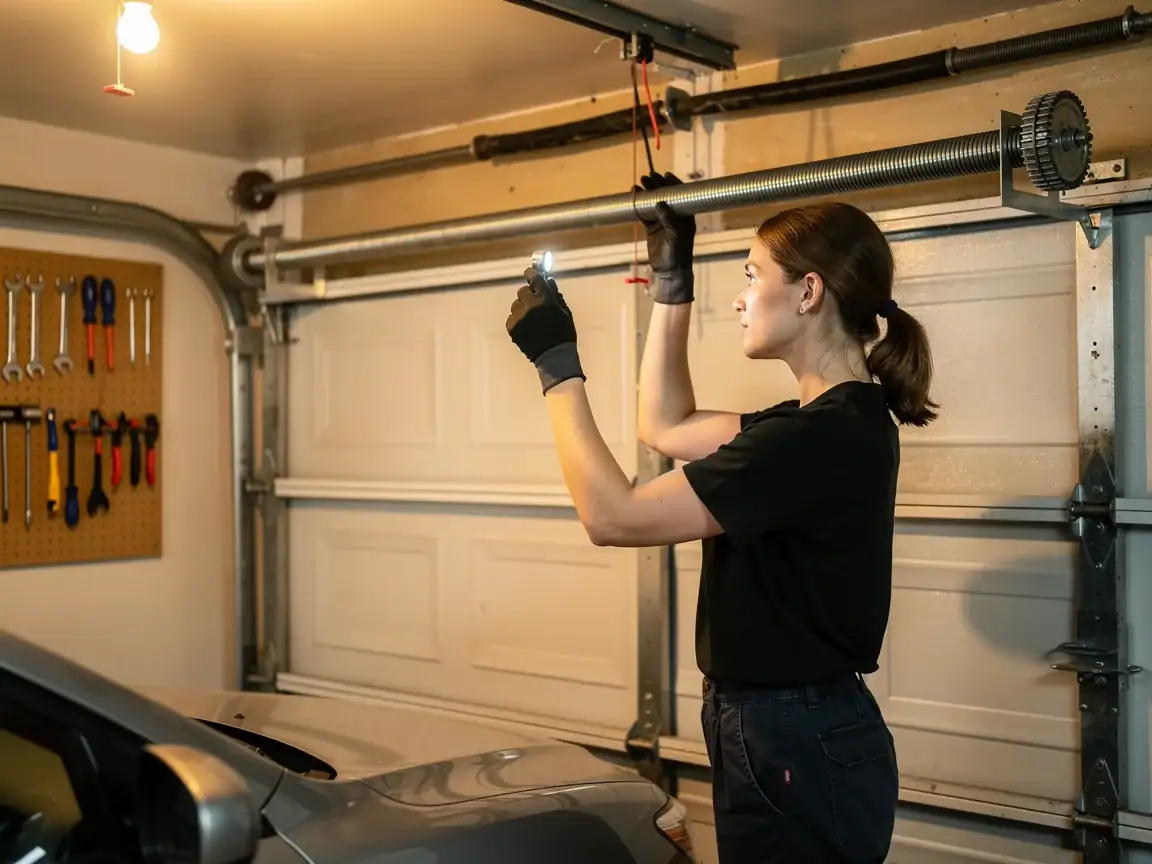
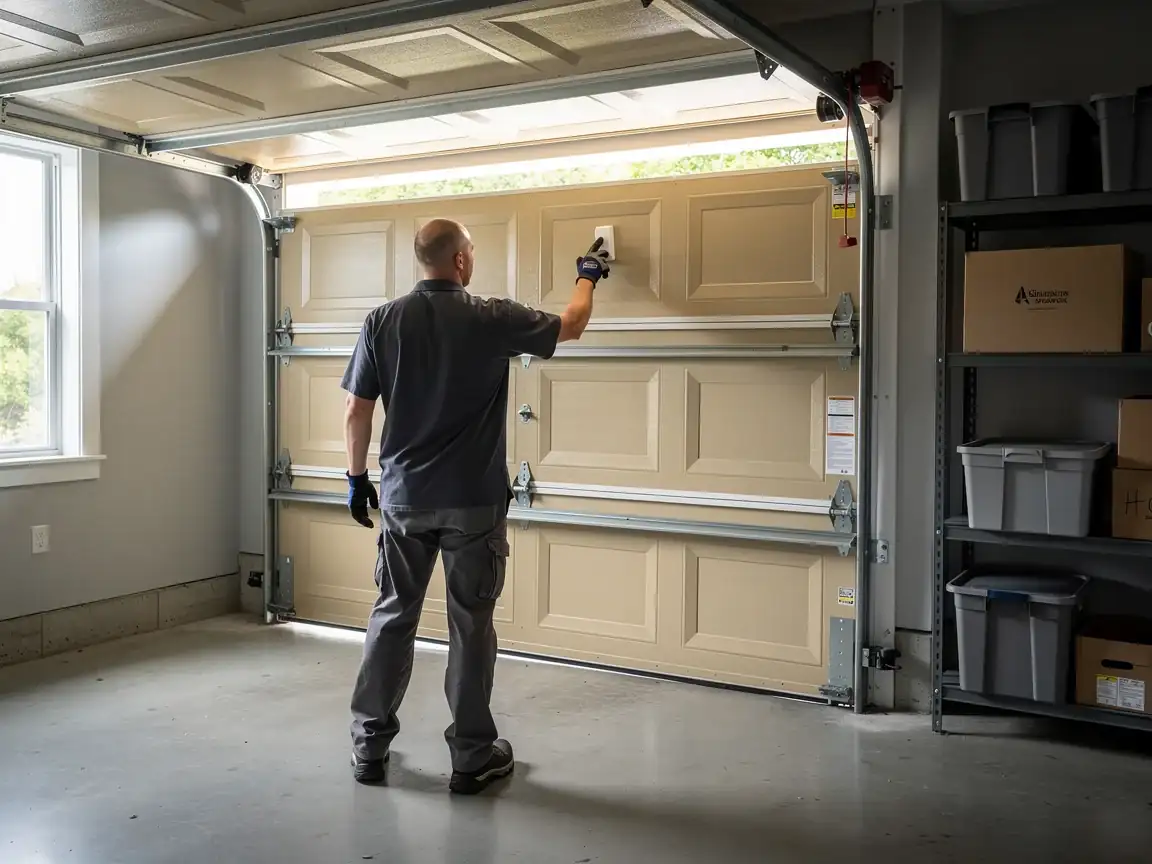
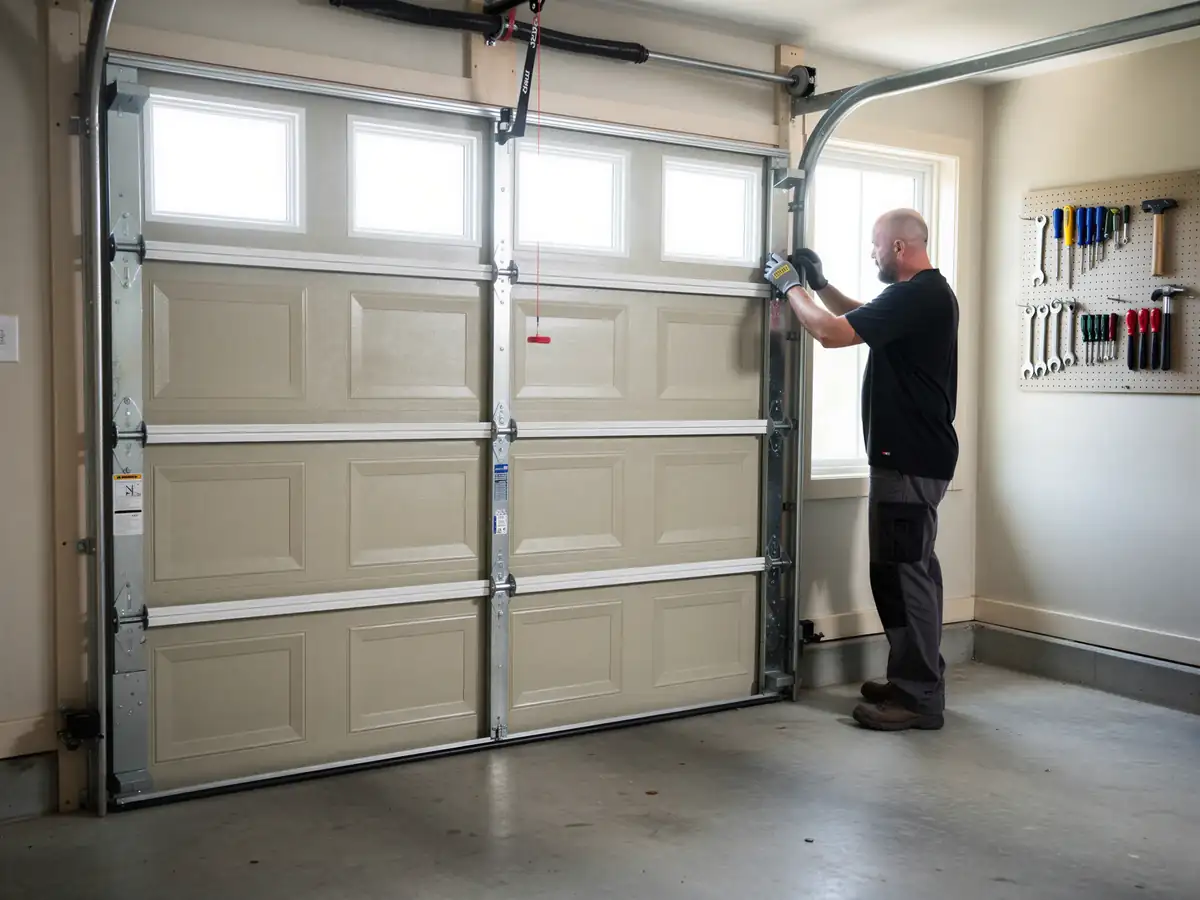
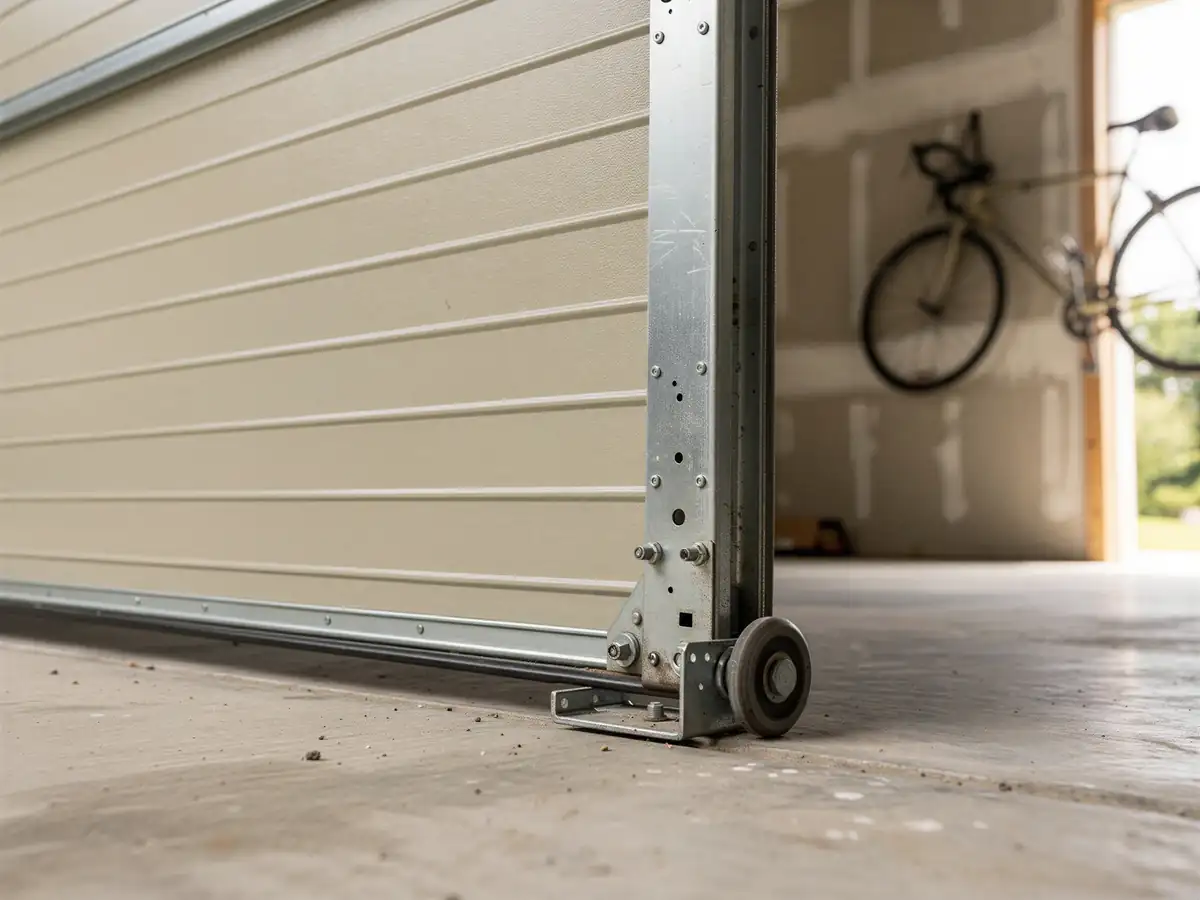
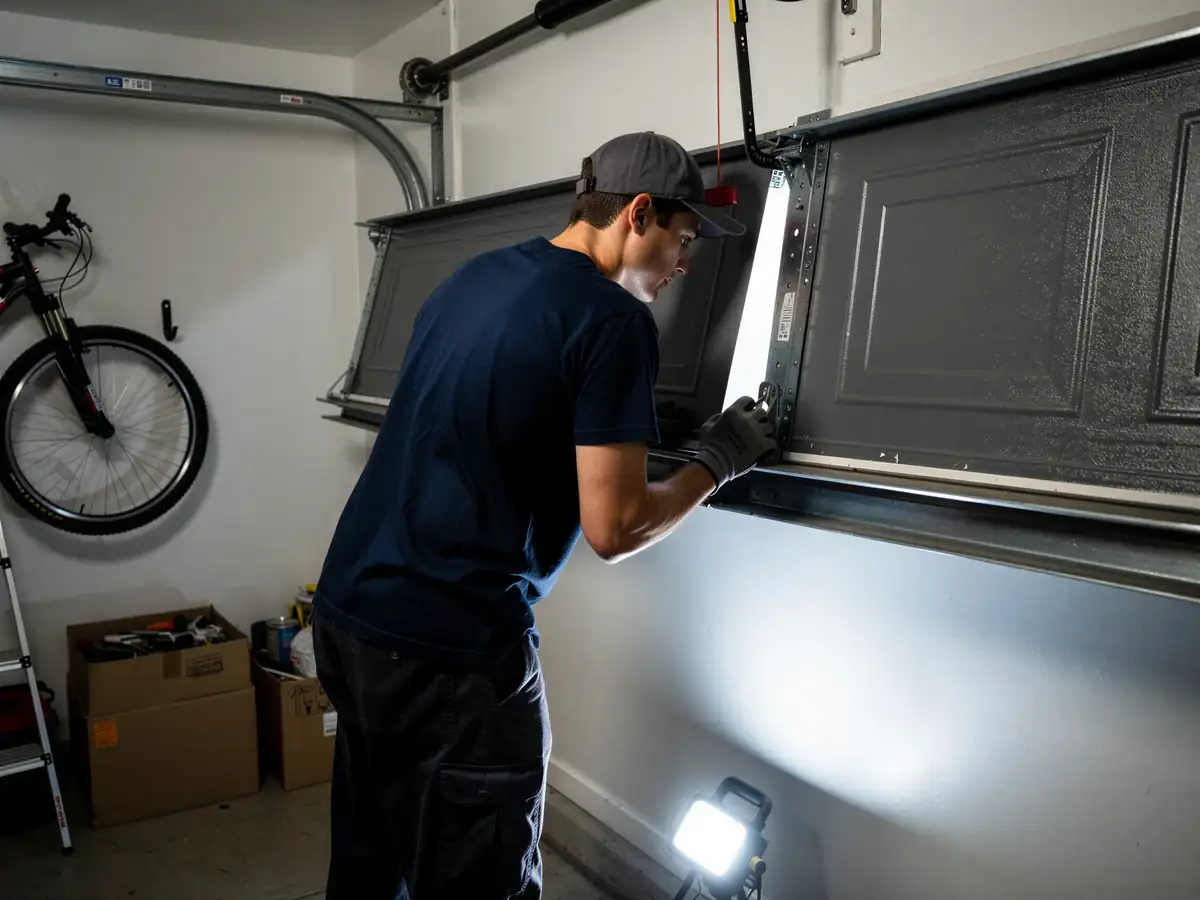
On a door built in that mid-90s window, we're usually dealing with 24-gauge steel panels, minimal foam-core insulation compared to what's sold today, and original roller hardware that's often still functional even when a panel is dented or rusted through at the bottom edge. Replacement means unbolting the stile hinges, freeing the damaged section without dropping the balance on the rest of the door, and setting the new panel level before re-torquing. If the door's spring is original to the house, we'll check its wind and cycle count while we're in there - 1995-era torsion springs are well past typical service life by now, and it's worth knowing before we close the door back up.
Time on the Job
A single-panel swap with stock hardware runs about what you'd expect for careful hinge-and-track work - most of the time goes into leveling and balance, not the swap itself. If the match has to be special-ordered because the original profile isn't stocked anymore, that's a separate trip entirely, and we'll tell you the lead time once we've identified the panel rather than guess at it.