Can You Do This Yourself
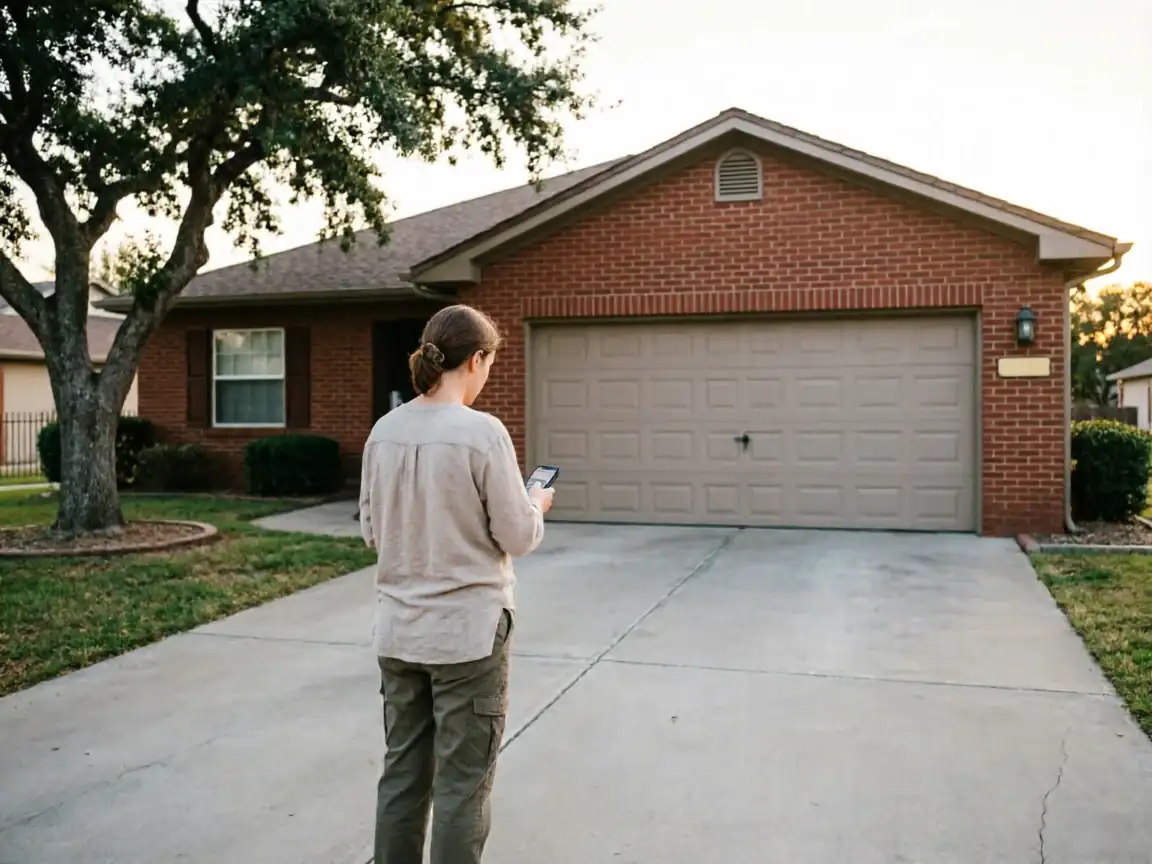
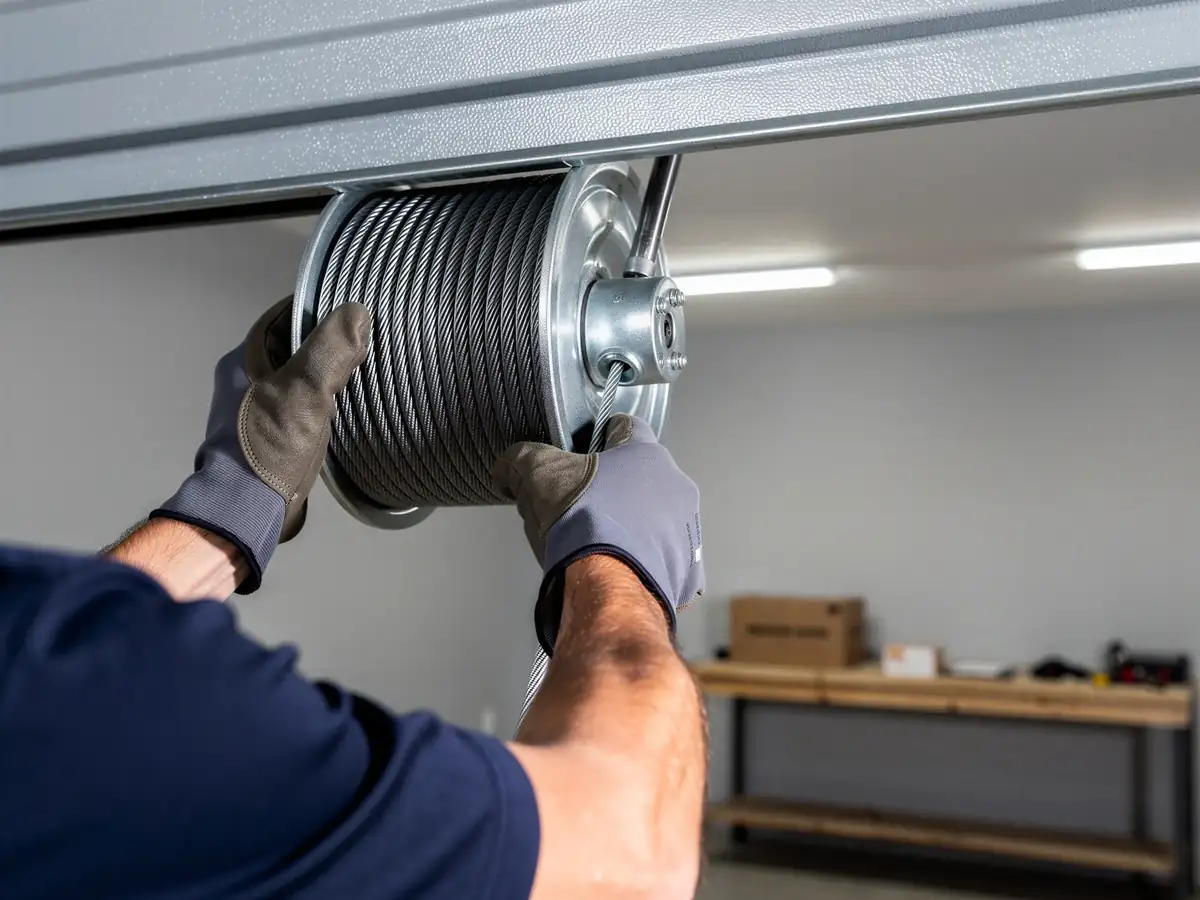
A snapped cable looks simple from the outside - it's just a wire - but it's wound under spring tension and it's attached to a drum that can whip the moment it's freed. On a house built around 1959, which is where the median in Nichols Hills sits, you're also dealing with original or early-replacement hardware that doesn't match anything sold today. Drum sizes, shaft diameters, and track spacing from that era were never standardized the way current doors are. We're not going to tell you it can't be done with the right tools and some mechanical sense, but guessing at a drum size or reusing a stretched cable because the hardware store didn't carry the original is how a door comes down wrong a second time. If the door is heavy, if the spring is still loaded, or if you don't know the winding direction of your drum, that's the line where we'd stop and call someone.
What the Repair Takes
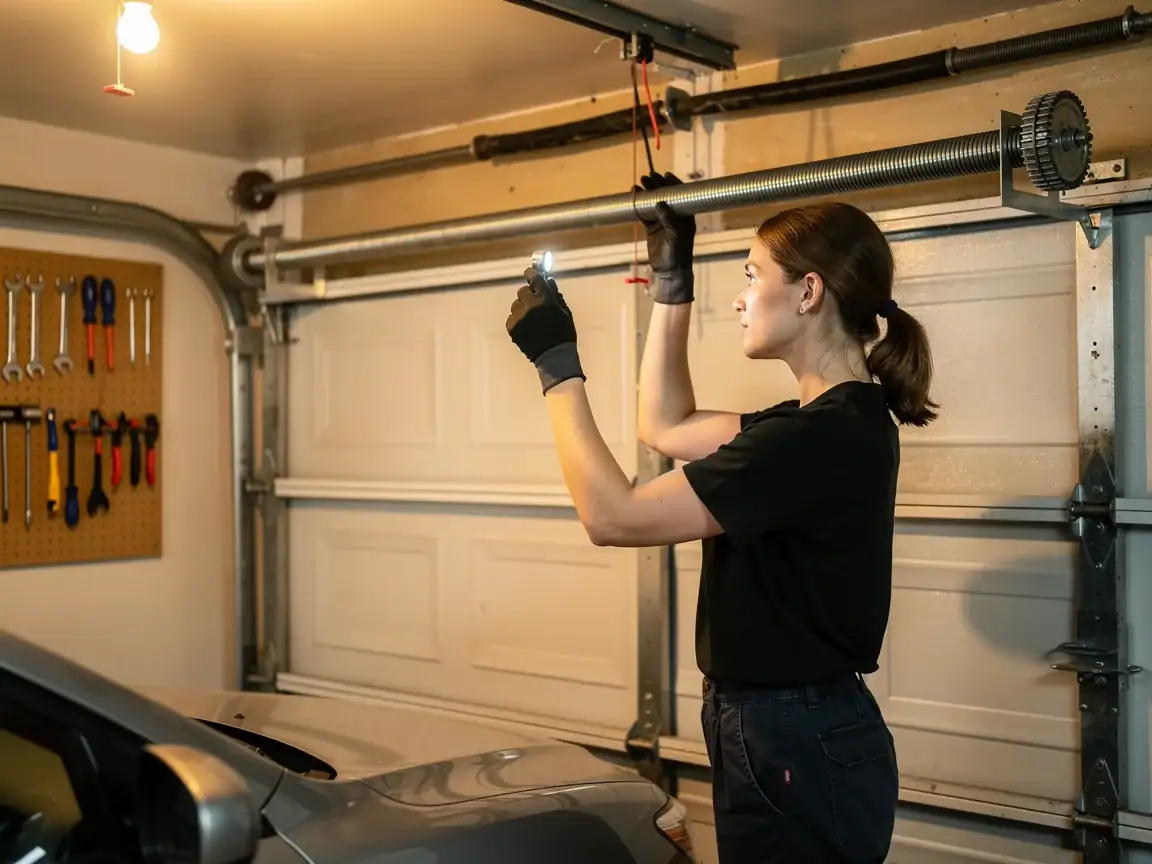
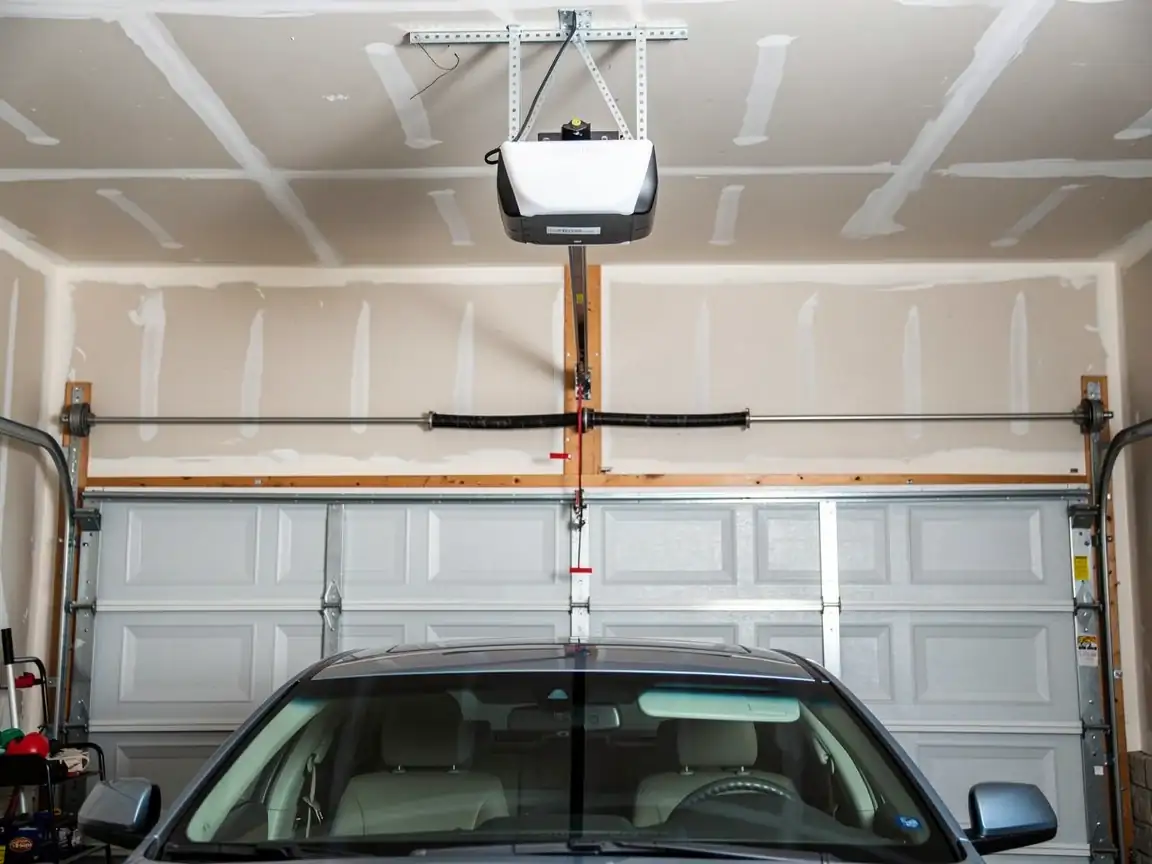
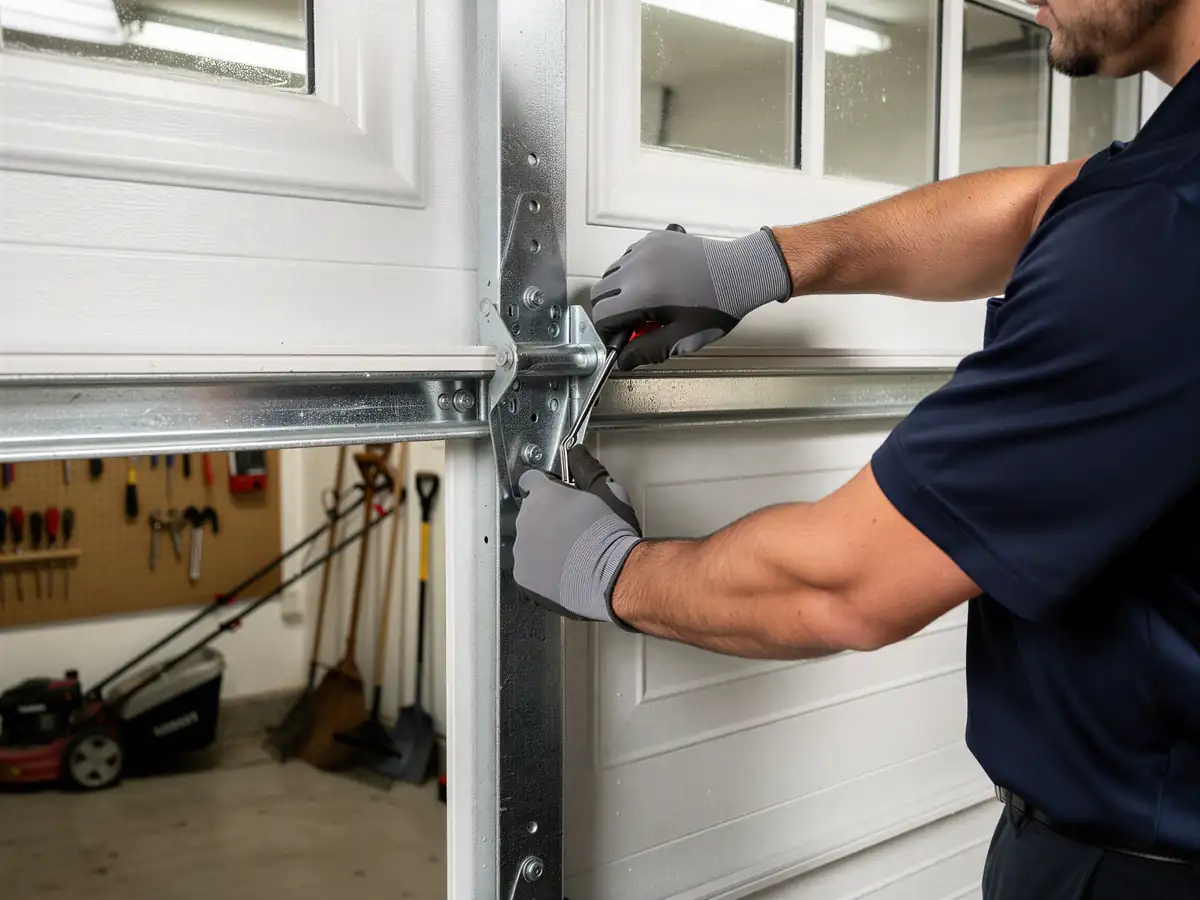
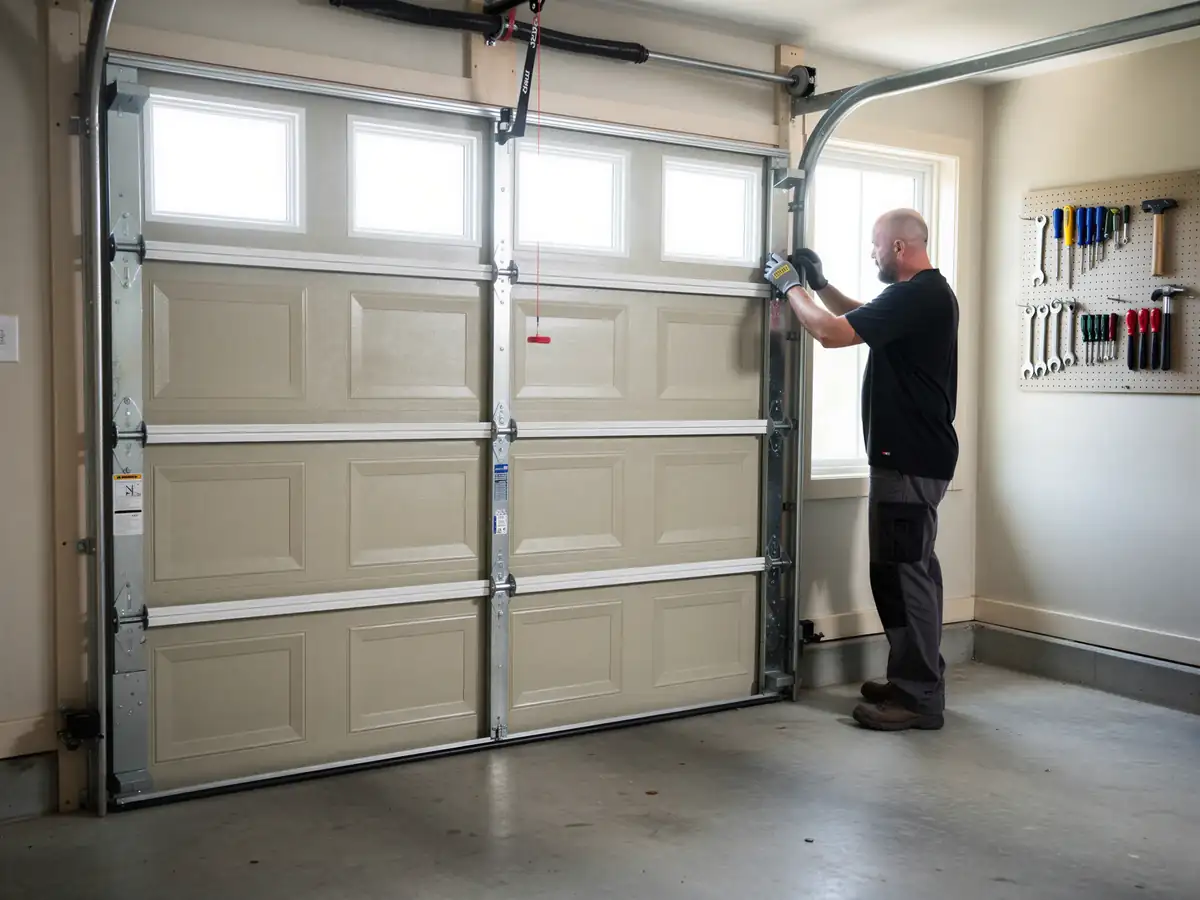
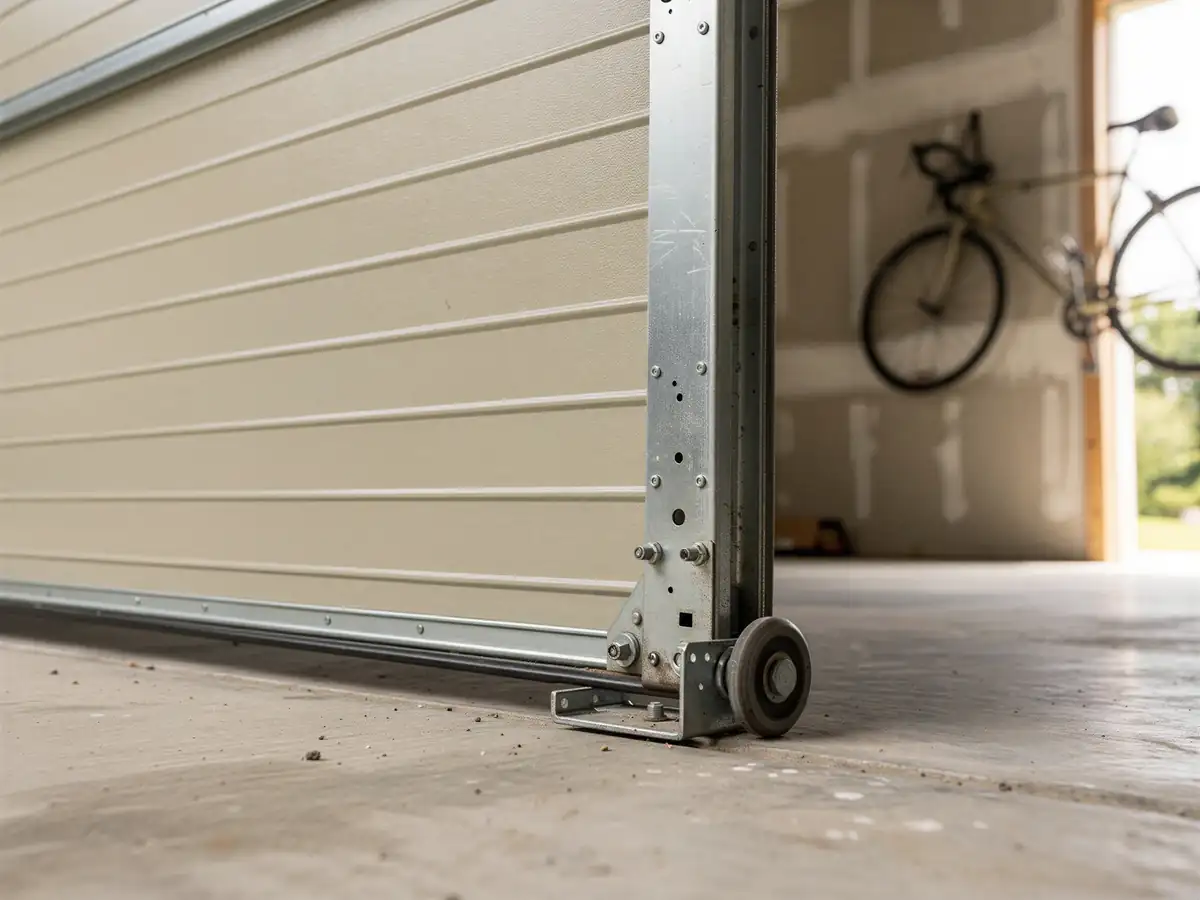
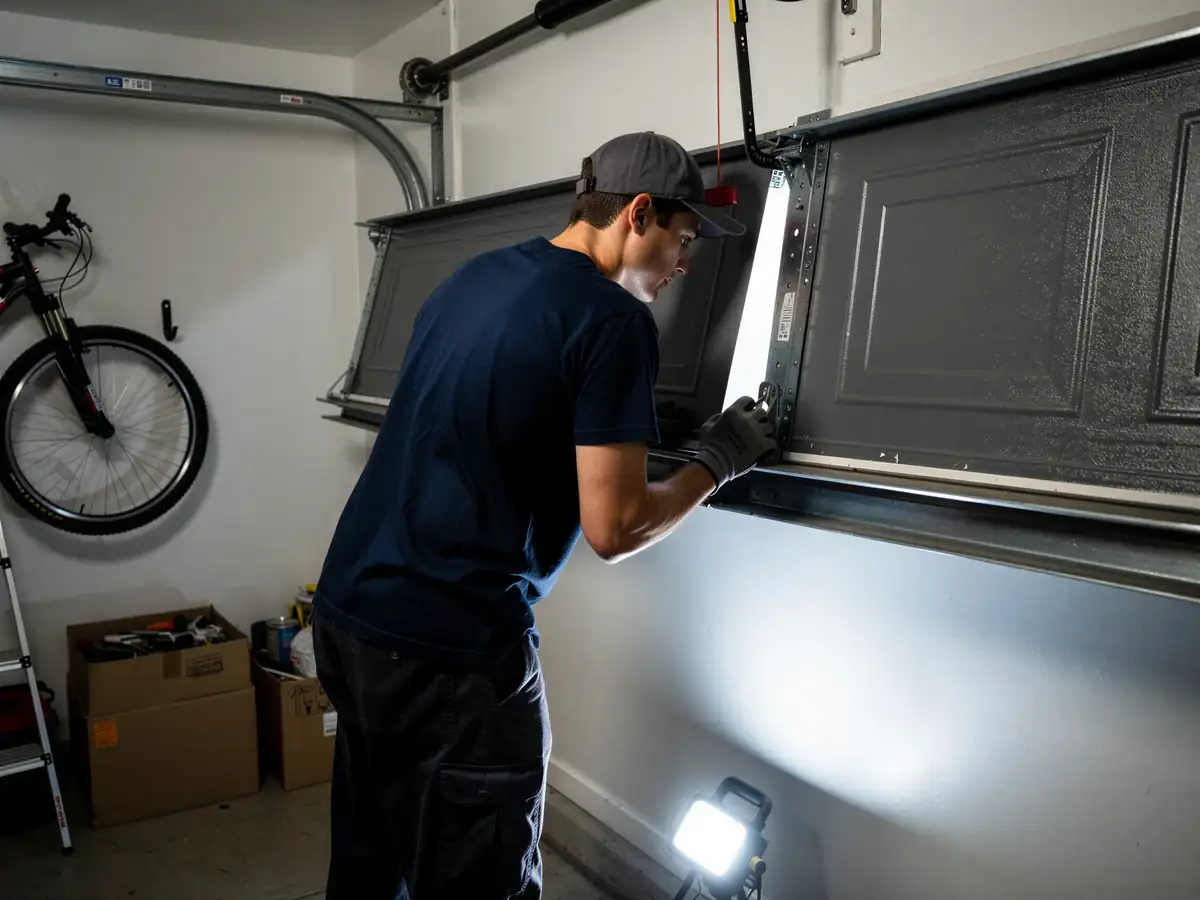
A proper cable repair means releasing spring tension safely, pulling both cables (even if only one broke - the other is usually close behind on a door this old), and replacing them with cable rated to the drum and door weight actually installed. On houses from the late 1950s and early 1960s, we often find mismatched hardware from a past repair - a newer cable paired with an older drum, or a cable gauge that's wrong for the door's weight. Fixing the symptom without checking the rest of the system just moves the failure point. We check the drums for wear grooves, check the spring for matching tension, and inspect the bottom brackets where the cable terminates, since those corrode first on older doors.
Time on the Job
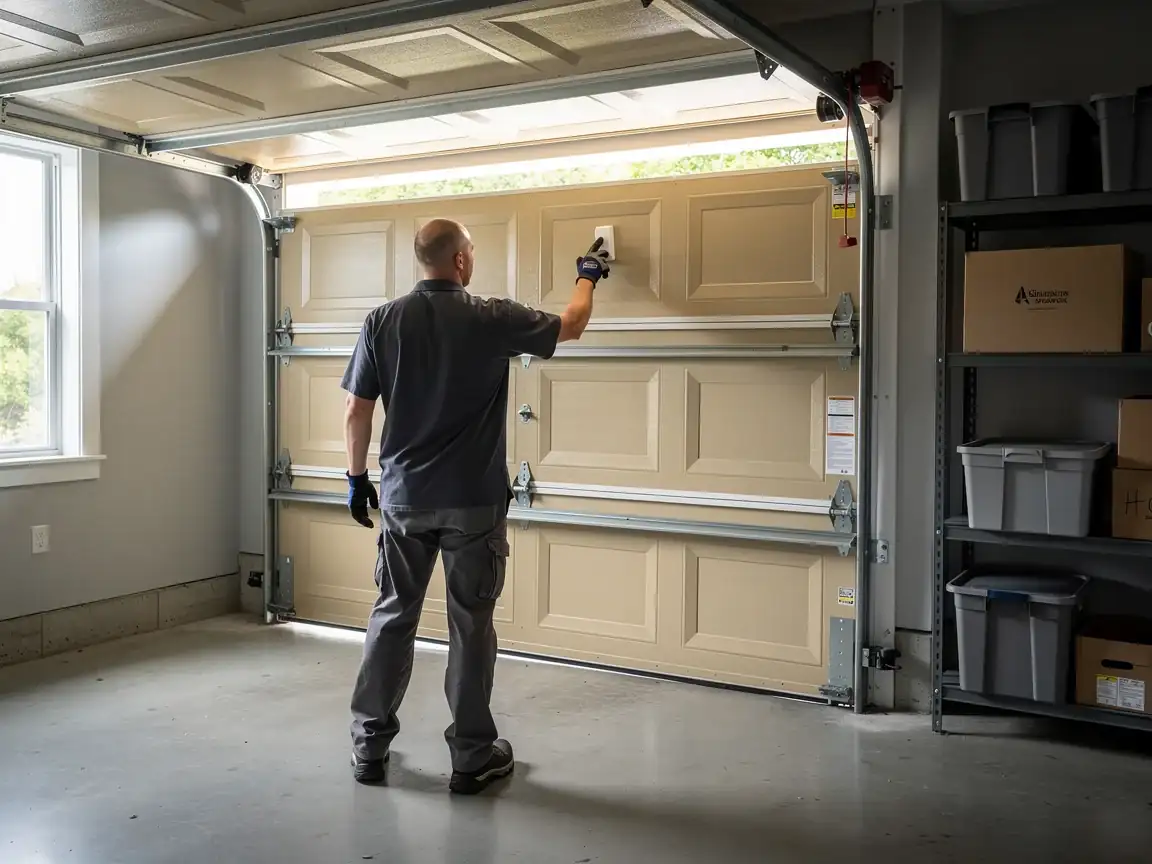
Cable replacement on its own, once we're on site and the spring is safely released, usually runs under an hour. It takes longer when the drums or bottom brackets need replacing too, which is common on doors from Nichols Hills' era since original hardware is well past its expected service life. We're coming from Moore, about 16 miles out, so the drive is factored into scheduling rather than the repair itself - the work at the door doesn't take any longer because of where the house sits.
Why It Happens Here
Nichols Hills sits on older housing stock than most of the rest of the service area - a median build year of 1959, against a 1980 median across the broader territory Moore Garage Door Pros covers. That's roughly two extra decades of cable cycles, rust exposure, and freeze-thaw stress on hardware that was never designed to last this long. The area sees the same cold-moderate winters as the rest of the region, and that swing between freezing nights and warmer days stiffens cable and stresses the drums it's wound around. With about 1,540 households in Nichols Hills and a median income well above the regional figure, we also see more doors here that were upgraded with heavier insulated panels at some point - which puts more load on cable and drums that were sized for a lighter original door.