Can You Do This Yourself
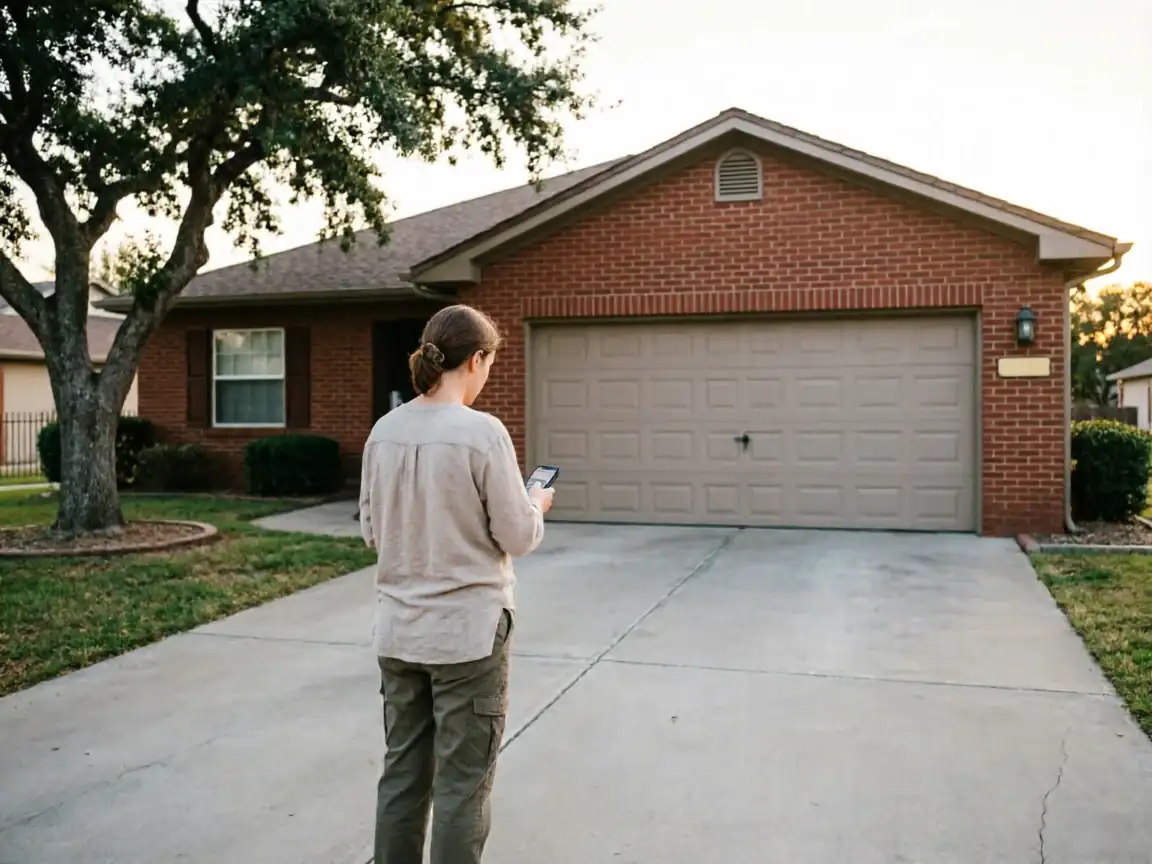
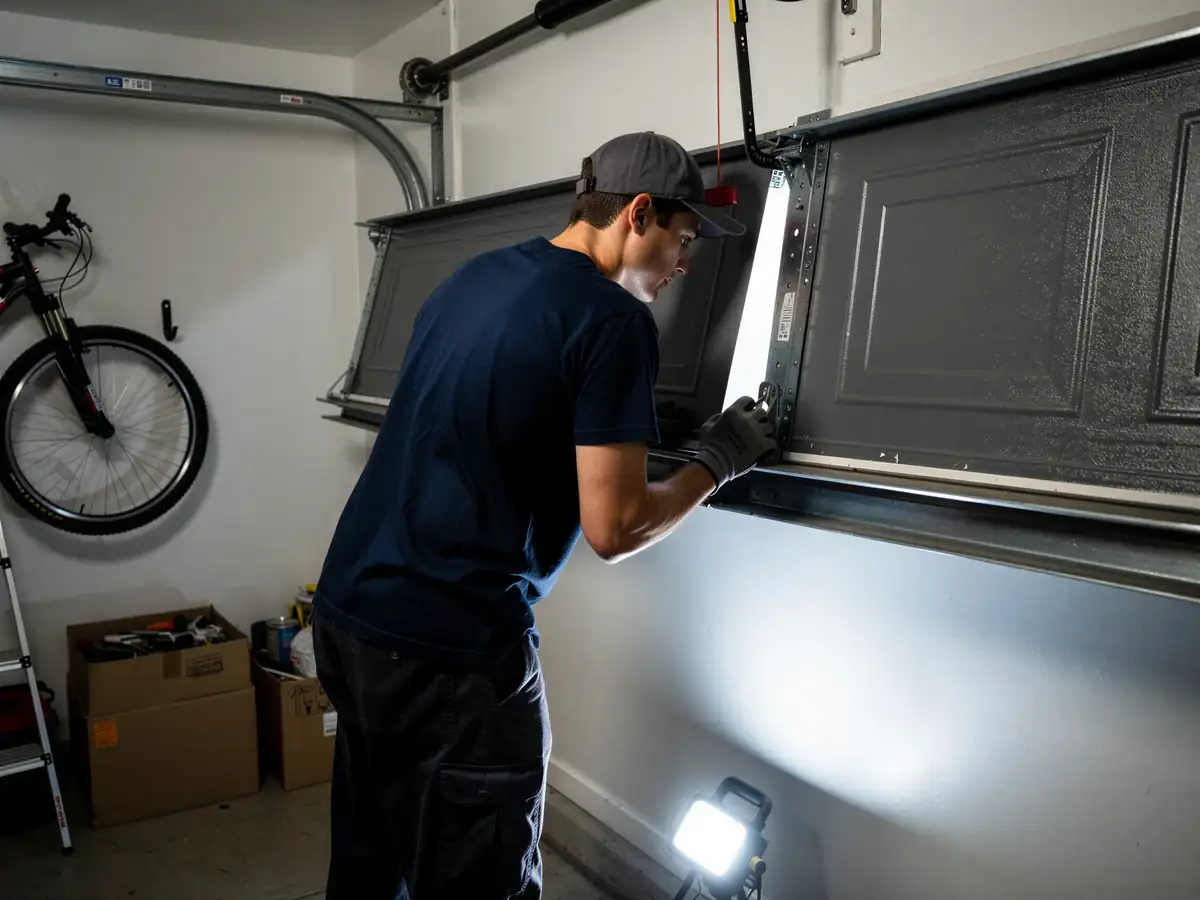
A lot of opener trouble looks simple and isn't. If the door won't move and the opener light is on, you can check the obvious things yourself: make sure the wall switch isn't stuck, check that nothing's unplugged, and look at the arm connecting the opener to the door for a bent or disconnected bracket. That's about where the safe DIY list ends.
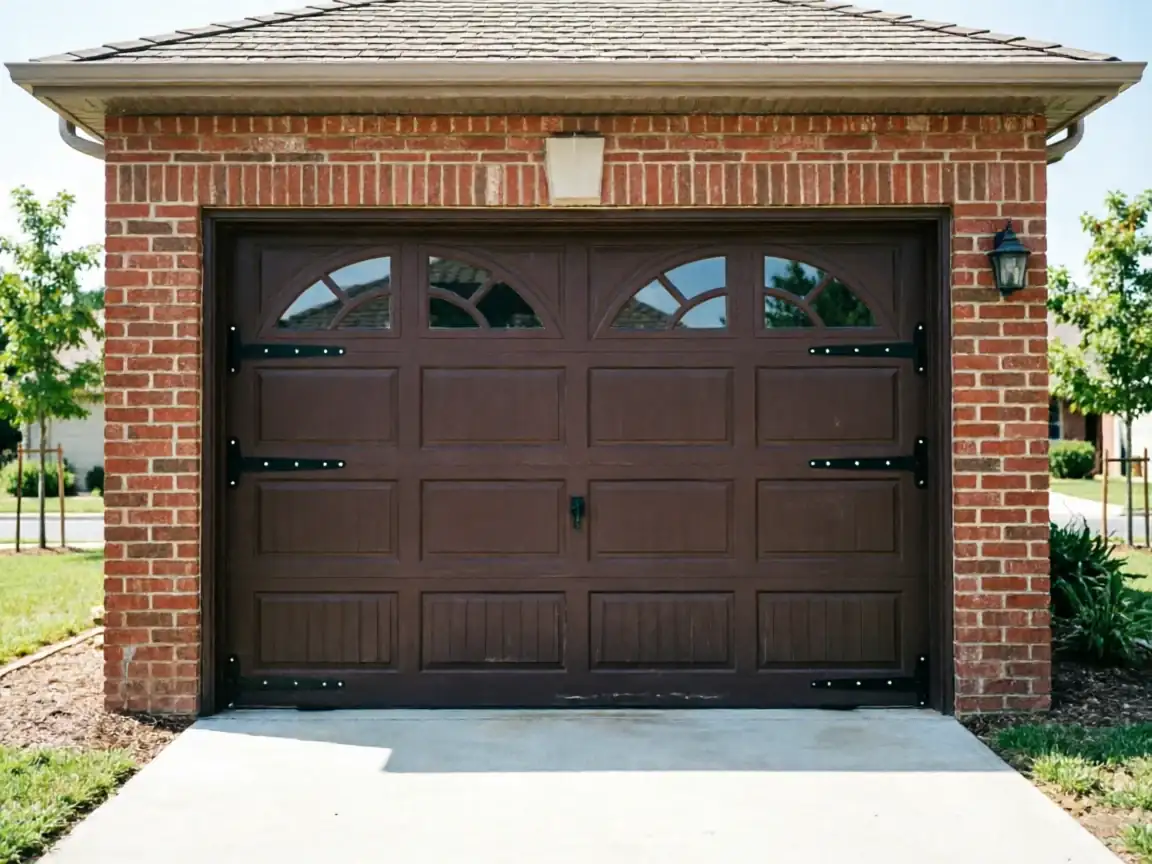
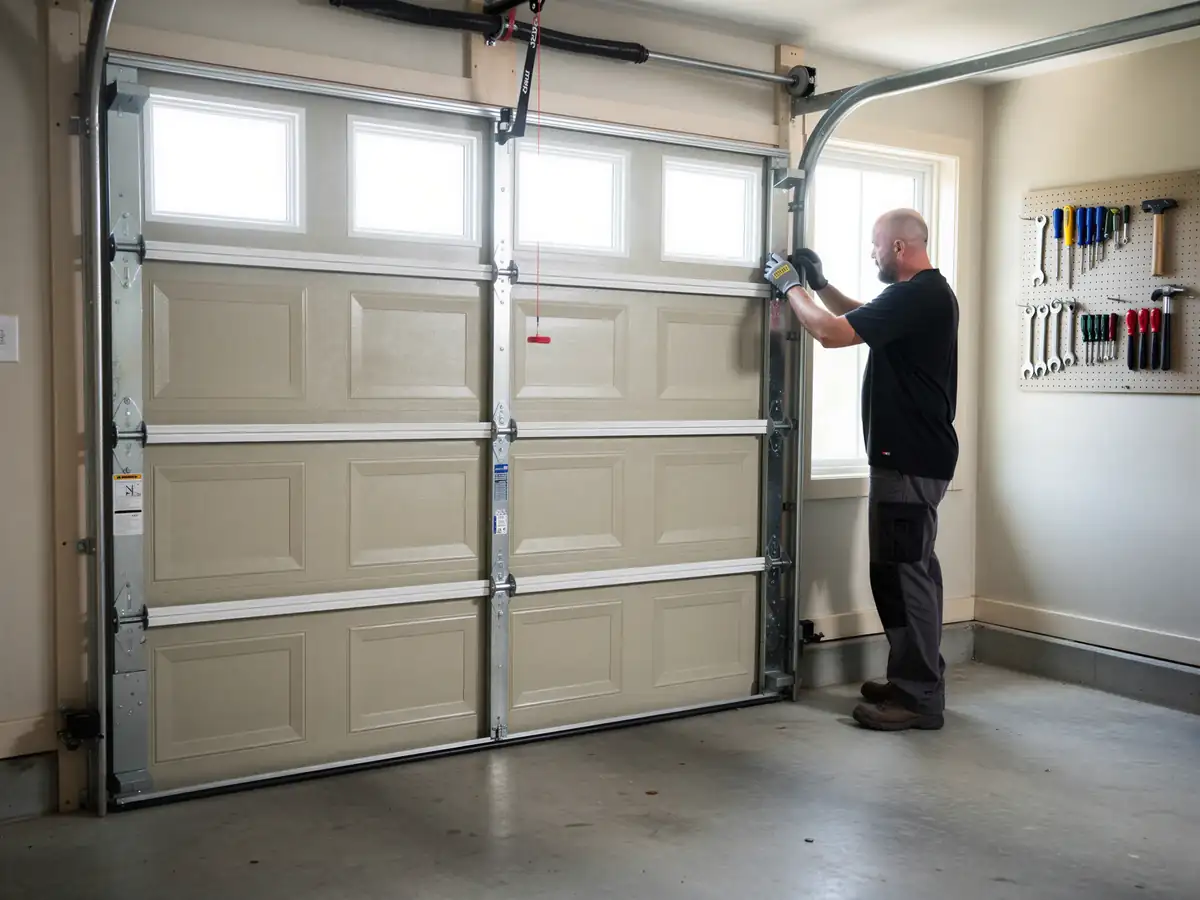
Nichols Hills homes built around the 1959 median are larger than a lot of the newer stock elsewhere in the service area, and the doors on them tend to be wider and heavier to match the houses - often a single oversized door or a wood-faced door rather than a standard steel double. A heavier door puts more load on the opener's drive gear, the trolley, and the limit switches, and diagnosing a motor that's straining versus a motor that's actually failing takes some hands-on time with a multimeter and the right torque reference, not guesswork.
If the opener runs but the door barely lifts, or it reverses halfway up, stop running it. Forcing a struggling motor against a heavy door is how you turn a $150 repair into a $600 one.
What the Repair Takes
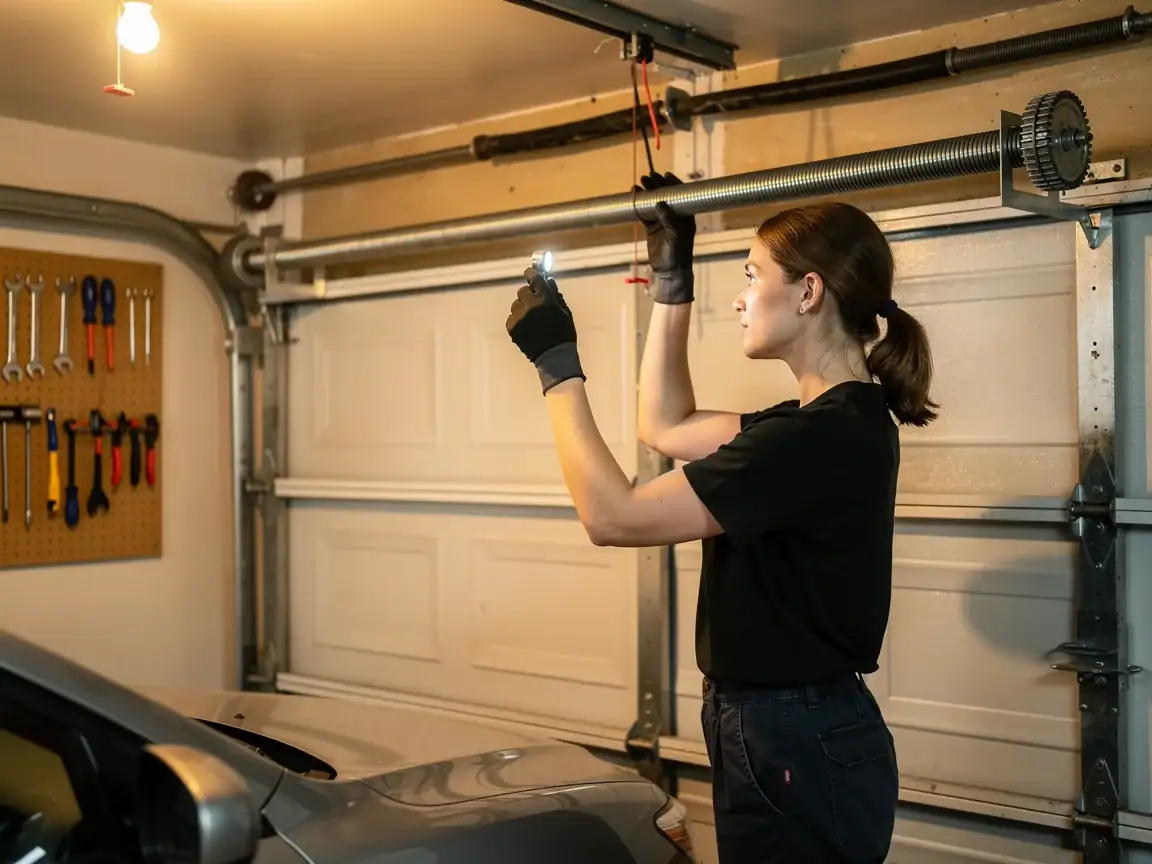
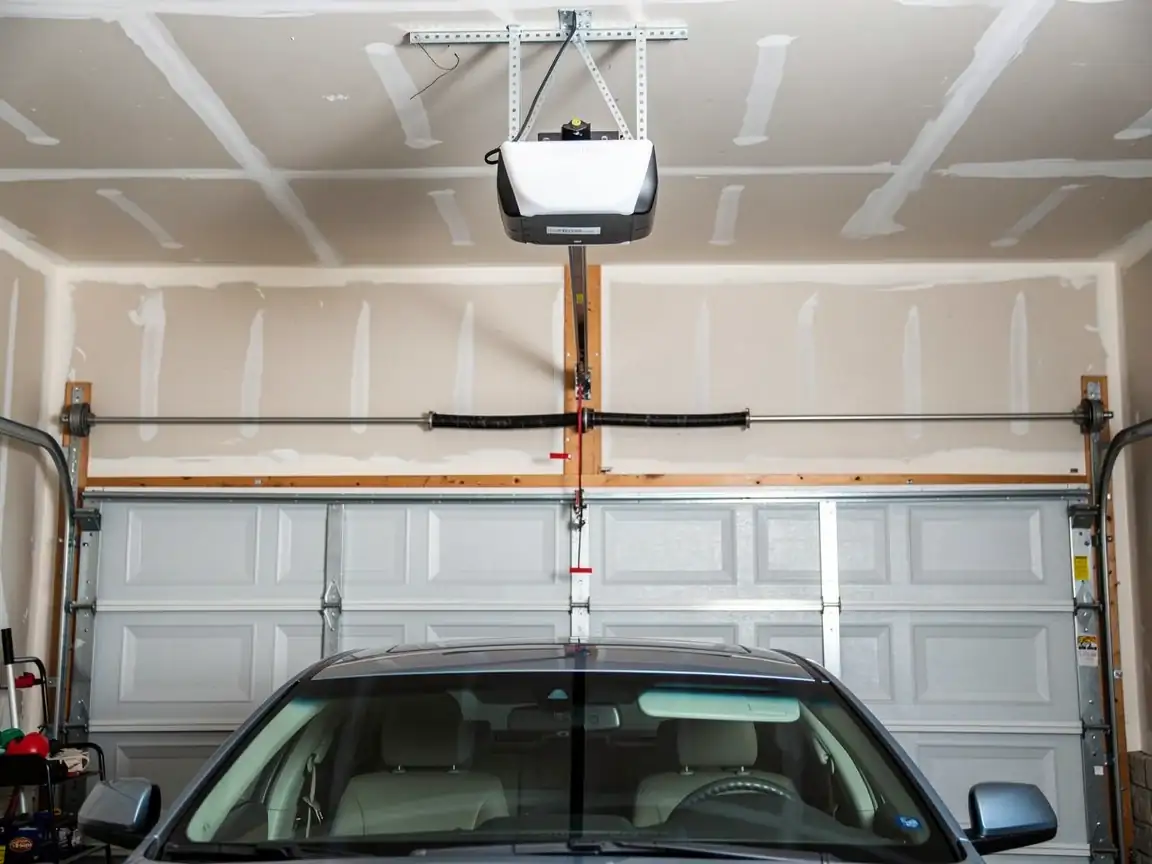
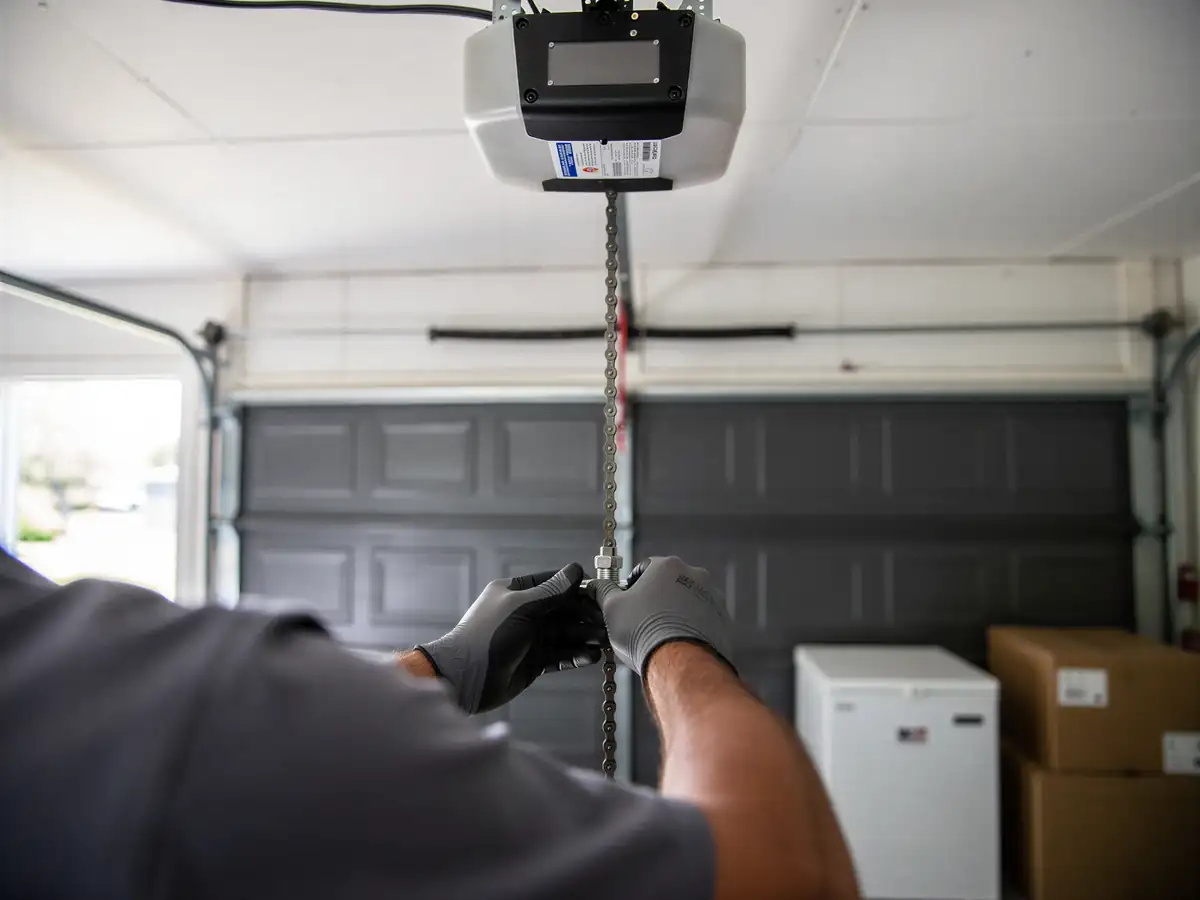
Most opener calls here split into a short list: a dead or stripped drive gear, a failed logic board, worn-out travel/limit switches, or safety sensors that have drifted out of alignment. On the older, heavier doors common in this part of town, we also see openers that were simply undersized for the door they're lifting - installed at some point after the house was built, matched to the opening rather than the actual weight of a solid wood-faced panel.
We carry common gear kits, circuit boards for the major opener brands, and sensor pairs on the truck, so a straightforward repair is usually a same-visit job. What we don't stock is every obsolete board for a 20-year-old opener that hasn't been made in over a decade - if that's the part, it may mean ordering, or it may mean the opener's at the end of its useful life and replacement is the more honest answer.
We're coming in from Moore, about 16 miles out, so we scope the job by phone first: brand, age, and what the door's doing, so we're not arriving to find out the part needs ordering anyway.
How It Shows Up
The most common complaint we hear from this area is an opener that strains audibly before the door moves
Then stalls or reverses - consistent with a drive mechanism working harder than it should against a heavier-than-standard door. Another is a door that opens fine but won't close all the way, dropping a few inches from full travel and reversing; that's usually a limit switch that's drifted, not the motor itself.
Winter brings its own version of the same complaint
In this climate band, cold mornings make opener lubricant and belt or chain tension tighten up, and a motor that was already working at the edge of its rated load in warm weather can trip its internal overload protection on a cold start. If your door only acts up on the coldest mornings, that's a strong clue the issue is load and temperature together, not a single broken part.
Less often, we get calls about openers that respond to the remote but not the wall switch
Or vice versa - that's almost always a wiring or logic board issue, not the motor.
Time on the Job
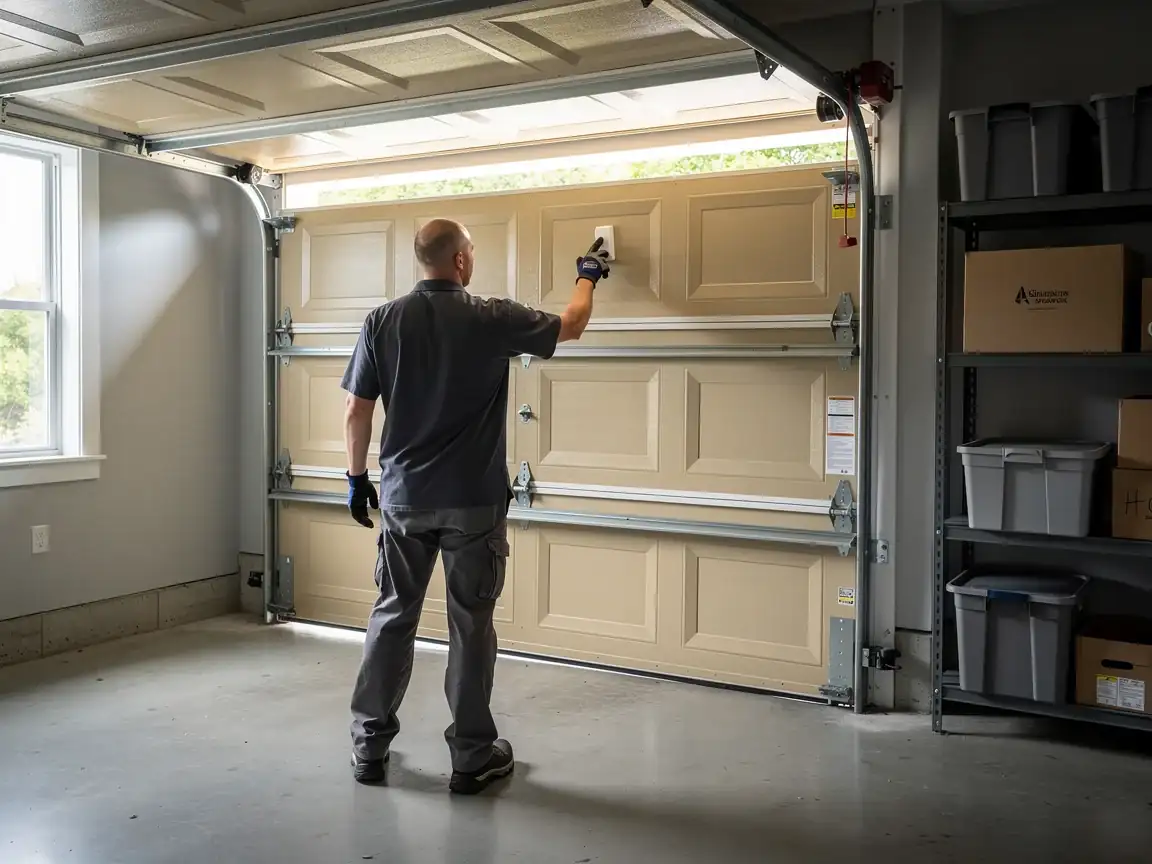
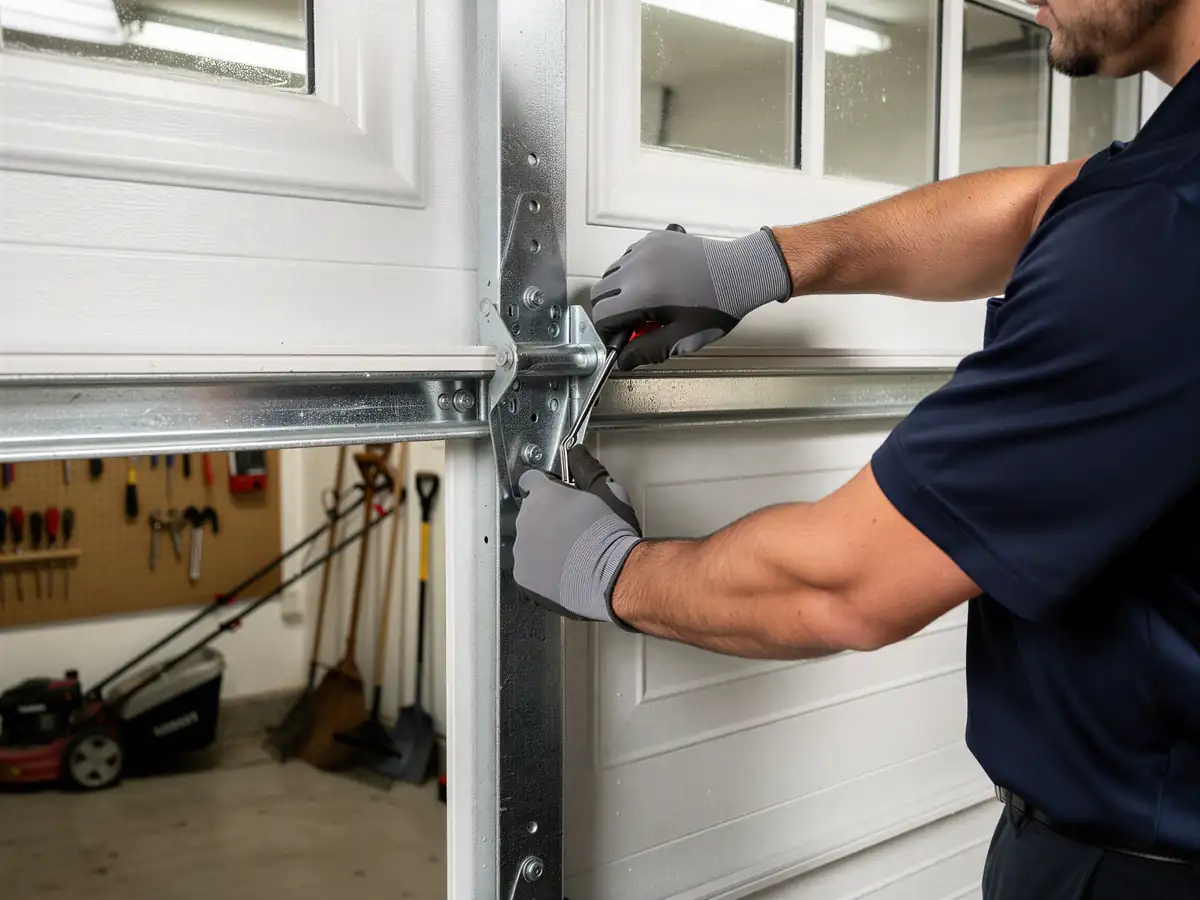
A gear, sprocket, or sensor repair on a standard setup usually runs 45 minutes to a little over an hour once we're on site. Circuit board swaps take about the same, assuming the board is one we carry. Add time if the opener is mounted for a heavier, wider door and needs a chain or belt re-tensioned to the manufacturer's spec rather than just reconnected - that's not a step we skip on a door this size, because an under-tensioned chain on a heavy panel is exactly how you get a repeat call in six months.
We don't pad the estimate, but we also won't tell you a job's done in twenty minutes if the door in question needs the drive assembly checked under load before we call it finished. On the older or oversized doors in this part of the service area, that load check matters more than it does on a standard lightweight steel door.
Why It Happens Here
The houses on this side of the service area center around a 1959 median year built, older than most of the 1980s-and-90s stock that makes up the bulk of the broader area. Openers get added, swapped, and upgraded over the decades independent of the door itself, and on a house this age it's common to find an opener that was matched to whatever door was on the house at the time of installation - not necessarily the one on it now.
With roughly 1,540 households here and a median income well above the service-area average, we also see more custom and wood-faced doors than standard steel - heavier by design, and harder on a stock residential opener rated for a lighter door. Combine that with a moderate-cold climate band that stiffens hardware on winter mornings, and the pattern we see most in Nichols Hills is an opener running at the upper edge of its rated capacity, not a cheap one failing outright.
Booking a Visit
We run this call out of Moore, about 16 miles from Nichols Hills
So we ask a few questions up front - opener brand and age, whether the door is the original or a heavier replacement, and what exactly it's doing - before we schedule the visit. That lets us bring the right parts the first time instead of guessing.
- 16 miles
If you're not sure whether it's the opener or the door itself causing the trouble
Our Nichols Hills garage door repair page covers door-side issues like spring and track problems. For a broader look at opener repair across the rest of the service area, see garage door opener repair in Moore.