Can You Do This Yourself
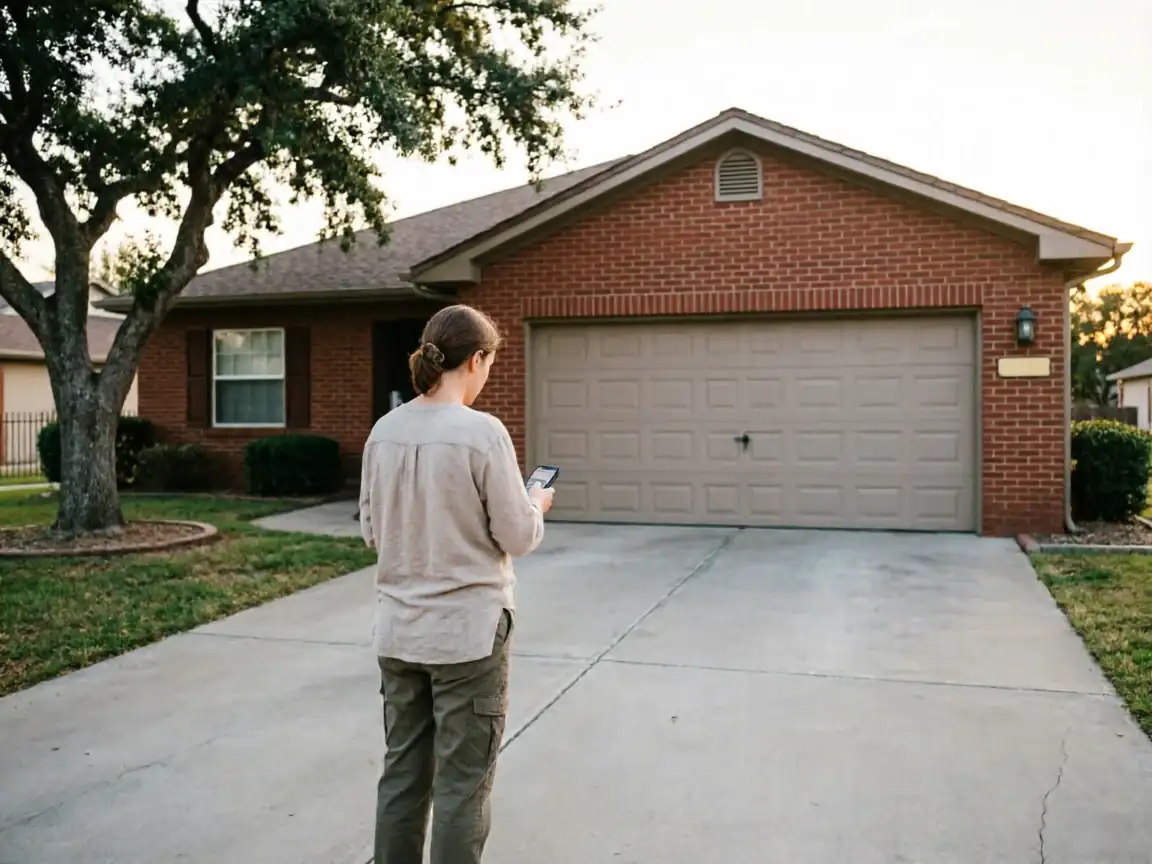
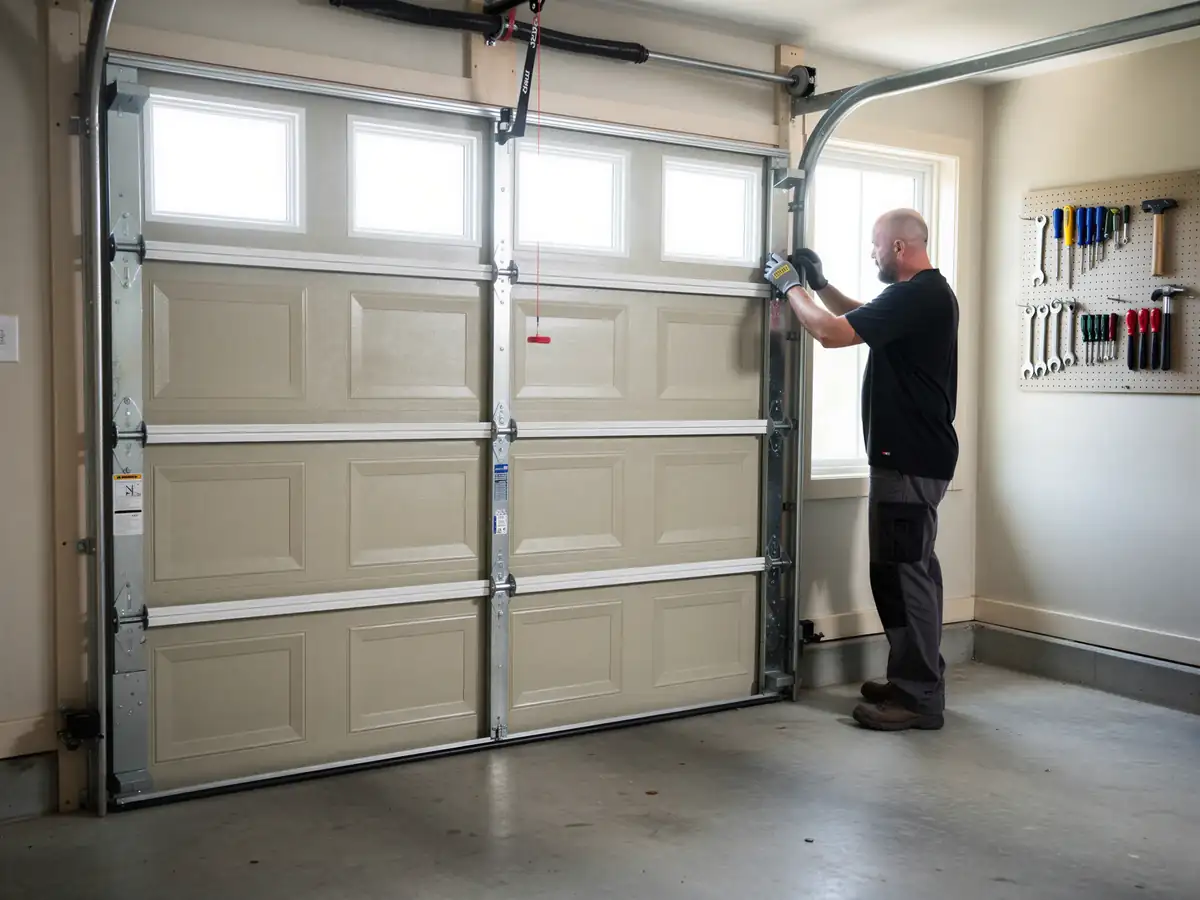
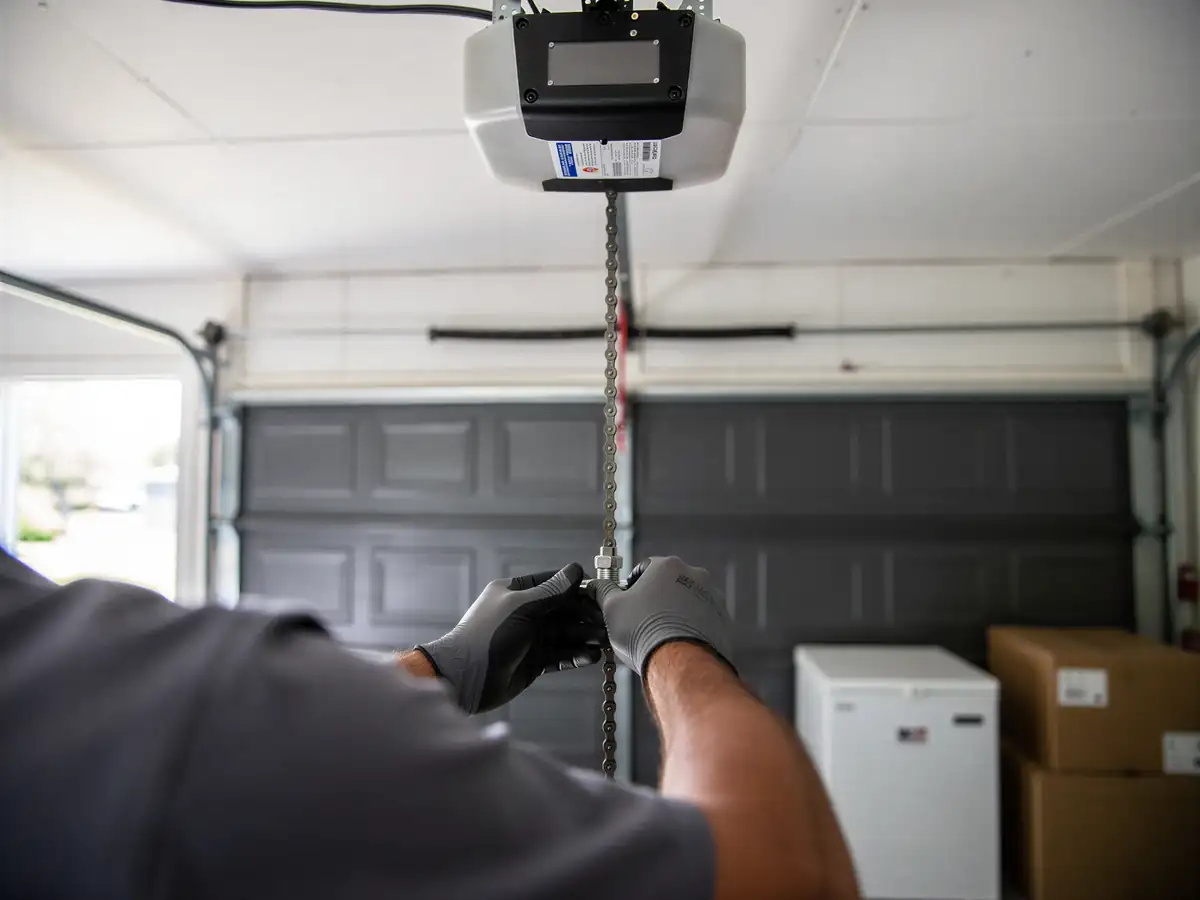
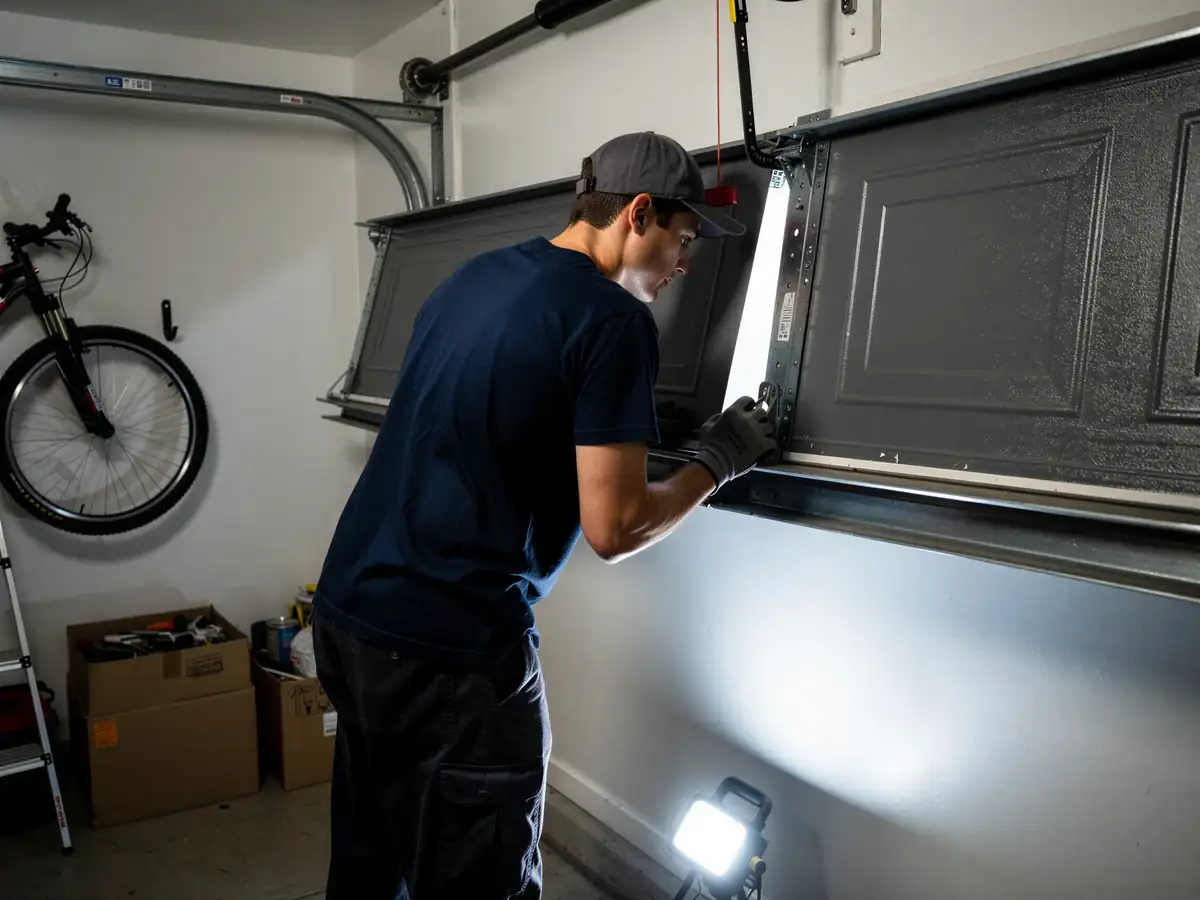
Nichols Hills is a small place, somewhere around 1,540 households, which means we're not out here every day the way we are in bigger parts of the service area. That's worth knowing because it shapes what we tell people over the phone. Lubricating rollers, tightening loose hinge bolts, clearing the photo-eye sensors of dust - those are fine to handle yourself on any door, any age. What changes here is the hardware underneath. A lot of these houses went up around 1959, which is two decades older than the 1980 median for the rest of the Moore service area, and older torsion setups often run heavier springs wound to the original door weight, not a replacement panel's lighter spec. We don't recommend touching a wound torsion spring yourself regardless of the house's age - that's true everywhere - but on a door this old, the spring, the winding cones, even the shaft diameter may not match what's sold off the shelf today, and guessing wrong under tension is how people get hurt. If you're unsure whether something is a five-minute fix or a call, tell us the approximate age of the house and we can usually tell you before a truck ever leaves Moore.
What the Repair Takes
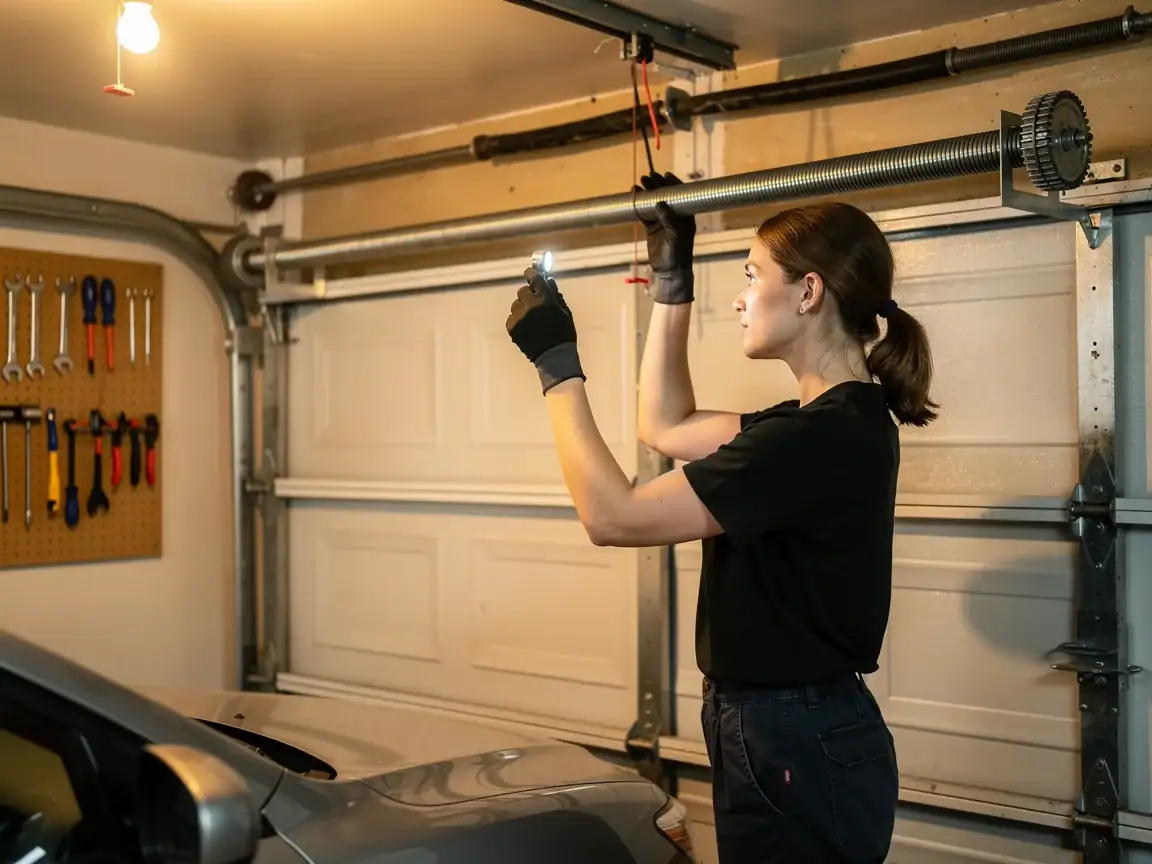
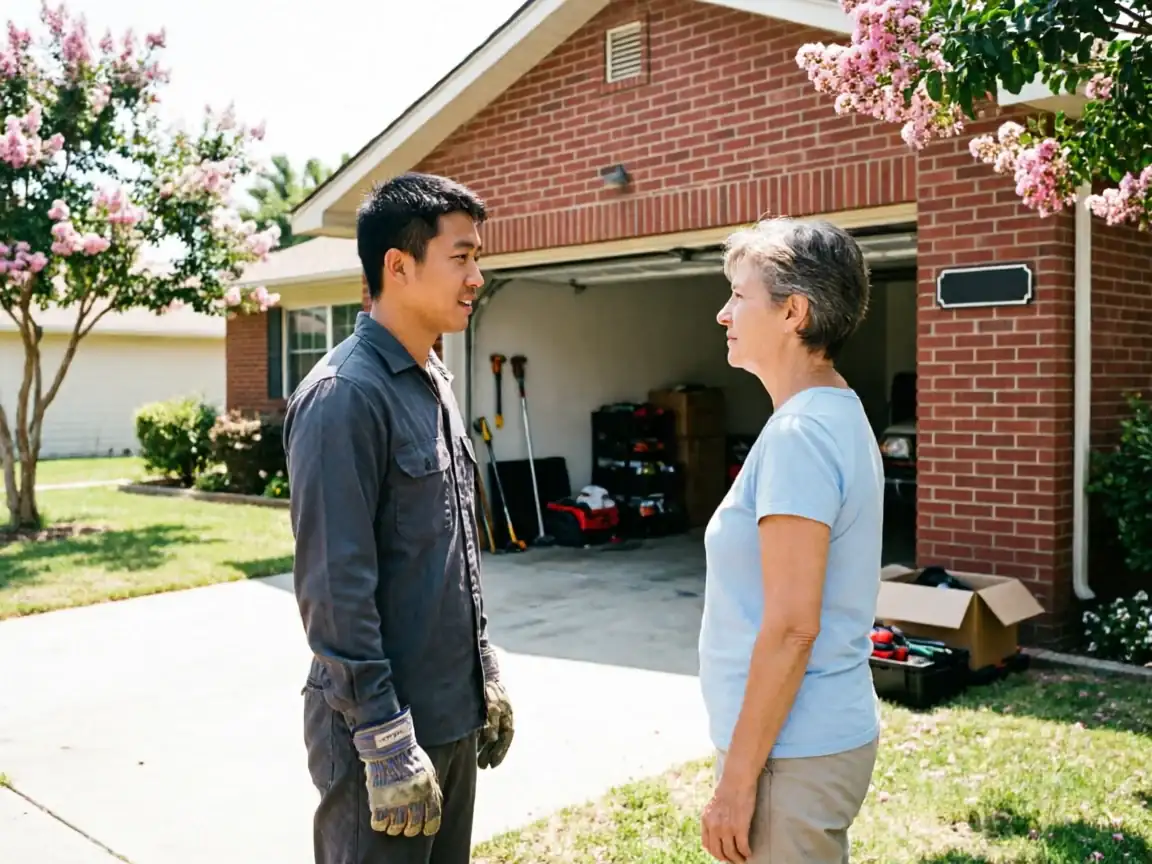
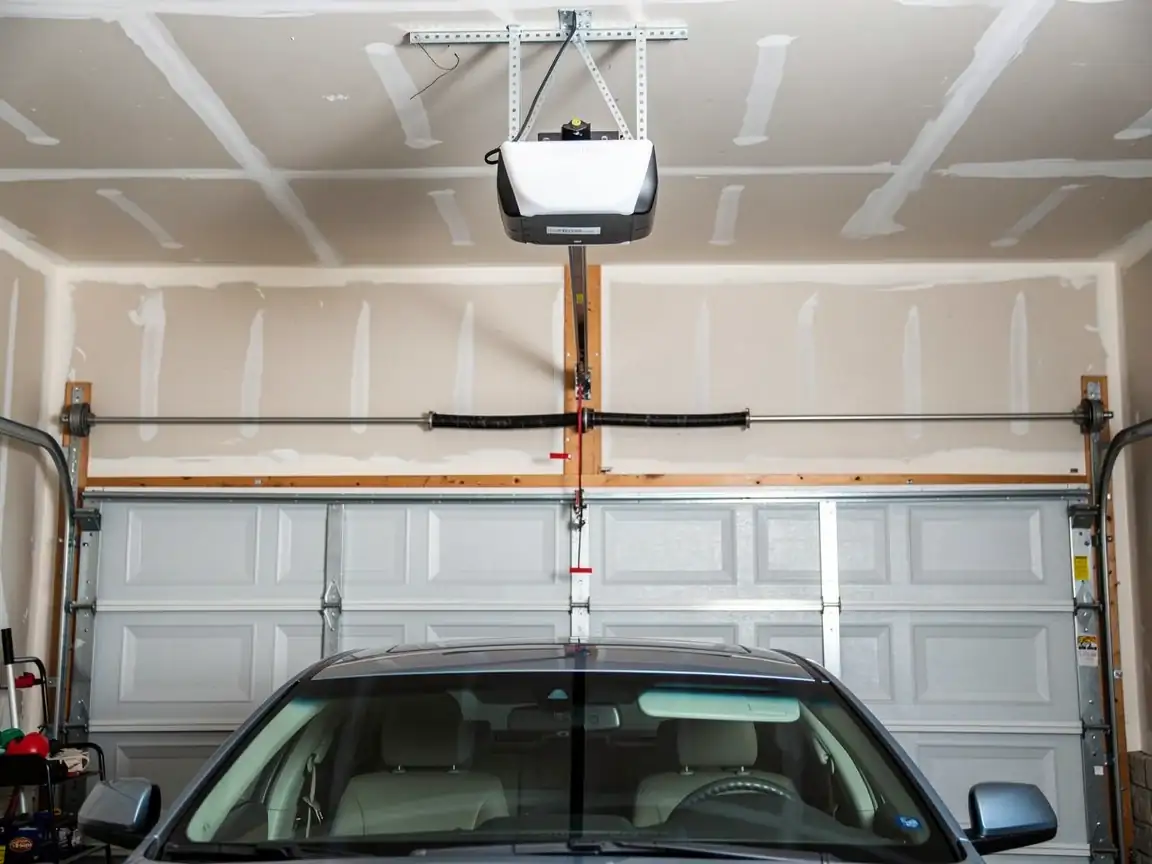
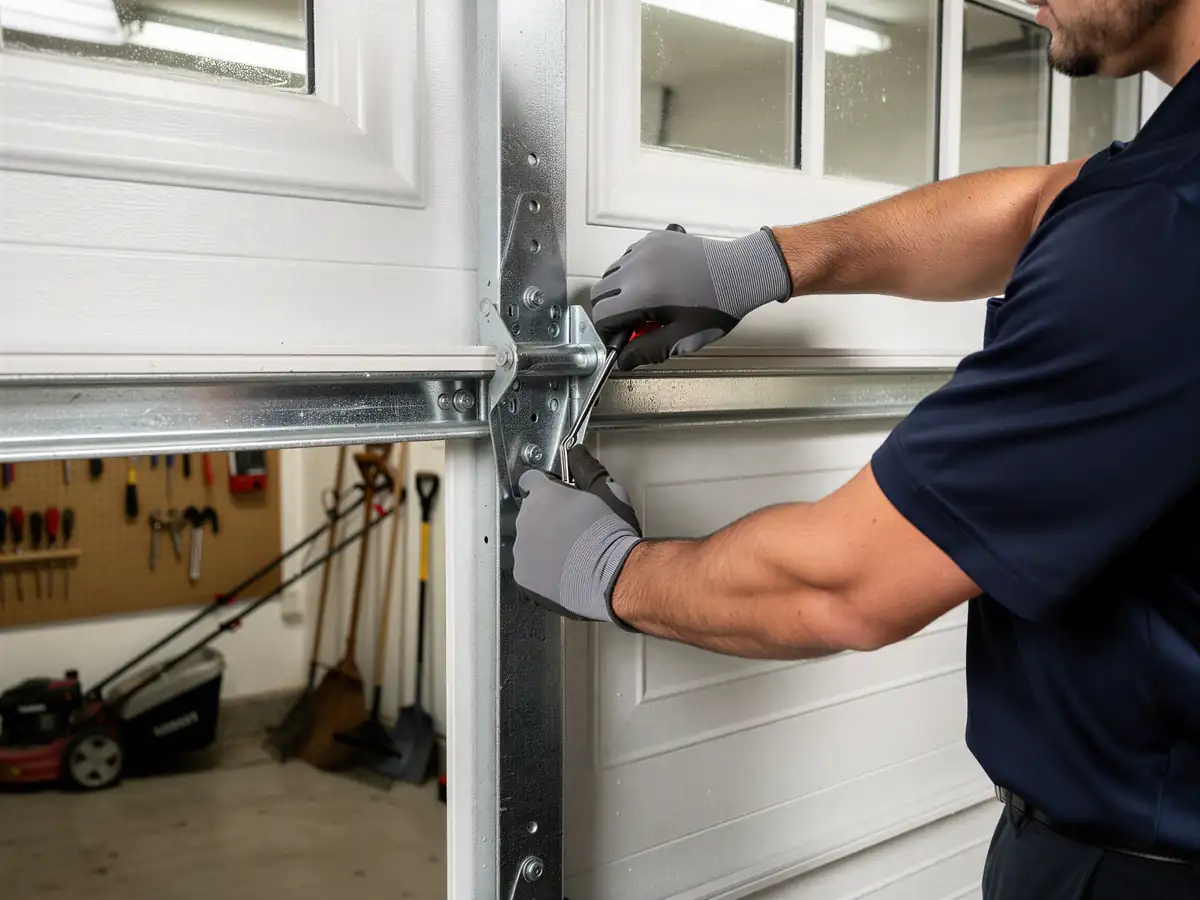
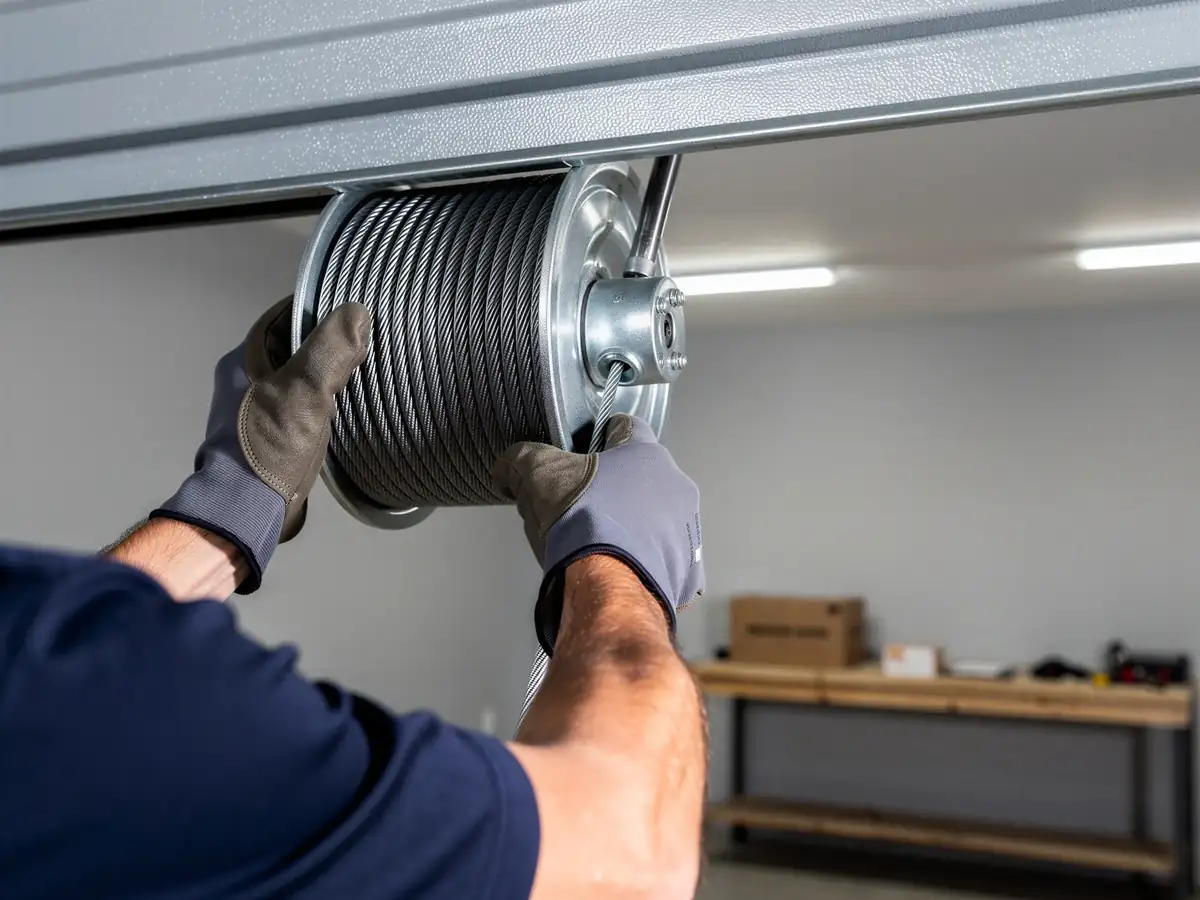
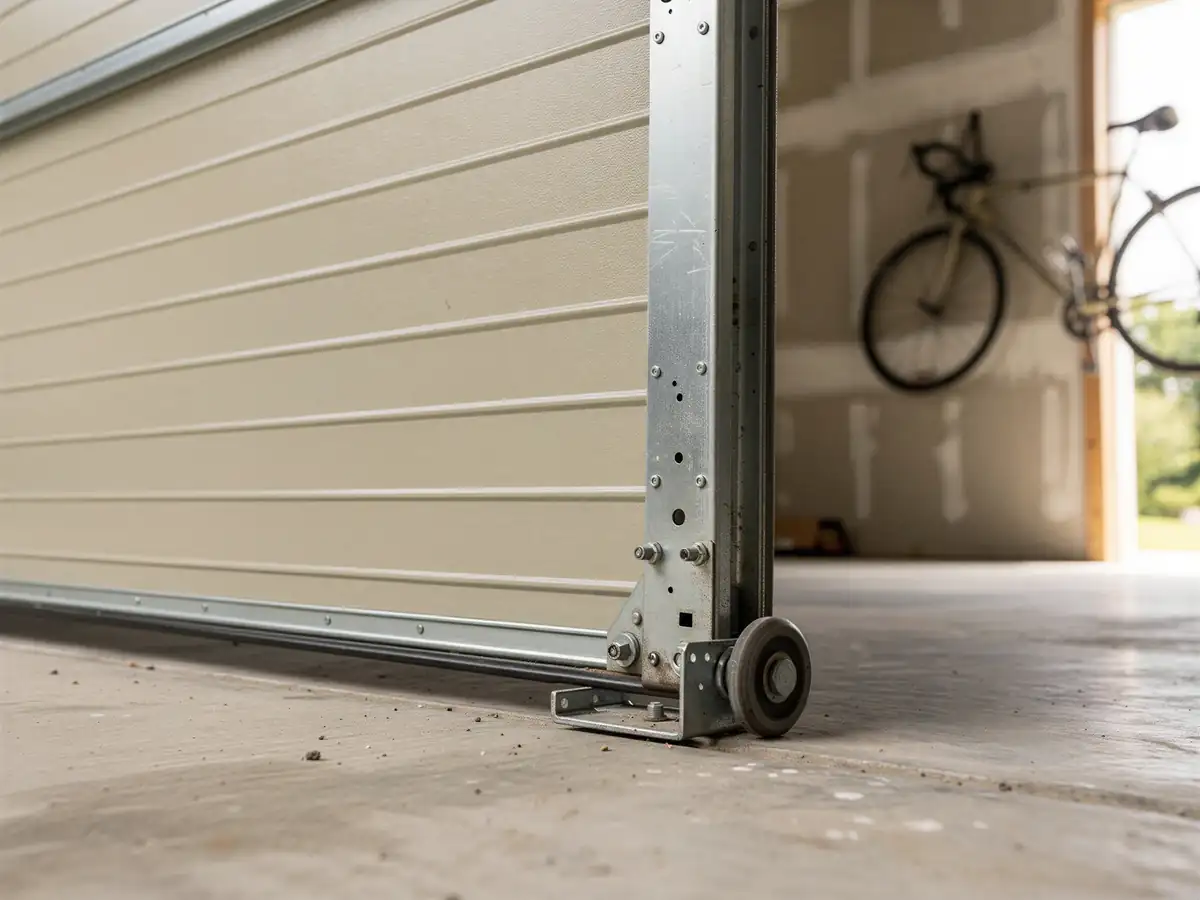
On a door dating to 1959, the repair kit isn't always the one on the truck shelf. Original torsion springs were often wound for heavier wood-core panels, and some of these houses still have the first door they were built with, just serviced piecemeal over the years. That means a spring swap can mean measuring wire diameter and wind length against what's actually installed rather than pulling a standard size. Tracks on houses this old sometimes sit on brackets that predate the lag-screw spacing used today, so a track repair can turn into a bracket repair once we're up the ladder and looking at it. None of this is unusual work - it's standard torsion and track repair - but it takes an extra few minutes of measuring before we quote the job, and we'd rather do that than install a spring that's wound wrong for the door. We carry a range of common spring sizes on the truck; anything genuinely obsolete may need a day or two to source, and we'll say so up front rather than promise same-visit on a part we don't have.
Time on the Job
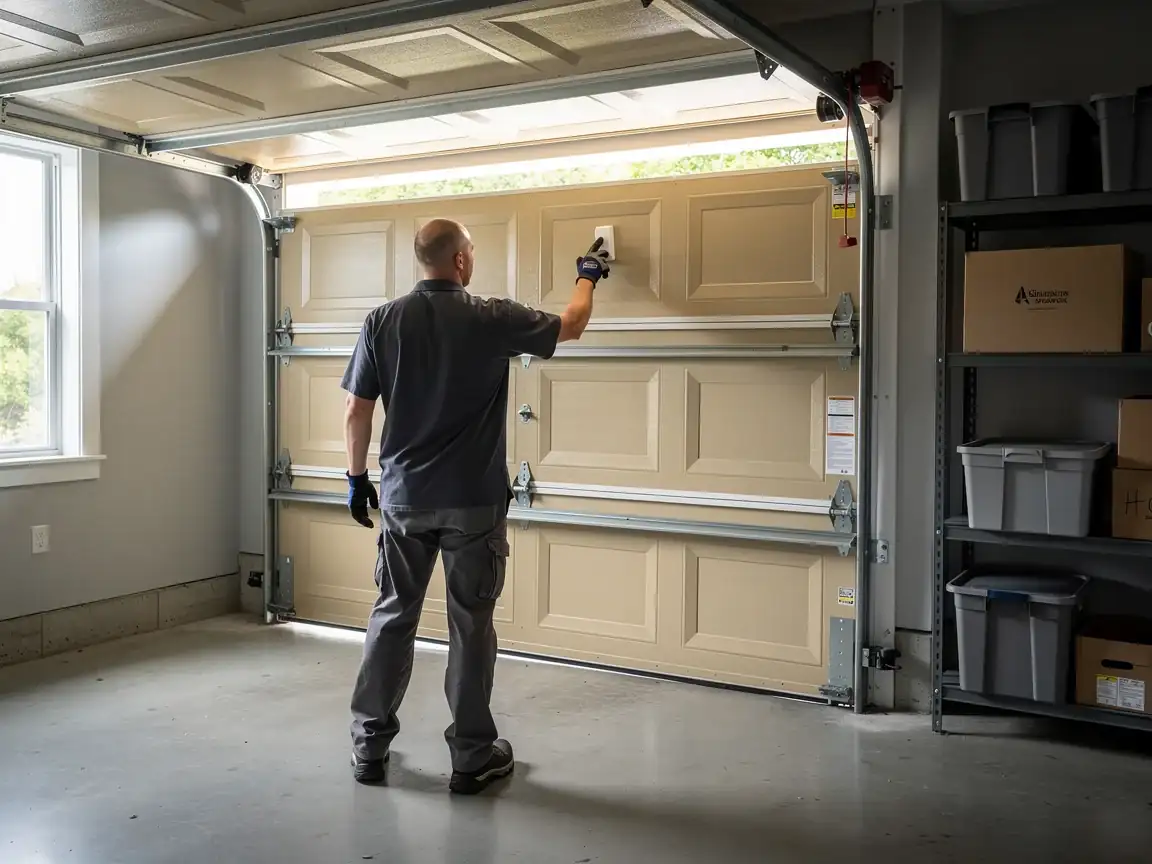
How long a visit runs depends more on what's behind the panel than on the drive. A straightforward torsion spring swap on a door with standard hardware is quick, routine work. A door from 1959 with original brackets or a nonstandard shaft can add time, because we're measuring and sometimes adapting parts rather than bolting in an off-the-shelf kit. We'd rather take the extra time on site than rush a torsion job - that spring holds the full weight of the door under tension, and there's no shortcut worth taking there. If a part isn't something we carry on the truck, we'll tell you that at the quote stage, not after we've already started, so you know whether you're looking at one visit or two.
Why It Happens Here
The service area overall sits in a cold-moderate climate band, which already puts steel springs through a yearly cycle of contraction and expansion that fatigues them over time. Nichols Hills adds another layer to that: a median build year around 1959 means the torsion hardware in a lot of these garages has been through forty or fifty more winters of that cycle than hardware installed under the service area's broader 1980 median. Metal fatigues the same way regardless of the house around it, but older springs that have never been replaced are simply closer to the end of their wind count. With median household income here running well above the service area average, near $203,750, we also see more owners choosing a full hardware upgrade - springs, cables, sometimes the opener - rather than patching one failed part at a time, since the cost difference matters less here than the hassle of a second failure next winter.