Can You Do This Yourself
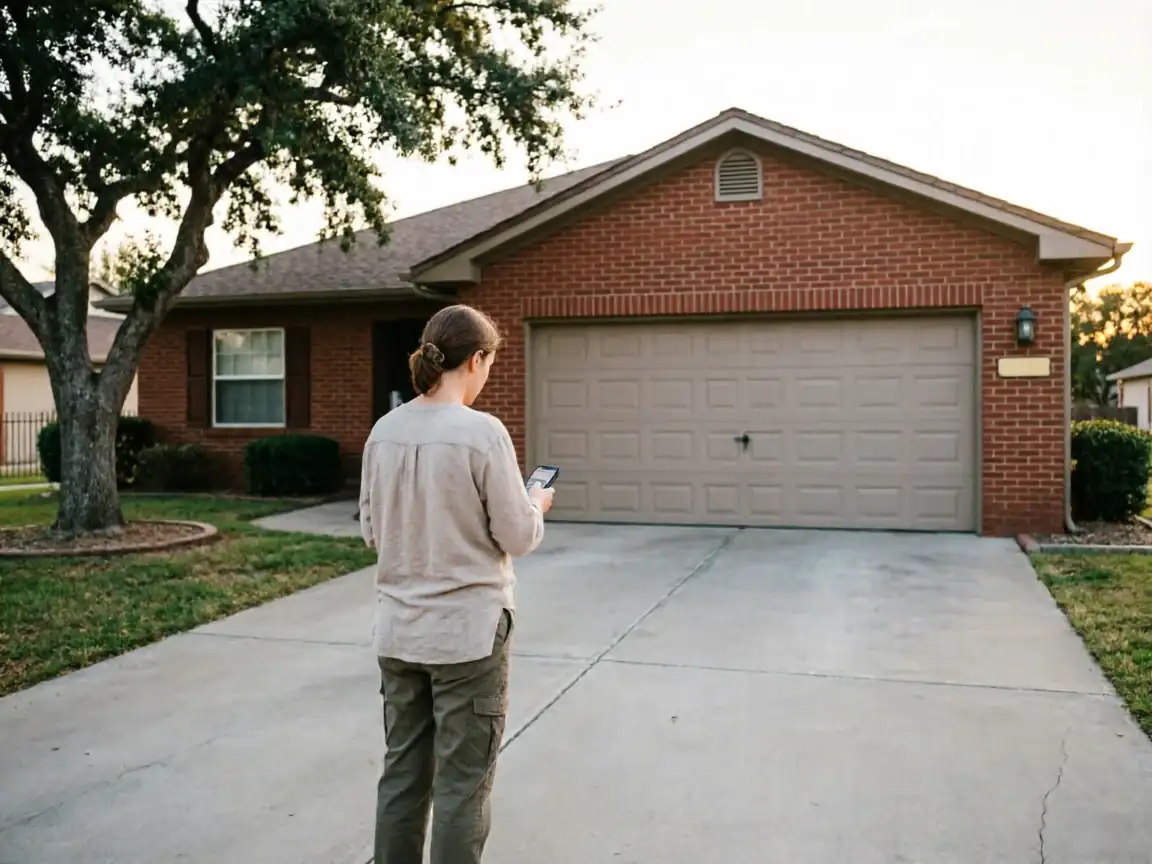
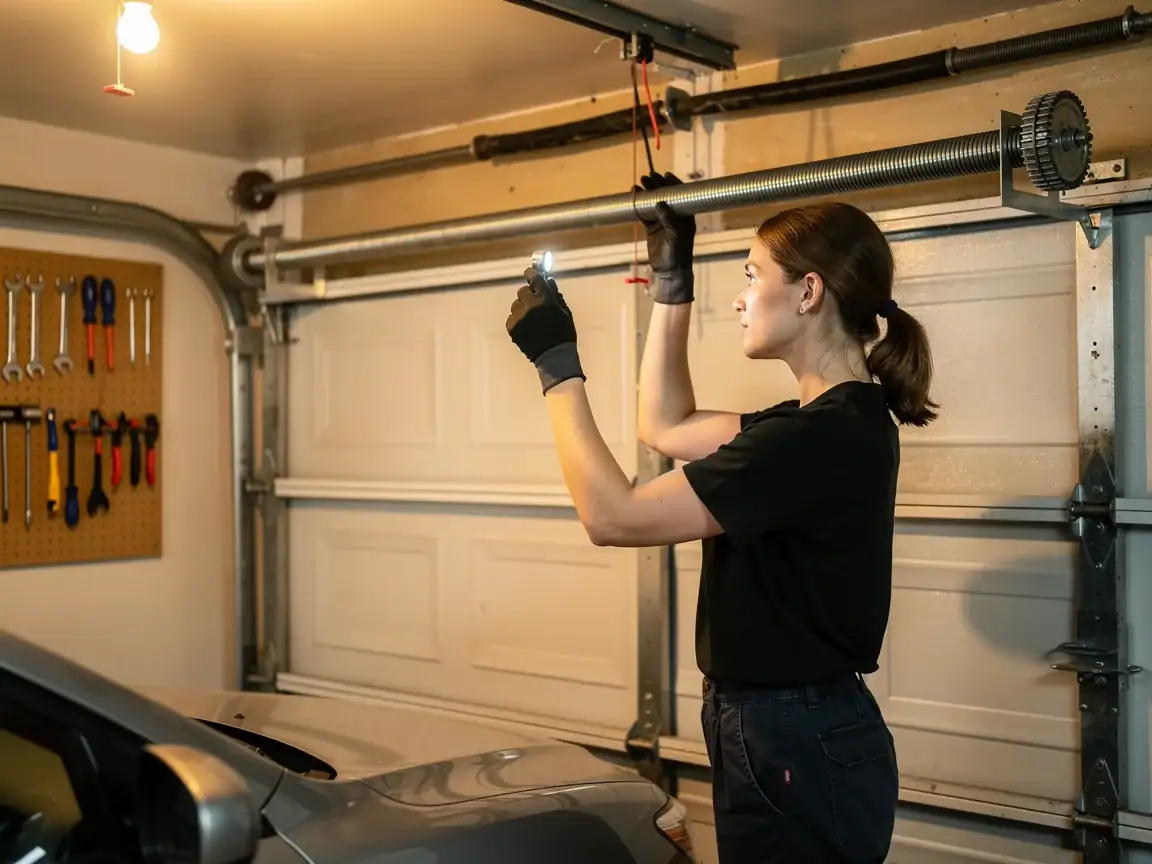
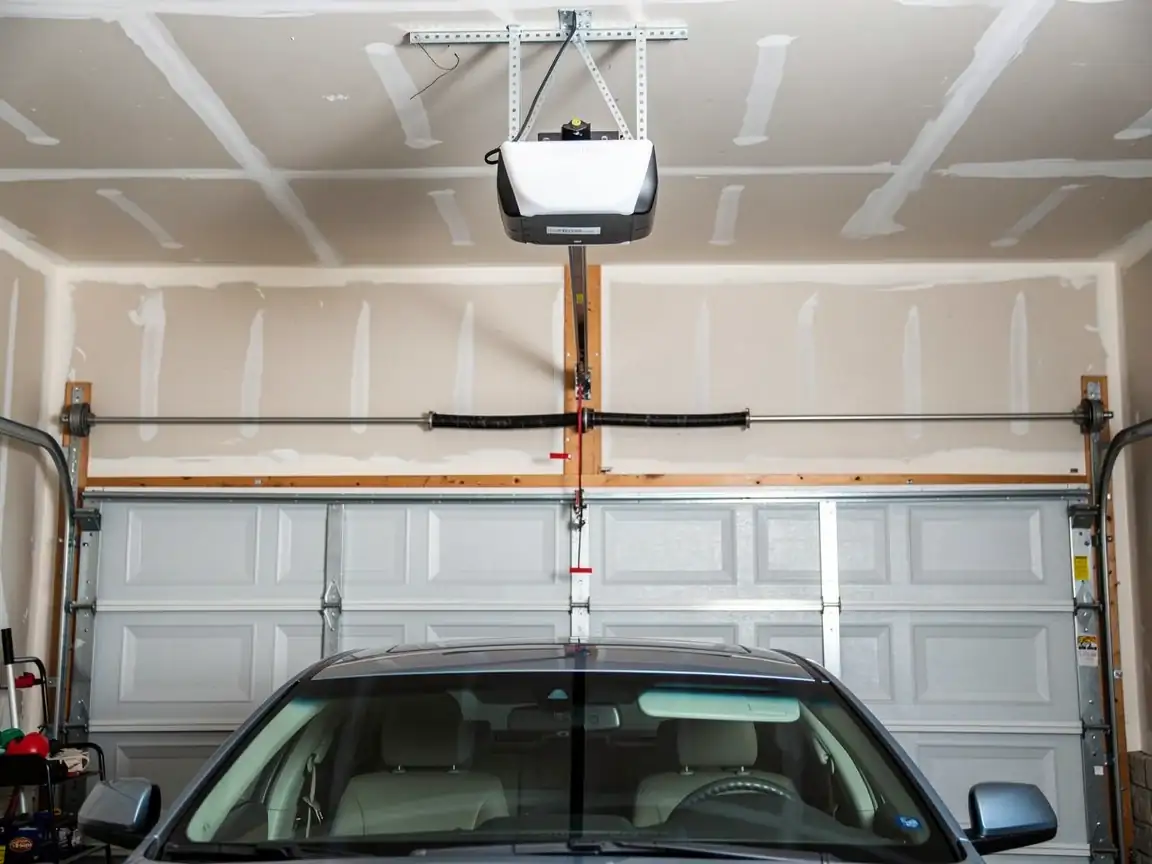
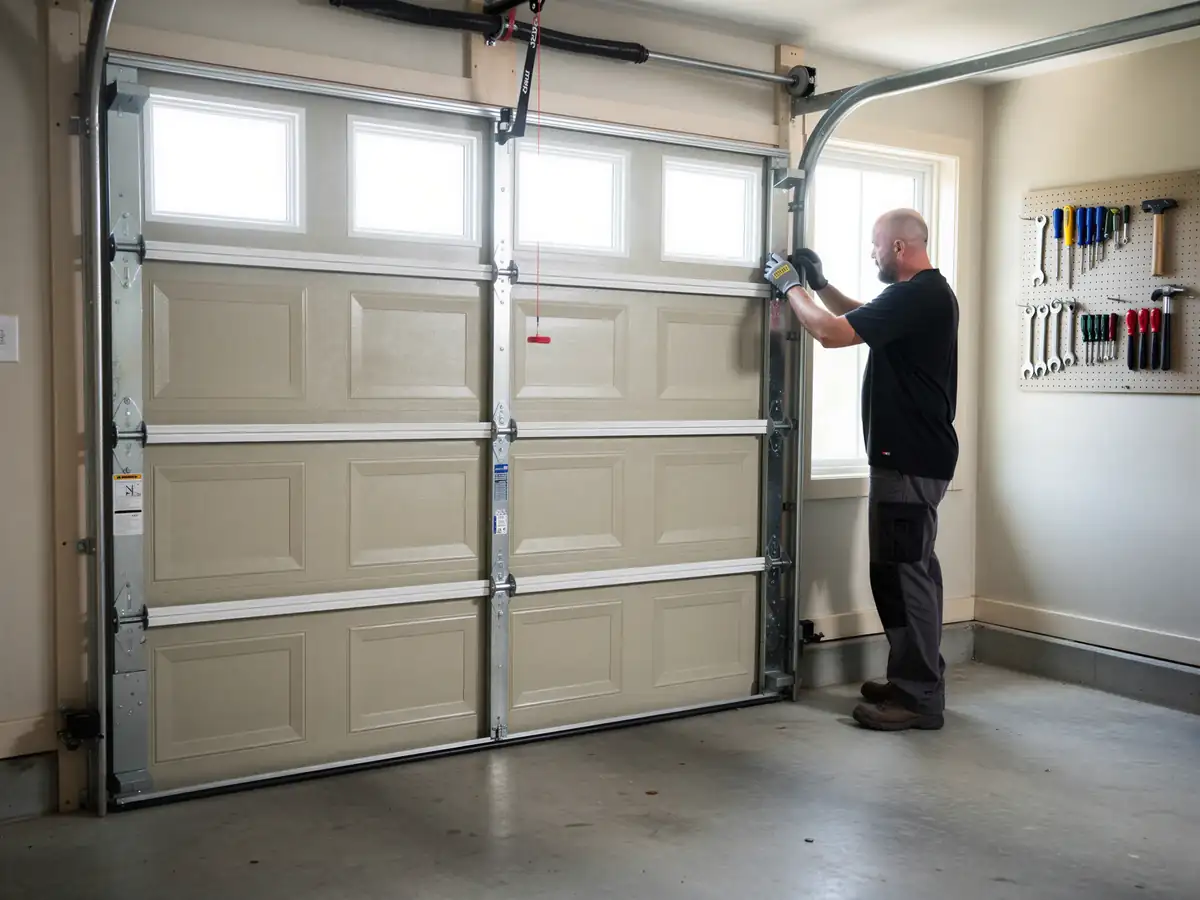
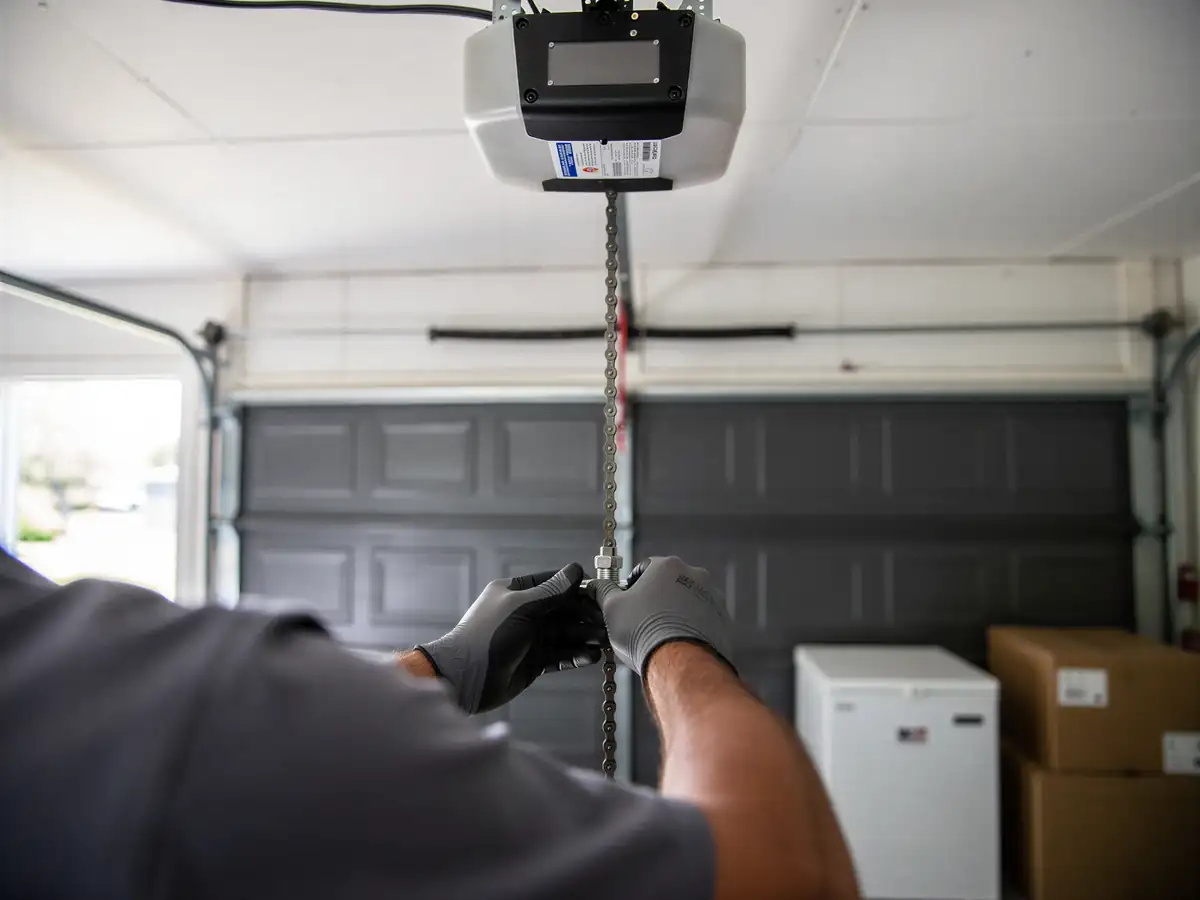
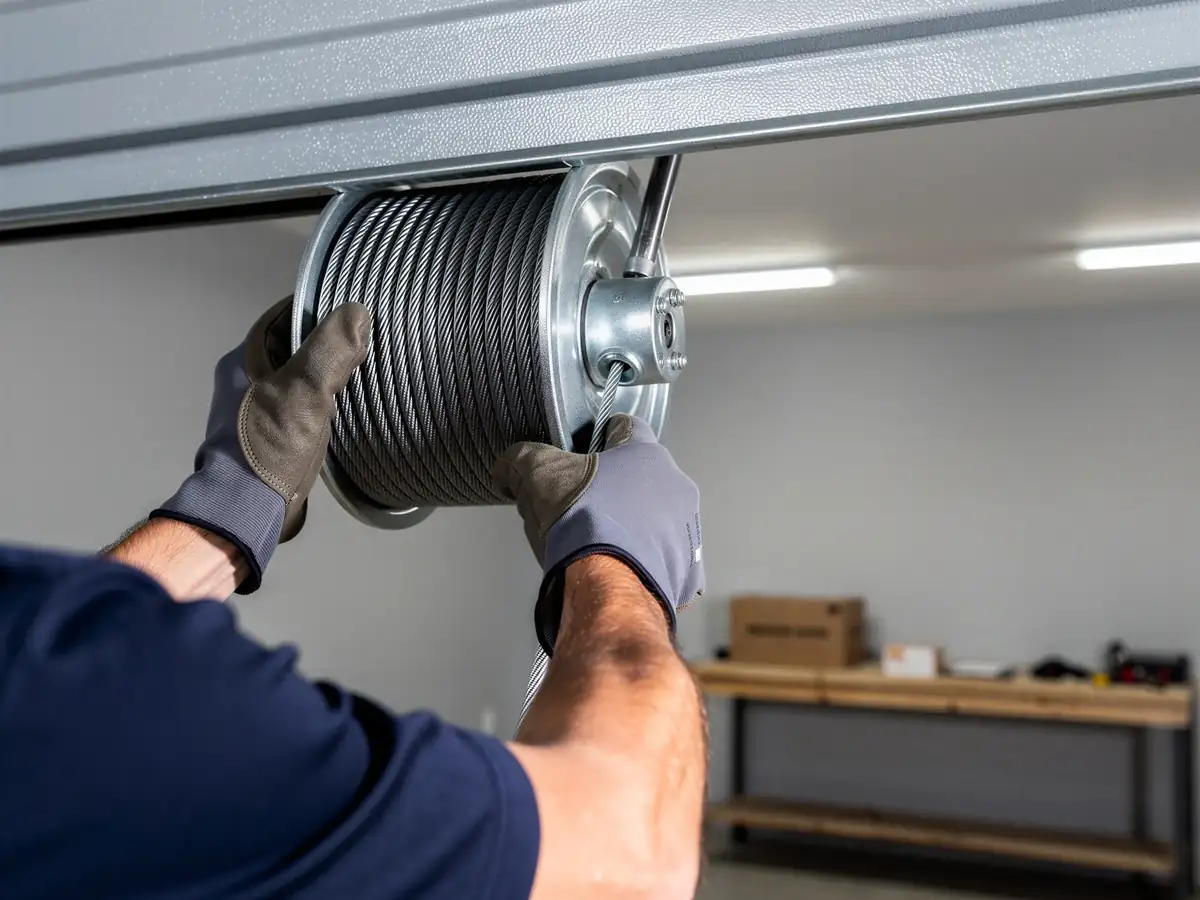
Nichols Hills sits sixteen miles from our shop in Moore, and that drive shapes how we answer this question honestly. If your door is making noise, binding on one side, or the opener just hums without moving the door, you can often tell us what's wrong over the phone before we ever load the truck - a clear description saves a wasted trip both ways. What you shouldn't touch: torsion springs. On a house built around 1959, which is typical for this area, that spring and its hardware have likely been wound and re-wound for over sixty years, and the stored tension in an old spring is not forgiving. Cable work on the drums is the same story. Swapping a remote battery, tightening a loose track bracket you can see, or clearing a sensor eye of dust - fine. Anything involving the spring, the drum, or the cable under tension, leave it. A misjudged call on that hardware doesn't just cost a repair, it can cost a hand.
What the Repair Takes
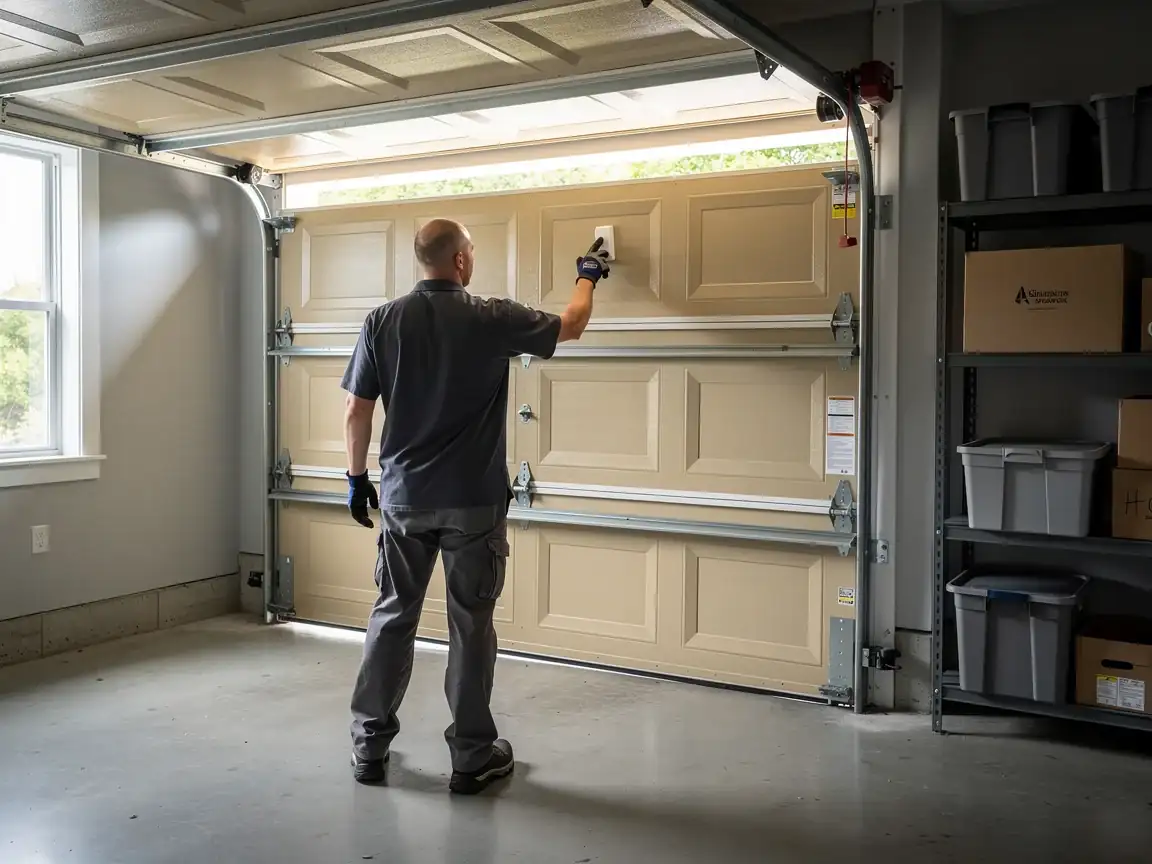
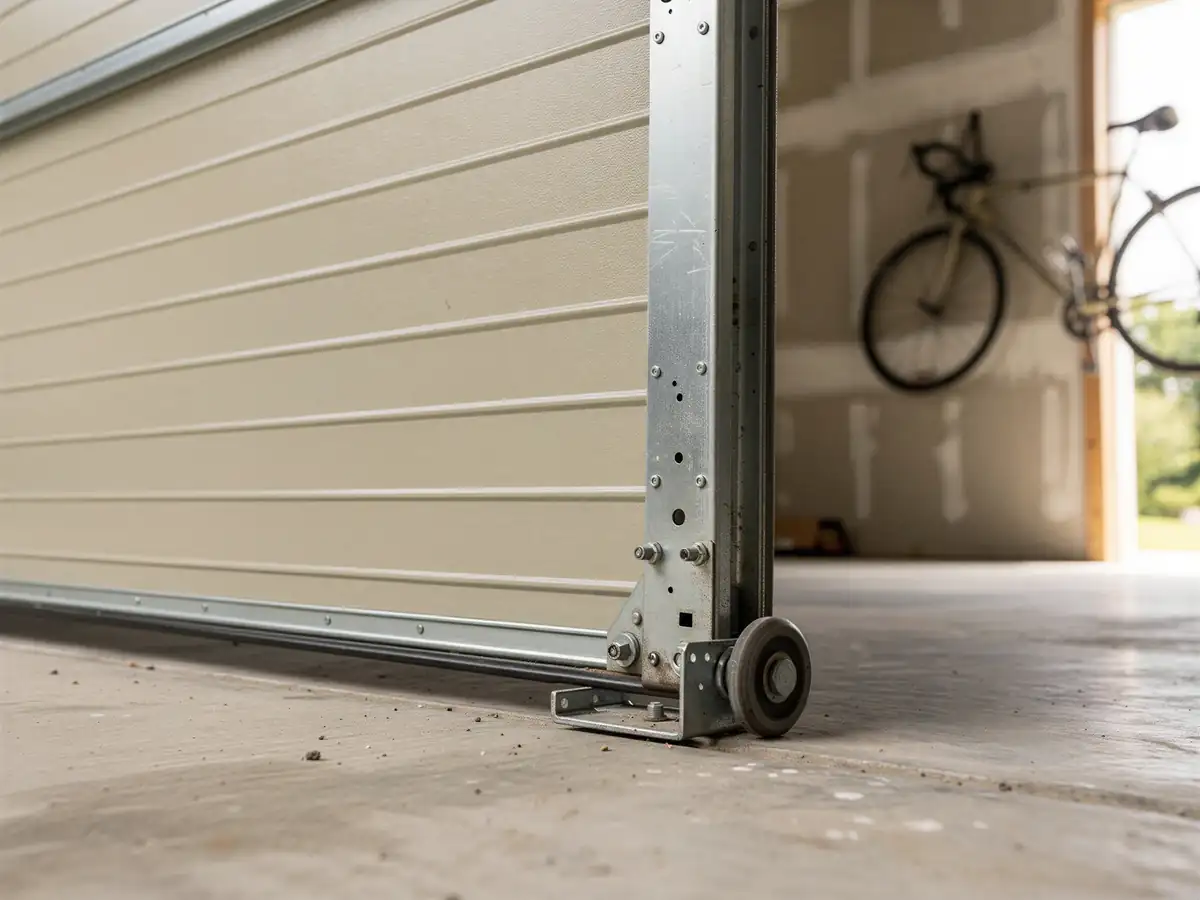
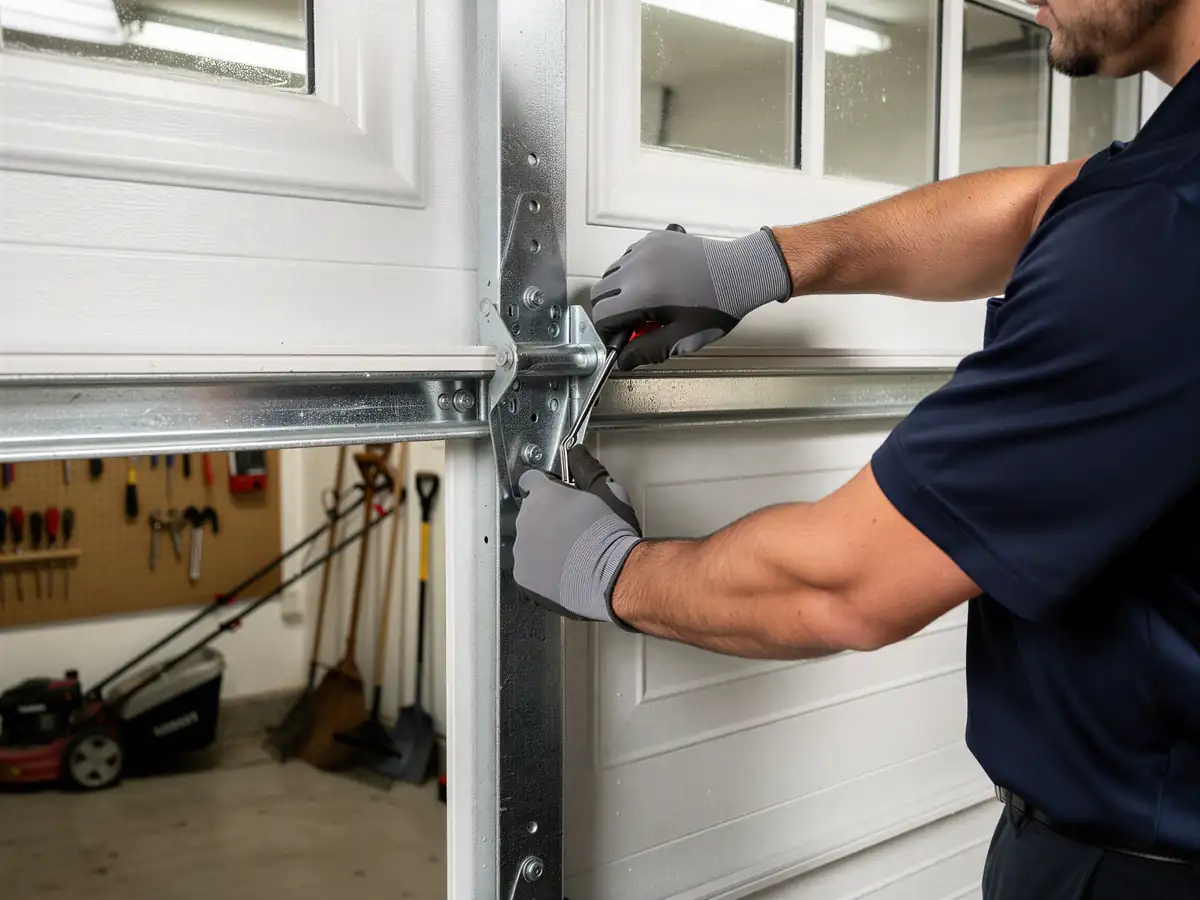
Because we're driving in from Moore rather than running a local branch, we try to get the full picture before we're on your driveway: door brand if you know it, whether it's one piece or sectional, and roughly how old the house is. Nichols Hills homes built near 1959 often still carry their original one-piece doors or early sectional units on side-mounted hardware, which is a different parts world than the extension and torsion setups common on houses built after 1980 across the rest of the area. That matters for what's on the truck. A broken spring on a 1959-era door sometimes means a specialty size that isn't a same-day stock item everywhere, and we'd rather tell you that up front than discover it with your door half-disassembled. On newer sectional doors the parts are more standard. Either way, the job itself - spring swap, cable replacement, track realignment, opener repair - runs the same whether the house is sixty years old or six: we diagnose, confirm the part, and do the work in one visit when the part's on the truck.
Time on the Job
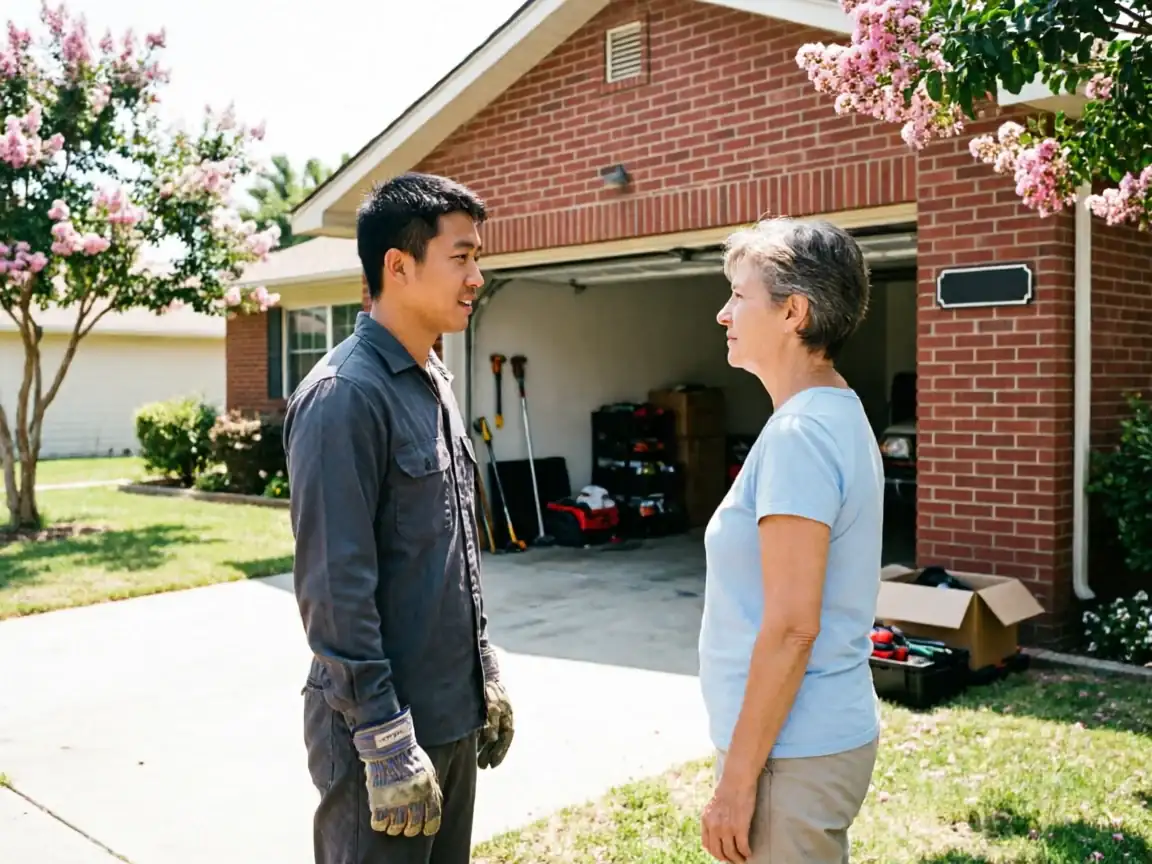
Most spring and cable repairs run under two hours once we're set up, assuming the part is a standard size we're carrying. Opener repairs and track adjustments are usually quicker - often under an hour. Where it runs longer is when a part isn't standard: an older door built to 1959-era dimensions, or a custom insulated or wood door, which this area has more of given the income level here supports upgraded materials, can mean we diagnose on the first visit and come back once the part's in hand. We won't pretend to give you a response-time promise for Nichols Hills specifically - we travel from Moore, and scheduling depends on what else is on the board that day. What we can tell you is that once we're on site, the repair itself isn't slower because the house is older; it's the sourcing, not the wrenching, that occasionally adds a day.
Why It Happens Here
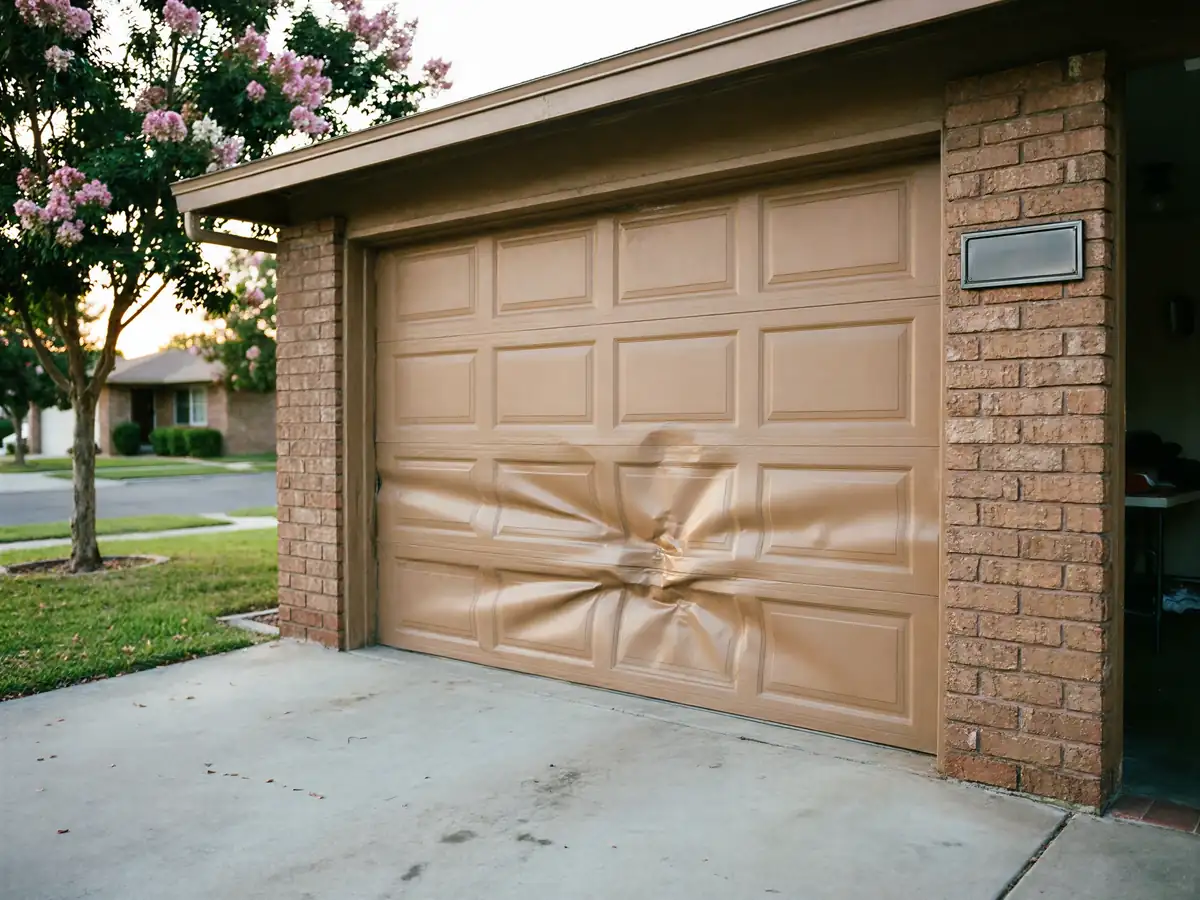
Nichols Hills homes cluster around a median build year of 1959, which is two decades older than the 1980 median for the broader service area we cover out of Moore. That gap is the whole story. A door and opener installed in the late 1950s or 1960s has been through roughly six decades of Oklahoma winters - the cold moderate climate band this region sits in means real freeze-thaw cycling on metal hardware, not a mild coastal winter. Springs lose tension gradually under that kind of cycling, rollers wear oval instead of round, and track brackets that were fine for fifty years start working loose. At a median household income near $203,750, a lot of these original doors were higher-end wood or insulated steel to begin with, which holds up well structurally but still runs on mechanical hardware that ages the same as anything else. With only about 1,540 households in Nichols Hills itself, it's a small, consistent pocket of this older housing stock rather than a mixed-era neighborhood.