Can You Do This Yourself
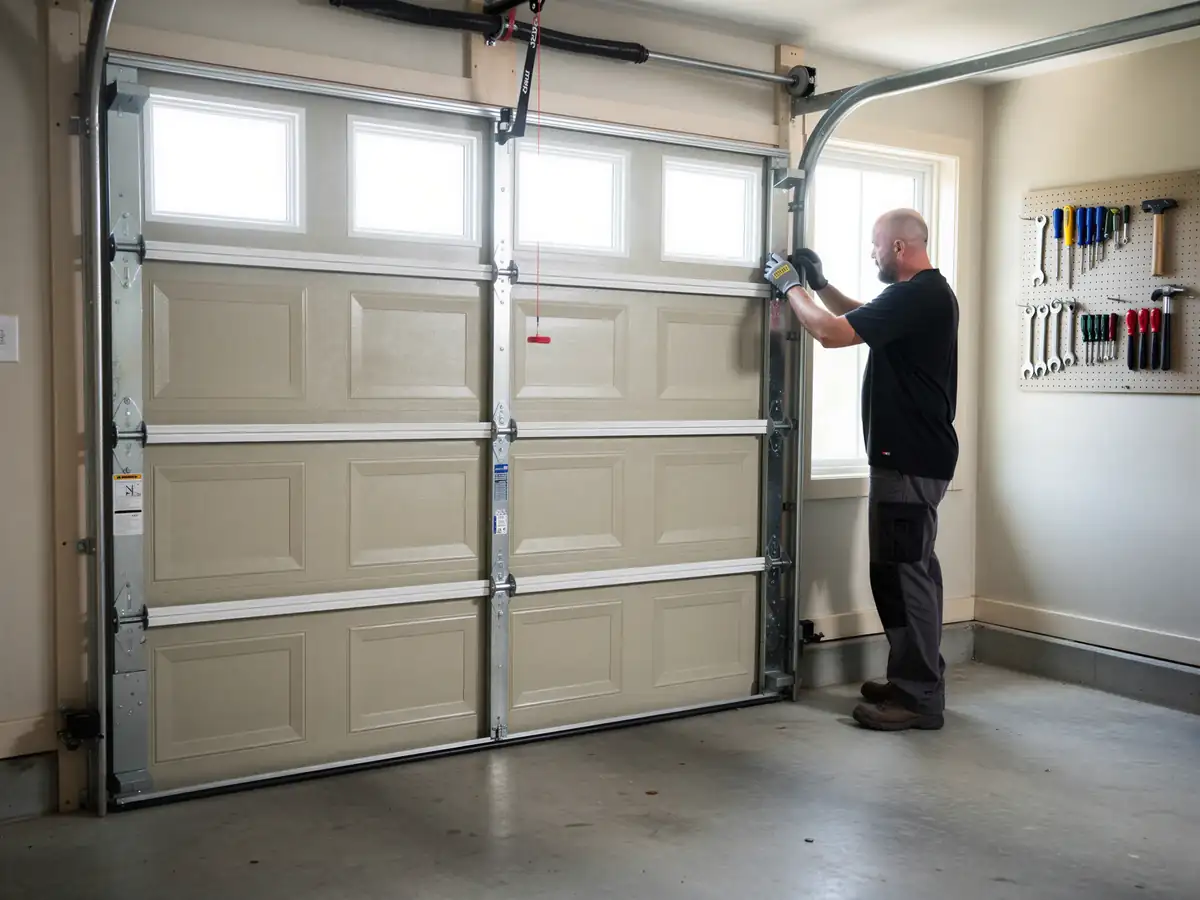
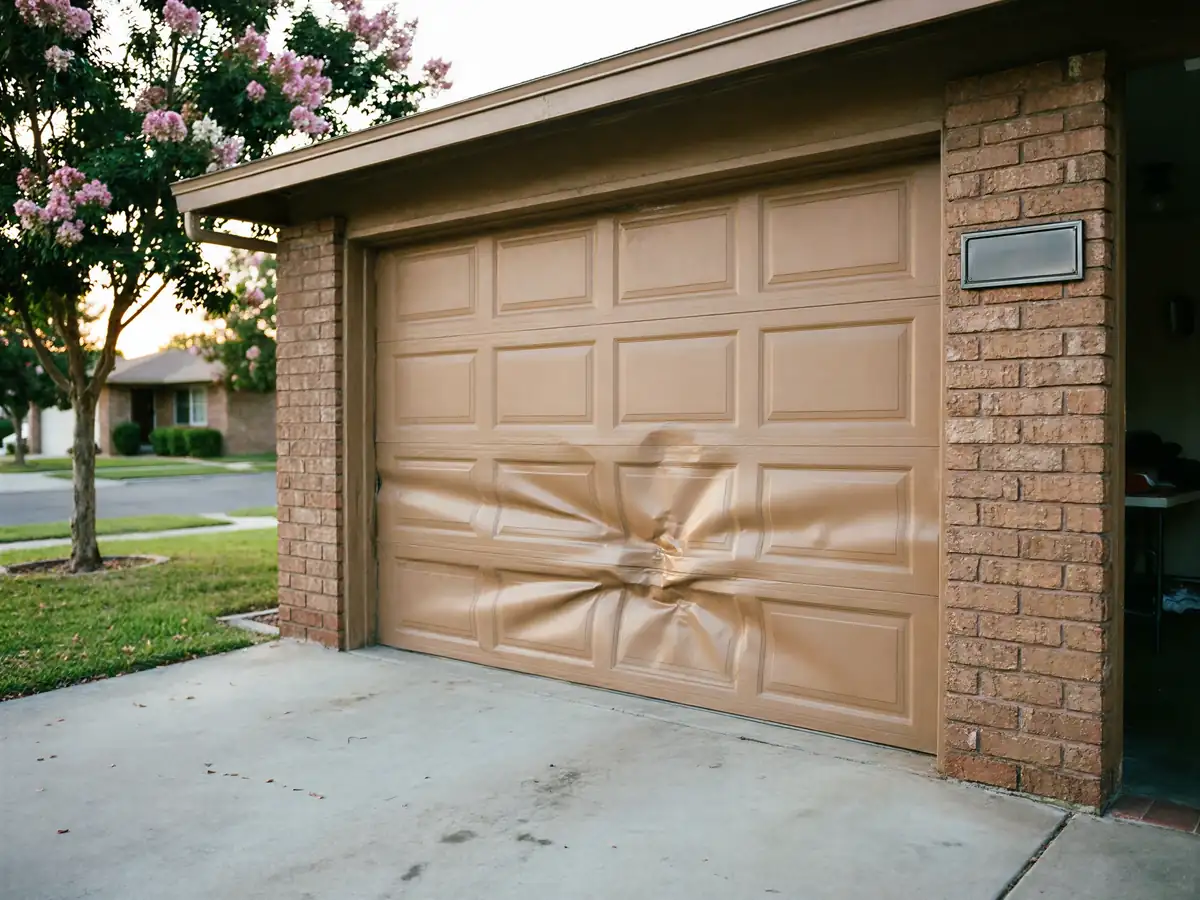
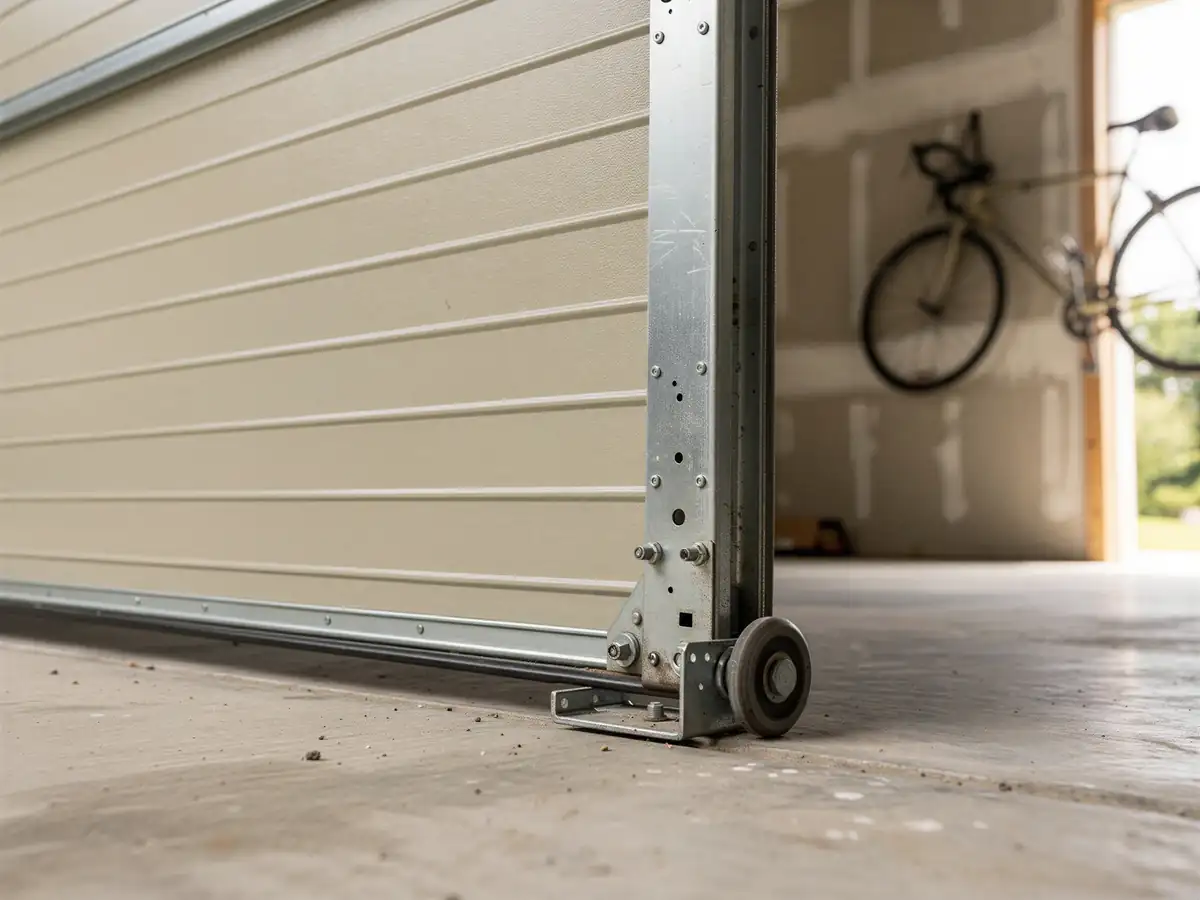
A door that's jumped its track is not a tighten-the-bolt job, and in a neighborhood where the median home dates to 1959, the hardware still on the wall is often the original track, original brackets, and original rollers. That's older than what you'll find in most of the rest of the service area, where the median build year runs closer to 1980. Older track is lighter gauge steel, bent easier, and the mounting brackets were set for a door and spring weight that may not match what's hanging there now if the door's ever been replaced. You can usually push a door back onto bent track for a day or two, but the next cold snap or hard slam puts it right back off, sometimes worse. If a roller's chewed through the track lip or a bracket has pulled from the jamb, that's not a DIY fix - the door can come down.
What the Repair Takes
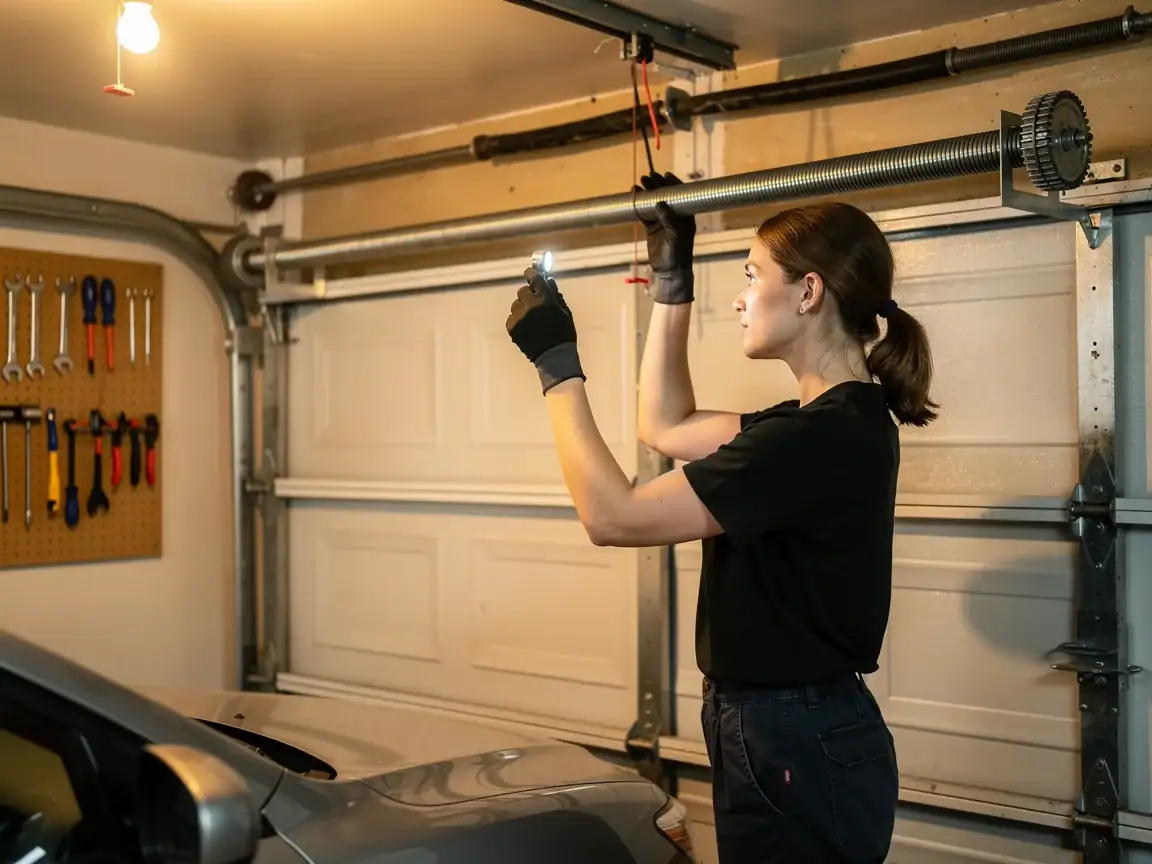
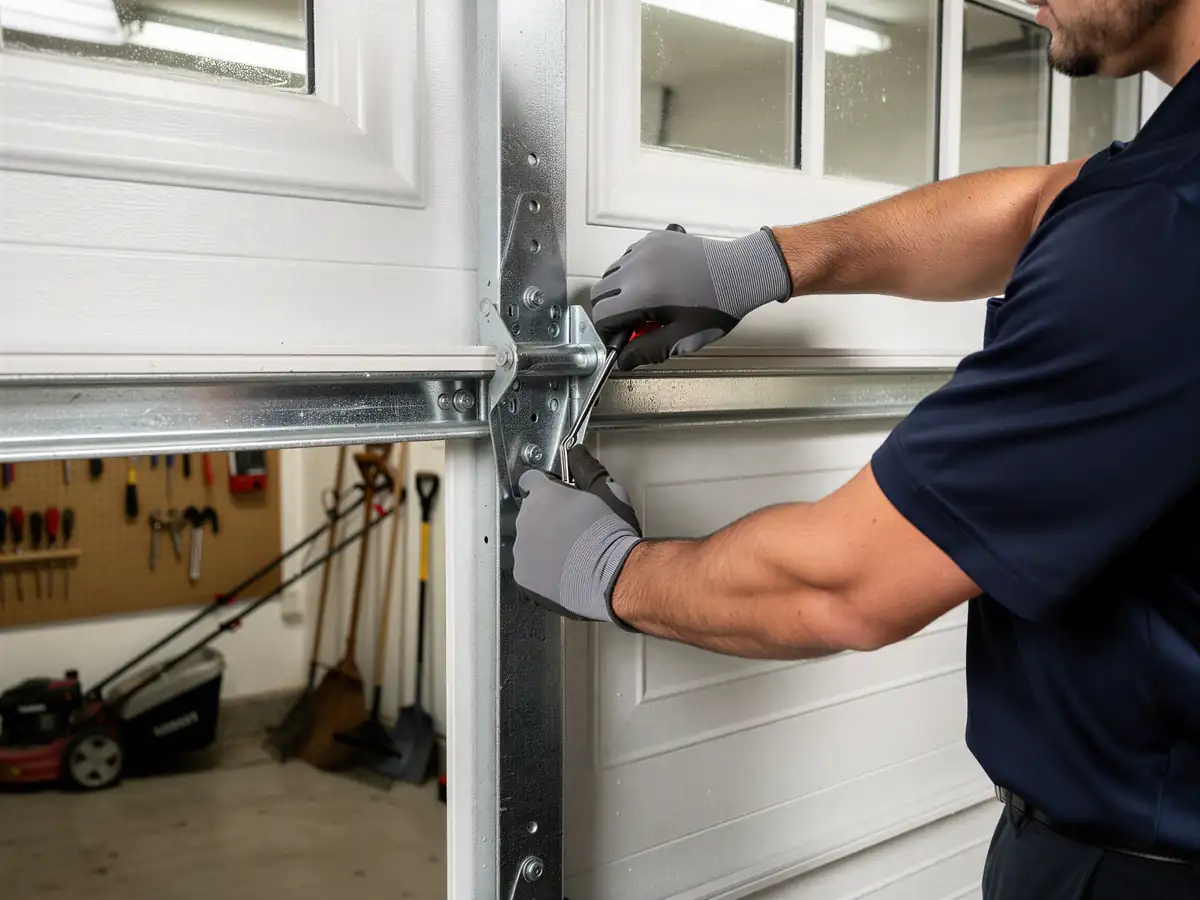
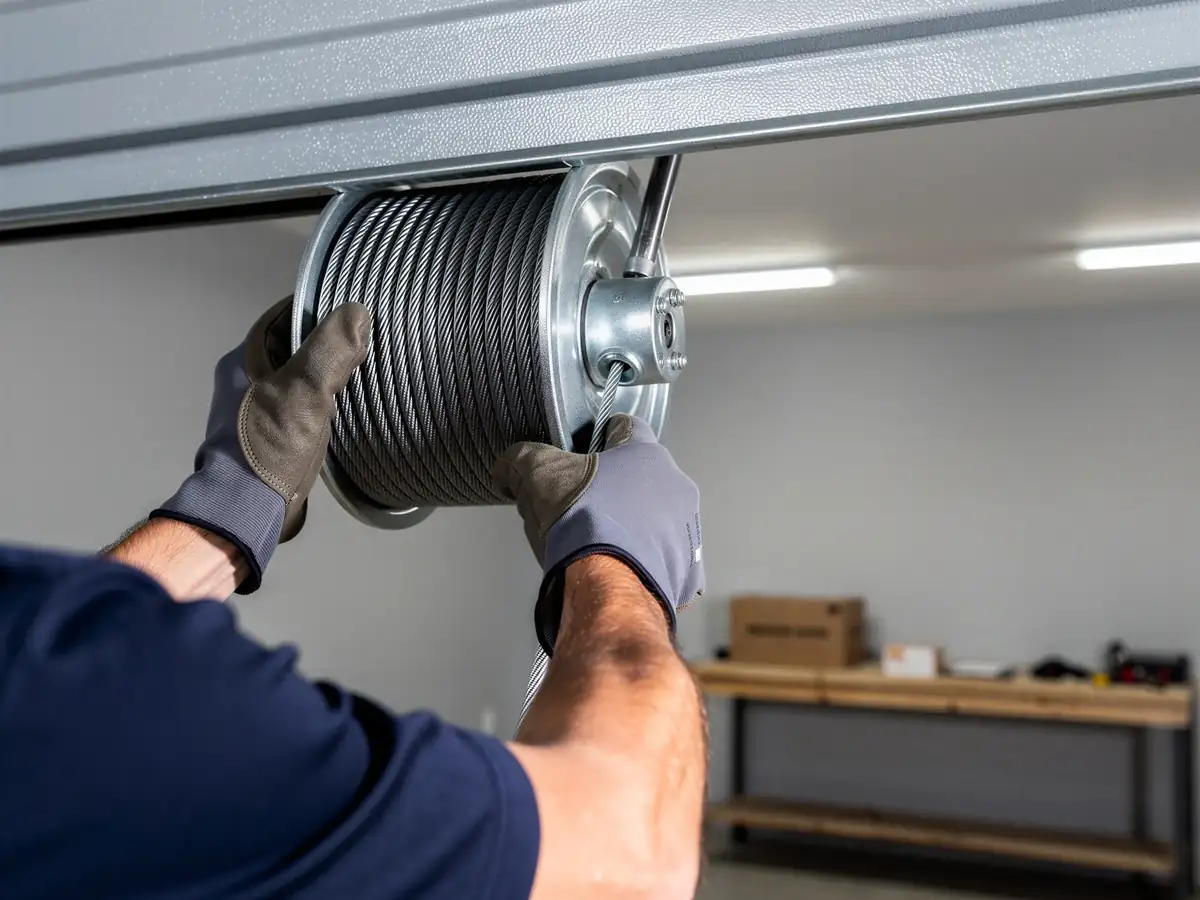
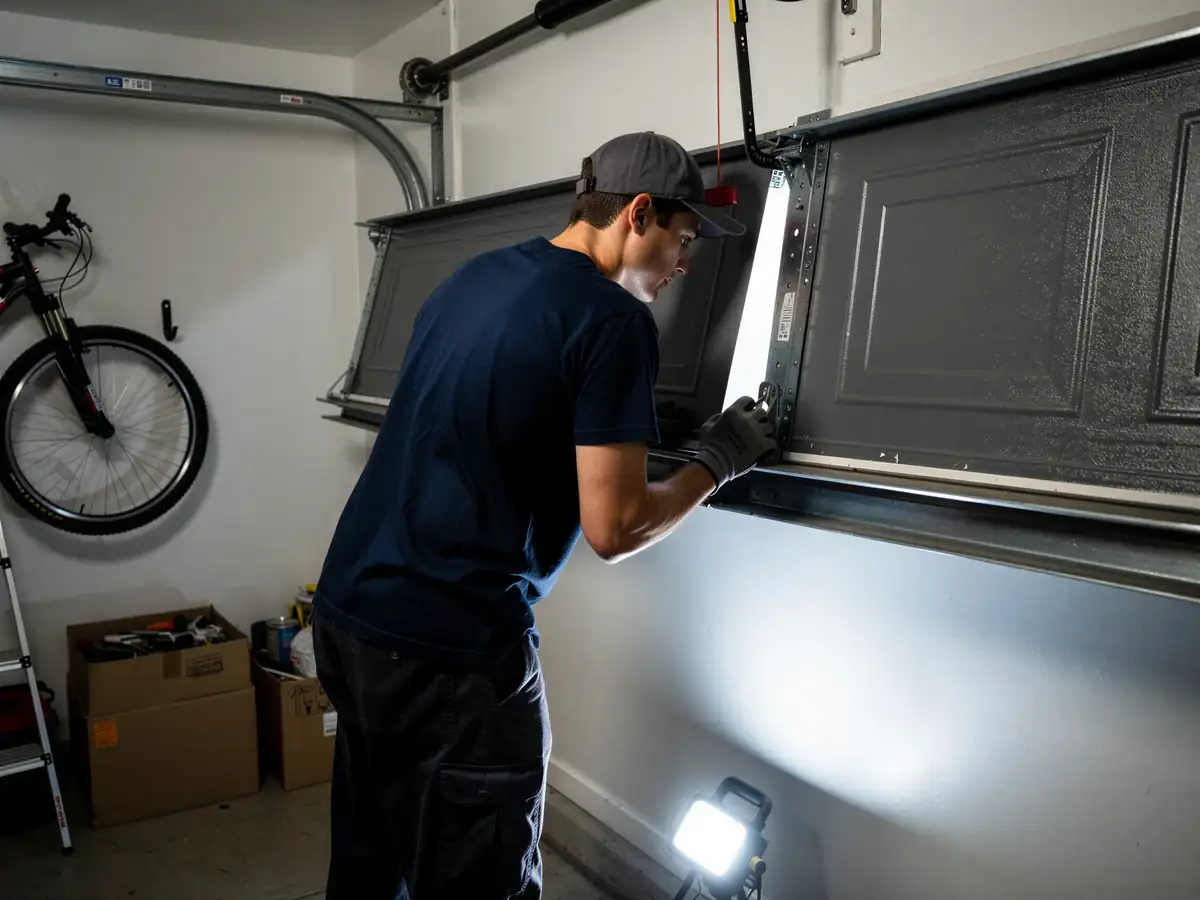
The job starts with figuring out why the door left the track, not just putting it back. On a house from the late 1950s, that usually means checking whether the vertical track is still plumb, whether the horizontal track still carries the door's weight without sagging, and whether the brackets are original or already patched. If the track itself is bent at the point of failure, straightening it rarely holds - it goes back on with new track sections matched to the existing gauge where we can, or a full track swap if the old steel's too far gone. Rollers get replaced as a set, not one at a time, since a mismatched roller is often what started the problem. We check cable alignment and spring tension before the door ever gets tested, since a door that's off-track from a snapped cable needs that fixed first or it'll happen again within the week.
Time on the Job
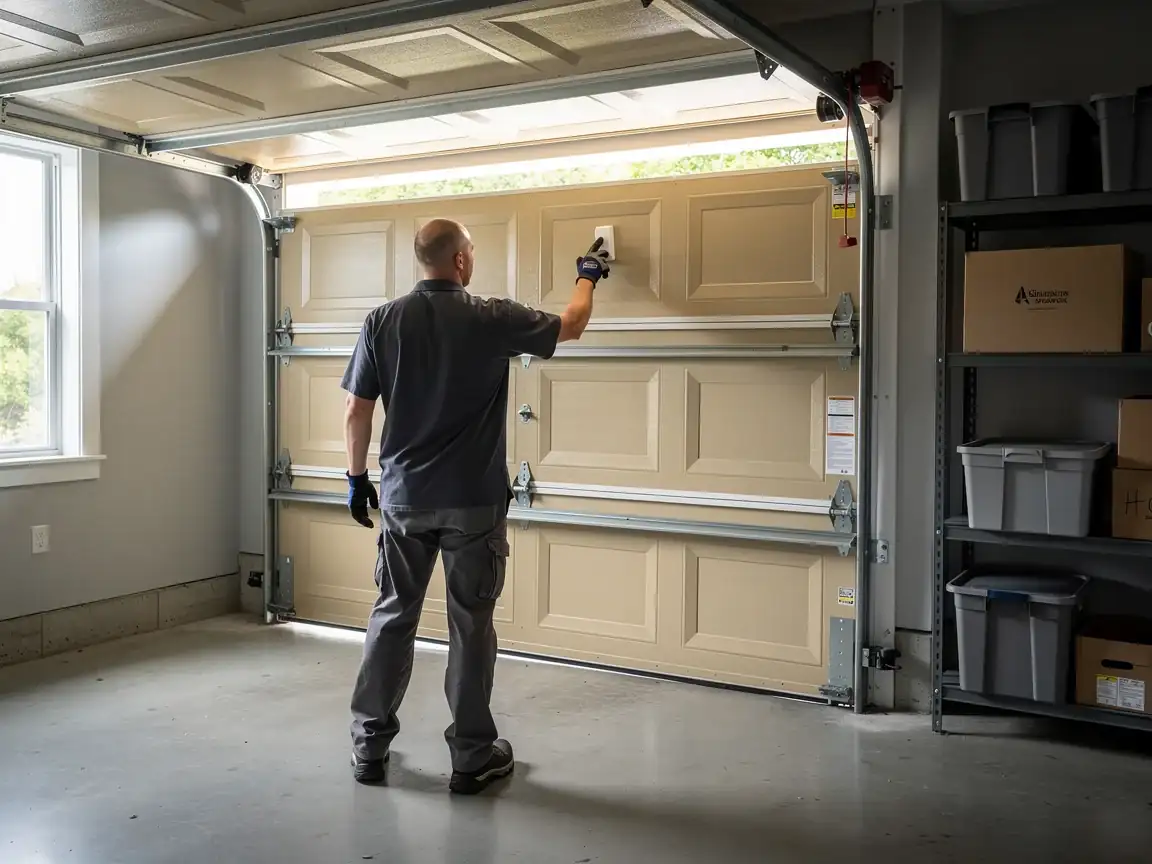
Most off-track calls run a straightforward diagnose-and-repair visit once we're on site - re-securing track and brackets, swapping a damaged roller set, realigning the door square to the opening. If the original 1959 track needs replacing rather than repairing, that adds time, since matching bracket spacing on an older frame isn't always a straight swap with stock parts. We're coming from Moore, about 16 miles out, so the drive is part of the schedule - we don't keep a branch in Nichols Hills, and we're upfront about that distance when you call. It affects when we can get there, not the quality of the repair once we're on site.
Why It Happens Here
Nichols Hills sits on housing stock that's noticeably older than the broader service area - a median build year of 1959 against roughly 1980 across the 18 communities we cover. That age gap matters for track hardware specifically: steel track from that era wasn't galvanized the way current stock is, and six decades of Oklahoma winters work on bare or thin-coated steel differently than they do on anything built in the 80s or 90s. The service area sits in a cold-moderate climate band, and repeated freeze-thaw cycling is hard on metal that's already fatigued from decades of use. Add in a median household income here well above the service-area norm, which often means doors and openers that have been upgraded over the years while the original track and brackets stayed put - a mismatch between new door weight and old hardware is a common root cause.