Can You Do This Yourself
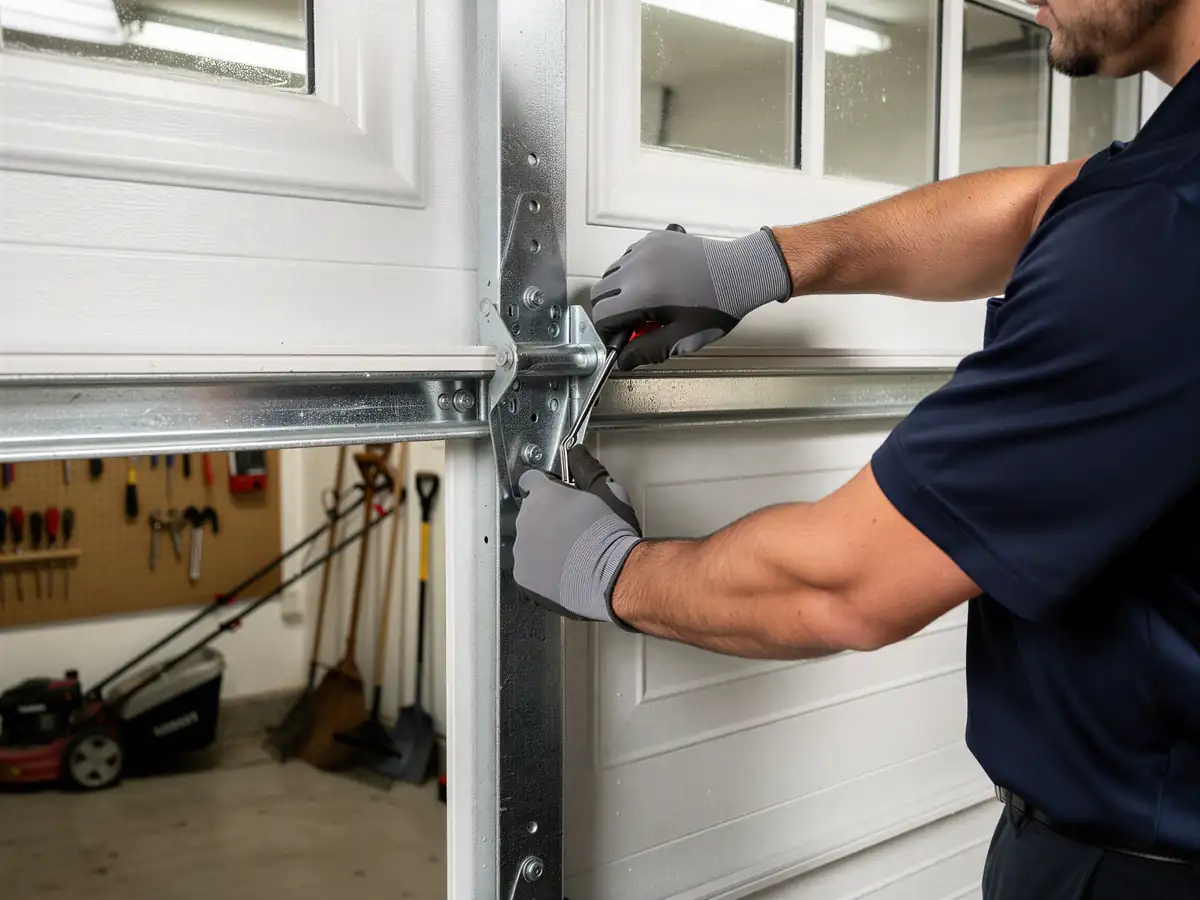
A broken torsion spring on a door built when Nichols Hills was first platted out - median year built here is 1959 - is not a weekend fix. These older systems often run on a single center-mounted spring under far more tension than the dual-spring setups common in newer builds, and the shaft can let go while you're working on it. If the door won't open, won't close, or is hanging crooked on one side, leave it down and call it in rather than crank on it yourself.
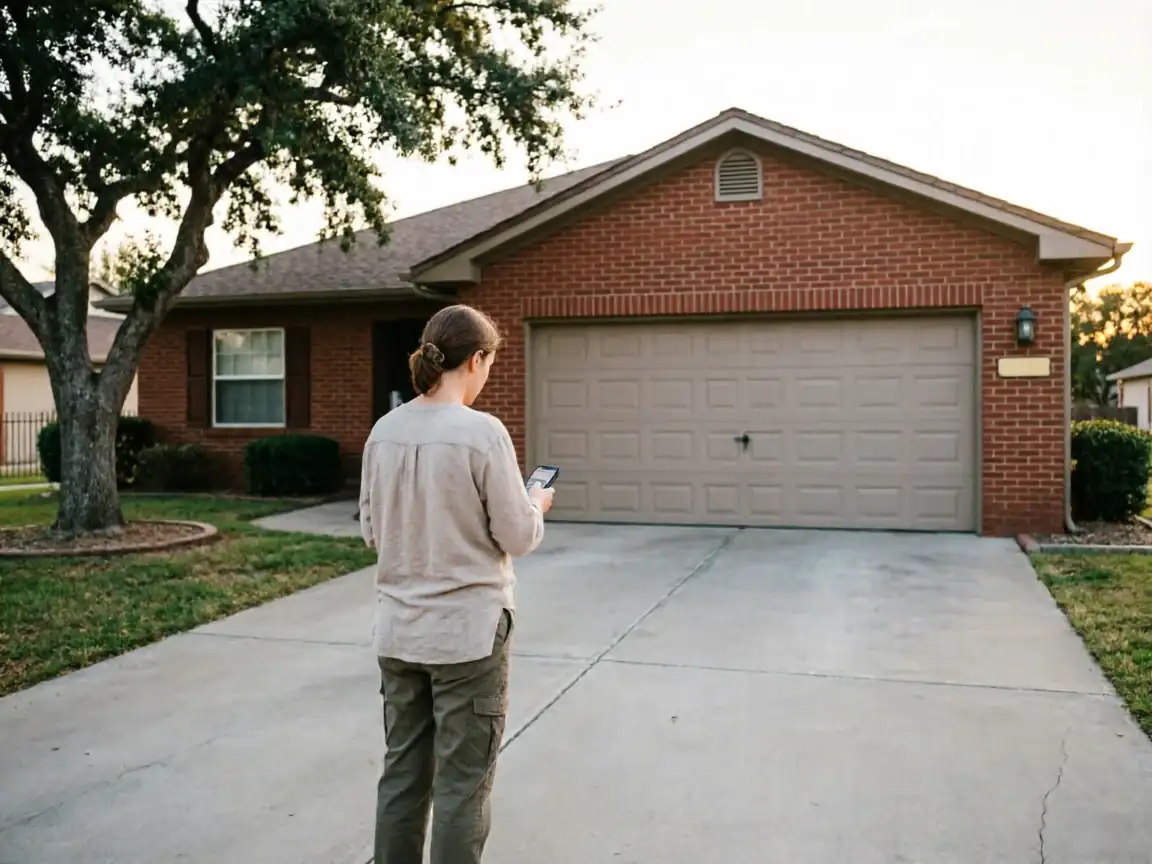
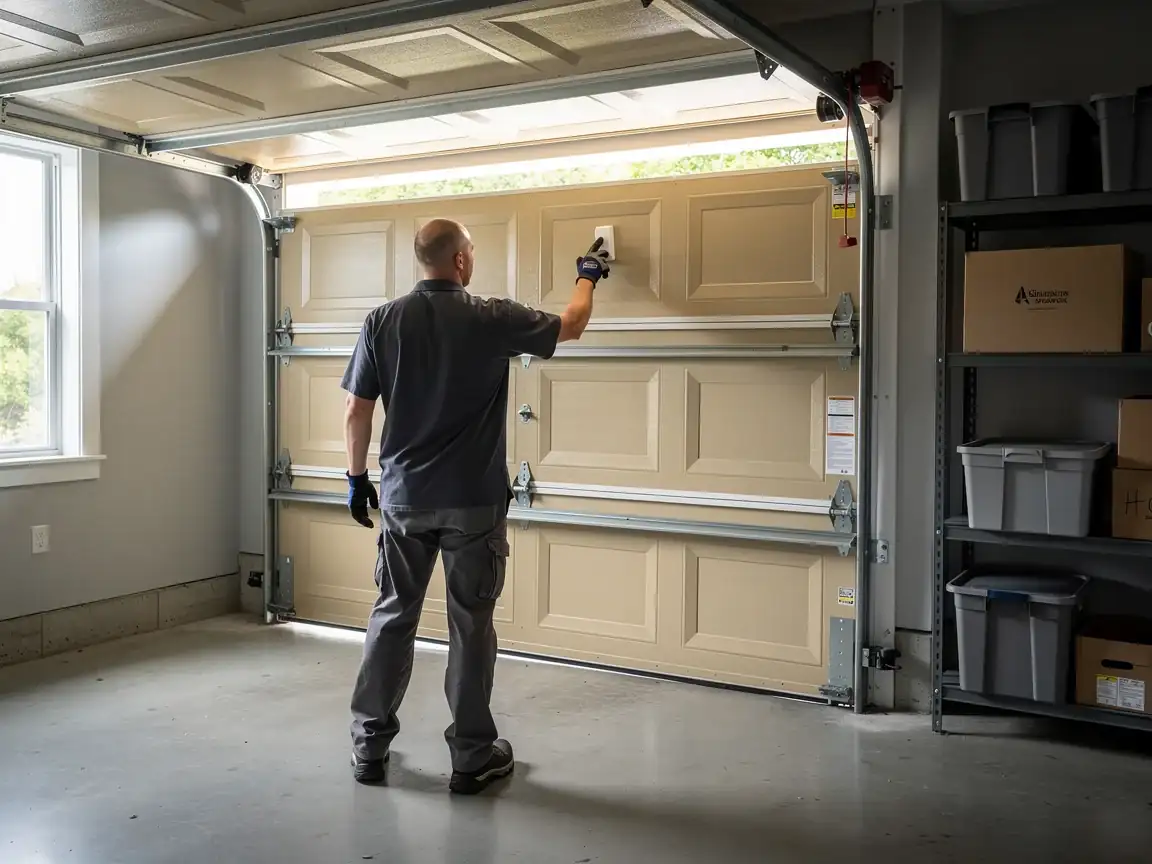
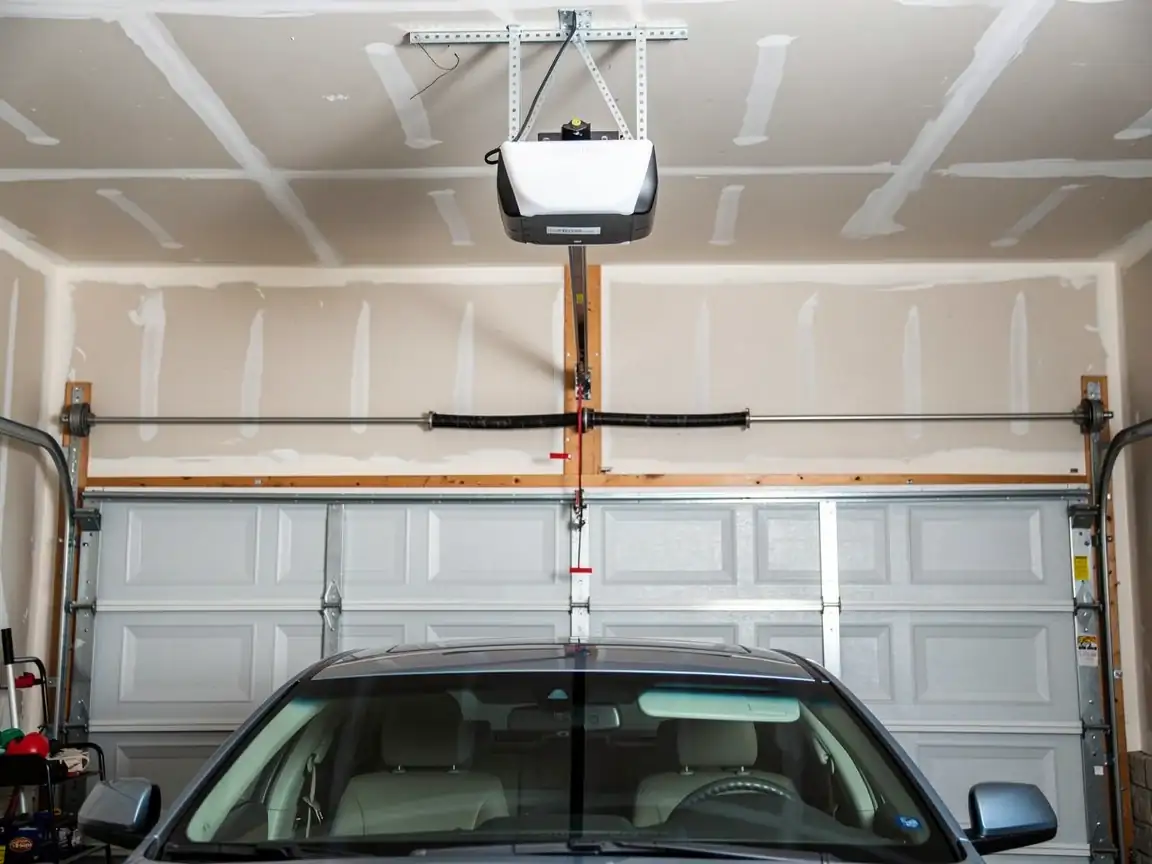
Where a homeowner can help: clearing the track of debris, checking that the wall switch has power, and noting whether the door moves freely by hand with the opener disconnected. That tells the tech on the phone a lot before the truck even leaves Moore. What you shouldn't touch: the spring itself, the cables, or anything bolted to the header above the door. On a house this age, the bracket hardware holding that spring in place has usually never been replaced, and it doesn't forgive a wrench slipping.
What the Repair Takes
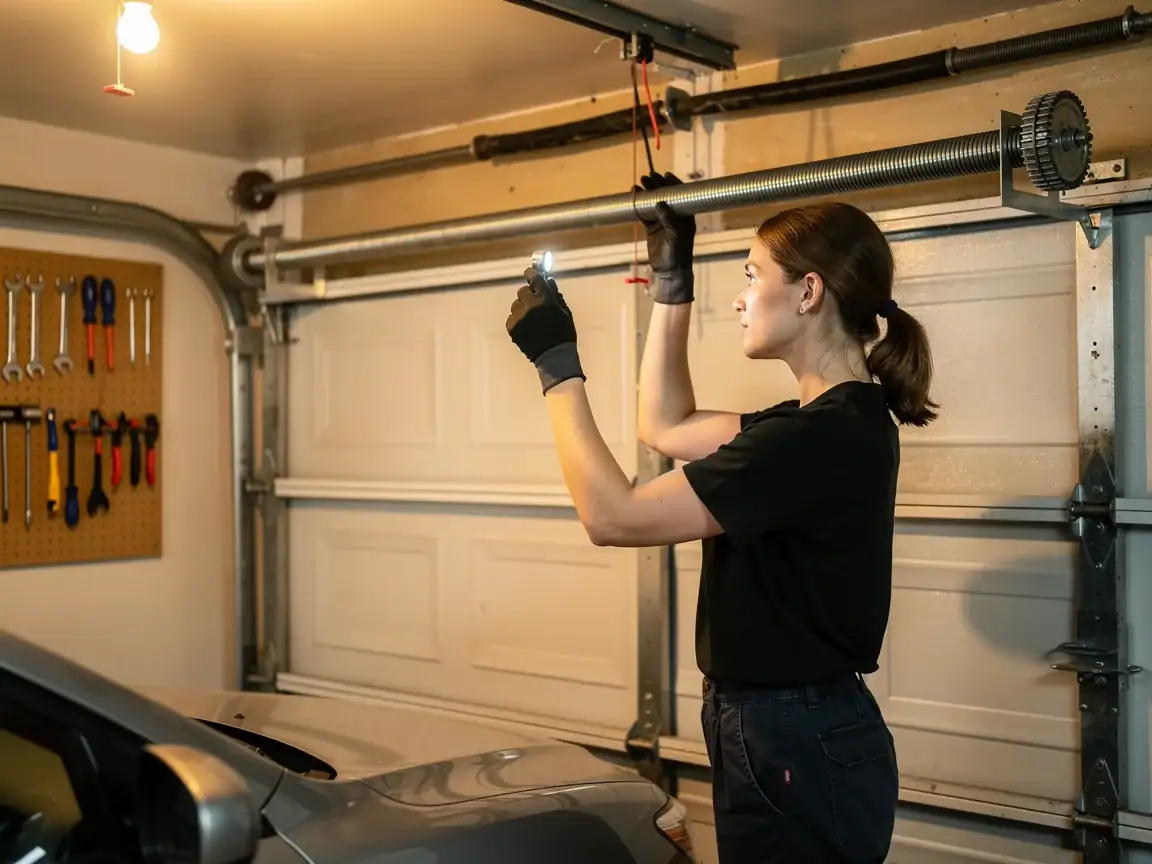
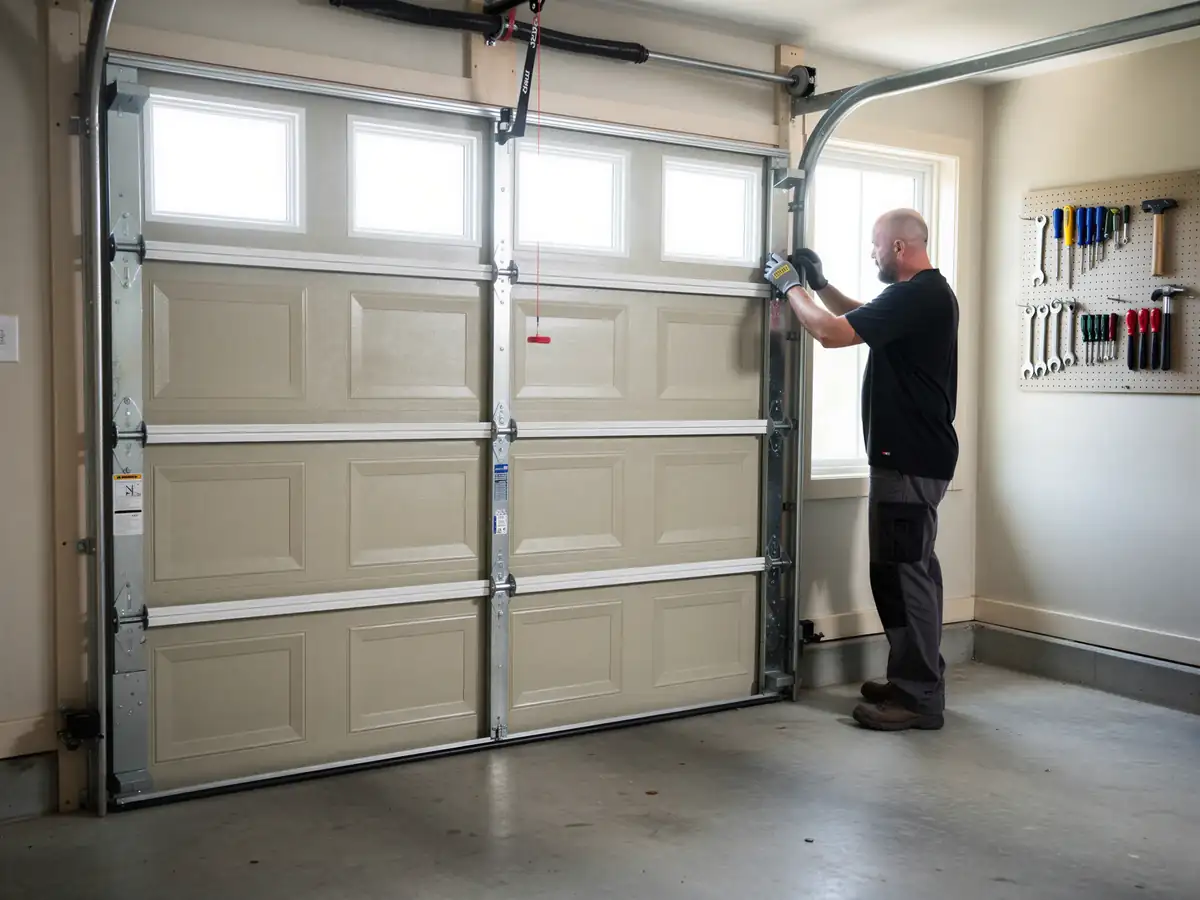
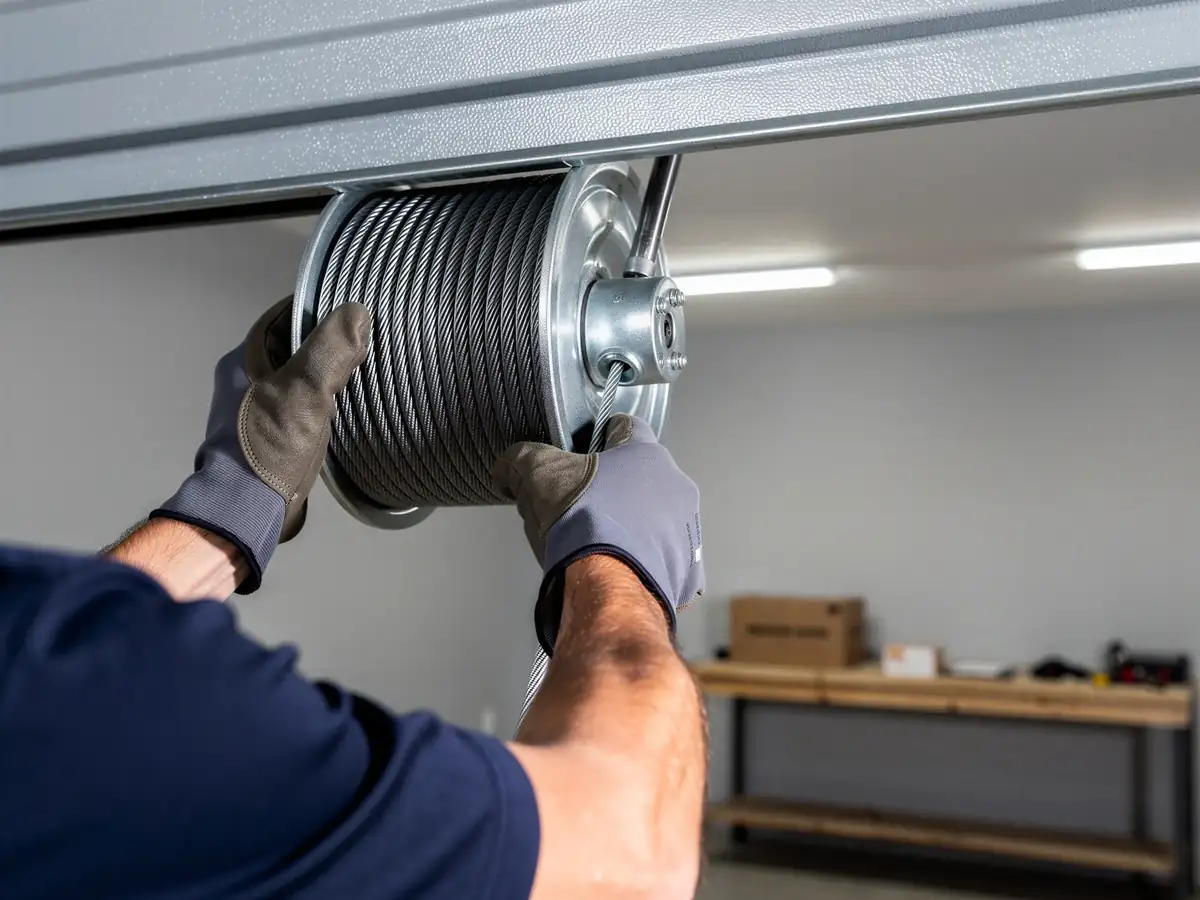
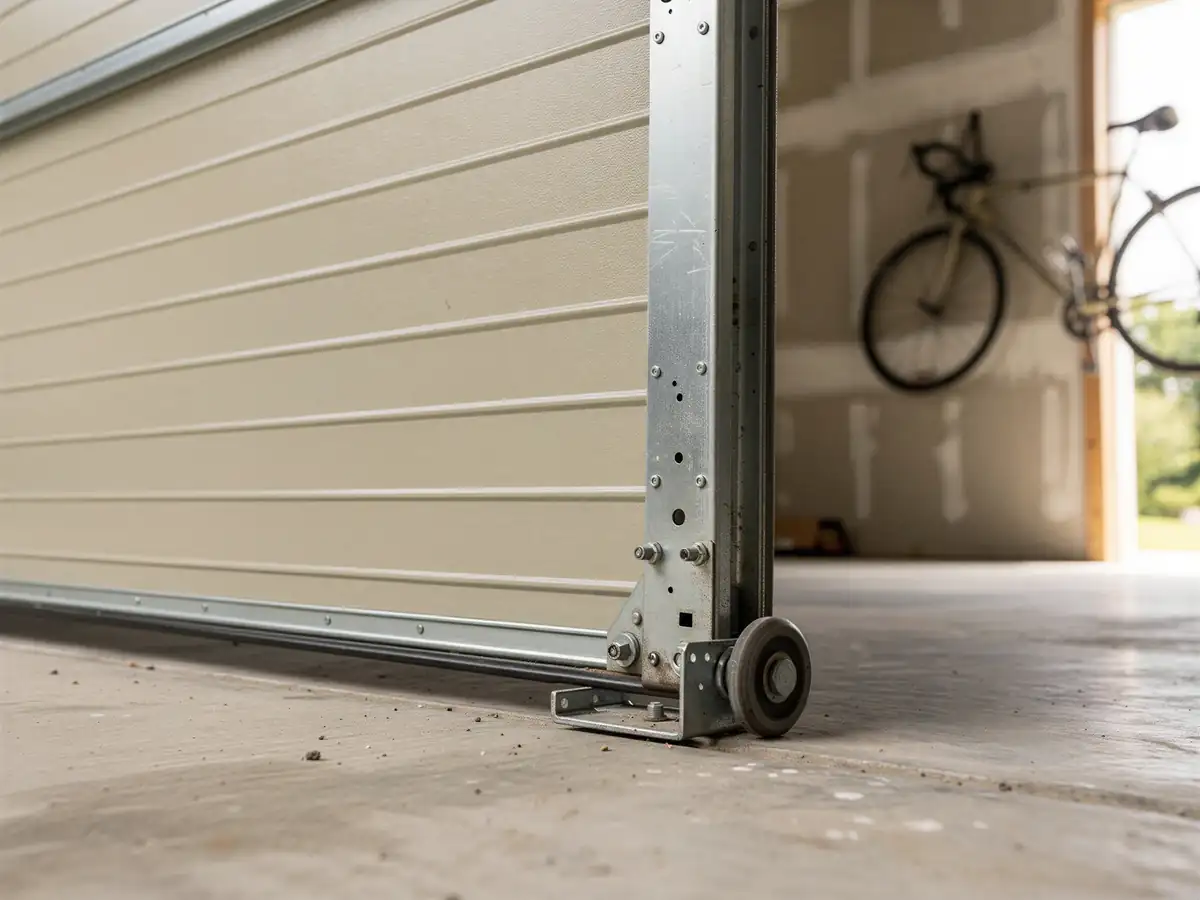
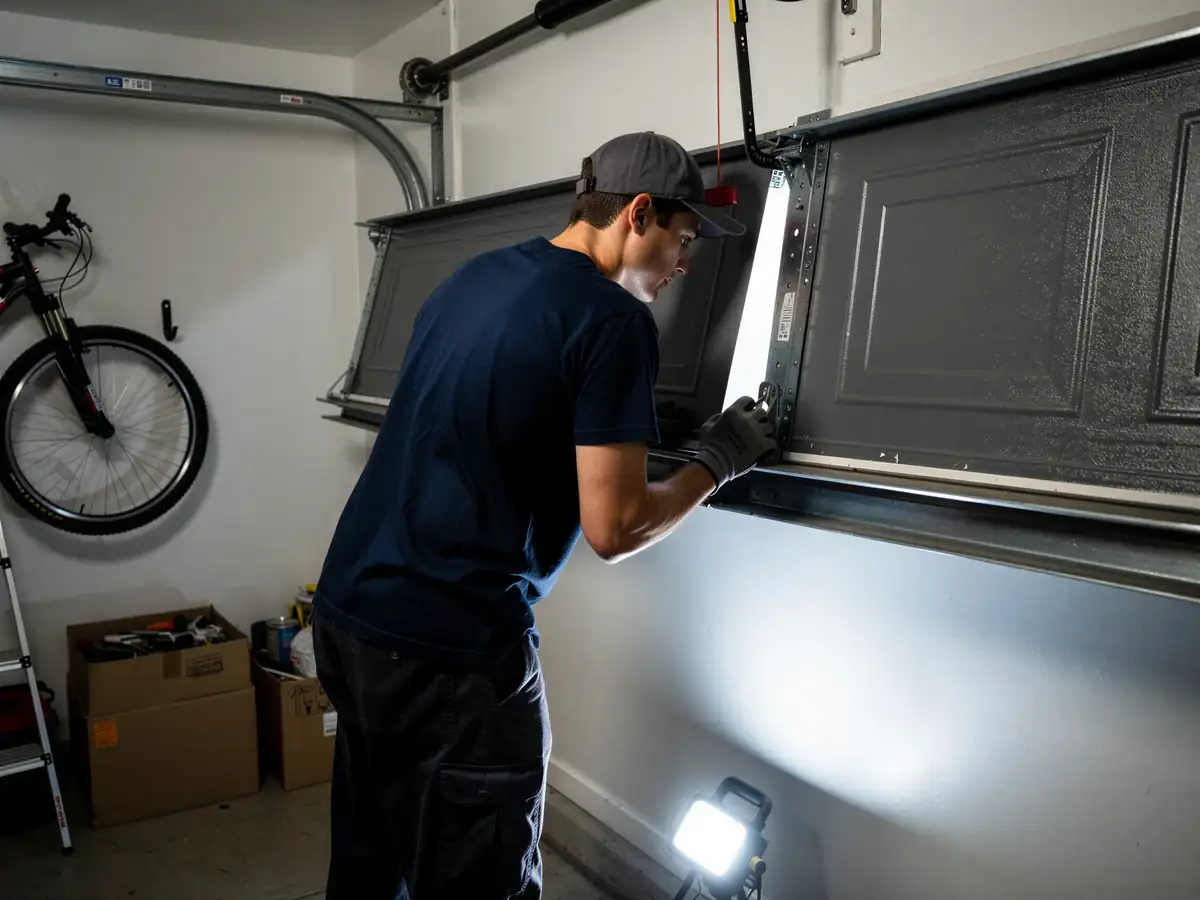
Most emergency calls in this part of the service area come down to one of three things: a snapped torsion spring, a frayed or popped cable, or a roller that's finally worn through after decades in the same track. With a median build year of 1959, a lot of these doors are running original or first-generation replacement hardware - parts that were standard then but aren't always a direct swap now.
That means a tech sometimes has to adapt a modern spring or cable to an older drum or shaft size rather than bolt in something off the shelf. It adds time to the job but it's the difference between a repair that holds and one that's back on the schedule in six months. If the track itself has rusted or bent from age rather than impact, straightening it is sometimes possible, but a track that's been reshaped once already is usually better replaced outright - that's a call the tech makes on site, not over the phone.
How It Shows Up
The most common signs we hear described from calls in this area
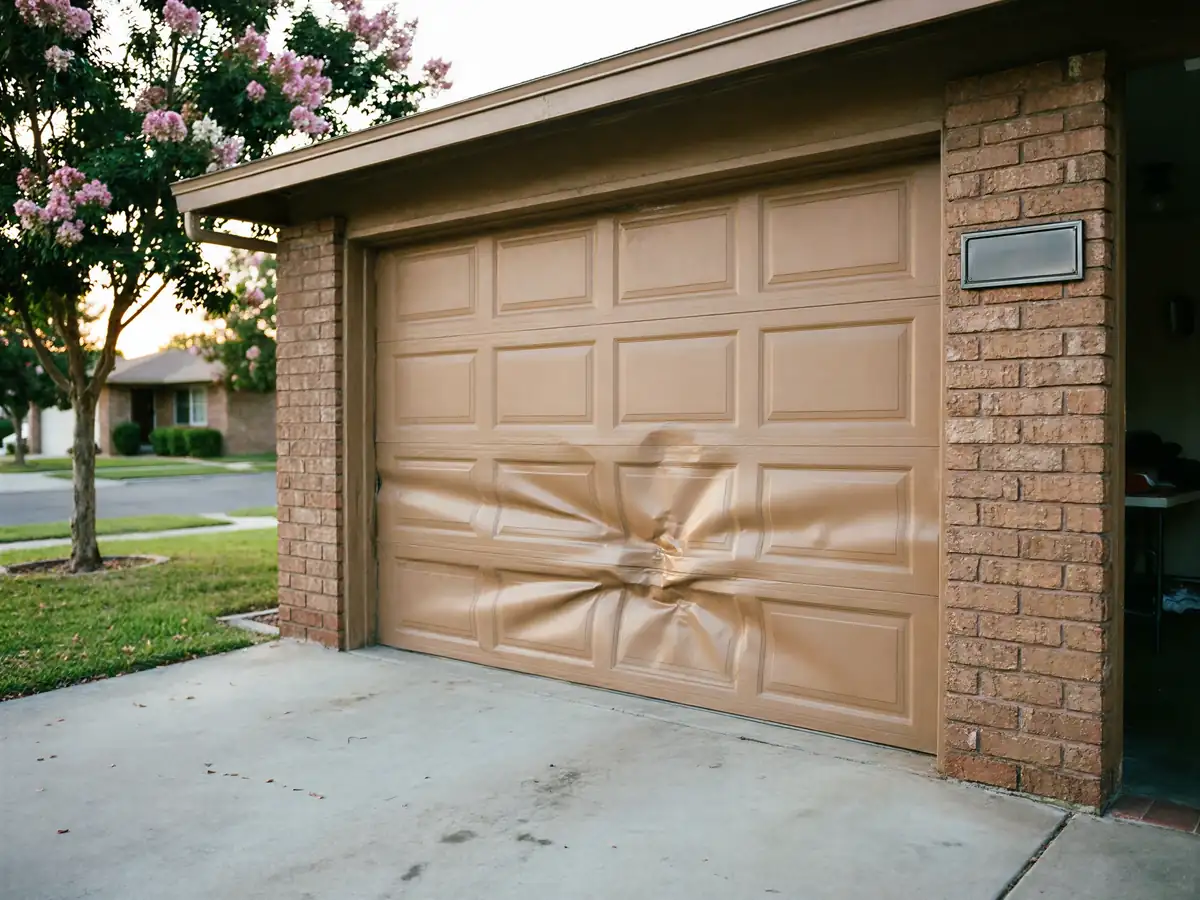
The door slams down the last foot instead of settling, there's a loud bang from the garage followed by the door refusing to move, or one corner droops lower than the other when it's open halfway. Any of those points to a cable or spring failure, not an opener problem.
Less dramatic but just as urgent
A door that reverses itself right after it starts closing, or one that needs a shove by hand to get moving. On the older torsion setups common to houses built around 1959, that hesitation is often a spring that's lost tension gradually rather than snapped outright - it's still a safety issue, because the door is no longer balanced and the opener is doing work it isn't built for.
Time on the Job
A straightforward spring or cable replacement on a standard double door usually runs under two hours once the tech is on site and has identified the part needed. Houses in this area with original hardware sometimes add time, since a 1959-era drum or shaft doesn't always match current stock sizes and may need an adapter or a second trip if the exact part isn't on the truck.
We're honest about that upfront: if the hardware is genuinely obsolete, the first visit may be a diagnosis and a return trip with the right part, rather than a one-stop fix. It's a better outcome than forcing a part that doesn't fit and having it fail again in a month.
Why It Happens Here
Nichols Hills sits about 16 miles from our base in Moore, and the housing stock here is older on average than much of the rest of the service area, where homes mostly date to the 1980s and 90s. A median build year of 1959 means the garage doors, openers, and spring hardware in a lot of these homes have gone through at least one replacement cycle already, sometimes with parts that were a reasonable match at the time but aren't an exact fit for what's sold today.
The winters here also matter. The region sits in a cold-moderate climate band, and repeated freeze-thaw cycles work on steel cable and spring coatings over decades, especially on hardware that's already past its expected service life. Combine an older door with a few hard winters and a spring that's been tightening and relaxing since before most of the neighborhood's current owners moved in, and failure on a cold morning isn't surprising - it's overdue.
Booking a Visit
We cover Nichols Hills out of our Moore location, about 16 miles away
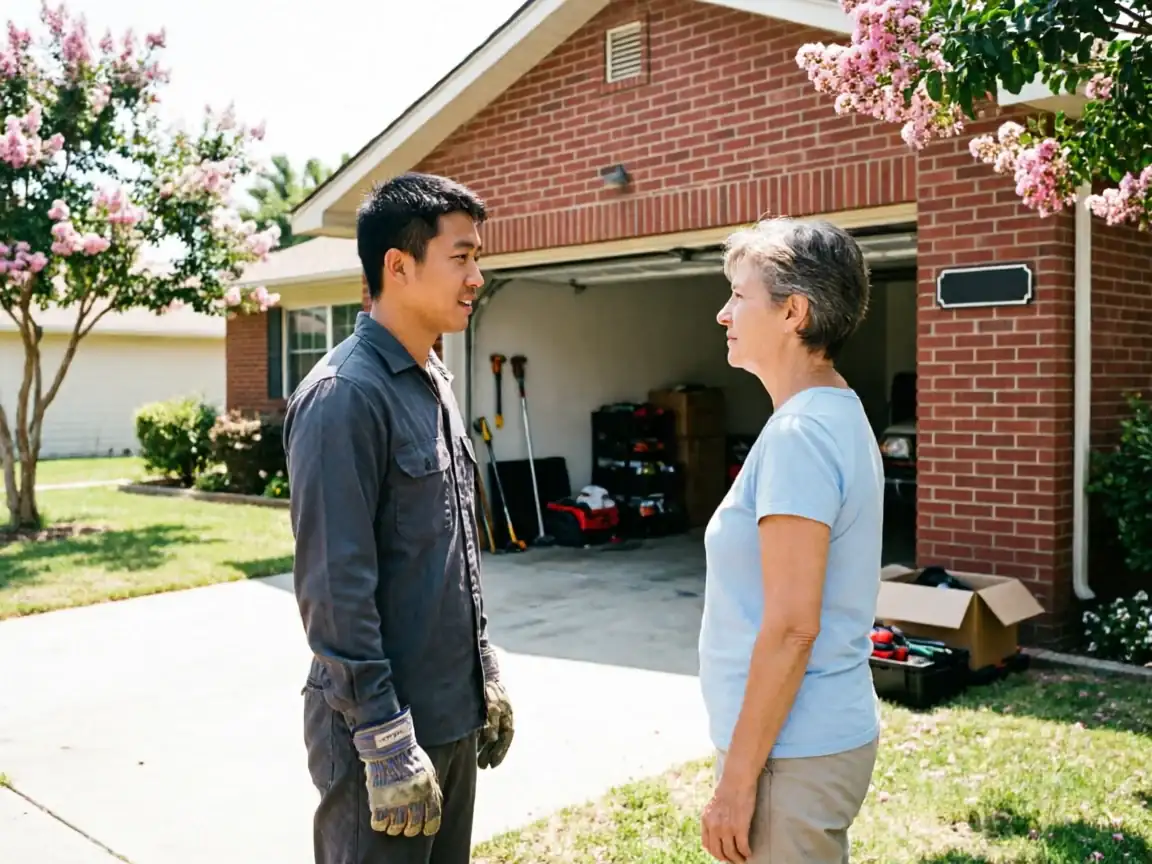
So there's no local branch or drop-in counter here - a truck comes to you. When you call, have the make of your opener handy if you know it, and tell the dispatcher whether the door is stuck open or stuck shut; that changes what gets loaded on the truck before it leaves.
- 16 miles
For more on what we handle in this neighborhood day to day
See our Nichols Hills garage door repair page. If this isn't an emergency and you're just getting a quote, our emergency garage door repair in Moore page covers the service area broadly.